Support

Takeo

About

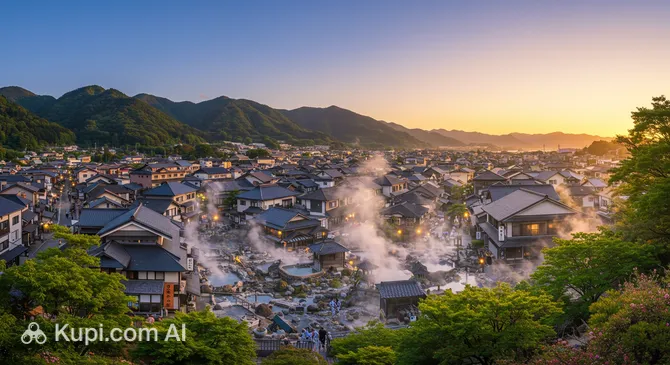
Takeo is a charming town nestled among picturesque hills on the island of Kyushu, in Saga Prefecture. This corner of western Japan, with a population of approximately 47,681, is located far from the hustle and bustle of major metropolises. The city is famous for its tranquility, measured pace of life, and stunning nature, offering visitors a unique blend of ancient traditions and modern amenities.

Takeo. Illustration.
Source: Kupi.com AI

The main atmosphere of Takeo is one of harmony and peace. Although the town is small by Japanese standards, it is rightfully considered one of the gems of the region. Takeo is renowned for its healing hot springs (onsen), ancient temples that preserve centuries of wisdom, and magnificent gardens where every corner exudes serenity. It is in its compactness and authenticity that its special charm lies, making it easy to feel like a part of local life.

If you are looking for an opportunity to experience authentic culture, want to escape the city rush, and immerse yourself in the atmosphere of traditional Japanese hospitality, Takeo is the perfect choice for you. This town invites you to enjoy a leisurely holiday and discover the true soul of the Land of the Rising Sun.

You can find more interesting facts on the history of Takeo page.

Weather Overview

The weather in Takeo is characterized by pronounced seasonal variations. Summers here are generally warm and humid, especially in July and August, when average temperatures reach 26.8°C - 28.0°C, and maximums can rise to 30.9°C. July is also the month with the highest rainfall (11 mm) and the highest number of rainy days (20 days). Winters in Takeo are cool and drier, with average temperatures around 6.6°C in January and 8.0°C in December. Minimal precipitation (about 2 mm) falls during these months. Spring and autumn are pleasant transitional periods with moderate temperatures and rainfall. In general, expect warm summers with occasional rain and cool, relatively dry winters. You can find more detailed information about the weather by month on the Takeo's Climate page.

Average monthly temperature

Average monthly precipitation

Interesting Facts

In addition to its famous hot springs and picturesque gardens, Takeo holds many surprising stories and features that make it a truly unique place. Here are just a few interesting facts that might surprise you:

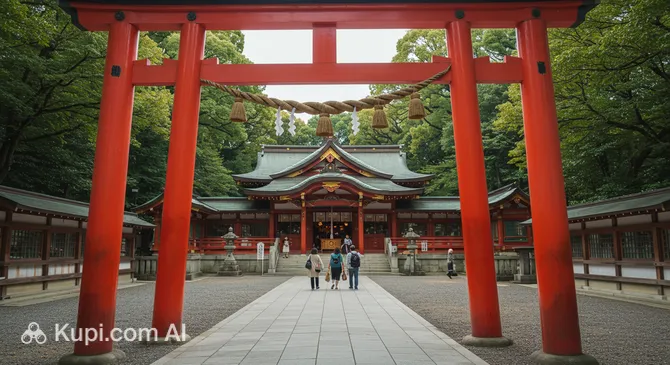
Takeo Shrine. Illustration.
Source: Kupi.com AI

Traveler photos:

  • Takeo is home to one of Japan's most innovative and beautiful public libraries — Takeo City Library. It is not just a place to store books, but a real cultural space with a modern design that also houses a bookstore and a cafe, attracting visitors from all over the country.

  • The city's main natural wonder and symbol is the giant camphor tree on the grounds of Takeo Shrine, which is estimated to be over 3,000 years old. It is one of the oldest trees in Japan, revered as sacred and attracting many pilgrims and curious tourists.

  • The city of Takeo has a rich tradition of ceramic art, known as Takeo-yaki. Local master craftsmen have been creating unique clay products for centuries, and the city's numerous tea houses offer guests the opportunity to experience the art of the Japanese tea ceremony in an authentic setting.

  • While Takeo's thermal springs (onsens) are widely known for their healing properties, a special feature of many of them is their location in historical buildings surrounded by ancient trees. This creates a unique atmosphere of privacy and tranquility, allowing you to feel the spirit of old Japan.

How to Get There

When planning a trip to this picturesque corner of Saga Prefecture, it's important to think about logistics in advance. The city has good transport accessibility thanks to a developed road network and proximity to several airports. To plan your route in detail, we recommend studying all ways to get to the city, and below we will highlight the key transport hubs.

Takeo itself does not have its own airport; however, travelers can use several options in neighboring cities. The closest is Saga Airport (HSG), located just 26.6 km away. This is a convenient regional airport from which a taxi or bus ride takes about 40–50 minutes. Due to its proximity, it is often the number one choice for domestic tourists.

For those arriving from further away or on international flights, the main hub is Fukuoka Airport (FUK). It is located about 59 km from Takeo and is a major transport hub with a high passenger flow. From here, you can reach the city by direct bus or train in approximately 1–1.5 hours. Another convenient alternative is Nagasaki Airport (NGS), located about 32.4 km away.

For convenience, here is a summary of the main airports in the region:

AirportPassenger trafficDistance
Saga Airport600 58227 km
Nagasaki Airport3.1 mln32 km
Fukuoka Airport24.9 mln59 km
Iki Airport64 25865 km
Amakusa73 06580 km

Traveling by rail is another popular and scenic way to reach Takeo. The city is served by Takeo-Onsen station, which is an important stop on the Nishi-Kyushu Shinkansen ("Kamome") and the Sasebo Line. This allows for quick and comfortable travel from Fukuoka or Nagasaki. Modern express trains make the trip not only fast but also a pleasant part of your Japanese adventure, offering views of Kyushu island's beautiful landscapes.

Main Attractions

Takeo, a charming city in Saga Prefecture, offers travelers a unique combination of natural beauty, historical heritage, and modern cultural sites. Here, everyone will find something for themselves, from peaceful gardens to educational museums.

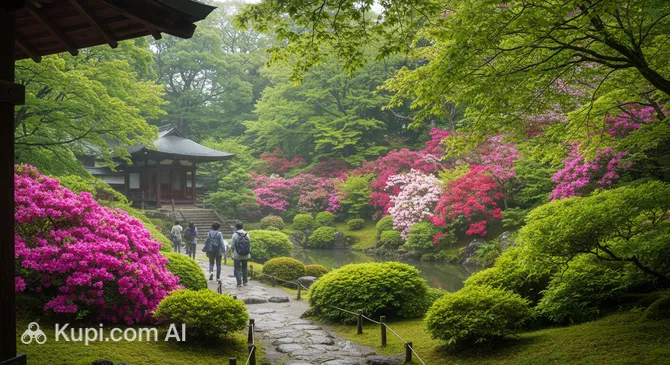
One of the city's main gems is Mifuneyama Rakuen. This vast garden, stretching at the foot of Mount Mifune, is particularly beautiful in spring during the azalea and cherry blossom season, as well as in autumn when the maples turn crimson. The park is known for its picturesque ponds, flower fields, and seasonal light installations that attract visitors year-round. It is an ideal place for leisurely walks and enjoying the harmony of nature.

Mifuneyama Rakuen. Illustration.
Source: Kupi.com AI

Traveler photos:

Nearby is Takeo Shrine, an ancient and revered site. Its main attraction is a giant camphor tree, which is said to be over 3,000 years old. This mighty tree is considered sacred and attracts pilgrims and tourists wishing to touch history and feel the special energy of this place. The shrine itself also impresses with its traditional architecture and peaceful atmosphere.

Takeo Shrine. Illustration.
Source: Kupi.com AI

Traveler photos:

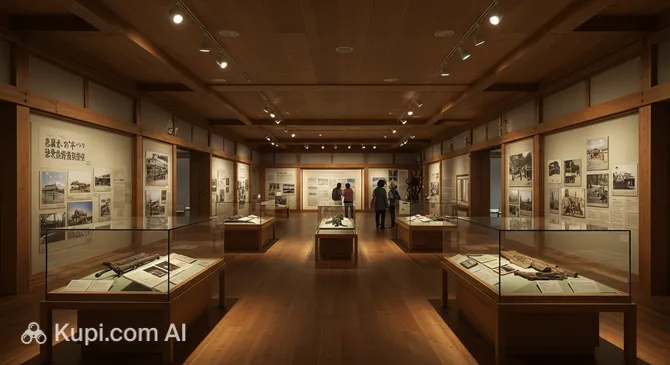
For curious travelers, especially families with children, a visit to the Saga Prefectural Space and Science Museum is a must. Located in Takeo, this museum offers fascinating interactive exhibits dedicated to astronomy, physics, and technology. Visitors can learn a lot about the universe, participate in scientific experiments, and even visit a planetarium. It is a great place to broaden your horizons and find inspiration for scientific discovery.

Saga Prefectural Space and Science Museum. Illustration.
Source: Kupi.com AI

Traveler photos:

Another iconic location is the Takeo City Library. This is not just a book repository, but a true cultural center with a modern design, cozy reading rooms, and even a coffee shop. The library has become a popular spot not only among locals but also for tourists, thanks to its innovative concept and pleasant atmosphere that encourages both reading and socializing. Its architecture and interior design are often cited as prime examples of modern Japanese design.

Takeo City Library. Illustration.
Source: Kupi.com AI

Traveler photos:

Local Cuisine

The gastronomic scene in Takeo is a true discovery for lovers of Japanese cuisine, where special attention is paid to the freshness and seasonality of products. The city is famous for dishes prepared with local vegetables, select rice, and fresh fish caught in nearby waters. Culinary traditions are carefully preserved here, offering guests an authentic taste of the Kyushu region.

Among the dishes that are definitely worth trying in Takeo, "Takeo-onsen tofu" stands out. This unique tofu is prepared using water from local hot springs, which gives it an incredibly delicate texture and special flavor. Another gastronomic pride is Saga beef (Sagyu), known for its marbling and juiciness. It is often served as steaks or as part of the traditional dish "sukiyaki." Also popular are chicken and pork dishes, grilled or served in fragrant broths, along with fresh sushi and sashimi.

As for drinks, in Takeo, as in all of Japan, green tea is highly valued. The local tea is distinguished by its special aroma and rich taste. Of course, in restaurants and cafes, you will also find other traditional Japanese drinks, both alcoholic and non-alcoholic, which will perfectly complement your meal.

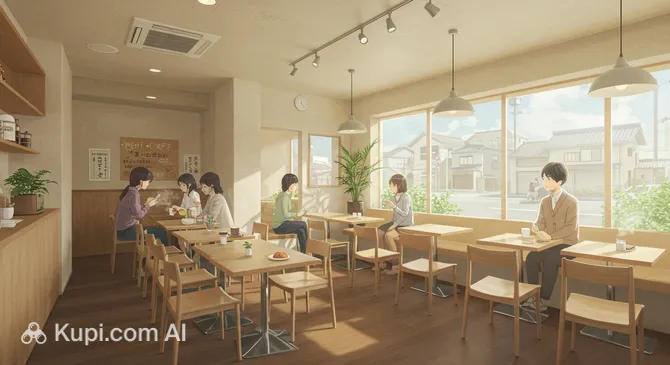
Food culture in Takeo is diverse. Locals and tourists can enjoy meals in cozy street cafes and small family restaurants serving authentic dishes. One such place where you can immerse yourself in the atmosphere of local hospitality and try specialties is Cafe Emi. Farmers' markets are another great place to get acquainted with local products, fresh vegetables, fruits, and delicacies. The city is also known for its food festivals, where you can not only try a variety of dishes but also participate in culinary masterclasses.

Emi Cafe. Illustration.
Source: Kupi.com AI

Traveler photos:

Travel Tips

Planning a trip to the charming city of Takeo? These practical tips will help you make your journey through this corner of Japan as comfortable and memorable as possible.

  1. Clothing and Essentials: The climate in Takeo, as in the rest of Japan, is characterized by four seasons. In summer (June-August), it is hot and humid, so choose light, breathable clothing. In winter (December-February), it can be chilly, so bring warm items. Spring and autumn are the most comfortable times, making layered clothing ideal. Be sure to bring comfortable shoes, as the city and its surroundings, including the famous Mifuneyama Rakuen park, are great for long walks. Don't forget an electronics adapter (Japan uses Type A, 100V). When visiting temples and onsens (hot springs), there may be specific rules for dress or behavior; check them on-site.

  2. Transport: You can move around Takeo and its surroundings by local buses that connect major points, including Takeo-Onsen. Schedules may be predominantly in Japanese, so it's useful to have a navigation app handy. Taxis are available but will cost more. If you plan to actively explore Saga Prefecture, renting a car might be a good option, but remember to drive on the left and ensure you have an international driving permit.

  3. Finances: The local currency is the Japanese Yen (JPY). You can exchange money at airports, banks, or specialized exchange offices. Credit cards are accepted in many hotels, large stores, and restaurants; however, in smaller establishments, markets, and some temples, cash may be required. ATMs that accept international cards can most often be found in post offices (Japan Post Bank) and 7-Eleven stores. The culture of tipping in Japan practically does not exist, and leaving one may cause confusion.

  4. Health and Safety: Takeo, and Japan in general, is considered a very safe city. Pharmacies (薬, kusuri) are easy to find, but pharmacists mostly speak Japanese. For medical assistance, tourists are better off going to large hospitals or clinics; check with your insurance company in advance about coverage for medical expenses abroad. Standard precautions, such as watching your personal belongings, are always relevant.

  5. Communication: The main language is Japanese. English proficiency among the local population may be limited, especially outside popular tourist sites. Learn a few basic Japanese phrases: "Konnichiwa" (Hello), "Arigato" (Thank you), "Sumimasen" (Excuse me/I'm sorry). For connectivity, consider buying a tourist SIM card or renting a portable Wi-Fi router. Free Wi-Fi is often available in hotels and some public spaces.

  6. Local Etiquette: Japanese people highly value politeness and respect for traditions. Greetings are usually accompanied by a bow. In public places, especially on transport and in onsens, try not to be noisy or have loud phone conversations. When visiting Takeo-Onsen, be sure to familiarize yourself with the rules: for example, you must wash thoroughly in a designated area before entering the communal bath.

  7. What to Avoid: Try not to eat or drink while walking on the street, especially in crowded places—it's considered impolite. Also, never stick your chopsticks vertically into a bowl of rice, as this is associated with funeral rituals.

  8. Special Tip: Takeo is famous for its ceramic products (Takeo-yaki). Visit local pottery workshops or shops to purchase unique souvenirs. Also, don't miss the chance to walk through the grounds of the 3,000-year-old Takeo no Okusu camphor tree, one of the city's symbols.

We hope these tips help you plan an unforgettable trip to Takeo and fully enjoy its unique atmosphere, natural beauty, and the hospitality of the local residents. Have a great trip!

Entertainment & Nightlife

Evening Takeo offers its guests a quiet and cozy atmosphere, quite different from the noisy nightlife of major cities. You won't find large nightclubs or bar-filled districts here, but you can enjoy a pleasant dinner, local flavor, and peaceful strolls. The city's nightlife is more focused on gastronomic pleasures and relaxed rest.

The main evening entertainment in Takeo is visiting restaurants and traditional Japanese pubs – izakaya. This is a wonderful opportunity to try local cuisine in an authentic setting. For example, a dinner at a mid-range restaurant can cost around 2,500–5,000 yen per person, while drinks in an izakaya, such as local sake or beer, start from 500–700 yen. One such place to spend a pleasant evening is Cafe Emi, which offers a cozy atmosphere for dinner. You can also find small local establishments in the city serving sake and regional delicacies. Restaurants usually stay open until late evening, but it's worth checking operating hours in advance.

Emi Cafe. Illustration.
Source: Kupi.com AI

Traveler photos:

For those who prefer quiet evening activities, Takeo offers walks along its illuminated streets. Some natural attractions, such as the famous Mifuneyama Rakuen garden, may host seasonal evening light-ups or special events, adding charm to evening walks. The atmosphere in the city at night is peaceful and safe, making it ideal for a leisurely stroll.

When planning your evening leisure, keep in mind that public transport may run less frequently late at night. For moving around the city at night, taking a taxi is most convenient. The dress code in most Takeo establishments is quite casual, unless it is a high-end restaurant. The city as a whole is very safe, so evening walks through central areas should be worry-free.

During the day, Takeo offers other interesting leisure opportunities. Science and space enthusiasts can visit the Saga Prefectural Space and Science Museum. Those who appreciate silence and knowledge will surely enjoy the modern building of the Takeo City Library, which is an architectural landmark in its own right. These places will allow you to spend a fulfilling time before the evening sets in.

Parks & Museums

Takeo, nestled in Saga Prefecture, offers its guests a harmonious combination of natural beauty and rich cultural heritage. Here you will find peaceful gardens for leisurely strolls and interesting museums revealing the history and scientific achievements of the region.

One of the most iconic places for nature lovers in Takeo is Mifuneyama Rakuen. This extensive garden, spread at the foot of Mount Mifune, is beautiful at any time of year but is especially famous for its azaleas in spring and vibrant autumn colors. A walk along its winding paths, past ponds and traditional tea houses, will give a sense of tranquility and union with nature.

Mifuneyama Rakuen. Illustration.
Source: Kupi.com AI

Traveler photos:

For those interested in culture and history, the Takeo City Library will be a real revelation. It is not just a book repository, but a modern cultural space with a unique design where exhibitions and events are often held. Here you can not only read but also enjoy an atmosphere of creativity and knowledge.

Takeo City Library. Illustration.
Source: Kupi.com AI

Traveler photos:

Another must-visit place, especially if you are traveling with children, is the Saga Prefectural Space and Science Museum. The museum's interactive exhibits tell fascinating stories about the Universe, astronomy, and scientific discoveries, making the process of learning interesting for visitors of all ages.

Saga Prefectural Space and Science Museum. Illustration.
Source: Kupi.com AI

Traveler photos:

The city of Takeo is also famous for its historical shrines. Takeo Shrine is one of the oldest and most revered sites in the region. Its calling card is a huge camphor tree, over 3,000 years old, which creates a special, mystical atmosphere. A visit to the shrine allows you to touch the spiritual traditions of Japan.

Takeo Shrine. Illustration.
Source: Kupi.com AI

Traveler photos:

For a complete impression of Takeo, don't limit yourself to just the famous sights. Stop by one of the cozy local cafes, such as Cafe Emi, to enjoy a cup of aromatic coffee and observe the slow life of the city. It's also worth walking down less well-known streets, where you can find small temples or traditional workshops that preserve the spirit of old Japan.

Getting Around

Public transport in Takeo is mainly represented by bus routes that connect various city districts and the surrounding areas. Railway lines also pass through the city, but they are more frequently used for communication with other settlements in Saga Prefecture and beyond, rather than for moving within Takeo itself.

Bus fares in Takeo are generally paid in cash upon exiting. In some cases, common Japanese transport IC cards (such as Suica, Pasmo, or local equivalents) may be accepted, but it's better to check this possibility in advance or have small change ready. The fare usually depends on the distance. In smaller towns like Takeo, the payment system may be simpler, and the driver will always be able to help you out.

Bus tickets in Takeo usually do not need to be purchased in advance – payment happens directly on the bus. When entering the bus (often through the back door), you can take a ticket with a stop number (if a zoning system is in place) or simply remember where you boarded. Payment is made to the driver upon exiting through the front door. Buses usually run according to a schedule, which can be found at stops or at a tourist information center. Note that public transport operating hours may be limited, especially in the evenings and on weekends.

In addition to buses, you can use taxi services in Takeo. This is a more expensive but comfortable way to get around, especially if you are traveling with luggage or a small group. Taxi stands are usually located at the railway station and near major tourist sites. For more independent exploration of the city and the picturesque surroundings of Saga Prefecture, you might consider renting a car. In some areas of Takeo, particularly around the onsens and parks, bicycle rentals may be available, which is a great way for leisurely rides and getting to know the area.

When planning your travels around Takeo, it is recommended to check the route maps and schedules in advance if possible. The most up-to-date information can always be obtained at the local tourist information center, where they can also suggest the most convenient ways to reach the attractions you are interested in. Overall, the city's transport system is quite clear for tourists, and local residents are usually ready to help.

Accommodation

In the city of Takeo, travelers will find various accommodation options to suit different preferences and budgets. There are traditional Japanese ryokans, where you can immerse yourself in local culture and enjoy hot springs (onsens), as well as more modern hotels and cozy guesthouses (minshuku). For those looking for a more private stay, apartments or short-term rental homes may also be available.

When choosing a place to stay in Takeo, it's worth looking at areas near Takeo-Onsen station, which provides easy access to transport. Accommodation options near famous attractions are also popular, such as the picturesque Mifuneyama Rakuen park or the historic Takeo Shrine, allowing you to easily explore the city's main beauties.

Mifuneyama Rakuen. Illustration.
Source: Kupi.com AI

Traveler photos:

The price range for housing in Takeo varies from budget options to more expensive offerings, especially in ryokans with onsens. It is recommended to book accommodation in advance, especially if your trip coincides with the peak tourist season or Japanese holidays. Most options are easy to find and book through popular online platforms or directly on the websites of hotels and ryokans.

Nearby Cities

For those wishing to explore the surrounding area, Takeo serves as an excellent starting point for day trips to several interesting nearby locations:

CityPopulationDistance
Ureshino25 59311 km
Taku18 21513 km
Hasami14 33213 km
Imari52 69415 km
Arita18 86716 km

These nearby destinations provide insight into the diverse culture and landscapes of the region. Each of these cities offers its own unique attractions, whether it's historical castles, picturesque parks, or lively port areas. For example, a trip to Sasebo might interest maritime enthusiasts and those seeking beautiful coastal views, while Saga offers an introduction to the prefecture's rich cultural heritage.

Shopping & Souvenirs

Takeo, a charming city in Saga Prefecture, offers a cozy and authentic shopping experience rather than a hunt for global brands. Here you will find unique local goods, handicrafts, and souvenirs reflecting the region's culture. The city is particularly famous for its ceramics, known as Takeo-yaki, which will serve as a wonderful reminder of your trip.

In Takeo, there are no huge shopping avenues like in metropolises. The main shops and souvenir stalls are generally concentrated around the Takeo-Onsen railway station, as well as along the streets leading to popular tourist sites like Takeo Shrine. Small shopping arcades (shotengai) may also offer interesting finds from local vendors.

You most likely won't find large multi-story shopping malls in Takeo. However, the city has modern spaces that combine culture and commerce. For instance, the famous Takeo City Library includes a Tsutaya bookstore, where you can buy not only books but also stylish stationery, designer items, and souvenirs. This place is more than just a library; it's a cultural hub with opportunities for pleasant shopping.

While Takeo is not known for large permanent markets, local fairs or seasonal markets are sometimes held where farmers and artisans sell their products. It's best to check for information about such events locally at tourist information centers. These markets are a great opportunity to buy fresh local produce and unique handmade items.

The primary souvenir from Takeo is undoubtedly Takeo-yaki ceramics. These items feature a variety of styles and techniques. Also, look out for goods related to onsens (hot springs) – bath salts, mineral water-based cosmetics, and local sweets (such as manju). At the souvenir shops near Takeo Shrine, you can purchase traditional Japanese amulets (omamori) or items made from camphor wood, as the famous giant camphor tree grows nearby. Don't forget local Saga Prefecture delicacies like tea, sake, or nori.

Most shops in Takeo are open from approximately 10:00-11:00 to 19:00-20:00. Small private shops may have shorter hours or a day off once a week. Regarding payment, cash is still widely used, especially in small shops and markets. Credit cards are accepted in larger establishments and tourist locations. Some shops, like the Tsutaya in the Takeo City Library, will likely accept electronic payment cards like Suica or Pasmo.

Tourists in Japan can take advantage of the Tax Free system for purchases over 5,000 yen (excluding tax) at participating stores. Look for the "Tax-Free Shop" sign. You will need your passport to process the tax refund. There may be such shops in Takeo, especially those catering to tourists selling souvenirs or ceramics.
Reached the end of the page?

That means the route is fully explored