Support

Sasebo

About

Sasebo is a charming port city located in the northwest of Kyushu island in Nagasaki Prefecture. It is famous for its picturesque bay, dotted with numerous inlets and islets, offering travelers incredible panoramic views. This place feels like it was created for nature lovers and those who enjoy leisurely seaside walks, where it is particularly pleasant to watch sunrises and sunsets as light dances across the water's surface.
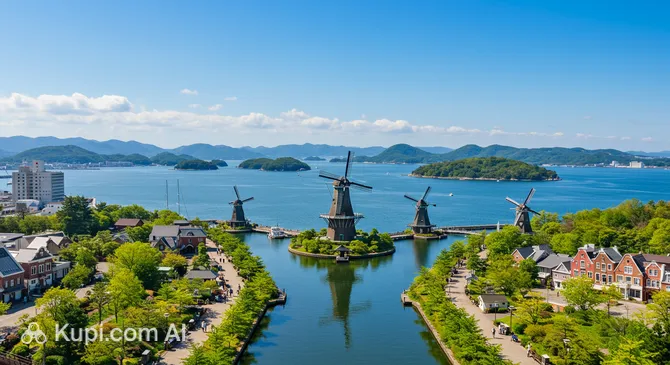
Sasebo. Illustration.
Source: Kupi.com AI

With a population of approximately 242,664 people, the city occupies a strategically important position and has historically been a significant regional center. Founded in the early 20th century, Sasebo quickly transformed from a small fishing village into an important urban and port hub for Japan, while retaining its unique charm and welcoming atmosphere. The climate here is mild, making a visit comfortable at any time of year.

Sasebo's atmosphere is unique thanks to a harmonious blend of Japanese traditions and European influence, which is reflected in its architecture, culture, and even local cuisine. One of the city's main jewels is the famous "99 Islands" (Kujukushima) — a scenic archipelago best explored by a boat cruise. Sasebo also offers many observation decks with breathtaking views of the bay and the surrounding hills.

Sasebo is an excellent destination for those seeking a balance between active recreation and peace. Here you can embark on a fascinating sea journey, wander through historical streets, visit local pottery workshops, or simply enjoy the slow-paced atmosphere of a seaside city with a rich history and unique cultural flair. This city is sure to leave you with warm and vivid memories.

You can find more interesting facts on the Sasebo city history page.
Weather Overview

In Sasebo, you can expect a warm and humid summer with temperatures reaching up to 30.2°C in August (average temperature around 27.9°C) and frequent precipitation, especially in June and July when the number of rainy days can reach 19. Winters here are mild, with average temperatures around 7.6°C - 9.0°C (for example, in January and December respectively) and less precipitation and fewer rainy days compared to the summer period.

To get a full picture of weather conditions by month and plan your trip in the best possible way, we recommend checking the Sasebo Climate page.

Average monthly temperature

Average monthly precipitation

Interesting Facts

Beyond its well-known landmarks, Sasebo hides many surprising stories and features that make it truly unique. Ready to learn some interesting secrets about this port city?

Yumihari Park Observation Deck. Illustration.
Source: Kupi.com AI

Traveler photos:

  • Sasebo was one of the first cities in Japan to engage in active trade with Europeans. Its deep and well-protected bay proved to be an ideal location for ships to anchor, helping Sasebo grow into an important port and a point of cultural exchange.

  • The city has a rich tradition of ceramic craft dating back over 400 years. Famous Sasebo pottery is produced here, with items still highly valued worldwide. Many local workshops and museums proudly showcase this heritage.

  • One of Sasebo's trademarks is the lively Yonkacho Shopping Arcade. Among the many goods here, you can find unique local souvenirs, such as traditional Sasebo spinning tops (koma). These skillfully made toys are considered symbols of luck and agility, and their production is a local specialty.

  • The natural gem of the region is the Kujukushima archipelago, which literally translates as "Ninety-nine Islands." In reality, there are more than two hundred of these picturesque islets scattered off the coast! You can admire them from places like the Yumihari Park Observatory.

How to Get There

Sasebo is an important transport hub in western Kyushu and can be easily reached by various means. Thanks to its developed infrastructure, traveling here is simple, whether by air or land. You can find all the ways to reach the city on a dedicated page, and below we look at the main options.

Sasebo city itself does not have its own airport, so travelers usually use the air gateways of neighboring cities. The closest is Nagasaki Airport (IATA: NGS), located in Nagasaki. It is about 35 km from Sasebo, and the journey by taxi or bus takes about 70–80 minutes. This airport is convenient for domestic flights and some international routes, serving as an important gateway to the region.

For those who prefer more international connections, Fukuoka Airport (IATA: FUK) is an excellent option. This major international hub is located in Fukuoka, approximately 82 km from Sasebo. The journey from here by ground transport takes about 2.5 hours (around 145 minutes). Despite the greater distance, the high passenger volume and variety of flights make it a popular choice for tourists.

You can also consider Saga Airport (IATA: HSG) in Saga, located about 55 km away. This is a regional airport that can be convenient if you are planning a trip through neighboring prefectures. The travel time from there is just under two hours.

For convenience, here is a summary of the main airports:

AirportPassenger trafficDistance
Nagasaki Airport3.1 mln35 km
Saga Airport600 58255 km
Iki Airport64 25863 km
Fukuoka Airport24.9 mln82 km
Amakusa73 06588 km

As for rail connections, Sasebo is the terminus of the JR Sasebo Line, which connects the city with Kyushu's main railway network. The primary transport hub is Sasebo Station, located right in the city center. Limited express trains arrive here regularly, including the popular "Midori" train from Fukuoka (Hakata Station). Traveling by train is not only convenient but also scenic, as the route passes through the beautiful landscapes of Saga and Nagasaki prefectures.

In addition to trains and planes, Sasebo can be reached by car or intercity bus. The city is connected to the expressway network (Nishi-Kyushu Expressway), making a car or bus trip from other Kyushu cities fast and comfortable. The bus terminal is located in the immediate vicinity of the train station, providing convenient transfers for tourists.

Main Attractions

Sasebo, a city with a rich maritime history and picturesque landscapes, offers tourists many interesting places to visit. Here are some of the main attractions to include in your itinerary:

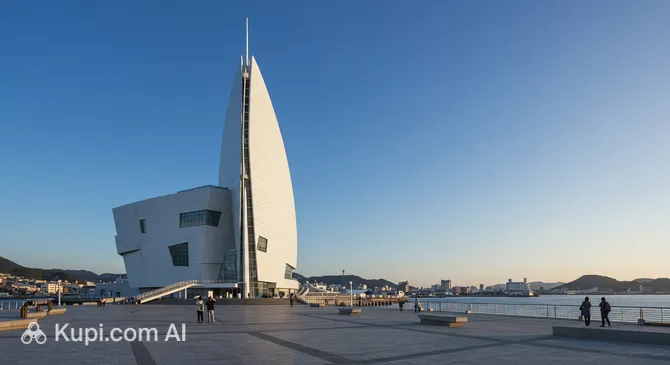
One of the key sights is the Sasebo Maritime Self-Defense Force Museum (Sail Tower). This museum offers visitors a unique opportunity to learn about the history of the Japanese maritime self-defense forces. The exhibits include ship models, historical documents, and artifacts detailing the development of the fleet and Sasebo's role as a major seaport. This place will be especially interesting for those fond of naval history and technology.

JMSDF Sasebo Museum (Sail Tower). Illustration.
Source: Kupi.com AI

Traveler photos:

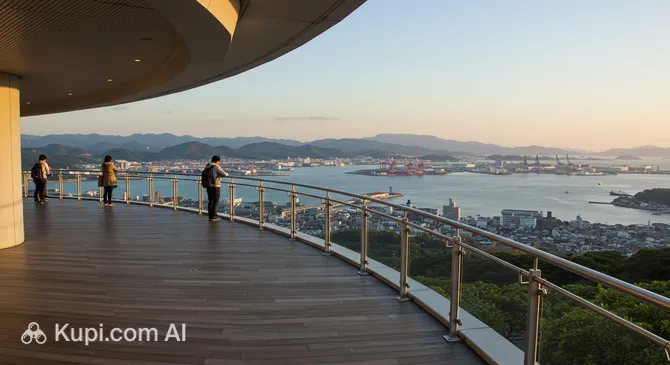
To enjoy spectacular panoramic views of Sasebo, the picturesque Kujukushima Islands, and the surrounding bay, a visit to the Yumihari Park Observatory is a must. Located on a hilltop, this viewpoint offers some of the best vistas in the region, especially at sunset when the sky and water are painted in incredible colors. It is a wonderful spot for photography and quiet contemplation of natural beauty and the cityscape.

Yumihari Park Observation Deck. Illustration.
Source: Kupi.com AI

Traveler photos:

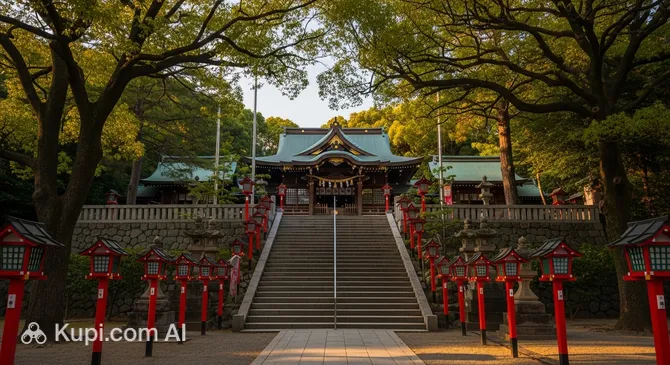
Immerse yourself in a spiritual atmosphere and cultural heritage by visiting Kameyama Hachimangu Shrine. This is one of Sasebo's significant Shinto shrines, attracting visitors with its traditional architecture, peaceful environment, and the chance to experience Japanese religious traditions. The shrine often hosts local festivals and ceremonies, adding to its cultural significance and providing a deeper understanding of local customs.

Kameyama Hachimangu Shrine. Illustration.
Source: Kupi.com AI

Traveler photos:

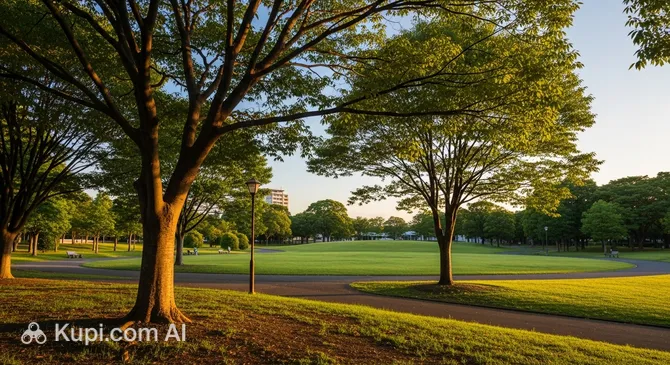
For a pleasant time outdoors, head to Nimitz Park. This is a popular spot for relaxation among both locals and tourists, offering green spaces for walking, picnics, and sports. The park is named after Admiral Chester Nimitz, reflecting the city's historical ties with the US Navy. Here, you can escape the city bustle while enjoying the calm atmosphere and well-kept landscapes.

Nimitz Park. Illustration.
Source: Kupi.com AI

Traveler photos:

Local Cuisine

The gastronomy of Sasebo is an amazing blend of Japanese traditions and Western influences that will provide you with unforgettable taste experiences. The city is rightfully proud of its culinary delights, capable of satisfying the most discerning gourmet.

The hallmark of the local cuisine is undoubtedly the famous "Sasebo Burger". This isn't just fast food; it is a true culinary symbol of the city. Emerging due to American influence, it quickly acquired Japanese flair and uniqueness. Every restaurant and even street stall in Sasebo will offer you their own special version of this juicy burger, experimenting with secret ingredients and sauces. Trying one is a mandatory item on any tourist's list!

Besides burgers, Sasebo, as a port city, is famous for the freshest seafood. Be sure to try local oysters, mussels, scallops, and a variety of fish caught in the coastal waters of Kyushu. At farmers' markets and small restaurants, you can find seasonal delicacies prepared according to traditional recipes. For example, the Misarosso restaurant invites guests to enjoy dishes made from fresh local ingredients in a cozy atmosphere.

Misarosso. Illustration.
Source: Kupi.com AI

Traveler photos:

Dining culture in Sasebo is diverse. Locals and tourists enjoy dining in restaurants offering fine cuisine as well as savoring authentic street food. A unique feature of many establishments is the use of handmade ceramic tableware produced in the region. Such a presentation is not only aesthetically pleasing but also enhances the taste of each dish, paying homage to local craft traditions. As for drinks, you can find traditional Japanese options like sake, shochu, and various teas, as well as familiar Western beverages.

Sasebo's gastronomic life isn't limited to restaurants and cafes. The city regularly hosts vibrant food festivals, where you can not only sample many local delicacies but also get to know street food culture and sometimes even participate in masterclasses on making sushi or other Japanese dishes. This is an excellent opportunity to immerse yourself in Sasebo's culinary world and take home the most delicious memories.

Travel Tips

Welcome to Sasebo, a charming port city in Nagasaki Prefecture! To make your journey through this unique corner of Japan as comfortable and memorable as possible, we have prepared some practical tips.

  1. Clothing and Essentials: Sasebo's climate is subtropical, with hot, humid summers and mild winters. Bring light clothing for summer, and for spring and autumn, items that can be layered. A waterproof jacket or umbrella will be useful, especially during the rainy season (June–July). Be sure to bring comfortable walking shoes. For electrical appliances, you will need an adapter (Type A plugs, 100V voltage in Japan). When visiting temples and shrines, choose modest clothing that covers shoulders and knees.
  2. Local Transport: It is convenient to get around Sasebo by local buses. JR Kyushu railway lines connect the city with other regions. Taxis are available but can be quite expensive. Car rental is possible (an international driving permit is required), especially if you plan to explore the Kujukushima Islands or the surrounding area, but note that streets in Japanese cities can be narrow and parking is often paid and limited. For most tourist routes within the city, public transport and walking are sufficient.
  3. Finances: The local currency is the Japanese Yen (JPY, ¥). You can exchange money at airports, major banks, and some hotels. It is recommended to have some cash upon arrival. Credit cards (Visa, Mastercard) are increasingly accepted, especially in tourist spots, hotels, and large stores, but small establishments and rural areas may prefer cash. International cards usually work at ATMs in post offices (Japan Post Bank) and 7-Eleven stores (Seven Bank ATMs). Tipping is not customary in Japan; excellent service is considered the norm.
  4. Health and Safety: Pharmacies (薬局 - yakkyoku or ドラッグストア - doraggusutoa) are easy to find, but not all are open 24/7, and staff may not always speak English. Japan is a very safe country, and Sasebo is no exception. Follow standard precautions: watch your belongings and be mindful of your surroundings. Having travel medical insurance is highly recommended.
  5. Communication: The official language is Japanese. English is common in tourist centers, hotels, and stations, but overall proficiency is limited. Learn a few basic phrases: "Konnichiwa" (Hello), "Arigato" (Thank you), "Sumimasen" (Excuse me/Sorry). For connectivity, it is convenient to rent a pocket Wi-Fi router or buy a local SIM card. Free Wi-Fi is available in some public places and hotels. Useful apps: Google Maps, Japan Travel by Navitime.
  6. Local Etiquette: Greetings are usually accompanied by a slight bow. It is customary to speak quietly on public transport. Try not to eat or drink while walking. Show patience in queues. You must remove your shoes when entering a Japanese home, some temples, and traditional restaurants. Politeness is highly valued.
  7. What to Avoid: Never stick your chopsticks vertically into a bowl of rice—this is associated with funeral rituals. Do not point at people with your finger; it's better to use an open palm. Avoid loud phone conversations in public places, especially on transport.
  8. Special Tip for Sasebo: Be sure to try the famous "Sasebo Burger"—a local culinary landmark that emerged under the influence of the American naval presence. Also, don't miss the chance to take a cruise through the picturesque Kujukushima ("99 Islands").

We hope these tips help you navigate Sasebo with ease and fully enjoy its hospitality, beautiful landscapes, and unique atmosphere. We wish you an unforgettable journey!

Entertainment & Nightlife

Sasebo offers a variety of options for evening and night-time relaxation, though not on the scale of major metropolises. Nightlife here is mainly concentrated in the central areas of the city, especially around Sasebo Station and near the port zone. The overall atmosphere is quite relaxed and welcoming, with a noticeable international port-city influence.

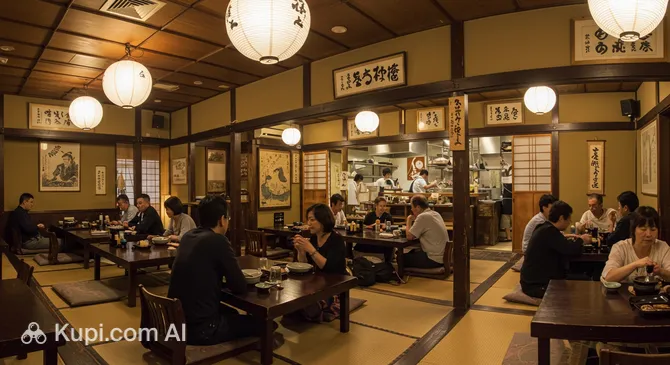
The evening usually begins with dinner at one of the many restaurants. Among the popular places to enjoy a meal before heading out for some night-time adventure are Misarosso, which offers a cozy setting, or the Toride restaurant, known for its local specialties. These establishments are excellent for starting your night.

Toride. Illustration.
Source: Kupi.com AI

Traveler photos:

As darkness falls, bars and pubs come to life. You will find traditional Japanese izakayas, where you can enjoy sake and local snacks in an informal setting, as well as more modern bars serving cocktails and music. Some establishments, especially those popular with sailors and foreign visitors, may have a livelier atmosphere. There aren't many European-style clubs here, but some bars offer dance music and stay open late into the night, especially on weekends. Most places operate until about midnight or 1:00 AM, with some staying open longer. The dress code in most spots is casual, though some more upscale bars might require a tidier appearance.

Practical Tips: The best time to visit nightspots is after 9:00 PM, especially on Fridays and Saturdays. Prices in Sasebo's bars and restaurants are generally moderate. Public transport runs less frequently at night, so taxis become the primary way to get around. Taxis can be found at designated stands or called by phone. The areas around the central streets and the station are considered safe enough for night walks, but you should always follow standard safety precautions.

While this focus is on nightlife, Sasebo also offers plenty of daytime entertainment. History and culture enthusiasts can visit the Sasebo Maritime Self-Defense Force Museum (Sail Tower), which explores the city's maritime history. For outdoor strolls and beautiful views, Yumihari Park is perfect, offering a panorama of the city and bay, as is Nimitz Park. Also worth visiting is the Kameyama Hachimangu Shrine, an important religious and cultural site.

Yumihari Park. Illustration.
Source: Kupi.com AI

Traveler photos:

Parks & Museums

Sasebo offers its guests not only picturesque seascapes but also wonderful opportunities for outdoor relaxation and discovering a rich cultural heritage. The city prides itself on its well-maintained parks, where you can enjoy peace and beauty, as well as interesting museums and historical sites that tell the unique story of this Japanese port city.

Among the city's green zones, Yumihari Park stands out particularly. Located on a hill, it is famous for its panoramic views. Be sure to head up to the Yumihari Park Observatory, which offers a breathtaking view of the city, the port, and the picturesque Kujukushima Islands. It is an ideal spot for leisurely walks and photo sessions, especially at sunset when the landscape is painted in warm tones.

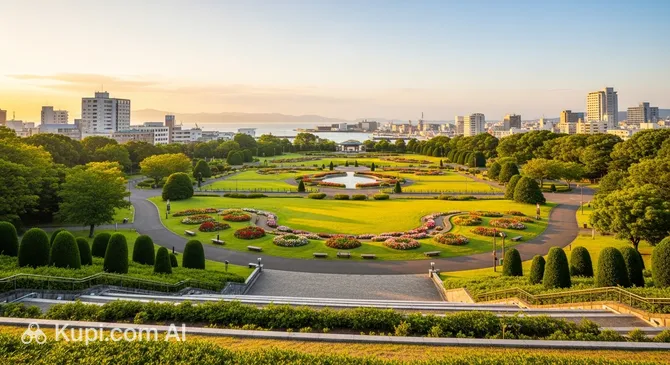
Another popular spot for relaxation is Sasebo City Park. This green oasis in the heart of the city attracts both locals and tourists. Here, you can stroll along shady paths, relax by the pond, or simply enjoy the calm atmosphere away from the city noise. For those looking for more space for active recreation, Nimitz Park is worth noting, offering areas for picnics and various events.

Sasebo City Park. Illustration.
Source: Kupi.com AI

Traveler photos:

To better understand Sasebo's maritime history, visit the Sasebo Maritime Self-Defense Force Museum (Sail Tower). The museum's exhibition details the development of the navy and Sasebo's significant role as a key port hub. The museum building itself, known as "Sail Tower," is of architectural interest. In addition to large museums, Sasebo features small art galleries showcasing works by local artisans reflecting the region's cultural traditions.

Among historical landmarks, Kameyama Hachimangu Shrine holds a special place. It is one of the oldest and most revered Shinto shrines in the city, situated on a scenic hill. The shrine is an important spiritual center and offers visitors not only a chance to touch history but also to enjoy beautiful views of the surroundings.

For a more authentic Sasebo experience, check out local markets like the lively Yonnocho Market, where you can try the freshest seafood and other local delicacies. Also, a slow walk through the lesser-known streets of the old town will help you better feel its unique atmosphere and discover hidden gems.

Getting Around

When planning your travel around Sasebo, you will find that the public transport system focuses mainly on buses and trains. The city and its surroundings are served by several bus companies, such as Sasebo City Bus and Saihi Bus. Bus routes cover most areas of the city and are a convenient way to reach many attractions.

Rail service is provided by JR Kyushu lines and the local Matsuura Railway (MR), which follows a scenic coastal route. Trains are convenient for trips to neighboring cities and for exploring some coastal areas. There is no subway or tram system in Sasebo.

The fare payment system is fairly standard for Japan. On buses, payment is usually made in cash when exiting; when entering, you take a ticket with a stop number, and when exiting, you pay the amount shown on the display next to your number. It is recommended to carry small change, though some buses have change machines. For trains, tickets can be purchased at station machines or ticket offices. Universal rechargeable IC cards (such as SUGOCA, Nimoca, as well as the popular Suica or PASMO) are becoming increasingly common and can be used on JR trains and some bus routes, significantly simplifying the payment process. Check the possibility of using IC cards on specific bus lines in advance.

Tourists should look out for potential day passes or special tourist tickets, especially if many trips are planned. Information about these can be obtained at tourist information centers or stations. Buses and trains usually start early in the morning and end late at night, but schedules can vary depending on the route and day of the week. It is recommended to check the current schedule in advance, especially for evening trips.

As an alternative to public transport, taxis are available in Sasebo and can be found at stands near stations, major hotels, or called by phone. This is a more expensive but comfortable way to travel. For greater freedom in exploring the region, you might consider renting a car. In some tourist areas, bicycle rentals may also be available, which is a great option for leisurely rides and sightseeing in the fresh air. Given the city's coastal location and the Kujukushima Islands, tourist boats and ferries also play an important role, offering sea cruises.

Accommodation

In Sasebo, tourists will find a variety of accommodation options to suit different budgets and preferences. The city offers a wide range: from economical guesthouses and hostels to comfortable mid-range hotels and more luxurious choices. For those seeking more privacy or planning a long stay, apartments and rental homes are also available.

When choosing a place to stay in Sasebo, it is worth looking at areas located near major transport hubs, such as the railway station, or those with easy access to popular attractions. The city's central districts usually offer good infrastructure, with many cafes, restaurants, and shops, making them attractive to tourists.

While the provided data does not include specific examples of famous hotels, Sasebo features a broad spectrum of lodging – from modern business hotels to cozy family options and perhaps traditional Japanese inns (ryokans). The price range varies from budget to luxury, allowing every traveler to find a suitable option.

It is recommended to book accommodation in advance, especially if your trip coincides with the peak tourist season or during major local festivals and events. For searching and booking, it is convenient to use popular international and Japanese online platforms, as well as official hotel websites for direct bookings.

Nearby Cities

For those looking to explore the surrounding area, Sasebo serves as an excellent starting point for day trips to several interesting nearby locations:

CityPopulationDistance
Arita18 86713 km
Saikai-cho Kobago26 18816 km
Hasami14 33217 km
Kawatana13 37018 km
Matsuura21 26118 km

Each of these cities offers its own unique experiences for a day trip from Sasebo:

Nagasaki, a city with a rich and moving history, attracts visitors with iconic sites such as Peace Park and the Atomic Bomb Museum. Additionally, you can explore Glover Garden with its historical Western residences and enjoy the cosmopolitan atmosphere shaped by centuries of international relations.

Saga, the capital of the eponymous prefecture, is known for its majestic Saga Castle and the Yoshinogari Historical Park, where you can dive into Japan's ancient history. The city is also famous for Arita traditional ceramics and hot springs like Takeo Onsen.

Isahaya offers a peaceful retreat amidst picturesque nature. The city is known for Isahaya Park, which features the famous Meganebashi ("Spectacles Bridge") stone bridge, as well as opportunities for walking and bird watching at Isahaya Bay.

Karatsu is a charming coastal town where the main attraction is Karatsu Castle, towering over the sea. The city is also famous for the scenic Niji-no-Matsubara pine grove and traditional Karatsu-yaki ceramics.

Itoshima attracts visitors with its beautiful beaches, such as Futamigaura with its famous Meoto Iwa "married couple rocks," and opportunities for outdoor activities including surfing and hiking. It is a popular spot for those seeking a combination of seascapes and trendy cafes.

These nearby destinations provide insight into the diverse culture and landscapes of the Japan region. Each trip promises new discoveries and impressions, complementing your journey to Sasebo.

Shopping & Souvenirs

Sasebo offers tourists a variety of shopping opportunities, combining traditional Japanese shops with modern retail outlets. While the city is not a major fashion hub, you can find interesting local goods, high-quality everyday items, and unique souvenirs that reflect the region's maritime history and culture.

Main Shopping Districts and Streets

One of the primary shopping destinations in Sasebo is the famous covered shopping arcade Yonkacho Shopping Arcade. This is one of the longest continuous arcades in Japan, housing numerous shops—from traditional stalls selling local delicacies and crafts to modern clothing boutiques, electronics stores, and restaurants. A walk through Yonkacho is a great way to immerse yourself in the local atmosphere. Shops are also concentrated around Sasebo Station.

Shopping Centers

Located near Sasebo Station is the Friesta Sasebo shopping complex, offering a good selection of clothing, accessories, and souvenirs, along with cafes and restaurants. It's a convenient place for shopping, especially if you have limited time. Other department stores and small shopping centers catering to various needs can also be found in the city.

Markets

To experience the authentic spirit of the city and buy fresh local products, visit the Tonohama Asaichi (Morning Market). Here you can find fresh seafood, vegetables, fruits, as well as local delicacies and preserves. It is an excellent spot for those wanting to explore the gastronomic culture of Sasebo and buy something truly local.

Souvenirs

Worth bringing back from Sasebo and Nagasaki Prefecture:

  • Ceramics: Hasami-yaki or Mikawachi-yaki style items, known for their quality and unique design.
  • Local Delicacies: The famous Castella sponge cake (a Nagasaki specialty), canned seafood, dried sardines (iriko), and souvenirs related to the famous "Sasebo Burger."
  • Maritime Theme: Given the city's rich naval history, you can find interesting maritime-themed souvenirs.
  • Traditional Japanese sweets (wagashi) and local green tea.

Opening Hours and Payment

Most shops in Sasebo open around 10:00-11:00 AM and close at 7:00-8:00 PM. Hours for small private shops may vary. Department stores and shopping centers usually stay open slightly longer. In Japan, cash is still widely used, especially in smaller shops and markets. However, credit cards (Visa, Mastercard, JCB, American Express) are accepted in most large stores, department stores, and tourist areas. It is recommended to carry some cash.

Tax-Free

Japan offers a tax-free shopping system for foreign tourists in many licensed stores. This usually applies to purchases over 5,000 yen (excluding tax) and covers items like clothing, electronics, cosmetics, and souvenirs. Look for the "Tax-Free Shop" sign. To process the tax refund, you will need to present your passport at the checkout. Goods will be packed in a special bag that should not be opened until you leave the country.

Reached the end of the page?

That means the route is fully explored