Support

Yamaguchi

About

Yamaguchi is a true gem of western Japan, nestled in the Chugoku region between picturesque green hills and valleys. As the administrative center of the prefecture of the same name, the city is home to approximately 193,761 residents. Yamaguchi’s unique location at the intersection of land and sea provides a mild climate, fresh sea breezes, and verdant landscapes year-round. Here, visitors can enjoy secluded beaches, majestic limestone plateaus, and dense bamboo groves.
Yamaguchi. Illustration.
Source: Kupi.com AI

The city is renowned for its rich history: it was once a crossroads for important trade routes, and local samurai clans wielded significant influence over the course of Japanese history. Today, Yamaguchi harmoniously combines a relaxed atmosphere with a vibrant cultural life, where the past meets the present and ancient traditions coexist seamlessly with modernity. It is no wonder that Yamaguchi is often called the "Little Kyoto" due to its abundance of magnificent temples, elegant pagodas, and traditional Japanese gardens that create a particularly peaceful atmosphere.

Among the iconic sites that are a must-visit is the famous Kintai Bridge—a true architectural marvel. The city is also known for its beautiful gardens created by great masters of landscape art, offering peace and inspiration to those who stroll through them. Travelers are drawn by the opportunity to dive deep into Japanese culture while exploring ancient temples and shrines that fill the streets with the scent of flowers.

Yamaguchi is an ideal destination for those seeking harmony, inspiration, and the chance for a slow, mindful journey rather than noisy tourist crowds. Here you can watch the sunrise on the Kintai Bridge, enjoy the beauty of nature, and taste unique local dishes prepared only in this corner of Japan. Visit Yamaguchi to discover its inimitable charm and tranquility.

You can find more interesting facts on the Yamaguchi city history page.
Weather Overview

The weather in Yamaguchi is characterized by warm and humid summers, with average temperatures in July and August reaching 26-28°C, and precipitation being most likely, especially in July (up to 19 rainy days). Winters here are cool, with average temperatures around 6-7°C in December and January and less precipitation (about 2-3 mm per month and 7-12 rainy days). Spring and autumn offer mild transitional conditions.

Overall, when planning a trip to Yamaguchi, expect warm summers with occasional rain and cool, relatively dry winters. To better prepare for your trip and choose the optimal time, you can study detailed information about the Yamaguchi climate.

Average monthly temperature

Average monthly precipitation

Interesting Facts

The city of Yamaguchi not only charms with its famous landmarks but also hides many fascinating secrets and little-known facts. Here are just a few that will help you see the city in a new light:

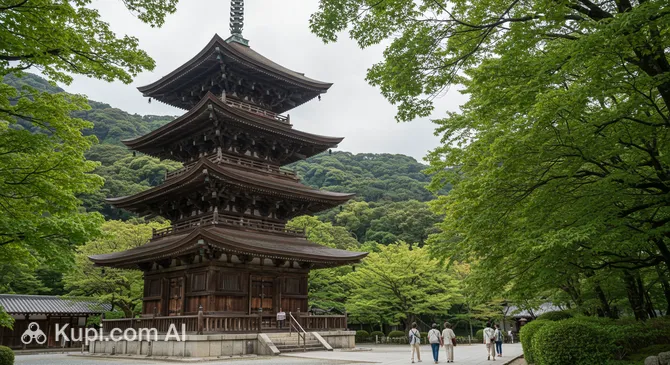
Ruriko-ji Five-Story Pagoda. Illustration.
Source: Kupi.com AI

Traveler photos:

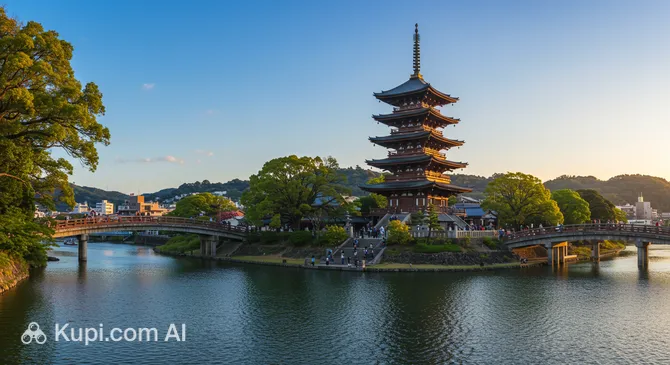
  • Yamaguchi is home to the famous five-story Rurikoji Pagoda, built in the 15th century and ranked among the three most beautiful pagodas in Japan. It is designated as a National Treasure and, according to legend, was erected in memory of an Ouchi clan warrior who died in internal conflict, becoming a symbol of peace. The pagoda is part of the Rurikoji Temple complex.

  • Yamaguchi is famous for its unique tradition of street lanterns, culminating in the annual August Yamaguchi Tanabata Lantern Festival. During these days, the city is lit up by the glow of thousands of paper lanterns, creating a truly magical atmosphere. This tradition is believed to have originated in the 16th century under the influence of Chinese customs brought to the city by traders.

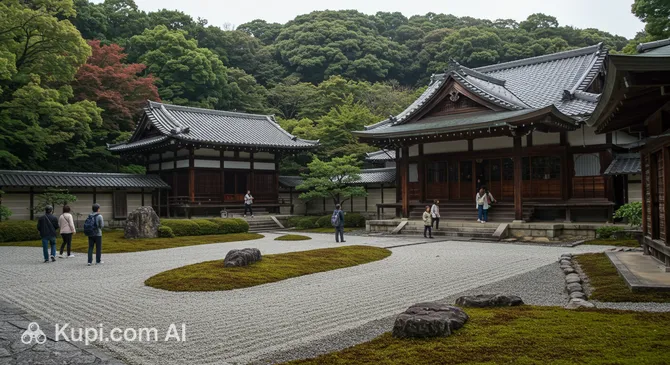
  • The legendary ink wash painting and landscape master Sesshu Toyo lived and worked in Yamaguchi. His famous garden at the Joei-ji Temple is still considered an unsurpassed model of Zen Buddhist landscape design, where every stone and plant holds symbolic meaning.

  • Located near the city is a unique natural wonder—the Akiyoshidai karst plateau and the Akiyoshi Cave, the largest limestone cave in Japan. Here you can admire fantastic subterranean landscapes with stalactites and underground rivers, and on the surface, endless meadows that are particularly beautiful in spring when wild plants are in bloom.

How to Get There

There are several ways to reach the city of Yamaguchi, but the most convenient for most tourists is a flight followed by a transfer. The region is served by several airports handling both domestic and some international flights.

The closest and one of the primary options is Yamaguchi Ube Airport (UBJ). It is located in the city of Ube, approximately 33 km from the center of Yamaguchi. This medium-sized airport primarily serves domestic flights. A taxi or bus ride from the airport to Yamaguchi takes about 60-70 minutes. Another major transportation hub is Kitakyushu Airport (KKJ), located in the city of Kitakyushu, about 55 km from Yamaguchi. This is a larger airport that may offer more flight options. The journey from Kitakyushu Airport to Yamaguchi takes approximately 1.5 to 2 hours.

For your convenience, here is a summary of the main airports that can be used for traveling to Yamaguchi:

AirportPassenger trafficDistance
Yamaguchi Ube Airport1.3 mln33 km
Kitakyushu Airport1.6 mln55 km
Hagi-Iwami Airport109 60462 km
Iwakuni Kintaikyo Airport655 47370 km
Oita Airport1.9 mln81 km

Regarding rail travel, it is recommended to use the official websites of the Japan Railways (JR Group) or other local transport resources to get up-to-date information on stations and routes for planning your trip to Yamaguchi. The provided data mentions Sønderborg Station, located in the city of Sønderborg at a significant distance (over 150 km), which does not make it a practical option for arriving directly in Yamaguchi. Japan has an extensive network of Shinkansen high-speed trains and regional lines, so you will likely find convenient routes to stations within Yamaguchi itself or nearby major transport hubs.

For reference, here is the information about the provided railway station:

StationPassenger trafficDistance
Sønderborg Station158 km

Additionally, Yamaguchi can be reached by intercity buses from major Japanese cities or by car using Japan's well-developed highway network.

Main Attractions

The city of Yamaguchi, located in Yamaguchi Prefecture, offers tourists a chance to explore Japan's rich history and culture. There are several iconic sites that should definitely be included in your itinerary.

One of the city's main gems is the Rurikoji Pagoda. This elegant five-story pagoda, built in the 15th century, is considered one of the three most beautiful pagodas in Japan. It is located on the grounds of Rurikoji Temple in the picturesque Kozan Park and is especially stunning in spring during the cherry blossom season and in autumn when the leaves turn vibrant colors. The pagoda is a national treasure and attracts visitors with its refined architecture and serene atmosphere.

Ruriko-ji Five-Story Pagoda. Illustration.
Source: Kupi.com AI

Traveler photos:

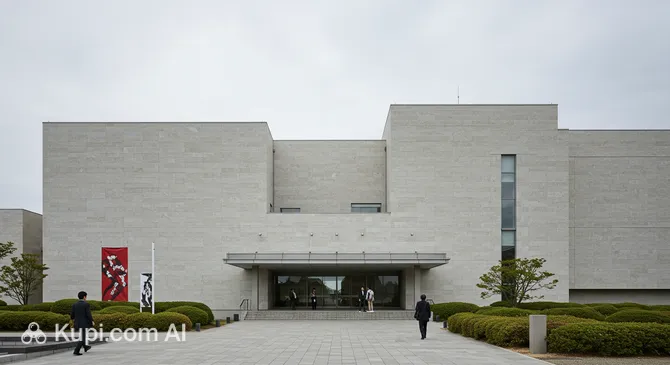
For art lovers, the Yamaguchi Prefectural Art Museum is a must-see. Its collection features works by both local artists and pieces of national and international significance. The museum regularly hosts thematic exhibitions, introducing visitors to various movements and eras in art. It is an excellent place to gain a deeper understanding of the region's cultural heritage.

Yamaguchi Prefectural Art Museum. Illustration.
Source: Kupi.com AI

Traveler photos:

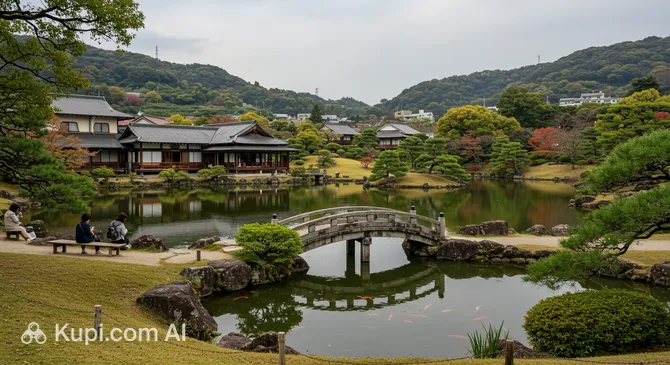
If you want to enjoy nature and take a break from the city bustle, head to Ishin Memorial Park. This vast park was created to commemorate the 100th anniversary of the Meiji Restoration and offers many recreational opportunities: walking paths, sports fields, picnic areas, and beautiful landscape compositions. The park is popular among both locals and tourists, especially during the warmer months.

Ishin Centennial Memorial Park. Illustration.
Source: Kupi.com AI

Traveler photos:

Another site steeped in history and beauty is the Joei-ji Temple and Sesshu Garden. The temple is famous for its magnificent rock garden, created in the 15th century by the renowned Zen Buddhist painting and landscape master Sesshu Toyo. The garden is an outstanding example of Japanese landscape design and is designated as both a National Historic Site and a Place of Scenic Beauty. Visiting the temple and garden allows you to experience traditional Japanese aesthetics and find peace of mind.

Jōei-ji Temple and Sesshū Garden. Illustration.
Source: Kupi.com AI

Traveler photos:

Local Cuisine

The cuisine of Yamaguchi is a true discovery for connoisseurs of the freshest seafood and authentic Japanese flavors. Located by the sea, the city offers an incredible variety of seafood that forms the basis of many local dishes. A gastronomic journey through Yamaguchi promises vivid impressions and an introduction to unique culinary traditions.

The undisputed gastronomic star of Yamaguchi is fugu, or pufferfish. This delicacy, which requires special skill to prepare, attracts gourmets from all over the world. You can try skillfully prepared fugu in the city's specialized restaurants. Additionally, the region is famous for eel dishes, fresh oysters, and a variety of sushi made from fish caught in coastal waters. These dishes highlight the richness of local marine resources.

Street food lovers should look out for okonomiyaki—savory Japanese "pancakes" with various fillings, often including seafood. At local markets, you can not only purchase fresh seafood, such as unusual seaweeds, mollusks, and shrimp, but also sample seasonal fruits and vegetables. Yamaguchi's markets are an excellent place to immerse yourself in the local atmosphere and discover new flavors. Occasionally, the city hosts gastronomic festivals where you can taste rare dishes and meet local chefs.

Among drinks, local sake holds a special place. Yamaguchi is home to small family-run breweries that produce this traditional Japanese drink with a rich taste and centuries of history. Visiting such a brewery can be an interesting experience, allowing you to learn about the intricacies of sake production and taste different varieties. Besides sake, you can always enjoy classic Japanese non-alcoholic drinks like green tea.

The dining culture in Yamaguchi is diverse. Locals and tourists can choose between refined restaurants serving delicacies like fugu, lively markets offering fresh produce and simple snacks, and street food stalls for a quick and tasty bite. This variety ensures that everyone can find something to their taste and budget while enjoying the hospitality and culinary delights of Yamaguchi.

Travel Tips

Planning a trip to the charming city of Yamaguchi? To ensure your journey goes smoothly and leaves only pleasant impressions, we have prepared some practical tips. They will help you better navigate the area and enjoy every moment of your stay in this corner of Japan.

  1. Clothing and items for the season:

    The climate in Yamaguchi is temperate, with four distinct seasons. In summer (June-August), it can be hot and humid, so choose light, breathable clothing. Spring (March-May) and autumn (September-November) are the ideal times to visit with comfortable temperatures, but it can be cool in the evening, so a light jacket is useful. In winter (December-February), temperatures can drop close to zero, making warm clothing essential. A key wardrobe element is comfortable shoes, as you will be doing a lot of walking. Don't forget an adapter for electrical appliances (Japan uses type A and B sockets, voltage 100V). When visiting temples and shrines, choose modest clothing that covers shoulders and knees.

  2. Getting around the city:

    In Yamaguchi, it is convenient to use public transport, mainly buses and local trains. We recommend using online maps or local transport apps for route planning. Taxis are available but can be quite expensive. Car rental may be justified if you plan to explore the surrounding areas of Yamaguchi Prefecture, but it is not always necessary for moving within the city itself. If you have a Japan Rail Pass, it may cover some local JR lines.

  3. Financial matters:

    The official currency is the Japanese Yen (JPY). It is best to exchange currency at the airport upon arrival or at major banks. Credit and debit cards (Visa, Mastercard) are accepted in many hotels, large shops, and restaurants; however, it is strongly recommended to always carry cash, as smaller establishments, temples, and markets may only accept it. ATMs that work with international cards can be found in post offices (Japan Post Bank) and 7-Eleven stores (Seven Bank). Tipping is not customary in Japan and may be perceived as an insult.

  4. Health and safety:

    Yamaguchi, like most cities in Japan, is a very safe place. However, standard precautions are always wise. Pharmacies (薬, kusuri) are easy to find, but many medications may require a prescription or have different names. If you need serious medical attention, contact a major hospital; hotel staff will be able to assist you. Having travel insurance is highly recommended. Avoid walking alone in poorly lit and deserted areas late at night, although the crime rate is very low.

  5. Communication:

    The primary language is Japanese. English is common in tourist areas, hotels, and at stations, but overall proficiency among the local population may be low. Learning a few basic Japanese phrases (e.g., "konnichiwa" – hello, "arigato" – thank you, "sumimasen" – excuse me/sorry) is greatly appreciated by locals. For convenience, you can purchase a local SIM card or rent a pocket Wi-Fi router. Free Wi-Fi is available in many hotels, cafes, and public places. Useful apps: Google Maps, Google Translate, HyperDia (for train schedules).

  6. Local etiquette:

    Japanese people are very polite and value respect for tradition. Greetings are usually accompanied by a bow; its depth depends on the status of the person. In public places, especially on transport, it is customary to speak quietly and avoid disturbing others. Be sure to remove your shoes when entering homes, some temples, and traditional restaurants (there is usually a designated spot and slippers are provided). When using chopsticks, do not stick them vertically into rice and do not pass food from chopsticks to another person.

  7. What to avoid:

    In addition to the chopstick etiquette already mentioned, try not to eat or drink while walking on the street (except in designated areas or during festivals). Also, avoid loud mobile phone conversations on public transport—it's best to switch your phone to silent mode. Do not point at people or objects with a single finger; use an open palm instead.

  8. A unique feature of Yamaguchi:

    Yamaguchi is a city with a rich history, known as the "Kyoto of the West" because of its cultural heritage and a layout reminiscent of the old capital. Do not miss the chance to visit Rurikoji Temple with its magnificent five-story pagoda, which is a national treasure. The city also played an important role during the Meiji Restoration period. Enjoy its peaceful atmosphere, which contrasts with the bustle of metropolises, and explore the local parks and gardens.

We hope these tips make your stay in Yamaguchi comfortable and unforgettable. We wish you an exciting journey and brilliant discoveries in this beautiful Japanese city!

Entertainment & Nightlife

Nightlife in Yamaguchi offers a calmer and more authentic experience compared to Japan's major metropolises. While you won't find massive nightclubs here, you can immerse yourself in the local atmosphere at cozy bars, traditional izakayas, and karaoke boxes, which are integral to Japanese evening culture.

The main concentration of evening venues can be found in the Yuda Onsen hot spring district and the central city area, particularly near Yamaguchi Station. In Yuda Onsen, it is pleasant to spend time after a relaxing bath in one of the many restaurants or traditional drinking establishments. Look for izakayas with their characteristic red lanterns (aka-chōtin), which serve local sake and snacks. In central areas, especially near the station, you will easily find popular karaoke boxes; look for signs of well-known chains like Manekineko or JOYSOUND for a fun time with a group. It is also worth visiting one of the small local bars (often called "sunakku" or simply "baru") to chat with residents and enjoy an informal setting.

The atmosphere in Yamaguchi's nightspots is generally very friendly and welcoming. The crowd is mostly local, but tourists are treated with hospitality. The style of venues ranges from traditional Japanese drinking spots to more modern small bars. The dress code is usually casual unless you are visiting an exclusive restaurant. Izakayas open in the early evening, around 5:00-6:00 PM, while bars start operating closer to 8:00 PM and may stay open until midnight or later, especially on weekends.

If you are planning an evening out, it is best to start with dinner at an izakaya and then move on to bars or karaoke. Average prices for food and drinks in Yamaguchi are typically lower than in large cities like Tokyo or Osaka. At night, taxis become the primary mode of transport as public transportation stops relatively early. It is recommended to check the schedule of the last trains or buses in advance if you plan to use them. You can order a taxi through your hotel reception or find them at designated stands near stations.

Yamaguchi is considered a very safe city, and night walks through the well-lit central streets and the Yuda Onsen area are generally worry-free. Nevertheless, it is always wise to follow standard safety precautions, especially when in an unfamiliar place late at night.

While this focus is on evening entertainment, Yamaguchi also offers interesting leisure options during the day. Before diving into the nightlife, you can visit, for example, the Yamaguchi Prefectural Art Museum to explore the region's art. For walks and outdoor relaxation, places like Ishin Memorial Park or Kozan Park are perfect for enjoying nature and tranquility.

Ruriko-ji Five-Story Pagoda. Illustration.
Source: Kupi.com AI

Traveler photos:

Parks & Museums

The city of Yamaguchi invites its guests to enjoy a harmonious blend of peaceful green spaces and rich cultural heritage. Here, everyone will find something for the soul: from picturesque parks and gardens to museums and historical monuments that tell the story of the region's centuries-old history.

One of the most iconic places for walking and contemplation is Kozan Park. It is famous not only for its natural beauty but also because it houses the Rurikoji Temple with the renowned Rurikoji Pagoda, designated as a National Treasure of Japan. This site is perfect for leisurely walks and exploring historical architecture.

Kozan Park. Illustration.
Source: Kupi.com AI

Traveler photos:

Equally noteworthy is the Joei-ji Temple and Sesshu Garden. The garden, created by the legendary ink wash master Sesshu, is a magnificent example of traditional Japanese landscape art. A visit to this place offers tranquility and aesthetic pleasure.

Jōei-ji Temple and Sesshū Garden. Illustration.
Source: Kupi.com AI

Traveler photos:

For those seeking larger green areas, Ishin Memorial Park is an excellent choice. This large memorial park offers numerous opportunities for outdoor recreation, picnics, and active pastimes, while also commemorating an important period in Japanese history—the Meiji Restoration.

Ishin Centennial Memorial Park. Illustration.
Source: Kupi.com AI

Traveler photos:

To dive deeper into the culture and art of the region, the Yamaguchi Prefectural Art Museum is well worth a visit. It features collections reflecting both traditional and contemporary art, with an emphasis on the works of local masters. The museum offers visitors a unique opportunity to explore the creative heritage of the prefecture.

Yamaguchi Prefectural Art Museum. Illustration.
Source: Kupi.com AI

Traveler photos:

Many historical sites in Yamaguchi, such as its temples, are essentially open-air museums. For instance, the previously mentioned Rurikoji Pagoda is not just an architectural structure but a valuable historical artifact testifying to the city's rich past.

Ruriko-ji Five-Story Pagoda. Illustration.
Source: Kupi.com AI

Traveler photos:

For a more authentic experience, stroll through the quiet streets adjacent to the main attractions, where you can discover small local shrines or craft shops. Also, keep an eye out for seasonal festivals often held in parks and temples, offering a unique look at local traditions.

Getting Around

Public transportation in Yamaguchi consists mainly of buses and trains, providing convenient travel both within the city and to its surrounding areas. Although there is no subway in Yamaguchi, the existing transport network is sufficiently developed for the needs of residents and tourists.

Buses are the primary mode of public transport in Yamaguchi. Various bus companies serve urban and suburban routes. Buses run on schedules that can usually be found at stops or on the transport companies' websites. Fares are most often paid when exiting the bus. You take a ticket when entering (if it’s a zone-based fare system), which indicates your boarding stop number. Upon exiting, you look at the screen above the driver, find your stop number and the corresponding fare, and pay that amount.

Trains operated by JR West and other local railway lines also play a vital role in the transport system, especially for trips to neighboring cities and regions. Yamaguchi Station is the city's central railway hub.

Payment system: In Japan, IC cards (smart cards) such as Suica, Pasmo, ICOCA, and others are widely used. These cards can be topped up and used to pay for bus and train fares nationwide, including in Yamaguchi (check locally which specific cards are accepted). This is very convenient as it eliminates the need to buy a ticket every time and deal with small coins. Single-trip tickets can be purchased at vending machines at railway stations or directly from the bus driver. Fare prices depend on the distance. The approximate cost of a bus ride within the city can start from 150-200 yen.

Practical tips for tourists:

  • It is better to buy long-distance train tickets in advance, especially during peak seasons.

  • Information at bus stops and railway stations is usually in Japanese, but major hubs and tourist spots may have signs in English.

  • For route planning, you can use online maps and apps like Google Maps or HyperDia (for trains), which often provide up-to-date schedules and transfer options.

  • Public transport operating hours are typically from early morning until late evening, but can vary by route and day of the week. Night buses are rare for a city of this size.

Alternatives:

  • Taxis: Available in the city, especially near stations and large hotels. This is a more expensive but comfortable way to get around. Taxi doors open and close automatically.

  • Bicycle rental: In Yamaguchi, as in many Japanese cities, cycling is a popular means of transport. Bicycle rental points can be found in some areas. It is an excellent way to explore the city at your own pace.

  • Car rental: If you plan to travel extensively around Yamaguchi Prefecture, renting a car might be a good option. Note that Japan has left-hand traffic.

Overall, the transport system in Yamaguchi is quite convenient for tourists. Using IC cards significantly simplifies fare payment, and the extensive network of buses and trains allows you to reach most places of interest.

Accommodation

In the city of Yamaguchi, travelers will find a variety of accommodation options to suit different preferences and budgets. The selection includes standard mid-range hotels as well as more economical guesthouses or hostels. While the city may not boast a huge number of luxury resorts, you can find comfortable lodging with good service. Traditional Japanese inns (ryokans) are also common in Japan, and you may find such options in Yamaguchi or its surroundings, offering a unique cultural experience.

When choosing a place to stay in Yamaguchi, pay attention to areas located near major attractions or transport hubs. The central part of the city generally offers easy access to iconic sites such as the Rurikoji Pagoda or Kozan Park, as well as restaurants and shops. Staying in these areas will save time on getting around the city.

When planning your trip, especially during peak tourist season or local festivals, it is recommended to book your accommodation in advance. This will help ensure the best selection and prices. Most hotels and guesthouses in Yamaguchi are available for booking through popular international and Japanese online platforms. Some establishments also offer direct booking through their websites or by phone. The price range varies from budget options to mid-level hotels, making it possible to find a suitable option for any traveler.

Nearby Cities

For those looking to explore the surroundings, Yamaguchi serves as an excellent starting point for day trips to several interesting nearby locations:

CityPopulationDistance
Hofu113 17016 km
Mine23 23625 km
Hagi44 11826 km
Ube162 87333 km
Sanyo-Onoda59 64833 km

These nearby destinations provide insight into the region's diverse culture and landscapes, complementing the experience of visiting Japan. For example, Hofu, located just 16 km away, attracts pilgrims and history buffs with its famous Hofu Tenmangu Shrine and the beautiful Mori Garden. Ube, about 33 km away, will surprise you with its large Tokiwa Park, featuring a zoo, botanical garden, and art museum, offering a great day out for the whole family. A trip to Kitakyushu (64 km) will introduce you to a major port city where you can explore Kokura Castle, stroll through the historical Mojiko Retro district, and, in season, admire the wisterias at Kawachi Fuji Garden.

Shopping & Souvenirs

Shopping in Yamaguchi offers tourists the opportunity to purchase unique local goods and souvenirs that reflect the culture and traditions of the region. The city is not known for massive shopping centers with global brands, but here you can find authentic Japanese products and enjoy a relaxed shopping atmosphere.

Main shopping spots are usually concentrated around JR Yamaguchi Station and its adjacent streets. Here you can find small department stores, specialty shops offering local delicacies, tea, sake, and handcrafted items. Strolling through the central streets of the city can also lead to interesting finds in small family-owned shops.

While Yamaguchi is not a hub for mega-malls, the city has several department stores and small shopping complexes featuring a range of goods from clothing and cosmetics to food and household items. They are generally located in easily accessible places, often near transportation hubs.

As for markets, you can find small local markets in Yamaguchi where farmers sell fresh seasonal produce. This is a great place to experience the local agricultural bounty and perhaps buy some fresh fruit or vegetables. Specialized large flea or souvenir markets operating permanently may be few, but temporary fairs and festivals are sometimes held where interesting items can be found.

From Yamaguchi and its prefecture, it is worth bringing back unique souvenirs. Particularly popular is Hagi-yaki (Hagi ware)—a famous local type of pottery valued for its simple beauty and a texture that changes over time. Also, look out for local sweets such as uiro (a sweet rice cake), kamaboko (fish paste products), or other traditional Japanese confectionery. Souvenir shops offer items related to the region's rich history and symbols of famous landmarks, such as the Rurikoji Pagoda.

Most shops in Yamaguchi are typically open from 10:00 or 11:00 AM to 7:00 or 8:00 PM. Department stores may stay open slightly longer. Regarding payment, credit cards are accepted in many large stores and department stores. However, it is always useful to carry some cash, especially for purchases in small shops, at markets, or for paying local transport fares.

Foreign tourists in Japan can take advantage of the Tax Free system. Look for shops with the corresponding "Japan Tax-free Shop" logo. Generally, to claim a tax refund, you must make a purchase of a certain amount (usually over 5,000 yen excluding tax) in one store on a single day and present your passport at the checkout or a special Tax Free counter. Conditions may vary slightly, so it is recommended to confirm them directly at the store.

Reached the end of the page?

That means the route is fully explored