Support

Nagato

About

Nagato is a charming city and a true hidden gem, nestled in the northwest of Yamaguchi Prefecture on the picturesque coast of the Sea of Japan. The city literally breathes the sea breeze, and its unique atmosphere is created by a whimsical intertwining of rocky shores, secluded coves, and lush green hills. Nagato is closely tied to the sea, which is reflected in everything from the local cuisine to centuries-old traditions and festivals.
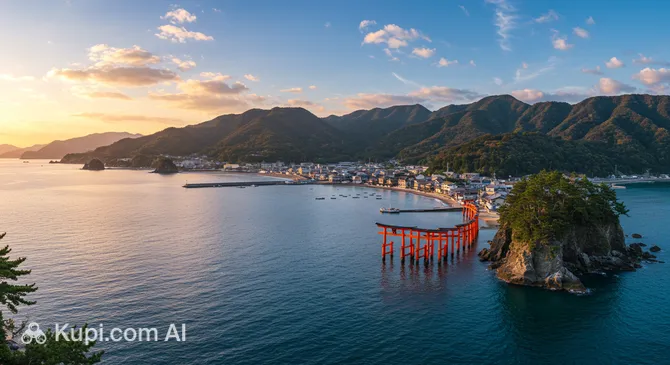
Nagato. Illustration.
Source: Kupi.com AI

With a population of just over 32,000, Nagato retains the intimacy and tranquility of a small Japanese town. There is no hustle and bustle of megacities here, allowing guests to immerse themselves in the atmosphere of authentic Japan—unhurried, hospitable, and sincere. The city is an important cultural and economic center of the region, its life inextricably linked with the sea, agriculture, and traditional crafts.

Nagato attracts travelers with its natural beauty and opportunities for a peaceful getaway. One of the city's main highlights is its famous hot springs (onsens), where you can relax and rejuvenate. It is also worth strolling through the quiet streets, admiring traditional Japanese houses, and enjoying the fresh sea air on the coast. Nearby is the Tsunoshima Bridge, one of the longest and most scenic bridges in the country, connecting the island to the mainland and offering breathtaking views.

Nagato is an ideal destination for those seeking not only beautiful landscapes but also a soulful retreat, aiming to discover Japan away from the beaten tourist paths. This city is sure to give you unforgettable impressions and a sense of harmony.

You can find more interesting facts on the Nagato city history page.
Weather Overview

The climate in Nagato is characterized by distinct seasonality. Summer (June-August) here is warm and humid, with average temperatures reaching 25-27°C (for example, in August the average temperature is 27.1°C), and the peak of precipitation and rainy days occurs in July (9 mm of precipitation, 17 rainy days). Winter (December-February) is cool, with an average temperature around 6-8°C; the total amount of precipitation during this period is small (2-3 mm per month), but rainy days are still frequent (12-14 days per month). Spring and autumn feature comfortable transitional weather, with October being one of the least rainy months. Overall, Nagato typically has warm summers with periodic rains and cool winters with frequent, though not heavy, precipitation. You can find more detailed information about weather conditions on the Nagato Climate page.

Average monthly temperature

Average monthly precipitation

Interesting Facts

Nagato, nestled on the coast of the Sea of Japan, not only charms with its landscapes but also holds many curious secrets and unique features that not all travelers know about.

Oumijima Sightseeing Boat. Illustration.
Source: Kupi.com AI

Traveler photos:

  • One of Nagato's most striking attractions is the Motonosumi Inari Shrine, where 123 vermillion torii gates descend a rocky cliff right to the sea. The method of making an offering is also unique: coins must be tossed into a box installed at the top of one of the gates at a height of six meters—it is believed that a successful toss brings the fulfillment of wishes.

  • Nagato is a true paradise for hot spring lovers, as there are five onsen zones within its territory! Among them, Nagato Yumoto Onsen stands out as the oldest in the region, whose healing waters have attracted travelers for centuries, offering healing and relaxation in a traditional Japanese atmosphere.

  • The city has a rich maritime history. Since ancient times, Nagato was an important center for fishing and shipbuilding, and the traditions and skills of local sailors were passed down from generation to generation. This heritage is still reflected today in the city's culture and numerous festivals dedicated to the sea.

How to Get There

The city of Nagato, located in Yamaguchi Prefecture, can be reached in several main ways, primarily using air travel through regional and international airports in Japan, followed by a ground transfer.

The closest airport to Nagato is Yamaguchi Ube Airport (UBJ), located in the city of Ube, approximately 49.7 km away. This is a regional airport from which you can reach the center of Nagato by car or bus in about 1 hour 30 minutes – 1 hour 45 minutes. Yamaguchi Ube Airport mainly serves domestic flights.

Another option is Kitakyushu Airport (KKJ), located in the city of Kitakyushu at a distance of about 59.8 km from Nagato. A trip from this airport to Nagato takes approximately 1 hour 50 minutes – 2 hours 10 minutes. Kitakyushu Airport offers both domestic and some international destinations.

For travelers arriving from abroad or those who prefer a wider choice of flights, Fukuoka Airport (FUK) is an important transport hub. It is located in the city of Fukuoka, about 110.2 km from Nagato. The journey from Fukuoka Airport to Nagato will take about 3 hours – 3 hours 20 minutes. This major international airport is connected to many cities worldwide.

For clarity, here is summary information on the main airports used to reach Nagato:

AirportPassenger trafficDistance
Yamaguchi Ube Airport1.3 mln50 km
Kitakyushu Airport1.6 mln60 km
Hagi-Iwami Airport109 60465 km
Iwakuni Kintaikyo Airport655 473100 km
Fukuoka Airport24.9 mln110 km

Regarding rail connections, the provided data indicates stations that are at a very large distance from Nagato and located in other countries, so they are not relevant for direct access to the city. For example, Dongdaegu Station is located in Daegu (South Korea), and Jinju Station is in the city of Jinju (South Korea). Sønderborg Station is located in Denmark. Travelers planning to reach Nagato by rail should rely on Japan's extensive domestic railway network (JR). Usually, this involves traveling to a major transport hub in the region (for example, from one of the mentioned airports or another large Japanese city) and then transferring to local lines heading towards Nagato.

Below is information about the railway stations mentioned in the source data, though their extremely remote location from Nagato and their lack of applicability for a direct route to the city should be considered:

StationPassenger trafficDistance
Sønderborg Station158 km
Dongdaegu Station20 mln287 km
Jinju Station294 km

In addition, Nagato can be reached by car using the network of Japanese expressways and roads. It is recommended to use navigation systems to plan a route by private or rental car. Upon arrival in the region, local buses and taxi services are also available for moving between various points of interest.

Main Attractions

The city of Nagato, located in the picturesque Yamaguchi Prefecture, attracts travelers with its unique blend of cultural heritage and natural beauty. Several remarkable places on the coast of the Sea of Japan are ready to offer you vivid impressions.

One of the key cultural attractions in Nagato is the Kaneko Misuzu Memorial Museum. This site is dedicated to the life and work of the famous Japanese children's poet from the early 20th century. Her poems, filled with kindness and compassion, continue to resonate with readers. A visit to the museum allows you to dive deeper into the world of Kaneko Misuzu's poetry, see her personal belongings and manuscripts, and learn about her challenging fate. It is a wonderful opportunity to touch an important piece of Japanese literature.

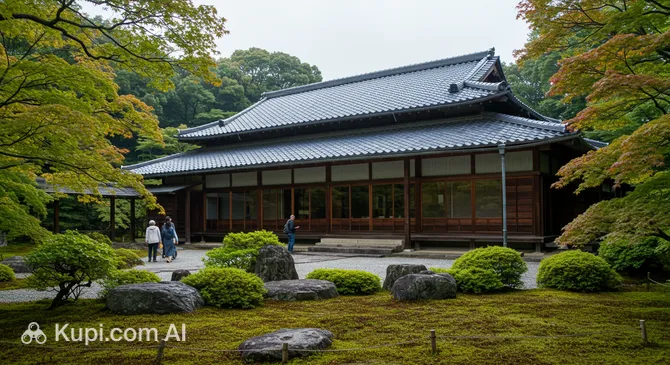
Kaneko Misuzu Memorial Museum. Illustration.
Source: Kupi.com AI

Traveler photos:

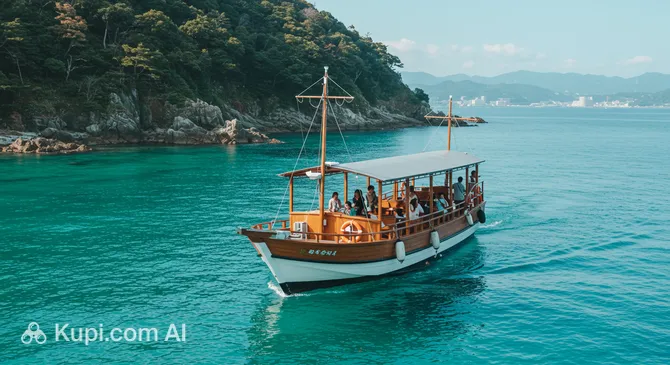
For connoisseurs of seascapes and natural wonders, the Oumijima sightseeing boat is highly recommended. Oumijima Island, often referred to as the "Sea Alps" for its impressive rock formations, will reveal all its beauty to you. During the boat trip, you can admire the rugged coastline, mysterious grottoes, and caves created by nature itself. This is a magnificent chance to enjoy the fresh sea breeze and take breathtaking photos of unique landscapes.

Oumijima Sightseeing Boat. Illustration.
Source: Kupi.com AI

Traveler photos:

Local Cuisine

The cuisine of Nagato is a true feast for connoisseurs of seafood and authentic Japanese flavors. Thanks to its location on the coast of the Sea of Japan, the city is famous for its fresh seafood, which forms the basis of many local dishes. Here you can enjoy succulent oysters, sea urchins, and a variety of fish prepared according to traditional recipes.

One of the main gastronomic highlights of Nagato that attracts adventurous foodies is fugu fish sashimi. This dish, which requires special skill from the chef, offers a unique taste experience. No less popular are other seafood delicacies: be sure to try the rich miso soup with seafood and crispy tempura made from fresh fish and vegetables in a light batter. These dishes perfectly demonstrate the local chefs' commitment to the quality and freshness of ingredients.

Beyond restaurants, you can experience Nagato's gastronomic culture while strolling through the city. Street stalls offer unusual snacks such as fried seaweed or dried squid. Regarding drinks, look out for local sake, which perfectly complements a seafood meal, as well as various types of Japanese beer. For non-alcoholic refreshment, traditional Japanese teas are always available.

Locals and tourists alike often visit farmers' markets where you can find not only the freshest vegetables and fruits but also seasonal seafood delicacies. If your trip coincides with autumn or spring, try to attend one of the food festivals—it's a great opportunity to get acquainted with the region's culinary traditions and try unique dishes. Overall, Nagato's gastronomic scene harmoniously combines centuries-old traditions with modern culinary trends, offering every guest an unforgettable taste experience.

Travel Tips

Welcome to Nagato! To make your journey to this charming corner of Japan as comfortable and memorable as possible, we have prepared some practical tips. They will help you better navigate and enjoy every moment of your stay in the city.

  1. Clothing and Essentials: The climate in Nagato, as in all of Japan, has distinct seasons. In summer (June-August), it is hot and humid, so bring light, breathable clothing. In spring (March-May) and autumn (September-November), the weather is pleasant, but evenings can be cool—a light jacket or sweater will come in handy. In winter (December-February), it can be cold, so stock up on warm clothes, including a hat, gloves, and a scarf. Comfortable shoes are your best companion, as you will be doing a lot of walking. Don't forget an adapter for electrical appliances (Japan uses type A and B sockets, 100V voltage) and a portable charger. When visiting temples and shrines, dress modestly; sometimes you are required to remove your shoes before entering.

  2. Transport: It is most convenient to get around Nagato by local buses, although their schedules should be checked in advance, especially if you plan trips to remote areas. Taxis are available but can be expensive; taxi apps like JapanTaxi or Go can be useful. If you plan to explore the scenic surroundings of Yamaguchi Prefecture, such as the coast or natural parks, renting a car might be a good option. For this, you will need an international driving permit. Note that parking in some places may be paid or limited.

  3. Finance: The local currency is the Japanese yen (JPY). You can exchange currency at airports, large banks, or the post office, but it is more profitable to do this in Japan rather than before departure. Credit and debit cards are accepted in many hotels, large shops, and restaurants, but in smaller establishments and rural areas, cash may be preferred. Always have some cash with you. International cards usually work at 7-Eleven ATMs, post offices (Japan Post Bank), and some other banks. Tipping is not customary in Japan—excellent service is considered the norm.

  4. Health and Safety: Japan is one of the safest countries in the world, and Nagato is no exception. Pharmacies (look for "薬" or "kusuri" signs) are everywhere, but staff may not always speak English. Basic medicines can be bought over the counter. If you need medical assistance, contact your hotel reception or call 119 (ambulance/fire service). Travel insurance is highly recommended before your trip. There are no specific "unsafe" areas in Nagato, but always observe basic precautions, especially after dark.

  5. Communication: The official language is Japanese. English is common in tourist centers, but in smaller towns like Nagato, its knowledge may be limited. Learn a few basic phrases: "konnichiwa" (hello), "arigato" (thank you), "sumimasen" (excuse me/sorry). For connectivity, we recommend purchasing a tourist SIM card or renting a pocket Wi-Fi router at the airport. Free Wi-Fi is available in some hotels and public places. Useful apps include Google Maps for navigation and Google Translate for translation.

  6. Local Etiquette: Japanese people are very polite and appreciate respectful behavior towards their traditions. Greetings are accompanied by a bow; for tourists, a slight nod is sufficient. In public places, especially on transport, try to keep quiet and avoid talking loudly on the phone. Remove your shoes before entering homes, some temples, and traditional restaurants (ryokans). It is not customary to eat on the go or leave chopsticks stuck vertically into rice.

  7. What to Avoid: Try not to point at people or objects with one finger—use an open palm. Also, avoid blowing your nose in public; it is better to go to the restroom. Do not skip queues; the Japanese are very particular about this.

  8. Special Features of Nagato: The city is famous for its picturesque coastal landscapes, such as the famous Motonosumi Shrine with its impressive row of red torii gates, and Oumijima Island. Be sure to try the freshest local seafood. Additionally, Nagato is known for its onsens (hot springs)—this is a wonderful opportunity to relax and experience an important part of Japanese culture. Familiarize yourself with the etiquette rules before visiting an onsen.

We hope these tips make your stay in Nagato even more pleasant and fulfilling. We wish you unforgettable impressions of getting to know this beautiful city and its hospitable residents!

Entertainment & Nightlife

In the evening, Nagato offers travelers the chance to immerse themselves in the calm and authentic atmosphere of the Japanese countryside, far from the noise of big cities. While the city is not famous for wild nightclubs or huge entertainment complexes, you can find cozy spots for a pleasant evening.

Nightlife in Nagato is mainly centered around traditional Japanese pubs—izakayas, small bars, and restaurants serving local delicacies and sake. These establishments can usually be found in the city center or near railway stations, as well as in the Nagato-Yumoto Onsen area, where resort guests can relax after their daytime treatments. For example, you can drop into a cozy izakaya like "Akari-no-Tomoshibi" (The Light of Friendship) or a small bar like "Shiosai" (The Sound of the Waves) to try local drinks and snacks. Please note that these are illustrative names, and such small establishments may not have dedicated pages in tourist guides. The atmosphere in them is generally very hospitable and calm, conducive to conversation. The dress code is usually casual. Most establishments stay open until late evening but not all night, so it is better not to arrive too late.

When planning your evening leisure, keep in mind that menus in smaller places may only be in Japanese, although staff often try their best to help foreign guests. Prices in local bars and restaurants are usually moderate. Regarding nighttime transportation, central areas can be explored on foot. For longer trips, you should rely on taxis, as public transport may stop running relatively early. Nagato, like most cities in Japan, is a very safe place for evening walks, though standard precautions should always be taken.

While there are few specialized nightclubs in Nagato, you can spend a pleasant evening in karaoke bars, which are popular throughout Japan, such as a hypothetical "Melody Nagato" karaoke club (this is an illustrative name to give an idea of the type of venue). You can also enjoy dinner at a restaurant with views of the picturesque surroundings. The main focus of evening entertainment here is on gastronomy and quiet relaxation.

During the day, Nagato offers other interesting activities. Visitors can explore cultural sites and enjoy nature. For instance, it is worth visiting the Kaneko Misuzu Memorial Museum, dedicated to the famous Japanese children's poet. This place provides a deeper understanding of the local culture and history.

Kaneko Misuzu Memorial Museum. Illustration.
Source: Kupi.com AI

Traveler photos:

Another popular daytime activity is a trip on the Oumijima sightseeing boat, where you can admire impressive rock formations and the beauty of the Sea of Japan coast. Such excursions provide unforgettable impressions and beautiful photos.

Oumijima Sightseeing Boat. Illustration.
Source: Kupi.com AI

Traveler photos:

Thus, Nagato offers a balanced holiday: quiet and soulful evenings combined with educational and scenic daytime activities.

Parks & Museums

Nagato, a picturesque city in Yamaguchi Prefecture, offers its guests a harmonious blend of natural beauty and rich cultural heritage. Here you will find peaceful parks, impressive coastal landscapes, and museums that tell the unique stories of the region.

One of the main natural gems of Nagato is Oumijima Island, often called the "Sea Alps" for its rugged coastline with numerous caves, arches, and strangely shaped rocks. This place is ideal for boat trips and admiring the rugged beauty of the Sea of Japan. A great way to get to know the island is the Oumijima sightseeing boat, which will take you through the most scenic spots.

Oumijima Sightseeing Boat. Illustration.
Source: Kupi.com AI

Traveler photos:

Fans of panoramic views should visit the Senjojiki Plateau, which offers breathtaking views of the sea and the surrounding area, especially at sunset. Equally impressive is the area around Motonosumi Shrine. While the shrine itself, with its famous path of 123 bright red torii gates descending to the ocean, is a cultural site, the surrounding nature and views of the rocky coast are truly stunning and attract lovers of beautiful landscapes.

Nagato's cultural life is no less rich. Be sure to visit the Kaneko Misuzu Memorial Museum, dedicated to the work of the famous Japanese children's poet whose poems, full of tenderness and love for nature, deeply touch readers' hearts. The museum tells the story of her life and creative journey.

Kaneko Misuzu Memorial Museum. Illustration.
Source: Kupi.com AI

Traveler photos:

Another interesting site is the Nagato Whale Museum (Kujira no Hakubutsukan), which introduces the history of whaling in the region, which once played an important role in the life of the local population. Here you can learn about various types of whales and the traditions associated with their harvest. For those interested in history and spirituality, it is worth visiting Taineiji Temple, one of the significant Zen Buddhist temples in the region, known for its peaceful atmosphere and connection to important historical events.

To dive deeper into the atmosphere of Nagato, stop by the Yumoto Onsen district, famous for its ancient hot springs and traditional ryokans, where you can relax both body and soul. And, of course, don't miss the chance to try the freshest seafood the coast is famous for—especially the local "kensaki ika" squid.

Getting Around

When planning your travel around Nagato, keep in mind that it is a small city, and the public transport system reflects this. The main ways to get around for tourists and locals are buses and, in some cases, local railway lines connecting different districts and suburbs.

The bus network is the primary mode of public transport in Nagato. Routes cover key points of the city and its surroundings. Fares are usually paid in cash when exiting the bus; it is recommended to have small change, as the driver may not always be able to give change for large bills. Some buses may accept IC cards popular in Japan (such as Suica or ICOCA), but it is best to verify this possibility on-site or at a tourist information center, as coverage in small cities can be limited. Timetables can be found at stops or requested at tourist offices.

Railway lines, such as the JR San'in Line, pass through Nagato and can be convenient for moving between more remote parts of the city or for trips to nearby attractions. Train tickets can be purchased at station ticket offices or from vending machines. Stations usually accept both cash and IC cards.

Taxis in Nagato are available and can be found at ranks near railway stations, major hotels, or called by phone. This is a more expensive way to travel but can be convenient for trips with luggage, at night, or if you are traveling in a group. The fare is calculated by the meter.

For more freedom of movement, especially if you plan to explore not only Nagato itself but also the scenic surroundings, you might consider renting a car. In the central part of the city and for exploring coastal areas, renting a bicycle can be a great option—it's an excellent way to enjoy the views at your own pace. Many interesting places in the center of Nagato are also quite accessible on foot.

Tourists in Nagato are advised to always have some cash for fares, especially on buses. Check the public transport schedule in advance, as intervals can be significant, particularly in the evening and on weekends. Do not hesitate to ask for help and up-to-date information at local tourist information centers—they will help you find the best routes and payment methods.

Accommodation

When planning a trip to Nagato, you will find various accommodation options to suit different preferences and budgets. The city offers a choice from traditional Japanese inns (ryokans), where you can immerse yourself in local culture, to more modern hotels. Guesthouses (minshuku) and potentially apartment rental options through online platforms are also available, which are especially convenient for long stays or family trips.

When choosing a place to stay in Nagato, consider areas that provide easy access to major attractions and transport hubs. Many tourists prefer staying near the hot springs (onsens) for which the region is famous, or close to the coast to enjoy beautiful views. Proximity to sites like the Kaneko Misuzu Memorial Museum or starting points for excursions, such as the Oumijima sightseeing boat, can also be an important factor.

The price range for accommodation in Nagato varies: you can find both budget options and more expensive hotels and ryokans with full board and additional services. It is recommended to book your accommodation in advance, especially if your trip falls during the peak tourist season or on weekends and holidays in Japan. The most common booking methods are popular international and Japanese online platforms, as well as direct booking through hotel websites.

Nearby Cities

For those who want to explore the surrounding area, Nagato serves as an excellent starting point for day trips to several interesting nearby locations.

Among these, Yamaguchi, the prefectural capital, is particularly interesting, where you can admire the famous five-story pagoda of Rurikoji Temple. The city of Ube attracts visitors with its extensive Tokiwa Park, featuring a lake, sculptures, and a zoo. It is also worth considering a trip to Hofu, known for its ancient Hofu Tenmangu Shrine.

More detailed information about some of the nearby cities, including distance and population, is presented in the table below:

CityPopulationDistance
Hagi44 11820 km
Mine23 23623 km
Yamaguchi193 76134 km
Sanyo-Onoda59 64841 km
Ube162 87347 km

These nearby destinations allow for a deeper acquaintance with the diverse culture, history, and natural beauty of Yamaguchi Prefecture and neighboring regions of Japan.

Shopping & Souvenirs

Shopping in Nagato is primarily about the opportunity to purchase authentic local goods and souvenirs, rather than a hunt for global brands. The city, located on the coast, is famous for its freshest seafood and products related to maritime themes. Here you will find unique items that will remind you of your trip to this picturesque corner of Japan.

Main shopping spots in Nagato are usually concentrated in the city center, as well as near the port and the railway station. These are generally small family-run shops, stalls with local food, and souvenirs. There are few specialized shopping streets with boutiques here; the focus is on local production.

Large modern shopping malls are not a characteristic feature of Nagato. Instead, look out for local department stores, if any, and small specialized shops where you can find high-quality locally produced goods, from food to handicrafts.

While there may not be large organized markets in Nagato, pay attention to the coastal areas where local fishermen may sell their fresh catch. Also, small markets or fairs offering seasonal farm products, local delicacies, and handmade items can be found in the city. This is a great opportunity to try something authentic.

Worth bringing back from Nagato are souvenirs reflecting its coastal location: these can be shell crafts, dried fish, seaweed, and other maritime delicacies. Products related to the work of the famous Japanese poet Kaneko Misuzu, who was born and raised in Nagato, are especially popular. You can visit her Kaneko Misuzu Memorial Museum and purchase themed books, postcards, or other memorabilia there.

Most shops in Nagato are typically open from 10:00 or 11:00 AM and work until 6:00 or 7:00 PM. Small family shops may have their own schedules. As for payment, credit cards are increasingly accepted in Japan, especially in tourist spots, but it is always useful to have cash on hand, especially for purchases in small shops or at markets.

For foreign tourists in Japan, a tax refund system (Tax Free) is available. Look for shops with the "Japan Tax-Free Shop" logo. When purchasing goods for a certain amount (usually over 5,000 yen excluding tax), you can arrange for a consumer tax refund. For this, you will need your passport. Check the conditions directly in the shops.

Reached the end of the page?

That means the route is fully explored