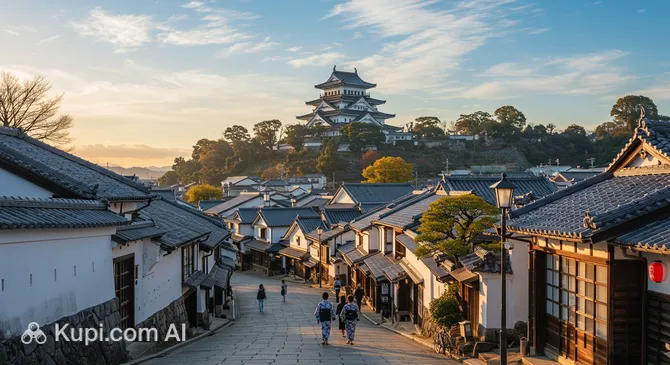
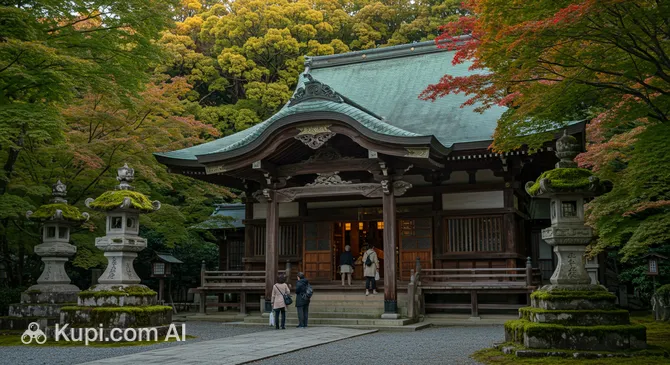
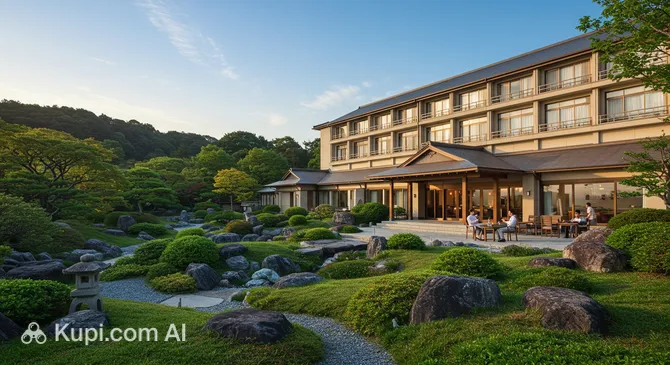
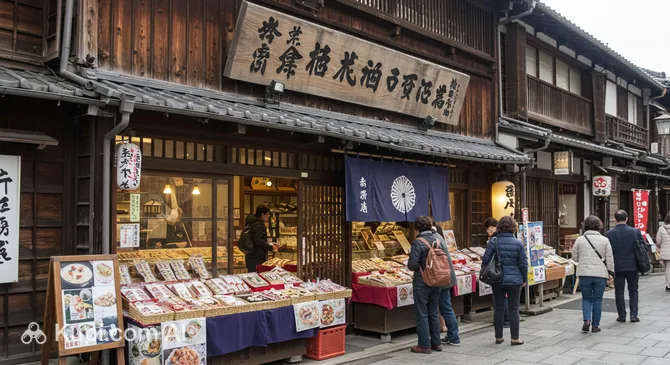
Hagi is a true treasure trove of Japanese history and the atmosphere of ancient streets, nestled comfortably on the coast of the Sea of Japan in Yamaguchi Prefecture. This charming city in Japan is located in the northwest of the Chugoku region, at the foot of picturesque hills and in a river delta, which gives it a special charm. Here you can stroll along the sea, admire old canals, and enjoy views of pristine beaches such as Kikugahama.
Hagi. Illustration.
Source: Kupi.com AI
With a population of about 44,000 people, Hagi is a small but very significant city. In the past, it was the capital of the powerful Choshu domain, and today it is famous as one of the country's best-preserved castle towns. The atmosphere of Hagi is remarkably calm and peaceful: the white walls of old mansions, orange trees lining the roads, majestic temples, and cozy tea houses create the feeling of traveling through time.
The main appeal of Hagi is its authenticity. Here you can still walk through narrow streets where samurai and merchants once lived and feel like a character in a historical drama. The city is also famous for its unique Hagi-yaki pottery, and many workshops offer visitors the chance to try their hand at this ancient art. Additionally, it is worth visiting the ruins of Hagi Castle and the adjacent park to dive deeper into the city's feudal past.
Hagi is the perfect destination for those who want to experience the real, non-touristy side of the country, where history and modernity are harmoniously intertwined. If you are looking for peace, inspiration, and immersion in a rich culture, Hagi will surely enchant you with its hospitality and unique charm.
The weather in Hagi is characterized by clearly defined seasons. Summer, especially in July and August, is warm and quite humid, with average temperatures reaching 26-28°C and a significant number of rainy days. Winters, by contrast, are cool, with average temperatures around 5-7°C in January and December, and less precipitation compared to the summer months.
Visitors to the city should expect a warm summer with occasional rain and cool, relatively dry winters. For example, in August, the average maximum temperature is about 30.5°C with 15 rainy days, while in January, the average minimum drops to 3.4°C with 13 days of precipitation, though the total amount is small (2mm). Spring and autumn offer pleasant transitional periods with moderate temperatures. For a more detailed study of climatic features, we recommend visiting the Hagi Climate page.
Average monthly temperature
Average monthly precipitation
Interesting Facts
In addition to its famous historical landmarks, the city of Hagi hides many surprising stories and little-known details that make it truly unique. Are you ready to learn some of them?
Hagi Castle Town. Illustration.
Source: Kupi.com AI
Traveler photos:
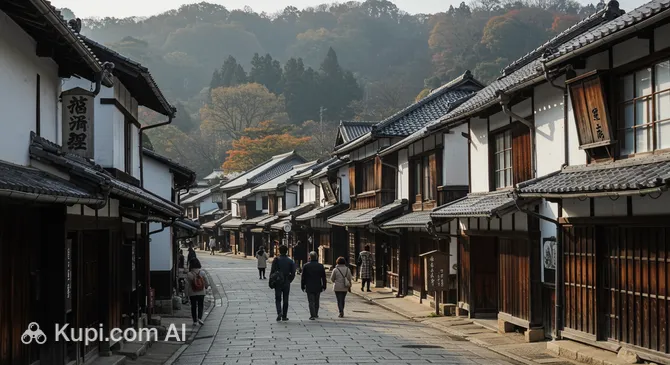
Hagi played a key role in the history of Japan, becoming the cradle of ideas that led to the Meiji Restoration. Remarkably, many streets and buildings in the Hagi Castle Town area have been so well-preserved since the Edo period that you can use a 17th-century map to navigate!
The city boasts five UNESCO World Heritage sites related to the start of the industrial revolution in Japan. Among them are old industrial sites and educational institutions, such as the Shoka Sonjuku Academy, where the country's future leaders were formed.
Many outstanding figures, including politicians and reformers who played a central role in the modernization of Japan in the 19th century, came from Hagi. Their legacy is still felt in the city's atmosphere.
Intriguing legends add to the local flavor: residents of Hagi still tell stories about "samurai ghosts" roaming the ancient streets and about ancient treasures allegedly hidden in the gardens of old samurai estates.
How to Get There
There are several ways to reach the historic city of Hagi, located in Yamaguchi Prefecture, but the most popular for tourists is flying to one of the nearest regional airports followed by a ground transfer.
The closest airport to Hagi is Hagi-Iwami Airport (IWJ), located in Masuda, about 47 km away. It is a small but convenient regional airport. A trip from here to the center of Hagi by taxi or bus takes about 1 hour and 30 minutes. Another popular option is Yamaguchi Ube Airport (UBJ), located in Ube, approximately 54 km from Hagi. This airport is an important transport hub in the region, serves a larger number of flights, and is considered medium in terms of passenger traffic. The journey to Hagi will take about 1 hour and 40 minutes. It is also worth considering Kitakyushu Airport (KKJ), located in Kitakyushu, about 71 km away. This is a large airport with developed infrastructure and a wide choice of domestic destinations. The path from there to Hagi can take about 2 hours.
For convenience, here is summary information on the main airports from which you can reach Hagi:
Rail connections to Hagi are provided by local lines. The city has Hagi Station, served by the JR San'in Main Line. This line connects Hagi with other cities in the region. However, to travel on the Shinkansen high-speed trains, you will generally first need to reach a larger hub station, such as Shin-Yamaguchi. From there, you can reach Hagi by local train or bus. We recommend checking current schedules and routes on the official websites of Japanese railway operators, such as JR West.
Additionally, Hagi can be reached by car using Japan's extensive road network, or by intercity buses that connect it with major cities in the region and the country. The choice of method depends on your budget, time, and travel preferences.
Main Attractions
Hagi, a charming city with a rich history, offers travelers many interesting places to visit. Here, everyone will find something for themselves, from ancient ruins to significant cultural sites.
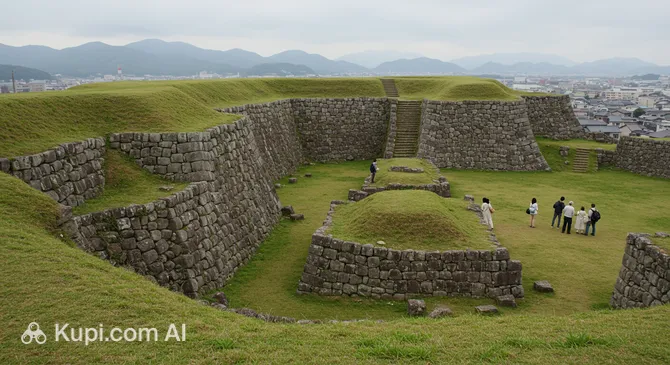
One of the main attractions is the Hagi Castle Ruins. Once a majestic castle and the center of the region's political and military life, today visitors can walk through its grounds, see the remains of walls and moats, and imagine its former greatness. This place is especially beautiful in spring during the cherry blossom season, attracting history buffs and lovers of picturesque landscapes.
Hagi Castle Ruins. Illustration.
Source: Kupi.com AI
Traveler photos:
Not far from the castle ruins lies the Hagi Castle Town. This historical district has preserved the atmosphere of feudal Japan with its narrow streets, samurai residences, and merchant houses. A walk through this area is a true journey back in time, allowing you to touch the past and see how people lived centuries ago. Many houses are open to the public, converted into museums or traditional shops.
Hagi Castle Town. Illustration.
Source: Kupi.com AI
Traveler photos:
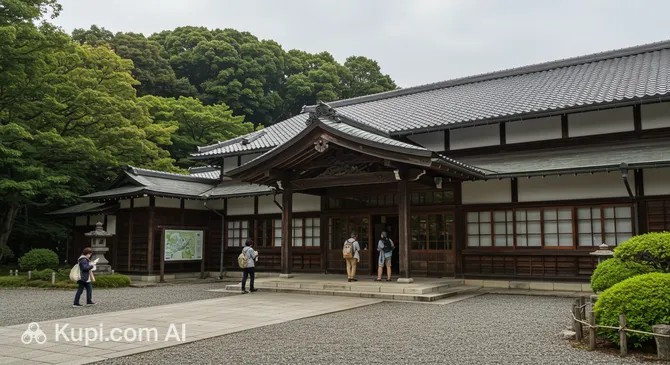
For those interested in the history of education and the ideas that shaped modern Japan, the Shoka Sonjuku Academy is a must-visit. This small private school, founded by Yoshida Shoin, played a key role in training many leaders of the Meiji Restoration. Here you can see the humble classrooms and learn about the influential ideas born within these walls.
Shōka Sonjuku Academy. Illustration.
Source: Kupi.com AI
Traveler photos:
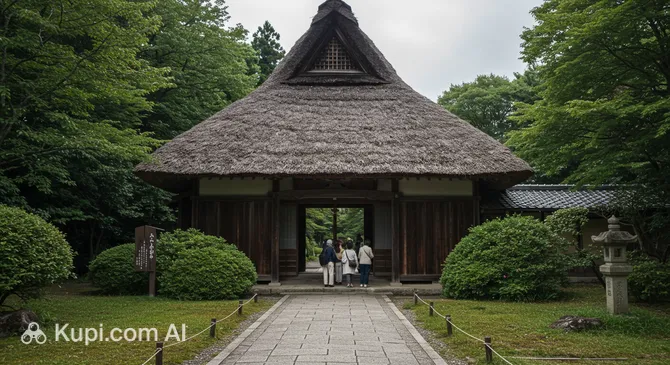
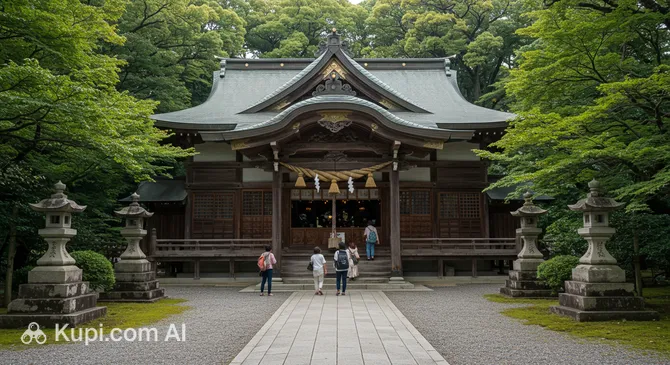
Another iconic site is the Shoin Shrine, dedicated to Yoshida Shoin, an outstanding thinker and educator. The shrine is located in a quiet and peaceful place conducive to reflection. It is an important pilgrimage site for those who honor his legacy and contribution to Japanese history.
Shoin Shrine. Illustration.
Source: Kupi.com AI
Traveler photos:
To dive deeper into the region's culture and art, it's worth visiting the Hagi Museum. Its exhibits feature the famous Hagi-yaki pottery, historical artifacts, and works of art related to the city's history and its famous personalities. The museum offers a comprehensive look at Hagi's rich cultural heritage.
Local Cuisine
Hagi's culinary scene is inextricably linked to its coastal location, offering tourists the chance to enjoy the freshest gifts from the Sea of Japan. The city is rightfully proud of its seafood, which forms the basis of many traditional dishes and attracts connoisseurs of authentic Japanese cuisine.
A special pride of the local kitchen is fugu fish (pufferfish). In Hagi, it is prepared according to special, time-tested recipes, turning it into a real delicacy for gourmets. The city's restaurants offer a variety of fugu dishes, including fugu sashimi (thinly sliced raw fillet), rich soups, and even crispy fugu chips. Trying fugu in Hagi is a unique gastronomic experience that will be remembered for a long time.
In addition to exquisite seafood dishes, Hagi is famous for its juicy citrus fruits. Along the city streets, you can see mandarin and orange trees (the local Natsumikan variety is especially famous), and local markets and numerous shops offer tourists freshly squeezed juices, fragrant jams, and original sweets based on these fruits. These natural treats are an excellent addition to a meal or a pleasant edible souvenir from your trip.
Beyond gastronomic delights, Hagi and the entire Yamaguchi Prefecture offer guests the chance to get acquainted with characteristic local drinks. The region is particularly proud of its sake—a traditional Japanese rice beverage produced here with great attention to quality and tradition. Fans of strong spirits can try shochu, a popular Japanese distilled beverage also represented by local brands. As for non-alcoholic options, in addition to the already mentioned refreshing local citrus juices, fragrant matcha tea enjoys unwavering popularity. It is often served during tea ceremonies, frequently in vessels made of the famous Hagi-yaki pottery, which adds authenticity.
One cannot overlook the famous Hagi-yaki pottery, which is closely intertwined with the dining culture. In many establishments, traditional Japanese matcha tea and local sweets are served specifically in exquisite Hagi-yaki vessels. This allows you not only to enjoy the taste but also to touch centuries-old local craft traditions, feeling the spirit of old Japan.
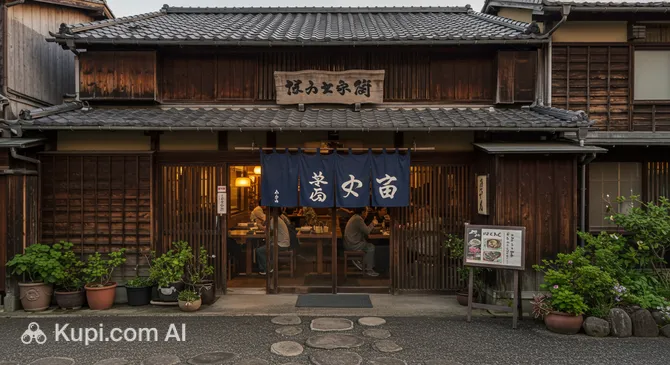
The food culture in Hagi is quite diverse. Locals and tourists can enjoy dishes in cozy restaurants, such as Dondon Hijikawa, where you can sample authentic regional flavors. Additionally, it is worth looking into street markets, where life is in full swing and you can find fresh produce and local snacks. The city also regularly hosts food festivals; summer events on Kikugahama Beach are particularly popular. Here, fish and seafood are grilled in the open air, and visitors are invited to participate in sushi-making workshops.
Dondon Hijikawa. Illustration.
Source: Kupi.com AI
Traveler photos:
Gastronomic Hagi attracts tourists with the opportunity to try exclusive dishes, such as expertly prepared fugu fish, enjoy the freshness of local seafood and the sweetness of citrus fruits, as well as appreciate the quality of local sake and dive into the atmosphere of a traditional Japanese tea ceremony using unique ceramics. This harmonious combination of culinary delights and rich cultural heritage makes Hagi a truly attractive destination for gourmets and anyone interested in Japanese culture.
Travel Tips
Welcome to the charming city of Hagi! To make your journey through this historic corner of Japan as comfortable and memorable as possible, we have prepared some practical tips. They will help you navigate better and enjoy every moment of your stay.
Clothing and Essentials:
The climate in Hagi is temperate, with hot and humid summers and mild but cool winters. In summer, bring light clothing, sunscreen, and a hat. During the shoulder seasons and winter, layered clothing and a light jacket will come in handy. Comfortable shoes are your main ally, as Hagi invites long walks through its historical streets. Don't forget an adapter for electrical appliances (Japan uses type A and B sockets). When visiting temples and shrines, choose modest clothing that covers shoulders and knees out of respect for local traditions.
City Transport:
Hagi is a small city, and many of its attractions are within walking distance. The main form of public transport is local buses, such as the convenient Hagi Loop Bus tourist route. Taxis are available but can be pricey for long trips. Renting a car can be useful if you plan to explore the surrounding Yamaguchi Prefecture, but it is not necessary for Hagi itself. A great way to get around is by bicycle, which can be rented in many places.
Finances:
The local currency is the Japanese Yen (JPY). It is recommended to have enough cash on hand, as not all small shops, restaurants, and markets accept credit cards. You can exchange currency at banks or post offices, but it is better to do so in advance in major cities or at the airport. International credit cards are accepted in hotels and large stores. ATMs that work with foreign cards can be found in 7-Eleven branches and at the post office (look for "International ATM" signs). Tipping in Japan is not customary and can be perceived as impolite.
Health and Safety:
Hagi, like all of Japan, is a very safe place with a low crime rate. Pharmacies (kusuriya) are easy to find, but the staff may not speak English. For serious medical problems, go to a hospital; your hotel staff will be able to help. Having travel medical insurance is highly recommended. 24-hour pharmacies are rare outside major cities. There are no specifically "unsafe" areas in Hagi, but always observe standard precautions.
Communication:
The official language is Japanese. The level of English proficiency among the local population may be low, especially outside tourist sites. Learn a few basic phrases: "Konnichiwa" (Hello), "Arigato" (Thank you), "Sumimasen" (Excuse me/I'm sorry). For internet access, consider buying a tourist SIM card or renting a pocket Wi-Fi router. Free Wi-Fi is available in some hotels, cafes, and tourist information centers. Useful apps include Google Maps and a translator.
Local Etiquette:
Japanese people are very polite and value respectful behavior. When greeting someone, a light bow is appropriate. In public places, especially on transport, try to speak quietly. Remove your shoes when entering homes, some temples, and traditional restaurants (look for a special shoe area called a genkan). Showing patience and politeness will always be appreciated.
What to Avoid:
Never stick your chopsticks vertically into a bowl of rice—this is associated with funeral rituals and is considered a bad omen. Also, try not to eat or drink while walking on the street, as it is not customary. Avoid loud phone conversations in public places, especially on transport.
Specialty of Hagi — Hagi-yaki Ceramics:
Hagi is famous for its unique ceramics—Hagi-yaki. This is not just a souvenir, but a part of the city's soul. Be sure to visit one of the pottery workshops, where you can not only buy items but sometimes try your hand at the craft. It's a wonderful opportunity to touch local art and take home a truly authentic gift.
We hope these tips make your stay in Hagi even more pleasant and fulfilling. This city, with its rich history and calm atmosphere, will surely leave you with the warmest memories!
Entertainment & Nightlife
Evening Hagi offers its guests a calm and cozy atmosphere, far from the noise of large metropolises. Here, nightlife is centered more around gastronomic pleasures and leisurely walks than loud clubs. However, even in this charming city, you can find pleasant places for evening relaxation.
The main focus of evening entertainment in Hagi is shifted toward restaurants and traditional Japanese drinking establishments – izakayas. Many of them are located in the historical part of the city or near major hotels. Here you can enjoy local cuisine, fresh seafood, and sake in an authentic setting. For example, the Dondon Hijikawa restaurant offers local dishes and is a popular spot for dinner. The atmosphere in such places is usually relaxed, perfect for soulful conversations. Most restaurants stay open until late evening, but not around the clock.
Dondon Hijikawa. Illustration.
Source: Kupi.com AI
Traveler photos:
As for bars, the choice may not be as wide as in major cities. Some hotels, such as the Hagi Mihagi Resort, may offer bars with drinks to their residents and guests. There are few specialized nightclubs with dance floors in Hagi; evening life here is more intimate and focused on quiet relaxation. The dress code in most places is casual, but a neat appearance is always welcome.
For evening strolls, the central districts of Hagi, especially the historical Hagi Castle Town, are quite safe. However, you should always follow standard safety precautions. You can get around the city in the evening by taxi, which can be called by phone or found at special stands. Public transport usually stops running fairly early, so plan your route in advance. Average prices in restaurants and bars are moderate but can vary depending on the level of the establishment.
During the day, Hagi offers a rich cultural program. You can visit numerous historical attractions, such as the Hagi Castle Ruins, Shoin Shrine, or the Hagi Museum, to dive deeper into the history and culture of the region. It is also worth stopping by the Hagi Meirin Gakusha Visitor Center for more information about the city and its surroundings.
Parks & Museums
The city of Hagi invites travelers to immerse themselves in an atmosphere of rich cultural heritage and enjoy the tranquility of its green zones. Here, history comes to life at every step, and museums and parks offer a variety of experiences for curious tourists.
Hagi offers excellent opportunities for outdoor recreation. One of the key places is Shizuki Park, which houses the Hagi Castle Ruins. This is not just a historical monument but also an extensive green area at the foot of Mount Shizuki, ideal for walking among ancient trees and enjoying panoramic views. The area around the ruins is perfect for leisurely relaxation and picnics, allowing you to feel the spirit of the past.
Hagi Castle Ruins. Illustration.
Source: Kupi.com AI
Traveler photos:
Beach lovers should definitely visit Kikugahama Beach, known for its white sand and the clean water of the Sea of Japan. Stretching along the coast, it offers magnificent views of the nearby islands and Mount Shizuki. It is a popular spot for swimming, sunbathing, and quiet walks along the water's edge, especially at sunset. Additionally, the entire coastal area of Hagi is rich in picturesque landscapes conducive to peaceful contemplation.
Hagi is famous for its museums that introduce visitors to its rich culture and art. Central among them is the Hagi Museum, where a magnificent collection of the famous Hagi-yaki pottery is presented, along with exhibits telling the history and culture of the region. This is a great place to deeper understand the city's unique heritage.
Hagi Museum. Illustration.
Source: Kupi.com AI
Traveler photos:
Another iconic site is the Shoka Sonjuku Academy. This small private school, founded by the outstanding thinker Yoshida Shoin, played a key role in training many leaders of the Meiji Restoration. Visiting this historical academy allows you to touch an important period of Japanese history and understand the origins of the country's modernization.
Shōka Sonjuku Academy. Illustration.
Source: Kupi.com AI
Traveler photos:
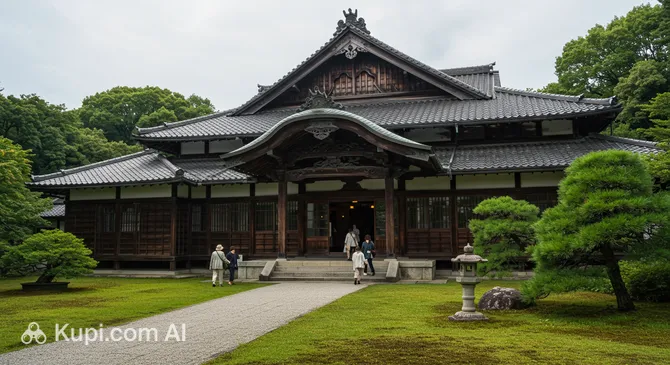
For a deeper dive into the city's history, visit the Hagi Meirin Gakusha Visitor Center. Located in the building of the former prestigious Meirinkan school, this modern center offers interactive exhibits and comprehensive information about Hagi attractions, making it a wonderful starting point for exploring the city.
Hagi Meirin Gakusha Visitor Center. Illustration.
Source: Kupi.com AI
Traveler photos:
One cannot ignore the Hagi Castle Town, which itself is a real open-air museum. A stroll through its beautifully preserved streets with samurai residences, white walls, and merchant houses transports visitors to the Edo era, allowing them to feel like part of a centuries-old history.
Hagi Castle Town. Illustration.
Source: Kupi.com AI
Traveler photos:
An important place of pilgrimage and reflection on the legacy of an outstanding figure is the Shoin Shrine, dedicated to Yoshida Shoin and his disciples. This place is imbued with the spirit of history and plays a significant role in the cultural life of Hagi.
Shoin Shrine. Illustration.
Source: Kupi.com AI
Traveler photos:
The majestic Toko-ji Temple, known for its impressive stone garden and close connection to the powerful Mori clan, offers visitors peace. Here you can appreciate traditional Japanese temple architecture and enjoy the quiet atmosphere.
Toko-ji Temple. Illustration.
Source: Kupi.com AI
Traveler photos:
To get a truly authentic experience of Hagi, stop by one of the numerous pottery workshops, where you can not only see the process of creating the famous Hagi-yaki pottery but also try your hand at this art. Also, don't miss the opportunity to walk through the less-known streets of the old city to discover hidden courtyards and local shops that preserve the atmosphere of the past.
Getting Around
The main form of public transport in Hagi is the bus network. Buses connect the railway station, central city areas, and main tourist attractions, including castle ruins, samurai quarters, and pottery workshops. Routes and schedules are usually available at bus stops and tourist information centers. Special tourist buses, such as the "Hagi Loop Bus" (or similar local routes), also operate in the city, focusing on key sightseeing spots and offering a convenient way for guests to get around. The approximate cost of a single bus ride can vary from 100 to 300 yen depending on the distance, though these prices are subject to change.
The fare payment system on Hagi buses, as in many cities in Japan, may involve paying cash upon boarding or exiting. It is recommended to carry small change, as the driver may not always be able to give change for large bills. Some regional buses may accept nationwide IC cards (such as Suica, Pasmo, ICOCA), but it is best to clarify this in advance or be prepared to pay in cash. Sometimes day passes are offered for tourists, allowing unlimited bus use for the day—this is a cost-effective option when planning a busy itinerary. The cost of such a day pass may be approximately 500-700 yen, but always check the current price on-site.
Single-ride tickets are usually purchased directly on the bus. When entering through the back door (if the system provides for it), you often need to take a ticket with a zone number, and payment is made when exiting through the front door based on the distance. If the payment system is fixed, payment is made upon entry. Buses in Hagi usually run on schedule, but the frequency of service may be lower in the evenings and on weekends. Information on schedules can be found at stops or in tourist offices.
In addition to buses, you can use taxis to get around Hagi. Taxi stands are typically found at the railway station and major hotels. This is a more expensive but comfortable way to reach your destination, especially if you are traveling with luggage or in a group. Given the historical character and relative compactness of central Hagi, a great alternative is bicycle rental. Many attractions are located within a short distance of each other, and a bike ride will allow you to enjoy the atmosphere of the ancient streets. Bicycle rental points can often be found near the station or tourist areas. The approximate cost of renting a bike for a day can range from 500 to 1,500 yen, but it is always worth checking current rates at the rental points as prices can vary.
Accommodation
In the city of Hagi, travelers will find a variety of accommodation options to suit different preferences and budgets. You can find traditional Japanese inns (ryokans) as well as more familiar hotels, along with guest houses and apartments for rent.
For tourists, areas located near historical attractions, such as Hagi Castle Town, will be particularly convenient, providing easy access to iconic spots like the Hagi Castle Ruins or the Shoka Sonjuku Academy. Staying in these parts of the city allows for a deeper immersion into its atmosphere and saves time on travel.
Resort Hotel Mihagi. Illustration.
Source: Kupi.com AI
Traveler photos:
Among the accommodation options in Hagi, for example, is the Hagi Mihagi Resort, which offers comfortable conditions for relaxation. Overall, the city offers options for every taste: from budget hostels and guest houses to mid-range hotels and more luxurious offerings.
When planning a trip, especially during peak tourist season or local festivals, it is recommended to book accommodation in advance. This will help ensure the best choice and more favorable prices. Booking can be done through popular international online platforms, as well as directly on hotel or ryokan websites. The price range varies depending on the type and level of comfort of the chosen accommodation.
Nearby Cities
For those who want to explore the surroundings, Hagi serves as an excellent starting point for day trips to several interesting nearby locations:
Yamaguchi, the administrative center of the prefecture, is located just 26 km away. This city attracts visitors with its rich history and cultural heritage, including the famous Ruriko-ji Temple with its five-story pagoda, which is a national treasure. A trip here will allow you to get deeper acquainted with the region's past and enjoy the tranquility of temple complexes.
Ube, located about 53 km away, is known for its magnificent Tokiwa Park. Here you can find a large lake, an open-air sculpture collection, and a botanical garden, making it a wonderful place for relaxing in nature. The city also has an interesting history related to the coal mining industry.
These nearby destinations provide insight into the diverse culture and landscapes of the region. A trip to any of these cities will enrich your journey through Japan and give you new impressions.
Shopping & Souvenirs
Hagi offers a unique shopping experience focused primarily on traditional crafts and local products rather than large shopping centers. The city is particularly famous for its Hagi-yaki pottery, which is one of the most coveted souvenirs for visitors.
The main place to find shops and souvenir stalls is the historic Hagi Castle Town district. Strolling through its ancient streets, you will discover many small workshops and shops offering ceramics, local sweets, and other handmade goods. Interesting shops can also be found near the main tourist attractions.
There are no large modern shopping centers in Hagi typical of big cities. Instead, shopping here is more about exploring cozy family-run shops and galleries where you can find authentic goods and chat with the artisans.
While there may be small morning markets in Hagi selling fresh local produce, the main focus of shopping is on specialized stores and craft workshops. One such place where you can purchase local delicacies is the Murata Kamaboko Main Store, known for its fish products.
Murata Kamaboko Main Store. Illustration.
Source: Kupi.com AI
Traveler photos:
Main Souvenirs from Hagi:
Be sure to look for Hagi-yaki ceramics. These items, known for their simple beauty and how their color changes over time with use, will serve as a wonderful reminder of your trip. Also popular are products made from Natsumikan (a local variety of orange)—jams, juices, and sweets. Local sake and other alcoholic beverages can also make a great gift.
Most shops in Hagi operate from approximately 10:00 to 18:00 or 19:00. Some small family shops may have more flexible hours. Credit cards are accepted in many places, but it's always useful to have some cash on hand, especially for purchases in small shops or at markets if you encounter them.
For foreign tourists in Japan, a Tax-Free system is available. In shops participating in this program (usually marked with a special logo), you can get a consumption tax refund when purchasing goods over a certain amount. You will need your passport for this. Check the conditions directly in the shops.