Support

Hamada

About

Hamada is a charming coastal city nestled on the western coast of Honshu Island in Shimane Prefecture, Japan. Here, majestic mountains gently give way to the soft waves of the Sea of Japan, creating truly picturesque landscapes that seem tailor-made for leisurely strolls and sunset viewing. The city charms visitors with its relaxed and friendly atmosphere, offering travelers the chance to experience authentic Japanese provincial life.
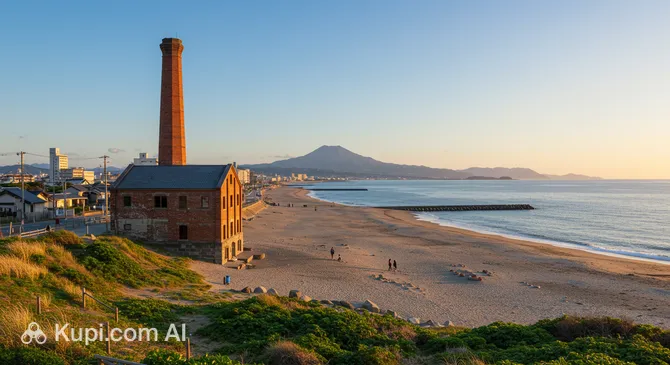
Hamada. Illustration.
Source: Kupi.com AI

With a population of about 54,000 people, Hamada retains the warmth and charm of a small Japanese town where every guest feels truly welcome. It serves as an important transportation and cultural hub for the region, linking together rural villages, mountain settlements, and famous local beaches. It is an ideal destination for those seeking authentic experiences and a quiet retreat away from the bustle of megacities, while appreciating sincere hospitality and a deep respect for tradition.

Why include Hamada in your itinerary? The city is famous for having some of the best beaches in western Japan, ancient temples, impressive ruins of an old castle, and healing hot springs (onsens). Additionally, unique cultural events are regularly held here, allowing for a deeper acquaintance with the soul of the Shimane region. Visiting Hamada is a wonderful opportunity to discover a different Japan, full of peace, natural beauty, and genuine cordiality.

You can find more interesting facts on the history of Hamada page.

Weather Overview

The weather in Hamada is characterized by clearly defined seasons. Summer, especially in August, is the warmest here: the average temperature reaches 26.8°C, and maximum values can rise to 28.8°C. July is also very warm, with an average temperature of 25.3°C. Winters, covering the period from December to February, are quite cool. January is the coldest month, with an average temperature of 5.8°C, and minimum figures can drop to 4.0°C.

Precipitation in Hamada occurs throughout the year, but the highest amount falls in July, when about 10 mm is recorded. The highest number of rainy days is observed in December (averaging 18 days) and January (17 days), making the winters quite wet despite the moderate total amount of precipitation. Overall, Hamada is characterized by warm summers with periodic rains and cool, wet winters. For more detailed information, please check the Hamada Climate page.

Average monthly temperature

Average monthly precipitation

Interesting Facts

Hamada, a charming city on the Sea of Japan coast, is known for more than just its beautiful beaches. Behind its calm facade lie unique cultural treasures and interesting features that not all travelers are aware of.

  • Pristine Beaches of Western Japan: Hamada is proud of its beaches, which are considered some of the cleanest and most beautiful in the west of the country. It is a true paradise for lovers of swimming, surfing, and even camping right on the shore.

  • Ancient Ruins with Sea Views: In the vicinity of Hamada, the picturesque ruins of an old castle have been preserved. Once an important defensive structure, it is now a popular spot for walks and picnics, especially in spring when the cherry blossoms bloom.

  • Encounter with Beluga Whales: One of the city's main highlights is the Aquas aquarium—the largest in the Chugoku region. This is where you can see rare beluga whales and get to know the rich underwater world of the Sea of Japan, making it especially attractive for families.

  • The Magic of Kagura Dance: Hamada is famous for its traditional Kagura performances—an ancient theatrical dance using vibrant masks. Local Kagura is considered one of the most expressive and interesting in the region, immersing viewers in the world of Japanese legends and myths.

  • Secrets of Paper Art: In Hamada, you can not only learn about "Washi," the traditional Japanese art of papermaking, but also participate in the fascinating process yourself at special workshops. This is a great opportunity to touch ancient crafts and create a unique handmade souvenir.

How to Get There

The most convenient way to reach the city of Hamada is by air, flying into one of the nearest regional or international airports and then using ground transportation. Hamada does not have its own airport, but several air hubs are located within a reasonable distance, providing access to the city.

The closest airport to Hamada is Hagi-Iwami Airport (IWJ), also known as Iwami Airport. It is located in the city of Masuda, approximately 36.3 km from Hamada. This is a small regional airport, and the journey from there to central Hamada by taxi or bus usually takes about 1 hour to 1 hour 15 minutes.

A larger option that also serves international destinations is Hiroshima Airport (HIJ). It is located in the city of Hiroshima, about 92.5 km from Hamada. Given its status as a major transport hub, various transfer options are available. The trip from Hiroshima Airport to Hamada by car or bus takes approximately 2 hours 30 minutes to 3 hours.

Another airport to consider for your trip to Hamada is Iwakuni Kintaikyo Airport (IWK). It is situated in the city of Iwakuni, about 85 km from Hamada. This is a mid-sized airport, and the road to Hamada from here will take about 2 hours 15 minutes to 2 hours 45 minutes. From all the mentioned airports, you can reach Hamada by taxi, rental car, or bus services, the availability of which should be checked in advance.

For your convenience, here is summary information on the main airports that can be used for a trip to Hamada:

AirportPassenger trafficDistance
Hagi-Iwami Airport109 60436 km
Iwakuni Kintaikyo Airport655 47385 km
Hiroshima Airport2.7 mln93 km
Izumo Airport1.0 mln93 km
Miho Airport463 252125 km

Regarding rail travel, Japan is famous for its excellent and extensive train network, including the Shinkansen high-speed trains. Travelers arriving at the country's major transport hubs, such as Hiroshima, can consider continuing their journey to Hamada by train. It is recommended to check possible routes and current schedules in advance on the official websites of Japanese railway companies or directly at the stations upon arrival in the country.

Main Attractions

Hamada, a delightful city on the Sea of Japan coast, offers its guests a variety of attractions that combine natural beauty, a rich historical heritage, and modern entertainment. Everyone will find something of interest here, whether it’s meeting marine life, diving into the region's history, or simply relaxing on the scenic coast.

One of Hamada's main jewels is undoubtedly the Shimane Aquarium Aquas. It is one of the largest aquariums in the Chugoku region, famous for its beluga whale performances—these whales can blow bubble rings, a unique and mesmerizing sight. Besides the belugas, you can see many other marine inhabitants, including penguins, sharks, and a wide variety of fish from the Sea of Japan. The aquarium is perfect for a family visit and is sure to provide plenty of positive emotions.

For history buffs and those seeking panoramic views, a visit to the Hamada Castle Ruins is a must. The castle was built in the 17th century and played an important role in the region's history. Although only the stone walls and foundation remain, the site breathes history. From the hill where the ruins sit, there is a magnificent view of the city and the Sea of Japan. It is an excellent place for a leisurely walk and to connect with Hamada's past.

If you want to enjoy nature and fresh sea air, head to Iwami Seaside Park. This extensive park stretches along the coast and offers beautiful sandy beaches, cycling paths, and picnic areas. In the summer, you can swim and sunbathe here, while at any other time of year, you can simply stroll around, admiring the seascapes and breathing in the refreshing air. The park is also a popular venue for various events and festivals.

Local Cuisine

The gastronomy of Hamada is a true immersion into the world of the freshest gifts from the Sea of Japan. The city's culinary traditions are closely linked to the sea, so the foundation of local cuisine consists of fish and seafood that reach the table almost immediately after being caught. This is a paradise for connoisseurs of authentic Japanese flavors and freshness, where every gourmet will find a dish to their liking.

Be sure to try dishes made from local hamachi (yellowtail), which is famous for its delicate taste and is a hallmark of the region. Of course, you cannot overlook the classic sushi and sashimi, where the skill of the chefs reveals the true flavor of the freshest ingredients. Another iconic dish is seafood "donburi": a large bowl of fragrant rice generously topped with a variety of fresh fish, roe, and other marine delicacies. Crabs and squid prepared according to special local recipes, often passed down through generations, are also popular.

While strolling through Hamada, check out the street stalls and markets where you can taste grilled fish on skewers or seasonal delicacies such as sea urchins and shellfish prepared right in front of you. At the colorful farmers' markets, you'll find fresh local vegetables, rice, homemade pickles, and traditional sweets. Don't miss the chance to try local rice cakes filled with sweet red bean paste (anko) or sweet potato—it's a great authentic snack.

To complete your gastronomic experience, pay attention to local drinks. For alcoholic options, try various types of sake produced in the region or the stronger shochu. Among non-alcoholic drinks, traditional green tea in all its variety is consistently popular, as is the refreshing barley tea mugicha, which is especially pleasant during the warmer months.

The food culture in Hamada offers various options. Residents and tourists alike can enjoy exquisite dishes in seafood specialty restaurants or dive into the more informal atmosphere of street markets and small family-run establishments where warmth and hospitality prevail. The city is also known for its food festivals, which are held periodically and provide a unique opportunity to get acquainted with the culinary heritage of Shimane Prefecture, try rare dishes, and even participate in cooking workshops, taking a piece of Japan's flavor home with you.

Travel Tips

Planning a trip to the charming city of Hamada? Wonderful! To ensure your journey through this corner of Japan goes as smoothly and pleasantly as possible, we have prepared some practical tips to help you feel more confident.

  1. Clothing and Travel Comfort: The weather in Hamada can be changeable. Bring light clothing in summer and warm clothing in winter, not forgetting a raincoat or umbrella, especially if you are traveling during the rainy season (June-July). Comfortable shoes are your best friend for walking around the city and its surroundings. Don't forget an adapter for your electronics (Japan uses type A, 100V). When visiting temples, be prepared to remove your shoes and choose modest clothing.

  2. Getting Around Hamada: The main public transport in Hamada will likely be buses. Study their routes in advance. Taxis are available but can be expensive. If you plan to explore the picturesque Shimane Prefecture, consider renting a car (you will need an international driving permit, and traffic is on the left), but for the city itself, this is not always necessary.

  3. Financial Matters: The local currency is the Japanese Yen (JPY). We recommend carrying some cash, as not all small establishments accept cards. You can exchange currency at banks or post offices. International cards (Visa, Mastercard) usually work at 7-Eleven (Seven Bank) and Japan Post Bank ATMs. Tipping in Japan is not customary and may be perceived as a misunderstanding.

  4. Health and Safety: Hamada, and Japan in general, is a very safe place. However, standard precautions are always good. Pharmacies (look for "薬" or "drugstore" signs) are available, but it's better to bring your usual medications with you. Be sure to get travel insurance. Stay updated on weather forecasts, especially during the typhoon season (August-October).

  5. Language and Connectivity: The official language is Japanese. English may not be very common outside of tourist sites, so learn a few basic phrases: "Konnichiwa" (Hello), "Arigato" (Thank you), "Sumimasen" (Excuse me). For connectivity, purchase a local SIM card or rent a portable Wi-Fi router. Apps like Google Maps and Google Translate will be very useful.

  6. Local Customs and Etiquette: Politeness is highly valued in Japan. Greet with a slight bow. In public places, especially on transport, try to speak quietly. Remove your shoes when entering homes, some temples, and traditional restaurants. Be careful with chopsticks: do not stick them vertically into your rice.

  7. Important to Remember (What Not to Do): In addition to the lack of tipping, avoid blowing your nose in public—it is considered impolite. Also, always ask for permission before photographing local residents to show respect for their personal space.

  8. Bonus: A Taste of Hamada: Hamada is a port city, so don't miss the chance to enjoy the freshest seafood! Check out local restaurants, especially those closer to the port, and try the seasonal catches. It's a great way to experience the gastronomic culture of the region.

We hope these tips make your stay in Hamada even more comfortable and unforgettable. Enjoy every moment of your Japanese adventure!

Entertainment & Nightlife

Hamada, located in Shimane Prefecture, may not rival Japan's major metropolises in terms of the scale of its nightlife, but there are still interesting options for evening leisure. The city offers a calmer and more authentic atmosphere where you can immerse yourself in local culture and enjoy your time after sunset.

Most evening activity in Hamada is typically concentrated in the central part of the city, especially near the railway station or along the main shopping streets. Here you will find traditional Japanese drinking establishments known as izakaya. These are great places to try local sake or beer with a variety of Japanese snacks in a relaxed setting. The atmosphere in these venues is usually friendly, with a mixed crowd ranging from locals to the occasional tourist. The dress code is generally casual.

Popular spots to experience Japanese hospitality include izakayas like "Robata Kaba" (炉端かば), known for its grilled dishes, or chain restaurants like "Hana-no-Mai" (はなの舞), which offer a wide selection of traditional food and drinks. For those who want to have fun with friends singing their favorite songs, Hamada has karaoke bars; for example, you can visit one of the "Manekineko" (まねきねこ) outlets. The city also features small bars with a more intimate setting for quiet conversation. As for large nightclubs with dance floors open until dawn, there may be few or none in a city of this size; evening entertainment here is more focused on socializing and gastronomic experiences. Most establishments stay open until late evening, though not always deep into the night, especially on weekdays.

To find specific venues, trending bars, or cozy restaurants for dinner, it is best to check local online guides and maps or ask your hotel staff for advice. Popular spots can change, and locals will always point you toward the best options. Average prices in Hamada's establishments are likely to be moderate, especially compared to major tourist centers.

In terms of safety, Hamada, like most Japanese cities, is considered quite safe for evening walks. However, it is always wise to take standard precautions. If you need a taxi at night, you can call one or find them at designated stands, although the number of available cars in smaller cities might be limited late at night. Public transport generally stops running before midnight.

During the day, Hamada also offers leisure options. You can explore local parks, visit small museums that introduce the history and culture of the region, or simply enjoy walking around the city to discover its charm. While there are no major theme parks or world-famous theaters, the city's calm atmosphere is perfect for a relaxed holiday and exploring local life.

Parks & Museums

Hamada, nestled in Shimane Prefecture, offers its guests a harmonious blend of picturesque natural spots for relaxation and interesting cultural sites that introduce the rich history and traditions of the region.

Nature lovers will appreciate the green spaces of Hamada. One of the attractive places for walking and relaxation is the park located on the site of the Hamada Castle Ruins. From here, you can enjoy beautiful views of the city and its surroundings, and the atmosphere itself invites quiet contemplation. Along the Sea of Japan coast, you can find charming beaches and coastal areas, such as the famous Kokufu Beach, perfect for enjoying the fresh sea air and scenic landscapes, especially during the summer season.

The cultural life of the city is equally diverse. Hamada has several notable museums. For instance, the Hamada Children's Museum of Art offers interactive exhibits that will be of interest not only to children but also to adults, introducing the world of art in an engaging way. To dive deeper into the history and unique traditions of this region, including the famous Iwami Kagura dance, it is worth visiting local historical or ethnographic displays, which often tell stories about the daily life, crafts, and cultural heritage of Shimane Prefecture.

In addition to the park at the castle ruins, you can find other historical sites in Hamada and its vicinity. These may include ancient temples and shrines, each with its own unique atmosphere and centuries-old history. Walking through such places allows you to touch the spiritual heritage of Japan and enjoy the silence and beauty of traditional Japanese architecture.

For more authentic experiences, don't be afraid to veer off the beaten tourist path. Peek into small local craft shops where you can find unique handmade items, or visit less well-known but equally atmospheric shrines hidden in quiet corners of the city. Sometimes it is these chance discoveries that leave the brightest and warmest memories of a trip.

Getting Around

Navigating Hamada and its surroundings can be done in several ways, although the public transport system is not as extensive as in major cities. Buses play the main role in urban transportation, and rail links are also available for longer-distance travel.

Buses are the primary mode of public transport in Hamada. These are usually standard city buses that run on specific routes, connecting various parts of the city, including the railway station and key landmarks. In Japan, the payment system on buses often involves entering through the rear or middle door, where you take a ticket with a stop number (unless it is a fixed-fare route). When exiting through the front door, you pay the fare to the driver in cash; the amount depends on the distance (determined by the number on your ticket and the display above the driver). Exchanging large bills can be difficult, so try to have change with you.

As for fare payment, cash is the primary method. Some regional bus networks in Japan may accept local transport cards or even nationwide IC cards (like Suica or ICOCA), but it is better to check this on-site or be prepared to pay in cash. Sometimes daily bus passes may be available for tourists or frequent users; information about these can be obtained at the bus station or the tourist information center.

Railway transport in Hamada is represented by the JR San'in Main Line, which passes through the city. Hamada Station is an important transport hub for those traveling through the Chugoku region. Trains are convenient for trips to neighboring cities and prefectures. Train tickets can be purchased at the station ticket offices or at vending machines.

Practical tips for tourists: Bus stops are usually marked, and schedules (often in Japanese only) are posted there. Buses generally run strictly according to the schedule. Public transport hours may be limited, especially in the evenings and on weekends, so plan your trips in advance. It is best to check information about routes and schedules at Hamada Railway Station or the local tourist office.

Among alternative ways of getting around Hamada and its picturesque surroundings, you might consider taxis, which are usually available at the railway station and at key points in the city. For more independent exploration of the region, you can rent a car. Also, given the size of the city and its coastal location, bicycle rental can be a pleasant option for leisurely rides if such a service is available.

Accommodation

When planning a trip to Hamada, you will find a variety of accommodation options to suit different preferences and budgets. The city offers a selection ranging from more economical guesthouses and traditional ryokans to comfortable mid-range hotels. Apartment rentals are also available, which can be convenient for families or long-term stays.

When choosing a place to stay in Hamada, look for areas near the main attractions or transport hubs, such as the railway station. This will give you easy access to points of interest and convenience in moving around the city and its surroundings. Some travelers prefer to stay closer to the coast to enjoy the sea views.

The overall price range for accommodation in Hamada varies from budget options to mid-range and higher-class hotels. To ensure availability and get the best prices, it is recommended to book your accommodation in advance, especially if your trip coincides with the peak tourist season or local holidays. Most hotels and guesthouses can be booked through popular online platforms or directly by contacting the management.

Nearby Cities

For those who want to explore the surrounding area, Hamada serves as an excellent starting point for day trips to several interesting nearby locations:

CityPopulationDistance
Gotsu22 83818 km
Masuda44 47433 km
Onan10 08633 km
Oda32 10250 km
Akitakata27 24963 km

These nearby destinations offer a glimpse into the diverse culture and landscapes of the region. Each trip promises new discoveries, whether it's historical sites, natural beauty, or unique local traditions.

Shopping & Souvenirs

Shopping in Hamada offers tourists an introduction to local products and traditional crafts rather than a pursuit of global brands. The city is not famous for massive shopping malls, but here you can find authentic Japanese items and fresh produce that reflect the culture and daily life of the Shimane region.

The main shopping spots are likely to be concentrated around Hamada Station and the adjacent streets. Here you can find small shops, boutiques, and perhaps covered shopping arcades (shotengai), which are typical for Japanese cities. This is a good place to look for everyday goods, local food, and souvenirs.

Large multi-story shopping centers characteristic of megacities may be absent in Hamada. However, there may be small department stores or shopping complexes aimed at locals where you can find clothes, household goods, and groceries. For a wider selection of brand-name goods, you might need to head to larger cities in the prefecture or neighboring regions.

Special attention should be paid to local markets if any are available. Given Hamada's coastal location, there may be interesting fish markets selling the fresh catch of the day. Small farmers' markets offering seasonal fruits and vegetables might also be found. These places are a great opportunity to observe the daily lives of citizens and purchase the freshest products.

As souvenirs from Hamada and the Shimane region, consider the following:

  • Iwami-yaki (石見焼) Pottery: Sturdy and practical ceramics known for their durability.
  • Sekishu-banshi (石州半紙) Paper: Traditional handmade Japanese paper included in the UNESCO Intangible Cultural Heritage list.
  • Local Sake (日本酒): Shimane Prefecture is famous for its breweries.
  • Seafood: Dried fish, canned delicacies, especially those made from nodoguro (blackthroat seaperch), which is a local specialty.
  • Traditional Sweets (和菓子): Local confectionery, often made using regional ingredients.

Most shops in Japan, including Hamada, are usually open from 10:00 or 11:00 to 19:00 or 20:00. Small family-run shops may have their own schedules. As for payment, while credit cards are becoming more common, especially in larger stores and hotels, cash is still widely used and necessary, particularly at markets and small stalls. Also, some places may accept Japanese electronic IC cards, such as Suica or ICOCA.

Tourists in Japan can take advantage of the Tax-Free system. Look for shops with the corresponding "Japan Tax-free Shop" logo. Usually, to claim a tax refund (10% consumption tax), you need to make a purchase of a certain amount (most often over 5,000 yen excluding tax) in one shop on one day. The tax refund procedure typically takes place directly in the shop upon presentation of your passport.

Reached the end of the page?

That means the route is fully explored