Support

Shunan

About

Shunan is a dynamic and welcoming city, nestled on the southern coast of Honshu Island, in the heart of Yamaguchi Prefecture. Covering an impressive area of over 650 square kilometers, the city harmoniously combines modern neighborhoods, picturesque coastal areas, and lush green hills. This ideal location makes Shunan an excellent starting point for exploring the Chugoku region.

Shunan. Illustration.
Source: Kupi.com AI

With a population of about 138,000, Shunan is not just a significant administrative center but also a place where centuries-old traditions and modern trends intertwine in a surprising way. Business activity thrives and industry develops here, yet quiet residential areas maintain a sense of true Japanese hospitality. The city serves as an excellent base for discovering the culture of Western Japan.

The atmosphere of Shunan is permeated with a sense of tranquility and comfort. Residents enjoy spending time in numerous parks and celebrating local festivals on a grand scale, while the streets are consistently clean and orderly. Shunan is proud of its rich cultural heritage: here you will find interesting museums, ancient temples, and unique natural spots that will not leave any traveler indifferent.

If you are looking for authentic experiences and want to step off the beaten tourist path, Shunan will be a real discovery for you. Immerse yourself in the daily life of a Japanese city, get to know local customs, and discover the many hidden gems of this charming region.

You can find more interesting facts on the history of Shunan page.
Weather Overview

The weather in the city of Shunan is characterized by distinct seasons. Summer, especially in July and August, is warm and humid, with average temperatures around 25-27°C, and maximum values can reach 30°C. Winters, from December to February, are cool, with average temperatures around 5-6°C, sometimes dropping to 1-2°C. The highest amount of precipitation falls in the summer months, especially in July (about 10 mm and 20 rainy days), while the winter months are drier, with precipitation around 2-3 mm.

Overall, expect a warm, humid summer with occasional rain and cool, relatively dry winters. To learn more about the weather conditions, you can check the detailed Shunan climate.

Average monthly temperature

Average monthly precipitation

Interesting Facts

Beyond its well-known landmarks, Shunan hides many amazing stories and little-known details that make it truly unique. Here are just a few curious facts about this Japanese city:

Toishi Hachimangu Shrine. Illustration.
Source: Kupi.com AI

Traveler photos:

  • A young city with an ancient soul: Although Shunan only officially received city status in 2003 by merging several neighboring settlements, its territory preserves traces of centuries-old history. Fishing and crafts flourished here since ancient times, laying the foundation for future development.

  • Living symbols: The official symbols of the city are the Salvia and the Camphor tree. These plants do not just decorate Shunan's parks and squares; they are also revered by locals as charms that bring luck and prosperity.

  • Whispers of ancient legends: The city is enveloped in legends associated with the surrounding sea and mountains. It is said that a camphor tree spirit, the ancient guardian of these lands, lives in the local forests, and in the evenings, the coast is sometimes lit by the mysterious light of sea fireflies. You can touch the local culture and perhaps feel this mystical atmosphere by visiting places like the Toishi Hachimangu Shrine.

How to Get There

You can reach the city of Shunan in Japan in several ways, with air travel and train trips being the most common options for tourists.

While Shunan does not have its own airport, travelers can use several airports located at a reasonable distance. One of the closest options is Iwakuni Kintai-kyo Airport (IWK), located in the city of Iwakuni, about 41 km from Shunan. This is a small regional airport, and a trip from there to the center of Shunan by taxi or bus will take approximately 1 hour and 20 minutes. Another convenient airport is Yamaguchi Ube Airport (UBJ), located in the city of Ube, about 51 km from Shunan. This is a medium-sized airport, and the journey to Shunan takes about 1 hour and 35 minutes. It is also worth considering Kitakyushu Airport (KKJ), located in the city of Kitakyushu, about 75 km away. This is a fairly large airport, and the path to Shunan may take approximately 2 hours and 15 minutes.

For clarity, here is summary information on the main airports that can be used for a trip to Shunan:

AirportPassenger trafficDistance
Iwakuni Kintaikyo Airport655 47341 km
Yamaguchi Ube Airport1.3 mln51 km
Oita Airport1.9 mln64 km
Hagi-Iwami Airport109 60469 km
Kitakyushu Airport1.6 mln75 km

Rail travel is a very well-developed and popular way to get around Japan. The provided data mentions one station – Sønderborg Station (QSG), listed as being in the city of Sønderborg at a distance of about 172 km from Shunan. Given this significant distance, this station is not a practical option for direct arrival in Shunan.

For traveling to Shunan by rail, it is recommended to use the extensive Japan Railways (JR) network. The city of Shunan is served by several railway lines, and one of the key stations is Tokuyama Station, which receives trains including the high-speed Shinkansen (Sanyo Shinkansen line) as well as Sanyo Main Line trains. Travelers usually arrive at one of the major regional hubs and then transfer to local trains heading directly to Shunan. Before traveling, it is always useful to check current schedules and routes on the official websites of Japanese railway operators.

Below is information about the railway stations from the provided list:

StationPassenger trafficDistance
Sønderborg Station172 km

Main Attractions

The city of Shunan, located in Yamaguchi Prefecture, offers its guests several interesting places to better understand the culture and nature of the region. Here you will find both peaceful corners and places for family recreation.

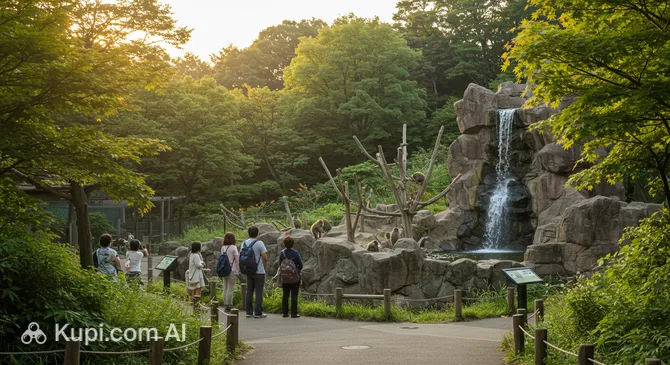
One of the main centers of attraction for visitors, especially for families with children, is the Tokuyama Zoo. Here you can meet various representatives of fauna, spend time in the fresh air, and learn many new things about animals. The zoo strives to create comfortable conditions for its inhabitants and interesting exhibits for guests, making it a popular leisure destination.

Tokuyama Zoo. Illustration.
Source: Kupi.com AI

Traveler photos:

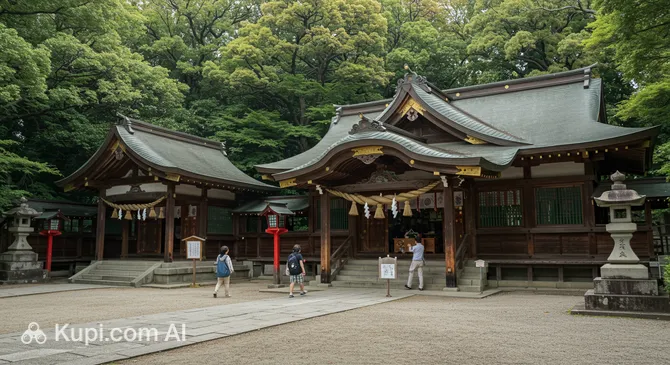
For those interested in Japanese culture and spirituality, the Toishi Hachimangu Shrine is a must-visit. This is a place with a rich history where you can enjoy the silence, traditional architecture, and feel the special atmosphere of a Japanese shrine. Visiting the shrine is a wonderful opportunity to experience local traditions and beliefs.

Toishi Hachimangu Shrine. Illustration.
Source: Kupi.com AI

Traveler photos:

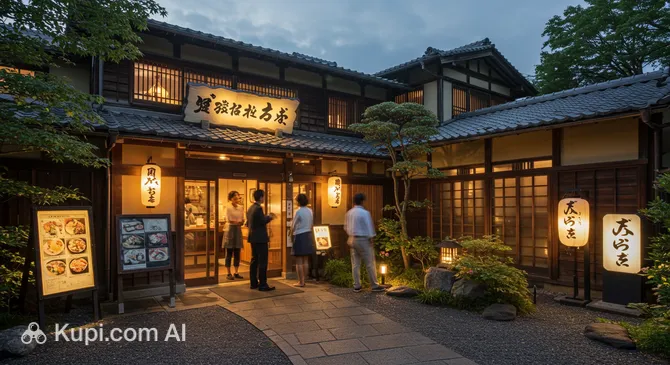
If you want to experience local cuisine in a pleasant setting, pay attention to the Kukai restaurant. Although it is a dining establishment, it is noted as a place of interest, which may indicate high-quality dishes, an authentic atmosphere, or unique culinary offerings. A visit to such a restaurant can be a pleasant gastronomic addition to your trip to Shunan.

Kukai. Illustration.
Source: Kupi.com AI

Traveler photos:

Local Cuisine

The gastronomic scene in Shunan is a true feast for connoisseurs of Japanese cuisine, especially seafood lovers. Thanks to its location by the Seto Inland Sea, the city is famous for its fresh seafood, which takes center stage in local culinary traditions. Travelers can expect an amazing variety of flavors and textures, reflecting the richness of the sea depths.

Be sure to try the exquisite fugu sashimi, prepared by experienced masters, as well as dishes made from fresh squid and oysters. A special pride of Shunan are unagi (eel) and hamachi (yellowtail) dishes, prepared according to ancient recipes passed down through generations. These delicacies, along with traditional seaweed soups and various snacks, demonstrate the sophistication of local cooking.

In addition to restaurants, gastronomic experiences can be found by exploring street markets and small eateries. Here you can taste onsen-tamago – eggs cooked in a special way in hot springs, which gives them a delicate texture. Don't miss seasonal rice flour sweets complemented by fresh fruit and local honey – a wonderful way to get to know the sweet side of Japanese cuisine.

The meal is perfectly complemented by local drinks. Shunan is known for its unique sake and fragrant plum wine, which pair perfectly with seafood dishes. Locals and tourists alike enjoy food in a variety of settings, from traditional restaurants like Kukai, where you can sample authentic dishes, to lively street markets and cozy diners. The city is also known for its food festivals, offering a unique opportunity to immerse yourself in the culinary culture of the region.

Travel Tips

Planning a trip to Shunan? Wonderful! To ensure your journey through this interesting city in Japan goes smoothly and leaves only pleasant impressions, we have prepared some practical tips. They will help you better navigate the area and avoid typical tourist mistakes.

  1. Clothing and Essentials:

    The climate in Shunan, like in all of Yamaguchi Prefecture, is characterized by four distinct seasons. In summer (June-August), it is hot and humid, so bring light, breathable clothing. In spring (March-May) and autumn (September-November), the weather is most comfortable, and layering is ideal. In winter (December-February), it can be cool, so warm clothes will come in handy. Be sure to bring comfortable shoes, as you will likely want to walk a lot. Don't forget an adapter for electrical appliances (Japan uses type A and B sockets, 100V voltage). When visiting temples and shrines, choose modest clothing that covers your shoulders and knees.

  2. Transport:

    It is convenient to get around Shunan using local trains (for example, on the JR Sanyo line) and buses. These are the main types of public transport. Taxis are available but can be quite expensive. If you plan to actively explore the surroundings of Yamaguchi Prefecture, renting a car can be a good option – this requires an international driving permit, and remember that driving is on the left. Within the city itself, a rental car is usually not a necessity.

  3. Finances:

    The local currency is the Japanese yen (JPY, ¥). You can exchange money at banks or airports (it's better to do this in advance or in larger cities on your way to Shunan). Credit and debit cards are accepted at most hotels, large stores, and restaurants, but it is always worth having cash on hand, especially for payments in small establishments, markets, or for buying transport tickets. ATMs that accept international cards are usually found in post offices (Japan Post Bank) and convenience stores (e.g., 7-Eleven). Tipping is not customary in Japan – quality service is included in the bill.

  4. Health and Safety:

    Shunan, like Japan in general, is considered a very safe city. However, standard precautions, especially in crowded places, are still advisable. Pharmacies (look for the sign "薬" – kusuri) are available in the city, but the staff may not always speak English. It is highly recommended to take out medical insurance before your trip. Emergency numbers: 119 (fire and ambulance) and 110 (police).

  5. Communication:

    The official language is Japanese. The level of English proficiency among the local population may be limited, especially outside of tourist sites. However, Japanese people are very helpful and will try to assist you even if they don't speak English. Learn a few basic phrases like "konnichiwa" (hello), "arigato" (thank you), and "sumimasen" (excuse me/sorry). For constant internet access, consider buying a local SIM card or renting a pocket Wi-Fi – this is very convenient for navigation and communication.

  6. Local Etiquette:

    Politeness and respect for others are valued in Japan. Greetings are often accompanied by a slight bow. On public transport, try not to talk loudly on the phone or make noise. An important rule is to remove your shoes before entering private homes, many temples, traditional restaurants, and ryokans (Japanese-style inns). It is also not customary to eat or drink while walking on the street, unless it is a specially designated area.

  7. What to Avoid:

    Try not to point your finger at people or objects – it is considered impolite. Instead, use an open palm. When using chopsticks, never stick them vertically into a bowl of rice – this is associated with funeral rituals. Also, do not pass food from chopsticks to another person's chopsticks.

  8. Special Tip for Shunan:

    Shunan is located on the picturesque coast of the Seto Inland Sea. Do not miss the opportunity to try the freshest local seafood – it is one of the gastronomic highlights of the region. If you have time, explore the coastal areas, perhaps visit one of the nearby islands, or enjoy the views in the Seto-Naikai National Park. This will add unforgettable impressions to your trip.

We hope these tips will help you feel more confident in Shunan and get the most out of your trip. We wish you an exciting and unforgettable journey!

Entertainment & Nightlife

Evening Shunan offers its guests a cozy and calm atmosphere, different from the hustle and bustle of megacities. Although the city is not famous for wild round-the-clock parties, you can find pleasant places to relax after a busy day, immersing yourself in the local flavor and enjoying the hospitality.

The foundation of evening entertainment in Shunan consists of numerous restaurants and traditional Japanese pubs – izakayas, where you can enjoy authentic local cuisine and a variety of drinks in a relaxed setting. One such place to enjoy a nice evening over dinner is the Kukai restaurant. Karaoke bars are also popular in the city, providing a fun way to spend time with friends singing your favorite songs. The districts with the highest concentration of such establishments are usually located near the central railway station or on busy shopping streets.

The atmosphere in Shunan's evening venues is generally casual and friendly. The crowd is mostly local, allowing visitors to dive deeper into the daily life of the Japanese people. Most restaurants and bars stay open until late evening, usually until 11:00 PM or midnight, especially on Fridays and Saturdays. A special dress code is rarely required; smart casual clothing is welcomed.

The best time to head out for dinner or to a bar is after 7:00 PM, when the city quiets down a bit after the daytime rush. Prices in Shunan's local establishments are considered quite moderate. Regarding transportation at night, public transport ends its service relatively early. Therefore, the main option for late-night travel is a taxi. You can call a car by phone, use specialized apps, or find one at taxi stands. Overall, Shunan is considered a safe city for night walks, especially in central and well-lit areas, though standard precautions should always be taken.

During the day, Shunan also offers interesting leisure options. Nature lovers and families with children can visit the Tokuyama Zoo, home to various animals. For those interested in the region's culture and history, it will be interesting to look into the Toishi Hachimangu Shrine. These attractions allow you to get to know the city and its surroundings better before heading out for evening relaxation.

Parks & Museums

The city of Shunan offers its guests a pleasant combination of well-kept green spaces for relaxation and interesting places to learn about local culture and history. Here, everyone will find something for themselves, whether it's a quiet walk in a park or a visit to an informative museum.

Among Shunan's parks, Eigenzan Park stands out, known for its large windmill, which is the park's symbol, and beautiful flower beds that delight the eye in different seasons. It is a great place for family recreation, picnics, and leisurely strolls. For nature lovers and active recreation enthusiasts, Mount Ryuo is worth noting, offering picturesque views of the surroundings and featuring hiking trails of various difficulty levels.

The cultural program can continue with a visit to the Shunan City Museum of Art & History. The museum regularly hosts various exhibitions, introducing visitors to both contemporary art and the historical heritage of the region. This is a wonderful opportunity to gain a deeper understanding of the city's culture and traditions.

Toishi Hachimangu Shrine. Illustration.
Source: Kupi.com AI

Traveler photos:

One of the city's significant historical and spiritual centers is the Toishi Hachimangu Shrine. This ancient shrine attracts visitors with its peaceful atmosphere and beautiful architecture, allowing them to connect with Japan's spiritual traditions.

Tokuyama Zoo. Illustration.
Source: Kupi.com AI

Traveler photos:

For families with children and animal lovers, a must-see is the Tokuyama Zoo. Here you can see a variety of animals and birds, and the zoo is known for its efforts in preserving rare species and creating comfortable conditions for its inhabitants.

To get a more authentic experience of Shunan, don't limit yourself to only the major attractions. Stroll through the quiet side streets, peek into small local shops, or visit one of the lesser-known neighborhood shrines – this will allow you to better feel the city's atmosphere.

Getting Around

Moving around the city of Shunan and its surroundings is quite convenient thanks to a well-organized public transport system. The network is primarily composed of trains and buses, which allow you to reach most points of interest.

Trains play a key role in Shunan's transport system. The Shinkansen high-speed train line passes through the city (Tokuyama Station), providing fast connections to other major cities in Japan. Additionally, local JR lines such as the Sanyo Main Line and Gantoku Line link various city districts and suburbs. Trains run according to a schedule that is usually strictly followed.

The bus network in Shunan complements the rail service, covering areas where trains do not reach. Local buses, for example, operated by Bocho Kotsu, run on numerous routes within the city and to nearby towns. This is a good way to reach certain attractions or residential neighborhoods.

The most convenient way to pay for travel in Shunan is with rechargeable transport IC cards such as ICOCA, Suica, or Pasmo. These cards are accepted both on trains and most buses. You can purchase or top up an IC card at machines in railway stations or in some convenience stores. Cash payment is also possible, especially on buses – it is recommended to carry small change, as drivers may not always be able to change large bills. For one-off train trips, you can buy a paper ticket from a machine at the station.

To use public transport, tap your IC card on the reader when entering the station or boarding the bus, and repeat this action when exiting – the system will automatically deduct the correct amount. If you have a paper train ticket, insert it into the turnstile or show it to the inspector/driver. Transport begins running early in the morning and usually ends by midnight, though the frequency of service may decrease in the evening and on less popular routes. To plan trips, it is convenient to use online maps or specialized Japanese transport apps that show current schedules and routes.

In addition to public transport, other ways of getting around are available in Shunan. Taxis can be found at stands near stations and major sites or called by phone; this is a comfortable, though more expensive, option. For leisurely strolls around the city center or along the waterfront, bicycle rental is a great choice – rental points are often located near stations. If you plan to explore Yamaguchi Prefecture more widely, consider renting a car; rental company offices are usually found near major railway stations.

Given Shunan's coastal location, it is worth mentioning ferry services. Ferries depart from Tokuyama Port to several nearby islands in the Seto Inland Sea, as well as to other regions, such as Oita on Kyushu Island. This can be an interesting option for day trips or for continuing your journey.

Accommodation

When planning a trip to Shunan, you will find various accommodation options to suit different preferences and budgets. The city offers a choice from economical guest houses and hostels to more comfortable mid-range hotels and cozy apartments for short-term rent. While luxury resorts may be less common, the quality and hospitality of Japanese hotels often exceed expectations.

When choosing a place to stay in Shunan, it is worth looking at areas that provide convenient access to transport hubs, such as railway stations, and main attractions. Central districts of the city usually offer more options and amenities for tourists. Aim for proximity to sites of interest to save time on commuting.

While specific data on world-famous hotels in Shunan is not provided in the current context, the city has various types of lodging. Travelers can find traditional Japanese ryokans, offering a unique cultural experience, as well as modern business hotels with a full range of services. It is recommended to research reviews and ratings on popular booking platforms to find the most suitable option.

The general price range for accommodation in Shunan varies from budget to mid-range and moderately high. To ensure the best selection and prices, especially during peak tourist season or local festivals, it is recommended to book accommodation in advance. The most common booking methods are popular online platforms and travel aggregators, although some small guest houses may accept direct bookings.

Nearby Cities

For those looking to explore the surrounding area, Shunan serves as an excellent starting point for day trips to several interesting nearby locations:

CityPopulationDistance
Kudamatsu56 6617 km
Hikari49 01316 km
Hofu113 17022 km
Tabuse14 51524 km
Hirao11 83128 km

These nearby destinations offer a glimpse into the diverse culture and landscapes of the region. For example, Hofu, located just 22 km from Shunan, attracts pilgrims and tourists with its famous Hofu Tenmangu Shrine. A trip to Yamaguchi, the prefectural capital, provides an opportunity to see the magnificent Rurikoji Temple with its historic five-story pagoda. And in the city of Iwakuni, travelers can admire the unique arched Kintai Bridge, one of the most famous bridges in Japan. Each of these places offers a unique experience and is easily accessible for a day visit from Shunan.

Shopping & Souvenirs

Shopping in Shunan offers a pleasant mix of local shops and department stores where you can find both everyday items and unique souvenirs. Although the city is not a major fashion hub, here you can experience an authentic atmosphere of Japanese trade and purchase high-quality locally produced goods.

The main shopping spots in Shunan are generally concentrated around JR Tokuyama Station and its adjacent streets. Here you will find a variety of shops, from small family-run stores to branches of well-known Japanese chains. Walking through these areas will allow you to get acquainted with the local assortment and perhaps discover something interesting.

In Shunan, you may come across small shopping complexes or department store floors offering clothing, cosmetics, and home goods. For more extensive shopping with a wide selection of international brands, you might need to head to larger cities in Yamaguchi Prefecture or neighboring regions. However, local outlets will satisfy basic needs and offer Japanese-quality goods.

While Shunan may not be famous for large tourist markets, you can find local markets selling fresh produce, the seafood the region is famous for, and seasonal delicacies. Such places are an excellent opportunity to get to know the local gastronomic culture and buy the freshest ingredients. Occasionally, fairs or flea markets may be held in the city or its surroundings, where you can find unique items and handmade crafts.

For souvenirs from Shunan and Yamaguchi Prefecture, look for local crafts, ceramics, and traditional sweets. Themed souvenirs from local attractions can also be a great reminder of the trip. For example, at Tokuyama Zoo, you can find cute toys and souvenirs featuring animals. And when visiting Toishi Hachimangu Shrine, you can purchase traditional Japanese omamori amulets for luck and prosperity.

Tokuyama Zoo. Illustration.
Source: Kupi.com AI

Traveler photos:

Toishi Hachimangu Shrine. Illustration.
Source: Kupi.com AI

Traveler photos:

Most shops in Shunan are usually open from 10:00 or 11:00 AM to 7:00 or 8:00 PM. Small private shops may have their own individual schedules. Larger retail outlets and department stores may stay open longer. The main method of payment is cash (Japanese yen), but credit cards (Visa, Mastercard) are also widely accepted in most stores and shopping centers. Contactless payments and payment via IC cards (e.g., Suica, Pasmo) are becoming increasingly popular.

Tourists shopping in Japan can take advantage of the Tax Free system in stores with the appropriate sign. Usually, this requires making a purchase of a certain amount (most often over 5,000 yen) in one store within a single day. The tax refund process usually takes place directly in the store upon presentation of a passport. It is recommended to clarify the Tax Free conditions at specific retail points.

Reached the end of the page?

That means the route is fully explored