Support

Imabari

About

Imabari is a charming city and a true gem of Shikoku Island, nestled comfortably on the coast of the Seto Inland Sea in Ehime Prefecture. The city occupies an important strategic position at the intersection of maritime routes and is famous for its picturesque views of the islands and bridges connecting Shikoku to Honshu. Imabari is part of the beautiful country of Japan, offering a unique blend of tradition and modernity.
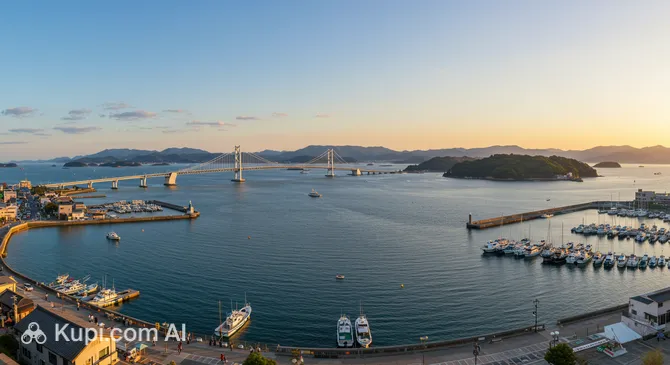
Imabari. Illustration.
Source: Kupi.com AI

With a population of approximately 149,000 people, Imabari is the second-largest city in Ehime Prefecture. It is known not only as a significant industrial and cultural hub for the region but also as a major port playing a vital role in shipbuilding and maritime trade. The famous Shimanami Kaido cycling route passes through Imabari, where travelers can ride across a chain of bridges and islands while enjoying the sea breeze and stunning panoramas.

The city attracts tourists with its unique atmosphere and many one-of-a-kind attractions. Among them is Imabari Castle, renowned for its original moat filled with seawater. Imabari is also famous for its art of making high-quality towels, recognized throughout the country and beyond. Don't miss the chance to see one of the most impressive suspension bridge complexes in the world – the Kurushima-Kaikyo Bridge, which offers breathtaking views of the Inland Sea.

Imabari wonderfully combines the dynamics of a modern city with the soothing atmosphere of coastal Japan. Strolling through historical streets, visiting ancient temples and modern museums, and relaxing on picturesque beaches and in parks make Imabari a place that is easy to fall in love with at first sight. Be sure to try the local cuisine, which can surprise even the most sophisticated gourmets. Visit Imabari to discover this unique part of the Land of the Rising Sun!

You can find more interesting facts on the history of Imabari page.
Weather Overview

The weather in Imabari is characterized by warm and quite humid summers, with average temperatures in August reaching 27.0°C (with highs up to 29.4°C), while July stands out for the highest amount of precipitation (9 mm) and rainy days (17). Winters here are cool but usually mild: in January, the average temperature stays around 5.8°C, and precipitation is minimal. Overall, when planning a trip, expect a warm summer with occasional rain and cool, drier winters. To better prepare for your trip, we recommend checking more detailed information about the climate of Imabari.

Average monthly temperature

Average monthly precipitation

Interesting Facts

In addition to its well-known landmarks, the city of Imabari hides many surprising stories and features that make it a truly unique place in Japan. Here are just a few interesting facts that will help you see this city from a new perspective:

Imabari Castle. Illustration.
Source: Kupi.com AI

Traveler photos:

  • The famous Imabari Castle is one of the few in Japan whose moat is filled not with fresh water, but with seawater. Furthermore, real sea fish, including small sharks, live in this moat, making it a truly unusual fortification.

  • Imabari is rightfully considered the birthplace of high-quality Japanese towels. Local products are famous for their incredible softness, excellent absorbency, and exquisite design. The city even has a unique Towel Museum, where you can see impressive exhibits made of towels and get acquainted with ancient weaving looms.

  • Part of the grand Kurushima-Kaikyo Bridge passes through Imabari. This bridge is a true engineering marvel and one of the most picturesque cycling routes in all of Japan, connecting the islands of Shikoku and Honshu.

  • In the vicinity of Imabari lies the ancient and highly revered Oyamazumi Shrine. It is dedicated to the deity of the sea and martial prowess, and for centuries it has attracted pilgrims and tourists from all over the country.

How to Get There

The city of Imabari, located in Ehime Prefecture on Shikoku Island, is accessible to tourists in several ways. The main methods for getting here include flights to nearby regional airports followed by ground transfer, as well as using Japan's rail network, though direct high-speed trains may not stop directly in Imabari.

The most convenient option for many travelers is to fly into one of the airports located relatively close to Imabari. While the city itself does not have its own major airport, several air hubs are within reach.

One of the closest and most convenient options is Matsuyama Airport (MYJ), located in Matsuyama, about 38 km from Imabari. This is a major airport serving both domestic and some international flights. A trip from the airport to Imabari by taxi or bus will take approximately 1 hour 15 minutes to 1 hour 30 minutes.

Another significant option is Hiroshima Airport (HIJ), located in Hiroshima, approximately 42 km away. This is also a major airport with international connections. The journey to Imabari from here takes about 1 hour 20 minutes to 1 hour 40 minutes.

You can also consider Kochi Ryoma Airport (KCZ), located in Kochi, about 85 km from Imabari. This is a large regional airport mainly focused on domestic flights. Travel time to Imabari is about 2 hours 30 minutes. This option may be convenient depending on your overall route through Japan.

For clarity, here is a summary of the main airports from which you can reach Imabari:

AirportPassenger trafficDistance
Matsuyama Airport3.2 mln38 km
Hiroshima Airport2.7 mln42 km
Iwakuni Kintaikyo Airport655 47371 km
Kochi Ryoma Airport1.6 mln85 km
Takamatsu Airport2.5 mln95 km

Rail travel is also an option for traveling through Japan; however, it should be noted that the major hub stations listed in available data are quite a distance from Imabari. This may require additional transfers to local trains or buses to reach your final destination.

For example, Fukai Station (QKV) is located in Sakai, about 236 km from Imabari. This is a major station, but due to its significant distance, it is unlikely to be the primary arrival point specifically for Imabari unless it is part of a longer cross-country route.

The other mentioned station, Sønderborg Station (QSG), is located in the city of Sønderborg, about 270 km from Imabari. This is a small station, and its location also makes it an unlikely choice for a direct path to Imabari. The name and location suggest that this station might belong to a different transport system or region not directly connected to routes to Imabari.

It is important to note that Imabari itself and its surroundings are served by local railway lines and stations (such as JR Imabari Station), which provide connections to other cities on Shikoku and larger transport hubs. It is recommended to check the current schedule and routes on the official websites of Japanese railways or on-site.

Below is information about railway stations from the provided list that might be part of your itinerary in the broader region:

StationPassenger trafficDistance
Sønderborg Station270 km

In addition to air and rail links, Imabari can be reached by car, including via the famous Seto-Naikai bridge system connecting the islands of Honshu and Shikoku. Bus connections with major cities in the region are also well-developed.

Main Attractions

Imabari, a charming city in Ehime Prefecture, offers travelers several interesting places worth including in their itinerary. These include both historical monuments and establishments that allow for a closer look at the local culture.

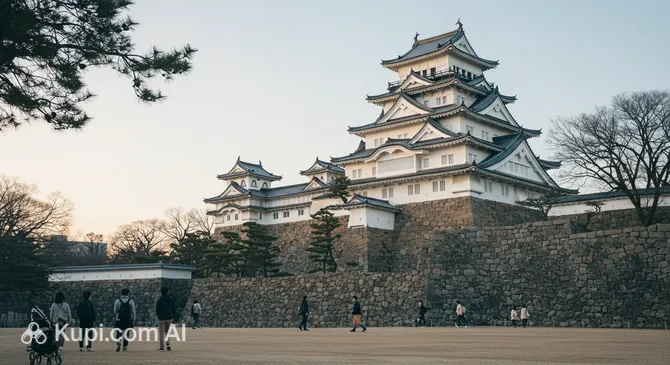
The main jewel of the city is rightfully considered Imabari Castle. It is one of the three famous "castles on the water" (mizujiro) in Japan, whose moats were historically filled with seawater. Visitors are attracted not only by its impressive architecture and rich history associated with local feudal lords but also by the museum located inside, where you can learn more about the samurai era and enjoy views of the city and the Seto Inland Sea.

Imabari Castle. Illustration.
Source: Kupi.com AI

Traveler photos:

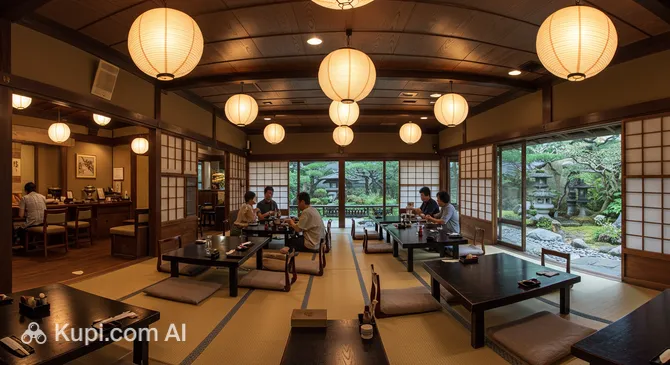
To experience the local cuisine, it's worth stopping by the Shigematsu Hanten restaurant. This establishment is popular with both locals and tourists, offering a chance to enjoy authentic dishes from the Ehime region. Here, you can try traditional Japanese fare as well as local specialties reflecting the culinary traditions of Imabari.

Shigematsu Hanten. Illustration.
Source: Kupi.com AI

Traveler photos:

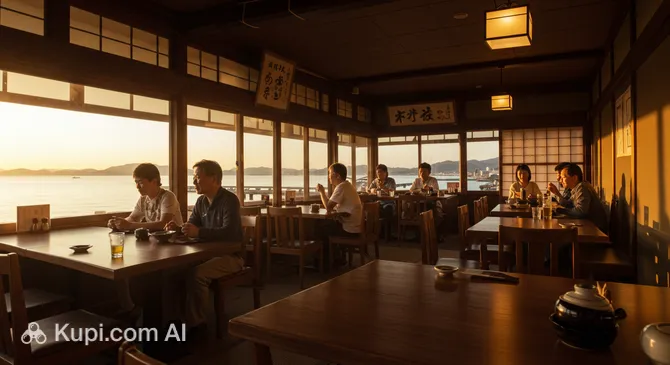
Another notable spot for gourmets is Iyo Suigun. This restaurant also specializes in local cuisine, and given Imabari's coastal location, you can expect excellent fresh seafood dishes here. A visit to Iyo Suigun is a great way to immerse yourself in the city's gastronomic culture and appreciate the gifts of the sea for which this region is famous.

Iyo Suigun. Illustration.
Source: Kupi.com AI

Traveler photos:

Local Cuisine

The gastronomy of Imabari is a true discovery for foodies, combining the freshness of local ingredients with unique culinary traditions. Situated by the sea, the city is famous for its seafood and original dishes that attract travelers from all over Japan.

The main culinary pride of Imabari is undoubtedly yakibuta tamago meshi. This hearty and incredibly delicious dish consists of slices of juicy roasted pork and a fluffy omelet or fried eggs served on a bed of aromatic rice. It is prepared quickly, but its rich flavor, where tender meat perfectly combines with the egg, is long-remembered. This dish is a true symbol of the local cuisine that is definitely worth trying.

Another hallmark of the city is Imabari-style yakitori. These chicken skewers are known throughout the country for their special method of grilling without the use of bamboo skewers; they are cooked directly on a hot metal plate, which gives the meat a special juiciness and aroma. They are served with various sauces and seasonings, and everyone will find an option to their taste. The quality of ingredients and the skill of the chefs make local yakitori truly unforgettable.

Thanks to its coastal location, Imabari offers a rich selection of the freshest seafood. At local markets and restaurants, you can enjoy oysters, octopus, seasonal fish, and other gifts of the sea. Cafes also frequently offer simple but delicious snacks made from seaweed and local vegetables.

The dining culture in Imabari is diverse. Locals and tourists can enjoy specialty dishes in numerous restaurants, from traditional Japanese establishments to modern cafes. For instance, you can visit Shigematsu Hanten or Iyo Suigun to appreciate the local cuisine. Street food is also popular, especially at markets and during festivals, where you can try freshly prepared delicacies.

As for drinks, in Imabari, as throughout Japan, traditional sake and shochu are popular and perfectly complement local dishes. Among non-alcoholic drinks, it's worth paying attention to various types of green tea. Many establishments will offer you a wide selection of both local and nationwide beverages.

Imabari's gastronomic scene is a vibrant blend of tradition and quality. The city regularly hosts gastronomic festivals, especially in spring and autumn, where you can not only taste classic dishes but also get acquainted with original desserts from local confectioners. Immersing yourself in the culinary world of Imabari will be one of the most pleasant experiences of your trip.

Travel Tips

Welcome to Imabari! To make your trip to this charming city in Ehime Prefecture, Japan, as comfortable and enjoyable as possible, we have prepared some practical tips. Following them will help you navigate local life better and avoid potential inconveniences.

  1. Clothing and Essentials:

    The climate in Imabari is moderate, with warm, humid summers and mild winters. In summer (June–August), choose light, breathable clothing. In spring (March–May) and autumn (September–November), layered clothing is useful as the weather can be changeable. In winter (December–February), you will need a warm jacket or coat. Be sure to bring comfortable shoes, especially if you plan on walking or traveling the famous Shimanami Kaido cycling route. Don't forget an umbrella or raincoat, especially during the rainy season (June–July). For electronics, you will need an adapter (Type A plugs are used in Japan, 100V voltage). When visiting temples and shrines, dress modestly, avoiding overly revealing clothes; in some places, you may be required to remove your shoes.

  2. Getting Around the City:

    The main public transport in Imabari is local buses. The JR Yosan rail line connects the city with other towns. For exploring the famous Shimanami Kaido route, renting a bicycle is highly recommended—it is the best way to enjoy the views of the bridges and islands. Taxis are available but can be expensive for long distances. Car rental is possible (an international driving permit is required, driving is on the left), but it's not always necessary for moving around the city itself, as the center is quite compact and walkable.

  3. Finances: Currency, Cards, and Tipping:

    The local currency is the Japanese Yen (JPY, ¥). It's best to exchange currency at airports or major banks; some hotels may also offer this service. Credit and debit cards (Visa, Mastercard) are increasingly accepted, especially in tourist spots, hotels, and large stores. However, always carry cash with you, as small establishments, markets, and some temples may only accept cash. ATMs that accept international cards can be found in post offices (Japan Post Bank) and 7-Eleven convenience stores (Seven Bank). An approximate mid-range daily budget might be 7,000–15,000 yen (excluding accommodation). Tipping is not practiced in Japan and may cause confusion.

  4. Health and Safety:

    Pharmacies (薬 "kusuri" or "drugstore") are easy to find, and many over-the-counter medications are available. However, staff do not always speak English. Japan, including Imabari, is a very safe country with a low crime rate. You can safely walk around the city even in the evening. Nevertheless, take usual precautions: watch your belongings, especially in crowded places. In case of a need for medical help, go to a clinic or hospital; it's recommended to have travel insurance that covers medical expenses.

  5. Communication and Internet:

    The official language is Japanese. English is not as widely spoken outside of major tourist sites and hotels. Learn a few basic Japanese phrases, such as: "Konnichiwa" (Hello), "Arigato" (Thank you), "Sumimasen" (Excuse me/Sorry). For internet access, it's recommended to purchase a tourist SIM card or a portable Wi-Fi router. Free Wi-Fi is available in some public places, cafes, and hotels. Useful apps include Google Maps for navigation and Google Translate for translation.

  6. Local Etiquette:

    Japanese people highly value politeness. When greeting someone, a slight bow is the norm. In public places, especially on transport, try to speak quietly and avoid talking on the phone. It is customary to remove your shoes when entering homes, some temples, traditional restaurants, and ryokans (Japanese-style inns). Do not eat or drink on the go—it's better to stop and do so to the side or in a designated area.

  7. What to Avoid:

    Never stick your chopsticks vertically into a bowl of rice, as this resembles a funeral ritual. Also, avoid loud conversations and phone calls on public transport, as it's considered impolite. Don't forget to take off your shoes where prescribed (for example, when entering temples or private homes).

  8. Imabari Specialty:

    Imabari is famous throughout Japan for its high-quality towels. Be sure to visit the Towel Museum of Art—it is a unique place, and towels from Imabari make excellent souvenirs. Furthermore, Imabari is the gateway to the Shimanami Kaido cycling route from the Shikoku side. Even if you don't plan to ride the whole route, rent a bike at least for a short time to enjoy the spectacular views from the bridges.

We hope these tips help you better prepare for your trip and get the most out of your stay in Imabari. We wish you an unforgettable journey through this beautiful corner of Japan!

Entertainment & Nightlife

In the evening, Imabari offers its guests a cozy and relaxed atmosphere, quite different from the bustling nightlife of megacities. Here, you are more likely to find traditional Japanese drinking establishments, izakayas, and restaurants where you can enjoy a pleasant time, rather than large nightclubs. Nevertheless, the city doesn't go to sleep after dark, offering several options for evening leisure.

The majority of evening entertainment is concentrated in the central areas of the city and around Imabari Station. Here, you can find many small bars serving local sake and beer, as well as restaurants offering regional cuisine. The atmosphere in these establishments is usually very friendly and welcoming, encouraging conversation. Some places may stay open late into the night, especially on weekends.

The crowd in Imabari's evening spots is typically mixed—locals relaxing after a workday and tourists alike. The style of most places is fairly casual; strict dress codes are rare, but a neat appearance is always appreciated. Restaurants are usually open for dinner from approximately 18:00 to 22:00-23:00, while bars may stay open longer, sometimes until the early morning, especially if they are small establishments catering to regulars.

If you're looking for a place for dinner, pay attention to local restaurants that often become the center of evening life. For example, Shigematsu Hanten offers guests the chance to enjoy delicious meals in a pleasant setting. Another worthy option is Iyo Suigun, where you can get acquainted with local culinary traditions. Although these are restaurants, they are excellent for starting the evening before heading out to find a nearby bar.

Shigematsu Hanten. Illustration.
Source: Kupi.com AI

Traveler photos:

Iyo Suigun. Illustration.
Source: Kupi.com AI

Traveler photos:

When planning an evening out, keep in mind that public transport in Imabari may stop running relatively early. Therefore, it's better to rely on taxis for late-night travel. You can call a car via apps or ask your hotel or restaurant staff. The central areas of the city are considered safe for evening walks, but you should always take standard precautions. Average prices in bars and restaurants are moderate but can vary depending on the level of the establishment.

During the day, Imabari also offers various forms of entertainment. The city takes pride in its history and culture, so there's plenty to see. Be sure to visit the majestic Imabari Castle, which is one of the main attractions. You can also stroll through the city parks or visit local museums to better understand the history and traditions of the Ehime region.

Imabari Castle. Illustration.
Source: Kupi.com AI

Traveler photos:

Overall, the nightlife in Imabari is more about high-quality relaxation, delicious food, and pleasant company than about wild partying until dawn in loud clubs. This is a great opportunity to immerse yourself in the local atmosphere and feel like a part of this hospitable city.

Parks & Museums

Imabari is a city where natural beauty and rich cultural heritage harmonize. Here, you will find corners for peaceful outdoor relaxation and interesting museums that tell the story of the region's history and traditions.

Among the city's green zones, Kurushima Kaikyo Observatory Park stands out. It offers breathtaking panoramic views of the impressive Kurushima-Kaikyo Bridge and the Seto Inland Sea. It is a great place for walks and photography. Another interesting spot, especially for families with children, is Nomauma Highland, where you can see rare Japanese Noma ponies. For enjoying cherry blossoms in the spring, Fujiyama Park is perfect, as it transforms during this time of year.

Art and history buffs should take note of the local museums. The Imabari City Kono Museum of Art displays collections of Japanese and Western art. One of the most unique attractions is the Towel Museum of Art. Imabari is famous for producing high-quality towels, and this museum engagingly tells their history and creation process, showcasing true works of art made from textiles.

At the center of the historical sites is the majestic Imabari Castle. It is one of Japan's three famous "sea castles," as its moats are filled with seawater. The reconstructed castle, with its white walls and traditional architecture, is a symbol of the city and offers visitors a chance to immerse themselves in the samurai past.

Imabari Castle. Illustration.
Source: Kupi.com AI

Traveler photos:

To round out your experience in Imabari, don't miss the chance to cycle at least part of the famous Shimanami Kaido route, which connects the islands of the Seto Inland Sea, or visit one of the many shops selling the Imabari towels famous across Japan—a perfect souvenir of your trip.

Getting Around

The backbone of public transport in Imabari consists of buses that connect various areas of the city and its surroundings. The network of bus routes is well-developed and allows access to most key points. Local trains on the JR Yosan Line, passing through Imabari Station, also play an important role, providing connections both with other towns in Ehime Prefecture and with some areas within the urban agglomeration. For travel to the numerous islands of the Seto Inland Sea, especially along the famous Shimanami Kaido cycling route, ferries departing from Imabari Port are actively used.

The most convenient way to pay for travel on buses and trains is to use rechargeable IC transport cards, such as ICOCA (widely used in western Japan) or other nationwide cards like Suica or Pasmo. These cards can be purchased and topped up at railway stations or in some convenience stores. Cash payment is also possible on buses: upon entering, you usually take a special numbered ticket (整理券 - seiriken), and upon exiting, you pay the amount corresponding to your zone, which is indicated on an electronic display above the driver. Fares generally depend on the distance traveled.

Tourists are recommended to purchase an IC card for convenience and to save time, as it eliminates the need to carry exact change for cash payments. Train tickets can be bought at station vending machines or ticket offices. Buses in Imabari usually start running early in the morning and finish late in the evening; however, the frequency of trips may decrease in the evening and on weekends. Schedules can be checked at stops, on transport company websites, or at tourist information centers. When boarding a bus through the rear door (if not using an IC card), don't forget to take a ticket, and when exiting through the front door, pay the fare and drop the ticket into the special box.

In addition to public transport, there are other ways to get around Imabari. Taxis can be found near the railway station, port, and other busy areas, although this is a more expensive option. Given the city's status as a starting point for the Shimanami Kaido cycling route, bicycle rentals are widely available. Many rental shops offer various types of bikes, and this is a great way not only to explore the city itself but also to embark on an unforgettable journey across the bridges and islands. Walking is also a perfectly comfortable way to get around the central part of Imabari.

One of the key features of Imabari's transport system is its close link with tourist infrastructure oriented toward the Shimanami Kaido route. There are special bus routes that can take you to the start of the cycling track or to ferry terminals. Ferries are an integral part of logistics for those who want to explore the islands or shorten part of their cycling journey. When planning a trip, it's worth checking the schedules and the possibilities of combining different modes of transport for the most efficient and pleasant journey possible.

Accommodation

When planning a trip to Imabari, you will find a variety of accommodation options to suit different preferences and budgets. The city offers a choice ranging from economical guesthouses and hostels, perfect for budget travelers, to more comfortable mid-range hotels and traditional Japanese inns (ryokans) where you can dive deeper into the local culture. Apartment rental options are also available, which can be convenient for families or long-term stays.

When choosing a place to stay in Imabari, it is worth looking at areas close to major transport hubs, such as the railway station, or popular attractions like the area around Imabari Castle. For those planning to explore the famous Shimanami Kaido cycling route, accommodation with easy access to its starting point would be convenient. While the city does not have a single dedicated tourist district with hotels, lodging options are distributed conveniently enough for exploring Imabari and its surroundings.

The price range for accommodation in Imabari varies: you can find budget options as well as hotels with a higher level of comfort and corresponding costs. It is recommended to book accommodation in advance, especially if your trip falls during the peak tourist season or during major local festivals. For searching and booking, it is convenient to use popular online platforms like Booking.com, Agoda, or individual hotel websites. Some traditional ryokans may also offer direct booking through their own websites or over the phone.

Nearby Cities

For those looking to explore the surrounding area, Imabari serves as an excellent starting point for day trips to several interesting nearby locations:

Among them, Matsuyama and Hiroshima particularly stand out. Matsuyama, located just 33 km away, attracts travelers with its majestic Matsuyama Castle, one of Japan's twelve original castles, and the famous Dogo Onsen, one of the oldest hot springs in the country. It is an ideal place to experience history and traditional Japanese culture. Hiroshima, located approximately 61 km away, offers a deep dive into 20th-century history through the Peace Memorial Park and Museum, as well as the opportunity to visit the picturesque Miyajima Island with its famous Itsukushima Shrine and "floating" torii gate.

CityPopulationDistance
Saijo103 76023 km
Niihama114 97129 km
Takehara23 63132 km
Toon34 19533 km
Matsuyama506 74333 km

These nearby destinations provide insight into the diverse culture and landscapes of the region.

Shopping & Souvenirs

Imabari might not overwhelm you with the scale of giant shopping malls like Tokyo or Osaka, but this city in Ehime Prefecture has its own unique shopping charm. The city is world-famous for its high-quality towels, which are a major point of pride and the most sought-after souvenir. Besides towels, you can find other local goods and products here that offer an authentic shopping experience in Japan.

Main shopping spots in Imabari, as in many Japanese cities, are often concentrated around the JR Imabari railway station. You may also find traditional shopping arcades (shotengai), which house small family-run shops offering a variety of goods—from clothes and shoes to food and household items. A walk along these streets can be an interesting experience in itself for getting to know local life.

In Imabari, there may be department stores or small shopping centers offering a wider range of goods under one roof. They are often located near major transport hubs or on central streets. Here, you can find well-known Japanese brands, everyday goods, and souvenir products.

While Imabari is not famous for large tourist markets in the classical sense, you may come across local markets selling fresh produce, seafood (given the city's coastal location), and other regional delicacies. Visiting such a market is a great way to experience the local gastronomic culture and perhaps purchase edible souvenirs.

The main souvenir you should definitely bring back from Imabari is, of course, the famous Imabari towels. They are known for their exceptional softness, superb absorbency, and durability thanks to special production technologies and the quality of local water. Look for specialized stores or sections in department stores where a huge selection of colors, sizes, and designs is presented. Also, look out for other local products from Ehime Prefecture, such as citrus products or ceramics.

Most shops in Imabari are typically open from 10:00 or 11:00 AM until 7:00 or 8:00 PM. Shops in shopping arcades may close earlier, while larger shopping centers may stay open a bit longer. Credit cards (Visa, Mastercard) are widely accepted in most stores, especially in large retail outlets and department stores. However, it is always useful to have some cash on hand, especially for purchases in small family shops or at local markets.

For foreign tourists in Japan, there is a tax refund system (Tax Free). Look for shops with the "Japan Tax-Free Shop" logo. Usually, to qualify for a tax refund, you need to make a purchase of a certain amount (most often from 5,000 yen excluding tax) in one store on one day and present your passport at the checkout or a special Tax Free counter. The seller will process the necessary documents, and the tax will be deducted immediately or refunded later. Check the conditions directly in the stores, as they may vary slightly.

Reached the end of the page?

That means the route is fully explored