Support

Mitoyo

About

Mitoyo is a cozy city located in Kagawa Prefecture on the island of Shikoku, in Japan. It charms visitors with its special atmosphere of freshness and tranquility, perfect for those seeking peace and an introduction to the traditional Japanese countryside.

The city is situated in a picturesque region near the sea, nestled among green hills that provide a mild climate. With a population of about 61,838 people, Mitoyo is a compact yet lively and dynamic community. It plays an important administrative and cultural role in the region, harmoniously combining the features of a modern Japanese town with deeply rooted traditions.
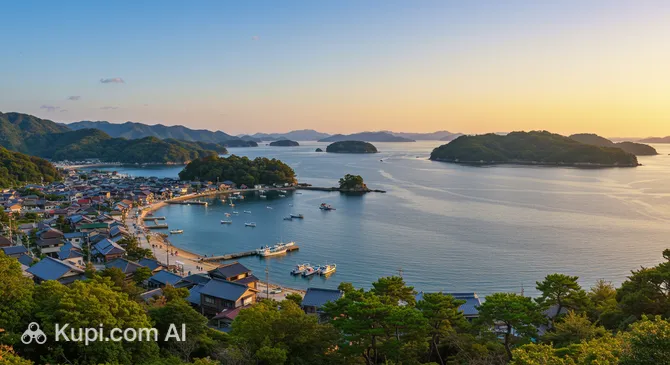
Mitoyo. Illustration.
Source: Kupi.com AI

The atmosphere of Mitoyo attracts visitors with its authenticity: here, you can feel the harmony between nature and human activity. Guests can expect quiet streets with traditional architecture, opportunities to learn about local crafts, and beautiful natural scenery. Furthermore, Mitoyo offers a chance to taste genuine regional cuisine and immerse yourself in Japanese culture without the hustle and bustle of major metropolises.

If you dream of exploring the authentic Japan, its peaceful way of life, and its natural wonders, Mitoyo will be a wonderful discovery for you and will leave you with unforgettable impressions.

You can find more interesting facts on the Mitoyo city history page.

Weather Overview

The weather in Mitoyo is characterized by warm and humid summers, as well as cool and relatively dry winters. Summer months, especially July and August, bring average temperatures of around 26-27.5°C, with maximums reaching almost 30°C. This period also sees the highest rainfall, especially in June and July (7-8 mm), and the highest number of rainy days (up to 16 days per month). In winter, from December to February, the average temperature hovers around 5.9-7.6°C, and precipitation is minimal (about 2-3 mm per month). Spring and autumn are transitional seasons with moderate temperatures and rainfall.

To get a more detailed forecast and learn about the weather for specific dates, you can visit the Mitoyo Climate page.

Average monthly temperature

Average monthly precipitation

Interesting Facts

In addition to its picturesque landscapes and hospitality, Mitoyo hides many curious details and stories that make it truly special. Here are just a few interesting facts that will help you see this city from a new perspective:

  • In Mitoyo, the secrets of unique pottery art have been passed down from generation to generation. Local ceramics, known for their distinct style and high quality, are valued by collectors not only in Japan but also abroad.

  • The city lives to the rhythm of year-round festivals. Imagine colorful processions, ancient dances, and musical performances in which even tourists can participate, immersing themselves in the authentic atmosphere of local traditions.

  • There is an old legend about a miraculous holy spring in the vicinity of Mitoyo. It is said that its waters grant luck and health to those who decide to bathe in it, attracting pilgrims and seekers of spiritual renewal.

  • Mitoyo is a true oasis for nature lovers. Its parks and green zones are home to rare plant species and many birds, making the city an ideal place for ecotourism and photo hunting for unique shots.

How to Get There

There are several ways to reach Mitoyo, located in Kagawa Prefecture, primarily through regional airports and rail connections. Although Mitoyo itself does not have a major transport hub, nearby cities offer convenient options for travelers.

The primary way for most tourists to reach Mitoyo is by flying into one of the nearest airports. The most convenient option is Takamatsu Airport (IATA: TAK), located in Takamatsu city, about 28 km from Mitoyo. This is a regional airport from which Mitoyo can be reached by taxi or bus in about 1 hour. Another option is Okayama Airport (IATA: OKJ), located in Okayama city, at a distance of about 65 km. The trip from there to Mitoyo takes approximately 1.5–2 hours. You can also consider Kochi Ryoma Airport (IATA: KCZ) in Kochi, which is a fairly large regional hub located about 71 km from Mitoyo; the journey from there takes about 2 hours.

For clarity, here is a summary of the main airports:

AirportPassenger trafficDistance
Takamatsu Airport2.5 mln28 km
Okayama Airport1.4 mln65 km
Kochi Ryoma Airport1.6 mln71 km
Hiroshima Airport2.7 mln78 km
Tokushima Awaodori Airport2.3 mln82 km

Regarding rail connections, Mitoyo does not have any major railway hubs served by Shinkansen bullet trains. However, nearby stations in major cities like Takamatsu or Okayama can serve as transfer points. For example, Fukai Station (IATA: QKV) is located in Sakai city, which is quite far, about 168.5 km from Mitoyo. A trip from there would take a significant amount of time—over 4 hours by car or using local transport. It is recommended to check the current schedules and routes for local rail and bus services upon arrival at one of the region's major transport hubs.

For more detailed planning, here is information on the mentioned railway station:

Traveling around Japan by car is also a popular option, allowing you to enjoy the scenery and visit less accessible places. The road network is well-developed, and Mitoyo is easily reached by rental or private car.

Main Attractions

The city of Mitoyo, located in the picturesque Kagawa Prefecture on the island of Shikoku, offers travelers many amazing places capable of enchanting them with their beauty and uniqueness. Everyone will find something here, from stunning natural landscapes to cultural shrines.

One of the most famous attractions in Mitoyo is undoubtedly Chichibugahama Beach. This place became a real sensation due to the incredible mirror reflections that appear on its surface during low tide, especially at sunset. The water creates the effect of an endless sky beneath your feet, turning the beach into a paradise for photographers and nature lovers. Many compare it to the Salar de Uyuni in Bolivia for its stunning optical illusions.

For lovers of panoramic views and cherry blossoms, a climb up Mount Shiude (Shiudeyama) is a must. From its peak, reaching about 352 meters above sea level, breathtaking views of the Seto Inland Sea and its numerous islands unfold. In spring, the mountain is transformed as thousands of cherry trees bloom, enveloping the slopes in a soft pink cloud. This site also holds historical significance, as ancient burial grounds were discovered here.

Another iconic site attracting pilgrims and tourists is Takaya Shrine, particularly its main part (Hongu), which stands proudly at the top of Mount Inazumi. The shrine's famous "Sky Torii," set on the edge of a cliff, gives the impression that it is floating over the sea, offering one of the most impressive and photographed views in the region. The path to the shrine may require some effort, but the reward is unforgettable vistas and a special atmosphere of peace.

For those seeking a combination of art and island romance, a visit to Awashima Island, part of Mitoyo City, is highly recommended. This small island is known for its art installations, many of which appeared as part of the prestigious Setouchi Triennale art festival. Awashima offers a relaxing getaway, the chance to walk scenic trails, enjoy the silence, and explore a unique maritime school that has been turned into an art object.

Local Cuisine

The cuisine of Mitoyo is a true gastronomic journey, reflecting the wealth of local products and the culinary traditions of Shikoku Island. Many dishes are based on the freshest seafood caught in coastal waters, as well as rice and vegetables grown on the fertile lands of the region. This is a cuisine that values the freshness and natural taste of its ingredients.

The main gastronomic symbol of Mitoyo, which you must definitely try, is udon. These are thick wheat noodles served in an aromatic broth with various additions—from fresh vegetables and eggs to tender pieces of meat or seafood. Local udon recipes are distinguished by the special texture of the noodles and the richness of the broth's flavor, making this dish truly unforgettable.

Besides udon, the gastronomic scene of Mitoyo is famous for its seasonal delicacies. Be sure to look out for the freshest oysters and crabs if your visit coincides with their harvest season. Diverse street food is also popular: in the markets, you can find grilled seafood, appetizing snacks, and traditional sweets, such as sweet rice cakes. This is a great way to experience local flavors in an informal setting.

As for drinks, traditional sake and shochu (Japanese spirits) are common here, as throughout Japan. Among non-alcoholic options, green tea in all its varieties is popular. Locals and tourists often choose small family restaurants serving authentic dishes or lively markets offering fresh street food for their meals. Occasionally, gastronomic festivals are held in the city, which become a real treat for foodies.

In general, Mitoyo's cuisine attracts with its simplicity, emphasis on the quality of local products, and loyalty to tradition. By trying the famous udon and fresh seafood, you will not only satisfy your hunger but also gain vibrant gastronomic impressions from your journey.

Travel Tips

Welcome to Mitoyo! To ensure your journey to this charming corner of Japan is as comfortable and pleasant as possible, we have prepared some practical tips. We hope they help you better plan your trip and enjoy every moment.

  1. Seasonal Wardrobe and Essentials: In Mitoyo, as in all of Kagawa Prefecture, the climate is temperate. In summer (June-August), it is quite hot and humid—choose light, breathable clothing made from natural fabrics. Spring and autumn offer comfortable temperatures ideal for walking, but a light jacket or sweater won't hurt. Winters are mild, but warm clothes and a windproof jacket will be useful. A key item in your luggage is comfortable shoes, as you will be doing a lot of walking. Don't forget an adapter for electrical appliances (Japan uses Type A and B sockets, 100V voltage). When visiting temples and shrines, choose clothing that covers your shoulders and knees.
  2. Getting Around the City: Mitoyo is a relatively small city, so you can get around on local buses. For longer trips across Kagawa Prefecture or to neighboring attractions, it's convenient to use trains (for example, the JR lines). Taxis are available but can be expensive. Renting a car can be a good option for exploring the surroundings at your own pace, especially if you plan to visit remote beaches or natural parks; for this, you will need an international driving permit, and remember that driving in Japan is on the left.
  3. Financial Matters: Japan's national currency is the Japanese Yen (JPY). It is recommended to have some cash on hand, especially for small shops, cafes, and transport fares. Credit cards (Visa, Mastercard) are accepted in most hotels, large shops, and restaurants. ATMs that work with international cards can be found in post offices (Japan Post Bank) and in 24-hour convenience stores such as 7-Eleven. You can exchange currency at banks or at the airport upon arrival. Tipping is not practiced in Japan, as quality service is already included in the price.
  4. Health and Safety: Japan is one of the safest countries in the world, and Mitoyo is no exception. However, standard precautions never hurt. Pharmacies (look for the sign "薬" - kusuri) are in all districts, but staff may not always speak English. Having travel health insurance is highly recommended. In emergencies, call 119 (ambulance/fire service) or 110 (police).
  5. Language and Communication: The official language is Japanese. English is not as widely spoken as in major tourist centers, especially among the older generation. However, in hotels and tourist spots, staff usually try to help. Learn a few basic phrases: "konnichiwa" (hello), "arigato" (thank you), "sumimasen" (excuse me/sorry). For convenience, you can purchase a local SIM card or rent a pocket Wi-Fi router upon arrival at the airport. Free Wi-Fi is often available in hotels and some public places. Translator apps and maps on your smartphone will be useful.
  6. Local Etiquette: Japanese people are very polite and value respect for tradition. Greetings are usually accompanied by a bow. In public places, especially on transport, try not to make noise or talk loudly on the phone. Remove your shoes when entering Japanese homes, some temples, and traditional inns (ryokans). Following these simple rules will help you avoid awkward situations and show respect for the local culture.
  7. What to Avoid: You should not eat or drink on the go in the street (except in designated areas or during festivals). Also, avoid pointing at people or objects with one finger—it's better to use an open palm. Japan has very strict garbage sorting rules, so pay attention to the signs on trash cans.
  8. Feature of Mitoyo: The city is famous for its incredible Chichibugahama Beach, which turns into a vast natural mirror during low tide, creating fantastic reflections of the sky. Be sure to check the tide schedule to catch this natural wonder and take stunning photos. Additionally, Kagawa Prefecture is the home of the famous udon noodles. Don't miss the chance to try real Sanuki udon in one of the local restaurants!

We hope these tips make your stay in Mitoyo even more memorable. We wish you an exciting journey and vibrant impressions from getting to know this beautiful city and Japanese culture!

Entertainment & Nightlife

Evening Mitoyo offers travelers the chance to immerse themselves in a calmer and more authentic atmosphere of Japanese life after sunset, which differs significantly from the neon lights of major metropolises. While the city is not known for boisterous world-class nightlife districts, you will find cozy spots for a pleasant time.

The foundation of evening entertainment in Mitoyo, as in many Japanese cities of its size, consists of traditional izakayas—Japanese pubs where guests are offered alcoholic drinks and a variety of snacks. These are wonderful places to taste local sake or shochu in the company of locals. You can also find small bars with a more intimate setting. Karaoke bars are another popular form of leisure in Japan, and Mitoyo is sure to have venues where you can have fun with friends singing your favorite songs. In Mitoyo, you won't find massive entertainment districts, but interesting establishments are usually concentrated around railway stations, such as near Takuma Station or Motoyama Station, as well as on the central shopping streets of various parts of the city. Instead of looking for one specific "bar street," be prepared for attractive spots to be scattered throughout the city.

While we do not currently have a list of specific recommended bars or nightclubs in Mitoyo available for direct linking, we strongly advise you to explore the aforementioned areas on your own. Walking through the lively streets near the stations or in central parts of the city in the evening, look for signs and the number of patrons—these are the best indicators of interesting places. You are bound to discover several inviting izakayas or atmospheric bars.

The atmosphere in such places is generally friendly and relaxed. The crowd is predominantly local, which provides an excellent chance to observe the daily life of Japanese people. Most establishments stay open until late evening, but it's always worth checking closing times, especially on weekdays. There is usually no specific dress code; casual, comfortable clothing is perfectly appropriate.

Practical Tips: Start your evening activities not too late, especially if you plan to use public transport, as the last trains and buses may stop running around midnight. Prices in Mitoyo's izakayas and bars are likely to be moderate. It is recommended to have some cash on hand, as not all small establishments accept credit cards. You can get back to your hotel at night by taxi, which usually wait for passengers at stations or can be called by phone.

Safety: Japan is generally a very safe country, and Mitoyo is no exception. Night walks along well-lit streets usually pose no danger. Nevertheless, it is always wise to observe basic precautions. You can call a taxi through your hotel reception or ask the staff at the venue where you are spending your evening to do so.

During the day, Mitoyo and its surroundings also offer interesting leisure options. While there may not be large theme parks in the city, you can visit local temples and shrines, enjoy the natural beauty of Kagawa Prefecture, stroll through picturesque parks, or visit small museums that introduce local culture and history. The city's coastal location also offers opportunities for relaxation by the water.

Parks & Museums

The city of Mitoyo, located in Kagawa Prefecture, invites travelers to enjoy a unique combination of picturesque natural landscapes and places that preserve cultural heritage. Here you will find both tranquil green spaces for relaxation and interesting sites that tell the history and traditions of the region.

Among the natural treasures of Mitoyo, Chichibugahama Beach stands out in particular. This place has become world-famous for its stunning mirror reflections that appear in the shallow water during low tide, creating ideal conditions for photography, especially at sunset. Another iconic natural attraction is Mount Shiude (Shiudeyama). In spring, it is covered in cherry blossoms, attracting many visitors, and its summit offers magnificent views of the islands of the Seto Inland Sea. These places are perfect for walks, picnics, and contemplating the beauty of nature.

Regarding cultural and historical heritage, one of the most impressive sites is Takaya Shrine, also known as the "Sky Torii" (Tenku no Torii). Located at the top of Mount Inomiya, it offers not only a spiritual experience but also breathtaking panoramas. Although Mitoyo may not have a large number of classic museums, cultural experiences can be gained by exploring islands like Awashima, which sometimes hosts art installations, or by visiting small local centers that tell the history and daily life of the region.

For those seeking authentic experiences, we suggest veering off the beaten tourist path. Explore the small fishing villages along the coast or walk one of the many hiking trails in the mountains to truly feel the peace and beauty of the local nature. Also, don't miss the chance to try the freshest seafood in local restaurants—it is an integral part of Mitoyo's culture.

Getting Around

When planning your travel around Mitoyo, it is worth noting that the primary focus of the public transport system is on buses and rail services. The city and its surroundings are served by local bus routes that connect key areas and can take you to some tourist spots. For longer trips and connections to other cities in Kagawa Prefecture and Japan as a whole, trains play a vital role, particularly the JR lines. There are no metro or tram lines in Mitoyo, which is typical for cities of this size.

The payment system for travel in Japan is quite unified, and Mitoyo is no exception. The most convenient way is using rechargeable IC cards (for example, ICOCA, which is common in western Japan, or other nationwide cards like Suica/Pasmo). These cards can usually be used for both trains and most buses. A single-trip bus ticket can also be purchased directly from the driver upon boarding or exiting (often exact change is required, or there is a machine for exchange). The fare depends on the distance; one-day or multi-day passes for tourists are less common in smaller cities, but it's worth checking locally.

Tourists are advised to purchase an IC card upon arrival in Japan at major stations or airports; it can be topped up at machines in stations or in some convenience stores. When using a bus without an IC card, you must take a ticket with a zone number upon entering (often through the back door) and pay the driver upon exiting (through the front door) according to the fare chart displayed. Trains use a turnstile system where the card must be tapped upon entering and exiting the station. Transport operating hours are usually from early morning until late evening, but on less popular routes, buses may run less frequently, so always check the schedule available at stops or online.

In addition to public transport, alternative ways to get around are available in Mitoyo. Taxis can be found at railway stations or called by phone, although this is a more expensive option. For exploring the picturesque surroundings of Kagawa Prefecture, including the Mitoyo coastline, a car rental can be a convenient solution, especially if you plan to visit places where public transport is infrequent. In some tourist zones or near stations, bicycle rentals may be available, which is perfect for leisurely rides through the city and to nearby attractions.

A feature of Mitoyo's transport system, like many other rural areas in Japan, is its orientation toward connecting with railway hubs. When planning routes, especially to natural attractions like the famous beaches, it's worth studying the bus schedule in advance, as their frequency may be limited, particularly on weekdays or outside the tourist season. Information on routes and schedules can be obtained at railway stations or tourist information centers.

Accommodation

When planning a trip to Mitoyo, you will find a variety of accommodation options to suit different preferences and budgets. The city offers both traditional Japanese inns and more modern hotels, as well as guesthouses and apartments for those seeking a homey feel or planning a long-term stay.

When choosing a place to stay in Mitoyo, it is worth looking at areas located near the attractions you are interested in or transport hubs. Some travelers prefer to stay in quieter areas to enjoy the nature of Kagawa Prefecture, while others choose accommodation closer to local restaurants and shops for convenience.

In Mitoyo, you can find various types of accommodation, from cozy ryokans (traditional Japanese inns with tatami mats and futons) and minshuku (family-run guesthouses), where you can dive deeper into the local culture, to standard hotels with familiar amenities. The choice of a specific option depends on your preferences and desired level of comfort. It is recommended to use popular online booking services to search and compare options.

To ensure you have the best choice and prices, especially during peak tourist seasons (such as during the cherry blossom season or autumn foliage), it is recommended to book your accommodation in advance. Prices for accommodation in Mitoyo vary: you can find both budget options and mid-range or higher-class offers. Most hotels and guesthouses can be booked through well-known international and local online platforms, and some directly through their own websites.

Nearby Cities

For those who want to explore the surrounding area, Mitoyo serves as an excellent starting point for day trips to several interesting nearby locations:

CityPopulationDistance
Kanonji56 6398 km
Zentsuji31 6208 km
Tadotsu22 81311 km
Manno17 32412 km
Marugame109 16514 km

Kurashiki is famous for its historic Bikan district with picturesque canals and old merchant houses, perfect for leisurely walks and experiencing traditional architecture.

Fukuyama attracts visitors with Fukuyama Castle, the picturesque port town of Tomonoura, and beautiful rose gardens, especially during the blooming season.

Takamatsu, the capital of Kagawa Prefecture, is known for the magnificent Ritsurin Garden, one of the most beautiful in Japan, and the Yashima Plateau with panoramic views.

Niihama is interesting for the Besshi Copper Mine Memorial Museum, which tells the story of the region's industrial past, and its proximity to natural beauty.

Marugame takes pride in Marugame Castle, one of Japan's 12 original castles with an extant main tower, and is known for its production of traditional uchiwa fans.

These nearby destinations offer a glimpse into the diverse culture and landscapes of the region.

Shopping & Souvenirs

Shopping in Mitoyo offers tourists the opportunity to discover local goods and products from Kagawa Prefecture, rather than major international brands. The city is not known for massive shopping malls, but you can find authentic Japanese crafts and fresh local products here. The main focus should be on small shops and stalls selling handmade goods and regional delicacies.

The primary shopping areas in Mitoyo are likely to be concentrated along central streets or near railway stations, if any are conveniently accessible. Here you can find small family-run shops offering a variety of goods—from food to household items and clothing. This is a great opportunity to observe the daily life of locals and find something unique.

Large, metropolitan-style shopping centers may be absent in Mitoyo due to the city's size. However, there may be small local shopping complexes or department stores that carry a range of daily necessities, clothing, and souvenirs. It is recommended to check for their presence and location upon arrival.

As for markets, local farmers' markets may be held periodically in Mitoyo or its surroundings, where you can buy fresh seasonal vegetables, fruits, and other products from local producers. Such markets are a wonderful place to get acquainted with the gastronomic features of the region. Specialized large flea or souvenir markets may not exist, but individual souvenir stalls can be found in tourist spots.

As souvenirs from Mitoyo and Kagawa Prefecture, look for products related to the famous Sanuki udon noodles—these could be noodle-making kits, sauces, or even themed tableware. Kagawa is also known for its olives (especially from Shodoshima Island), so olive oil or oil-based cosmetics would make a good gift. Traditional Japanese souvenirs such as ceramics, textiles, fans, or local tea are also excellent choices.

Shops in Mitoyo, as in most cities in Japan, are typically open from 10:00 or 11:00 AM until 7:00 or 8:00 PM. Small private shops may have their own individual schedules. Credit cards are accepted in many shops, especially larger ones, but it is always useful to have some cash on hand, especially for purchases at markets or small shops.

For foreign tourists in Japan, a Tax Free refund system is available. Look for shops with the "Tax Free Shopping" sign. Usually, to process a tax refund, you need to spend a certain amount (most often over 5,000 yen) in one shop within a single day and present your passport. Conditions may vary, so check the details directly at the store.

Reached the end of the page?

That means the route is fully explored