Support

Niihama

About

Niihama is a charming city located on the island of Shikoku, in the eastern part of Ehime Prefecture, Japan. It is nestled on the picturesque coast of the Seto Inland Sea, surrounded by lush green hills. With a population of about 115,000, the city combines the dynamism of an important regional center with the tranquil atmosphere of the Japanese countryside.
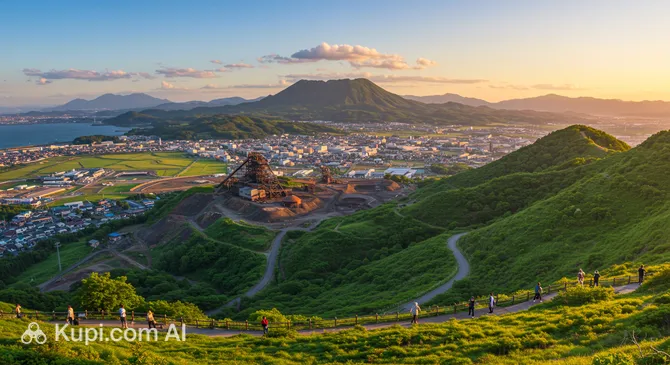
Niihama. Illustration.
Source: Kupi.com AI

Officially founded in 1937, Niihama has a rich history closely linked to industrial development. The city is known as one of Japan's "three copper capitals," thanks to its past in mining and the development of heavy industry. Today, Niihama represents a harmonious fusion of industrial heritage and modern Japanese life.

Niihama attracts tourists not only with its industrial history but also with unique opportunities for relaxation. Here you will find many well-kept parks, serene temples, and traditional Japanese gardens where you can enjoy peace and beauty. One of the city's main features is its friendly population, ready to share local traditions and secrets. The city is also famous for its vibrant festivals, particularly the grand Taiko (drum) Festival, which draws spectators from all over the country.

Niihama is an excellent choice for travelers wishing to explore lesser-known corners of Japan, take a break from the hustle and bustle of megacities, and immerse themselves in an authentic atmosphere. Discover this hospitable city, its cultural heritage, and its natural beauty!

You can find more interesting facts on the Niihama city history page.
Weather Overview

The weather in Niihama demonstrates a clear change of seasons. Summer, especially in July and August, is warm and quite humid. The average temperature in August reaches 26.2°C (with a maximum of 28.9°C), while July is the rainiest month with 11 mm of rainfall and approximately 20 rainy days. Winters in Niihama are cool, with the average temperature in January being around 4.0°C, while precipitation is minimal (about 2 mm).

Overall, expect a warm summer with occasional rain and cool, relatively dry winters. Spring and autumn months offer comfortable transitional weather with moderate temperatures. For more detailed information about the climate and weather conditions by month, we recommend visiting the Niihama Climate page.

Average monthly temperature

Average monthly precipitation

Interesting Facts

In addition to its picturesque views and hospitable atmosphere, Niihama holds many fascinating stories and unique features that make this city truly special. Here are just a few lesser-known facts that can surprise even a seasoned traveler:

  • Niihama is widely known for its grand Taiko Matsuri, considered one of the most spectacular autumn festivals in all of Japan. During this impressive event, massive taiko drums mounted on ornately decorated floats are paraded through the city streets, while teams of participants compete in strength and skill while moving them.

  • The city owes its fame and development to the Besshi Copper Mine, one of the oldest and largest in Japan. This is where modern Japanese metallurgy was born, and the Sumitomo company, founded in Niihama, grew into one of the country's largest industrial conglomerates. You can learn more about this important chapter of history at the Akagane Museum.

  • Although Niihama has given the world talented athletes and artists, the city is especially proud of its traditional craft masters. Taiko drums and other festival paraphernalia are still crafted by hand here, and some local workshops are open to tourists wishing to observe this fascinating process.

  • One charming city legend tells of how mountain spirits showed the first settlers the way to rich copper deposits, bringing prosperity to Niihama. In memory of this event, the city carefully preserves traditions of respect for nature and performs special rites as a sign of gratitude to the earth spirits.

Akagane Museum. Illustration.
Source: Kupi.com AI

Traveler photos:

How to Get There

Niihama can be reached in several ways, primarily through regional airports and rail connections. Although Niihama itself does not have a large international airport, several air hubs are located at a reasonable distance, from which you can continue your journey by ground transport.

The main airports used to reach Niihama are:

  • Matsuyama Airport (IATA: MYJ) is located in the city of Matsuyama, approximately 56 km from Niihama. This is a fairly large regional airport. A taxi or bus ride to Niihama takes roughly 1 hour and 45 minutes.
  • Kochi Ryoma Airport (IATA: KCZ) is situated in the city of Kochi, at a distance of about 58 km. This is also a significant airport serving a large number of passengers. The journey to Niihama from here takes about 1 hour and 45-50 minutes.
  • Hiroshima Airport (IATA: HIJ), located in the city of Hiroshima, is approximately 62.5 km from Niihama. This is a major airport from which Niihama can be reached in about 1 hour and 55 minutes.

For convenience, here is a summary of the main airports serving the Niihama area:

AirportPassenger trafficDistance
Matsuyama Airport3.2 mln56 km
Kochi Ryoma Airport1.6 mln58 km
Hiroshima Airport2.7 mln63 km
Takamatsu Airport2.5 mln73 km
Iwakuni Kintaikyo Airport655 47399 km

Regarding rail connections, the provided list does not include stations located directly in Niihama or its immediate vicinity. The closest mentioned stations are at a significant distance:

  • Fukai Station is located in the city of Sakai, approximately 213.5 km from Niihama. Although it is a major station, its distance makes it less convenient for direct arrival in Niihama unless your route passes through Sakai.
  • Sønderborg Station, located in the city of Sønderborg, is even further away – approximately 291.1 km. This is a small station, and its location makes it an impractical option for a trip to Niihama.

It is recommended to check local train routes directly to Niihama Station (served by the JR Yosan Line), as this is the most convenient way to reach the city by rail from other parts of Japan.

For reference, information on the mentioned distant railway stations:

StationPassenger trafficDistance
Sønderborg Station291 km

Additionally, Niihama can be reached by car using Japan's developed road network. If you are traveling by private or rental car, this can be a convenient option that also allows you to explore the surrounding areas.

Main Attractions

Niihama, a city with a rich industrial history in Ehime Prefecture, offers guests several interesting sites to better understand its culture and heritage. Among them, landmarks telling the story of the city's past and providing an immersion into the local atmosphere stand out.

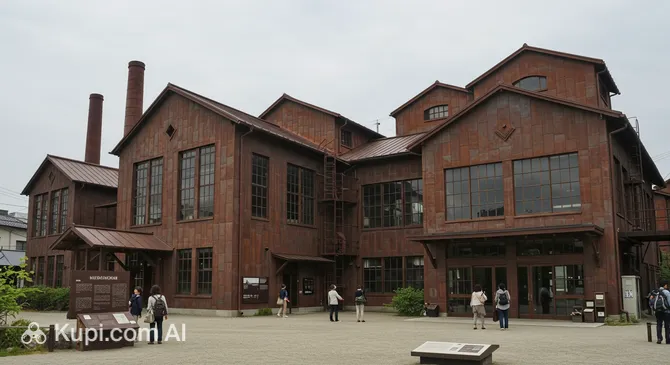
One of the key attractions is the Akagane Museum. This museum, whose name can be translated as "copper museum," is dedicated to the history of copper mining in the region, particularly the famous Besshi Copper Mine, which played a massive role in Niihama's development. Visitors can learn about mining technologies, the lives of miners, and the impact of industry on the city. The museum's exhibitions make it an interesting destination for those wanting a deeper understanding of Niihama's historical legacy.

Akagane Museum. Illustration.
Source: Kupi.com AI

Traveler photos:

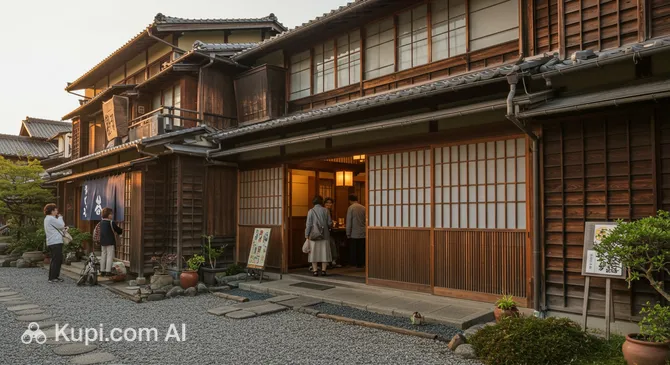
To experience local cuisine and enjoy a pleasant meal, you can visit Miyabiya restaurant. While specific menu details and specialties are best checked on-site, Japanese restaurants are often renowned for the freshness of their ingredients and unique flavor combinations. A visit to Miyabiya can be a great addition to your sightseeing program, offering a chance to enjoy regional dishes in a cozy setting.

Miyabiya. Illustration.
Source: Kupi.com AI

Traveler photos:

Local Cuisine

The gastronomy of Niihama is a true immersion into the culinary traditions of the Shikoku region, where the freshest gifts of the Seto Inland Sea take center stage. Travelers can look forward to authentic flavors and local specialties that will leave an unforgettable impression.

The foundation of the local cuisine is undoubtedly seafood. Be sure to try fresh oysters, mussels, scallops, and, of course, sashimi from fish caught just the day before. Many restaurants offer seasonal tasting sets, allowing you to appreciate the full wealth of the sea. Another iconic dish is Shikoku-style udon—thick wheat noodles in a rich broth, often with local vegetables and seaweed, which gives it a unique regional character.

Among beverages, traditional Japanese options are popular: locally produced sake, refreshing beer, and various types of green tea. Non-alcoholic drinks are represented by a wide selection of fruit juices and lemonades made from local citrus fruits.

The dining culture in Niihama is diverse. Locals and tourists can enjoy exquisite meals in restaurants such as Miyabiya, where Japanese cuisine can be sampled. City markets offer unique snacks and sweets: from mochi rice cakes with citrus fillings to fried seaweed cakes. Street food also deserves attention—here you can try tako-yaki (octopus dough balls) or sweet waffles with fruit. Throughout the year, Niihama hosts gastronomic festivals, with the autumn festival being particularly popular when the streets turn into a large tasting ground.

Niihama's gastronomic scene attracts with its freshness, authenticity, and variety. The combination of seafood, traditional noodle recipes, and the lively atmosphere of markets and festivals makes this city an attractive destination for foodies.

Travel Tips

Welcome to Niihama! To make your journey to this charming corner of Japan as comfortable and enjoyable as possible, we have prepared some practical tips. They will help you navigate better and enjoy every moment of your stay.

  1. Clothing and essentials:

    The climate in Niihama, as in all of Japan, is temperate, with four distinct seasons. In summer (June-August), it can be hot and humid, so choose light, breathable clothing. In winter (December-February), it is cool; don't forget warm clothes, including a hat and gloves. Spring and autumn are the most comfortable seasons with pleasant temperatures, but evenings can be chilly, so layering is your best friend. Be sure to bring comfortable shoes, as you will be doing a lot of walking. Don't forget an adapter for electrical appliances (Japan uses type A and B sockets, 100V voltage). When visiting temples and shrines, choose modest clothing that covers your shoulders and knees.

  2. Transport:

    The most convenient way to get around Niihama is by local buses, which cover the main areas of the city. Taxis are also available but can be more expensive. If you plan to explore the surrounding Ehime Prefecture, renting a car can be a good option, but note that Japan has left-hand traffic. For intercity travel across the country, consider a Japan Rail Pass if it fits your itinerary. Within the city itself, many interesting places are within walking distance, especially if you stay in the center.

  3. Finances:

    The local currency is the Japanese Yen (JPY). Although credit cards (Visa, Mastercard) are accepted in many hotels, large shops, and restaurants, cash is still very important, especially in smaller establishments and at markets. You can exchange currency at airports, banks, or specialized exchange offices. ATMs that accept international cards can most often be found at post offices (Japan Post Bank) and in 7-Eleven convenience stores. Tipping is not customary in Japan—good service is already included in the bill.

  4. Health and Safety:

    Japan is one of the safest countries in the world, and Niihama is no exception. The crime rate is low. Pharmacies (薬, kusuri) are easy to find, but not all pharmacists speak English, so it is useful to have a translator or the name of the required medicine written down. For serious medical assistance, tourists are recommended to have travel insurance. In emergencies, call 119 (ambulance and fire service) or 110 (police). Try not to leave valuables unattended, as in any other place.

  5. Communication:

    The official language is Japanese. English is not as widely spoken among the local population as in major tourist centers, but in hotels and tourist information centers, you will likely find English-speaking staff. Learn a few basic phrases in Japanese: "Konnichiwa" (Hello), "Arigato" (Thank you), "Sumimasen" (Excuse me/I'm sorry). For constant internet access, it is recommended to rent a pocket Wi-Fi router or buy a local SIM card. Free Wi-Fi is available in some public places and cafes.

  6. Local Etiquette:

    Japanese people are very polite and appreciate a respectful attitude toward their culture. A greeting is usually accompanied by a bow—its depth depends on the situation and the status of the person you are addressing. In public places, especially on transport, try not to talk loudly on the phone. Remove your shoes before entering private homes, some temples, traditional restaurants, and inns (ryokans). It is not customary to eat while walking (with the exception of some street festivals or designated areas).

  7. What to avoid:

    Try not to stick chopsticks vertically into rice—this is associated with funeral rituals. Also, avoid passing food with chopsticks directly into another person's chopsticks. Do not point at people with your finger—it is considered impolite. If you want to point to something, do it with an open palm.

  8. Additional tip:

    Niihama is famous for its grand Niihama Taiko Matsuri, which takes place annually in October (usually the 16th-18th). If your trip coincides with this time, be sure to visit this exciting spectacle with huge, ornately decorated "taikodai" drum floats. This is a unique opportunity to see local culture in all its glory. Also, while in Ehime Prefecture, try the famous local "mikan" mandarins.

We hope these tips help you feel more confident and get the most out of your trip to Niihama. We wish you unforgettable impressions and bright discoveries in this hospitable city!

Entertainment & Nightlife

Niihama, snugly located in Ehime Prefecture, offers its guests a peaceful and authentic Japanese experience, including in the evening. The nightlife here does not roar with the scale of megacities but possesses its own charm, offering evenings in the relaxed atmosphere of local establishments.

The foundation of evening entertainment in Niihama consists of restaurants and traditional Japanese drinking establishments known as izakayas, where you can enjoy local cuisine and drinks. One such place for a pleasant evening meal is Miyabiya restaurant. You can also find small bars and "sunakku" (karaoke bars) popular among locals. There are few large nightclubs with dance floors here, as the focus is on more intimate relaxation.

The concentration of evening venues is usually found around the central Niihama railway station and its adjacent shopping streets. The atmosphere in such places is generally friendly and welcoming. The crowd is mostly local, allowing for a deeper immersion into the daily life of a Japanese city. Most establishments stay open until late evening, though not 24/7. There is usually no specific dress code, with neat casual style being appreciated.

The best time to visit bars and restaurants is after 7:00 PM. Prices in Niihama's establishments are generally moderate. At night, it is most convenient to get around by taxi, which can be called by phone or found at designated stands. The city is considered quite safe for night walks, especially in central areas, though standard precautions should always be taken.

During the day, Niihama also offers interesting leisure options. Guests can visit the educational Akagane Museum, dedicated to the history of the local copper industry. Strolling through city parks or exploring local temples will also be a pleasant addition to your trip. While there are no major theme parks or large theaters in Niihama, the city compensates with its authenticity and calm atmosphere.

Parks & Museums

The city of Niihama in Ehime Prefecture offers its guests a harmonious blend of picturesque green spaces for outdoor relaxation and interesting cultural sites that introduce the rich history and traditions of the region.

Among Niihama's natural spots, Takihama Nature Park stands out. Once the site of extensive salt fields, it is now a wonderful place for walks with views of the Seto Inland Sea. Another great place for a natural retreat is Zuioji Park, located at the foot of the mountains near the temple of the same name. It is particularly charming in autumn when the foliage turns crimson and gold, creating a peaceful atmosphere.

Akagane Museum. Illustration.
Source: Kupi.com AI

Traveler photos:

For those interested in Niihama's history and culture, the Akagane Museum is a must-visit. This museum is dedicated to the history of the famous Besshi Copper Mine, which played a key role in the city's development. Exhibitions detail copper mining technologies, the lives of workers, and the mine's impact on the local economy and culture. Also worth noting is the Hirose History Museum, dedicated to Hirose Saihei, an important Meiji era figure who contributed significantly to the modernization of the Besshi Copper Mine and the development of the Sumitomo company.

The city's historical heritage is not limited to museums. Many sites related to the Besshi Copper Mine are still preserved and are of interest to industrial history buffs. Also a significant architectural and spiritual center is Zuioji Temple, an ancient Buddhist temple with beautiful architecture and well-kept grounds, offering visitors tranquility and a chance to experience Japan's spiritual traditions.

To get a truly authentic experience of Niihama, try to visit during the famous Niihama Taiko Festival, which usually takes place in October. This is a grand and colorful event with massive, ornately decorated drum floats, showcasing the spirit and traditions of the local residents. Also, don't miss the opportunity to walk along the embankment or stop by one of the local restaurants to try fresh seafood.

Getting Around

Getting around Niihama is quite convenient, although the public transport system is not as extensive as in major metropolises. Buses serve as the primary mode of transport for travel within the city and its surroundings. There are also local railway lines that connect Niihama with other towns in the region, which can be useful for longer journeys.

The bus fare payment system is standard for many Japanese cities. When entering the bus through the rear door, you take a ticket with a stop number (if not using an IC card). When exiting through the front door, you pay the driver in cash according to the fare indicated on the display above the cabin (the amount depends on your stop number on the ticket). A more convenient way is using rechargeable transport IC cards, such as ICOCA, Suica, or Pasmo, which are widely used across the country. Simply tap the card on the reader when entering and exiting. These cards can be purchased and topped up at railway stations or in some convenience stores. Fares depend on the distance traveled.

Tourists are advised to check bus routes and schedules in advance, as their frequency can be low, especially in the evening and on weekends. Information can be found at bus stops (though it's not always provided in English) or at the station. Train tickets are purchased at ticket offices or vending machines at stations. Public transport usually operates from early morning until around 10:00 PM–11:00 PM, but it's best to verify specific routes.

As an alternative to public transport in Niihama, you can always use a taxi. They are available at stations and in busy parts of the city, though this is a more expensive way to get around. For a leisurely introduction to the city and its picturesque surroundings, consider renting a bicycle—a popular and pleasant way to explore, especially in good weather. Specialized car-sharing services are less common than in large cities.

Accommodation

When planning a trip to Niihama, you will find a variety of accommodation options to suit different preferences and budgets. The city offers a selection ranging from modern hotels of various categories to more traditional Japanese inns, known as ryokans, as well as cozy guesthouses. This allows every traveler to find accommodation to their taste, whether it is a short business trip or an extended tourist visit.

When choosing a place to stay in Niihama, look for areas that provide convenient access to major transport hubs and city attractions. For example, proximity to interesting sites like the Akagane Museum or central streets can make your stay more comfortable and engaging. Choosing accommodation in a strategically convenient location will allow you to easily explore everything Niihama has to offer.

While specific hotel names are not provided in the data, rest assured that in Niihama, you can find hotels for every taste—from budget-friendly options for economical travelers to mid-range hotels with an expanded range of services and more comfortable offerings for those who appreciate a higher level of service.

To guarantee the best choice and prices, it is recommended to book your accommodation in Niihama in advance, especially if your trip coincides with peak tourist season, local festivals, or holidays. For searching and booking, it is convenient to use popular international and Japanese online platforms or, in some cases, contact the chosen hotel directly. The price range varies, allowing for both budget options and mid-to-high-class accommodations, depending on your preferences and budget.

Nearby Cities

For those looking to explore the surroundings, Niihama serves as an excellent starting point for day trips to several interesting nearby locations:

CityPopulationDistance
Saijo103 76010 km
Shikokuchuo82 32025 km
Imabari149 20929 km
Kanonji56 63940 km
Toon34 19542 km

Among the closest cities, Matsuyama is worth highlighting, where you can visit the majestic Matsuyama Castle and relax in the famous Dogo Onsen hot springs. Also interesting is the city of Kochi, known for its historic Kochi Castle and the lively Hirome Market, where you can sample local delicacies. Nearby is Imabari, offering an impressive view of the Kurushima-Kaikyo Bridge—one of the longest suspension bridges in the world.

These nearby destinations provide a glimpse into the diverse culture and landscapes of the region.

Shopping & Souvenirs

Shopping in Niihama offers tourists the chance to purchase both everyday goods and unique local souvenirs. The city is not a major fashion or luxury hub like Tokyo or Osaka; however, you can find interesting items here that reflect the culture and traditions of the region. Products related to local festivals and the city's history are particularly renowned.

Main shopping spots in Niihama are usually concentrated in the city center, along busy streets, and potentially in traditional Japanese covered shopping arcades called "shotengai." This is where you can find small shops offering clothing, shoes, home goods, and local delicacies. It is also worth paying attention to the areas adjacent to the railway station.

While Niihama may not have massive multi-story shopping complexes, it likely has department stores or smaller-scale modern shopping centers. These usually present a wide range of goods: from clothing and cosmetics to electronics and food. This is a convenient place for one-stop shopping.

As for markets, in Niihama, as in many Japanese cities, you may come across morning markets where local farmers sell fresh vegetables, fruits, and seafood. These places offer an authentic experience and the chance to try local specialties. Large specialized flea or souvenir markets might not exist, but individual souvenir stalls are found.

When choosing souvenirs from Niihama, special attention should be paid to items related to the famous Niihama Taiko Matsuri—these could be miniature drums, themed clothing, keychains, or other memorabilia. Given the city's historical connection to copper mining (the name "Akagane" at the Akagane Museum points to this), you can look for copper goods or souvenirs reflecting this heritage. Traditional Japanese souvenirs are also popular: local tea, sweets (such as mochi or wagashi), ceramics, and textiles from Ehime Prefecture.

Shops in Niihama typically operate from 10:00 or 11:00 AM until 7:00 or 8:00 PM. Large shopping centers may have longer hours. Regarding payment, credit cards are accepted in many stores, especially large ones. However, in small shops or at markets, it is preferable to have cash (Japanese yen) on hand.

For foreign tourists in Japan, a Tax-Free system is available. Look for stores with the "Tax-Free Shopping" sign. Usually, to process a refund, you must make a purchase of a certain amount and present your passport. It's best to check the details directly in the store.

Reached the end of the page?

That means the route is fully explored