Support

Maniwa

About

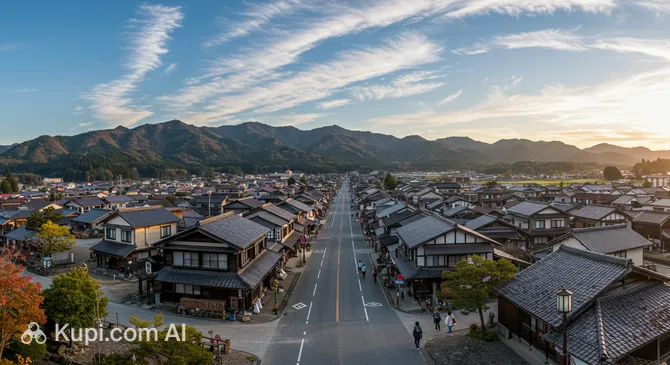
Maniwa is a picturesque corner located in Okayama Prefecture on the island of Honshu. This city, nestled in the heart of the Chugoku region, offers travelers a unique opportunity to get acquainted with the authentic and tranquil side of such an amazing country as Japan. Here, an atmosphere of provincial coziness harmoniously combines with the majesty of wide-open nature.

Maniwa. Illustration.
Source: Kupi.com AI

The city's territory is impressive in scale: covering more than 828 square kilometers, Maniwa is one of the largest municipalities in the prefecture by area. At the same time, it is home to about 42,000 people, which creates a sense of space and tranquility so rare in overcrowded metropolises. It is an ideal place for those who want to take a break from the hustle and bustle of big cities.

Administratively, the city is quite young. The official history of Maniwa in its modern status began in 2005, when several small settlements merged into a single structure. Today, the city serves as an important transport and cultural center of northern Okayama while maintaining its identity and deep respect for traditions.

The main treasure of the region is its magnificent landscapes. The city is surrounded by mountain ranges, dense forests, and crystal-clear rivers, making it a true paradise for ecotourism lovers. Maniwa is famous for its healing hot springs and picturesque villages where you can enjoy leisurely walks. If you are looking for harmony with nature and sincere hospitality, be sure to include this city in your itinerary.

Weather Overview

When planning a trip to this picturesque region, it is important to consider that the weather in Maniwa is characterized by pronounced seasonality. Winters here are cool: in January, the average temperature is about +2.2°C, and light frosts down to -1.0°C are possible at night. Although the amount of precipitation in winter is small (about 3 mm), cloudy and humid days occur quite often — up to 18 days in January.

Spring brings long-awaited warming. Already in April, the air warms up on average to +11.9°C, and May pleases with comfortable +16.5°C, which makes this time perfect for exploring natural attractions. Summer in Maniwa is warm but humid. The highest temperatures are recorded in August, when the thermometer can rise to +29.4°C. However, travelers should be prepared for precipitation: July is the record holder for the number of rainy days (about 21 days).

In autumn, the heat subsides, and by October a pleasant temperature of about +15.6°C is established. November becomes significantly cooler (+10.0°C), but at the same time, it is one of the "driest" months of the year in terms of precipitation frequency (only 11 days). Overall, expect a warm summer with occasional rain and cool winters with temperatures often balancing on the edge of zero.

Average monthly temperature

Average monthly precipitation

Interesting Facts

In addition to well-known tourist routes, Maniwa hides many surprising details that create its unique character. Here are a few facts that will help you look at this city from a new perspective:
  • A resort in the riverbed. The Yubara Onsen area is known nationwide for its unique "Sunayu" hot spring. This is a huge open-air bath located right at the bottom of the river at the foot of the dam. Bathing here is available 24/7 and is completely free, allowing you to enjoy views of the mountains and the starry sky at any time of year.

  • Live movie sets. Thanks to its beautifully preserved historical quarters with traditional wooden houses, Maniwa regularly becomes a film set. The authentic atmosphere of ancient streets attracts directors of historical films and series, as time seems to have stopped here, and sets are practically not required.

  • Scale and solitude. Maniwa is one of the largest municipalities in Japan by area, but the population density here is extremely low. This combination creates unique conditions: vast spaces are occupied by untouched nature, forests, and mountains, making the city a true ecological oasis.

  • Pilgrim heritage. The outskirts of the city are permeated by a network of ancient walking routes that have been walked by wandering monks and poets for centuries. These trails lead to secluded forest temples and shrines, preserving the spirit of old Japan and offering travelers the opportunity to touch living history.

How to Get There

When planning a trip to this picturesque mountain region, keep in mind that there is no direct air connection to the city itself. The journey usually includes a flight to one of the neighboring transport hubs followed by a transfer to ground transport. You can find out more about how to get to Maniwa to choose the most convenient route, but most often tourists use a combination of plane and bus or a rented car.

The closest and most convenient option is Okayama Airport (IATA: OKJ). It is located in the city of Okayama, approximately 36.6 km from the center of Maniwa. This is an important regional hub receiving flights from Tokyo, Sapporo, and some international destinations. The journey by taxi or car from here will take about 50–60 minutes, making it the optimal entry point for travelers.

An alternative option, especially if you plan to visit the north coast, could be Tottori Airport (IATA: TTJ), located in the city of Tottori. It is located about 63 km from Maniwa. Travel time by car will be about an hour and a half. You can also consider Miho Airport (IATA: YGJ) in the city of Yonago, 65.8 km away, which will also require a transfer of more than an hour.

For clarity, here is a summary of the main airports:

AirportPassenger trafficDistance
Okayama Airport1.4 mln37 km
Tottori Airport401 79663 km
Miho Airport463 25266 km
Izumo Airport1.0 mln87 km
Takamatsu Airport2.5 mln99 km

Regarding rail connections, there is no Shinkansen high-speed train station in the city of Maniwa itself. The main railway hub for the region is Okayama Station (in the city of the same name), where high-speed expresses arrive from Tokyo, Osaka, and Hiroshima. From Okayama Station, travelers can transfer to the local JR Kishin line, which passes through stations in Maniwa (for example, Chugoku-Katsuyama station), or use intercity buses. A trip by train or bus from Okayama to the central areas of Maniwa will take from 1.5 to 2.5 hours depending on the chosen route.

Main Attractions

Maniwa is a city where natural beauty is harmoniously interwoven with cultural heritage. Traveling through this region, you will find places that allow you to relax your soul and touch Japanese traditions. Here are some key attractions that deserve special attention.

Hiruzen Jersey Land is an ideal place for family vacations and lovers of pastoral landscapes. Located at the foot of the mountains, this vast highland is famous for its farms where Jersey cows are raised. Tourists come here to enjoy the fresh mountain air, ride bicycles along scenic paths, and, of course, try local delicacies: delicious ice cream, cheeses, and yogurts. In summer, the meadows bloom here, and in autumn, the slopes are painted in bright colors, creating incredible views for photos.

Katsuyama Historical District will transport you to the atmosphere of the Edo period. This beautifully preserved street with traditional white-walled warehouses and old wooden houses is known for its unique feature — colorful "noren" curtains decorating the entrances to buildings. Each house has its own unique curtain design, reflecting the craft or character of the owner. A walk through Katsuyama is an immersion into the aesthetics of old Japan, where you can also visit centuries-old sake breweries and cozy craft shops.

Kanba Waterfall is considered one of the most impressive in Western Japan. The water flow drops from a height of 110 meters, creating a mesmerizing sight against the backdrop of sheer cliffs and dense forest. The area around the waterfall is designed as a natural park, where it is pleasant to walk at any time of year. It is especially beautiful here in autumn, when the leaves take on fiery shades. In addition, a colony of wild Japanese macaques lives in the vicinity of the waterfall, and observing them adds a special flavor to the walk.

Local Cuisine

Maniwa's gastronomic scene reflects its rich nature, where mountain rivers and dense forests provide unique ingredients. Local cuisine is famous for its eco-friendliness and seasonality. The basis of the menu here is "gifts of the mountains": fresh fish caught in clean streams, wild vegetables, and greens added to soups and side dishes. A special place is occupied by game dishes — wild boar and deer. Meat prepared according to old recipes is often served as rich soups or grilled with miso paste, which gives it a deep and warming taste.

Travelers wanting to try something unusual should head to the Yubara Onsen district. Here, unique cooking methods using geothermal heat are practiced. In local restaurants and ryokans (traditional inns), you can order sets where dishes are cooked right in front of you on hot stones or in thermal spring water. Such food is not only delicious but is also considered healthy. Each portion in such sets is a small work of art, presented with purely Japanese attention to detail.

For those with a sweet tooth and lovers of farm products, Maniwa has also prepared many surprises. Thanks to developed agriculture on the Hiruzen Plateau, the region is famous for its excellent dairy products: they make great artisanal cheeses, yogurts, and delicate ice cream from the milk of Jersey cows. At farmers' markets, you can always find seasonal fruits, aromatic mushrooms, as well as traditional Japanese sweets based on rice and sweet beans.

As for drinks, Maniwa is proud of its sake-brewing traditions. In the historical district of Katsuyama, old sake breweries have been preserved, producing local sake with a soft and deep taste thanks to high-quality water and rice. Among non-alcoholic drinks, you should definitely try fresh milk and drinkable yogurts of local production. The food culture here is diverse: from street food at seasonal festivals serving hot udon noodles to exquisite dinners at hot spring restaurants.

Travel Tips

A trip to Maniwa is an opportunity to see the real, non-touristy side of the country, where life flows leisurely against the backdrop of majestic mountains. To ensure your vacation in this picturesque corner of Japan is as comfortable as possible and without organizational hitches, we have prepared a list of useful recommendations.

  1. Clothing and gear: The climate here differs from the coast. Even in summer, if you plan a trip to the Hiruzen Plateau, bring a windbreaker or sweater — evenings can be cool. In winter, there is a lot of snow, so warm waterproof shoes and thermal underwear are essential. For walks along the paved streets of Katsuyama and forest trails, choose the most comfortable sneakers.

  2. Transport: Maniwa covers a huge territory, and attractions are distant from each other. Public transport is infrequent, so car rental is the most sensible choice for a tourist. This will give you freedom of movement between hot springs and mountain farms. If you don't have a license, study the schedule of local "Maniwa-kun" buses in advance or be prepared to spend on taxis.

  3. Finances: In rural areas, ATMs are less common than in metropolises, and small family restaurants and souvenir shops often accept only cash yen. Be sure to withdraw money in advance (for example, at 7-Eleven ATMs or at the post office). Your daily budget depends on your plans, but entry to natural parks is often inexpensive or free.

  4. Health and safety: This is a very quiet region, but pharmacies here close early, and there are few 24-hour establishments. Take a basic first-aid kit with you. When walking on nature trails, pay attention to warning signs about wild animals (sometimes bears can be found in the mountains) and use bells for scaring them off if you go deep into the forest.

  5. Communication: Away from Tokyo and Osaka, English is not understood everywhere. Local residents are very friendly and will try to help, but it's better to have a translator app handy (for example, Google Translate) with an offline dictionary downloaded. Free Wi-Fi is not available everywhere, so take care of buying a SIM card or renting a router at the arrival airport.

  6. Local etiquette: Traditions are strong in Maniwa. When entering ryokans (inns), private homes, and some temples, be sure to remove your shoes. If you visit the famous Yubara hot springs (especially the "Sunayu" open-air baths), remember that you enter the water completely naked, after thoroughly washing yourself first. Tattoos in many public baths can still be a reason for refusal of entry, although in "wild" springs the rules are softer.

  7. What to avoid: Do not try to walk on tatami in shoes — this is a gross violation of etiquette. Also, avoid loud conversations and phone calls on public transport and in restaurants — silence and respect for the personal space of others are valued here.

  8. Extra tip: When planning lunch, keep in mind that many restaurants in the province close after 2:00 PM and reopen only for dinner (around 5:30 PM). Always have a light snack with you, especially if you are heading to waterfalls or remote observation decks.

By following these simple tips, you can avoid awkward situations and fully focus on the beauty of nature and the hospitality of the locals. Maniwa is a place for leisurely contemplation, so tune in to a calm mood and enjoy every moment of your journey!

Entertainment & Nightlife

Nightlife in Maniwa is fundamentally different from the neon frenzy of Tokyo or Osaka. Here you won't find noisy nightclubs with loud music or crowded dance floors. An evening in this corner of Okayama Prefecture is a time for deep relaxation, gastronomic discoveries in cozy establishments, and contemplating nature. The main activity is concentrated in resort areas and historical quarters, where life slows down quite early, giving way to silence and the starry sky.

The center of evening attraction is rightfully considered the Yubara Onsen district. This place is unique because life here doesn't stop with the sunset. The main "night arena" is the famous open-air bath Sunayu. It is open 24/7 and is absolutely free. Imagine: you are lying in hot thermal water, stars are shining overhead, and around you is silence, broken only by the sound of the river and the dam. This is perhaps the most exotic "night club" Maniwa can offer. The crowd here is very diverse, from locals to tourists, and the atmosphere is always friendly and relaxed.

If you are looking for a place to have a drink and socialize, head to the streets of the historical districts of Katsuyama or Kuse. Traditional Japanese bars — izakayas — operate here. Look for them by the red paper lanterns (akachochin) at the entrance. These establishments serve local sake, beer, and a variety of snacks: from yakitori (chicken skewers) to seasonal vegetables in tempura. These are ideal places to feel the true flavor of the Japanese countryside. You can also find so-called "snack bars" in the city — small establishments with karaoke where the hostesses ("mama-san") entertain guests with conversation. This is a specific but very soulful type of leisure.

For romantics and nature lovers, the best "evening show" will be a trip to the Hiruzen Plateau. Thanks to the absence of city light pollution, a stunning view of the Milky Way opens up here. In the summer months, especially in June, you can watch fireflies along the rivers in the northern part of the city — a mesmerizing natural performance that attracts many photographers and couples in love.

Practical tips for night walks:

  • Transport: This is the most important point. Public transport (buses and trains) stops running quite early, often around 8:00 PM – 9:00 PM. If you plan to stay late at a bar, find out the number of a local taxi in advance or arrange a transfer with your hotel. Catching a car on the street at night is almost impossible.
  • Prices and payment: The average check in an izakaya will be from 3,000 to 5,000 yen per person. Entering "snack bars" often involves a fixed cover charge. Be sure to have cash with you, as cards are not accepted everywhere.
  • Safety: Maniwa is an exceptionally safe city. You can safely walk at night even alone. However, the streets may be poorly lit, so a flashlight on your phone will be useful.
  • Dress code: In the hot spring area (Yubara), it is perfectly normal to walk in the evening in a yukata (light kimono) and geta (wooden sandals) provided by the hotels. In Katsuyama's bars, the dress style is casual.

Although the nightlife here is quiet, the daytime program in Maniwa is quite busy. During the day, it is worth visiting historical museums in the Katsuyama quarter, strolling through botanical gardens, or renting a bicycle for a trip across the Hiruzen Highlands. Outdoor enthusiasts will appreciate the hiking trails to the waterfalls, while families with children can spend time in agroparks where they can interact with animals and try their hand at crafts.

Parks & Museums

Maniwa harmoniously combines majestic natural landscapes and carefully preserved cultural heritage. For tourists, this means the opportunity to alternate walks in picturesque green zones with visits to unique museums that tell about the history, biology, and traditions of this corner of the country. Here, nature acts not just as a background, but as the main character around which all cultural life is built.

Hiruzen Herb Garden Herbill is a true oasis of aromas and colors located on the slopes of the mountains. About 20,000 lavender bushes and hundreds of species of other medicinal and decorative plants are grown here. A walk along the well-kept terraces of the garden opens a panoramic view of Mount Daisen, which is often called "mini-Fuji." This is an ideal place for those seeking tranquility: visitors can not only enjoy the views but also try herbal teas in the local cafe or weave a wreath of seasonal flowers in the workshop.

An equally impressive natural monument is the Daigo-zakura. Although it is a single tree, the space around it functions as a full-fledged landscape park. The thousand-year-old cherry tree rises on top of a hill, surrounded by walking paths and rest areas. Even outside the flowering season (early April), it is worth climbing up here for the atmosphere of antiquity and stunning views of the mountain valleys opening from above. This is a place of power where you can feel the deep connection between Japanese culture and nature.

Among the city's museums, the Hanzaki Center deserves special attention. This unique institution is dedicated to the Japanese giant salamander — a rare amphibian that lives in the clean rivers of Maniwa and is considered a "living fossil." In the museum, you can see live salamanders in huge aquariums and learn about the region's ecosystem. This educational place will be interesting not only for children but also for adults who want to understand why locals protect the purity of their waters so carefully.

History lovers should visit the Hiruzen Museum of History and Folklore. The museum's exhibition tells about the formation of the unique landscape of the plateau and the life of people in this region since ancient times. Archaeological finds from burial mounds of the Kofun period are presented here, as well as ethnographic materials demonstrating the life of mountain villages. The museum helps to deeply understand the context of the landscapes you see during walks around the city.

In the category of architectural monuments, the Old Senkyo Elementary School stands out. Built in 1907, the wooden building in the Pseudo-Renaissance style is a magnificent example of Meiji era architecture. Today, the school does not function as intended but is open to the public as a cultural monument. The symmetrical facade, old classrooms, and creaky floors create an incredibly nostalgic atmosphere, often attracting photographers and lovers of retro aesthetics.

If you want a truly unusual experience, stop by the museum at an old sake brewery in the Katsuyama area or visit small galleries of local artisans creating noren curtains. Insider tip: when planning a visit to the Hanzaki Center in summer, check the festival schedule — in August, a colorful parade with floats is held in honor of the giant salamander, which is one of the most colorful events in Japan.

Getting Around

The public transport system in Maniwa has its own characteristics dictated by the geography and pace of life of this vast mountain region. It's important to note right away: there is no metro, trams, or trolleybuses here. Moving around the city and its surroundings requires planning, as public transport is aimed more at local residents than at a mass tourist flow and runs less frequently than in metropolises.

The main railway artery is the JR Kishin line. Diesel trains run through the main stations of the region, such as Chugoku-Katsuyama and Kuse. This is a scenic but not the fastest way to travel: intervals between trains can be an hour or more. The railway is convenient for arriving in the city from the Okayama side, but it is less suitable for trips between attractions within Maniwa, as many interesting places (such as the Hiruzen Plateau) are far from the stations.

The main means of local communication are municipal buses known as "Maniwa-kun". This is a network of routes connecting railway stations with key tourist zones, including the Yubara hot springs and the Hiruzen Plateau. The buses are comfortable, but there may be few trips per day. Tourists are strongly recommended to download schedules in advance or take paper brochures from tourist information centers at stations, as Google Maps does not always display up-to-date data for local rural routes.

As for fare payment, "old school" rules here. Unlike in big cities where transport IC cards (Suica, ICOCA) are used everywhere, Maniwa buses and small stations often accept only cash. When entering the bus through the rear door, you need to take a ticket with the stop number, and when exiting, pay the driver the fare after checking the tariff board. Be sure to have coins and 1,000 yen bills with you, as it can be problematic to change large banknotes in the cabin. The fare on "Maniwa-kun" buses is very reasonable and often constitutes a fixed amount (about 200 yen per trip), which makes them a cost-effective option.

Given the large distances and infrequent public transport schedule, the best alternative for travelers is car rental. Rental points can be found at Okayama Station or at the airport, and then you can drive to Maniwa. This will give you full freedom of movement. If you don't drive, you can use taxis, but they must be called by phone in advance, and trips over long distances will not be cheap.

For local excursions, especially in the area of the Hiruzen resort, bicycle rental is well-developed. Flat plateau roads and special cycle paths allow you to comfortably view the natural beauties. Bicycles (including electric ones) can be rented at tourist centers and major hotels. This is not only transport but also a great way to enjoy the fresh mountain air.

Accommodation

The choice of accommodation in Maniwa depends directly on the type of vacation you prefer: meditative relaxation in hot springs or active leisure in the heart of nature. Here you won't find high-rise hotel chains of global brands, but the city compensates for this with a wide selection of authentic places to stay, from traditional Japanese inns to cozy mountain lodges.

The tourist accommodation map in Maniwa is clearly divided into several key zones, each with its own character:

Yubara Onsen district is the heart of traditional Japanese hospitality. Here, along the river and at the foot of the mountains, classic ryokans are concentrated. Staying here means immersing yourself in the atmosphere of old Japan: sleeping on futons in rooms with tatami, wearing a light kimono (yukata), and enjoying exquisite "kaiseki" dinners made from local products. The main advantage of living in this zone is unlimited access to healing thermal waters, as most hotels have their own baths.

Hiruzen Plateau offers a completely different atmosphere, reminiscent of Alpine resorts. This is an ideal place for families with children, young people, and lovers of open spaces. Western-style resort hotels, private pensions, and cottage rentals are popular here. Cottages are often equipped with kitchens and barbecue areas, making them an excellent choice for large groups. In addition, Hiruzen is famous for its well-equipped campsites and glampings, allowing you to spend the night in comfort surrounded by nature.

In historical quarters such as Katsuyama, you can find small guest houses and mini-hotels, often located in renovated old buildings. This is a convenient option for those who want to be closer to cultural attractions, museums, and cafes, as well as for travelers using public transport.

Booking tips and prices:

  • Price range: Varies from budget campsites and hostels (from 3,000–4,000 yen) to luxury ryokans with full board, where the cost of a night can exceed 30,000 yen per person. Middle-class hotels and cottages occupy an intermediate niche.
  • How to book: Large hotels and popular ryokans are available on international online platforms. However, small family pensions (minshuku) sometimes require booking through local Japanese websites or by phone (a tourist information center can help here).
  • Seasonality: Maniwa is a popular destination for domestic tourism. It is highly recommended to book accommodation in advance (2–3 months), especially if your trip falls during peak seasons: "Golden Week" (early May), the red leaves season (November), or the New Year holidays.

Nearby Cities

For those who want to explore the surroundings, Maniwa serves as an excellent starting point for day trips to several interesting nearby places. The city's location in the center of the Chugoku region makes it easy to reach both major cultural centers and historical settlements.

Just an hour's drive south is the prefecture's capital — Okayama. This is a large city, famous nationwide for its Korakuen Garden, which is one of the three most beautiful landscape parks in Japan. Near the garden stands the majestic Okayama Castle with a black facade, for which it was nicknamed the "Crow Castle." A trip here is an ideal choice for those who want to combine historical sightseeing with shopping and urban entertainment.

Lovers of a calmer atmosphere and antiquity should head to Tsuyama. This city is very close by and is famous for its castle ruins in Kakuzan Park, which is considered one of the best places in Western Japan for viewing cherry blossoms in spring. The Joto historical district with traditional merchant houses is also preserved here, and a walk through it will transport you to the Edo period.

If you are interested in a retro atmosphere, pay attention to the city of Kurayoshi in the neighboring Tottori Prefecture. It is known for its Shirakabe Dozo white-walled district, where old warehouses and breweries with red tiled roofs are picturesquely lined up along a small canal. Today, craft workshops and souvenir shops operate inside these buildings.

CityPopulationDistance
Kagamino11 88217 km
Tsuyama99 41023 km
Kibichuo10 49524 km
Niimi27 52628 km
Shoo10 93333 km

These nearby destinations provide insight into the diverse culture and landscapes of the region, from mountain scenery to the seacoast and castle towns.

Shopping & Souvenirs

Shopping in Maniwa is not about chasing global brands or high fashion, but a soulful immersion into the world of traditional Japanese crafts and gastronomic delights. This city offers travelers a unique "satoyama" experience — shopping inextricably linked to nature and local culture. Here you will find products made with love and attention to detail: from wooden items to farm delicacies. This is an ideal place to find authentic gifts that cannot be bought in large metropolises.

The main shopping artery for tourists is the Katsuyama Historical District. A walk along this ancient street resembles a visit to an open-air museum, where life is in full swing in every building. Small family shops, craft workshops, and galleries are located here. Particular attention should be paid to shops selling fabrics and products with traditional dyeing, as the area is famous for its "noren" curtains. You can also find cozy pottery shops and stores selling local sake, which has been produced in this very quarter for several centuries.

There are no giant shopping malls in Maniwa, as is common in Tokyo. The role of the main shopping centers for travelers here is played by "Michi-no-Eki" (Michi-no-Eki) — roadside stations, which are complexes with shops, restaurants, and info centers. One of the most popular is Michi-no-Eki Hiruzen Kogen. It offers a huge selection of local products, souvenirs, and household goods. If you need basic necessities, clothing, or electronics, you can visit the Tenmaya Happy Town shopping center in the Kuse district, which is mainly aimed at locals.

The city's market culture is closely intertwined with agriculture. On the grounds of roadside stations such as Michi-no-Eki Daigo-no-Sato, farmers' markets operate. It's worth coming here in the morning to catch stalls filled with the freshest vegetables, fruits (especially peaches and grapes in season), and flowers grown in the area. This is a great opportunity to buy eco-friendly products at very reasonable prices and talk to local farmers.

When choosing souvenirs from Maniwa, pay attention to the following categories of products the region is proud of:

  • Hiruzen Dairy Products: Chocolate, cheeses, cookies, and milk jams made from the milk of Jersey cows are considered the best sweet gift.
  • Sake: A bottle of local "Gozenshu" sake from the historic Tsuji Honten brewery will be an excellent gift for alcohol connoisseurs.
  • Wooden Products: Maniwa is a forested region, so they make excellent wooden toys, tableware, and interior items here.
  • Textiles: Bags, scarves, or miniature noren curtains with unique patterns from the Katsuyama district.

When planning your shopping, remember that the pace of life here is relaxed. Most souvenir shops and small stores open around 9:00–10:00 AM and close as early as 5:00 PM or 6:00 PM. Shopping centers and supermarkets may work until 8:00 PM. As for payment, Japan remains a cash country in rural areas. Although major tourist centers (for example, on the Hiruzen Plateau) accept cards, you will definitely need cash yen in the small shops of Katsuyama or at markets.

The Tax Free system (tax refund) is rare in Maniwa. It may be available in large drugstores or big souvenir shops at popular tourist stations, but you should not count on it everywhere. Look for the "Tax Free Shop" sticker at the entrance or checkout, and don't forget to have your passport with you to process the refund.
Reached the end of the page?

That means the route is fully explored