Support

Daisen

About

Daisen is a true gem of western Japan, nestled comfortably at the foot of the mountain of the same name in Tottori Prefecture. This charming town is located in the Chugoku region, where majestic landscapes blend harmoniously with ancient traditions and the modern pace of life. Thanks to its location next to Mount Daisen, the city seems tailor-made for those seeking inspiration and fresh experiences in the heart of nature.
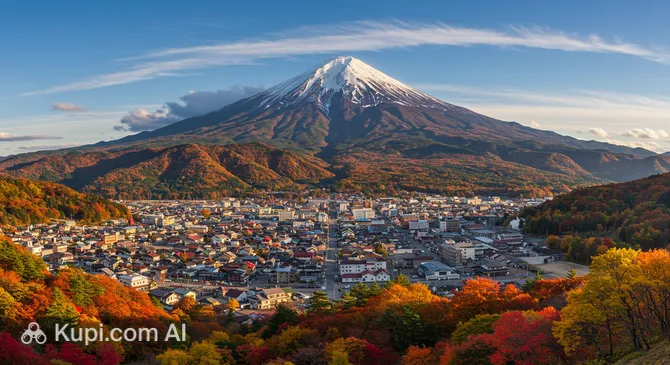
Daisen. Illustration.
Source: Kupi.com AI

With a population of around 76,000 people, Daisen maintains an atmosphere of coziness and hospitality without losing its status as a significant cultural and tourist center for the region. It is easy to feel at home here: locals take pride in their history, love sharing legends, and are always ready to help guests discover new facets of Japanese culture.

Daisen is famous for its calm, peaceful atmosphere, where everyone can find something to their liking. In summer, people come here for walks through pristine beech forests; in autumn, for the splendor of golden and crimson foliage; and in winter, for the powdery snow and skiing adventures. It is here that you can truly feel that nature is not just a backdrop, but the main character of your journey.

Why visit Daisen? For its unique combination of picturesque mountain landscapes, rich cultural life, and the opportunity to visit places where time seems to slow down, allowing you to enjoy every moment. It is an ideal destination for nature lovers, outdoor enthusiasts, and those seeking harmony away from the hustle and bustle of major metropolises.

You can find more interesting facts on the Daisen city history page.

Weather Overview

The weather in Daisen offers travelers a variety of conditions throughout the year. Expect a warm summer with fairly frequent precipitation, with average daytime temperatures ranging from 20.7°C in June to 26.5°C in August. Winters here are cool and also humid, with average temperatures ranging from 4.6°C in January to 6.5°C in December, and a significant number of rainy days, especially in December (23 days) and January (22 days). July also stands out for its high humidity and rainfall (8 mm, 17 rainy days). You can learn more on the Daisen Climate page.

Average monthly temperature

Average monthly precipitation

Interesting Facts

In addition to its picturesque landscapes and rich history, Daisen hides many surprising details that make it a truly special place. Here are just a few of them:

  • Mount Daisen, which gave the city its name, is not only the highest point in the Chugoku region (1,709 meters) but also one of the three greatest peaks in Japan according to NHK, surpassed only by Fuji and Yari. Notably, its shape resembles the famous Mount Fuji, but there are far fewer tourists here, allowing you to enjoy pristine nature.

  • In ancient times, Mount Daisen was revered as a sacred site and was off-limits to ordinary people. Only monks practicing mountain Buddhism were allowed to climb it, which gave the mountain a special aura of mystery that can still be felt today on its ancient trails.

  • Every year on the first Sunday of June, Daisen hosts a vibrant festival marking the opening of the summer climbing season. This event attracts thousands of outdoor enthusiasts and introduces them to local culture.

  • Local legends are full of stories about the spirits of Mount Daisen, who residents believe protect travelers and bring luck to those who treat nature with respect. Ancient rituals of worshipping the mountain and the elements are still preserved here today.

How to Get There

There are several ways to reach the city of Daisen, and the best choice depends on your location and preferences. The main transport hubs through which tourists usually enter the region are the nearest airports.

The closest airport to Daisen is Miho Airport (YGJ), located in the city of Yonago, only about 23 km away. A trip from there to the center of Daisen by taxi or local transport will take approximately 50-60 minutes. This is a small airport, convenient for regional travel. Another option is Izumo Airport (IZO), located in the city of Izumo, about 56 km from Daisen. The journey from this medium-sized airport to Daisen takes about 1.5 hours. For those looking for more flight options, including from more distant regions, Okayama Airport (OKJ) is worth considering. It is located in Okayama city, about 90 km from Daisen, and is a larger transport hub. The journey from Okayama Airport to Daisen can take about 2-2.5 hours by car or using public transport.

For clarity, here is a summary of the main airports serving the Daisen area:

AirportPassenger trafficDistance
Miho Airport463 25223 km
Izumo Airport1.0 mln56 km
Tottori Airport401 79661 km
Oki Airport127 59776 km
Okayama Airport1.4 mln90 km

Regarding rail connections, there are no major railway stations in the immediate vicinity of Daisen. However, if you prefer traveling by train, you might consider arriving at Fukai Station. This large railway station is located in the city of Sakai, but it is at a significant distance from Daisen—approximately 213 km. From there, an additional transfer by local train or bus will be required, which could take several hours. Travelers planning to reach Daisen by rail are recommended to research routes and schedules for local lines from Japan's larger transport hubs in advance.

Information on railway stations:

Main Attractions

Daisen offers its guests a unique combination of natural beauty and cultural heritage. One of the city's main gems is undoubtedly Mount Daisen. This majestic mountain, sometimes called "Hoki Fuji" due to its conical shape, is part of the Daisen-Oki National Park. Tourists are drawn to its numerous hiking trails of varying difficulty, leading to breathtaking viewpoints that offer panoramic views of the surrounding landscapes and the Sea of Japan. In spring and summer, the mountain slopes are covered with alpine flowers, while in autumn, they turn vibrant shades of crimson and gold, making it an ideal spot for nature lovers and photographers.

At the foot of Mount Daisen lies the ancient and revered Daisen-ji Temple. This Buddhist temple, with a history spanning over 1,300 years, is considered one of the most important spiritual centers in the region. Visitors can explore its historical buildings, admire the exquisite architecture, and enjoy the tranquil atmosphere. Daisen-ji often serves as the starting or ending point for those climbing the mountain, offering a moment for reflection and a connection to Japan's rich culture.

For a more relaxed experience and a taste of local produce, it is worth visiting the Daisen Makiba Milk no Sato (Daisen Milk Village). This popular spot, especially for families with children, offers a chance to enjoy the freshest dairy products, including their famous soft-serve ice cream made from the milk of cows grazing on alpine meadows. Besides tastings, you can interact with animals, visit restaurants serving local cuisine, and buy souvenirs. The ranch offers magnificent views of Mount Daisen, making it a wonderful place for a picnic or simply spending a pleasant time outdoors.

Another interesting location is the Daisen Art Museum. It often hosts exhibitions dedicated to both local artists and artworks inspired by the nature of Mount Daisen and its surroundings. This is an excellent place for those who want to better understand the cultural context of the region and see how natural beauty inspires creativity. The museum offers a quiet and educational alternative to active recreation on the mountain.

Local Cuisine

Daisen is a true gastronomic paradise, capable of surprising even the most discerning gourmet. Thanks to its location by the Sea of Japan and its fertile lands, the local cuisine is abundant with fresh seafood, wild mushrooms, mountain vegetables, and, of course, the famous beef.

You must try the "Daisen Wagyu" beef, which is famous for its exceptional marbling and rich flavor. One of the popular ways to prepare it is "shabu-shabu." Local restaurant menus also feature soups with seasonal vegetables, aromatic rice cakes made according to ancient recipes, and dishes made from fresh trout and eel caught in mountain streams. These delicacies reflect the richness of the region's nature.

Traditional Japanese drinks, such as sake and a variety of teas, perfectly complement the local dishes. Restaurants and cafes offer a wide selection of both alcoholic and non-alcoholic beverages that will enhance the taste of your chosen meal.

The food culture in Daisen is diverse. Locals and tourists can enjoy exquisite dishes in restaurants specializing in Daisen Wagyu or fresh seafood. Cozy stalls are often found on the city streets, where you can snack on local vegetable treats or try rice- and bean-based sweets. Farm markets offer a special charm—they are a true gastronomic adventure where you can buy fresh fruit, honey, homemade pickles, and marinated vegetables directly from the producers.

Daisen's culinary life is closely tied to the seasons. In autumn, vibrant harvest festivals take place where you can taste dishes made from new rice varieties and fresh vegetables. In winter, after walking along the snowy slopes, it is especially pleasant to warm up at festivals featuring hot soups and local beef dishes. These seasonal events allow for a deeper immersion into the region's culinary traditions.

Travel Tips

Planning a trip to the charming town of Daisen at the foot of the majestic mountain? To make your journey through this picturesque corner of Japan as comfortable and pleasant as possible, we have prepared some practical tips.

  1. Seasonal Clothing and Useful Items:

    The climate in Daisen, as in all of Tottori Prefecture, has distinct seasonality. In summer (June-August), it is warm and humid, so bring light, breathable clothing. In winter (December-February), it can be cold and snowy, especially if you plan to head up Mount Daisen—don't forget a warm jacket, hat, and gloves. Spring and autumn are lovely times to visit with moderate temperatures, but layering is recommended. Comfortable shoes are extremely important for walking around the city and along nature trails. Don't forget an adapter for Japanese electrical outlets (Type A and B). When visiting temples and shrines, choose modest clothing that covers shoulders and knees.

  2. Getting Around the City and Surroundings:

    In Daisen itself, the main form of public transport is the bus. For a more detailed exploration of the surroundings, including Mount Daisen and the coast, a rental car may be convenient. Remember that Japan has left-hand traffic, and you will need an International Driving Permit. Taxis are available but are generally a more expensive way to get around. A bicycle can also be a good option for leisurely rides through town.

  3. Financial Matters: Yen and Cards:

    The official currency is the Japanese Yen (JPY). Despite the growing popularity of bank cards, cash is still very important, especially in small shops, cafes, and some ryokans (traditional inns). You can exchange currency at banks or post offices. ATMs that accept international cards can most often be found in post offices and 7-Eleven convenience stores. Check with your bank regarding the terms for using cards abroad. Tipping is not practiced in Japan and may be perceived as a misunderstanding.

  4. Health and Safety: Peace of Mind:

    Daisen, like Japan in general, is a very safe place. However, standard precautions never hurt. Pharmacies (薬, "kusuri" or ドラッグストア, "doraggu sutoa") are easy to find, but not all operate 24/7. It is advisable to have a basic first-aid kit with you. Be sure to obtain travel medical insurance before your trip. In emergencies, you can visit local hospitals, but be prepared for a potential language barrier.

  5. Language and Connectivity: Staying in Touch:

    The official language is Japanese. The level of English proficiency among the local population may be limited, especially outside of tourist sites. Learn a few basic phrases: "konnichiwa" (hello), "arigato" (thank you), "sumimasen" (excuse me/sorry). For convenience in communication and navigation, it is recommended to purchase a local SIM card or rent a pocket Wi-Fi router upon arrival in Japan. Free Wi-Fi is available in some hotels and public places.

  6. Local Etiquette: Respect Traditions:

    Japanese people highly value politeness and respect for traditions. Greetings are usually accompanied by a bow. In public places, especially on transport, try to speak quietly. Remove your shoes when entering homes, temples, and some traditional restaurants. There are certain rules for using chopsticks (for example, do not stick them vertically into rice). Showing respect for local customs will make your interactions with Daisen residents more pleasant.

  7. What to Avoid in Daisen:

    Try not to talk loudly on the phone in public places, especially on transport. Do not eat or drink while walking unless it is in designated areas (e.g., at festivals). Also, as mentioned earlier, avoid leaving tips, as this is not customary and can cause confusion.

  8. Additional Tip: Explore Mount Daisen:

    Mount Daisen is the main attraction of the region. Depending on the season, you can enjoy hiking, admire autumn colors, or go skiing in winter. Be sure to check the weather forecast and trail conditions before your hike. It is also worth trying local delicacies, such as dairy products from Daisen farms or Daisen G Beer.

We hope these tips help you better prepare for your trip and get the most out of your stay in beautiful Daisen. We wish you an unforgettable journey!

Entertainment & Nightlife

Nightlife in Daisen offers its own, more peaceful and authentic experience compared to Japan's bustling metropolises. Here, you won't find rows of neon-lit clubs, but you can immerse yourself in a true local atmosphere, enjoying an evening in traditional Japanese style. Evening entertainment in Daisen is more about comfort, delicious food, and heartfelt conversation.

The foundation of evening leisure in Daisen consists of izakayas—traditional Japanese pubs. These are ideal places to try local dishes, sake, shochu, or Japanese beer in a relaxed setting. The atmosphere in an izakaya is usually very welcoming, attracting both locals and tourists. The style of these establishments ranges from very simple and homey to more modern. In addition to izakayas, you can find small bars and restaurants that stay open until late evening, offering a variety of Japanese cuisine. Nightlife is not concentrated in specific districts but is rather scattered throughout the central part of the city or near major hotels. The dress code is usually casual and relaxed.

While Daisen is not famous for a large number of major European-style nightclubs, you can always find the charm of local evening culture here. Rather than looking for specific club names, which are few and far between, we recommend focusing on traditional izakayas and cozy local bars. Often, the best places are those popular with Daisen residents themselves. Don't hesitate to ask for advice at your hotel or from locals—they will surely point you toward a few great establishments where you can spend a pleasant evening. Finding such places can be a small adventure in itself!

When planning an evening out, keep in mind that many izakayas begin to fill up in the early evening. Public transport can be limited at night, so it's worth considering a taxi in advance. You can usually call a taxi through the hotel reception or find them at designated stands. Regarding safety, Daisen, like most cities in Japan, is a very safe place for evening walks. Nevertheless, you should always follow standard precautions. Average prices in local establishments are quite moderate, especially compared to the capital.

By day, Daisen offers entirely different entertainment. The city and its surroundings are famous for their nature, primarily Mount Daisen, which is part of a national park. Here, you can visit temples, small museums dedicated to local history and crafts, or simply enjoy walks in the fresh air. These daytime activities contrast perfectly with the quiet and cozy evenings, allowing you to form a complete impression of life in this corner of Japan.

Parks & Museums

Daisen is a place where majestic nature and rich cultural heritage create unique opportunities for relaxation. The city and its surroundings offer both vast green spaces for solitude with nature and interesting venues for exploring the region's art and history.

For nature lovers, Daisen-Oki National Park remains a key destination. Its extensive park area around Mount Daisen offers a wide network of hiking trails, allowing you to enjoy picturesque landscapes, especially during the changing seasons. Another wonderful place for outdoor relaxation is the Daisen Makiba Milk no Sato ranch. Here, visitors can enjoy fresh local products while admiring magnificent panoramic views of Mount Daisen, making it an ideal spot for peaceful leisure and learning about local farming.

Daisen's cultural life is equally diverse. A special place is held by the Daisen Art Museum, which features works inspired by the beauty of Mount Daisen, as well as pieces by local and national artists. The museum's exhibitions allow for a deeper understanding of the region's creative spirit. Meanwhile, the historical Daisen-ji Temple, located on the mountain slopes, can be seen as a kind of open-air museum. Its ancient buildings, statues, and relics tell a centuries-old story and are an important part of the cultural heritage, offering visitors an immersion into the area's spiritual traditions.

For a deeper immersion into the atmosphere of Daisen, explore the small craft workshops at the foot of the mountain, where you can learn about traditional trades. Also, look out for local seasonal festivals, which often take place in park areas and offer a unique look at the culture and lifestyle of the residents.

Getting Around

Getting around Daisen and its surroundings is possible via public transport, which, as in many Japanese cities of this size, consists mainly of buses and trains. The system is not as extensive as in major cities, but it is convenient enough for tourists wishing to explore the region.

The main types of public transport in Daisen are local buses and trains operated by the JR West railway company. Buses run throughout the city and connect it with nearby settlements and tourist attractions, including the access points to Mount Daisen. Trains are convenient for longer trips within Tottori Prefecture and to other regions. Schedules, especially for buses, should be checked in advance, as the frequency of trips can be low, particularly in the evenings and on weekends.

Payment for bus travel is usually made in cash (it's best to have coins ready) upon boarding or exiting, depending on the specific operator's system. Additionally, rechargeable IC transport cards (such as ICOCA, Suica, Pasmo) are common in many regions of Japan and may be accepted on local buses—this should be confirmed locally. Train tickets are purchased at stations from vending machines or ticket offices. Fares depend on the distance traveled. There may not be specialized tourist passes specifically for the city of Daisen, but regional JR Passes may be valid if your trip covers a wider area.

Tourists are advised to plan their routes in advance using online maps or apps with Japanese transport schedules. Bus tickets are often purchased directly from the driver upon boarding (if payment is at the entrance) or upon exiting (payment at the exit, sometimes you need to take a numbered zone ticket when entering). For trains, tickets must be purchased before boarding and kept until the end of the journey for inspection at the exit. Public transport usually begins operating early in the morning and finishes in the evening; night routes in small cities are generally non-existent.

As an alternative to public transport in Daisen, you can use taxi services. Taxi stands are usually located near railway stations and major tourist sites. For greater freedom of movement, especially if you plan to explore the natural beauty around Mount Daisen, you might consider renting a car. Bicycle rentals may be available in tourist areas and are suitable for leisurely short-distance rides.

Accommodation

When planning a trip to Daisen, you will find a variety of accommodation options to suit different preferences and budgets. The city and its surroundings offer traditional Japanese inns (ryokans), family guesthouses (minshuku), and more modern hotels, allowing every traveler to find something to their liking.

In Daisen and the surrounding areas, especially at the foot of Mount Daisen, ryokans are popular for immersing oneself in local culture and enjoying hospitality, while minshuku offer a more budget-friendly authentic experience. More familiar Western-style hotels are also available, offering comfortable stays with all amenities. Some accommodation options cater to outdoor enthusiasts, providing easy access to hiking trails and the natural attractions of Daisen-Oki National Park. The choice of area to stay often depends on your plans: if your main goal is climbing Mount Daisen or exploring the park, you should consider options located closer to these sites.

The price range varies from economical guesthouses to more expensive ryokans with full board and access to onsens (hot springs). You can book accommodation through popular international and local online platforms or directly on hotel websites. Especially during peak tourist seasons, such as the cherry blossom season in spring or the autumn foliage (momiji) period, it is recommended to book your accommodation well in advance to ensure the best choice and most favorable prices.

Nearby Cities

For those who want to explore the surrounding area, Daisen serves as an excellent starting point for day trips to several interesting nearby locations:

CityPopulationDistance
Hoki10 49116 km
Kotoura16 16718 km
Yonago147 21018 km
Hokuei14 01024 km
Sakaiminato32 50324 km

Among these cities, the following stand out: the nearby Yonago, which is a convenient base for exploring Mount Daisen and the Sea of Japan coast, including the popular resort of Kaike Onsen. A trip to Matsue will allow you to see one of the few surviving medieval castles in Japan and walk through the picturesque samurai district along the canal. Meanwhile, the city of Tottori is famous for its impressive sand dunes, the largest in Japan, and the unique Sand Museum, whose exhibitions change every year.

These nearby destinations provide a more complete picture of the diverse culture, history, and natural landscapes of Tottori Prefecture and neighboring regions, making your trip to Daisen even more rewarding.

Shopping & Souvenirs

Shopping in Daisen offers a cozy and authentic experience rather than the glitz of major shopping centers. The city and its surroundings are famous for local products, especially those related to Mount Daisen, such as dairy goods, beer, and meat delicacies. Here you will find unique souvenirs and goods that reflect the natural beauty and culture of the region.

Daisen does not have massive dedicated shopping districts like major metropolises. Most shops catering to tourists and locals are concentrated near main transport hubs, such as the railway station, as well as along the city's central streets. These are generally small family-run shops and specialty stores.

Large, modern shopping malls are not a characteristic feature of Daisen. Instead, you may find small shopping arcades or individual stores offering a wide range of goods. For more extensive shopping, you may need to travel to larger cities in Tottori Prefecture.

While Daisen may not have large, permanent markets known nationwide, it is worth looking out for seasonal fairs or small weekend markets where local farmers and artisans sell their products. Here you can find fresh vegetables, fruit, local cheeses, honey, and other delicacies from the Daisen region.

Local gastronomic specialties are particularly popular as souvenirs from Daisen. Be sure to try and bring home the famous Daisen G Beer or Daisen Ham. Dairy products made from the milk of cows grazing on the fertile slopes of Mount Daisen—such as cheeses, yogurts, or delicious ice cream—are also highly valued. Other memorable gifts include crafts such as ceramics or wooden items featuring images of Mount Daisen, as well as traditional Japanese sweets (wagashi) using local ingredients. If your visit involved outdoor activities, themed souvenirs or even pieces of gear would also serve as a good reminder of the trip.

Most shops in Daisen operate from approximately 10:00 to 19:00 or 20:00, though small private shops may have their own more flexible schedules, including a day off in the middle of the week. As for payment, cash (Japanese yen) is still widely used and preferred in many small shops and markets. Credit cards are accepted in larger stores, hotels, and some tourist sites. It is recommended to always carry some cash with you.

Tourists in Japan can take advantage of the Tax-Free shopping system on many goods. Look for stores with the corresponding "Tax-Free Shopping" logo. Usually, to claim a tax refund, you must make a purchase of a certain minimum amount in one store on a single day and present your passport. Conditions may vary slightly, so check the details directly at the store.

Reached the end of the page?

That means the route is fully explored