Support

Mimasaka

About

Mimasaka is a charming town nestled in the northeast of Okayama Prefecture in Japan, surrounded by picturesque hills and green valleys. It sits on the site of the ancient province of Mimasaka-no-Kuni, which gives it a special historical character and an atmosphere of bygone eras. With a population of about 25,000, Mimasaka maintains the peace and tranquility typical of the Japanese countryside, offering guests a break from the hustle and bustle of big cities.
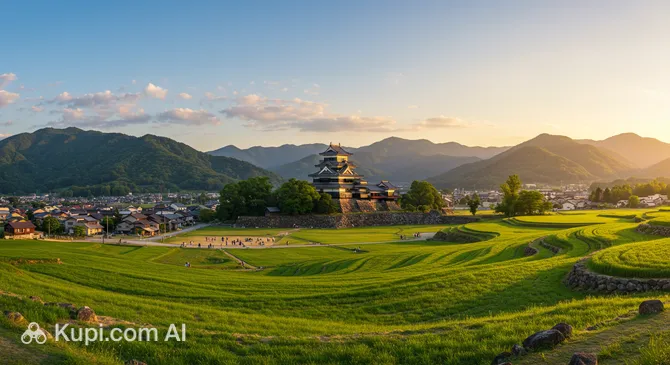
Mimasaka. Illustration.
Source: Kupi.com AI

One of the main features of Mimasaka is the wonderful combination of antiquity and modern Japanese provincial life. Here, you can stroll through preserved samurai quarters, visit ancient temples, and enjoy the beauty of cozy gardens, which are especially stunning in spring during the cherry blossom season and in autumn when the leaves turn vibrant colors. The city is also famous for its hot springs (onsens), where you can relax and rejuvenate.

Mimasaka attracts travelers seeking an authentic experience and the opportunity to immerse themselves in true Japanese culture away from the popular tourist routes. It is an ideal place for those who appreciate silence, beautiful landscapes, leisurely walks through streets where the past and present harmoniously coexist, and the chance to taste genuine local cuisine. If you want to discover a different Japan, one that is soulful and calm, Mimasaka will be a real find for you.

You can find more interesting facts on the Mimasaka city history page.

Weather Overview

The weather in Mimasaka is characterized by notable seasonal changes. Summer, especially in July and August, is warm here, with average temperatures reaching 25-26°C and maximum values around 28-29°C. This period also sees the highest amount of rainfall, particularly in July. Winters, from December to February, are cool, with average temperatures around 2-4°C and nighttime frosts, while rainfall is minimal. Spring and autumn offer mild and comfortable weather. Overall, expect warm, humid summers and cool, drier winters. For more detailed information, check the weather in Mimasaka data.

Average monthly temperature

Average monthly precipitation

Interesting Facts

Mimasaka is not just a charming city in Okayama Prefecture, but also a place that holds many fascinating secrets and little-known facts that can surprise even the most seasoned traveler.

  • The city of Mimasaka shares its name with an ancient historical province, highlighting its significance as an important regional center through which key trade routes passed in olden times.

  • Honen, the revered founder of the Jodo-shu school of Buddhism, was born here. His teachings continue to influence the spiritual life of Japan to this day. Tanjo-ji Temple, built on his birthplace, is recognized as a national treasure.

  • In Mimasaka, you can discover unique preserved samurai quarters, as well as archives from the mid-19th century that document some of the first examples in Japan of implementing a Western-style educational system.

  • The Mimasaka region is steeped in legends and lore about samurai and the high art of swordsmanship. This rich heritage is celebrated annually through colorful festivals dedicated to ancient martial arts and traditional crafts.

How to Get There

When planning a trip to this picturesque corner of Japan, it is important to think about the route in advance. Although the city does not have its own airport, the region's well-developed transport infrastructure makes it easy to get here via nearby major hubs. You can find all the ways to get to the city in more detail on a special page, but below we will look at the main options.

The most convenient option for most tourists is Okayama Airport (IATA: OKJ). It is located in Okayama City, approximately 39 km from Mimasaka. This is a modern transport hub with average passenger traffic, handling both domestic and some international flights. The journey from the airport to Mimasaka by taxi or rental car takes about 60 minutes. You can also take a bus to Okayama Railway Station and then transfer to a train or bus to your destination.

As an alternative, you can consider Tottori Airport (IATA: TTJ), located in Tottori City at a distance of about 58 km. This is a small but cozy airport, convenient for those traveling from the Sea of Japan coast. Another option for long-distance flights is the large Takamatsu Airport (IATA: TAK), located 89 km away on Shikoku Island. Despite the greater distance, it offers a wide range of flights and good connections to mainland Japan.

For clarity, here is a summary of the main airports:

AirportPassenger trafficDistance
Okayama Airport1.4 mln39 km
Tottori Airport401 79658 km
Tajima57 19481 km
Takamatsu Airport2.5 mln89 km
Miho Airport463 25298 km

In addition to air travel, you can reach Mimasaka by land. The city is served by the JR Kishin railway line, which connects it to major cities in the region. Traveling by train allows you to enjoy scenic views of the Japanese countryside. Intercity buses are also available from Okayama and Osaka, making the trip comfortable and budget-friendly.

Main Attractions

Mimasaka, a city in Okayama Prefecture, offers visitors several interesting spots reflecting both traditional culture and modern hobbies. Here, everyone will find something to their liking, from relaxing hot springs to exciting sporting events.

One of Mimasaka's main attractions is Yunogo Onsen. This famous hot spring resort has a history of over 1,200 years. According to legend, its healing waters were discovered by a Buddhist monk who saw a white heron healing its wounds in the water. Today, Yunogo Onsen attracts tourists with the opportunity to stay in traditional Japanese inns (ryokans) and public baths, enjoying the tranquility and health benefits of the water. It is a wonderful place to experience Japanese onsen culture.

For motorsport enthusiasts, the key site in Mimasaka is the Okayama International Circuit. This world-class track previously hosted Formula 1 races and other prestigious competitions. Visitors can witness exciting racing events and sometimes even get the chance to test the track during special events. The Okayama International Circuit is an iconic place for all fans of speed.

Travelers with children and lovers of unusual collections should visit the Japan Museum of Contemporary Toy & Hall of Music Box. The museum features an extensive collection of toys from all over the world, ranging from antique Japanese pieces to modern ones, as well as an impressive collection of music boxes from various eras. This place gives adults nostalgic memories and children the joy of discovery, offering a fascinating journey into the world of games and melodies.

Local Cuisine

The culinary world of Mimasaka is a true immersion into the traditions and flavors of the Okayama region. The city is proud of its fertile lands, which yield amazing products that form the basis of the local cuisine. A particular point of pride is the juicy peaches and fragrant Muscat grapes. These can be tasted fresh, straight from farmers' markets, or as part of delicious desserts offered by local cafes. These fruits are the region's calling card and a must-try item.

In Mimasaka, it is worth paying attention to dishes made from local beef, which is famous for its tenderness and flavor. Fresh river fish and seasonal vegetables prepared with exceptional Japanese skill are also popular. Be sure to try traditional Japanese soups and rice dishes, which are often prepared according to old recipes passed down through generations. Many small family restaurants will offer you unique homemade treats that preserve the warmth of family traditions.

Street food lovers will also find something to enjoy in Mimasaka. Stalls often sell appetizing yakisoba (fried noodles with vegetables and meat) or taiyaki—charming fish-shaped cakes with various fillings, most often sweet red bean paste (anko). Stop by the farmers' markets: here you will find not only the freshest fruits and vegetables but also homemade pickles, traditional Japanese sweets, and the famous Japanese tea grown on nearby plantations.

The food culture in Mimasaka is closely tied to seasonality and respect for local products. Various gastronomic festivals are held in the city throughout the year. This is a great opportunity not only to taste many local delicacies but also to get closer to the culinary traditions of the region, and sometimes even participate in masterclasses to learn the secrets of preparing Japanese dishes firsthand.

Travel Tips

Planning a trip to the charming city of Mimasaka? To make your journey through this corner of Japan smooth and enjoyable, we have prepared some practical tips to help you better navigate the area.

  1. Clothing and Essentials:

    The climate in Mimasaka, as in all of Japan, is characterized by four distinct seasons. In summer (June-August), choose light and breathable clothing. In winter (December-February), you cannot do without a warm jacket, hat, and gloves. Spring and autumn offer mild weather, ideal for layered clothing. It is extremely important to bring comfortable walking shoes. Don't forget a universal power adapter (Japan uses Type A and B sockets). When visiting temples and shrines, opt for modest clothing that covers shoulders and knees.

  2. City Transport:

    Mimasaka is a relatively small city, so the main form of public transport here is local buses. Schedules may not always be convenient for tourists, so check them in advance. Taxis are available but can be quite expensive. If you plan to explore the surrounding Okayama Prefecture, including picturesque rural areas or onsens (hot springs), renting a car can be a great option. You will need an international driving permit for this.

  3. Financial Matters:

    The official currency is the Japanese Yen (JPY). It is recommended to exchange some money in advance or upon arrival at major airports, as currency exchange points may be limited in small towns like Mimasaka. Credit and debit cards are accepted in many hotels, large stores, and restaurants; however, cash remains king, especially in small establishments, local markets, and when paying entrance fees at some temples. ATMs that accept international cards can usually be found at post offices (Japan Post Bank) and 7-Eleven stores. Tipping is not customary in Japan—good service is considered the norm.

  4. Health and Safety:

    Pharmacies (薬局 - yakkyoku) are available in Mimasaka, but the staff may not always speak English. Basic over-the-counter medicines can be purchased. In case of serious health problems, it is better to go to large hospitals in more significant cities; be sure to take out travel insurance. Mimasaka, and Japan in general, is a very safe place. Standard precautions, such as keeping an eye on your personal belongings, will be sufficient.

  5. Communication and Connectivity:

    The primary language is Japanese. The level of English proficiency among the local population in small towns like Mimasaka may be low, especially among the older generation. Staff in hotels and tourist sites may know basic English. Learn a few simple phrases in Japanese: "konnichiwa" (hello), "arigato" (thank you), "sumimasen" (excuse me/sorry). It is highly recommended to purchase a tourist SIM card or rent a pocket Wi-Fi router for constant internet access. Free Wi-Fi may not be available everywhere.

  6. Local Etiquette:

    The traditional greeting in Japan is a bow, but a slight nod of the head from a foreigner is usually accepted. In public places, especially on transport, try to be quiet and avoid talking loudly on the phone. You must remove your shoes when entering Japanese homes, some temples, traditional restaurants (ryotei), and inns (ryokans). When paying in shops or restaurants, it is customary to place money on a small tray rather than handing it directly to the cashier.

  7. Things to Avoid:

    Never stick your chopsticks vertically into a bowl of rice—this is associated with funeral rituals and is considered bad manners. Also, try not to eat or drink while walking in public places, unless it is a designated area (for example, at festivals).

  8. Special Tip for Mimasaka:

    Mimasaka and its surroundings are famous for their onsens (hot springs), such as Yunogo Onsen. Before visiting, be sure to familiarize yourself with onsen etiquette: you must wash thoroughly before entering the communal bath, and bathing is done without clothing. This is a unique experience that will allow you to dive deeper into Japanese culture.

We hope these tips help you better prepare for your trip to Mimasaka and enjoy every moment in this peaceful corner of Japan. We wish you an unforgettable and comfortable journey!

Entertainment & Nightlife

Mimasaka, a cozy city in Okayama Prefecture, offers its guests a quiet and authentic evening leisure experience, distinct from the noisy nightlife of megacities. Here, you won't find massive nightclubs or entire blocks glowing with neon until dawn, but you can immerse yourself in the local atmosphere and have a pleasant time.

Evening entertainment in Mimasaka is mainly centered around traditional Japanese establishments. Izakayas—Japanese pubs—are popular, where you can enjoy a variety of snacks, local sake, or beer in a relaxed setting. Many of them offer dishes made from fresh local ingredients. You can also find small restaurants open until late serving Japanese cuisine. The atmosphere in such places is usually very welcoming and friendly, with a mostly local crowd. The dress code is generally casual.

The main points of evening activity are likely to be concentrated in the central part of the city or in the area of the famous Yunogo Onsen, where it is pleasant to sit in a cozy establishment after relaxing treatments. The best time to visit is in the evening, after 6:00 PM or 7:00 PM. Prices in local establishments are usually moderate, especially compared to the major tourist centers of Japan. If you are looking for something more active, you might come across karaoke bars—a popular pastime for Japanese people of all ages.

Getting around Mimasaka in the evening and at night is most convenient on foot if your accommodation and chosen venue are close to each other. Otherwise, you can use a taxi. It is recommended to have your destination address written in Japanese or use a map on your smartphone. The city, like most places in Japan, is considered very safe, so evening walks are generally worry-free.

While Mimasaka is not famous for loud nightclubs, there are charming places for evening relaxation. Look out for traditional izakaya pubs serving local snacks and drinks. Small family restaurants open late are also popular, as are local karaoke bars where you can have fun with friends. Instead of searching for specific "trendy" spots, it's better to focus on discovering authentic local gems.

During the day, Mimasaka also offers interesting leisure options. The city is known for the Okayama International Circuit (formerly TI Circuit Aida), which hosts various racing events. Culture lovers can visit the Japan Museum of Contemporary Toy & Hall of Music Box. And, of course, the main attraction is the Yunogo Onsen district, where you can relax in hot springs. The city's surroundings also boast beautiful nature suitable for leisurely walks.

Parks & Museums

Mimasaka, a charming city in Okayama Prefecture, offers its guests not only healing hot springs but also wonderful opportunities to experience nature and immerse themselves in local culture through its parks and museums. It is a place where you can find peace and discover something new.

Nature lovers will appreciate Mimasaka's green spaces. One such place is Yunoyama Furusato Park, located in the Yunogo Onsen resort area. This park is particularly attractive for walks, offering beautiful views and the chance to enjoy the changing seasons—from cherry blossoms to autumn colors. Furthermore, the Yunogo Onsen resort area itself and its surroundings are rich in scenic trails where you can enjoy the beauty of Japanese nature and clean mountain air, perfectly complementing a wellness holiday.

Mimasaka's cultural life is also diverse. For a family visit, the Japan Museum of Contemporary Toy & Hall of Music Box in Yunogo is excellent. It features a fascinating collection of toys from different eras and the magical world of music boxes, which will interest both children and adults. Art connoisseurs should stop by the Sakuto Museum of Art / Sakuto Chado Museum, where you can see works by local and Japanese artists and learn more about the traditions of the tea ceremony. Historical monuments like Chofukuji Temple should not be missed either. Its famous three-story pagoda is an important cultural asset and attracts those interested in ancient Japanese architecture.

For those seeking authentic experiences, we suggest visiting local craft shops where you can find unique souvenirs or trying seasonal delicacies in small restaurants tucked away on quiet streets. Sometimes it is these inconspicuous places that provide the brightest memories of a trip to Japan.

Getting Around

In the city of Mimasaka, as in many Japanese cities of a similar size, the main emphasis of the public transport system is on bus services. This is the most common way to get around the city itself and its immediate surroundings. For longer trips, for example, to other locations in Okayama Prefecture, local trains may also be available if there is a railway station in Mimasaka.

The bus network typically connects key areas of Mimasaka, including residential neighborhoods, shopping areas, and potential tourist sites. Bus routes and schedules can generally be found at stops, and sometimes on the websites of local transport companies or tourist information centers. Note that in small towns, buses may not run as frequently as in major cities.

The fare payment system for buses in Japanese regions usually involves paying in cash directly to the driver upon exiting or entering (depending on the type of bus). Often, when entering through the rear door, you take a ticket with a zone number, and payment is made upon exiting through the front door, based on the distance. It is recommended to have small coins with you, as the change machine may not always handle large bills. In some regions of Japan, IC transport cards (like Suica, Pasmo, ICOCA) are common, but their acceptance on buses in a small city like Mimasaka should be checked locally.

Tourists should keep a few practical points in mind. To get off at the desired stop, you must press a special signal button located on the handrails or walls of the cabin in advance. Buses usually follow their schedules very strictly. Transport operating hours may be limited, especially in the evening and on weekends or holidays, so it is always useful to plan your trips in advance and check the current schedule.

As an alternative to public transport, taxis are always available in Mimasaka. They can be found at designated stands, for example, at stations (if any) or major hotels, or called by phone. Taxis offer a higher level of comfort and speed but are a more expensive way to travel. This can be a convenient solution for trips with luggage or if you are traveling in a small group.

For exploring the city of Mimasaka itself and its nearby picturesque surroundings, renting a bicycle can be an excellent option. Many Japanese cities have rental points, allowing you to move at your own pace while enjoying the views. If your plans include actively exploring Okayama Prefecture and its remote corners, you should consider renting a car, which will provide maximum freedom of movement.

Accommodation

In the city of Mimasaka, travelers will find various accommodation options to suit different preferences and budgets. You can find traditional Japanese inns (ryokans), more modern hotels, and guest houses. The choice of accommodation allows you to immerse yourself in the local culture or enjoy familiar comforts.

For tourists who want to be in the heart of things or have easy access to transport hubs, it is recommended to choose accommodation near the main attractions or railway stations, if any are available in the city. While specific neighborhoods for staying may vary in popularity, many hotels in Mimasaka offer a good combination of convenience and an authentic experience, especially ryokans, which are often located in picturesque spots. In the city, you can find both small family-run inns and mid-range hotels.

When planning your trip, especially during peak tourist season, it is worth arranging your booking in advance. Prices can range from budget-friendly options to more expensive offers, depending on the level of comfort and the services provided. You can conveniently book accommodation through popular online platforms or directly on hotel websites. This approach will allow you to compare prices and choose the most suitable option for your trip to Mimasaka.

Nearby Cities

For those who want to explore the surrounding area, Mimasaka serves as an excellent starting point for day trips to several interesting nearby locations:

CityPopulationDistance
Shoo10 9335 km
Tsuyama99 41015 km
Sayo15 50819 km
Kagamino11 88222 km
Wake13 37323 km

These nearby destinations provide insight into the diverse culture and landscapes of the region, complementing the experience of visiting Mimasaka.

Shopping & Souvenirs

Shopping in Mimasaka is more an opportunity to immerse yourself in the local atmosphere and find authentic goods than a hunt for famous brands. The city is not a major shopping center, but here you can purchase unique souvenirs, products from local craftsmen, and traditional food items that reflect the culture of the Okayama region.

The main shopping spots in Mimasaka are generally concentrated around the railway station and along the city's main streets. Here you will find small family-run stores, shops with local goods, and grocery stores offering everyday items and regional delicacies. The atmosphere here is more calm and leisurely than in the large shopping districts of megacities.

There are likely no large modern shopping malls in Mimasaka. Instead, you may encounter small local department stores or shopping arcades (shotengai) selling a variety of goods—from clothes and shoes to household supplies and souvenirs. These places are perfect for unhurried shopping and getting to know the daily lives of the townspeople.

Although Mimasaka is not famous for large markets, it's worth asking locals or the tourist information center about any temporary fairs or farmers' markets. At such markets, you can find fresh seasonal products, homemade preserves, and sometimes handmade crafts, which make excellent gastronomic souvenirs.

As souvenirs from Mimasaka and the Okayama region, you can bring back: Bizen-yaki pottery, known for its durability and natural beauty; local sweets such as kibi-dango (a type of mochi); and locally produced sake. Also, given the city's fame for its onsens (hot springs), souvenirs related to bathing culture—bath salts, themed towels, and mineral-water-based cosmetics—are popular. If you have visited the Okayama International Circuit, you can look for motorsport-related souvenirs.

Shops in Mimasaka usually operate from 10:00 AM or 11:00 AM until 7:00 PM or 8:00 PM. Small private shops may have individual schedules and a closing day during the week. As for payment, while credit cards are accepted in many places, especially those geared towards tourists, cash remains a very common means of payment. It is recommended to always carry a certain amount of cash, especially for purchases in small shops and at markets.

In Japan, there is a Tax-Free system for foreign tourists. If you make purchases of over 5,000 yen (excluding tax) in a single store that has the appropriate license (look for the "Tax-Free Shop" or "Japan Tax-free Shop" sign), you can claim a consumer tax refund. To do this, you will need to present your passport. In small towns like Mimasaka, the number of shops providing this service may be limited, but it is worth looking for the relevant signs.

Reached the end of the page?

That means the route is fully explored