Support

Naruto

About

Naruto is a wonderful city nestled in the northeast of Shikoku island, in Japan's Tokushima Prefecture. It is famous for its unique location on the coast, where the waters of the Seto Inland Sea meet the Pacific Ocean, forming the impressive Naruto Strait. With a population of about 55,000 people, the city maintains the tranquil atmosphere typical of Japanese provincial towns while serving as an important cultural and tourist hub for the region.
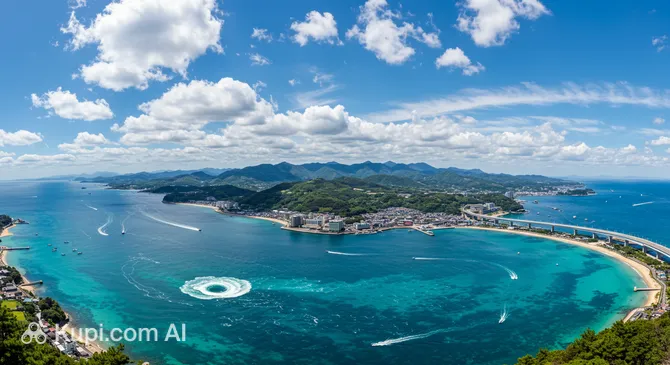
Naruto. Illustration.
Source: Kupi.com AI

The main "highlight" of Naruto that attracts tourists from all over the world is the famous Naruto whirlpools, which are considered among the most powerful and beautiful in the world. Witnessing this natural phenomenon is an unforgettable experience. In addition, the city is proud of the Otsuka Museum of Art — Japan's largest exhibition space, where you can see stunning reproductions of world-renowned masterpieces. For many travelers, Naruto is also significant as the starting point of the famous "88 Temples of Shikoku" pilgrimage route, one of the country's primary spiritual paths.

Naruto is a city that offers a unique blend of natural wonders, rich history, and modern entertainment. Here, it is easy to feel the harmony between tradition and innovation, while the hospitality of the locals will make your trip truly warm and memorable. We recommend visiting Naruto to discover this enchanting corner of Japan!

You can find more interesting facts on the Naruto city history page.
Weather Overview

The weather in Naruto is characterized by noticeable seasonal changes. Summer, particularly in July and August, is warm and humid, with average temperatures reaching 26-27.5°C and maximum values around 28-29.5°C. These months also see the highest rainfall, about 6-8 mm, with 15 to 17 rainy days. Winters, from December to February, are quite cool: the average temperature hovers around 6-8.5°C, with minimums around 4-6°C. Winter months are significantly drier, with precipitation around 2 mm and 7-9 rainy days. Spring and autumn are transitional seasons with moderate temperatures and rainfall.

In general, expect warm and humid summers with frequent rain and cool, relatively dry winters. To learn more details about the weather conditions by month, you can view detailed information about the Naruto climate.

Average monthly temperature

Average monthly precipitation

Interesting Facts

The city of Naruto, famous for its natural wonders and connection to the world-renowned anime, holds many surprising discoveries. Here are some interesting facts that will give you a new perspective on this corner of Japan:

  • The famous Naruto whirlpools are not just a beautiful sight, but a true natural phenomenon. Due to the unique seabed relief and powerful tidal currents in the Naruto Strait, whirlpools with diameters of up to 20 meters regularly form here. This breathtaking natural show is best observed from tour boats or from the specially equipped observation decks on the Onaruto Bridge.

  • Few know that Naruto is home to the Otsuka Museum of Art – the largest museum in Japan that exclusively exhibits reproductions of world-famous paintings. Here you can see exact replicas of famous works made on ceramic panels with striking detail, allowing you to take a sort of trip around the world through the best galleries without leaving the city.

  • Naruto plays an important role in the spiritual life of Japan as the starting and ending point of the famous pilgrimage route "88 Temples of Shikoku". The first temple (Ryōzen-ji) and the last temple (Okubo-ji) of this ancient path are located here, attracting many pilgrims and those seeking spiritual enlightenment and harmony.

  • For fans of popular culture, the city offers a special place – the Naruto Park theme park, dedicated to the cult manga and anime "Naruto". Here, visitors can immerse themselves in the atmosphere of the Hidden Leaf Village, take part in interactive quests, take photos with their favorite characters, and even try dishes inspired by the anime world.

How to Get There

Getting to the city of Naruto, known for its natural beauty and cultural attractions, is possible in several ways, primarily via nearby airports and by utilizing Japan's extensive rail network.

The main air hub serving the region is Tokushima Awaodori Airport (TKS), located in Tokushima city, just 4.4 km from Naruto. This is a small regional airport from which you can reach central Naruto in about 25-35 minutes by taxi or local bus. Despite its size, it is the most convenient option for a direct flight in close proximity to the city. For international travelers, one of the main options is Kansai International Airport (KIX), a major international hub in Osaka, approximately 64.9 km from Naruto. The trip from this airport to Naruto takes about 1.5-2 hours by car or requires a combination of rail and bus transport. Another option is Takamatsu Airport (TAK), located in Takamatsu city, about 54.9 km away. This is a medium-sized airport, and the journey from there to Naruto takes roughly 1 hour 20 minutes to 1 hour 40 minutes by car or public transport.

For convenience, here is a summary of the main airports:

AirportPassenger trafficDistance
Tokushima Awaodori Airport2.3 mln4 km
Takamatsu Airport2.5 mln55 km
Kansai International Airport30.6 mln65 km
Kobe Airport3.6 mln77 km
Shirahama Airport438 41390 km

Railway communication can also be an option, although the nearest major stations may require an additional transfer. For example, Fukai Station (QKV) is located in Sakai city, a significant distance away – about 90.9 km from Naruto. This station has a medium passenger flow. The trip from the station to Naruto can take over 2.5 hours depending on the chosen transport (train, bus, taxi), so this option is worth considering only if it fits well into your Japan itinerary.

Information on railway stations that can be used for a trip to Naruto:

When planning a trip to Naruto, it is recommended to study the schedules and routes of public transport from your chosen airport or railway station in advance to ensure your journey is as comfortable as possible.

Main Attractions

The city of Naruto, located in Tokushima Prefecture, is famous throughout Japan for its breathtaking natural phenomena and unique cultural sites. When planning your trip here, be sure to include the following attractions in your itinerary to fully experience the charm of this place.

The main wonder of Naruto is, without a doubt, the famous Naruto whirlpools (Naruto no Uzushio). These powerful and spectacular vortices are formed in the Naruto Strait due to strong tidal currents between the Seto Inland Sea and the Pacific Ocean. Some whirlpools can reach up to 20 meters in diameter, presenting an unforgettable sight. You can observe this impressive natural spectacle from special tour boats that get close to the eddies, or from the "Uzu no Michi" glass-bottomed panoramic walkway under the Onaruto Bridge, which offers breathtaking views.

Equally impressive is the Otsuka Museum of Art. It is the largest museum in Japan by exhibition space, featuring over 1,000 full-size ceramic reproductions of world art masterpieces, from ancient frescoes to 20th-century paintings. Here, you can see exact replicas of works such as Michelangelo's Sistine Chapel frescoes, Leonardo da Vinci's "Mona Lisa," "The Last Supper," and Picasso's "Guernica," all in one place. This is a unique opportunity to get acquainted with the world's artistic heritage without having to travel across the globe.

For those interested in Japanese culture and spirituality, Ryōzen-ji Temple is a must-visit. This temple holds special significance as it is the first of the 88 temples of the famous Shikoku Henro pilgrimage route, one of the oldest and most revered in Japan. Visiting the temple allows you to touch centuries-old Buddhist traditions and feel a special atmosphere of peace and tranquility.

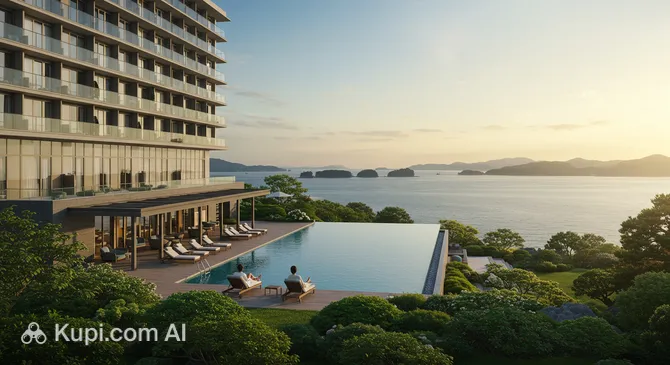
If you are looking for a comfortable place to stay with beautiful coastal views, consider the Resort Hotel Moana Coast. This hotel offers guests not only cozy rooms and high-level service but also the opportunity to enjoy the serenity and beauty of Naruto's coastal landscapes. It can be an excellent choice for a relaxing vacation or a base for exploring the surrounding area.

Moana Coast Resort Hotel. Illustration.
Source: Kupi.com AI

Traveler photos:

Local Cuisine

The gastronomy of Naruto is a true discovery for foodies traveling through Japan. The city is famous for its seafood, and the main culinary treasure here is undoubtedly Naruto-tai – sea bream caught in the turbulent waters of the Naruto Strait. Due to the strong currents, the local fish is particularly firm and tender, and its taste is highly valued throughout the country. You can try Naruto-tai in various forms: as fresh sashimi, baked whole, or grilled.

Another iconic product that shares its name with the city and is known far beyond its borders is Naruto-maki. This white-and-pink fish cake with its characteristic spiral pattern is an integral part of many Japanese dishes, most notably added to ramen. Of course, while in Naruto, you should also try the local udon and other fresh seafood offered in abundance by local establishments. The city's gastronomic scene features cozy family restaurants where recipes are passed down through generations, and lively markets where you can find the freshest gifts of the sea.

Street food lovers will also find plenty of interest in Naruto. Here you can try fried fish straight from the stall, takoyaki with pieces of Naruto-maki, and original local sweets made from sweet potatoes and citrus fruits grown in Tokushima Prefecture. Local markets are not just places to buy fresh produce, but also an opportunity to observe the daily life of the townspeople and try something authentic "on the go."

Moana Coast Resort Hotel. Illustration.
Source: Kupi.com AI

Traveler photos:

As for drinks, green tea is popular in Naruto, as it is throughout Japan. For alcoholic beverages, pay attention to locally produced sake. Thanks to the abundance of citrus, you can also find refreshing non-alcoholic drinks and juices. For those seeking a more refined gastronomic experience, some hotels, such as the Resort Hotel Moana Coast, offer high-end restaurants where local delicacies are served with a modern twist. Periodically, the city hosts food festivals where you can get to know the region's culinary traditions better and sample seasonal dishes.

Travel Tips

Planning a trip to the amazing city of Naruto? These practical tips will help you better prepare for your journey and get the most out of every moment spent in this picturesque corner of Japan.

  1. Clothing and Essentials: The climate in Naruto is temperate, with distinct seasons. In summer (June-August), it is hot and humid, so bring light, breathable clothing. Spring and autumn offer comfortable temperatures – ideal for layered clothing. Winter can be cool, so pack a warm jacket and sweater. Be sure to bring comfortable walking shoes, as exploring the city and its surroundings on foot is a pleasure. Don't forget an adapter for electrical appliances (Type A and B sockets are used in Japan, voltage is 100V) and an umbrella or raincoat, especially if you visit during the rainy season (June-July). When visiting temples and shrines, choose modest clothing that covers shoulders and knees; be prepared to remove your shoes upon entry.

  2. Transport in the City: Getting around Naruto is quite simple. The main form of public transport is the bus. There is also a railway station (JR Naruto Station). To see the famous Naruto whirlpools, there are special tourist boats and observation decks accessible by bus. Taxis are available but can be an expensive luxury. Car rental is possible with an international driver's license, but be mindful of left-hand traffic and potential parking difficulties in some areas. For most tourists, a combination of public transport and walking will be quite sufficient.

  3. Finances: The official currency is the Japanese yen (JPY, ¥). It is recommended to carry sufficient cash, as not all small shops, cafes, and markets accept bank cards. Large hotels, department stores, and restaurants usually accept international credit cards (Visa, Mastercard). You can exchange currency at the airport upon arrival, at banks, or at specialized exchange offices. ATMs that accept international cards can most often be found in post offices (Japan Post Bank) and 7-Eleven convenience stores (Seven Bank). Tipping in Japan is not practiced and may be perceived as a misunderstanding; high-quality service is considered the norm.

  4. Health and Safety: Naruto, like Japan as a whole, is considered a very safe place. However, standard precautions, such as keeping an eye on your personal belongings, never hurt. Pharmacies (薬, kusuri) are in many areas, but not all are open 24/7, and the range of medications may differ. It is recommended to bring a first-aid kit with your most essential medications. Medical help for tourists is available but can be expensive, so having travel insurance is mandatory. Also, remember that Japan is in a seismically active zone; familiarize yourself with the rules of conduct in case of an earthquake.

  5. Communication: The official language is Japanese. The level of English proficiency among the local population may be low, especially outside major tourist sites. However, Japanese people are very helpful and will try to assist even if they don't speak English. Learn a few basic phrases: "Konnichiwa" (Hello), "Arigato gozaimasu" (Thank you very much), "Sumimasen" (Excuse me/I'm sorry), "Wakarimasen" (I don't understand). For connectivity, we recommend purchasing a tourist SIM card or renting a pocket Wi-Fi router – this can be done at the airport or ordered in advance online. Free Wi-Fi is often available in hotels, cafes, and at some stations. Translation apps and maps, like Google Maps, will be useful.

  6. Local Etiquette: Japanese people value politeness and respect for tradition. Instead of a handshake, a slight bow (o-jigi) is more common. In public places, especially on transport, try to speak quietly and not disturb others. It is not common to eat or drink while walking (except in designated areas). Upon entering a Japanese home, some temples, traditional restaurants, and ryokans (Japanese-style inns), it is necessary to remove your shoes. When using chopsticks (o-hashi), do not stick them vertically into rice or pass food directly with chopsticks to another person.

  7. What to Avoid: To ensure your trip goes smoothly, try not to leave tips – it's not expected. Avoid loud phone conversations on public transport. It is best not to blow your nose in public – it's better to step away to a restroom. When photographing local residents, always ask for permission.

  8. Special Tip for Naruto: The main "star" of the city is, of course, the famous Naruto whirlpools in the strait between Shikoku and Awaji islands. To see them in all their glory, be sure to check the tide tables, as the whirlpools are strongest during tidal changes. The best time for observation is spring and autumn. And of course, don't miss the chance to try local delicacies like Tokushima ramen and the freshest seafood!

We hope these tips make your trip to Naruto even more comfortable and memorable. We wish you incredible experiences and wonderful discoveries in this amazing city!

Entertainment & Nightlife

Evening Naruto offers a quiet and cozy atmosphere rather than the noisy club life of major metropolises. Nevertheless, you can find pleasant ways to spend the evening and experience local hospitality. The focus of evening entertainment shifts toward restaurants, traditional Japanese drinking establishments (izakaya), and bars where you can enjoy local cuisine and drinks.

While Naruto is not famous for dedicated nightlife districts with many clubs, you can find cozy bars and restaurants that stay open late, especially in central areas or near tourist sites. The atmosphere in such places is usually relaxed and friendly, encouraging conversation. The dress code is generally casual. For a more sophisticated evening, you might consider hotel restaurants. For example, Resort Hotel Moana Coast can offer an elegant setting for dinner or evening drinks. Beyond hotel complexes, it is worth visiting local izakayas to immerse yourself in an authentic Japanese atmosphere and try sake or shochu with various snacks. It is best to check specific opening hours on-site, as they can vary.

Moana Coast Resort Hotel. Illustration.
Source: Kupi.com AI

Traveler photos:

When planning your evening leisure, keep in mind that peak activity in small towns usually occurs in the early evening. Average prices in local establishments are typically moderate. As for moving around at night, public transport may run less frequently, so taxis become the primary option. It is recommended to find out the numbers of local taxi services in advance or ask your hotel or restaurant to call a car for you. Naruto, like most cities in Japan, is considered a safe place for walking, though it is always worth taking standard precautions, especially after dark.

During the day, Naruto offers other types of entertainment. Visitors can explore local museums to learn more about the region's culture and history, stroll through picturesque parks, or enjoy the natural beauty the area is famous for, including the legendary whirlpools. While there may not be large amusement parks or world-renowned theaters, the city charms with its connection to nature and its calm rhythm of life.

Parks & Museums

Naruto, a city famous for its breathtaking whirlpools, offers guests not only natural wonders but also a rich cultural heritage found in its parks and museums. Here, you can enjoy the beauty of nature and immerse yourself in the history and art of the region.

The main natural attraction and a must-visit site is Naruto Park (Naruto Koen). Located by the Naruto Strait, this park offers the best views of the famous Naruto whirlpools, especially from the Onaruto Bridge and specially equipped observation decks. Besides watching this unique natural phenomenon, the park provides excellent opportunities for walking along scenic paths through pine trees and enjoying the coastal landscapes. It is the perfect place to feel the power of nature and take unforgettable photos.

For art lovers, Naruto has a real surprise – the Otsuka Museum of Art. This is one of the largest exhibition halls in Japan, unique for presenting full-size ceramic reproductions of over 1,000 masterpieces of Western art, from ancient frescoes to canvases by modern masters. Strolling through its halls is like a journey through the entire history of world art, and the quality of the reproductions is mind-blowing. This place is a must-visit for anyone interested in painting and sculpture.

Another iconic cultural site is the Naruto German House (Doitsukan). This museum is dedicated to the history of the Bando camp near Naruto during the early 20th century. Remarkably, it was here that the first performance of Beethoven's Ninth Symphony took place in Japan. The museum tells the story of this period and the cultural exchange that occurred between the Japanese and the residents of the camp, leaving a significant mark on the city's history.

Speaking of historical heritage, one cannot fail to mention Ryōzen-ji Temple. It is not just a beautiful Buddhist temple, but a landmark site as it is the first of the 88 temples of the famous Shikoku pilgrimage route. For many pilgrims and tourists, a visit to Ryōzen-ji becomes the starting point of a spiritual journey across the island. The atmosphere of peace and antiquity makes it attractive to everyone seeking tranquility and wishing to experience traditional Japanese culture.

For those looking for lesser-known but authentic experiences, it is worth paying attention to the small local shrines scattered around the outskirts or walking along the coast away from the main tourist trails to enjoy the silence and natural beauty of the region. Also, when planning a visit to Naruto Park, check the tide schedules – this is when the whirlpools are most spectacular.

Getting Around

Public transport in Naruto is mainly represented by a bus network that connects various areas of the city and its surroundings, including popular tourist spots. Given the city's size, buses are a convenient and fairly efficient way to get around for most travelers.

The fare payment system in Naruto buses, as in many cities in Japan, usually includes the option to pay in cash directly upon entering or exiting the bus (exact change is often required as the driver may not have change). Reloadable smart cards, such as Suica, Pasmo, or ICOCA, are also widely used and accepted in many regions of the country. It is recommended to check which specific cards are valid on local buses upon arrival. Sometimes, day passes for tourists may be available, allowing for an unlimited number of trips during the day on certain routes.

Single-trip tickets for cash payments are usually purchased from the driver. When using an IC card, it must be tapped against the reader when entering and exiting the bus (depending on the fare system). Buses in Naruto generally start running in the early morning and finish in the evening, though schedules can vary depending on the route and the day of the week. Timetable information can be found at bus stops or on the websites of local transport companies.

As an alternative to public transport, taxi services are always available in Naruto. This is a more expensive but comfortable way to travel, especially if you are traveling with luggage or in a group. To explore the picturesque surroundings and coastal zones, including the famous Naruto whirlpools, bicycle rental can be convenient, allowing you to move at your own pace and enjoy the views. Some tourist sites may be served by special tourist buses or even boats, particularly for marine excursions to the whirlpools.

Accommodation

In Naruto, travelers will find a variety of accommodation options to suit different preferences and budgets. The city offers traditional Japanese inns (ryokans and minshukus) as well as more modern hotels. The choice of housing ranges from budget guesthouses to comfortable mid-range hotels and full-service resort complexes.

For tourists, areas located near major attractions, such as the famous Naruto whirlpools, or those with good transport links to other parts of the city and region, can be particularly convenient. Staying in such places will save time on travel and make your stay more comfortable. Among the accommodation options, one can highlight, for example, the Resort Hotel Moana Coast, which offers guests high-level service and a convenient location.

When planning a trip to Naruto, especially during peak tourist seasons (such as the cherry blossom season or periods of best whirlpool visibility), it is recommended to book accommodation in advance. This will help you secure the best value-for-money option. The price range for accommodation can vary: both budget options and rooms in mid-range and high-end hotels are available. Most hotels and guesthouses can be booked via popular online platforms or directly on their official websites.

Nearby Cities

For those who want to explore the surrounding area, Naruto serves as an excellent starting point for day trips to several interesting nearby locations.

For instance, Tokushima, located just 12 km away, is the prefectural capital and is famous for its grand Awa Odori dance festival, as well as the picturesque view from Mount Bizan. Another interesting option is Wakayama, where you can visit the majestic Wakayama Castle and enjoy the beautiful seaside scenery of the Kii coast. Below is a list of nearby cities that may also be of interest for short excursions.

CityPopulationDistance
Matsushige14 7235 km
Kitajima22 6708 km
Tokushima254 51012 km
Aizumi35 26912 km
Itano13 08714 km

These nearby destinations allow for a more comprehensive understanding of the diverse culture, history, and natural landscapes of the region, complementing the impressions from visiting Naruto itself.

Shopping & Souvenirs

When planning a trip to Naruto, you will find that shopping here has its own special local flavor. The city is not famous for giant shopping malls like Japan's metropolises, but it offers unique opportunities to buy authentic souvenirs and local products that reflect the culture and nature of the Tokushima region. You should focus on small shops, craft boutiques, and markets where you can find something truly special.

The main shopping areas in Naruto are generally concentrated around the Naruto railway station and along the city's main streets. Here you will find a variety of shops, from small family-run stores selling local delicacies and sweets to shops with everyday goods. Walking through these areas will allow you to immerse yourself in the local atmosphere and find interesting purchases.

Large modern shopping centers are not the main feature of shopping in Naruto. Instead, the city offers a more intimate shopping experience. You may encounter small department stores or shopping arcades featuring goods from local manufacturers, clothing, and souvenirs. The main emphasis here is on uniqueness and local production.

While Naruto may not have large tourist markets like those in big cities, it is worth paying attention to local food markets if you come across them. Here you can find fresh seafood for which the region is famous, local vegetables, fruits (such as sudachi citrus), and other delicacies. Occasionally, you can also find handmade crafts at these markets.

From Naruto, it is worth bringing back souvenirs related to its main natural attraction – the Naruto whirlpools. These could be postcards, magnets, keychains, or ceramics depicting the whirlpools. Otani-yaki ceramics, a traditional local craft, are also popular. Look for products using local sudachi citrus – juices, jams, and sweets. Since Naruto is in Tokushima Prefecture, famous for its indigo dye (Awa Ai), you can find beautiful textile items dyed using this traditional method.

Most shops in Naruto are typically open from 10:00 or 11:00 AM until 7:00 or 8:00 PM. Small family-run shops may have their own schedules and a day off (often once a week). Regarding payment, credit cards are generally accepted in larger stores and tourist areas. However, it is always useful to carry some cash, especially for purchases at markets or in small shops.

For international tourists in Japan, a tax refund system (Tax Free) is available. Look for shops with the corresponding "Tax-Free Shop" logo. Usually, to process a tax refund (8% or 10% depending on the item), you must make a purchase of over 5,000 yen in one store in one day and present your passport. The processing procedure usually happens right in the store at the time of purchase.

Reached the end of the page?

That means the route is fully explored