Support

Anan

About

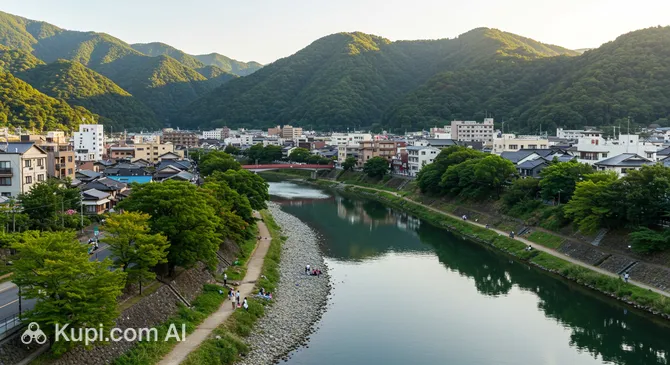
Anan is a picturesque city, nestled on the southeast of Shikoku Island in Tokushima Prefecture. Located on the Pacific coast, it reveals the side that Japan is proud of: a harmonious blend of turquoise sea waves, green hills, and endless rice fields.

Anan. Illustration.
Source: Kupi.com AI

With a population of about 69,000 people, Anan is a typical medium-sized city where modern conveniences coexist with a traditional way of life. The unique history of Anan has transformed it into an important industrial and cultural center of the region while maintaining the charm and tranquility of the countryside. A remarkably welcoming atmosphere prevails here, and the locals are known for their hospitality.

This corner of Japan is worth a visit for its diverse experiences: from beach relaxation and cycling along the ocean to hiking mountain trails. The city is also famous for its ancient temples and authentic local cuisine. If you are looking for a peaceful getaway away from the noise of megacities, Anan is an excellent choice for experiencing the true life of the country.

Weather Overview

The climate in this coastal city is mild with distinct seasonality, typical for Tokushima Prefecture. Thanks to its oceanfront location, extreme frosts are rare here, and summer brings real warmth. To choose the ideal time for your trip and pack your suitcase correctly, we recommend checking the detailed weather in Anan before your journey.

Winters here are cool but calm: in January and February, the average temperature stays around 6–7°C, dropping to 4°C at night, while there is very little precipitation—this is the driest period of the year. Summer, on the other hand, is hot and humid. In August, the air warms up to an average of 27°C (up to 29°C), though you should be prepared for the rainy season, especially in June and July, when the number of rainy days can reach 16–21 per month.

Spring and autumn are considered the most comfortable seasons, with temperatures ranging from 14°C to 24°C. Overall, expect a hot summer with occasional heavy rains and cool, predominantly dry winters.

Average monthly temperature

Average monthly precipitation

Interesting Facts

Beyond its picturesque landscapes and temples, Anan hides many fascinating details that allow for a deeper understanding of the region's culture and past. Here are a few facts that will help you look at the city from a new perspective:
  • Maritime Heritage: In the past, the city was an important link in a maritime trade route. In the old districts, you can still find historical piers and buildings reminiscent of the days when Anan served as a key point for merchants and fishermen traveling between the islands that make up Japan.

  • Anan Yosa Festival: This is one of the most colorful local traditions. Every year during the festival, the streets come alive with residents in vibrant costumes performing traditional dances to live music—a breathtaking sight that attracts guests from all over the country.

  • Paper-making craftsmanship: The city takes pride in its production of washi—unique handmade Japanese paper considered some of the best in the region. The secrets of the craft are passed down from generation to generation, and tourists can try their hand as master paper-makers in special classes.

  • Literary Fame: Anan is the birthplace of the famous writer and poet Seijuro Tani. His works, highly valued by literary critics, are largely inspired by the beauty of the local nature and the distinctive culture of Shikoku Island.

How to Get There

When planning a trip to Shikoku Island, it is important to think through your route in advance and learn more about how to get to Anan. Since the city is located on the coast, the most convenient way for most tourists to get here is by air followed by a ground transfer.

The closest air hub to the city is Tokushima Awaodori Airport (IATA: TKS). Please note that it is not located in Anan itself, but in the neighboring city of Tokushima, about 24 km away. This is a regional airport with average passenger traffic that handles domestic flights. The journey from here to the destination center by taxi or bus takes approximately 56 minutes.

For international travelers, a great option is Kansai International Airport (IATA: KIX), located in the city of Osaka. This is a major hub receiving flights from all over the world. Although it is about 78 km from Anan, the developed transport network allows you to reach your destination quite quickly—the travel time by car is about 2 hours and 17 minutes.

Another alternative is Takamatsu Airport (IATA: TAK) in the city of Takamatsu. It is 68 km away from Anan. This is also a medium-sized airport, and the trip from it to the city will take you about 2 hours.

For clarity, here is summary information on the main airports:

AirportPassenger trafficDistance
Tokushima Awaodori Airport2.3 mln24 km
Takamatsu Airport2.5 mln68 km
Shirahama Airport438 41371 km
Kansai International Airport30.6 mln78 km
Kobe Airport3.6 mln95 km

Main Attractions

The city of Anan offers travelers a unique combination of natural beauty and spiritual heritage. Here you can watch the sunrise at the easternmost point of the island, touch ancient pilgrimage traditions, and even peer into the depths of space. Here is a list of places that you should definitely include in your itinerary when visiting this part of Tokushima Prefecture.

Cape Kamoda is perhaps the most picturesque natural attraction in the region and the easternmost point of Shikoku Island. People come here to enjoy breathtaking panoramas: the observation deck near the lighthouse offers views of the Kii Channel, Awaji Island, and the famous Onaruto Bridge. The place is also known as a protected area for sea turtles that come to the local beaches to lay eggs. In winter, you can observe an amazing natural phenomenon here—the "Sun Daruma," when the rising sun resembles a traditional doll due to light refraction.

Tairyuji Temple, located on a mountaintop at an altitude of 600 meters, is the 21st stop on the famous 88-temple Shikoku Pilgrimage route. Due to its high-altitude location, it is often called the "Koya-san of the West." Getting here is an adventure in itself: you take the Tairyuji Ropeway, which is considered the longest in Western Japan. During the ascent, magnificent views of the Naka River and forested mountain slopes open up before you, and at the top, you are greeted by an atmosphere of ancient peace and majesty.

Byodoji Temple (the 22nd pilgrimage temple) is famous for its history of healing. According to legend, the temple's founder, Kukai (Kobo Daishi), dug a well here whose water possessed healing properties. Today, believers and tourists come here to pray for health and collect "holy water." The temple is distinguished by a particularly peaceful atmosphere, and its name translates as the "Temple of Equality," symbolizing that healing is available to all people equally.

Technology and space enthusiasts will be interested in the Anan Science Center. The city is known as the headquarters of global LED manufacturers, and this interest in light is reflected in the science museum. The center is equipped with one of the largest telescopes in Japan (113 cm in diameter) available for public use. Stargazing events and informative planetarium shows are held regularly, making it an ideal place to visit with children.

Local Cuisine

The culinary scene of Anan is inextricably linked to the Pacific Ocean, whose waves wash the coast of Tokushima Prefecture. Local gastronomy is primarily about the freshness of ingredients and respect for seasonality. For travelers visiting this part of the country for which Japan is famous, food becomes a way to better understand the culture and daily life of the locals.

The main delicacy of the region is rightfully considered "Anan Hamachi" (yellowtail). The fish reaches restaurant kitchens literally a few hours after being caught, which guarantees its exceptional taste. Tourists should definitely try hamachi as sashimi to experience the natural texture, or order the fish grilled with salt. This type of fish is also often added to hearty soups that provide energy after long walks.

Meat lovers will enjoy "Anan-style Sukiyaki." This filling stew is prepared with a special local soy sauce and a large amount of seasonal vegetables. Interestingly, almost every establishment in the city takes pride in its "secret ingredient" that makes the taste of their sukiyaki unique, so you can try this dish in different places, discovering new shades of flavor every time.

For dessert, it's worth finding street food vendors and buying Anan Mochi. These are traditional rice cakes filled with sweet red bean paste to which citrus grown on nearby plantations is added. The combination of sweetness and a light citrus tang creates a unique aroma. Often these sweets are sold hot, freshly prepared, making them the perfect snack during a walk.

As for drinks, it is customary to accompany the meal with local sake, as the region is famous for its clean water and high-quality rice. Among non-alcoholic drinks, juices and lemonades based on sudachi—a small green citrus that is the symbol of Tokushima Prefecture—are popular. Its refreshing taste perfectly quenches thirst on a hot day.

The food culture in Anan is democratic: people here love to eat tasty food in good company. Gastronomic events, such as the summer "Umi no Aji" ("Taste of the Sea") festival, hold a special place in the city's life. This is an excellent opportunity for tourists not only to try the full variety of local cuisine in one place but also to participate in masterclasses, for example, learning to catch fish using traditional methods along with local fishermen.

Travel Tips

A trip to Anan promises to be calm and relaxed, but like any trip to the Japanese countryside, there are nuances. To ensure your vacation on the coast of Shikoku Island is as comfortable as possible and free of unpleasant surprises, we have compiled a list of the most important practical recommendations.

  1. Clothing and equipment: Given that major attractions like Cape Kamoda and mountain temples require walking, comfortable shoes are your top priority. Opt for sneakers with non-slip soles over heels. It is very humid in Anan during the summer, so choose clothing made from natural, breathable fabrics (cotton, linen). If you plan a trip in June (rainy season), be sure to bring a light raincoat, which is more convenient than an umbrella in windy weather by the ocean.

  2. Transport: While the city has railway stations on the JR Mugi line, they only connect the main districts. To reach remote beauties like Cape Kamoda or the base of the ropeway, it is highly recommended to rent a car. Public buses run infrequently, and it can be difficult to adjust to their schedules. Taxi apps (like JapanTaxi or Uber) do not work as reliably here as in Tokyo, so it's better to have local taxi company numbers on hand or ask your hotel to call a car.

  3. Finances: Japan is a cash-oriented country, and Anan is no exception. Cards may not be accepted in small restaurants, souvenir shops, and when buying local bus tickets. Always carry a supply of Japanese yen. You can withdraw money from 7-Eleven (Seven Bank) or Japan Post ATMs, which accept international cards. Tipping is not customary here: excellent service is already included in the price, and an attempt to give extra money might embarrass the staff.

  4. Health and Safety: Anan is a very safe city with low crime. However, as the city is located on the Pacific coast, pay attention to tsunami evacuation signs (usually green signs with a running figure and a wave). Pharmacies (marked with the character 薬) are available in the center, but they are rarely open 24 hours, so it's best to pack a basic first-aid kit at home.

  5. Communication: Do not expect locals to speak English fluently. Anan is not a major tourist city, so knowing a few phrases in Japanese (greetings, thank you) will be received with great respect. Be sure to install a translator app with a photo translation feature (like Google Translate) to read menus and signs. It is better to purchase a SIM card or pocket Wi-Fi in advance at your arrival airport, as they are harder to find in the city itself.

  6. Local Etiquette: When entering traditional inns (ryokans), some restaurants, and especially temple halls, be sure to remove your shoes. Pay attention to where the slippers are: special toilet slippers should not be used in other rooms. In public places, try to speak quietly and avoid talking on the phone in public transport—this is considered rude.

  7. What to avoid: Never stick your chopsticks vertically into your rice—this resembles a funeral ritual and can shock those around you. Also, avoid eating on the go: after buying a snack at a shop or stall, it's better to stop and eat it near the place of purchase rather than walking down the street with food.

  8. Special Advice: Anan is part of the famous Shikoku pilgrimage route. You will often meet people in white clothes and conical hats—these are pilgrims (henro). Treat them with respect and do not take close-up photos of them without permission. Locals often practice "osettai"—offering pilgrims food or drinks; if you see this, do not be surprised, it is an important part of the local hospitality culture.

By following these simple tips, you can avoid awkward situations and focus on the main thing—enjoying the magnificent nature and unique atmosphere of Anan. May your journey be filled with discoveries and warm encounters!

Entertainment & Nightlife

Entertainment and nightlife in Anan have their own unique, laid-back character, noticeably different from the neon madness of megacities like Tokyo or Osaka. Here you won't find noisy nightclubs with world-class DJs, but you can immerse yourself in the warm atmosphere of the Japanese province. Evening leisure revolves around delicious food, quality drinks, and heartfelt communication in cozy establishments where guests are always welcome.

The center of attraction in the evening is traditionally the area around JR Anan Station. It is here, in the maze of narrow streets, that red paper lanterns called "akachochin" are lit at dusk, inviting you to stop by. The main format of local establishments is the izakaya (traditional Japanese gastropubs). Large groups of colleagues and friends come here to relax after a working day. In such places, it is customary to order many small "tsumami" snacks, which are placed in the center of the table for everyone, accompanying the meal with cold beer or local sake.

A special part of the local culture is the "snack bars." These are small, intimate establishments, often run by a hostess respectfully called "Mama-san." The payment system here usually includes a fixed fee for time spent and drinks. Patrons sing karaoke and engage in casual conversations with the staff and other guests. For a tourist, this is a unique chance to see the life of the townspeople from the inside, although the crowd in such places is usually over 30 and looking for a quiet evening.

Practical tips for evening walks:

Most establishments open around 5:00 PM – 6:00 PM and stay open until midnight, though on Fridays and Saturdays the fun might last longer. The dress code in Anan is very casual; a comfortable casual style is appropriate almost everywhere.

As for safety, Anan is an exceptionally peaceful city, and you can walk through the central streets without worry even at night. However, it is important to remember transportation: buses and trains stop running quite early (around 11:00 PM – 12:00 AM). If you stay out late, the only way to get back to your hotel will be by taxi. They can be found at the station stand or requested by the bar staff. If you are traveling by rental car, be sure to use the "daiko" service popular in Japan—two drivers will arrive upon request, and one of them will drive you home in your own car.

During the day, entertainment in the city is more family-oriented. Locals enjoy spending time in large shopping centers. Here you can not only go shopping but also visit extensive game areas with arcade machines—a popular hobby for Japanese people of all ages. The city also has several well-kept parks where it is pleasant to take a walk before diving into the evening life.

Parks & Museums

The city of Anan harmoniously combines the natural splendor of the coast and green hills with a rich cultural heritage. For tourists, this means the opportunity to alternate walks through picturesque parks with an immersion into the science and history of the region, discovering another side of the country that Japan is.

Anan Seibu Park is one of the favorite recreation spots for townspeople, beautiful at any time of year. In spring, the park's hills are covered in a pink foam of blooming cherry blossoms, and in autumn, fields of cosmos bloom here, creating incredible landscapes for photos. The park is also known for its connection to Anan's reputation as the "City of Light": in winter, grand light installations using millions of LEDs are set up here, turning the alleys into a fairy-tale forest. It is an ideal place for family walks and outdoor picnics.

Another important natural area is Tsunomine Park, located at the top of the mountain of the same name. A picturesque winding road called the "Skyline" leads here, which is an attraction in itself. From the park's observation decks, a breathtaking 360-degree panorama opens up: you can see the entire city, Kii Bay, and even the distant outlines of Awaji Island. This place is particularly popular among hiking enthusiasts and those seeking solitude among ancient trees.

Among cultural institutions, the Anan Science Center holds a special place. Although it is science-oriented, it is a true museum of light and space, reflecting the industrial specifics of the city, where the headquarters of global LED technology manufacturers are located. Visitors can not only learn about the physics of light through interactive exhibits but also visit a modern planetarium. The main pride of the center is a huge telescope that makes astronomy accessible to every guest.

History and ethnography buffs will be interested in learning about the region's traditional crafts. Although the city has no large historical museums in the classic sense, Washi paper production workshops serve as living galleries. Here, tools and technologies that are hundreds of years old are carefully preserved, allowing tourists to touch the living heritage and see the process of creating the famous Japanese paper, which is considered a cultural treasure.

Architecturally, the city is famous for its sacred buildings. Ancient temples of the Shikoku pilgrimage route, such as Tairyuji and Byodoji, impress with intricate wood carvings and traditional pagodas perfectly integrated into the landscape. These complexes serve as guardians of Buddhist art and the atmosphere of old Japan.

Insider Tip: If you find yourself in Anan in the spring, head to the Naka River dam. The riverbanks turn into a fantastic tunnel of blooming cherry trees, where there are far fewer tourists than in popular parks, allowing you to enjoy a "hanami" moment in peace and quiet.
Getting Around

The transportation system in Anan differs significantly from bustling megacities. There is no subway or extensive tram network, and the rhythm of life dictates a more relaxed schedule. For tourists, this means the need for slightly more careful planning, but in return, you get the opportunity to enjoy the views during your trips.

The railway is the main transport artery connecting the city with the prefecture center and the southern coast. The JR Mugi Line passes through Anan. The central point is Anan Station, where both local and Limited Express trains stop. Trains here run less frequently than in large cities: the interval can be from 30 minutes to an hour, so always check the schedule in advance via navigation apps.

Bus services cover areas where trains do not reach. The main operator is the Tokushima Bus company. Buses run between the station, residential neighborhoods, and some attractions. It is important to remember that the number of trips is sharply reduced in the evening, and it can be problematic to catch a bus after 8:00 PM – 9:00 PM.

The fare payment system has its own quirks. At the main railway station, turnstiles are installed that accept popular IC transport cards (such as Suica, PASMO, ICOCA). However, at smaller stations and on buses, a cash payment system is often in place. The process looks like this: when entering (usually through the back door), you take a small ticket with a number from a machine. When exiting (through the front door), you check the ticket number against the electronic board above the driver to find out the cost and drop the coins along with the ticket into the box. The driver does not give change, but a machine can exchange a 1,000-unit bill of local currency.

Given that many interesting places, such as Cape Kamoda or mountain temples, are far from public transport stops, renting a car is the most recommended way to get around. This will give you full freedom and allow you not to depend on the infrequent bus schedule. Rental points can be found near the railway station.

As an alternative for short trips around the center, you can use a taxi. A stand is always available at the exit of Anan Station. Ride-hailing apps do not always work stably here, so it is more reliable to take a car from the stand or ask a hotel employee to call one by phone. Cycling is also popular in the city: the terrain in the central part is quite flat, and a bicycle is a great way to explore the surroundings at your own pace.

Accommodation

Accommodation in Anan is oriented more towards functionality and convenience than luxury resort stays. Since the city is an important industrial center and a stop on the pilgrimage route, practical lodging options predominate here. Travelers will find a decent selection ranging from modern business hotels with all amenities to traditional Japanese inns where they can immerse themselves in the local culture.

Logistically, the most convenient area to stay is the vicinity of JR Anan Station. By staying here, you will be within walking distance of transport hubs, supermarkets, and evening izakaya establishments. This is an ideal base for those planning to explore the city and its surroundings by public transport. For those traveling by car and looking for privacy or proximity to nature, options along the coast or near pilgrimage trails, where cozy guest houses are often located, are suitable.

The foundation of the hotel stock consists of business hotels. These are standardized, clean, and comfortable hotels offering compact rooms at a reasonable price. They are great for tourists who value stable Wi-Fi, breakfast availability, and a 24-hour reception desk. Another popular category is ryokans and minshuku (family pensions). These places are often chosen by pilgrims completing the 88-temple Shikoku pilgrimage. Here you will be offered a night in a tatami room and, as a rule, a hearty home-cooked dinner and breakfast, which allows for a deeper feel of Japanese hospitality.

The price range in Anan will be a pleasant surprise compared to Tokyo or Kyoto. The cost per night in a business hotel or guesthouse usually varies within the budget and mid-range segments. It is recommended to book in advance, especially if your trip coincides with major festivals, such as the summer Awa Odori festival in neighboring Tokushima or the local Yosa festival, when the demand for housing rises sharply. Large hotels are easily booked through international online platforms, but smaller traditional pensions may require the help of a tourist center or booking by phone.

Nearby Cities

For those who want to explore the surroundings, Anan serves as an excellent starting point for day trips to several interesting nearby locations:

Just a short drive away is Tokushima—the capital of the prefecture and a lively cultural center. This city is famous throughout the country for its grand Awa Odori dance festival. Tourists can take the ropeway up Mount Bizan to enjoy a magnificent panoramic view or walk through the park at the site of the Tokushima Castle ruins, immersing themselves in the region's history.

Slightly further away is the city of Naruto, which attracts travelers with a unique natural phenomenon—powerful whirlpools in the Naruto Strait caused by strong tidal currents. You can watch the swirling water directly from the "Uzu-no-Michi" walkway under the Onaruto Bridge. Additionally, the Otsuka Museum of Art is located here, featuring an impressive collection of ceramic reproductions of world art masterpieces.

For lovers of an island atmosphere, Sumoto, located on the picturesque Awaji Island, is an interesting destination. This is a historical castle town known for its Sumoto Onsen hot springs. A trip here allows you to combine a relaxing break in thermal waters with a tour of the ancient fortifications on the summit of Mount Mikuma, which offers a view of Osaka Bay.

CityPopulationDistance
Komatsushima36 12311 km
Tokushima254 51019 km
Kitajima22 67025 km
Matsushige14 72325 km
Ishii24 85626 km

These nearby destinations provide an insight into the diverse culture and landscapes of the region.

Shopping & Souvenirs

Shopping in Anan offers a chance to touch the authentic way of life in the Japanese province. Unlike the noisy shopping districts of Tokyo or Osaka, a calm atmosphere prevails here, focused on the comfort of local residents. This allows travelers to find unique products and see the "true face" of the country that Japan is, without tourist markups or hustle.

Shopping activity in the city is concentrated in several key areas. In the vicinity of JR Anan Station, small family-run shops operate where you can buy books, sweets, and clothing. Larger stores, including chain electronics and home goods supermarkets, are located along the Route 55 national highway. This is the city's main transport artery, so it is most convenient to use a car to visit these stores.

For large-scale shopping, local shopping centers such as Fuji Grand Anan and Shopping Plaza Apika are ideal. These are classic medium-sized malls where everything you need is gathered under one roof: from food and cosmetics to suitcases and affordable clothing brands. There are also food courts here where you can grab a snack while shopping, making these centers a great place to spend time in rainy weather.

Farmer's markets and "San-choku" format stores (direct sales from producers) deserve special attention. Since Anan is in an agricultural region, you can always find the freshest vegetables and fruits at attractive prices. Look for seasonal delicacies, homemade pickles, and bento lunch boxes prepared with love by local residents.

As souvenirs from the trip, it is worth bringing products for which Tokushima Prefecture is famous. Primarily, these are items and products made from sudachi citrus: jams, juices, ponzu sauces, and refreshing drinks. Also, the region is known for bamboo harvesting, so elegant baskets or kitchen utensils made from this material will make a wonderful gift. Given the city's status as a center of the LED industry, original accessories and keychains with LED lighting can sometimes be found in souvenir shops.

When planning your purchases, keep in mind that most stores in shopping centers are open from 09:00–10:00 to 20:00–21:00, but private shops may close as early as 18:00. It is important to remember that small shops and markets often only accept cash, so it is recommended to always have a supply of small bills. The Tax Free system is mainly available in large chain pharmacies and electronics stores marked with a special sticker, whereas this service is rarely found in regular supermarkets.

Reached the end of the page?

That means the route is fully explored