Support

Misaki

About

Misaki is a charming seaside town located at the southern tip of the Miura Peninsula in Kanagawa Prefecture, Japan. This town offers travelers a unique opportunity to immerse themselves in the authentic atmosphere of Japanese fishing life, far from the hustle and bustle of major metropolises. Washed by the waters of the Pacific Ocean, Misaki is famous for its picturesque views and is one of the country's most important fishing ports.

With a population of about 14,600 people, Misaki maintains the cozy and welcoming atmosphere of a small town. Life here is inextricably linked to the sea: every morning the port comes alive with the arrival of ships laden with the freshest catch, especially the tuna for which this region is famous. This is where you can taste some of the best seafood in Japan, whether in local restaurants or right at the fish market.
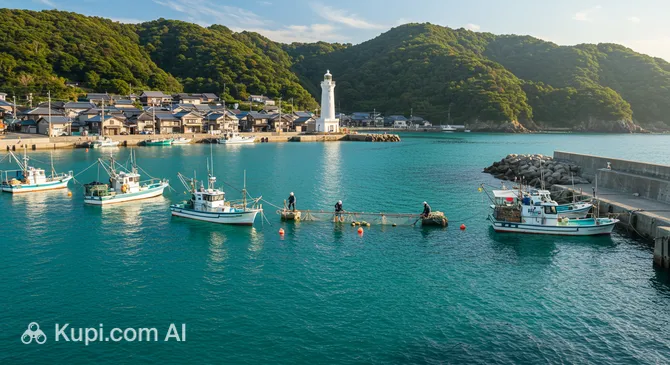
Misaki. Illustration.
Source: Kupi.com AI

Key features that attract connoisseurs of authentic Japan to Misaki are its famous fish market, where you can watch tuna auctions and purchase the freshest seafood, as well as the opportunity to enjoy leisurely walks along the picturesque coastline. The town also serves as the gateway to Jogashima Island, connected to Misaki by a bridge and known for its beautiful cliffs, lighthouse, and nature trails.

If you are looking for a relaxing holiday, wish to get acquainted with the traditional way of life of a Japanese port town, and taste magnificent seafood delicacies, Misaki will be a true discovery for you. It is an ideal destination for those who want to feel the authentic spirit of seaside Japan and enjoy its natural beauty.

You can find more interesting facts on the Misaki city history page

Weather Overview

The weather in Misaki is characterized by distinct seasonality. In summer, especially from June to August, it is warm: average temperatures range from 21.6°C (June) to 27.3°C (August), with maximum values reaching 29.3°C in August. The summer months also see the highest amount of precipitation, averaging 5-8 mm (June-August), with 14 to 15 rainy days. Winters in Misaki are cool, with average temperatures in January and February around 6.1°C - 6.4°C, while minimum temperatures can drop to 3.7°C in January. In winter, the amount of precipitation is significantly lower – about 2 mm per month (January, February, December), and the number of rainy days is around 9-10.

Overall, you can expect warm summers with occasional rain and cool, drier winters in Misaki. For more detailed climate information and a current forecast, please visit the weather in Misaki page.

Average monthly temperature

Average monthly precipitation

Interesting Facts

In addition to its picturesque landscapes and hospitable atmosphere, Misaki holds many fascinating features that make it a truly unique destination. This small town in Japan is ready to surprise even the most seasoned traveler.

  • Misaki rightfully holds the unofficial title of "Tuna Town." Its port is one of the largest centers for catching and trading this fish in all of Japan. Famous tuna auctions are held here annually, attracting fishermen and gourmets from all over the country.

  • The local Urari Marché market is not just a place to buy the freshest seafood. Here, you can witness a true art form – the masterful carving of massive tuna carcasses by professional experts. This spectacle itself is one of the town's unique highlights.

  • From Misaki, it's just a stone's throw to Jogashima Island – a corner of wild nature with the rugged beauty of rocky shores and picturesque tidal pools. It can be reached both by ferry and by bridge, making it easily accessible for nature lovers.

  • The town is a true paradise for cyclists. Numerous scenic routes have been laid out along the coast and through fields, offering beautiful views and opportunities for active recreation. You can rent a bicycle right at the pier.

How to Get There

There are several ways to reach the town of Misaki, located in Osaka Prefecture. The most convenient option for most tourists is a flight followed by a transfer, as there are several airports in the region serving both international and domestic flights.

The main and closest airport to Misaki is Kansai International Airport (IATA: KIX). This major international hub is located in Osaka, on an artificial island in Osaka Bay, just 14.9 km from the center of Misaki. A trip by car or bus from the airport to your destination in Misaki will take approximately 40-50 minutes. Kansai Airport receives many flights from all over the world, making it the preferred choice for foreign travelers heading to Misaki and surrounding areas.

Another option is Kobe Airport (IATA: UKB). According to the data provided, it is also part of the transport infrastructure serving Osaka and is located about 36.1 km from Misaki. The journey from there takes approximately 1 hour and 15 minutes. This airport mainly serves domestic flights but can also accept some international ones.

It is also worth mentioning Itami Airport (IATA: ITM), formally located on the border of Itami and Toyonaka cities, but serving the Osaka region. It is approximately 58.2 km from Misaki, with travel time ranging from 1 hour 45 minutes to 2 hours. Itami Airport is an important hub for domestic travel within Japan.

For clarity, here is a summary of the main airports serving the Misaki direction:

AirportPassenger trafficDistance
Kansai International Airport30.6 mln15 km
Kobe Airport3.6 mln36 km
Tokushima Awaodori Airport2.3 mln54 km
Itami Airport14.8 mln58 km
Shirahama Airport438 41375 km

Regarding rail connections, there are no major railway hubs directly in Misaki. The nearest significant station is Fukai Station (IATA: QKV), located in the city of Sakai, approximately 39.7 km from Misaki. From Fukai Station to Misaki, you can travel by taxi or local bus, which takes about 1 hour and 20 minutes. This station handles a significant passenger flow and is an important transport node in the region.

Information about the nearest railway station is presented below:

When planning a trip to Misaki, it is recommended to study public transport schedules in advance and choose the most convenient route for you from the airport or railway station to your accommodation. Also, consider using a taxi or renting a car for greater convenience in moving around the region.

Main Attractions

Misaki, a charming coastal town in Osaka Prefecture, offers travelers the opportunity to enjoy a relaxing seaside holiday and get acquainted with the local culture. Despite its modest size, Misaki boasts several interesting places that will leave a pleasant impression.

One of the main magnets for tourists and locals alike is Tannowa Tokimeki Beach. This picturesque beach with golden sand and clear water is ideal for swimming, sunbathing, and various water activities during the summer season. Its name, "Tokimeki," means "heartthrob" or "flutter," hinting at the pleasant emotions this place provides. Here you can relax while enjoying the sea breeze and beautiful views.

A unique attraction in Misaki is the Osaka Prefectural Misaki High School Aquarium. This unusual aquarium is entirely managed by students from the local high school and is a wonderful example of youth involvement in studying and preserving the marine ecosystem of Osaka Bay. Visitors lucky enough to visit during open days (usually on weekends) can see a variety of marine life from the region and appreciate the enthusiasm of the young aquarists. It is an educational and touching experience that demonstrates the local residents' love for their sea.

Misaki is a town with rich maritime traditions, the heart of which is Fuke Port and its adjacent fish market. This is a lively place where early in the morning you can see an impressive variety of freshly caught seafood. A visit to the market provides a unique opportunity to immerse yourself in the authentic atmosphere of a fishing village, observe the work of local fishermen and, of course, taste the freshest seafood in one of the many restaurants nearby. This is the true taste of coastal Japan.

Nature lovers and fans of beautiful landscapes should head to Cape Taga. This cape offers breathtaking panoramic views of the Seto Inland Sea and the surrounding islands. It is a wonderful place for walking, photography, and solitary contemplation of the sea, especially at sunset. The peace and beauty of this place make it ideal for a break from the city bustle.

Local Cuisine

The gastronomic world of Misaki is a true immersion into the realm of the freshest seafood, where the main star, without a doubt, is tuna. This town is rightfully proud of its culinary traditions based on the bounties of the sea, which reach the tables of local restaurants and markets literally hours after being caught, ensuring an unsurpassed taste.

You can try tuna in Misaki in a wide variety of ways. Classic sashimi and sushi here are distinguished by their incredible freshness. No less popular are juicy tuna steaks, original tuna cutlets, and, of course, the famous "tuna donburi" — an appetizing bowl of rice generously topped with slices of the freshest tuna and seaweed. Besides tuna, the menus of local establishments are rich in other sea treasures: sea urchins, shrimp, and squid, prepared here with great skill.

Many consider the Urari Marché market to be the heart of the city's gastronomic life. It is not just a place to buy fresh fish, but a real culinary center. Here you will find not only fresh tuna but also many other marine delicacies, and you can try traditional Japanese seafood soups and unusual seaweed snacks. It is at the Urari Marché market that many tourists and locals enjoy authentic dishes straight from the counter.

For street food lovers, Misaki also offers much of interest. Look for stalls with grilled seafood: fragrant octopus skewers, crispy shrimp tempura, and hearty fish cakes are consistently popular. This is a great way to have a quick and delicious snack while walking through the city and soaking up its atmosphere.

Among drinks that perfectly complement seafood dishes, it is worth noting freshly squeezed juices from local citrus fruits, which provide a boost of energy, and, of course, various types of traditional Japanese tea. These drinks are very refreshing and harmoniously highlight the taste of local delicacies.

The food culture in Misaki is closely linked to the sea and fishing traditions. Locals and tourists prefer to eat in small, cozy seafood restaurants, as well as at bustling markets like Urari Marché, where you can sample the freshest dishes. The town is also known for its gastronomic festivals dedicated to tuna and other seafood, during which you can not only taste specialties but also learn more about local cuisine through cooking classes and fairs.

Travel Tips

Planning a trip to the charming town of Misaki? To ensure your journey through this corner of Japan goes smoothly and leaves only pleasant impressions, we have prepared some practical tips.

  1. Clothing and Essentials:

    The climate in Misaki, like in all of Japan, is temperate with four distinct seasons. In summer (June-August), bring light clothing, but be prepared for humidity and rain (the tsuyu season usually falls in June-July). In spring (March-May) and autumn (September-November), the weather is very pleasant, but evenings can be cool – layered clothing will come in handy. In winter (December-February), it can be cold, especially if Misaki is by the sea, so warm clothes are a must.

    Key points: Comfortable shoes – you will be walking a lot, especially if you plan to explore the surroundings. Don't forget an adapter (Japan uses type A and B sockets, voltage 100V). When visiting temples and shrines, choose modest clothing that covers shoulders and knees.

  2. Transport in Misaki:

    Misaki is a small town, so getting around is likely most convenient on foot or by local buses. For trips to neighboring cities or more distant attractions, you can use trains – the Japanese railway network is excellently developed.

    Taxis are available but can be expensive. Taxi hailing apps like JapanTaxi or Go can be useful, but their availability in small towns should be verified. Car rental is unlikely to be necessary for Misaki itself but could be an option for exploring Osaka Prefecture if you have an international driver's license.

  3. Finances: All About Money:

    The local currency is the Japanese Yen (JPY). You can exchange currency at airports upon arrival, at banks, or specialized exchange offices in large cities.

    Credit and debit cards are accepted in many hotels, large stores, and restaurants. However, in small establishments, shops, and markets in Misaki, it is preferable to have cash.

    International cards usually work at ATMs in post offices (Japan Post Bank) and 7-Eleven convenience stores. Before your trip, check with your bank about the conditions for using your card abroad and possible fees.

    An approximate daily budget in Japan can vary, but for a comfortable trip, aim for 7,000-15,000 JPY per day per person (excluding accommodation and major purchases).

    Tipping in Japan is not customary – good service is already included in the price.

  4. Health and Safety:

    Pharmacies (薬, kusuri) can be found, but pharmacists do not always speak English. Carry a basic set of necessary medications. 24-hour pharmacies in small towns like Misaki are likely rare.

    For medical assistance, tourists are strongly recommended to have travel insurance. If necessary, contact a local clinic or hospital; your hotel staff can assist with this.

    Misaki, like Japan in general, is a very safe place. The crime rate is low. Nevertheless, always observe basic precautions: keep an eye on your belongings, especially in crowded places. Dangerous neighborhoods usually do not exist in such small towns.

  5. Communication and Connectivity:

    The primary language is Japanese. English proficiency among the local population in small towns like Misaki may not be high, especially among the older generation. Learn a few basic Japanese phrases: "Konnichiwa" (Hello/Good day), "Arigato" (Thank you), "Sumimasen" (Excuse me/Sorry), "Hai" (Yes), "Iie" (No).

    For constant internet access, it is convenient to rent a pocket Wi-Fi router (can be ordered online in advance and picked up at the airport) or buy a local SIM card (available at airports and electronics stores in major cities). Free Wi-Fi may be available in some hotels and tourist information centers, but do not rely on it completely.

    Useful apps: Google Maps for navigation (works perfectly), Google Translate or other translation apps for communication.

  6. Local Etiquette and Traditions:

    In Japan, it is customary to bow when greeting, saying goodbye, and as a sign of gratitude. The depth and duration of the bow depend on the situation and the social status of the participants.

    In public places, especially on transport, try to speak quietly and not disturb others. Loud conversations and noisy behavior are not welcomed.

    When visiting homes, some traditional restaurants (especially those with tatami), temples, and ryokans (traditional inns), it is customary to remove your shoes at the entrance.

    Japanese people are very polite and appreciate the same treatment. Showing patience and respect for local customs will make your stay more pleasant.

  7. What to Avoid:

    Do not stick chopsticks vertically into rice and do not pass food from chopsticks to another person's chopsticks – this is associated with funeral rituals and is considered bad manners.

    Do not eat or drink while walking on the street (except in designated areas, such as by drink vending machines or during festivals). Also, avoid loud phone conversations on public transport – it is better to set your phone to silent mode.

  8. Special Tip for Misaki:

    Given that Misaki is a coastal town in Osaka Prefecture, definitely take the opportunity to try the freshest local seafood! Look for information about local fish markets (if available and open to visitors) or restaurants specializing in the bounties of the sea. This could become one of the brightest gastronomic highlights of your trip.

We hope these tips help you better prepare for your trip to Misaki and enjoy every moment in this cozy Japanese town. We wish you unforgettable impressions and vivid discoveries!

Entertainment & Nightlife

Misaki, a charming coastal town in Osaka Prefecture, offers its guests quiet and authentic evening entertainment rather than the vibrant club life typical of large metropolises. Here you can immerse yourself in the local atmosphere and enjoy the hospitality of Japan in a more peaceful and soulful setting.

Evening life in Misaki is mainly centered around traditional Japanese pubs – izakaya, small cozy bars, and restaurants serving the freshest seafood for which this coastal region is famous. Instead of noisy nightclubs, you can find establishments where locals gather after a workday. As Misaki is a small town with a population of about 15,000, and we currently do not have data on specific entertainment venues like bars or nightclubs in our database, we cannot provide a list of them. It is in these small local establishments that you can experience authentic flavor and hospitality. In some of them, karaoke – a popular entertainment in Japan for small groups – may be available.

The atmosphere in such establishments is usually very friendly, welcoming, and relaxed. The crowd is predominantly local, providing a great opportunity to observe the daily life of Japanese people and perhaps even practice the language. There is usually no specific dress code – comfortable casual clothing is valued. Most establishments operate until late evening but not all night, so it is recommended to plan your visit with a closing time around 22:00-23:00 in mind. Prices in local venues are usually moderate, especially compared to major tourist centers.

In terms of safety, Misaki, like most small towns in Japan, is a very peaceful and safe place for evening walks. Main restaurants and bars are likely to be concentrated near the port or the central part of the town. For transportation late at night, the primary option would be a taxi; information on calling one can usually be obtained at your hotel or directly at the establishment you are visiting.

Given that Misaki is a small town, finding large nightclubs, dance floors, or specialized nightlife districts characteristic of metropolises is unlikely. To get up-to-date information on specific bars, restaurants, or other evening entertainment operating late, the most reliable way is to ask locals, your hotel staff, or look for recent reviews and recommendations on travel forums and maps online just before your trip.

During the day, Misaki offers other types of leisure that allow you to enjoy its seaside charm. You can take pleasant walks along the picturesque coast, visit local fish markets (if available and open to the public) where you can see or even taste fresh catches, or explore small temples and shrines reflecting the culture and history of the region. Instead of large amusement parks or world-famous museums, here you will find the charm of the Japanese countryside and an excellent opportunity to relax from the city bustle.

Parks & Museums

The town of Misaki, located in Osaka Prefecture, offers its guests not only beautiful sea views but also opportunities for peaceful relaxation in nature and getting to know the local culture through unique parks and interesting cultural sites. Here you can find both quiet green corners and places that deeply reflect the spirit of this seaside town.

For those seeking connection with nature, Misaki and its surroundings offer several wonderful options. For instance, consider the Fuke Kodo no Mori (Prefectural Forest), located nearby. It is a great place for hiking along scenic trails where you can enjoy silence and fresh air far from the city bustle. Another interesting spot is Saryo Kairakuen Garden, a historical site with a well-maintained garden where you can not only relax in the shade of trees but also touch the region's past. Additionally, along the coast, you can find well-kept green zones ideal for picnics and quiet contemplation of marine landscapes, complementing the impressions from the famous beaches.

The cultural life of Misaki is represented by several notable objects. One of the most unusual is the Misaki High School Aquarium. This is not just an exhibit of marine life, but a unique educational project where students themselves create and maintain the displays. A visit to the aquarium provides an opportunity to appreciate the enthusiasm of the younger generation and their contribution to the study and preservation of the marine environment. For a deeper immersion into the town's history, look for a local history museum or folk collection (often called "Kyodo Shiryokan"), which may tell stories of the fishing history, traditional life, or significant events in Misaki. Often, such small museums hold unique artifacts and photographs.

Many local temples and shrines in Misaki can also offer more than just religious significance. Often, they feature small but very picturesque gardens in the traditional Japanese style, creating an atmosphere of peace and tranquility. Some of them may even have small treasure houses or exhibitions of relics of cultural interest. As a tip for authentic experiences: do not be afraid to step off the tourist routes. Sometimes the most interesting green corners or small private galleries of local artisans can be found in quiet alleys, allowing you to feel the atmosphere of this charming town more deeply.

Getting Around

Getting around Misaki and its surroundings is possible using public transport, which consists mainly of buses and commuter trains. For a small town, the system is quite convenient, especially if you plan your routes in advance.

The main form of transport within Misaki is buses. They connect key areas of the town, the railway station, and can take you to some nearby attractions. Routes and schedules can usually be found at stops and on the regional transport company's website. Keep in mind that in smaller towns like Misaki, buses may run less frequently than in metropolises, especially in the evenings and on weekends.

Railway communication plays an important role in connecting Misaki with other cities in Osaka Prefecture and larger transport hubs. Trains are a convenient way to reach Misaki or go on a day trip to neighboring settlements. The railway station is generally an important transport center for the town.

The fare payment system in the region, and Misaki is no exception, is fairly standardized. The most convenient way is to use rechargeable IC cards, such as ICOCA (popular in the Kansai region, which includes Osaka). These cards can be purchased at machines at major railway stations or at ticket offices and used to pay for trains and buses with a simple tap on the reader. Cash payment is also available when boarding a bus (often requiring the exact amount without change) or by purchasing one-way train tickets at station machines. The fare usually depends on the distance.

Tourists are recommended to purchase an IC card upon arrival if active use of public transport is planned. Buy train tickets at the station before the journey. IC cards are validated when entering and exiting railway stations, and in buses – usually when entering or exiting (depending on the specific payment system). Be sure to check the schedule, especially if planning trips early in the morning or late in the evening, as transport may stop running relatively early.

As an alternative to public transport, taxis are always available in Misaki. They can be found at stands near the railway station or called by phone. For short distances or leisurely strolls, especially if the weather is good, you might consider renting a bicycle. This is a popular way to get around in small Japanese towns, allowing you to explore the surroundings at your own pace. You can find out about bike rental points at the local tourist information center or at your hotel.

Accommodation

In Misaki, travelers will find a variety of accommodation options to suit different preferences and budgets. Choices range from traditional Japanese inns (ryokans) and cozy guesthouses (minshuku) offering an authentic experience, to more conventional hotels and the option to rent apartments for long-term stays or family vacations.

When choosing a place to stay in Misaki, it is worth looking at areas near the port, as this will provide easy access to boat trips and the fish markets for which the town is famous. Options near major transport hubs or tourist attractions are also convenient. Many small inns and guesthouses are within walking distance of interesting sites, offering guests immersion in the local atmosphere.

The town features various types of hotels, from budget to mid-range. While Misaki may not boast a large number of major hotel chains, you can find many charming local establishments that often offer personalized service. It is recommended to use popular online booking platforms to search for and compare options.

To ensure the best selection and prices, especially if your trip coincides with the peak tourist season or local festivals, it is recommended to book accommodation in advance. The price range can vary: both budget options and more comfortable rooms at corresponding costs are available. Most bookings are easily made through well-known international or Japanese travel websites, and sometimes directly by contacting the chosen hotel or guesthouse.

Nearby Cities

For those who want to explore the surrounding area, Misaki serves as an excellent starting point for day trips to several interesting nearby places:

CityPopulationDistance
Hannan49 7949 km
Wakayama353 29910 km
Sennan59 63413 km
Izumisano99 32819 km
Kumatori43 57021 km

These nearby destinations provide a glimpse into the diverse culture and landscapes of the region. Each of these cities offers its own unique attractions: from the vibrant urban landscapes of Kobe and historical sites in Sakai to the coastal charm of Wakayama, traditional festivals in Kishiwada, and the natural beauty of Kawachinagano. Planning a day trip will allow you to get deeper acquainted with the rich heritage and modern life of Japan.

Shopping & Souvenirs

Shopping in Misaki is, first and foremost, an immersion into the world of the freshest seafood and local delicacies. The town is not a major retail center with an abundance of boutiques and malls; however, it offers unique opportunities for those looking for authentic Japanese products and sea-related souvenirs. The main fame of Misaki is, of course, freshly caught tuna (maguro) and other treasures of the ocean.

Misaki does not have distinct shopping avenues like large cities. Main commercial activity is concentrated in the area of Misaki Port and its adjacent streets. Here you will find small family-owned shops, stalls selling fish and seafood, as well as points selling local souvenirs. A walk through these places will allow you to feel the true atmosphere of a Japanese port town.

You will not find large modern shopping centers in Misaki. The focus here is shifted to small specialized shops and markets where you can purchase locally produced goods and fresh products. This is part of the charm of the town, offering a more authentic shopping experience.

The main attraction for gourmets and shopping enthusiasts in Misaki is undoubtedly the local fish market. The most famous is Urari Marché, also called Misaki Fisharina Wharf. This is a lively place where you can not only buy the freshest tuna (the local species "mebachi maguro" is particularly famous), other types of fish, and seafood, but also try them in numerous cafes and restaurants right at the market. In addition to fresh fish, processed seafood, local vegetables, sauces, and souvenirs are sold here.

As souvenirs from Misaki, it is worth bringing back something directly related to its maritime specialization. These could be various tuna products (canned goods, pâtés, dried tuna), dried seaweed, fish snacks, and seasonings. Also popular are small souvenirs featuring tuna or sea themes: keychains, magnets, and tableware. Sometimes you can find items made by local artisans.

Shops in Misaki usually operate from 10:00 or 11:00 AM to 6:00 or 7:00 PM. However, fish markets like Urari Marché open very early in the morning (around 5:00-6:00 AM for the wholesale part, and slightly later for retail) and may close as early as mid-day or early evening. As for payment, cash (Japanese Yen) is still widely used, especially in small shops and markets. Credit cards are accepted in some restaurants and larger stores, but it is always better to have a certain amount of cash on hand.

Foreign tourists in Japan can take advantage of the tax refund system (Tax-Free Shopping). To do this, look for stores with the corresponding "Japan Tax-Free Shop" sign. Usually, to process a tax refund (8% or 10% depending on the product), you need to make a purchase of over 5,000 yen (excluding tax) in one store on one day and present your passport. Conditions may vary, so check details on the spot.

Reached the end of the page?

That means the route is fully explored