Support

Kishiwada

About

Kishiwada is a picturesque city comfortably nestled in the south of Osaka Prefecture in Japan, between bustling Osaka and the shores of the Seto Inland Sea. Thanks to its convenient location, the city is ideal for travelers: you can reach it in just an hour by train from central Osaka or Kansai International Airport, making Kishiwada an excellent starting point for exploring the Kansai region.

The city is home to approximately 188,000 residents, giving it a cozy and intimate feel without lacking urban energy and dynamics. Kishiwada is known as an important administrative and cultural center where the past harmoniously intertwines with the present. Here, you will find ancient streets, modern cafes, museums, and unique cultural spaces.
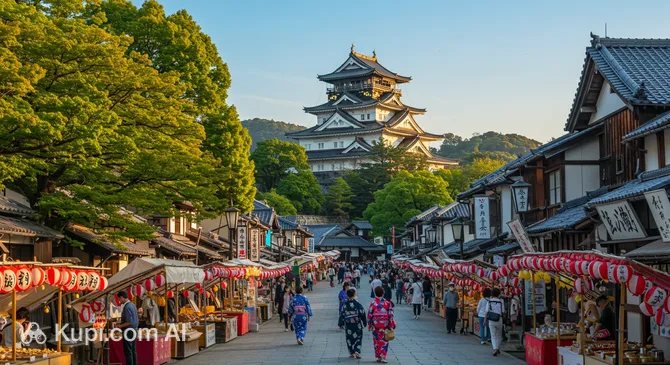
Kishiwada. Illustration.
Source: Kupi.com AI

Kishiwada's atmosphere is a wonderful blend of traditional Japanese tranquility and vibrant emotions. The city is famous for its hospitality, rich history, and unique festivals. Among the main attractions are ancient structures, such as Kishiwada Castle and various temples, as well as the world-renowned Kishiwada Danjiri Matsuri, which attracts many spectators annually with its dynamic street processions.

Kishiwada offers every guest the chance to immerse themselves in authentic Japanese culture, enjoy local delicacies, and discover something new. It is a place where everyone will find something to their liking, whether it's exploring historical treasures or participating in lively city celebrations. Come to Kishiwada to experience the unique spirit of the real Japan!

You can find more interesting facts on the Kishiwada city history page.

Weather Overview

The weather in Kishiwada has clearly defined seasons. Summer here is warm and humid: average temperatures in July and August range from 26.8°C to 28.3°C, while June and July are also characterized by a significant amount of precipitation (up to 8 mm) and a high number of rainy days (14-17 days). Winters in Kishiwada are cool and relatively dry. The average temperature in January is about 5.2°C, and precipitation is minimal (about 2 mm), with 7-9 rainy days per month. Generally, when planning your trip, expect a warm summer with occasional rain and cool, relatively dry winters. For more detailed information on weather conditions by month, you can visit the Kishiwada Climate page.

Average monthly temperature

Average monthly precipitation

Interesting Facts

Kishiwada is not just a city of the grand Danjiri festival. Behind its vibrant facade lie many curious details and unexpected facts that make it even more attractive to travelers. Here are just a few of them:

  • A Castle with a Surprise: Did you know that at the historic Kishiwada Castle, which rises majestically over the city, you can do more than just admire ancient architecture? You can also try on real samurai armor completely free of charge! And right next to the centuries-old walls is the "Hachijin-no-Niwa" garden, which, despite its "youth" (created in 1953), fits surprisingly harmoniously into the historical ensemble thanks to its design inspired by medieval motifs.

  • Festival on the Edge: The famous Kishiwada Danjiri Matsuri is not just a colorful procession. It is a true test of speed and courage! Imagine: huge, multi-ton wooden danjiri platforms race through narrow streets at dizzying speeds, controlled only by the coordinated work of local resident teams. It’s no wonder this breathtaking spectacle draws about half a million enthusiastic spectators every year.

  • Humble Beginnings of a Great Holiday: Few know that the origins of the grand Danjiri festival, famous throughout Japan, lie in an ancient ritual of offering to the gods. According to legend, it was first held at Kishiki-jinja Shrine, which remains the spiritual heart of the city and the guardian of this centuries-old tradition to this day.

  • Festival All Year Round: If your trip doesn't coincide with the September Danjiri Matsuri, don't worry! Kishiwada has a unique Danjiri Museum where, thanks to modern technology, you can experience the incredible energy of this holiday year-round: hear the roar of the crowd, see the details of the masterfully crafted carts, and even virtually immerse yourself in the atmosphere of the procession.

How to Get There

Getting to the city of Kishiwada, located in Osaka Prefecture, can be done in several convenient ways, primarily by air through nearby major airports. There is also the option of using rail connections.

The main international hub serving the region is Kansai International Airport (IATA: KIX). This major airport is situated on an artificial island in Osaka Bay, approximately 12.2 km southwest of central Kishiwada. A taxi or bus ride from the airport to the city takes about 35-45 minutes. The airport handles numerous international and domestic flights, making it the most likely arrival point for foreign tourists.

Another important air hub is Itami Airport (IATA: ITM), officially known as Osaka International Airport. Despite its name, it primarily serves domestic flights. Itami Airport is located in Osaka, about 36.6 km north of Kishiwada. The journey from there to Kishiwada by car or public transport can take about 1 hour and 15 minutes.

It is also worth mentioning Kobe Airport (IATA: UKB). Administratively, it belongs to the city of Osaka, although it is located on an artificial island in close proximity to the city of Kobe. The distance from this airport to Kishiwada is approximately 23.5 km (straight across the bay, but keep in mind that the land route will be longer). The airport serves mainly domestic flights. A trip to Kishiwada can take about 50-60 minutes, depending on the chosen route and transportation.

For clarity, here is a summary of the main airports:

AirportPassenger trafficDistance
Kansai International Airport30.6 mln12 km
Kobe Airport3.6 mln24 km
Itami Airport14.8 mln37 km
Tokushima Awaodori Airport2.3 mln79 km
Shirahama Airport438 41389 km

Rail transport also plays a vital role in connecting with Kishiwada. While the city itself may not have major Shinkansen (bullet train) hub stations, the Kansai region has a dense railway network.

The nearest of the mentioned stations is Fukai Station, located in the city of Sakai, about 14 km north of Kishiwada. This is a fairly busy station serving suburban lines. From Fukai Station to Kishiwada, you can get there by local train, bus, or taxi in approximately 30-40 minutes.

For clarity, here is a summary of the railway stations:

Additionally, Kishiwada can be reached by car via Japan's developed highway network. If you are traveling by private or rental car, navigation systems will help you easily find the optimal route. Intercity bus options connecting Kishiwada with other cities in the region should also be considered.

Main Attractions

Kishiwada, a city with a rich history and culture in Osaka Prefecture, offers tourists several fascinating places to visit. Here, everyone will find something to their liking, from ancient castles to unique cultural sites and gastronomic delights.

One of the city's main gems is undoubtedly Kishiwada Castle. Although the current structure is a post-war reconstruction, the castle rises majestically over the city and preserves the memory of samurai times. Its main tower offers panoramic views, and the surrounding Hachijinyama Park, with its traditional rock garden, is a wonderful place for walking and contemplation, especially during the cherry blossom season in spring.

Kishiwada is world-famous for its dynamic and exciting Danjiri Festival. To better understand this unique tradition, it is highly recommended to visit the Danjiri Museum (Kishiwada Danjiri Kaikan). The museum features real, elaborately decorated wooden "danjiri" carts, some weighing several tons. Interactive exhibits and video materials allow you to feel the incredible energy of the festival, even if your trip doesn't coincide with the event dates in September.

For those seeking peace and wanting to enjoy the beauty of traditional Japanese landscape art, Gofuso Garden is the perfect destination. This former residence of an influential merchant family is a magnificent example of a Japanese garden, featuring picturesque ponds, elegant bridges, a tea house, and carefully selected plants that create a harmonious atmosphere in any season. It is an excellent spot for a leisurely stroll and a break from the city bustle.

After a full day of exploring Kishiwada's sights, you can enjoy excellent dishes made from the freshest seafood. Special attention should be given to the Kani Doraku Kishiwada restaurant, which specializes in crab delicacies. Here, you will be offered a variety of dishes, from crab sashimi to hot pots, providing a wonderful conclusion to your introduction to the city.

Kani Douraku Kishiwada. Illustration.
Source: Kupi.com AI

Traveler photos:

Local Cuisine

Kishiwada's gastronomic scene is a true discovery for foodies, offering unique dishes that can only be tasted here. The city takes pride in its culinary traditions, and getting to know them will be a vibrant part of your journey.

The main culinary attraction of Kishiwada is undoubtedly kashimin-yaki. This dish outwardly resembles a Japanese pancake but features a unique filling of chicken meat and juicy ground pork. It is this combination that gives kashimin-yaki its special crispy texture and rich, savory flavor. Another dish worth trying is tamago-no-karayaki, a delicate pancake with egg prepared in a traditional style. For meat lovers, chicken fried on a hot pan is an excellent choice—a hearty and aromatic treat.

A variety of drinks accompany the meal. You can enjoy traditional Japanese sake or local beer, as well as a wide range of non-alcoholic drinks, including various types of tea and refreshing lemonades that perfectly complement the taste of local specialties.

The dining culture in Kishiwada is diverse. Locals and tourists often choose small, authentic restaurants to experience traditional cuisine. A special atmosphere is created by street food, especially during the famous Danjiri festival, when the city streets fill with stalls offering various snacks, sweets, and drinks. It’s also worth visiting farmers' markets, where you can find fresh seafood and seasonal treats. If you want to enjoy exquisite dishes, look into the Kani Doraku Kishiwada restaurant, famous for its crab delicacies.

Kishiwada's cuisine is a wonderful blend of carefully preserved traditions and bold culinary experiments. Every dish here can tell its own story, turning an ordinary lunch or dinner into an unforgettable gastronomic adventure. A visit to Kishiwada will give you not only vivid impressions of the sights but also true enjoyment from the local food.

Travel Tips

Planning a trip to Kishiwada? Great! To ensure your journey through this interesting city in Japan goes smoothly and leaves only pleasant impressions, we have prepared some practical tips.

  1. Clothing and Essentials: The climate in Kishiwada, as in all of Japan, is temperate with four distinct seasons. In summer (June-August), it is hot and humid, so bring light, breathable clothing. In spring and autumn, the weather is comfortable, ideal for layered clothing. Winter can be chilly, so warm items, including a jacket and hat, will come in handy. Be sure to bring comfortable walking shoes, an adapter for electrical appliances (Type A and B sockets are used in Japan, 100V voltage), and a portable power bank. When visiting temples and shrines, show respect: clothing should cover shoulders and knees, and you will need to remove your shoes before entering some rooms.

  2. Getting Around Town: The best way to travel around Kishiwada and its surroundings is by train. The city is served by JR West and Nankai Electric Railway lines, which provide convenient connections to Osaka and other cities in the region. For short distances within the city, you can use local buses. We strongly recommend purchasing an IC card (such as ICOCA or Suica), which can be used to pay for fares on most types of public transport. Taxis are available but can be quite expensive. Car rental is possible with an international driving permit, but keep in mind left-hand traffic and parking difficulties in cities.

  3. Financial Matters: The national currency is the Japanese yen (JPY, ¥). You can exchange currency at the airport (the nearest major one is Kansai, KIX), banks, or some hotels. Credit and debit cards (Visa, Mastercard) are accepted in many large shops, restaurants, and hotels; however, it's better to carry enough cash for small establishments and temple visits. ATMs accepting international cards are easily found in post offices (Japan Post Bank) and 7-Eleven convenience stores (Seven Bank). Tipping in Japan is not practiced and may cause confusion.

  4. Health and Safety: Japan is one of the safest countries in the world, and Kishiwada is no exception. Pharmacies ("kusuri" or "drugstore") are easy to find, but staff do not always speak English. For serious cases, be sure to have travel insurance. In an emergency, call 119 (ambulance/fire service). Be prepared for possible earthquakes: familiarize yourself with the safety instructions in your hotel. Generally, observe standard precautions, especially in crowded places.

  5. Language and Connectivity: The official language is Japanese. English is common in tourist zones, but difficulties may arise outside of them. Learn a few basic phrases: "Konnichiwa" (Hello), "Arigato gozaimasu" (Thank you), "Sumimasen" (Excuse me). For constant internet access, we recommend renting a pocket Wi-Fi router (can be picked up at the airport) or buying a tourist SIM card. Useful apps: Google Maps for navigation and transport schedules, and Google Translate for translation.

  6. Local Etiquette and Traditions: Japanese people highly value politeness and respect. Greetings are usually accompanied by a slight bow. In public places, especially on transport, try to behave quietly and do not talk loudly on the phone. Eating and drinking while walking is not common. Before entering a Japanese home, some temples, and traditional restaurants, you must remove your shoes. Learn the basic rules of using chopsticks to avoid awkward situations.

  7. What Better Not to Do: Firstly, avoid loud behavior in public places, especially on trains and buses—it is considered disrespectful. Secondly, as mentioned, do not leave tips—it is not customary in Japanese culture and can cause embarrassment.

  8. Special Tip for Kishiwada: The city is famous for its exciting Kishiwada Danjiri Matsuri, which takes place in September (main festival) and October. It is an incredibly dynamic spectacle with huge wooden floats but requires safety precautions due to the large crowds. If your visit doesn't coincide with the festival, be sure to visit the Danjiri Kaikan Museum to learn more about this unique tradition. It is also worth visiting the reconstructed Kishiwada Castle.

We hope these tips help you better prepare for your trip and get the most enjoyment out of exploring Kishiwada. This city with its rich culture and unique traditions will surely charm you. Have a pleasant trip!

Entertainment & Nightlife

Kishiwada offers its guests various options for evening leisure, although the nightlife here is quieter and cozier compared to major metropolises. The main focus is on restaurants, traditional Japanese pubs (izakaya), and small bars where you can enjoy a pleasant time after a busy day.

Evening entertainment in Kishiwada is often concentrated around railway stations, such as Kishiwada Station (Nankai Line), where many establishments can be found. While the selection of large, internationally known nightclubs in Kishiwada itself may be limited, the city offers cozy places for dining and socializing. One notable restaurant for an evening out is Kani Doraku Kishiwada, famous for its crab dishes. In addition to such restaurants, it’s worth checking out the numerous local izakayas and small bars, which are the heart of Japanese evening life, offering drinks and snacks in an informal setting. These are easy to find by strolling through the lively streets after dark.

Kani Douraku Kishiwada. Illustration.
Source: Kupi.com AI

Traveler photos:

The atmosphere in Kishiwada's evening venues is usually relaxed and friendly. The crowd is mixed, ranging from local residents to tourists. Many izakayas and small bars stay open until late evening or midnight. There is usually no specific dress code; smart casual is welcomed. To soak up the local atmosphere, it is best to arrive after 7:00 PM or 8:00 PM when the venues start to fill up.

Regarding prices, dinner at a mid-range restaurant or an evening at an izakaya can cost a reasonable amount, but it’s always wise to check prices in advance. For getting around at night, a taxi is the most convenient option, especially if you plan to stay out late, as public transport in Japan usually stops running around midnight. You can call a taxi via apps or ask the venue staff to assist.

Kishiwada, like most Japanese cities, is considered a safe place for nighttime walks, especially in the lively areas near stations and main streets. However, standard precautions should always be taken. If you are looking for louder and more diverse nightlife, you might consider a trip to nearby Osaka, which is easily accessible by train.

During the day, Kishiwada also offers interesting leisure options. The city is known for its impressive Kishiwada Castle and the annual Danjiri Matsuri festival (if it coincides with your visit). You can also visit local parks for walks and relaxation. Museums and theaters can further complement your cultural program.

Parks & Museums

Kishiwada offers its guests not only the famous Danjiri festival but also pleasant green corners for relaxation and interesting museums that immerse you in the history and culture of this Japanese city.

Among the green zones, Tombo-ike Park stands out. It is a vast park known for its picturesque flower gardens, particularly famous for its irises and hydrangeas during the blooming season. It also features areas for active recreation, children's playgrounds, and ponds, making it a wonderful place for family walks and enjoying nature. Another popular spot for relaxation is Kishiwada Chuo Park (Central Park), which offers spacious green lawns, sports facilities, and walking paths where you can observe the daily life of the city's residents.

To get acquainted with the city's cultural heritage, you should visit several key museums. The most prominent among them is undoubtedly the Danjiri Museum (Kishiwada Danjiri Kaikan). This museum is entirely dedicated to the famous and exciting Danjiri festival. Visitors can see the intricately decorated wooden floats (danjiri) up close and learn about the festival's history and traditions, while interactive exhibits allow you to feel like part of this grand event. It is an indispensable place for understanding the unique spirit of Kishiwada. Another interesting site is the Kishiwada Museum of Natural History. It features exhibits telling the story of the region's geology, flora, and fauna, including the coastal ecosystems of Osaka Bay and the mountain landscapes of Izumi. The museum will be of interest to both adults and young nature explorers.

The central historical and architectural site of the city is Kishiwada Castle. Although the current main tower (tenshukaku) is a post-war reconstruction, it stands on the site of the original feudal castle and serves as a reminder of the city's rich history. The upper floors of the castle offer a panoramic view of Kishiwada. Particular attention should be paid to the adjacent rock garden, Hachijin-no-Niwa, designed by the famous master Mirei Shigemori. This unique garden, symbolizing ancient military formations, is a beautiful example of Japanese landscape art and a place for quiet reflection.

Regarding less obvious but authentic experiences, it's worth walking through the streets of the old Jokamachi (castle town) district surrounding Kishiwada Castle. Here, the atmosphere of past centuries has been preserved in places, and you can see traditional houses and feel the historical flavor. Also, while exploring the city, look out for small local temples and shrines, each possessing its own unique atmosphere and history.

Getting Around

Kishiwada's transport system offers convenient options for getting around, with an emphasis on rail connections and bus routes. To make your journey as comfortable as possible, it is worth understanding some details.

The key railway arteries of the city are served by Nankai Electric Railway and JR West. Public transport in Kishiwada, including trains and buses, generally operates from early morning (around 5:00-6:00 AM) until midnight. However, it is always best to check the exact schedule of the last trips in advance, especially on weekends and public holidays. Kishiwada Station on the Nankai Main Line is an important hub from which it is easy to reach central Osaka (for example, the Namba district, which costs about 500-700 yen) or Kansai International Airport (KIX) with a transfer at Izumisano Station. Higashi-Kishiwada Station is served by the JR Hanwa Line, which also connects the city with Osaka (for example, Tennoji Station, with fares also around 500-700 yen) and the southern districts of the prefecture. When planning train trips on the Nankai line, pay attention to the train types (Local, Semi-Express, Express, Ltd. Express), as not all stop at every station; expresses save significant time on longer routes.

For more detailed planning of train and bus trips in Kishiwada and the Kansai region, it is recommended to check for special tourist passes in advance. For example, Nankai Electric Railway often offers tickets that are cost-effective for airport transfers or trips to popular tourist sites in their service area. You should also consider regional passes if you plan to travel extensively between several cities. Information on such tickets is best obtained at tourist information centers or at the ticket offices of major stations.

As for topping up IC transport cards (such as ICOCA) or buying single tickets, station machines usually have an English interface. A short train or bus ride within Kishiwada typically costs between 150-300 yen. To top up an IC card, select the "Charge" option (or the Japanese equivalent チャージ), insert the card, choose the top-up amount (usually from 1,000 yen), and insert cash. When buying a single ticket, first find your destination station on the large line map above the machines—the fare will be indicated next to the station name. Then, select this fare on the touch screen, choose the number of tickets, and pay. Don't forget to take your change and the ticket/card itself. Although IC cards and cash remain the most common and convenient payment methods for tourists, it’s worth noting that the popularity of payment apps is growing, though their universal acceptance for transit by tourists may be limited compared to IC cards.

Local buses, such as the Nankai Wing Bus, complement the rail network, providing access to areas far from stations and to some attractions, such as Kishiwada Castle or the Danjiri Kaikan Museum. Routes and schedules are usually posted at stops and can also be found on the transport companies' websites. On buses, payment with an IC card is made upon entering or exiting (depending on the type of bus) by tapping the card on the validator. When paying with cash, it is advisable to have small change.

In addition to public transport, you can use taxis in Kishiwada, with stands located near railway stations and major sites. This is a convenient, though more expensive option, especially for groups or when traveling with large luggage. For a leisurely introduction to the city and its immediate surroundings, you might consider renting a bicycle; rental points are sometimes found near stations or in tourist areas.

Accommodation

When planning a trip to Kishiwada, you will find various accommodation options to suit different preferences and budgets. The city offers a choice ranging from traditional Japanese inns (ryokans), where you can immerse yourself in the local culture, to modern hotels and more budget-friendly guest houses. You might also consider renting an apartment, especially if you are traveling with family or planning a long stay.

When choosing a place to stay in Kishiwada, look for areas near major transport hubs, such as railway stations. This will provide you with easy access to the city's attractions and the surrounding areas. Central districts may also offer a good selection of cafes, restaurants, and shops within walking distance.

To ensure the availability of a suitable option, especially during the peak tourist season or during local festivals, it is recommended to book accommodation in advance. Prices for stays can vary from budget to higher-end, depending on the type of accommodation and level of comfort. Popular online platforms are convenient for searching and booking, or in some cases, you can contact hotels directly.

Nearby Cities

For those looking to explore the surrounding areas, Kishiwada serves as an excellent starting point for day trips to several interesting nearby locations. For example, you can head to Sakai, a large city to the north, known for its ancient kofun burial mounds, which are listed as a UNESCO World Heritage site, as well as its centuries-old traditions of manufacturing famous knives. Another interesting destination is Tondabayashi, where you can visit the beautifully preserved Jinaimachi historic merchant district dating back to the Edo period and feel the atmosphere of old Japan.

For more detailed planning, below is a table with information about some cities in the vicinity of Kishiwada:

CityPopulationDistance
Kaizuka84 3563 km
Tadaoka-higashi16 6284 km
Izumiotsu74 1756 km
Kumatori43 5707 km
Izumisano99 3287 km

These nearby destinations allow for a deeper dive into the diverse culture, history, and landscapes of Osaka Prefecture.

Shopping & Souvenirs

Kishiwada offers pleasant shopping opportunities, especially if you are looking for daily essentials, local delicacies, or unique souvenirs reflecting the region's culture. Although the city is not a major international fashion hub, you can find authentic Japanese goods here and experience the atmosphere of local life. Kishiwada is particularly famous for its Danjiri Festival, and this is reflected in some of the souvenirs available for purchase.

The main shopping spots in Kishiwada, as in many Japanese cities, are often concentrated around railway stations. Here, you will likely find lively shopping streets and covered arcades known as "shotengai." These areas usually offer a diverse range of goods: from small family-run shops selling traditional crafts and products to modern chain stores.

In Kishiwada, as in other Japanese cities of its size, you will likely find department stores or shopping complexes, especially near major stations. They offer a good selection of goods: from clothing and cosmetics to electronics and household items, meeting the needs of both locals and tourists.

If you are interested in fresh local products, check out Kishiwada's markets. Being a coastal city, it boasts a good selection of fresh fish and seafood. Local markets also often feature seasonal vegetables, fruits, pickles, and other delicacies of the Kansai region. It’s a great place to observe the daily life of the residents and try local specialties.

From Kishiwada, it’s worth bringing home souvenirs that reflect the local flavor. Goods related to the famous Danjiri festival are very popular: miniature models of "danjiri" carts, traditional "happi" festival coats, or "tenugui" towels with themed patterns. Also, look for local confectionery, regional sake or shochu, as well as traditional Japanese crafts found in souvenir shops. Don't forget classic Japanese souvenirs such as green tea, ceramics, or folding fans.

Most shops in Kishiwada are usually open from 10:00 or 11:00 AM until 7:00 or 8:00 PM. Department stores and large shopping centers may stay open later. Small private shops might have their own schedules and a closing day (often once a week). Regarding payment, cash is still widely used, especially in markets and small shops. However, most department stores, chain stores, and tourist spots accept credit cards. Contactless payments using IC cards (e.g., ICOCA, Suica, Pasmo) are also popular.

Foreign tourists in Japan can take advantage of the Tax-Free system on many goods. Look for shops with the "Japan Tax-free Shop" logo. Usually, to process a tax refund, you need to make a purchase of a certain amount (most often from 5,000 yen excluding tax) in one shop within one day. You will need your passport for processing. Remember that some items, especially consumables (food, drinks, cosmetics), are packed in special bags that should not be opened until you leave the country.

Reached the end of the page?

That means the route is fully explored