Support

Nishinomiya

About

Nishinomiya is a charming city nestled between two Japanese metropolises: Osaka and Kobe. Its geographical location is unique: the city stretches along the coast of Osaka Bay and abuts the picturesque Rokko Hills, creating a special atmosphere with a fresh sea breeze and magnificent views of the bay and mountains. This proximity to both nature and major cities makes Nishinomiya an excellent starting point for traveling around the Kansai region.
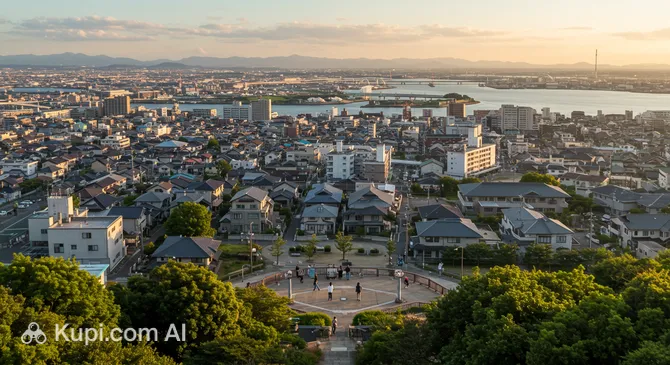
Nishinomiya. Illustration.
Source: Kupi.com AI

With a population of approximately 487,010 people, Nishinomiya is among the largest cities in Hyogo Prefecture and is considered one of Osaka's central industrial suburbs. The city is famous for its steady pace of life, high level of comfort, and safety, attracting both local residents and international visitors. Here, it is easy to find both modern shopping centers and quiet streets with traditional shops.

The atmosphere of Nishinomiya is a harmony of Japanese traditions and modern urban style. The city is known for its lively festivals, such as the famous Toka Ebisu Festival at Nishinomiya Shrine, which attracts pilgrims and tourists alike. Nishinomiya gained special fame for its production of high-quality sake; many local breweries are open for visits and tastings. For lovers of nature and quiet relaxation, the city offers picturesque parks, which are especially beautiful during the cherry blossom season, and cozy promenades along the bay.

Nishinomiya is a place where everyone will find something to their liking, whether it's immersing themselves in culture, making gastronomic discoveries, or enjoying natural beauty. The city is ideal for getting to know the real Japan—hospitable, beautiful, and amazingly diverse, offering unforgettable travel experiences.

You can find more interesting facts on the history of Nishinomiya page.
Weather Overview

In Nishinomiya, the weather is characterized by warm and humid summers, with temperatures reaching an average of 28.2°C in August, and cool winters, when the average temperature in January is around 5.0°C. In summer, especially in July, the highest amount of precipitation falls (averaging 8 mm), while winter months, such as December, are significantly drier (about 1 mm of precipitation). Expect a warm summer with occasional rain and cool, drier winters.

For detailed monthly weather information, including data on minimum and maximum temperatures as well as the number of rainy days, we recommend checking the detailed forecast: Nishinomiya Climate.

Average monthly temperature

Average monthly precipitation

Interesting Facts

In addition to its well-known attractions, Nishinomiya hides many amazing stories and features that make this city truly unique. Here are just a few interesting facts that will help you look at Nishinomiya from a new perspective:

  • Nishinomiya rightfully holds the title of the "sake capital" of Japan. The city is famous for its numerous ancient sake breweries, and local sake is valued throughout the country for its exceptional purity of taste and smoothness.

  • This city is the birthplace of the world-famous writer Haruki Murakami. Many corners of Nishinomiya are reflected in the pages of his works, attracting fans of his writing from all over the world who wish to walk through the places described in his books.

  • Nishinomiya is home to the famous Hanshin Koshien baseball stadium. Every year, it hosts the National High School Baseball Championship—one of the most significant and spectacular sporting events in Japan, drawing thousands of fans.

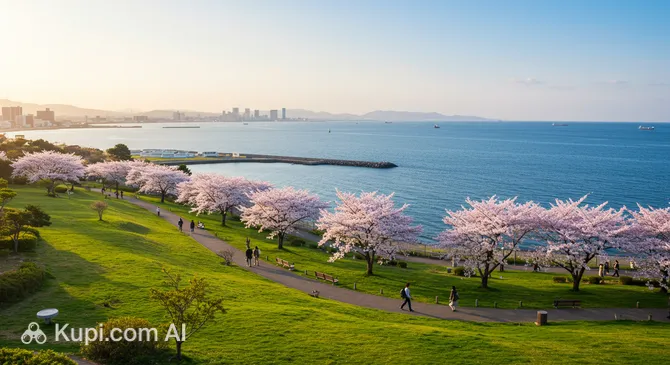
  • The city transforms in spring during the cherry blossom season, being famous for its hanami (flower viewing) festivals. One of the popular places to enjoy this spectacle is Shukugawa Park, where residents and tourists gather for picnics under the pink clouds of blooming trees.

Shukugawa Park. Illustration.
Source: Kupi.com AI

Traveler photos:

How to Get There

Nishinomiya boasts excellent transport accessibility thanks to its location between two major metropolises—Osaka and Kobe. Tourists can easily arrive here by train, bus, or car. For those planning their route, we have prepared detailed information on how to get to Nishinomiya by various means.

Nishinomiya itself does not have its own airport, but its proximity to major transport hubs in the Kansai region makes flying a very convenient option. The closest to the city is Itami Airport (ITM), located in Osaka, just 10.3 km from the center of Nishinomiya. This airport primarily serves domestic flights. A taxi or bus ride from there will take about 35 minutes.

For international travelers, the main air gateway is Kansai International Airport (KIX). It is also located in Osaka, approximately 35.6 km from Nishinomiya. This is a major hub receiving flights from all over the world. Travel time by ground transport is roughly 1 hour and 15 minutes. It is also worth mentioning Kobe Airport (UKB), located 15.3 km from the city; the journey from there takes about 45 minutes.

For convenience, here is a summary of the main airports:

AirportPassenger trafficDistance
Itami Airport14.8 mln10 km
Kobe Airport3.6 mln15 km
Kansai International Airport30.6 mln36 km
Tokushima Awaodori Airport2.3 mln95 km
Tajima57 194100 km

Regarding rail connections, Nishinomiya is perfectly integrated into the region's train network. There is no Shinkansen high-speed train station in the city, but getting here is very easy with a transfer. Travelers usually reach Shin-Osaka or Shin-Kobe stations, from where Nishinomiya can be reached in just 15–20 minutes via local expresses on the JR, Hankyu, or Hanshin lines. These trains run very frequently, providing fast and comfortable connections to neighboring cities.

Main Attractions

Nishinomiya, cozily nestled in Hyogo Prefecture, offers travelers many interesting places to immerse themselves in Japanese culture, enjoy nature, and simply have a pleasant time. The city is famous for its picturesque parks, ancient temples, and shrines, each possessing its own unique atmosphere.

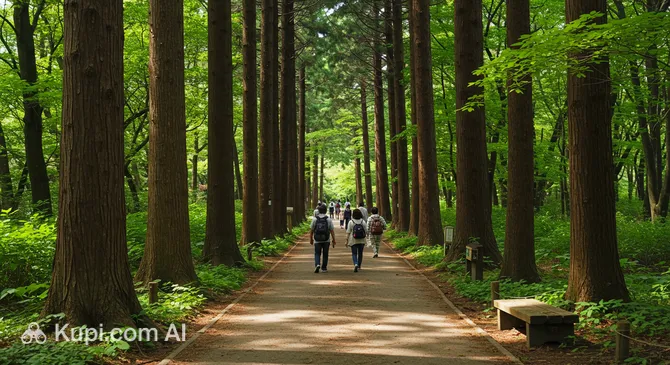
One of the iconic sites is Kabutoyama Forest Park. This vast park, spread across the slopes of Mount Kabuto, attracts visitors with the opportunity to enjoy nature, hike along numerous trails, and admire panoramic views of the surroundings. The park is especially beautiful in spring during the cherry blossoms and in autumn when the foliage turns vibrant colors. It is a great place for family outings and picnics.

Kabutoyama Forest Park. Illustration.
Source: Kupi.com AI

Traveler photos:

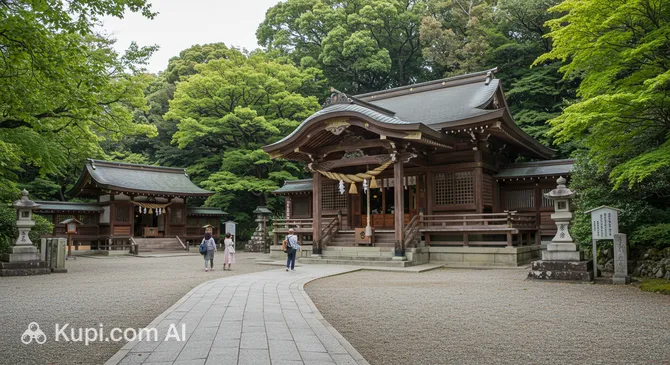
Equally noteworthy is Koshikiiwa Shrine, known for its massive boulder which, according to legend, was placed here by a deity. This place is shrouded in a mystical aura and attracts both pilgrims and tourists interested in Shinto traditions and ancient legends. The shrine offers a peaceful atmosphere for reflection and an introduction to Japanese spirituality.

Koshikiiwa Shrine. Illustration.
Source: Kupi.com AI

Traveler photos:

For lovers of outdoor walks, Shukugawa Park is ideal. This linear park, stretching along the Shukugawa River, is famous for its cherry tree alleys, which create an incredibly beautiful sight during the blooming period. The park is a popular spot for hanami (cherry blossom viewing), jogging, and quiet relaxation by the water. Here, you can take a break from the city bustle and enjoy the harmony of nature.

Shukugawa Park. Illustration.
Source: Kupi.com AI

Traveler photos:

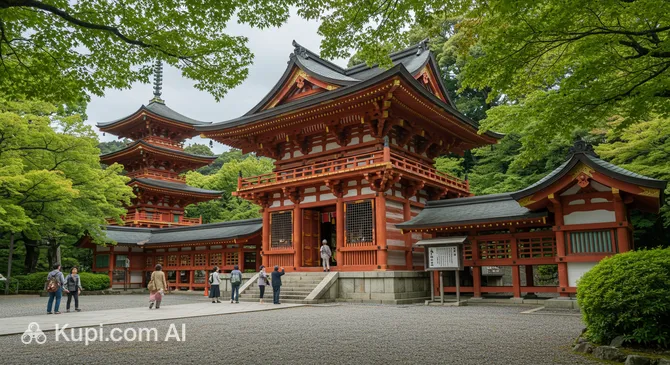
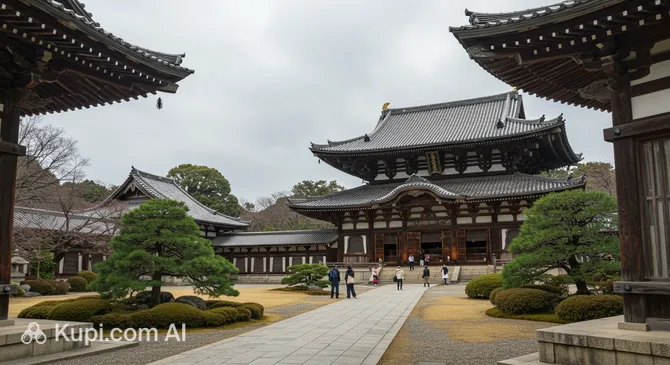
Another important religious landmark is Kanno-ji Temple. This Buddhist temple with a rich history attracts visitors with its beautiful architecture and calm, soothing atmosphere. Visitors can explore the temple buildings, admire the garden, and learn more about the Buddhist traditions of the region. The temple is an important cultural and spiritual center of the city.

Kannō-ji Temple. Illustration.
Source: Kupi.com AI

Traveler photos:

In addition to these sites, there are other interesting spots in Nishinomiya, such as Toko-ji Temple or the scenic Motohama Ryokuchi Park, each of which will add unforgettable experiences to your journey through this charming Japanese city.

Local Cuisine

The gastronomic scene in Nishinomiya is a true discovery for foodies, and its crown jewel is undoubtedly sake. The city is famous for its traditions of producing this beverage, and numerous bars and restaurants offer a unique opportunity to get acquainted with the variety of its sorts. Here, you can try tasting sets, as well as dishes that perfectly complement the flavor of sake—from delicate sushi to savory snacks made from the freshest seafood. Tours of sake production sites and tastings are popular with tourists, allowing for a deeper immersion into the culture of this famous drink.

Among the dishes that are definitely worth trying in Nishinomiya, "sabazushi" stands out—a special type of sushi with pickled mackerel that has a unique taste. Of course, one cannot overlook other seafood: fresh fish and shellfish delivered daily from local markets form the basis of many traditional recipes. For a quick and tasty snack, you can find appetizing fried octopus balls "takoyaki", hearty rice balls "onigiri", and various seasonal sweets in the city streets and small stalls.

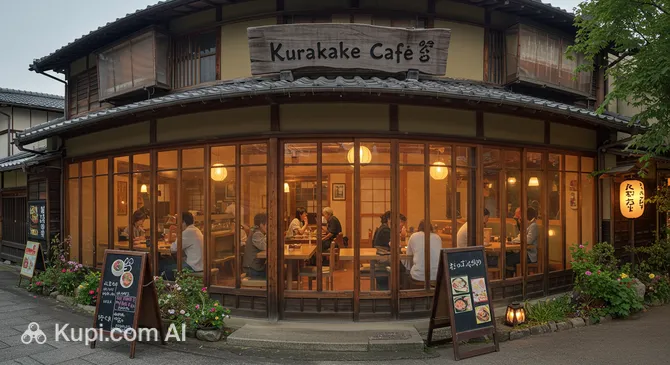
The food culture in Nishinomiya is diverse. Locals and tourists can enjoy a meal in both traditional restaurants and more modern establishments, such as the cozy Kurakake Cafe. Farmers' markets hold a special place in the city's gastronomic life. Here, you can always buy the freshest vegetables, fruits, and other products from local producers, and on weekends, these markets often turn into real gastronomic festivals with tastings and workshops.

Kurakake Café. Illustration.
Source: Kupi.com AI

Traveler photos:

The main alcoholic beverage of Nishinomiya is, of course, sake, presented in all its diversity. In addition to it, the city's establishments offer other traditional Japanese drinks, as well as a wide selection of non-alcoholic options, including various types of tea that perfectly complement any meal.

Nishinomiya is a true paradise for lovers of Japanese cuisine and those seeking new gastronomic experiences. Annual festivals dedicated to sake and street food provide a unique opportunity to get to know the region's culinary traditions, try exclusive dishes, and dive into the festive atmosphere. A trip here promises to be an unforgettable culinary journey.

Travel Tips

Planning a trip to the charming city of Nishinomiya? To ensure your journey through this corner of Japan goes smoothly and leaves you with only the most pleasant memories, we have prepared some practical tips for you.

  1. Clothing and Essentials: The climate in Nishinomiya is characterized by hot, humid summers and mild winters. Layering is your best choice for clothing in any season. Be sure to bring comfortable shoes, as you will be doing a lot of walking. Don't forget an adapter for electrical appliances (Japan uses 100V, with type A and B plugs). An umbrella or a light raincoat will be useful, especially during the rainy season (June–July). When visiting temples and shrines, it is advisable to choose clothing that covers the shoulders and knees and be prepared to remove your shoes before entering some premises.
  2. Transport: It is convenient to get around Nishinomiya by public transport. The city is well-served by railway lines (JR, Hankyu, Hanshin) that connect it to Osaka and Kobe. There are also bus routes. Taxis are available but can be expensive; taxi-calling apps exist but are less common than in other countries. Renting a car is possible with an international driving permit, but keep in mind that driving is on the left and parking can be a challenge.
  3. Finances: The local currency is the Japanese Yen (JPY, ¥). Money can be exchanged at airports, banks, or licensed exchange offices. Credit cards (Visa, Mastercard) are accepted in many hotels, shops, and restaurants; however, it is always useful to carry cash, especially for small establishments, temples, or markets. ATMs that accept international cards are easy to find at post offices (Japan Post Bank) and 7-Eleven convenience stores. An approximate daily budget for a comfortable trip (excluding accommodation) can be 10,000–15,000 yen, but this depends heavily on your dining and entertainment preferences. Tipping in Japan is not practiced and may even cause confusion.
  4. Health and Safety: Japan is one of the safest countries in the world, and Nishinomiya is no exception. Pharmacies (look for the sign "薬" or "kusuri") are everywhere, but the staff may not always speak English. 24-hour pharmacies are rare, so it's better to have basic medications with you. In emergencies at night, you should go to the emergency departments of large hospitals or call 119 (ambulance and fire service). It is recommended to have travel insurance that covers medical expenses. General precautions, as in any journey, will not go amiss.
  5. Communication: The official language is Japanese. English is common in tourist centers, hotels, and major stations, but knowing a few basic Japanese phrases (e.g., "konnichiwa"—hello, "arigato"—thank you, "sumimasen"—excuse me) will be very helpful and appreciated by the locals. For connectivity, you can purchase a local SIM card, rent a pocket Wi-Fi router (a very popular option), or use free Wi-Fi available in many hotels, cafes, and stations. For navigation and route planning on public transport, install apps like Google Maps or Japan Travel by Navitime. The Google Translate app will help with translating text and speech.
  6. Local Etiquette: Japanese people value politeness and respect. A greeting is usually accompanied by a bow; a slight nod of the head will suffice for a foreigner. In public places, especially on transport, try to speak quietly and avoid eating while walking. Follow the queue. You must remove your shoes when entering a Japanese home, some temples, and traditional restaurants. When using chopsticks, do not stick them vertically into rice and do not pass food with chopsticks to another person.
  7. What to Avoid: Try not to blow your nose loudly in public—it is considered impolite. As mentioned, do not leave tips. Also, avoid pointing at people or objects with one finger; if you need to point out a direction, use an open palm.
  8. Feature of Nishinomiya: The city is known throughout Japan for Koshien Stadium—a legendary arena for baseball matches, especially high school championships. If your visit coincides with a game, it can be a unique cultural experience. Additionally, Nishinomiya is part of the famous "Nada Gogo" sake production region. Visiting one of the local breweries for a tasting can be a pleasant addition to your trip. Don't forget to take a stroll through the scenic Shukugawa Park, which is especially beautiful in spring during the cherry blossoms.

We hope these tips help you better prepare for your trip and fully enjoy the hospitality and unique atmosphere of Nishinomiya. Have a pleasant journey!

Entertainment & Nightlife

Nightlife in Nishinomiya is noticeably different from bustling metropolises like Osaka or Tokyo. You won't find massive dance clubs operating until dawn here, but Japan reveals a different, more cozy and authentic side. Evening leisure in this city is centered around gastronomy, socializing, and drink tastings. The main centers of attraction after sunset are the areas around the Nishinomiya-Kitaguchi and Hanshin Nishinomiya railway stations, where the red lanterns of traditional izakayas glow in narrow alleys.

The atmosphere in local establishments is relaxed and friendly. "Salarymen" (office workers) come here after a day's work, along with students and local residents. There is virtually no dress code: casual style is appropriate in any bar or restaurant. If you are looking for a place for a quiet dinner or an evening cocktail, it is worth checking out Kurakake Cafe. This establishment is perfect for catching your breath and enjoying a pleasant atmosphere away from the hustle and bustle.

Nishinomiya is one of the centers of the famous Nada-Gogo wine region, renowned for its sake. Therefore, visiting local sake bars is a mandatory part of any evening program. Many places offer tasting sets. For those who prefer a more familiar format, U.K. Cafe is a good choice for spending time with friends. Prices in the city are moderate: the average bill for dinner with drinks ranges from 3,000 to 5,000 yen. Most bars close around midnight or 1:00 AM, aligning with the schedule of the last trains.

From a safety perspective, Nishinomiya is an ideal place. Even at night, you can walk the streets safely; the crime rate is extremely low. If you stay out late and miss the last train, you can always catch a taxi at the station ranks or call one via apps (such as GO or Uber). Drivers are polite but often do not speak English, so have your hotel address written in Japanese.

During the day, the city offers no fewer interesting activities. Nature lovers should definitely visit the picturesque Shukugawa Park, which is especially beautiful during the cherry blossom season. It is one of the best places in the region for walks along the river. Those interested in culture and history will find it fascinating to visit the ancient Koshikiiwa Shrine, known for its mystical megaliths. Nishinomiya is also famous for its Koshien Baseball Stadium, which hosts the most emotional matches of both high school and professional leagues.

Parks & Museums

Nishinomiya invites travelers to enjoy a harmonious combination of well-kept green areas and a rich cultural heritage reflected in its historical shrines and picturesque parks. The city offers many opportunities for outdoor recreation and getting to know local traditions.

Among the green gems of Nishinomiya, Shukugawa Park is particularly notable, known for its magnificent cherry blossoms in spring that attract both locals and tourists. It is an ideal place for walks and picnics along the river. Another noteworthy spot is Kabutoyama Forest Park, offering hiking trails, observation decks with city views, and a chance to immerse yourself in nature. For those seeking tranquility by the water, Omaehama Park, located on the coast, is an excellent choice for relaxation and contemplating seascapes.

Shukugawa Park. Illustration.
Source: Kupi.com AI

Traveler photos:

Kabutoyama Forest Park. Illustration.
Source: Kupi.com AI

Traveler photos:

Omaehama Park. Illustration.
Source: Kupi.com AI

Traveler photos:

While Nishinomiya may not boast a large number of major museums in the traditional sense, its cultural life is vividly represented through historical landmarks and temples, which are living exhibits of history and art themselves. Immersing yourself in the atmosphere of these places allows for a deeper understanding of the city's spirit.

An important part of Nishinomiya's cultural heritage are its shrines. Koshikiiwa Shrine, steeped in legends, attracts visitors with its ancient history and unique atmosphere. It is also worth visiting Toko-ji Temple, which offers a peaceful space for reflection and an introduction to Buddhist traditions. These sites are not only architectural monuments but also centers of the city's spiritual life.

Koshikiiwa Shrine. Illustration.
Source: Kupi.com AI

Traveler photos:

Toko-ji Temple. Illustration.
Source: Kupi.com AI

Traveler photos:

To experience the local way of life and relaxation, consider visiting Qua Mukogawa, a modern complex offering opportunities for relaxation and wellness, which is also a part of the city's modern culture.

For more authentic experiences, turn off the beaten tourist paths and explore small local parks, such as Nishimukyo Park. Also, pay attention to lesser-known temples, such as Kanno-ji Temple, where you can feel the true atmosphere of the Japanese province.

Getting Around

Getting around Nishinomiya is quite convenient thanks to a well-developed public transport system. The backbone of the transport network consists of railway lines and bus routes that connect various city districts and provide links to neighboring major cities like Osaka and Kobe.

The main railway operators serving Nishinomiya are JR (Japan Railways), Hankyu Railway, and Hanshin Electric Railway. Their trains run frequently and are known for their punctuality. In addition to trains, buses operate throughout the city, covering areas not reached by the railway and providing convenient local travel. Trams, trolleybuses, or shared taxis in the traditional sense are not common here.

The fare payment system in Nishinomiya, as in many Japanese cities, is very user-friendly. The most popular method is using rechargeable IC cards, such as ICOCA (common in the Kansai region), although other major Japanese IC cards are also accepted. These cards can be used on both trains and buses. You can purchase and top up an IC card at machines in railway stations. There is also always the option to buy a single ticket for a specific trip. The fare usually depends on the distance traveled.

For tourists, it is practical to purchase an IC card immediately upon arrival. Single-trip tickets are also sold at station machines, which usually have an interface in several languages, including English. An IC card is validated by tapping it on the turnstile at the entrance and exit of a station, and on buses, on a reader when entering or exiting (depending on the bus type). Public transport operates from early morning until late evening, though the frequency may decrease during off-peak hours and late at night.

As an alternative to public transport in Nishinomiya, you can always use taxis. They are readily available, especially at stations and in busy areas, but this mode of transport is significantly more expensive. For leisurely exploration of specific neighborhoods, bicycle rentals may be suitable, offering a more flexible way to move over short distances. Car sharing is less common among tourists for short-term city trips compared to the highly efficient public transport.

Accommodation

When planning a trip to Nishinomiya, you will find a variety of accommodation options to suit different preferences and budgets. The city offers a choice ranging from more economical guesthouses and hostels to comfortable mid-range hotels and traditional Japanese ryokans, where you can immerse yourself deeper into the local culture. Apartment rentals are also available, which can be convenient for families or long-term stays.

When choosing a place to stay in Nishinomiya, look for areas with good transport accessibility, especially near railway stations, which will make it easier to move around the city and its surroundings. Some tourists prefer to stay closer to the attractions that interest them, such as Kabutoyama Forest Park or Shukugawa Park, to enjoy nature and walks. Although Nishinomiya may not have a large concentration of major international hotel chains, the city offers many cozy local hotels and guesthouses with high-quality service.

Accommodation prices in Nishinomiya vary depending on the type of lodging, its location, and the season. You can find both budget options and more expensive offers. To search for and book accommodation, it is convenient to use popular online platforms such as Booking.com, Agoda, and Expedia, or contact hotels directly. It is recommended to book your accommodation in advance, especially if your trip falls during the peak tourist season, national holidays, or major events, to ensure the best choice and prices.

Nearby Cities

For those who want to explore the surrounding area, Nishinomiya serves as an excellent starting point for day trips to several interesting nearby locations:

Very close by are gems of the Kansai region such as Osaka—a dynamic metropolis known for its amazing cuisine, the vibrant Dotonbori district, and the majestic Osaka Castle. No less attractive is Kobe—an elegant port city famous for its marbled beef, picturesque harbor, and the historic Kitano district with European architecture. Both cities are easily accessible for a day trip and offer a wealth of experiences.

CityPopulationDistance
Ashiya94 1163 km
Amagasaki450 5066 km
Takarazuka224 0557 km
Itami198 5228 km
Ikeda104 14812 km

These nearby destinations provide an insight into the diverse culture and landscapes of the region.

Shopping & Souvenirs

Nishinomiya, cozily situated in Hyogo Prefecture, offers tourists pleasant shopping opportunities, combining modern stores with traditional Japanese goods. While the city may not be a retail giant like Osaka or Tokyo, you will find everything you need and can purchase unique souvenirs here. The city and its surroundings are especially famous for sake production, making it an excellent place to buy this famous Japanese drink. Main shopping activity in Nishinomiya, as in many Japanese cities, is concentrated around major railway stations such as Nishinomiya-Kitaguchi and JR Nishinomiya. In these areas, you will find department stores, specialty shops, fashion boutiques, and electronics. It is also worth paying attention to shotengai—covered shopping arcades where you can discover small family-run shops offering local goods and food products.

For those who prefer shopping under one roof, Nishinomiya has several modern shopping malls. One of the most famous is Hankyu Nishinomiya Gardens, one of the largest shopping complexes in western Japan, located next to Nishinomiya-Kitaguchi station. It features hundreds of shops, restaurants, a cinema, and even a rooftop garden. Other shopping complexes and department stores can also be found near major transport hubs, offering convenient shopping. Although Nishinomiya is not famous for huge traditional markets like some other Japanese cities, you can find local food stalls and small market areas here, especially in residential neighborhoods or during festivals. They offer fresh seasonal produce, seafood, and local delicacies, and visiting them can be an interesting part of getting to know the city's daily life.

The primary souvenir from Nishinomiya is, of course, sake. The city is part of the famous "Nada-Gogo" sake production region, and there are many sake breweries where you can not only taste but also purchase a high-quality bottle. Traditional Japanese sweets (wagashi), ceramics, textiles, and local handicrafts are also popular. Since the famous Koshien baseball stadium is located in Nishinomiya, baseball-themed goods can also make a great gift. Sometimes near attractions like Toko-ji Temple or Koshikiiwa Shrine, you can find small shops selling amulets or local souvenirs.

Toko-ji Temple. Illustration.
Source: Kupi.com AI

Traveler photos:

Most shops in Nishinomiya are open from approximately 10:00 or 11:00 AM to 7:00 or 8:00 PM. Large shopping centers and department stores may stay open longer, especially on weekends. Regarding payment, cash (Japanese Yen) is still widely used, especially in smaller shops and markets. However, credit cards (Visa, MasterCard, JCB, American Express) are accepted in most large stores, department stores, and tourist areas. Contactless payments and IC card payments (such as ICOCA in the Kansai region) are also becoming increasingly common. International tourists can take advantage of the Tax-Free system on many goods when purchasing for an amount over 5,000 yen at licensed stores. Look for the "Japan Tax-free Shop" sign. To process a tax refund, you will need to present your passport, and the procedure usually takes place directly in the store at the time of payment.

Reached the end of the page?

That means the route is fully explored