Support

Takarazuka

About

Takarazuka is a city where Japan reveals itself from a completely unique perspective. A special atmosphere of art, inspiration, and serene tranquility reigns here. Nestled in a picturesque valley between hills and rivers in the northwest of the Kinki region, in Hyogo Prefecture, the city is located very close to major hubs like Osaka and Kobe. This favorable geographical position allows Takarazuka to harmoniously combine natural charm with all the conveniences of modern urban comfort, while its surroundings are perfect for leisurely walks and outdoor relaxation.

Takarazuka. Illustration.
Source: Kupi.com AI

With a population of about 224,000 people, Takarazuka gives the impression of a city where life flows at a measured pace yet remains full of events. The city is rightfully proud of its rich cultural heritage and serves as an important administrative center where tradition and modernity blend seamlessly. The crown jewel and symbol of Takarazuka is undoubtedly the famous Takarazuka Revue, a musical theater troupe known for its grand productions where all roles are performed exclusively by women. Beyond the theater, the city attracts travelers with its secluded temples, cozy farmers' markets, and the opportunity to relax in local onsen resorts (traditional Japanese hot springs).

If you are looking for a place that can provide new emotions and inspiration, Takarazuka is your choice. Come here to immerse yourself in the magical world of theater, touch Japanese history, and enjoy the fresh air and unhurried rhythm of life. This city is a true find for curious travelers.

You can find more interesting facts on the history of Takarazuka page.

Weather Overview

The climate in Takarazuka is characterized by clearly defined seasons. In general, expect warm summers with occasional rain and cool, relatively dry winters. In the summer months, especially in July and August, the average air temperature hovers around 26–28°C; July also stands out for the highest amount of precipitation (about 9 mm) and the greatest number of rainy days (averaging 20). In winter, specifically in January and December, the average temperature drops to 4–6°C, and the amount of precipitation decreases significantly to only 1–2 mm per month, with the number of rainy days also at a minimum (6–8 days).

Spring and autumn in Takarazuka offer comfortable transitional weather. For example, in May the average temperature is a pleasant 18.1°C, and in October it is around 17.7°C, with moderate rainfall. To get more detailed information about weather conditions by month, you can visit the Takarazuka Climate page.

Average monthly temperature

Average monthly precipitation

Interesting Facts

Beyond its main highlights like the famous theater, Takarazuka hides many curious details and stories that make this city truly special. Ready to learn some surprising facts about this corner of Japan?

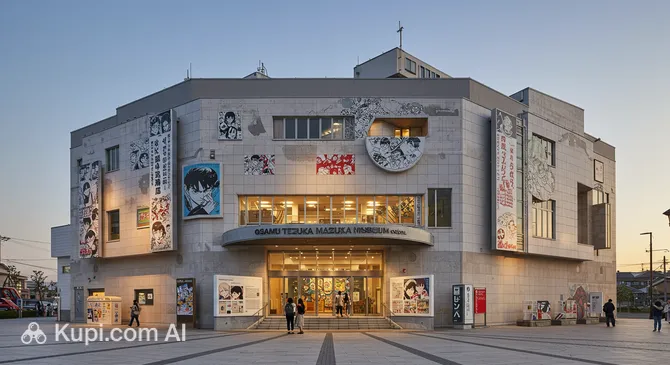
Osamu Tezuka Manga Museum. Illustration.
Source: Kupi.com AI

Traveler photos:

  • Takarazuka Revue is not just a theater, but an entire cultural phenomenon. Founded in 1913, it is unique because every single role, including male ones, is performed by women. The troupe's performers enjoy incredible popularity, and tickets for their spectacular shows, which combine Broadway scale with Japanese refinement, sell out long before the premiere.

  • The city is the birthplace of one of the pillars of Japanese manga and animation—Osamu Tezuka. Fans of his work can visit the Osamu Tezuka Manga Museum, which houses exhibits dedicated to the life and works of the creator of "Astro Boy" and "Kimba the White Lion."

  • Takarazuka has been famous for its onsens—traditional Japanese hot springs—for over a century. It is believed that the local thermal waters possess healing properties, granting health and longevity, which attracts those looking to rest and recover.

  • In addition to the theater and museums, the city carefully preserves its history. One such place is the ancient Nakayama-dera Temple, which draws pilgrims and tourists with its peaceful atmosphere and beautiful architecture.

How to Get There

When planning a trip to this theatrical city, it is important to think about your route in advance. You can find more details on how to get to Takarazuka by exploring various transport options. Since Takarazuka does not have its own airport, travelers usually fly into nearby major transport hubs in the Kansai region, from where it is easy to reach the destination by ground transport.

The closest and most convenient option for domestic flights is Itami Airport (ITM). It is located in Osaka, just 7.3 km from Takarazuka. This is a major hub with high passenger traffic, receiving many flights from all over Japan. The journey from here by taxi or bus takes very little time—about 30 minutes.

For international travelers, the main gateway is Kansai International Airport (KIX), also located in Osaka (approximately 42.7 km from the city). This is a massive airport receiving flights from around the world. The journey from Kansai to Takarazuka by car takes about 1 hour and 25 minutes. You can also consider Kobe Airport (UKB), which is 21.8 km away; the trip from there to Takarazuka will take approximately 50–55 minutes.

For clarity, here is a summary of the main airports:

AirportPassenger trafficDistance
Itami Airport14.8 mln7 km
Kobe Airport3.6 mln22 km
Kansai International Airport30.6 mln43 km
Tajima57 19495 km
Tokushima Awaodori Airport2.3 mln101 km

Rail transport is the most popular way to reach Takarazuka from airports or neighboring cities. The city is served by two main operators: Hankyu Railway and JR West. Takarazuka Station is the terminus for many express trains coming from Osaka (Umeda Station) and other cities in the region. A train ride toward Takarazuka is not only convenient and punctual but also allows you to enjoy views of urban and natural landscapes along the way.

Main Attractions

Takarazuka, a city with a rich cultural life and picturesque surroundings, offers tourists many interesting places to visit. Among them, several key attractions stand out that will give you unforgettable impressions and a deeper understanding of this Japanese city's unique character.

One of the city's most iconic landmarks is the Osamu Tezuka Manga Museum. Dedicated to the "God of Manga," Osamu Tezuka, who grew up in Takarazuka, the museum introduces visitors to his life, work (including world-famous masterpieces like "Astro Boy," "Princess Knight," and "Kimba the White Lion"), and his immense influence on Japanese animation and comics. Interactive exhibits, a library of original works, and animation workshops make a visit here exciting for fans of all ages and those just discovering the world of manga.

Osamu Tezuka Manga Museum. Illustration.
Source: Kupi.com AI

Traveler photos:

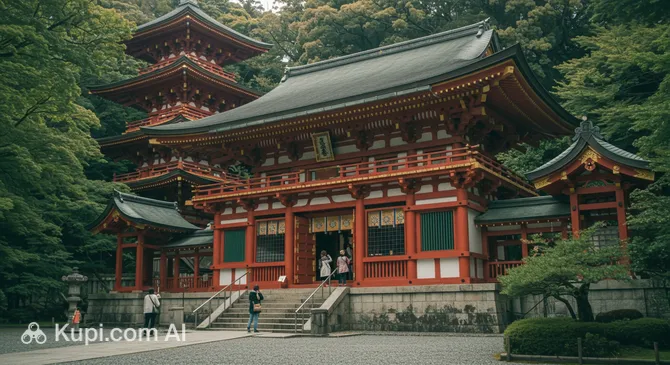
For those interested in traditional Japanese culture and spirituality, Nakayama-dera Temple is a must-visit. This ancient Buddhist temple, said to have been founded by Prince Shotoku, is famous for granting blessings for safe childbirth and the health of children. The temple impresses with its beautiful architecture and peaceful atmosphere, serving as an important point on the Kannon pilgrimage route, attracting many believers and tourists seeking tranquility and spiritual enrichment.

Nakayama-dera. Illustration.
Source: Kupi.com AI

Traveler photos:

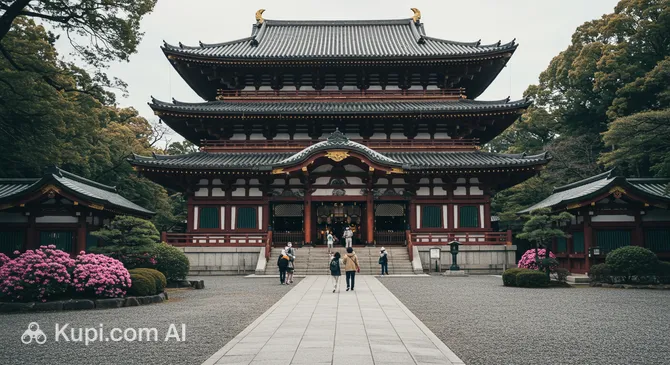
Another significant religious site is Seicho-ji Temple, also known as the Temple of the Pure Stream. This Buddhist temple of the Shingon school is known for its connection to a guardian deity against fire and its majestic main hall. Located in a scenic mountainous area, the temple is especially beautiful in autumn when the maples turn crimson. A visit to Seicho-ji offers visitors peace and the opportunity to experience centuries-old Japanese spiritual traditions.

Seicho-ji Temple. Illustration.
Source: Kupi.com AI

Traveler photos:

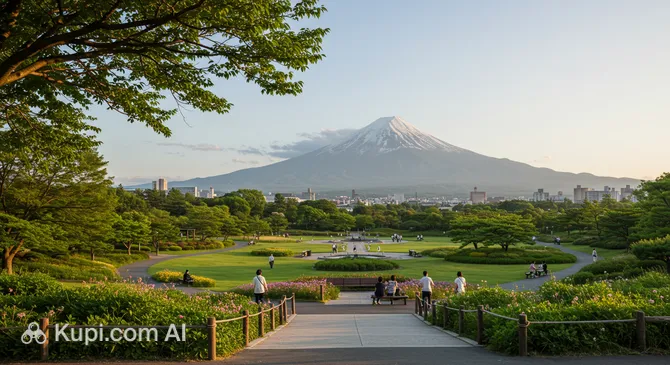
If you want to take a break from the city bustle and enjoy nature, head to Takarazuka Suehiro Central Park. This spacious public park offers green lawns, shaded walking paths, playgrounds for children, and often delights the eye with seasonal flower displays. It is a wonderful place for a family outing, a picnic, or simply to relax and observe the daily life of the locals.

Takarazuka Suehiro Central Park. Illustration.
Source: Kupi.com AI

Traveler photos:

Local Cuisine

The gastronomic scene in Takarazuka will delight connoisseurs of Japanese cuisine, offering dishes that harmoniously combine the best traditions of the Kinki region and Hyogo Prefecture. The foundation of local cooking consists of the freshest seasonal vegetables, seafood, and rice grown in the fertile lands surrounding the city. Here, the naturalness of products and simplicity of preparation are highly valued, making every dish truly special.

Among the culinary delights that are definitely worth trying in Takarazuka, dishes made from the famous Kobe beef, supplied from nearby areas, stand out. Various dishes based on tofu and seasonal vegetables, prepared in many ways—from light soups to hearty stews—are also popular. Don't miss the chance to taste traditional onigiri rice balls and exquisite desserts based on sweet adzuki beans, which are an integral part of a Japanese tea ceremony.

The food culture in Takarazuka offers diverse options for both locals and tourists. Authentic dishes can be tasted in traditional Japanese restaurants and cozy cafes. For the freshest produce, local vegetables, fruits, as well as homemade pastries and sweets, head to the farmers' markets. Even ordinary street food here can turn into a small gastronomic adventure, introducing you to the true flavors of the region.

As for drinks, in Takarazuka, as throughout Japan, you will be offered a wide selection. Among alcoholic beverages, various types of sake and shochu are popular. From non-alcoholic options, fragrant green tea is always available, and in the hot season, chilled barley tea known as mugicha is very refreshing.

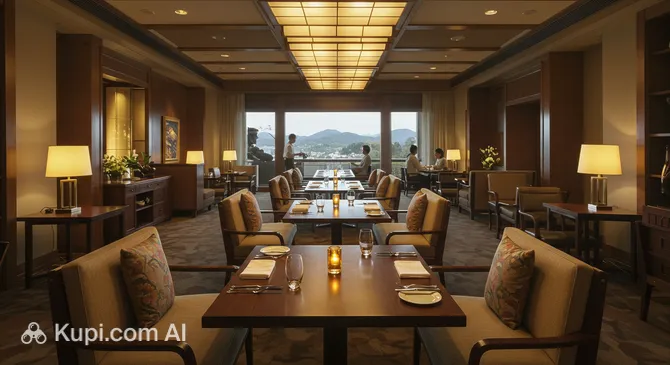
Takarazuka Hotel. Illustration.
Source: Kupi.com AI

Traveler photos:

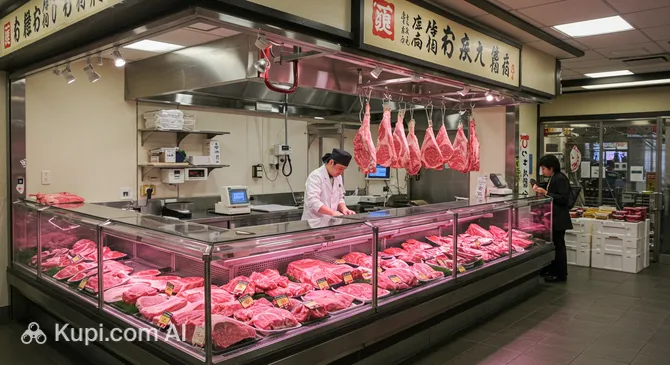
For those wishing to dive deeper into the world of local gastronomy, it’s worth paying attention to establishments such as the Takarazuka Hotel or Marusan Matsumoto, where you can enjoy both traditional and modern interpretations of Japanese dishes. The city is also famous for its food festivals, which become true celebrations of taste and introduce visitors to culinary traditions.

Travel Tips

Planning a trip to the charming city of Takarazuka? These practical tips will help you prepare for your journey and get the most out of your experience in this unique corner of Japan!

  1. Clothing and Essentials: The climate in Takarazuka, as in all of Japan, is temperate, with four distinct seasons. In summer (June–August), it is quite hot and humid, so choose light, breathable clothing. Winters (December–February) can be cool, so don’t forget warm items, including a jacket, hat, and gloves. Spring (March–May) and autumn (September–November) are the most comfortable times with pleasant temperatures, ideal for layered clothing. Be sure to bring comfortable shoes, as you will be doing a lot of walking. Don’t forget an adapter for your electronics (Japan uses type A and B sockets, 100V). When visiting temples or shrines, there is usually no strict dress code, but modest clothing is recommended.
  2. City Transport: Takarazuka is excellently served by public transport. The primary means of getting around are trains, particularly the Hankyu lines, which connect the city with Osaka, Kobe, and other nearby areas. Buses also run throughout the city. Taxis are available but can be quite expensive, especially for long distances. Renting a car is unlikely to be necessary for moving within the city itself, but it could be an option if you plan to explore the surrounding Hyogo Prefecture.
  3. Finances: The official currency is the Japanese yen (JPY). Credit cards (Visa, Mastercard, Amex) are widely accepted in hotels, large stores, and restaurants. However, it is always useful to have some cash on hand, especially for small shops, local markets, or when paying entry fees at some temples. You can exchange currency at the airport upon arrival, at banks, or at specialized exchange offices. ATMs that accept international cards are easy to find at post offices (Japan Post Bank) and convenience stores (e.g., 7-Eleven). Tipping in Japan is not practiced and may be perceived as impolite.
  4. Health and Safety: Japan is one of the safest countries in the world, and Takarazuka is no exception. Pharmacies (薬, kusuri) are easy to find, but many medications may require a prescription, and staff may not always speak English. If medical assistance is needed, major hospitals usually have English-speaking staff or can provide translation services. It is recommended to have travel insurance. There are no specific "unsafe" areas in Takarazuka, but always follow general precautions: keep an eye on your belongings, especially in crowded places.
  5. Communication: The primary language is Japanese. English is understood in tourist areas, hotels, and train stations, but overall English proficiency among the population can be low. Learning a few basic phrases in Japanese (e.g., "konnichiwa" – hello, "arigato" – thank you, "sumimasen" – excuse me/sorry) will be highly appreciated by locals. For constant internet access, it is convenient to rent a pocket Wi-Fi router or buy a local SIM card (available at the airport or major electronics stores). Free Wi-Fi is available in many hotels, cafes, and at stations.
  6. Local Etiquette: Japanese people are very polite and appreciate respect for their traditions. Bowing is a common form of greeting. In public places, especially on transport, try to speak quietly and avoid drawing undue attention to yourself. When entering a Japanese home, some temples, traditional restaurants, and inns (ryokans), it is customary to remove your shoes. It is not common to eat or drink while walking on the street (except in designated areas at festivals).
  7. What to Avoid: Never stick your chopsticks vertically into a bowl of rice—this is associated with funeral rituals. Also, avoid passing food from chopsticks directly to another person's chopsticks. It is not polite to blow your nose loudly in public; it's better to go to a restroom. Pointing at people with your finger is considered rude.
  8. Special Feature of Takarazuka: The city is world-famous for the Takarazuka Revue Troupe—a unique all-female musical theater. If you want to attend a performance, it is highly recommended to book tickets in advance, especially for popular productions, as they sell out quickly. Also, don't miss the chance to visit the Osamu Tezuka Manga Museum, dedicated to the "God of Manga" who spent a significant part of his life in Takarazuka and is an honorary citizen.

We hope these tips make your stay in Takarazuka comfortable, interesting, and unforgettable. Enjoy every moment in this amazing city full of art and charm!

Entertainment & Nightlife

Evening and nightlife in Takarazuka is characterized by a special charm, largely due to the city's main cultural gem—the famous "Takarazuka Revue" musical theater. Instead of the noisy club districts found in megacities, a more calm and sophisticated atmosphere awaits you here, perfect for a pleasant end to the day after a performance or a walk around town.

The main focus of evening entertainment in Takarazuka is on quality restaurants, cozy bars, and traditional Japanese izakayas. Many establishments are located near Takarazuka Station and around the theater complex. The crowd here is generally respectable, often consisting of theater fans and locals who appreciate comfort. The dress code in most places is smart casual, though a more formal outfit might be required for dinner at an upscale restaurant. Restaurants usually stay open until 10:00–11:00 PM, while some bars may stay open later.

For dinner, you might consider places like the restaurant at the Takarazuka Hotel, which offers fine dining in an elegant setting, or visit Marusan Matsumoto to enjoy traditional Japanese cuisine. It is recommended to book tables in advance, especially on weekends and performance days. Prices vary but generally reflect the quality of the food and service.

Marusan Matsumoto. Illustration.
Source: Kupi.com AI

Traveler photos:

Although Takarazuka is not known for a large number of nightclubs, you can find small bars where it’s pleasant to spend time over a drink. The atmosphere in these bars usually encourages conversation without deafening music. The best time to visit such places is after 8:00 PM.

During the day, Takarazuka offers plenty of interesting activities. Of course, the main attraction is attending a "Takarazuka Revue" performance. It’s also worth stopping by the Osamu Tezuka Manga Museum, dedicated to the work of the "God of Manga," or taking a stroll through Takarazuka Suehiro Central Park. For nature and culture lovers, Nakayama-dera Temple and Seicho-ji Temple are also of great interest.

In terms of safety, Takarazuka, like most cities in Japan, is a very safe place for night walks, especially in central and well-lit areas. However, standard precautions should always be observed. You can reach your hotel at night by taxi, which is easy to find at the station or can be called from a restaurant or bar. Public transport runs on a schedule, so it’s wise to check the time of the last train or bus in advance.

Parks & Museums

Takarazuka offers its guests a harmonious blend of peaceful green areas for relaxation and unique cultural spaces where you can delve deeper into the city's heritage. You will find picturesque corners of nature for leisurely strolls as well as fascinating museums, each with its own unique flair.

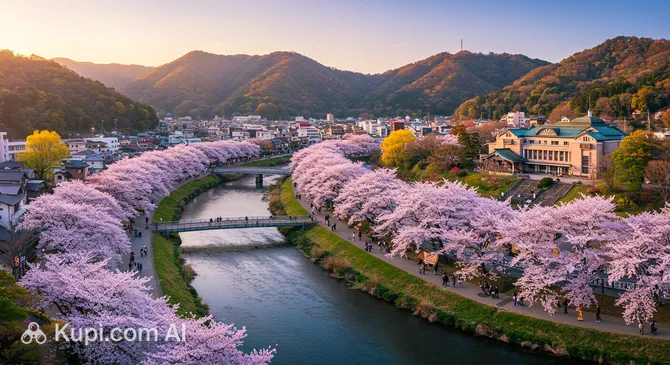
For those seeking tranquility in the fresh air, the banks of the Muko River, which flows through the city, are an excellent choice. Walks along the river are particularly charming in spring during the cherry blossom season, but at any other time of year, you can enjoy the pleasant atmosphere and beautiful views. Takarazuka Suehiro Central Park also remains a favorite relaxation spot for locals, offering well-maintained landscapes for unwinding.

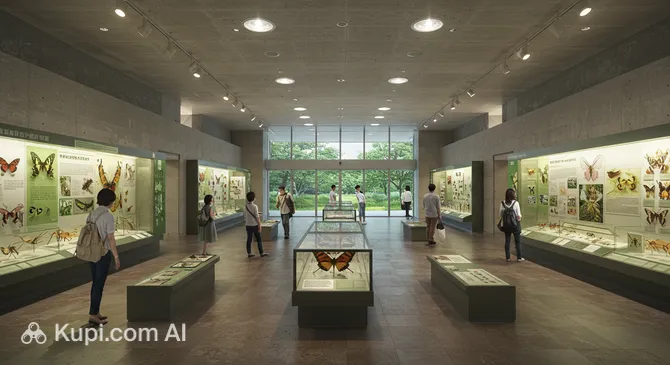
Takarazuka's cultural program is multifaceted. Of course, an iconic site is the Osamu Tezuka Manga Museum, dedicated to the work of the "God of Manga." However, if you are looking for something truly unusual, consider the Itami City Museum of Insects. This museum is not just a collection but a real window into the amazing world of entomology. It boasts thousands of carefully preserved specimens from all continents, showcasing an incredible variety of forms, sizes, and colors. Here you can see giant beetles and exotic butterflies, as well as tiny, skillfully camouflaged creatures. Interactive displays and educational stands explain insect life cycles, their roles in ecosystems, and the importance of their conservation. This educational and exciting place will be of interest not only to children but also to adults wishing to expand their knowledge of nature.

Itami City Insect Museum. Illustration.
Source: Kupi.com AI

Traveler photos:

In addition to modern cultural sites, Takarazuka carefully preserves its history. Ancient temples such as Nakayama-dera Temple and Seicho-ji Temple offer visitors a chance to immerse themselves in an atmosphere of calm and learn about traditional Japanese spiritual culture, serving as a wonderful complement to park walks and museum visits.

To complete your experience, we suggest a leisurely stroll through the area adjacent to the famous Takarazuka Grand Theater. Even if you don't plan to attend a performance, the atmosphere of this legendary place, which is the cultural heart of the city, will leave you with vivid memories.

Getting Around

Getting around Takarazuka is quite easy thanks to a well-organized public transport system, where trains and buses play the leading role. These modes of transport provide convenient connections both within the city and with neighboring major centers of the Kansai region.

The backbone of Takarazuka's transport network is the train system. The city is served by several railway lines, key among which are the Hankyu Railway lines (such as the Takarazuka Line and Imazu Line) and JR West (Fukuchiyama Line, also known as the JR Takarazuka Line). These lines connect Takarazuka with Osaka, Kobe, and other important locations. To plan routes, check schedules, and fares, it is highly recommended to use mobile applications. Google Maps provides good general information, while for more detailed train data, including platform numbers and transfer options, specialized Japanese planners like HyperDia or Jorudan (Japan Transit Planner) are useful.

The bus network, operated mainly by Hankyu Bus, effectively complements the rail service. Buses cover areas that are harder to reach by train and provide convenient local travel. Routes and schedules can also be found in the aforementioned apps or at bus stops.

Rechargeable smart cards (IC cards) such as ICOCA (popular in the Kansai region and issued by JR West) or PiTaPa are widely used for paying for train and bus fares. These cards are extremely convenient as they are accepted on most types of transport throughout the country and allow you to avoid buying single-trip tickets for every journey. Simply tap the card on the reader at the ticket gate when entering and exiting a station or when boarding/exiting a bus. Of course, you can always purchase single tickets. For trains, these are bought from vending machines at stations, and the price depends on the distance, with a short trip usually costing between 150 and 250 yen. On buses, fares can also be paid in cash to the driver (it's best to have small change), and the standard city fare is usually around 220–240 yen.

Tourists should consider purchasing special travel passes if they plan on taking many trips. For example, the Hankyu Tourist Pass can be beneficial for travel on Hankyu lines, including trips to Osaka and Kobe. For broader coverage of the Kansai region (excluding JR lines), the Kansai Thru Pass is suitable, as it works on many private railways, subways, and buses. If your plans include active use of JR trains, look into regional JR passes, such as the JR Kansai Area Pass. It’s best to check the terms and coverage areas of these passes in advance on the official carrier websites.

Public transport in Takarazuka generally operates from early morning (around 5:00–6:00 AM) until late evening (around midnight). Schedules may differ slightly between weekdays and weekends. At major stations, information and announcements are often duplicated in English, making navigation easier for international tourists.

As an alternative to public transport, taxis are available in Takarazuka. They can be found at stands near train stations or called by phone, though the cost of the trip will be significantly higher. For leisurely strolls through park areas or exploring the immediate surroundings, you can consider bicycle rentals, but this is more of a leisure option than a full replacement for city transport for long-distance travel.
Accommodation

When planning a trip to Takarazuka, you can choose from a variety of accommodation options to suit different budgets and preferences. The city offers traditional Japanese inns (ryokans), where you can immerse yourself in the local culture, as well as modern hotels with standard amenities. Guesthouses and possibly apartments for short-term rent are also available.

When choosing a place to stay, look for areas near major transport hubs, such as railway stations, which will provide easy access to other parts of the city and its surroundings. Accommodations near key attractions are also popular, such as those close to the famous Takarazuka Grand Theater or interesting sites like the Osamu Tezuka Manga Museum. Although the provided list of attractions does not include properties explicitly classified as a "hotel" or "resort hotel," the city certainly has hotels of various categories to meet travelers' needs.

To ensure the best selection and prices, especially if your trip falls during the peak tourist season or during popular Takarazuka Revue performances, it is recommended to book your accommodation in advance. The price range varies from budget options to more expensive and comfortable hotels. For searching and booking, it is convenient to use popular international and Japanese online platforms, as well as official hotel websites for direct reservations.

Nearby Cities

For those who want to explore the surrounding area, Takarazuka serves as an excellent starting point for day trips to several interesting nearby locations:

CityPopulationDistance
Itami198 5224 km
Nishinomiya487 0107 km
Ikeda104 1487 km
Amagasaki450 5069 km
Ashiya94 1169 km

These nearby destinations provide insight into the diverse culture and landscapes of the region. For example, a trip to Osaka will reveal a bustling metropolis with its famous cuisine and historical castles, while a visit to Kobe will let you enjoy the harbor atmosphere and refined beef. Smaller cities like Nishinomiya are known for their sake breweries, while Amagasaki and Higashiosaka offer a more relaxed look at local life.

Shopping & Souvenirs

Shopping in Takarazuka offers tourists the chance to purchase unique souvenirs related to the city's main attraction—the famous Takarazuka Revue theater—as well as other Japanese goods. Although Takarazuka is not a major shopping metropolis, you can find interesting shops and boutiques offering both traditional and modern items.

The main shopping areas are concentrated near Takarazuka Station and around the Takarazuka Grand Theater. Here, you will find stores specializing in theater-related goods, as well as small boutiques, confectioneries, and souvenir shops. A walk through these areas will allow you to soak up the city's atmosphere and find something special to remember it by.

Takarazuka does not have massive shopping malls comparable to those in neighboring Osaka or Kobe. However, in the station and theater area, you may find small shopping complexes or department store floors offering clothing, accessories, and home goods. For a larger-scale shopping experience with a wide selection of international brands, consider a trip to the larger cities of Hyogo Prefecture.

There are few specialized tourist markets in Takarazuka, but you can find local food stalls selling fresh produce and local delicacies. Occasionally, fairs or flea markets may be held in the city or its surroundings, which you can learn about in advance at local information centers.

The primary souvenir from Takarazuka is, of course, merchandise related to the Takarazuka Revue: photos and posters of the actors, CDs of the performances, themed accessories, and sweets. It is also worth looking for items related to the work of Osamu Tezuka, the famous manga artist who spent his childhood in Takarazuka. Exclusive souvenirs can be found at the Osamu Tezuka Manga Museum. Furthermore, as elsewhere in Japan, you can buy high-quality green tea, traditional wagashi sweets, ceramics, and other crafts by local artisans.

Most shops in Takarazuka are open from approximately 10:00–11:00 AM to 7:00–8:00 PM. Large stores and those located in tourist zones may have longer opening hours. Credit cards are widely accepted, especially in mid-range and high-end shops. However, it is preferable to have cash (Japanese yen) with you in smaller shops and at local markets.

For international tourists in Japan, a Tax Free system is available. When purchasing goods over a certain amount (usually 5,000 yen in one store on one day) at participating stores, you can apply for a consumer tax refund. Look for the "Tax Free Shopping" sign and don't forget to present your passport at the time of purchase.

Reached the end of the page?

That means the route is fully explored