Support

Amagasaki

About

Amagasaki is a charming city in Hyogo Prefecture, literally on the border with bustling Osaka and just a few minutes' drive from famous Kobe. Due to its strategic location between two metropolises, Amagasaki is often called the "Gateway to Kinki"—a region where traditions harmoniously intertwine with modernity. The city is conveniently spread across a plain, making it an ideal starting point for traveling throughout the region.
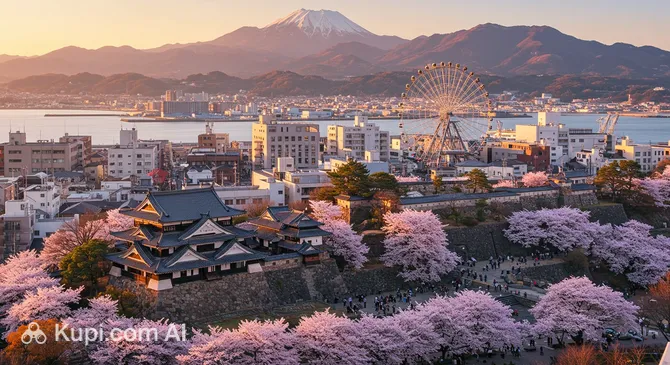
Amagasaki. Illustration.
Source: Kupi.com AI

With a population of about 450,000 people, Amagasaki is not just a bedroom suburb, but an independent, vibrant, and multifaceted city. It occupies an important place in the prefecture's economy and culture while maintaining its own special pace of life and unique appearance. Modern shopping centers, ancient temples, and parks coexist harmoniously here, and the city's atmosphere is surprisingly calm and friendly. Amagasaki is part of Japan, offering a unique perspective on life in this amazing country.

Amagasaki attracts travelers with its authenticity: here you can see real life without excessive tourist gloss, but with sincere hospitality. The city is known for its rich history, cultural events, and interesting sights. Notable among them are the restored Amagasaki Castle, which is a symbol of the city, ancient shopping streets with their unique atmosphere, and numerous temples that preserve centuries-old traditions.

For those looking for non-obvious routes and wanting to feel the pulse of real Japanese life, Amagasaki will be a real find and will provide many unforgettable impressions.

You can find more interesting facts on the history of Amagasaki city page.
Weather Overview

The weather in Amagasaki is characterized by noticeable seasonal changes. Summer, especially in July and August, is quite hot and humid here, with average temperatures reaching 28.3°C in August and a significant number of rainy days. Winters, by contrast, are cool, with average temperatures around 5-7°C in January and December, and less precipitation. Spring and autumn offer more moderate temperatures, making these seasons comfortable for visiting. Expect warm, humid summers with periodic rain and cool, relatively dry winters. For more detailed information, you can check the detailed forecast and statistics on the Amagasaki climate page.

Average monthly temperature

Average monthly precipitation

Interesting Facts

In addition to its famous landmarks, Amagasaki holds many surprising stories and curious details. This industrial city also boasts unique cultural features that make it truly interesting for travelers.

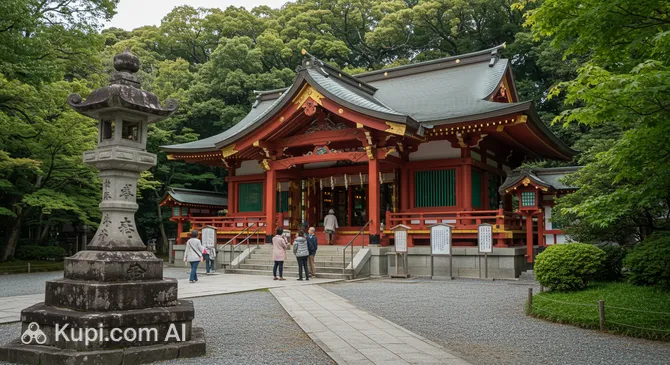
Amagasaki Ebisu Shrine. Illustration.
Source: Kupi.com AI

Traveler photos:

  • Although the original Amagasaki Castle has not survived to this day, its carefully reconstructed replica is not just a tourist site, but a true symbol of the city's resilience. Its reconstruction was a significant event, highlighting the residents' deep connection with their historical heritage.

  • Amagasaki is home to the fascinating World Money Box Museum, which houses thousands of exhibits from all over the planet. This unusual place allows adults to indulge in nostalgia and children to discover the variety of shapes and stories of these seemingly simple savings keepers.

  • The city comes alive during traditional festivities. This is especially vibrant during the festival at Amagasaki Ebisu Shrine. This event, dedicated to the deity of luck and commerce, fills the streets with music, dancing, and the aromas of local cuisine, while participants in colorful outfits create an unforgettable festive atmosphere.

How to Get There

Thanks to its location in the heart of the Kansai region, getting to Amagasaki is very easy. The city is at the crossroads of important transport routes connecting Osaka, Kobe, and Kyoto. You can find out more about how to get to Amagasaki on a special page, and below we will look at the main air and land routes.

Amagasaki itself does not have its own airport, but proximity to major aviation hubs in neighboring metropolises makes flying a very convenient option. The closest to the city is Itami Airport (ITM), located in Osaka. It is only 6-7 km from the center of Amagasaki. It is a major hub for domestic flights, and a taxi ride from there will take only about 20–30 minutes, making it an ideal choice for those traveling within Japan.

For international travelers, the main gateway is Kansai International Airport (KIX), also located in Osaka (on an artificial island in the bay). The distance to Amagasaki is about 37 km. From here, you can get there by a direct limousine bus or train in about 60–70 minutes. It's also worth mentioning Kobe Airport (UKB), located about 19.5 km away. This is a convenient alternative for some domestic flights, with a taxi ride taking about 40–50 minutes.

For clarity, here is summary information on the main airports convenient for reaching the city:

AirportPassenger trafficDistance
Itami Airport14.8 mln7 km
Kobe Airport3.6 mln19 km
Kansai International Airport30.6 mln37 km
Tokushima Awaodori Airport2.3 mln99 km
Tajima57 194103 km

In addition to air travel, Amagasaki is a vital railway hub. Although there is no Shinkansen high-speed train station in the city, it is just a few minutes' ride from Shin-Osaka station. Tourists usually arrive by Shinkansen in Osaka and then make a short transfer to a regular JR Kobe Line train, which reaches Amagasaki Station in just 5–7 minutes. This makes the trip from Tokyo or other major cities fast and comfortable.

Main Attractions

Amagasaki, a city with a rich history and culture, offers travelers several interesting places to visit. Everyone will find something for themselves here, from quiet gardens to ancient shrines and relaxing hot springs.

One of the iconic landmarks is the Amagasaki Ebisu Shrine. This place attracts both locals and tourists with its spiritual atmosphere and beautiful architecture. A visit to the shrine provides an opportunity to touch Japanese traditions and perhaps catch one of the local festivals dedicated to Ebisu—one of the Seven Lucky Gods.

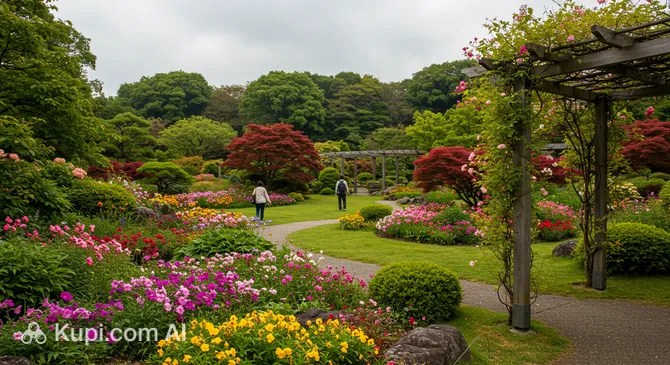
For nature lovers and quiet walks, the Amagasaki City Botanical Garden is an excellent choice. Here you can enjoy a variety of plants, take a break from the city bustle, and learn more about the local flora. The garden is especially beautiful during flowering periods, offering picturesque views and a peaceful setting.

Amagasaki City Botanical Garden. Illustration.
Source: Kupi.com AI

Traveler photos:

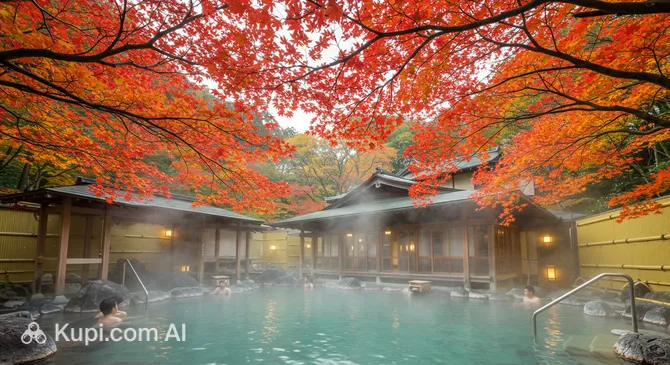
Another interesting place worth visiting in Amagasaki is Yunokaro. This attraction is an onsen, a hot spring complex where you can relax and rejuvenate in a traditional Japanese atmosphere. Visiting Yunokaro allows you to get to know the culture of relaxation in Japan more deeply and enjoy the healing properties of thermal waters.

Yunokaro. Illustration.
Source: Kupi.com AI

Traveler photos:

Local Cuisine

The gastronomic scene of Amagasaki is a true discovery for foodies, offering both classic Kinki region dishes and unique local specialties. Travelers should definitely try okonomiyaki—a hearty Japanese "pizza" or "pancake" made of cabbage, batter, and various fillings, prepared here with special skill. Another popular street delicacy is takoyaki, delicious balls made of batter with pieces of octopus, fried to a golden crust. These dishes can be found in small family cafes as well as street stalls.

In addition to these iconic dishes, Amagasaki's cuisine will delight seafood lovers with the freshest sushi and sashimi. Many restaurants and izakayas (traditional Japanese pubs) serve dishes made from the famous Wagyu beef and aromatic yakitori chicken skewers. The city also boasts original Japanese bistros where you can discover unusual flavor combinations and author interpretations of famous recipes.

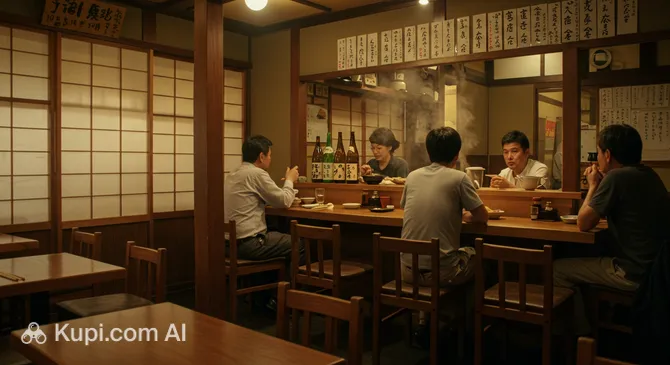
The food culture in Amagasaki is very diverse. Locals and tourists enjoy visiting bustling city markets and food courts, where life is in full swing and you can not only buy fresh seasonal products but also try a variety of prepared dishes. Street food here is a separate gastronomic adventure. For a more thorough introduction to local cuisine, you can visit one of the many restaurants, such as Butanohoshi, known for its dishes.

Butanohoshi. Illustration.
Source: Kupi.com AI

Traveler photos:

As for drinks, in Amagasaki, as throughout Japan, the traditional rice drink sake, various types of local beer, and shochu are popular. From non-alcoholic options, try various types of green tea, as well as refreshing ramune lemonade. The city's gastronomic life is complemented by culinary festivals, which are periodically held here and attract both locals and guests from other regions eager to get acquainted with the richness of Japanese cuisine.

Travel Tips

Welcome to Amagasaki! To make your trip to this interesting city as smooth and pleasant as possible, we have prepared some practical tips. We hope they will help you better navigate and enjoy every moment of your stay in Japan.

  1. Clothing and Essentials: The climate in Amagasaki, as in all of Japan, depends on the season. In summer, it can be hot and humid, so choose light, breathable clothing. In winter, it is cool; don't forget warm clothes. Spring and autumn are the most comfortable times with moderate temperatures. Be sure to bring comfortable shoes, as you will have to walk a lot. Don't forget an adapter for electrical appliances (Japan uses type A and B sockets, 100V voltage). When visiting temples and some traditional restaurants, it is customary to remove your shoes, and modest clothing covering shoulders and knees may be required for entering shrines.

  2. Getting Around: Amagasaki has excellent transport links. The main way to get around is by trains from JR, Hankyu, and Hanshin, which connect the city with Osaka, Kobe, and other neighboring areas. There are also city buses. For convenience of payment, we recommend purchasing a rechargeable IC card (e.g., ICOCA, Suica, or Pasmo). Taxis are available but quite expensive. Renting a car for city travel is usually impractical due to parking difficulties and left-hand traffic if you are not used to it.

  3. Financial Matters: The official currency is the Japanese yen (JPY). Although credit cards (Visa, Mastercard) are accepted in many hotels, large stores, and restaurants, cash is still very important, especially in small establishments, temples, and markets. You can exchange currency at airports, banks, or specialized exchange offices. ATMs that accept international cards are most commonly found in post offices (Japan Post Bank) and 7-Eleven convenience stores. Tipping is not customary in Japan—good service is already included in the bill, and an attempt to tip may be taken as a misunderstanding.

  4. Health and Safety: Japan is one of the safest countries in the world, and Amagasaki is no exception. The crime rate is low. However, standard precautions never hurt. Pharmacies (look for the "薬" - kusuri sign) are easy to find, but many medications are prescription-only, and staff do not always speak English. It is recommended to have travel medical insurance. In case of emergencies, call 119 (ambulance, fire service). In Amagasaki, as in most Japanese cities, there are no "dangerous" areas as such, but it's always worth being careful after dark.

  5. Communication: The official language is Japanese. The level of English proficiency among the local population may be limited, especially outside tourist areas. However, in hotels, large stations, and tourist information centers, you will likely find English-speaking staff. Learn a few basic phrases in Japanese, such as "Konnichiwa" (Hello), "Arigato" (Thank you), "Sumimasen" (Excuse me/Sorry)—this is very much appreciated by the locals. For constant internet access, consider renting a Pocket Wi-Fi or buying a local SIM card. Free Wi-Fi is available in many hotels, cafes, and stations. Apps like Google Maps and Google Translate will become your indispensable assistants.

  6. Local Etiquette: Japanese people are very polite and value respect for traditions. Bows are often used instead of handshakes, the depth of which depends on the situation. On public transport, try to speak quietly and avoid talking on the phone. When entering a Japanese home, some temples, and traditional restaurants, you must remove your outdoor shoes. There are certain rules for using chopsticks (e.g., do not stick them vertically into rice). Following these simple rules will help you avoid awkward situations.

  7. What to Avoid: To make your trip trouble-free, try not to leave tips (it's not customary). Avoid eating and drinking on the go on the street unless in designated areas (e.g., near vending machines or at food festivals). Do not photograph people without their explicit permission. Blowing your nose loudly in public is considered impolite—it's better to go to a restroom.

  8. Special Tip for Amagasaki: The city of Amagasaki, though less known to tourists than its neighbors Osaka and Kobe, has its own charm and history, such as the restored Amagasaki Castle. Use its convenient location as a base for exploring the entire Kansai region. Be sure to check out local small restaurants and bars (izakaya) to try authentic Japanese cuisine and feel the atmosphere of the city's daily life.

We hope these tips make your trip to Amagasaki even more comfortable and memorable. We wish you amazing discoveries and pleasant impressions from getting to know this corner of Japan!

Entertainment & Nightlife

Evening Amagasaki offers its guests various ways to have a good time, although it cannot boast the same scale of nightlife as neighboring Osaka. Nevertheless, you can find cozy places here for dinner, socializing with friends, and immersing yourself in the local atmosphere after sunset.

The main concentration of evening establishments is found in the areas around major railway stations, such as JR Amagasaki and Hanshin Amagasaki. Here you will find many traditional Japanese pubs—izakayas, where you can try local snacks and drinks in an informal setting. Small bars and restaurants offering both Japanese and international cuisine are also popular. One such place for a delicious dinner is the Butanohoshi restaurant, known for its dishes. For those who prefer a quieter and more relaxing evening, an excellent option would be visiting Yunokaro, where you can relax in traditional Japanese baths and recharge after a busy day.

The atmosphere in evening Amagasaki is rather calm and conducive to conversation rather than loud club parties. The crowd here is predominantly local, which allows for a deeper dive into the daily life of a Japanese city. Most izakayas and restaurants are open until late evening, usually until 11:00 PM or midnight. There is generally no special dress code; casual style is welcome. If you are specifically looking for nightclubs with dancing until dawn, you should consider a trip to Osaka, which is very close by.

Practical tips: The best time to visit bars and restaurants is after 7:00 PM. Prices vary depending on the establishment but generally remain affordable. You can get to your hotel at night by taxi, which are easy to find at stations or call by phone. Amagasaki is considered a fairly safe city, however, as everywhere, you should observe common sense precautions during night walks, especially in less illuminated areas.

During the day, Amagasaki also offers interesting leisure options. You can visit, for example, the Amagasaki Ebisu Shrine to touch the local culture or stroll through the Amagasaki City Botanical Garden. City parks are also great for relaxing and observing the lives of local residents. While Amagasaki lacks large theme parks, its cultural sites and calm atmosphere make it a pleasant place to explore.

Parks & Museums

Amagasaki invites its guests to get acquainted with a harmonious combination of urban green areas and a rich cultural heritage. Here you can find quiet corners for relaxing in nature as well as places that preserve the history and traditions of the city.

Among the green oases of Amagasaki, the Amagasaki City Botanical Garden stands out particularly. It is a beautiful place for leisurely walks and admiring various plants. The garden offers visitors the chance to enjoy the beauty of seasonal flowers and well-kept landscapes, making it an ideal choice for those seeking peace and contact with nature. Besides this well-known garden, the city surely has other local parks and riverside areas suitable for relaxation and walks, even if they do not always make it onto the main tourist routes.

Amagasaki City Botanical Garden. Illustration.
Source: Kupi.com AI

Traveler photos:

The cultural and historical heritage of Amagasaki is vividly represented by iconic sites. The majestic Amagasaki Castle, reconstructed on its historical site, serves as a reminder of the city's feudal past and is an important architectural symbol. A visit allows you to touch the history of the region. Equally significant is the Amagasaki Ebisu Shrine, which attracts both believers and admirers of Japanese temple architecture and traditions. For those looking for unusual experiences, the World Money Box Museum offers a unique and entertaining collection of money boxes from all over the world, telling curious stories about savings and the culture of different peoples.

Amagasaki Ebisu Shrine. Illustration.
Source: Kupi.com AI

Traveler photos:

For more authentic experiences, do not be afraid to turn off the beaten tourist paths. Explore small local shrines or just walk through residential neighborhoods—this is how you can discover charming corners and feel the real atmosphere of Amagasaki, hidden from the eyes of most travelers.

Getting Around

Public transport in Amagasaki is well-developed and closely integrated with the transport system of the entire Kansai region, making travel around the city and its surroundings convenient and efficient. The core of the transport network consists of trains and buses, allowing easy access to most areas of the city, as well as neighboring Osaka and Kobe.

The main mode of transport in Amagasaki is trains. Lines of several major railway companies pass through the city: JR West (Japan Railways West), Hanshin Electric Railway, and Hankyu Railway. Stations of these operators are strategically located throughout the city, providing quick access to key points and interchange hubs. Trains run frequently and on schedule, making them a reliable choice for travel.

The bus network in Amagasaki complements the railway service, covering areas where trains do not reach and providing more local transportation. City buses (mainly Amagasaki City Bus) run on numerous routes. This is a good option for short trips within the city or for getting from a train station to a specific destination.

The fare system in Japan, and in Amagasaki in particular, is very convenient thanks to the use of rechargeable IC cards. The most common in the Kansai region is the ICOCA card, but other popular cards such as Suica or Pasmo are also accepted. These cards can be used to pay for travel on trains and buses by simply tapping them against a turnstile or validator. You can purchase and top up an IC card at machines at stations. Single tickets are also available, with the price depending on the distance. Fares usually start from a small amount for a short trip and increase as you move further from the starting point.

For tourists, it is practical to purchase an IC card immediately upon arrival. Single-trip tickets are bought at machines before boarding a train or directly on the bus (sometimes you need to take a ticket upon entry and pay upon exit). Validation is simple: the IC card needs to be tapped at the reader at the entrance and exit at railway stations, and usually only at the entrance (or exit, depending on the system) in buses. Public transport starts early in the morning (around 5-6 AM) and finishes late at night (around midnight), but it's best to check the exact schedule for a specific route, especially on weekends and holidays.

In addition to public transport, alternative ways to get around are available in Amagasaki. Taxis can be found at stations and in busy areas of the city; this is a comfortable but more expensive option. For exploring the surroundings or leisurely walks, you can consider bicycle rental—in Japan, this is a quite popular way to travel short distances, and many cities have convenient bike paths.

Accommodation

In Amagasaki, tourists will find a variety of accommodation options to suit different preferences and budgets. The choice includes economical options, such as guest houses, as well as more comfortable hotels, mostly in the mid-range category.

The core of the offering in Amagasaki often consists of business hotels, characteristic of Japanese cities, providing convenience and functionality for both business travelers and tourists. You can also consider apartment rentals if you prefer more space and independence during your stay.

When choosing a place to stay, pay attention to areas located near major transport hubs, such as JR Amagasaki Station or Hanshin Line stations. This will provide easy access to local attractions and allow for convenient travel to neighboring cities, including Osaka and Kobe.

Various hotel chains and independent hotels are represented in the city. While specific famous hotels are not mentioned in the provided list of attractions for this overview, travelers can usually find standard single and double rooms that meet their needs and comfort expectations.

The price range for housing in Amagasaki varies from budget options to mid-range hotels. You can find and book a suitable option through popular international and Japanese online booking platforms, as well as directly on hotel websites.

We recommend booking accommodation in advance, especially if your trip is planned for national holidays, cherry blossom season, or other major events in the Kansai region. Early booking not only guarantees availability but often allows for better rates.

Nearby Cities

For those who want to explore the surroundings, Amagasaki serves as an excellent starting point for day trips to several interesting nearby places:

CityPopulationDistance
Nishinomiya487 0106 km
Itami198 5226 km
Ashiya94 1168 km
Toyonaka401 2338 km
Minamisuita384 9539 km

These nearby destinations provide a glimpse into the region's diverse culture and landscapes. Each of these cities offers its own unique attractions, from the vibrant urban life of Osaka and the cosmopolitan atmosphere of Kobe to historical sites in Sakai. Trips to these cities are easy to organize and will provide you with unforgettable impressions.

Shopping & Souvenirs

Amagasaki offers various shopping opportunities, combining modern shopping complexes with traditional local stores. Although the city may not be a major shopping destination in Japan compared to neighboring Osaka or Kobe, you can find everything you need here, from everyday goods to unique souvenirs. Amagasaki doesn't have a specific reputation for any particular goods, but here you can feel the atmosphere of Japanese commerce away from the main tourist crowds.

The main shopping areas in Amagasaki are concentrated around major railway stations, such as JR Amagasaki and Hanshin Amagasaki. In these areas, you will find many shops, department stores, boutiques, and restaurants. Also worth noting are the traditional Japanese shopping arcades—shotengai, where you can find small family shops offering local goods and products.

There are several shopping centers in the city that offer a wide range of goods under one roof. One of the most prominent is Amagasaki Q's Mall (formerly known as COCOE), located next to JR Amagasaki station. It is a large complex with many clothing, electronics, and home goods stores, as well as restaurants and entertainment venues. Other shopping outlets can be found near the main transport hubs.

While Amagasaki may not be famous for large tourist markets, you can find local food markets selling fresh vegetables, fruits, seafood, and other local delicacies. Such places provide a great insight into the daily life of the Japanese and allow you to purchase fresh products. There are fewer specialized flea markets or large souvenir markets here than in tourist centers.

Traditional Japanese goods can be brought as souvenirs from Amagasaki. Look out for local sweets (e.g., wagashi), high-quality Japanese tea, sake, or products from local craftsmen, if you can find them. Also, when visiting local attractions like Amagasaki Ebisu Shrine, you can purchase omamori (amulets) or other small souvenirs related to the place. This can be not only a memory of the trip but also an interesting cultural artifact.

Amagasaki Ebisu Shrine. Illustration.
Source: Kupi.com AI

Traveler photos:

Most shops in Amagasaki are typically open from 10:00 or 11:00 AM to 7:00 or 8:00 PM. Large shopping centers may work longer, especially their restaurant zones. Regarding payment, cash is still widely used in Japan, but most large stores, department stores, and shopping centers accept credit cards (Visa, Mastercard, JCB, American Express). Contactless payments and payment with IC cards (e.g., ICOCA, Suica) are also becoming increasingly common.

For foreign tourists in Japan, there is a Tax Free system. When purchasing goods for a certain amount (usually over 5,000 yen excluding tax) in stores with the appropriate license, you can apply for a consumer tax refund (currently 10%). To do this, you must present your passport at the checkout or a special Tax Free counter in the store. Usually, the refund is processed on the spot, or the tax amount is deducted from the purchase price.

Reached the end of the page?

That means the route is fully explored