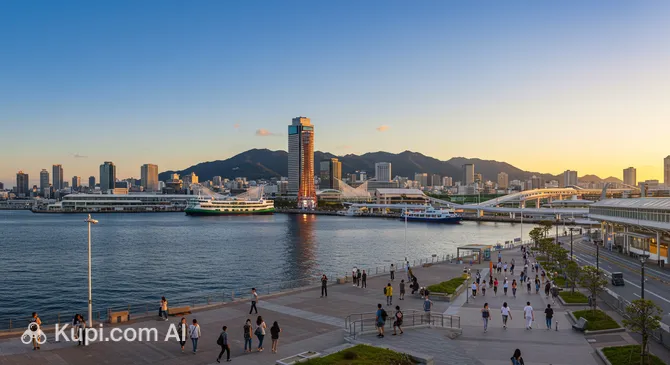
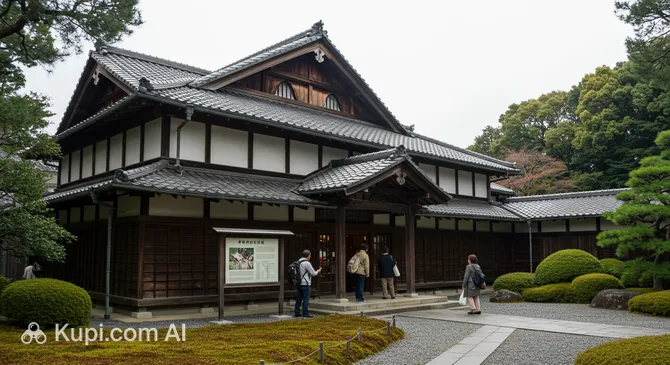
Kobe is a remarkable port city where the energy of a modern metropolis harmoniously blends with the serenity of mountain slopes. Located on the island of Honshu in Japan, it is an important cultural and economic hub of the Kansai region. The city stretches elegantly along Osaka Bay, nestled between the sea and the majestic Rokko mountain range, creating a unique landscape and an atmosphere of freedom.
With a population of about 1.5 million, Kobe is considered one of the most cosmopolitan and livable places in the country. Historically, foreign merchants settled here, giving the city a unique "European" flair. The rich history of Kobe as the country's main maritime gateway is reflected in the architecture of its neighborhoods and the open-minded character of its residents.
Kobe. Illustration.
Source: Kupi.com AI
Tourists are drawn here not only by the world-famous marbled beef but also by the picturesque Harborland waterfront, the historic mansions of the Kitano district, and one of the largest Chinatowns in the country. Kobe invites every explorer to enjoy bird's-eye views of the glowing bay or get lost in narrow streets filled with the aroma of fresh pastries and the sea breeze.
Weather Overview
Kobe's climate is classified as humid subtropical, providing the city with a distinct change of seasons. Summers here are long and hot: in July and August, the average temperature often exceeds +30 °C, and high humidity makes the air thick and sultry. Winter, by contrast, is pleasantly mild—the thermometer rarely drops below 0 °C, and snow is more of a rare and beautiful event than a common occurrence.
The most comfortable weather in Kobe occurs in spring and autumn. In April, the city is bathed in the pink foam of blooming cherry blossoms, and in November, the slopes of the Rokko mountains are painted in the flaming hues of momiji maple leaves. During these periods, the air temperature stays around a pleasant +15…+20 °C, which is ideal for long walks and visiting observation decks.
When planning a visit, it is worth considering the "tsuyu" rainy season, which usually falls in June and early July. During this time, rainfall becomes frequent and heavy, so an umbrella will be your faithful companion. However, the proximity to the sea and mountain breezes help clear the air, making the atmosphere in the city fresh even amidst dense port development.
Average monthly temperature
Average monthly precipitation
Interesting Facts
Kobe is officially considered the birthplace of jazz in Japan. The first jazz bands and clubs appeared here in the early 20th century, thanks to foreign sailors bringing records and instruments from overseas.
The city is famous for its premium marbled Kobe Beef. Authentic meat must come only from Tajima cattle raised in Hyogo Prefecture and meet the strictest quality criteria, making it some of the most expensive in the world.
A significant part of the city's coastal area, including the Port Island and Rokko Island districts, is entirely artificial. These massive islands were reclaimed from soil taken during the expansion of mountain tunnels, which was an outstanding engineering achievement for Japan.
Kobe was one of the first Japanese ports to open to international trade in 1868. This led to the development of the Kitano district, where Victorian and colonial mansions still stand today, completely atypical of traditional Japanese architecture.
How to Get There
Kobe is one of the most accessible cities in the Kansai region, thanks to an extensive network of high-speed railways and its proximity to several airports. When planning your trip, you can look into more on how to get to the city in advance to choose the most comfortable option, whether it's a domestic flight or a ride on the legendary "bullet train."
The main railway hub for travelers from Tokyo, Kyoto, or Hiroshima is Shin-Kobe Station. This is where Shinkansen trains stop. If you are already in Osaka, a trip on a regular local train to the central Sannomiya or Kobe stations will take about 20 to 30 minutes. The railway remains the most reliable and fastest way to move between cities in the metropolitan area.
Air travel is provided by three key points. Kobe Airport (UKB) is located on an artificial island and mainly handles domestic flights, which is convenient when flying from Tokyo or Sapporo. International flights most often arrive at Kansai International Airport (KIX). From there, you can reach the city center by high-speed ferry or bus in about an hour. Also nearby is Itami Airport (ITM), serving regional destinations.
One of the city's most vibrant attractions is the Harborland waterfront area and the adjacent Meriken Park. This is the heart of tourist Kobe, where the lattice-like red Kobe Port Tower stands tall. A stroll along the embankment is particularly impressive in the evening, when city lights reflect in the bay waters, creating a perfect backdrop for photos.
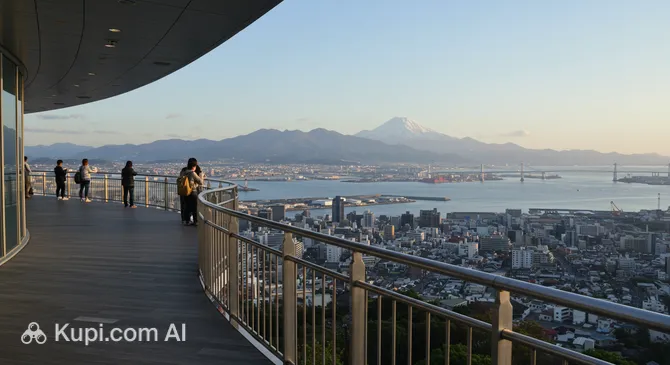
For those seeking panoramic views, a visit to the Kikuseidai peak on Mount Maya is a must. This observation deck offers one of Japan's three best night views, often called the "ten-million-dollar night view." You can reach it by ropeway, enjoying the changing landscapes along the way.
Kikuseidai. Illustration.
Source: Kupi.com AI
Traveler photos:
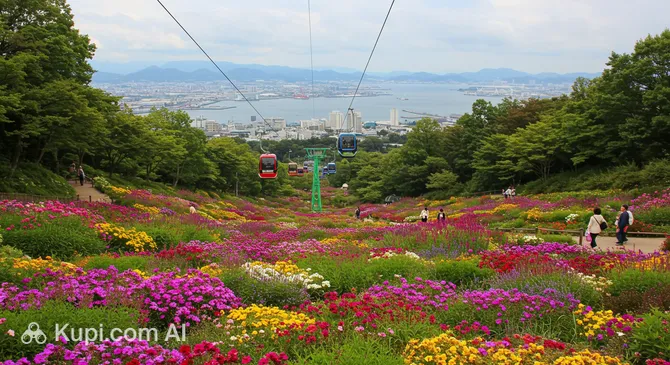
Nature lovers and those who enjoy quiet walks will appreciate the Nunobiki Herb Gardens & Ropeway. This is one of Japan's largest botanical gardens, where hundreds of species of medicinal and aromatic plants are grown on the mountain slopes. A ride in the ropeway cabin over the Nunobiki Falls offers unforgettable emotions before relaxing in cozy cafes among the flowers.
Nunobiki Herb Gardens & Ropeway. Illustration.
Source: Kupi.com AI
Traveler photos:
Sports fans and history buffs will find The Museum of Hanshin Koshien Stadium interesting. Koshien Stadium is an iconic venue for Japanese baseball, and the museum's exhibition details legendary matches, team histories, and the competitive spirit that has soaked these stands over the decades.
Local Cuisine
A gastronomic journey to Kobe is impossible to imagine without tasting the legendary Kobe beef. This meat, with its unique marbled structure, literally melts in your mouth. You can try it at numerous steak houses in the Sannomiya area, where chefs prepare the dish right in front of you on a teppanyaki grill. The product's authenticity is confirmed by special certificates, so look for the golden bull statuette sign at the entrance.
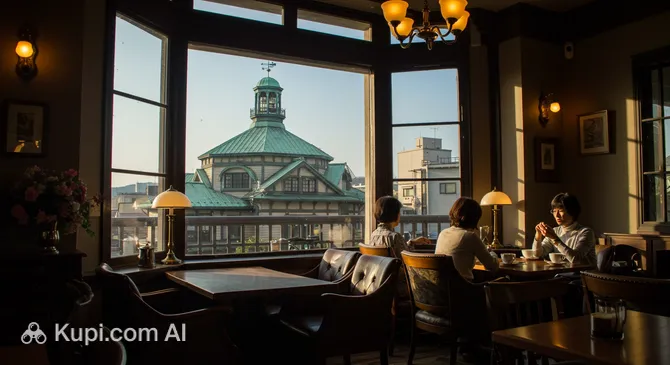
The city is also famous for its sake-brewing traditions. The Nada-gogo district is considered one of the best in Japan for producing this drink, thanks to the special quality of the local "Miyamizu" water. Historic breweries operate here, many of which have opened museums and tasting rooms. The culture of drink consumption here is closely intertwined with history, and you can enjoy the atmosphere of old Kobe in places like the Oriental Hotel.
Oriental Hotel. Illustration.
Source: Kupi.com AI
Traveler photos:
Thanks to its openness to the world, Kobe is famous for its excellent bakeries and coffee shops. In the Kitano district, for example, is the famous Kitano Ijinkan Cafe, located in an old Western-style mansion. Don't forget to stop by the Nankinmachi Chinatown to try street food: baozi steamed buns, fried dumplings, and various sweets, creating a unique mix of Eastern and Western flavors.
Kitano Ijinkan Café. Illustration.
Source: Kupi.com AI
Traveler photos:
Travel Tips
A trip to Kobe promises to be rich and comfortable, and these practical tips will help you navigate the city and feel right at home.
Clothing and Essentials: Choose your wardrobe according to the season: summers are hot and humid, while winters are mild but windy due to the proximity of the sea. Be sure to bring comfortable shoes, as many interesting areas, like Kitano, are located on hills. A strict dress code is not required when visiting temples, but it's best to avoid overly revealing clothing.
Transport: The easiest way to get around is by railway and subway. To save time and effort, purchase an ICOCA card. For sightseeing, the City Loop bus is ideal.
Finances: The official currency is the yen. Although cards are accepted in large shopping centers and hotels, always carry cash for payments in small cafes, temples, and markets. Tipping is not practiced in Japan and may be perceived as a mistake.
Health and Safety: The city is very safe. Drugstores are found at every turn and sell not only medicine but also cosmetics. In emergency situations, contact the staff at any subway station or "koban" police boxes.
Communication: The primary language is Japanese. In tourist areas, staff speak English, but a translator app will come in handy in small shops. Free Wi-Fi is available in hotels and large shopping malls.
Local Etiquette: Japanese people are very polite. Greet others with a slight bow, do not talk loudly on the phone on public transport, and always follow the queue.
What to Avoid: Do not eat on the go on busy streets (except for street food zones in Chinatown) and never leave chopsticks standing vertically in a bowl of rice—this is considered a bad omen.
Extra Tip: Be sure to head up Mount Rokko before sunset to see the "ten-million-dollar night view"—the sight is worth every minute spent.
Enjoy every moment in this elegant city where mountains meet the ocean and tradition meets the future. Have a great trip!
Entertainment & Nightlife
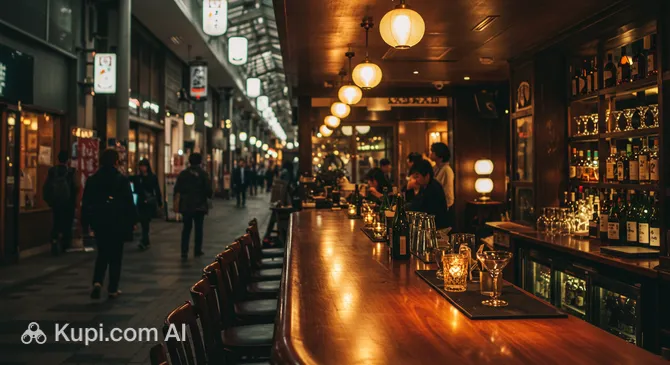
Kobe's nightlife largely revolves around the Sannomiya district and the Harborland waterfront. After sunset, the city is transformed: neon signs reflect in the sea, and numerous venues open their doors. Unlike neighboring boisterous Osaka, the atmosphere here is more refined and relaxed, with an emphasis on cozy bars and quality music. A popular spot to start the evening is the Sannomiya Sankita-dori Bar, where you can enjoy drinks with friends.
Sannomiya Sankitadori Bar. Illustration.
Source: Kupi.com AI
Traveler photos:
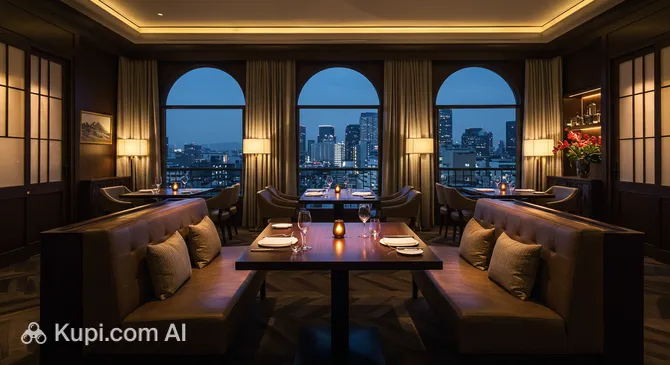
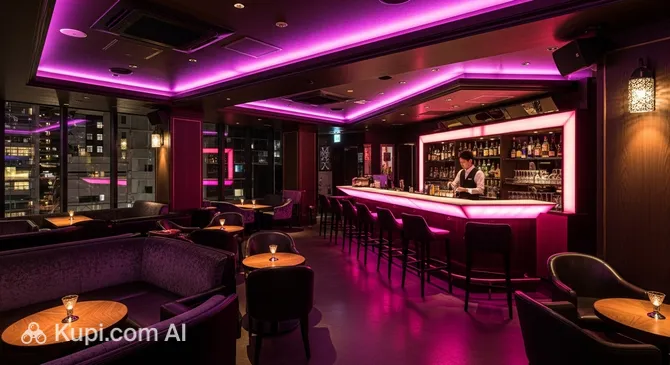
The city is rightfully considered the "jazz capital" of the country, and music lovers should check out the legendary Sone club. This is a historic venue where jazz has been performed by masters of the craft for many decades. If you prefer a more modern entertainment format with panoramic views and a club atmosphere, look into Oriental Lounge Bit Kobe.
Oriental Lounge Bit Kobe. Illustration.
Source: Kupi.com AI
Traveler photos:
For those who prefer daytime entertainment, the city offers bay cruises, visits to the modern art museum, or rides on the Ferris wheel in Harborland. Families will enjoy interactive aquariums and themed centers, while evening walks through Meriken Park are the perfect way to end a day in this port metropolis.
Parks & Museums
Despite its dense urban development, Kobe offers many green zones, most of which are concentrated on the slopes of the Rokko Mountains. One of the most unusual locations is the Nunobiki Herb Gardens—a massive herb garden accessible by ropeway. Here, you can not only admire a collection of rare plants but also enjoy a panorama of the city while breathing in the scents of lavender and rosemary.
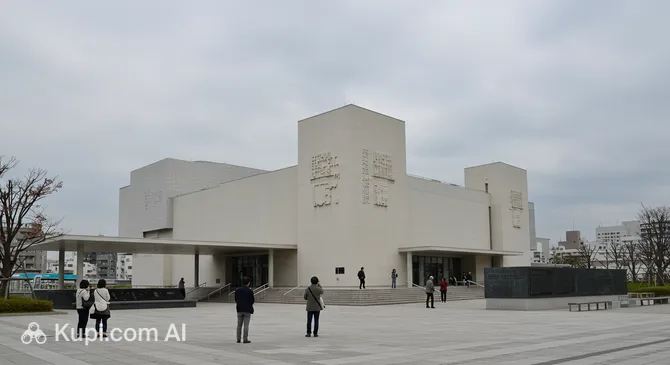
In the city itself, it's worth visiting Meriken Park—a spacious waterfront area that serves as both a recreation spot and a memorial center. It houses the Great Hanshin-Awaji Earthquake Memorial Museum, which interactively tells the story of the 1995 disaster and the city's remarkable recovery, highlighting the resilience of the Japanese people.
Great Hanshin-Awaji Earthquake Memorial Museum. Illustration.
Source: Kupi.com AI
Traveler photos:
Connoisseurs of traditional craftsmanship and architecture will find the Takenaka Carpentry Tools Museum interesting. It is the only museum of its kind in Japan, housing thousands of tools and building models that demonstrate the evolution of wooden architecture. To immerse yourself in the atmosphere of old "European" Japan, the Old Guggenheim House, which has preserved the charm of the early 20th-century foreign settlement, is ideal.
Takenaka Carpentry Tools Museum. Illustration.
Source: Kupi.com AI
Traveler photos:
Getting Around
Kobe's transport system is characterized by Japanese punctuality and diversity. The basis of travel consists of several railway companies (JR, Hankyu, Hanshin), which run through the city along the coast. The Kobe Municipal Subway consists of two lines connecting residential areas with the business center, and the Port Liner light rail will take you to the artificial islands and the airport in minutes.
For fare payment, it is most convenient to use contactless IC cards such as ICOCA or Suica. They can be topped up at any station machine and used not only on trains and buses but also for small purchases in convenience stores. Fares depend on the distance, and tickets or cards must be validated both at the entrance and exit through the turnstiles.
Kobe's bus network is very well-developed, especially in the northern areas where the terrain becomes more mountainous. Tourists should pay attention to the City Loop route—these are bright green retro-style buses that visit all the key attractions. Alternatively, you can use taxis, which are easy to call via an app or hail on the street; however, keep in mind that they are the most expensive form of transport in the city.
Accommodation
The choice of accommodation in Kobe allows you to find an option for every taste—from practical business hotels to luxury complexes with sea views. Those who value proximity to transport hubs and restaurants should book hotels in the Sannomiya or Motomachi districts. This is where most mid-range chain hotels are concentrated, which are ideal for active tourists.
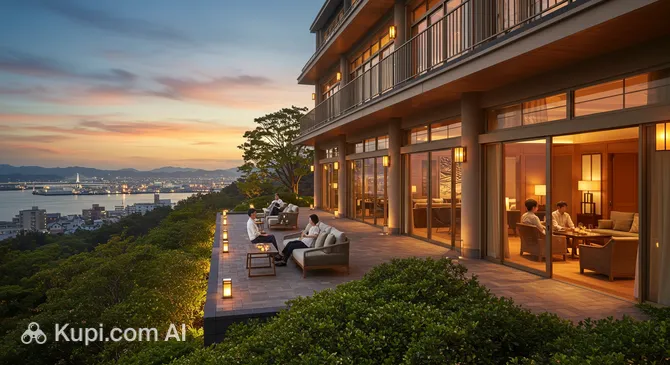
For those seeking seclusion and picturesque scenery, hotels in the mountainous part or on the coast are an excellent choice. An example of such accommodation is Hotel Setre Kobe Maiko, offering magnificent views of the Akashi Kaikyo Bridge. In such places, you can fully experience the resort atmosphere of a port city.
Setre Kobe Maiko Hotel. Illustration.
Source: Kupi.com AI
Traveler photos:
Price ranges in Kobe are comparable to other major Japanese cities. During peak seasons, such as the cherry blossom season in spring or the "momiji" period in autumn, it is recommended to book accommodation several months in advance. For budget travelers, capsule hotels and hostels are available, while for business trips, there are modern apartments on the artificial islands.
Nearby Cities
Due to its location, Kobe serves as an ideal starting point for exploring the most interesting places in the Kansai region. In just half an hour by train, you can reach Osaka—a vibrant metropolis famous for its castle, the culinary madness of the Dotonbori district, and the Universal Studios theme park.
Literally a few kilometers from the city are cozy and prestigious settlements. For example, Ashiya is known for its refined architecture and atmosphere of tranquility, while neighboring Nishinomiya attracts tourists with its famous shrine and picturesque parks. Fans of theatrical art should definitely visit the city of Takarazuka, home to the legendary all-female revue of the same name.
An equally attractive destination for a day trip is ancient Kyoto, which takes about an hour to reach. Also from Kobe, it's easy to get to Himeji Castle, a UNESCO World Heritage site. The extensive railway network makes such journeys easy and predictable, allowing you to see the full diversity of Japanese culture in one trip.
Shopping & Souvenirs
Shopping in Kobe is a fascinating mix of modern shopping malls and atmospheric covered streets called "shotengai." The main shopping artery is Motomachi Street, where hundreds of shops are gathered under a glass roof, ranging from old tea shops to modern boutiques. Here, you can find both everyday Japanese clothing and unique designer items.
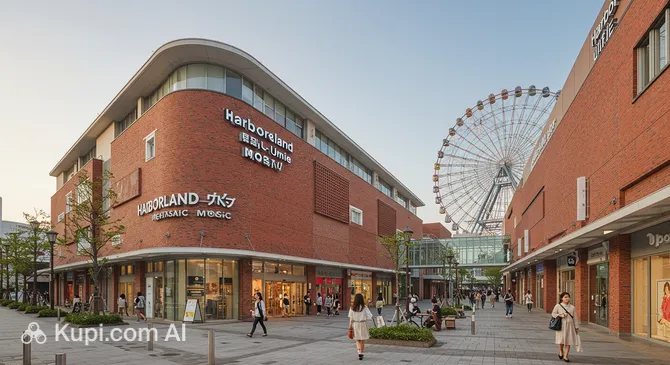
Located on the waterfront is one of the most popular complexes—Harborland umie MOSAIC. This place is perfect for those who want to combine shopping with a stroll by the sea. Numerous shops here sell original souvenirs, accessories, and sweets, and the windows offer views of the port. If you are interested in large-scale modern centers, you should check out Nishinomiya OS, located nearby.
Harborland umie Mosaic. Illustration.
Source: Kupi.com AI
Traveler photos:
As souvenirs from the city, people most often bring back Kobe beef products (in the form of long-shelf-life delicacies), premium sake sets from the Nada district, and famous local pastries. Shops usually operate from 10:00 to 20:00, and in large department stores, tourists can easily get a Tax Free refund upon presenting their passport, making shopping even more pleasant.