Support

Tanabe

About

Tanabe is an enchanting city stretching across the southern coast of the picturesque Kii Peninsula in Wakayama Prefecture. It serves as a gateway to the legendary Kumano region, the starting point of the famous Kumano Kodo pilgrimage trails, which are honored as a UNESCO World Heritage site. Tanabe is a perfect example of how ancient traditions and modern Japanese life can exist in harmony.

With a population of about 69,000, the city is an important hub for the southern part of the Kii Peninsula. Its uniqueness lies in the fact that it administratively combines not only the coastal area with sandy beaches by the Pacific Ocean but also mountain villages such as Ryujin and Oto. This creates an amazing variety of landscapes and atmospheres, allowing travelers to feel like they are at a seaside resort and in the traditional Japanese countryside at the same time.
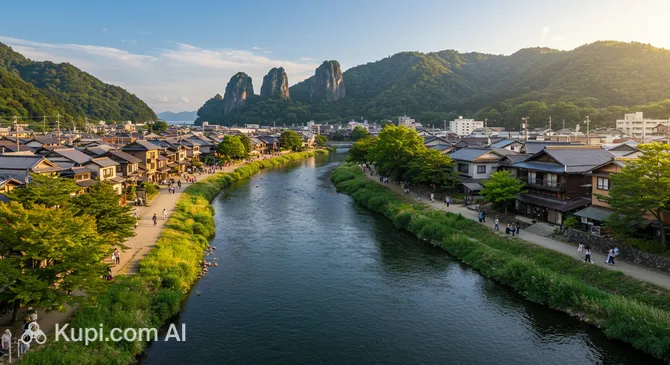
Tanabe. Illustration.
Source: Kupi.com AI

Tanabe has a relaxed and welcoming atmosphere. Key features that attract tourists include the magnificent Ogigahama Beach, ideal for walks and relaxing by the water. Of course, the main pearl is the Kumano Kodo trails, offering unforgettable hiking routes through sacred mountains. In addition, the region is famous for its hot springs (onsens), where you can relax after a busy day.

If you dream of getting to know authentic Japan, its ancient temples, mystical legends, and breathtaking landscapes, Tanabe will be a true discovery for you. This city offers not just a beautiful picture, but an opportunity to touch the living history and culture felt in its every corner. Come to Tanabe to experience its unique charm!

You can find more interesting facts on the Tanabe city history page.
Weather Overview

The weather in Tanabe is characterized by a distinct change of seasons, allowing you to plan your trip for the most comfortable time for you. Expect warm and humid summers, especially between June and September. Average temperatures in the hottest months, July and August, are around 25.6°C - 26.9°C, with maximum values reaching 27-29°C. Summer also sees a significant amount of precipitation, and the number of rainy days in June, July, August, and September ranges from 17 to 18.

Winters in Tanabe, from December to February, are cool and drier compared to the summer period. Average temperatures during this time of year range from 6.9°C to 8.7°C, with minimum night temperatures around 4.7°C - 6.6°C. Precipitation in winter is significantly lower (2-4 mm per month), and rainy days usually number no more than 9-10. The spring (March-May) and autumn (October-November) months offer pleasant transitional weather with moderate temperatures and rainfall. For a more detailed look at climatic conditions by month, we recommend visiting the Tanabe Climate page.

Average monthly temperature

Average monthly precipitation

Interesting Facts

In addition to its picturesque landscapes and hospitality, Tanabe holds many fascinating stories and little-known details that make it truly unique. Known as the gateway to the sacred Kumano Kodo trails, the city offers much more than meets the eye.

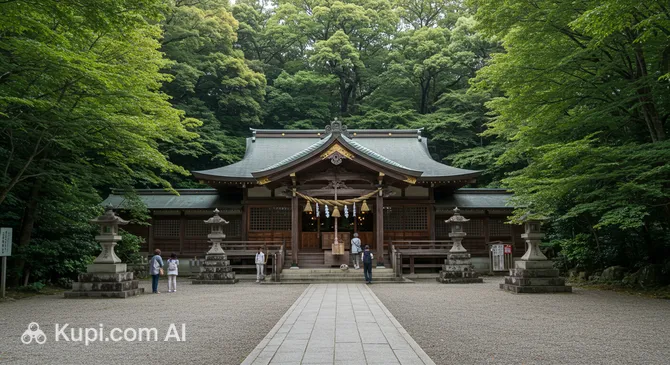
Tokei Shrine. Illustration.
Source: Kupi.com AI

Traveler photos:

  • The Birthplace of Aikido: Tanabe is not just a city, but the birthplace of the world-famous Japanese martial art of Aikido. It was here that its founder, Morihei Ueshiba, was born. His philosophy of harmony and respect for the opponent is reflected in the spirit of the local residents.

  • The Key to Ancient Paths: The city serves as the most important "gateway" to the Kumano Kodo pilgrimage routes, a UNESCO World Heritage site. For centuries, emperors, monks, and ordinary pilgrims followed these trails, seeking to reach the Three Grand Shrines of Kumano. Today, these ancient paths attract travelers from all over the world, and one of the significant shrines in this region is the Tokei-jinja Shrine.

  • Natural Treasures: Tanabe is home to the unique Ogigahama Beach, considered an ideal spot for swimming, family picnics, and a starting point for exciting boat trips and fishing. Nature lovers will also appreciate the proximity to the picturesque Manai Waterfall, which is rightfully included in Japan's top 100 most beautiful waterfalls.

  • A Breath of History: In the vicinity of the city, directly along one of the Kumano Kodo routes, you can find ancient tombs belonging to the family of Nonaga Seiichi. These historical burials are shrouded in many local legends and allow travelers to touch the centuries-old history of this amazing region.

How to Get There

There are several ways to reach the city of Tanabe, and the best choice depends on your location and preferences. The most common options for tourists are flights to the nearest major airports followed by a transfer by train or bus.

The closest airport to Tanabe is Nanki-Shirahama Airport (SHM), located in the city of Shirahama, just 7.4 km away. This is a small regional airport, and you can reach Tanabe from there by taxi or local bus in approximately 30-40 minutes. This option can be convenient if you find a suitable domestic flight to Shirahama.

For most international travelers, the main arrival point will likely be Kansai International Airport (KIX). This major international airport is located in Osaka, about 78.5 km from Tanabe. From Kansai Airport, you can reach Tanabe by train (possibly with transfers) or by direct bus if available. A trip by car or taxi will take approximately 2 – 2.5 hours.

Another major airport in the region is Itami Airport (ITM), also located in Osaka, about 117.4 km from Tanabe. Itami Airport primarily serves domestic flights within Japan. The journey from here to Tanabe by land transport will take over 3 hours.

For clarity, here is a summary of the main airports used to reach Tanabe:

AirportPassenger trafficDistance
Shirahama Airport438 4137 km
Kansai International Airport30.6 mln79 km
Tokushima Awaodori Airport2.3 mln84 km
Kobe Airport3.6 mln102 km
Itami Airport14.8 mln117 km

Rail travel in Japan is excellently developed and is another convenient way to reach Tanabe, especially if you are traveling from other cities in the country. While Tanabe itself might not be a major hub, access is possible via regional lines or stations in neighboring cities.

For example, Fukai Station (QKV) is located in the city of Sakai, approximately 89.7 km from Tanabe. From this station, which has average passenger traffic, you can reach Tanabe by train with transfers or by bus, which may take about 2.5 - 3 hours.

Below is information about railway stations that can be used for a trip to Tanabe:

When planning your trip, it is recommended to check train and bus schedules in advance and consider renting a car for greater convenience when moving around the region.

Main Attractions

Tanabe, snugly located in Wakayama Prefecture, serves as an important gateway to the ancient Kumano Kodo pilgrimage trails and offers its guests a unique blend of spiritual heritage, natural beauty, and gastronomic delights. Here, every traveler will find something for themselves, from peaceful shrines to relaxing hot springs.

One of the city's key attractions is the Tokei-jinja Shrine. This is not just a beautiful Shinto shrine, but a place with deep history closely linked to the Kumano Kodo routes. Visiting Tokei-jinja allows you to touch Japan's spiritual culture and enjoy traditional architecture and a peaceful atmosphere. For many pilgrims and tourists, this site becomes a starting or significant point on their journey.

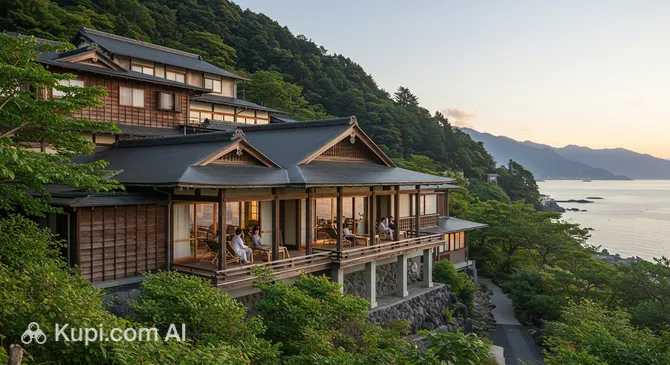
For those seeking relaxation and wellness, the Ki-Tanabe Onsen Hotel will be a real discovery. Its main value is, of course, the onsen—traditional Japanese hot springs. Immersion in healing mineral waters not only relieves fatigue after long walks but also introduces you to an important part of Japanese culture regarding hospitality and relaxation. The hotel offers comfortable accommodation and the chance to experience all the charms of a Japanese spa.

Kii-Tanabe Onsen Hotel. Illustration.
Source: Kupi.com AI

Traveler photos:

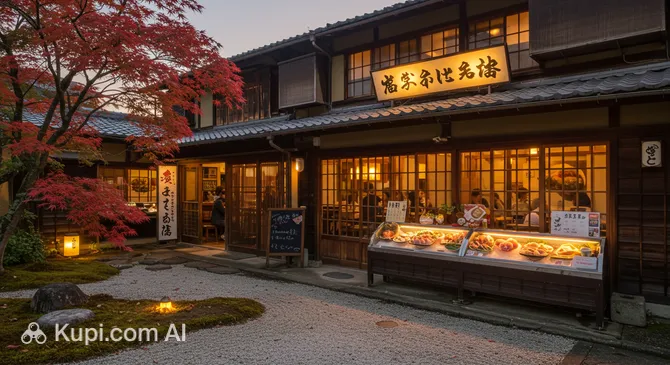
A gastronomic journey through Tanabe would be incomplete without visiting local restaurants. For example, Yoshihei Tempura and Seafood offers guests the chance to enjoy the freshest seafood prepared in the best traditions of Japanese cuisine. Here you can try exquisite tempura—pieces of seafood and vegetables in a light batter, fried to a crisp—as well as other dishes that highlight the richness of local water resources.

Yoshihei Tempura & Seafood. Illustration.
Source: Kupi.com AI

Traveler photos:

Local Cuisine

The gastronomy of Tanabe is a fascinating journey where the gifts of the sea meet the riches of the mountains. The city is famous for its freshest products and dishes that reflect its coastal location and fertile surroundings. The foundation of local cuisine is, without a doubt, seafood coming straight from fishing vessels.

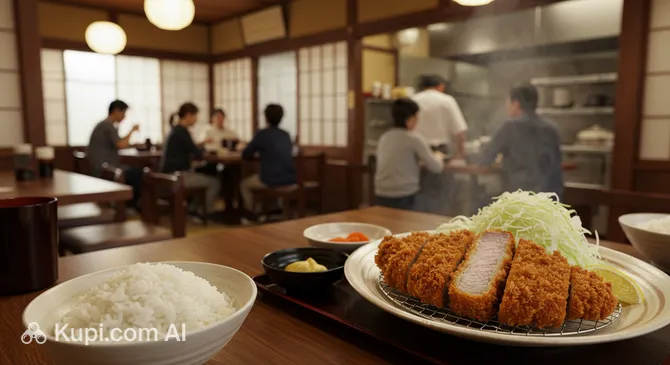
Be sure to try the sushi and sashimi here, especially those featuring tuna and other oceanic delicacies. Their taste and freshness are simply amazing. You can enjoy these dishes both at lively fish markets and in cozy restaurants along the coast. One such place to taste excellent seafood is Yoshihei Tempura and Seafood. For those who prefer hearty meat dishes, an interesting option would be Yoshihei Inari: Thick Pork Cutlet, offering traditional Japanese cutlets.

Yoshihei Inari Thick-Cut Pork Cutlet. Illustration.
Source: Kupi.com AI

Traveler photos:

Tanabe is not called "the land of mandarins" for nothing. In season, you can enjoy incredibly fragrant and sweet mandarins, as well as unique local varieties of oranges. These juicy fruits are sold at farmers' markets and are used to make refreshing freshly squeezed juices. Citrus fruits are the signature of the region.

In addition to seafood and citrus, the mountain areas around Tanabe offer their own gastronomic delights. Natural honey is produced here, special mountain potatoes are grown, and wild vegetables are gathered, all of which are actively used in traditional Japanese cuisine. It is also worth paying attention to local pickles and wild boar dishes, which are especially popular in the villages that are part of the city.

The food culture in Tanabe is closely linked to the availability of fresh produce. Locals and tourists often prefer small family restaurants where dishes are served "piping hot." Fish and farmers' markets are not just places to shop, but also opportunities to experience an authentic atmosphere. To dive deeper into gastronomic traditions, try to visit local food festivals, especially citrus harvest festivals or fish festivals, where you can try seasonal dishes and participate in tastings.

As for drinks, in addition to traditional Japanese tea and freshly squeezed juices from local fruits, you can find local sake in Tanabe, which will perfectly complement a seafood meal. For those who prefer non-alcoholic options, a wide selection of refreshing citrus-based drinks is always available.

Tanabe's gastronomic scene attracts tourists with its authenticity and emphasis on the freshest local products. Tasting sashimi from freshly caught tuna, enjoying the sweetness of local mandarins, or trying traditional dishes made from mountain vegetables and game will provide you with an unforgettable experience and the true taste of this amazing corner of Japan.

Travel Tips

Planning a trip to Tanabe, the charming city at the gateway to the famous Kumano Kodo pilgrimage trails? To ensure your trip goes smoothly and leaves only the most pleasant impressions, we have prepared some practical tips.

  1. Wardrobe for the Season and Activities: The climate in Tanabe is temperate. In summer, choose light, breathable clothing, and in winter, use layers to easily adapt to temperature changes. The key element of your luggage is comfortable shoes, especially if you plan to explore the Kumano Kodo trails or just walk a lot. A raincoat or umbrella won't hurt, as the weather can be changeable. For visiting temples and shrines, choose clothing that covers your shoulders and knees. Don't forget an adapter for electrical appliances: Japan uses 100V voltage and Type A and B sockets.

  2. Moving Around the City and Surroundings: Within Tanabe, you can use local buses—this is an economical way to reach the main points. Taxis are also available but will cost more. If you want to explore the picturesque surroundings, including the start of the Kumano Kodo trails, consider renting a car. This will provide you with greater flexibility and freedom of movement.

  3. Financial Matters: The official currency of Japan is the Japanese Yen (JPY). Credit cards are accepted in many hotels, large stores, and restaurants in Tanabe; however, cash remains very important, especially for payments in small shops, local cafes, transport, and when buying temple tickets. ATMs that work with international cards can be found in Japan Post Bank branches and at 7-Eleven convenience stores. An estimated daily budget in Tanabe, excluding accommodation and major travel, can range from 7,000 to 15,000 yen per person. This will allow you to eat comfortably, visit attractions, and use local transport. Important: Tipping is not practiced in Japan and may be perceived as a misunderstanding.

  4. Health and Safety: Tanabe, like Japan in general, is considered a very safe place for tourists. Observe standard precautions. Pharmacies (look for the sign 薬 - kusuri) are available, but medications may differ from what you are used to. 24-hour pharmacies in small cities like Tanabe are rare. It's better to carry a basic first-aid kit with essential medications. In emergencies, information about on-duty pharmacies can be obtained at your hotel. Of course, don't forget valid medical insurance. Tap water in Tanabe is safe to drink.

  5. Language and Connectivity: The state language is Japanese. English proficiency among the local population can be limited, especially outside tourist areas. Learning a few basic Japanese phrases (greetings, thank you, asking for help) will be highly appreciated by the locals. For easier navigation and communication, consider buying a local SIM card or renting a pocket Wi-Fi device upon arrival in Japan. Useful apps for traveling in Japan include Japan Travel by NAVITIME (for planning routes and transport schedules), Google Maps (for navigation), and Google Translate (for translation, especially the photo translation feature). The Safety Tips app, providing information on emergency situations, may also be useful.

  6. Local Etiquette and Traditions: Japanese people value politeness. A bow is often used instead of a handshake. Always remove your shoes when entering private homes, some temples, traditional inns (ryokans), and restaurants with tatami floors. On public transport and in other public places, try to speak quietly and not disturb others. It is considered impolite to eat while walking on the street (except at festivals and designated areas).

  7. What to Avoid: Never stick your chopsticks vertically into a bowl of rice—this is associated with funeral rituals. Also, avoid passing food from your chopsticks directly to someone else's chopsticks. You should not blow your nose loudly in public; it's better to step away to a more private place.

  8. The Uniqueness of Tanabe—Gateway to Kumano Kodo: The city of Tanabe is the most important starting point for pilgrims and tourists wishing to walk the ancient Kumano Kodo trails, a UNESCO World Heritage site. If you are interested in history, spirituality, or simply love scenic hiking routes, be sure to plan at least a short walk along one of the trails. Tourist information centers in Tanabe will provide you with maps and up-to-date information.

We hope these tips help you better prepare for your trip and make your stay in Tanabe comfortable and full of bright impressions. Enjoy the hospitality of Japan and the unique atmosphere of this historical region!

Entertainment & Nightlife

Tanabe, as an important point on the Kumano Kodo pilgrimage route, offers its guests a cozy and authentic atmosphere, even after nightfall. While there are no thumping nightclubs or massive entertainment complexes like in Japan's megacities, the city is able to charm with its intimate nightlife centered around delicious food and soulful gatherings.

The main evening activity in Tanabe revolves around restaurants and traditional Japanese pubs—izakayas. The Ajikoji district, located near Kii-Tanabe Station, is especially popular. This narrow street is literally dotted with small establishments where you can taste local delicacies and enjoy sake or beer in the company of locals. The atmosphere here is usually very friendly and relaxed. Most establishments stay open until late evening, though not until dawn. The dress code is generally casual.

Among the places where you can have an excellent dinner, it is worth noting the restaurant Yoshihei Tempura and Seafood, known for its dishes made from the freshest catches. Another popular spot is Yoshihei Inari: Thick Pork Cutlet, where you can try hearty and delicious Japanese cuisine. Prices in local restaurants and bars are generally moderate, especially compared to major tourist centers.

Regarding practical tips, the best time for evening walks and dinner is after 6:00 PM. You can move around the city center at night on foot, as the main points of interest are compactly located. Tanabe is considered a safe city, but standard precautions are always wise. If you need a taxi, you can find one at the station or ask your hotel or restaurant to call one for you.

During the day, Tanabe also offers interesting leisure options. The city is the gateway to the sacred Kumano Kodo trails, so many tourists spend time preparing for hikes or studying the history of the pilgrimage. You can visit local temples, such as the Tokei-jinja Shrine, stroll along the waterfront, or explore the surroundings. While the city lacks large theaters or amusement parks, its charm lies in its tranquility, beautiful nature, and rich cultural heritage.

Parks & Museums

The city of Tanabe is not only the gateway to the sacred Kumano Kodo trails but also a place where you can enjoy natural beauty and get acquainted with the region's rich cultural heritage. There are interesting spots here for both lovers of quiet relaxation in nature and those seeking new knowledge and impressions.

Among Tanabe's green zones, Ogigahama Beach stands out. This is a popular spot for locals and tourists to relax, where you can enjoy the sea breeze, take a swim, or simply stroll along the coast while admiring the picturesque views. Additionally, the surroundings of Tanabe are crisscrossed with Kumano Kodo trails, and walking them will provide unforgettable impressions of Japanese nature, ancient forests, and peaceful landscapes. These trails themselves are a unique natural and cultural asset.

For those interested in history and culture, Tanabe offers several significant sites. One of the keys is the Minakata Kumagusu Museum, dedicated to the life and work of the outstanding Japanese polymath, naturalist, and folklorist. The museum's exhibition tells the story of his research and contribution to science, making a visit particularly educational.

Tokei Shrine. Illustration.
Source: Kupi.com AI

Traveler photos:

An important historical and spiritual center of the city is the Tokei-jinja Shrine. This ancient Shinto shrine, associated with the Kumano Kodo pilgrimage routes, attracts visitors with its authentic atmosphere and beautiful architecture. A visit to the shrine allows you to touch the spiritual traditions of Japan and enjoy the silence and peace of this place.

To dive deeper into the region's atmosphere and plan your journey along the Kumano trails, it's worth visiting the Kumano Kodo Tanabe Tourist Information Center. Here you can get maps, brochures, and valuable advice. For an authentic experience, don't hesitate to turn off the main tourist routes and explore the city's small streets or stop by one of the many local cafes to try the traditional dishes of the Kii region.

Getting Around

Public transport in Tanabe is mainly represented by a bus network that connects various areas of the city and its surroundings. This is the most convenient and common way for tourists to get around, as it allows them to explore the city and reach key points, including the starting points of the famous Kumano Kodo pilgrimage trails.

The main carriers are local bus companies such as Meiko Bus and Ryujin Bus. Buses run on a schedule that can be found at bus stops, Kii-Tanabe Station, or at tourist information centers. There are no subways, trams, or trolleybuses in Tanabe.

The payment system on buses is quite simple. When entering the bus (usually through the back or middle door), you need to take a numbered ticket (整理券 - seiriken) if you are paying with cash. An electronic board above the driver displays the stop numbers and their corresponding fares. When exiting through the front door, you pay the driver the amount indicated opposite your ticket number. Try to have small change ready, as the driver may not always have change for large bills, though change machines are often built into the fare box. Payment with rechargeable IC cards (such as ICOCA, Suica, Pasmo) is also becoming increasingly common and is valid in many regions of Japan. You need to tap the card against the reader when entering and when exiting. These cards can be purchased or topped up at major railway stations. Sometimes bus companies offer day passes for certain zones, which can be advantageous when planning several trips.

Tourists are advised to check routes and schedules in advance, especially if planning a trip to remote areas or the start of hiking trails. Buses usually start running early in the morning and end in the evening; night routes are generally absent. Single-trip tickets are bought directly on the bus. There is no need to validate tickets in the conventional sense—payment is made upon exit (cash) or by a double-tap of an IC card.

As an alternative to public transport in Tanabe, you can use taxi services. Taxi stands are usually located at Kii-Tanabe Station and other busy areas. This is a more expensive but comfortable way to travel, especially with luggage or for groups. Bicycle rentals may also be available in the city—an excellent option for a leisurely exploration of the central districts and the waterfront.

Accommodation

In the city of Tanabe, travelers will find a variety of accommodation options catering to different preferences and budgets. The choice ranges from cozy guest houses and traditional Japanese inns (ryokans), offering a unique cultural experience, to modern mid-range hotels and more luxurious resort complexes. Apartment rentals are also available for those who prefer more independence.

For the convenience of tourists, areas located near Kii-Tanabe Station are popular, as it is the main transport hub for those arriving in the city and heading out on the Kumano Kodo pilgrimage trails. Hotels and ryokans along the coast, which offer picturesque views, are also in demand. The choice of area depends on your plans: proximity to transport for active travelers or seclusion and nature for a peaceful holiday.

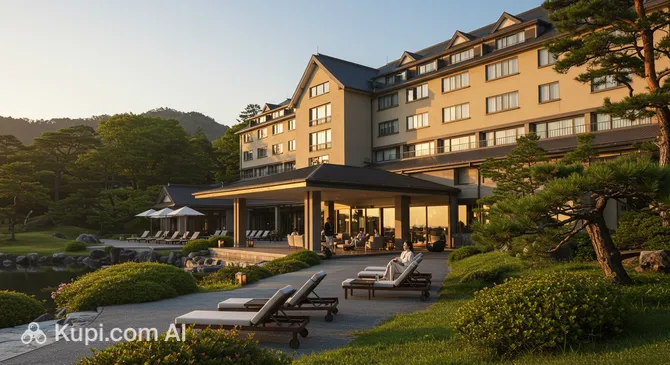
Nanki Tanabe Resort Hotel. Illustration.
Source: Kupi.com AI

Traveler photos:

Among the well-known accommodation options in Tanabe are hotels such as the Nanki Tanabe Resort Hotel and the Ki-Tanabe Onsen Hotel, which offer a comfortable stay and good service. Many hotels and ryokans in Tanabe also feature their own onsens (hot springs), which are a pleasant addition to a relaxing stay.

When planning a trip to Tanabe, especially during peak tourist seasons (such as spring during cherry blossom season or autumn), it is recommended to book accommodation in advance. This will allow you to choose the best option in terms of price and quality and avoid a lack of available rooms. The region's popularity among pilgrims and tourists walking the Kumano Kodo also influences demand.

The price range for accommodation in Tanabe varies from budget options in hostels and minshuku (family guesthouses) to more expensive offers in high-class hotels and ryokans with full board. You can book a stay through popular international online booking platforms, Japanese travel sites, or directly on the hotels' websites. Some traditional ryokans may require booking by phone or email.

Nearby Cities

For those who want to explore the surroundings, Tanabe serves as an excellent starting point for day trips to several interesting nearby locations:

CityPopulationDistance
Kamitonda15 0406 km
Shirahama19 9766 km
Minabe11 5947 km
Gobo22 74428 km
Yuasa11 03838 km

For instance, a trip to Wakayama, the capital of the prefecture of the same name, will allow you to visit the majestic Wakayama Castle, which offers breathtaking views of the city from its grounds. Don't miss the chance to visit the lively Kuroshio Market, famous for its freshest seafood, or simply enjoy a walk along the picturesque coast.

Another interesting option for a day trip could be Anan. This city, located on Shikoku Island across the Kii Channel, offers a more peaceful atmosphere. Here you can admire beautiful coastal landscapes and get acquainted with the charm of a small Japanese town, offering a break from the hustle and bustle of major tourist centers.

These and other nearby destinations open up wonderful opportunities for a deeper acquaintance with the diverse culture, rich history, and scenic landscapes of the Kansai region and neighboring Shikoku Island.

Shopping & Souvenirs

Tanabe, being an important starting point for pilgrims on the Kumano Kodo trails, offers tourists authentic shopping with an emphasis on local goods and souvenirs rather than a hunt for global brands. Here you can find unique items reflecting the rich culture and natural gifts of Wakayama Prefecture. The city is known for products related to the pilgrimage, as well as a variety of local delicacies.

Main shopping opportunities in Tanabe are usually concentrated in the Kii-Tanabe Station area and the adjacent shopping streets. Small shops are located here, offering a wide range of goods—from food and clothing to souvenirs and handicrafts. It is also worth strolling through the local shopping arcades (shotengai), if any, to feel the atmosphere of the city's daily life and find something special.

In Tanabe, you are unlikely to encounter the giant multi-story shopping centers common in major metropolises. Shopping here is more intimate and local. However, the city may have small department stores or supermarkets where you can purchase essentials, as well as some souvenirs and local food products.

Although Tanabe is not famous for large tourist markets, you can find small local shops or sections in stores selling fresh seafood, given the city's proximity to the ocean, and seasonal agricultural products from Wakayama Prefecture. This is a great opportunity to try and buy the region's freshest gifts.

As souvenirs from Tanabe and the Kumano region, consider items related to the famous pilgrimage routes: these can be traditional lucky charms (omamori), incense, or products made of local wood or ceramics. Wakayama Prefecture is famous for its umeboshi (pickled Japanese plums)—these are excellent and healthy gastronomic souvenirs. Also, look out for local sake, soy sauce, and other traditional Japanese products. Handmade crafts and textiles with local patterns are also popular.

Most shops in Tanabe are usually open to visitors from 10:00 or 11:00 AM and work until 7:00 or 8:00 PM. Small family-owned shops may have individual operating hours. Major stores and tourist spots generally accept credit cards. Nevertheless, it is recommended to carry some Japanese yen in cash, especially for purchases in small shops or at markets.

Foreign tourists in Japan can take advantage of the consumer tax refund system (Tax-Free Shopping). This service is available in stores with the appropriate license (usually marked with a "Tax-Free Shop" sign) when purchasing goods for an amount exceeding 5,000 yen (excluding tax). To process the tax refund, you will need to present your passport. It is recommended to clarify the details and conditions directly in the store before making a purchase.

Reached the end of the page?

That means the route is fully explored