Support

Shingu

About

Shingu is a cozy and atmospheric city nestled among the picturesque green hills of the Kii Peninsula. Located in the south of Wakayama Prefecture, it is washed by the swift waters of the Kumano River and serves as a gateway to a world of ancient traditions. For those who want to see the real Japan far from the neon lights of the megapolises, this place will be a true discovery full of harmony and natural beauty.

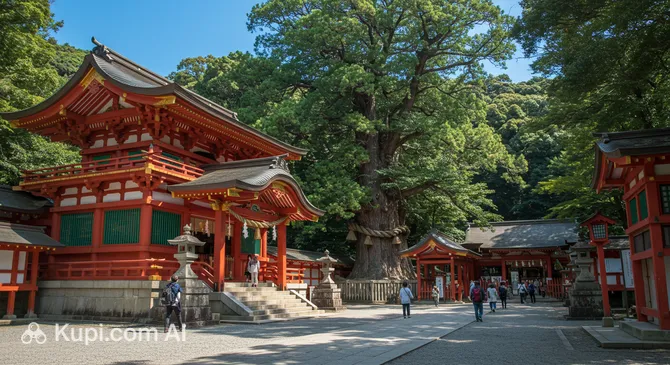
Shingu. Illustration.
Source: Kupi.com AI

Despite its relatively small population of about 33,000 people, the city boasts a well-developed infrastructure and a unique charm. It is easily accessible by express train from Osaka or Nagoya for those seeking peace and quiet. The unique history of Shingu is closely intertwined with the region's spiritual heritage: the city is an important point on the famous Kumano Kodo pilgrimage route.

The main pride of the local residents is the Kumano Hayatama Taisha Grand Shrine, which is part of the UNESCO World Heritage list. Here, you can feel the breath of eternity while strolling through the temple grounds or exploring the surrounding mountain trails. Shingu is perfect for a leisurely introduction to the country's culture, offering travelers an authentic experience and a warm welcome in the heart of the sacred Kumano region.

Weather Overview

The climate in this region is temperate and humid, so the weather in Shingu varies significantly depending on the season. Travelers should expect a warm but rainy summer and a cool, relatively dry winter. Thanks to the influence of the ocean, severe frosts are rare here, but an umbrella will be your faithful companion on the trip, especially during the warmer months.

The winter months, December and January, are the coolest: the average temperature stays around 6–8°C, and nightly minimums rarely drop below 3–4°C. This is also the "driest" time, when the number of days with precipitation is minimal (about 7–8 per month). Spring brings a pleasant warming: by April, the air warms to an average of 14.5°C, and in May, to 18°C, creating comfortable conditions for sightseeing.

Summer and early autumn in Shingu are hot and humid. In July and August, the average temperature reaches 26–27°C, and during the day, the air often warms up to 29°C. However, it is precisely this period, as well as September, that sees the peak of precipitation: statistics record up to 20 rainy days per month. By November, the heat subsides to 14°C, and the weather becomes more stable and pleasant for walking.

Average monthly temperature

Average monthly precipitation

Interesting Facts

Beyond its main attractions, Shingu holds many fascinating secrets and ancient legends that turn a walk through the city into a real adventure. This corner of the world is steeped in mysticism, where the lines between myth and reality blur.

  • The Site of the Descent of the Gods. According to local beliefs, Shingu was the point where the Kumano deities first descended into the human world. The legendary site of this event is the giant sacred boulder Gotobiki-iwa, located at the top of a steep cliff near the Kamikura Shrine. This rock has been an object of worship since time immemorial.

  • A Living Symbol of Longevity. On the grounds of the Kumano Hayatama Taisha Shrine grows the remarkable Nagi-no-ki tree, which is over 1,000 years old. This tree is revered as sacred: in ancient times, pilgrims placed its leaves in their pockets and mirrors as amulets for safe passage, and today it symbolizes harmony and family happiness.

  • A River of Fire on the Mountain. One of the most breathtaking sights in the city is the Ogi Matsuri (Fire Festival). On this day, hundreds of men dressed in white, carrying lit torches, race down the steep stone steps from Kamikura Shrine. This event looks like a flow of living fire and, according to legend, purifies participants and spectators from misfortune.

How to Get There

The journey to this corner of Wakayama Prefecture is already the beginning of an adventure, as the road passes through the picturesque landscapes of the Kii Peninsula. You can find out more about how to get to Shingu by choosing the most convenient route depending on your starting point. Since there is no airport in the city itself, tourists usually combine a flight with a train or bus trip.

For international travelers, the main gateway is Kansai International Airport (IATA: KIX). It is one of the most important transport hubs in the country. Please note that it is not located in Shingu, but in the city of Osaka, approximately 104 km away. The journey from there by car will take about 3 hours. The airport receives flights from all over the world and is characterized by a huge passenger flow, offering excellent infrastructure and many transfer options.

The closest option is Shirahama Airport (IATA: SHM), also known as Nanki-Shirahama. It is located in the neighboring city of Shirahama, just 58.6 km from your destination. This is a small regional airport that mainly handles domestic flights (for example, from Tokyo). The trip by taxi or bus from here will take approximately 1 hour 50 minutes, making it a convenient choice for those who want to save time on ground travel.

For clarity, here is a summary of information on the main airports:

AirportPassenger trafficDistance
Shirahama Airport438 41359 km
Kansai International Airport30.6 mln104 km
Kobe Airport3.6 mln123 km
Itami Airport14.8 mln128 km
Tokushima Awaodori Airport2.3 mln136 km

The railway is another popular and extremely scenic way to get to Shingu. The city is served by a railway station that is a key stop on the JR Kisei Main Line. Comfortable express trains regularly arrive here from major cities such as Osaka, Kyoto, and Nagoya. A train ride along the ocean coast will give you unforgettable views of rocky shores and the endless expanse of water, turning your transfer into a full-fledged excursion.

Main Attractions

Shingu is a city where spiritual heritage and natural beauty intertwine in a wonderful way. Most of its iconic landmarks are connected to ancient pilgrimage traditions and the unique landscapes of the Kii Peninsula. Here is a list of key attractions that will help you better understand the soul of this place.

Kumano Hayatama Taisha
This is one of the three Grand Shrines of Kumano (Kumano Sanzan) and the city's main gem. The bright vermilion buildings of the shrine stand out strikingly against the lush greenery, creating a solemn and peaceful atmosphere. Tourists visit this site not only for its architecture but also to see the rich collection of sacred treasures in the local museum. The shrine is located near the mouth of the river, which adds to its special charm.

Kamikura Shrine (Kamikura-jinja)
This site is considered the origin of the region's spirituality. The shrine is famous for its steep ascent: to reach the top, you must climb more than 500 uneven stone steps. The main goal of the climb is to see the massive sacred boulder known as Gotobiki-iwa, which, according to legend, was the site where the gods descended to earth. The platform near the boulder offers perhaps the best panoramic view of the entire city and the boundless Pacific Ocean.

Shingu Castle Ruins (Tankaku Park)
History buffs and those who enjoy quiet walks should visit Tankaku Park, built on the site of a former feudal castle. Although only the impressive stone walls and foundation remain of the fortress itself, the site possesses a special charm. The park is situated on a hill right by the Kumano River, offering picturesque views of the water and the famous bridge. In spring, it is one of the most popular locations for viewing the cherry blossoms.

Ukishima Forest (Ukishima-no-mori)
An amazing natural phenomenon located right within the city limits. This is a swampy area with dense vegetation that is actually a massive floating island of peat and tree roots covering about 5,000 square meters. The forest literally drifts on the water. Convenient wooden boardwalks are laid out for tourists, allowing for a safe stroll through this mysterious "floating" forest while enjoying the silence of nature.

Local Cuisine

The culinary palette of Shingu is a true gastronomic reflection of the city's geography, where the fresh waters of the Kumano River meet the salty waves of the ocean. The foundation of the local menu remains the freshest seafood. Special attention should be given to fish prepared using the ancient method of fermentation. This method of preservation gives the product a deep, rich flavor and is a unique experience for those who want to get to know the origins upon which Japan and its cuisine were built.

An absolute favorite among tourists and the pride of local chefs is kaki-no-ha-sushi. These are salmon or mackerel sushi carefully wrapped in persimmon leaves. The leaves not only serve as beautiful natural packaging but also possess antibacterial properties, giving the dish a subtle, delicate aroma. In cozy family establishments, such as the famous Kaki-no-ate restaurant, this sushi is often served alongside traditional soba noodles. Here, the meal turns into an aesthetic pleasure: the food is served on handmade dishes using elegant thin chopsticks.

Speaking of drinks, it must be mentioned that Wakayama Prefecture is famous for its plums. Therefore, the main local aperitif is umeshu—a fragrant plum wine prepared here with special skill. It comes in different ages and sweetness levels, perfectly complementing a light dinner. For lovers of traditional alcohol, it is worth ordering local sake (nihonshu), which perfectly highlights the taste of raw fish. Among non-alcoholic drinks, high-quality green tea is popular and served almost everywhere.

To feel the lively atmosphere of the city, head to the farmers' markets. These are not just trading stalls, but the center of culinary life, where locals buy seasonal vegetables, pickled delicacies, and homemade sweets made from rice and beans. Street food in Shingu is simple but incredibly delicious, making it a great snack option while exploring. Additionally, the city regularly hosts gastronomic festivals where you can try the best dishes of the Kumano region in a festive atmosphere.

Travel Tips

A trip to Shingu is an immersion into the spiritual heart of the Kumano region, and to ensure nothing distracts you from contemplating nature and ancient shrines, it's worth preparing for local characteristics in advance. Here are some useful recommendations to make your trip to this cozy corner of Wakayama Prefecture as comfortable and carefree as possible.

  1. Clothing and Equipment. Given the region's humid climate, a folding umbrella or a high-quality raincoat is a must-have for a tourist in any season. Most importantly, wear comfortable shoes with non-slip soles. Visiting Kamikura Shrine involves climbing very steep and uneven stone steps, which can be slippery even in dry weather. High heels or flip-flops are strictly unsuitable here.

  2. Transport Logistics. The city is quite compact, and many attractions in the center can be explored on foot. For trips to remote locations, it is convenient to use local Kumano Gobo Nankai Bus services, but keep an eye on the schedule—trips can be infrequent. A great option for active tourists is renting a bicycle near Shingu Station. If you plan to explore the entire peninsula, it is better to rent a car.

  3. Financial Matters. Japan is known for its love of cash, and Shingu is no exception. Small family restaurants and souvenir shops may not accept cards. Be sure to carry a supply of Japanese yen. You can withdraw money from ATMs at convenience stores (e.g., 7-Eleven or Lawson), which usually work with international cards. Tipping is not customary here—it may even confuse the staff.

  4. Communication. English is not understood everywhere in the province, so download an offline translator (e.g., Google Translate) and a city map in advance. It is highly recommended to purchase a SIM card or a portable Wi-Fi router immediately upon arrival at a major airport (Kansai), as finding mobile service providers with options for tourists in Shingu itself will be difficult.

  5. Health and Safety. Shingu is a very safe city, and you can walk here comfortably at any time of day. However, in summer, keep in mind the high humidity and the risk of heatstroke—always carry water with you. If you plan on walking the forest trails of the Kumano Kodo, use insect repellent. Drug stores are available, but they don't always operate 24/7, so it's better to bring a basic first-aid kit.

  6. Shrine Etiquette. Since the city is a religious center, observe silence and respect on temple grounds. It is customary to perform a light bow at the torii gates before entering. Don't forget the ritual of cleansing your hands and mouth at the water pavilion (temizuya) before approaching the main hall. Photography is allowed almost everywhere, but try not to photograph worshipers during prayer.

  7. Things to Avoid. Never stick chopsticks vertically into rice while eating—this is a funerary ritual that will shock locals. Also, avoid loud phone conversations on public transport and trains—here, it is considered a sign of rudeness and disrespect to others.

  8. Useful Advice. If you arrive in the city by train and plan to start sightseeing immediately, use the coin lockers at Shingu Station. Climbing to Kamikura Shrine with a heavy backpack or suitcase is a virtually impossible task, so travel light.

Following these simple rules will help you easily blend into the steady pace of life in Shingu and show respect for its traditions. The local residents are known for their hospitality and kindness, so even if you forget something, a sincere smile and polite behavior will always help you find common ground.

Entertainment & Nightlife

Nightlife in Shingu is fundamentally different from the neon frenzy of Tokyo or Osaka. Here, you won't find noisy nightclubs with DJs or massive discos. Evening leisure in this city is an immersion into the authentic atmosphere of the Japanese province, where the focus is on heartfelt conversations, delicious food, and local traditions. Most activity is concentrated in the small alleys that come to life at dusk when the red paper lanterns (akachochin) are lit.

The epicenter of evening life is the area around Shingu Station and the adjacent blocks in the city center. This is where most izakayas—traditional Japanese pubs serving sake, beer, and various snacks—are concentrated. So-called "snack bars" (sunakku) are also popular. This is a unique Japanese phenomenon: small establishments, often run by a hostess ("mama-san"), where guests sing karaoke, drink, and socialize in a near-home-like setting. For a tourist, this is a great chance to see a non-touristy Japan, although knowing a few phrases in Japanese will be a huge plus.

The atmosphere in local establishments is relaxed and friendly. There is no dress code: locals come here after work in casual clothes. The crowd consists mainly of regular customers, but foreigners are treated with curiosity and warmth. Prices in Shingu are more affordable than in megapolises: the average bill for dinner with drinks at an izakaya will be around 3,000–5,000 yen. Keep in mind that "snack bars" often have a cover charge system, which includes light snacks and unlimited karaoke.

When planning your evening, remember the time: most restaurants close their kitchens around 21:00–22:00, and bars operate until midnight or one in the morning. Since public transport stops running early, plan your way home in advance. The city is very safe for night walks, but the streets can be deserted and dark. The most reliable way to get to your hotel is by taxi, which is best called through a bar or restaurant employee, as catching a car on the street at night can be difficult.

As for daytime entertainment, Shingu offers a quiet cultural experience. Be sure to visit Jofuku Park, dedicated to the legendary Chinese alchemist who, according to legend, arrived here in search of the elixir of immortality. The park is easy to recognize by its bright Chinese-style gates. Literature lovers will be interested in the Sato Haruo Memorial Museum, located in a beautiful historic building where the famous Japanese writer lived. These places allow you to diversify your route between visiting ancient shrines and natural landmarks.

Parks & Museums

Shingu offers travelers a harmonious combination of natural beauty and deep cultural context that goes beyond pilgrimage trails. The city parks serve as oases of tranquility, while the few but informative museums carefully preserve the region's history, from ancient legends to 20th-century literary heritage.

One of the most colorful green zones in the city is Jofuku Park. It is easily recognizable from a distance by its bright Chinese-style gates, which contrast sharply with traditional Japanese architecture. The park is dedicated to the Chinese alchemist Xu Fu (Jofuku in Japanese), who, according to legend, arrived here over 2,000 years ago by order of Emperor Qin Shi Huang in search of the elixir of immortality. Inside the park, you can see a statue of the alchemist, his tomb, and a carp pond. Of particular interest is the garden where the tendai-uyaku tree is grown—a plant that Jofuku believed to be the elixir of youth. It is a great place for a quiet walk and an introduction to local folklore.

For lovers of panoramic views and history, Tankaku Park, built on the ruins of Shingu Castle, is ideal. Situated on a hill by the river, this park attracts visitors not only with the remains of powerful stone walls but also with magnificent scenery. In spring, cherry blossoms bloom here, turning the hillsides into a pink cloud, while in autumn, the trees take on crimson tones. It is a popular spot among locals for picnics and contemplating the waters of the Kumano River as they flow into the Pacific Ocean.

Your cultural program should begin at the Sato Haruo Memorial Museum. This museum is located in the house where the famous Japanese poet and writer Sato Haruo lived. Interestingly, the building itself was moved here from Tokyo and carefully restored. The house's architecture combines Western style and Japanese traditions characteristic of the Taisho era, creating a unique atmosphere of intellect and comfort. Visitors can see the writer's personal belongings, manuscripts, and paintings, immersing themselves in the world of Japanese literature from the early 20th century.

Those interested in religious history should definitely visit the Kumano Hayatama Treasure House (Kumano Hayatama Taisha Shimpokan), located on the grounds of the shrine of the same name. This small museum houses an impressive collection of over 1,000 artifacts recognized as National Treasures of Japan. The exhibition includes ancient lacquer boxes, ceramics, clothing, and fans that were offered to the gods over the centuries by pilgrims, including the imperial family. This is a rare opportunity to see authentic artworks from the Heian and Kamakura periods.

Insider Tip: If you have time left, walk to the small literary monument on the banks of the Kumano River. This place is not marked in major guidebooks, but it offers the exact view of the river and mountains that inspired many poets who visited Shingu. The silence and majesty of nature are felt especially intensely here, allowing you to forget the bustle of travel for a moment.

Getting Around

The public transport system in Shingu is quite compact and simple, which is typical for small cities in this region. You won't find subways, trams, or trolleybuses here. The main modes of transport for locals and tourists are buses, JR network trains, and, of course, private or rented vehicles. The city is laid out so that many key attractions in the center can be explored on foot, but transport will still be needed for trips to remote shrines or hot springs.

The main bus operator is Kumano Gobo Nankai Bus. Their routes connect Shingu Station with major tourist spots such as Kumano Hayatama Taisha Shrine and the entrances to the Kumano Kodo trails. Buses run regularly, but intervals can range from 30 minutes to an hour, so it is highly recommended to photograph the schedule at the stop in advance or pick up a booklet at the tourist information center.

Special attention should be paid to the bus fare system, as it differs from the familiar fixed-price urban scheme. Boarding is through the rear door. Upon entering, you need to take a small paper ticket from a machine (it will have the boarding zone number printed on it). An electronic board hangs above the driver: as you approach your stop, find the number from your ticket on the screen—the current fare will be indicated below it. Payment is made upon exiting through the front door. The driver does not give change, but there is a change machine next to the coin slot that changes 1,000 yen bills and coins.

Regarding passes, for active travelers, there are special tourist passes, such as the Ise-Kumano-Wakayama Area Tourist Pass, which covers trips on JR trains and some bus lines in the region. IC transport cards (such as Suica, ICOCA, or Pasmo) are accepted at Shingu Station (at the turnstiles), but terminals for cards are not available everywhere on local buses. Therefore, the golden rule for a tourist in Shingu is: always have a supply of cash coins and small bills with you.

Shingu Station is the city's main transport hub. From here, trains depart on the JR Kisei Main Line (Kinokuni Line), which runs along the coast. This is a convenient way to reach neighboring cities like Katsuura or Kushimoto, but the train is practically not used for movement within the city itself due to the small number of stations within the urban area.

A popular alternative to public transport is renting a bicycle. You can rent a regular or electric bike at the tourist center opposite the station. This is an ideal option for exploring the central part of the city, Tankaku Park, and the riverfront, allowing you not to depend on bus schedules. Given the hilly terrain of some areas, an electric bike would be an excellent choice.

If you plan to explore the surroundings and hard-to-reach mountain areas, the best solution would be car rental (car sharing is not developed here, but classic rental agencies operate near the station). This will give you complete freedom of movement. Taxis are also always on duty at the station. Drivers rarely speak English, so prepare the destination name or address in Japanese in advance to show it on your phone screen.

A unique feature of Shingu's transport system, which can be categorized more as a tourist attraction, is the traditional flat-bottomed boats that ply the Kumano River. In the past, the river was the main road for pilgrims descending from the mountains to the ocean. Today, you can take a river cruise on such a boat, retracing the historical path of ancient aristocrats. This is not just transport, but an immersion into the atmosphere of past centuries.
Accommodation

When planning where to stay in Shingu, it is worth considering that this city serves more as a strategic base for pilgrims and explorers of the Kii Peninsula rather than a classic resort. The choice of accommodation here is quite modest but functional. Tourists mainly have access to budget hostels, cozy guesthouses (minshuku), and reliable mid-range hotels. There are virtually no luxury five-star complexes within the city limits, but the available options are clean and feature famous Japanese hospitality.

From a logistics perspective, the most convenient area to stay is the vicinity of Shingu Station. This is the heart of the city's transport system: buses to ancient shrines and trains to neighboring regions depart from here. By staying here, you will be within walking distance of most restaurants and shops, which is especially valuable after a long day of hiking in the mountains. Another popular option is hotels along the coast or the river, which offer peaceful views of the water.

The mainstay of the room inventory consists of standard business hotels. They offer compact Western-style rooms with all the necessary amenities, ideal for a short stop. If you want to feel what traditional Japan is like, you should choose a ryokan. In such inns, you will sleep on futons laid out on tatami mats and can enjoy home-cooked dinners made from local products. This is a great way to immerse yourself in the atmosphere of the old city.

The price range varies from budget to mid-range. The cost of living in Shingu is often lower than in large metropolises like Osaka or Tokyo. As for booking, an important rule applies: book your accommodation in advance. During the cherry blossom season, autumn foliage, or major festivals (such as Ogi Matsuri), vacant rooms run out very quickly. Most hotels are available through popular international online platforms, but some small family-run inns may require direct booking or a request through local travel sites.

Nearby Cities

For those who want to explore the surroundings, Shingu serves as an excellent starting point for day trips to several interesting nearby locations:

Tanabe. Located on the west coast of the peninsula, this city is known as the main gateway to the Kumano Kodo pilgrimage routes. It is a lively center with a rich gastronomic culture: the Ajikoji district boasts the highest concentration of bars and restaurants in the region. Tanabe attracts travelers with the opportunity to combine a visit to historic shrines with relaxation on the beautiful Ogigahama Beach.

Hashimoto. This city is located at the foot of the mountains and serves as an important transport hub on the way to the sacred Mount Koya-san. Hashimoto is of interest to lovers of history and traditional crafts; here you can see ancient architecture and enjoy the peaceful pace of life in the Japanese countryside. A trip here is a chance to touch the spiritual heritage of Wakayama Prefecture far from the tourist crowds.

Sakurai. Although this city is located a bit further away, it is of great interest to those fascinated by the ancient history of Japan. Sakurai is considered the cradle of Japanese statehood: it is home to some of the oldest Shinto shrines, such as Omiwa, and many ancient burial mounds. This place is steeped in the myths and legends of the Yamato period.

CityPopulationDistance
Kiho10 4042 km
Nachikatsuura13 93012 km
Kumano22 76021 km
Kushimoto14 66134 km
Owase16 07943 km

These nearby destinations provide insight into the diverse culture and landscapes of the region.

Shopping & Souvenirs

General Overview. Shopping in Shingu has its own unique provincial charm. You won't find massive districts with luxury boutiques or multi-story high-fashion department stores that Japan is famous for in its megapolises. Instead, the city offers cozy shops with handmade goods, stores with products for pilgrims, and supermarkets with local delicacies. Shopping here is an opportunity to touch the daily life of local residents and find unique items related to the spiritual heritage of the Kumano region.

Main Shopping Areas and Streets. The city's commercial life is concentrated mainly around Shingu Station. Small shops selling everything from clothing to souvenirs are within walking distance of the station. It is also worth paying attention to the Naka-no-cho covered shopping arcade (shotengai). Although, like in many small Japanese cities, it may seem quiet and a bit nostalgic, old shops still operate here where you can buy traditional sweets, tea, or ceramics while chatting with the owners.

Shopping Centers. For those looking for a familiar modern shopping experience, the main point of attraction is the Aeon Shingu shopping center. This is a large complex located south of the city center. Here, tourists will find a large supermarket with groceries, clothing stores from popular mass-market brands, a bookstore, and a food court. It is an ideal place to restock food supplies, buy items forgotten at home, or simply relax in an air-conditioned environment.

Markets. There are no large-scale tourist markets in Shingu, but "Michi-no-eki" (roadside stations) and farmers' stalls in the surrounding areas are of great interest. They sell the freshest vegetables, fruits, and seafood caught in local waters. Special attention should be paid to seasonal fruits: Wakayama Prefecture is famous for its citrus, so you can often find various types of tangerines and products made from them on the counters.

Souvenirs. The choice of gifts in Shingu is closely linked to its history and nature. The most popular souvenir is amulets and goods featuring the three-legged crow Yatagarasu, the symbol of the Kumano region. It is also worth purchasing traditional sweets, such as Suzu-yaki (bell-shaped biscuits). Alcohol connoisseurs will enjoy local plum wine (umeshu) or sake from local breweries. For pilgrims, special staffs and hats are sold, which can serve as a great reminder of the journey.

Opening Hours and Payment. Most small shops open around 10:00 and close fairly early—at 18:00 or 19:00. Large centers, such as Aeon, operate longer, usually until 21:00 or 22:00. It is important to remember that small souvenir shops and old stores often accept cash only. Credit cards are handled without problems in supermarkets, konbini (convenience stores), and shopping centers, but having a supply of banknotes and coins in Shingu is essential.

Tax Free. The tax refund system (Tax Free) is available in Shingu, but not everywhere. Generally, this service can be used in large chain stores (for example, in some departments of Aeon) or in large drug stores selling cosmetics. Look for a sticker with the "Japan Tax-Free Shop" symbol at the entrance or checkout and don't forget to bring your passport, as it will be required for processing.

Reached the end of the page?

That means the route is fully explored