Support

Sakurai

About

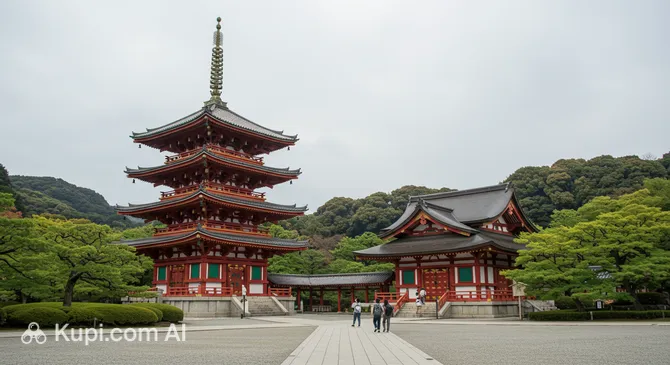
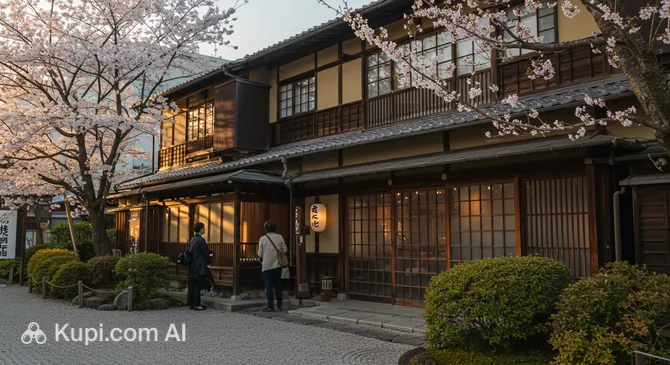
Sakurai is a city where Japan's past literally comes to life at every step. Located in the heart of Nara Prefecture, it is nestled among picturesque hills and forests, approximately 40 kilometers southeast of major centers such as Kyoto and Osaka. This geographical position makes Sakurai an ideal destination for travelers looking to experience authentic Japanese culture away from the hustle and bustle of megacities, while remaining within easy reach of the famous cultural hubs of the Kansai region.
Sakurai. Illustration.
Source: Kupi.com AI

Despite its relatively small size — the city's population is about 54,000 people — Sakurai plays an important administrative and historical role. According to legends, it was in these parts that Japanese statehood was born. The atmosphere in Sakurai is wonderfully harmonious: ancient temples and Shinto shrines coexist peacefully with quiet, cozy streets where life flows slowly and steadily.

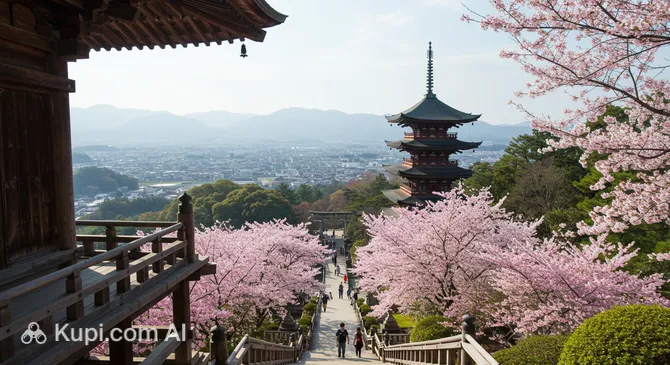
One of the city's unique features is its local shrines and ancient ruins, many of which are included in the UNESCO World Heritage list. In spring, Sakurai is transformed into a real fairy tale thanks to the abundant cherry blossoms (sakura) — the symbol of the country. Interestingly, according to one version, it is the city of Sakurai itself (or the area where it is located) that is associated with the origin of the name of this famous Japanese symbol. Sakurai is a place that will surely enchant fans of ancient history, connoisseurs of Japanese nature, and those seeking gastronomic discoveries. Come and experience its unique charm!

You can find more interesting facts on the history of the city of Sakurai page
Weather Overview

The weather in Sakurai is characterized by warm, humid summers and cool winters. The average annual temperature varies, reaching its maximum in August (about 27.8°C) and its minimum in January (about 4.2°C). Expect warm summers with periodic rainfall, especially in June and July, and cool, relatively dry winters, although rain is possible year-round. The highest amount of precipitation occurs during the summer months, while late autumn and winter are drier.

For more detailed information on weather conditions by month, including average daily temperatures, precipitation amounts, and the number of rainy days, you can view the detailed forecast: Sakurai Climate.

Average monthly temperature

Average monthly precipitation

Interesting Facts

The city of Sakurai, known for its ancient shrines, hides many fascinating secrets and little-known facts that give it a special charm. Beyond the majestic temples, you can discover amazing details of Japan's history and culture.

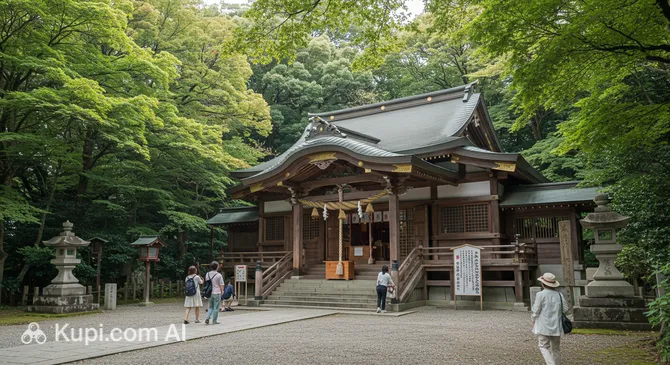
Ōmiwa Shrine. Illustration.
Source: Kupi.com AI

Traveler photos:

  • The famous Omiwa Shrine, one of Japan's oldest Shinto shrines, is unique because it lacks a traditional main hall (honden). The object of worship here is Mount Miwa itself, which is considered the sacred body of the deity Omononushi-no-Okami.

  • In the vicinity of Sakurai lies the mysterious Hashihaka burial mound. Many researchers and historians suggest that this monumental structure could be the tomb of the legendary Queen Himiko, the ruler of the ancient state of Yamatai, mentioned in Chinese chronicles of the 3rd century.

  • Sakurai is located in the heart of the historical Yamato Province, which is considered the cradle of Japanese statehood and culture. According to legend, the first capitals of ancient Japan were located here, and these lands hold the memory of the birth of imperial power.

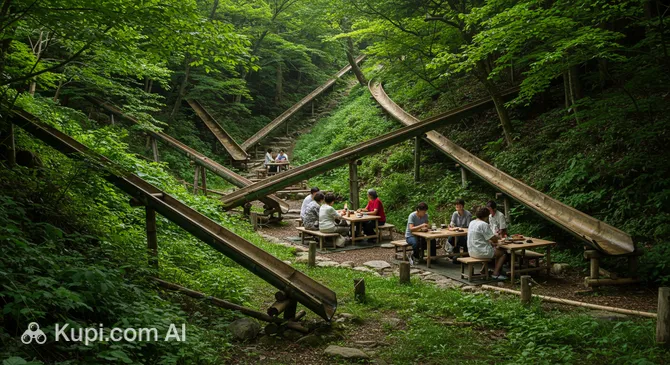
  • The city is the birthplace of the famous thin somen noodles, known as "Miwa somen." The history of its production in this region dates back more than 1,200 years, and the secrets of its making are carefully passed down from generation to generation. You can try this traditional dish, for example, at Miwa Somen Nagashi.

How to Get There

The most convenient way to reach the city of Sakurai is by air through international airports located in nearby major cities, as Sakurai does not have its own airport. After arriving at the airport, you can use trains, buses, or taxis for further travel to Sakurai.

The main and most convenient option for international travelers is Kansai International Airport (IATA: KIX). This major international hub is located in Osaka, approximately 56 km from Sakurai. A trip by car or one of the many express buses from Kansai Airport to Sakurai will take approximately 1 hour and 45 minutes, depending on traffic.

Another significant airport is Itami Airport (IATA: ITM), also located in Osaka, approximately 47.5 km from Sakurai. Itami Airport primarily serves domestic flights within Japan but can be convenient for domestic transfers. The journey from Itami Airport to Sakurai by taxi or bus takes about 1 hour and 30 minutes. Travelers can also consider Chubu Centrair International Airport (IATA: NGO) in Nagoya, which is further away (about 96 km) but is another major international hub.

For convenience, here is a summary of the main airports in the vicinity of Sakurai:

AirportPassenger trafficDistance
Itami Airport14.8 mln47 km
Kansai International Airport30.6 mln56 km
Kobe Airport3.6 mln58 km
Chubu Centrair International Airport12.3 mln96 km
Shirahama Airport438 413105 km

As for rail travel, Japan is famous for its extensive railway network. Although there are no major hub stations directly in Sakurai in the provided list, the nearest mentioned station is Fukai Station. It is located in the city of Sakai, approximately 31.8 km from the center of Sakurai. From Fukai Station, Sakurai can be reached by local transport or taxi; the trip takes about 1 hour and 10 minutes. It is recommended to study train routes and schedules to stations in Nara Prefecture in advance, from where you can easily reach Sakurai by local trains or buses.

Here is information about the nearest railway station from the provided list:

Additionally, Sakurai can be reached by car using Japan's network of expressways. If you are traveling by private or rental car, navigation systems will help you easily plan your route.

Main Attractions

The city of Sakurai, located in Nara Prefecture, is rich in ancient shrines and temples, each preserving unique stories and traditions of Japan. A journey here is an opportunity to touch the origins of Japanese spirituality and enjoy the beauty of nature.

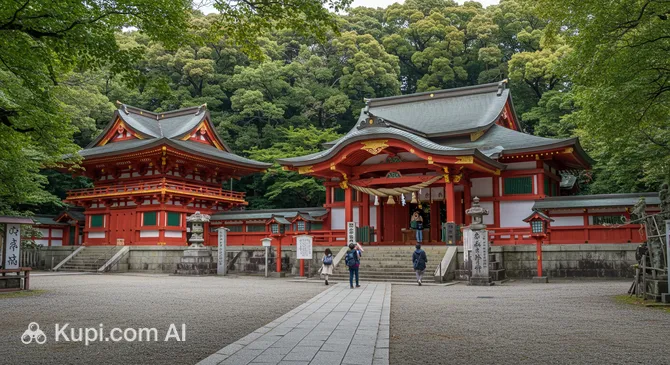
One of the city's main gems is the Omiwa Shrine. This is one of the oldest Shinto shrines in Japan, dedicated to the deity of Mount Miwa. The uniqueness of this place lies in the fact that there is no traditional main hall (honden), as the mountain itself is worshipped as the sacred body of the deity (shintai). Visitors are drawn to its deep antiquity, the peaceful atmosphere of the sacred forest, and the opportunity to walk along picturesque trails.

Ōmiwa Shrine. Illustration.
Source: Kupi.com AI

Traveler photos:

No less significant is the Abe Monju-in Temple. This Buddhist temple is known for its connection with Abe no Seimei, the famous master of onmyodo (the ancient Japanese teaching of yin and yang). The temple is dedicated to Monju Bosatsu — the Bodhisattva of Wisdom, so students and anyone seeking academic success and clarity of mind often come here. In addition to the spiritual component, the temple is interesting for its ancient buildings and beautiful statues.

Abe Monju-in Temple. Illustration.
Source: Kupi.com AI

Traveler photos:

For those looking for more secluded and intimate places, Hibara Shrine is worth a visit. This small but very picturesque shrine is also closely linked to Mount Miwa and the cult of Amaterasu. It is believed that the sun goddess was originally worshipped here before her shrine was moved to Ise. Hibara Shrine attracts visitors with its quiet, almost meditative atmosphere and is part of the ancient Yamanobe-no-michi pilgrimage trail.

Hibara Shrine. Illustration.
Source: Kupi.com AI

Traveler photos:

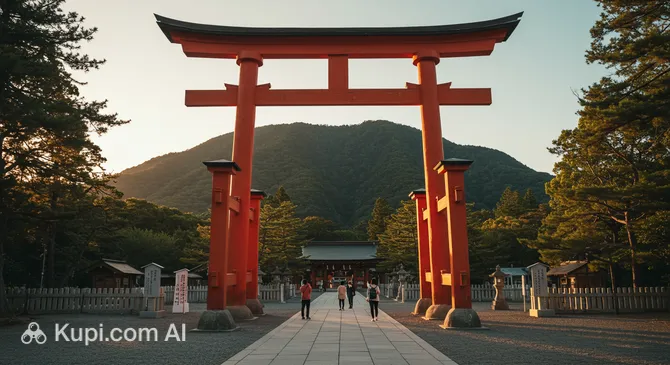
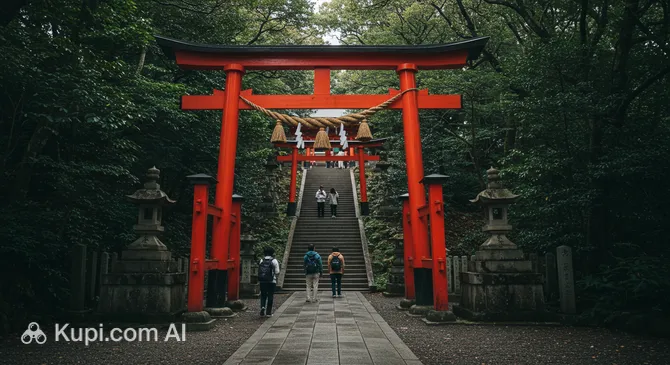
The majestic Grand Torii Gate of Omiwa Shrine serves as the symbol of the entrance to the sacred space of Mount Miwa. These huge torii gates are among the largest in Japan and leave a lasting impression on all visitors. They not only mark the boundary of the sacred territory but are also a popular spot for photos, symbolizing an introduction to ancient traditions.

Omiwa Shrine Grand Torii Gate. Illustration.
Source: Kupi.com AI

Traveler photos:

Local Cuisine

Sakurai's culinary scene is an exciting journey into a world of flavors where ancient traditions harmoniously blend with the freshness of local products. The city's cuisine is famous for dishes prepared according to recipes passed down through generations, and it can surprise even seasoned gourmets.

Be sure to try narezushi – the ancient predecessor of modern sushi, where fish is fermented with rice, creating a unique flavor profile. Another hallmark of the region is sakura-based treats: the petals and leaves of this Japanese symbol are used in both sweet and savory variations. Do not miss the opportunity to enjoy exquisite wagashi Japanese sweets, often served with tea, especially during the cherry blossom season. Also, look out for dishes made from local rice and seasonal vegetables, which form the basis of many local culinary masterpieces. Bamboo shoots and rare mushroom varieties can be found at farmers' markets.

Miwa Somen Nagashi. Illustration.
Source: Kupi.com AI

Traveler photos:

Among drinks, various types of green tea are particularly popular, as they are refreshing and perfectly complement a meal. Although alcoholic beverages such as locally produced sake are also present, the emphasis is often on non-alcoholic options that highlight the purity of the dishes' flavors.

The food culture in Sakurai is diverse. Locals and tourists can enjoy a meal in traditional restaurants or try street food. Fried vegetable pies and mochi rice cakes are popular. In spring, the city hosts gastronomic festivals where you can get to know the local cuisine more deeply. To experience the authentic taste, stop by one of the local establishments, such as the Miwa Somen Nagashi restaurant, known for its traditional dishes, or the Miwa Yamamoto Restaurant. Visiting farmers' markets will also provide an unforgettable experience and the chance to try the freshest seasonal products.

Travel Tips

Welcome to Sakurai, a city with a rich history and a unique atmosphere! To make your journey through this charming corner of Japan as comfortable and memorable as possible, we have prepared a few practical tips.

  1. Clothing and Essentials:

    The climate in Sakurai is temperate, with distinct seasons. It is hot and humid in summer, and cool in winter, occasionally with snow. Spring and autumn are the most comfortable periods. Bring comfortable shoes for walking, as you will be doing a lot of it, especially when visiting temples and historical sites. Don't forget an adapter for electrical appliances (Japan uses type A and B sockets). When visiting temples and shrines, choose modest clothing that covers shoulders and knees.

  2. Getting Around the City:

    Sakurai is a relatively small city, and it's easy to get around using local trains (Kintetsu and JR lines). Buses also run through the city, connecting major points. Taxis are available but can be expensive. Renting a car might be an option for exploring the surrounding area, but keep in mind the specifics of Japanese traffic and parking. For most tourist needs, public transport will be the most convenient and economical choice.

  3. Money and Expenses:

    The local currency is the Japanese Yen (JPY). You can exchange currency at airports or major banks. Credit cards are accepted in many hotels, shops, and restaurants, but it's always useful to have some cash on hand, especially for visiting small establishments, markets, and paying entry fees at some temples. ATMs that accept international cards can be found at post offices (Japan Post Bank) and 7-Eleven stores. Tipping is not customary in Japan – good service is already included in the bill.

  4. Health and Safety:

    Sakurai, like Japan in general, is a very safe place. Follow usual precautions. Pharmacies (look for the sign "薬" - kusuri) are available in the city, but the staff may not always speak English. It is recommended to have travel medical insurance. In case of emergencies, call 119 (ambulance, fire service).

  5. Language and Connectivity:

    The official language is Japanese. English is limited in tourist areas. Learning a few basic phrases in Japanese, such as "konnichiwa" (hello), "arigato" (thank you), and "sumimasen" (excuse me/sorry), will be greatly appreciated by the locals. For convenience, you can rent a pocket Wi-Fi router or buy a local SIM card. Free Wi-Fi is available in some hotels and public places. Map and transport schedule apps (such as Google Maps, HyperDia) will be useful.

  6. Local Etiquette:

    Japanese people are very polite and value respect for tradition. When greeting, bow slightly. In public places, especially on transport, try to keep noise to a minimum. Remove your shoes before entering homes, some temples, and traditional restaurants. Following these simple rules will help you feel more comfortable and show respect for the local culture.

  7. What to Avoid:

    Do not stick your chopsticks vertically into a bowl of rice – this is associated with funeral rituals. Also, avoid loud phone conversations in public places, especially on trains and buses. Don't forget to sort your trash if required – this is taken very seriously in Japan.

  8. Special Tip for Sakurai:

    Sakurai is the cradle of ancient Japanese statehood. Be sure to explore the Yamanobe-no-Michi trail, considered the oldest road in Japan, or visit the majestic Omiwa Shrine on Mount Miwa. And for a snack, try the local delicacies, such as the thin miwa somen noodles – it's a great gastronomic experience!

We hope these tips help you plan an unforgettable trip to Sakurai and enjoy every moment of your stay in this amazing city!

Entertainment & Nightlife

Sakurai, known for its ancient shrines and rich history, transforms in the evening, offering guests a quieter but no less authentic experience. Although you may not find rowdy nightclubs like in the megacities, the city charms with its cozy atmosphere and the opportunity to enjoy traditional Japanese cuisine and hospitality after sunset.

The core of evening entertainment in Sakurai consists of restaurants and traditional Japanese pubs – izakaya. Here you can sample local delicacies and spend time in a relaxed setting. For example, you can visit the Miwa Yamamoto restaurant, known for its cuisine, or enjoy a unique experience at the Miwa Somen Nagashi restaurant, which serves the famous somen noodles. Such establishments usually offer a wide selection of dishes and drinks, including local sake, and are great places for dinner and conversation.

Miwa Yamamoto Restaurant. Illustration.
Source: Kupi.com AI

Traveler photos:

Miwa Somen Nagashi. Illustration.
Source: Kupi.com AI

Traveler photos:

The atmosphere in evening Sakurai is peaceful and conducive to leisurely relaxation. Establishments are usually frequented by both locals and tourists looking for authenticity. The dress code in most places is casual, and formalities are unnecessary. Many restaurants and izakayas are open until late in the evening, but it is recommended to check the opening hours in advance, especially on weekdays, as the city lives at a more measured pace compared to major centers.

Nightlife, if you can call the quiet evenings in Sakurai that, is mainly concentrated around the central streets and near the train station, where you can find the most dining options. Getting around the city in the evening is convenient on foot if you are staying nearby, or by taxi. Taxis in Japan are reliable and safe; they can be called by phone or found at special stands. Average prices in establishments vary but generally remain affordable. To guarantee a spot at a popular place, especially on weekends, it's better to arrive early or book a table.

Sakurai, like most cities in Japan, is considered a very safe place. Night walks through well-lit streets usually do not cause concern. However, it is always worth taking basic precautions, especially if you are unfamiliar with the area or traveling alone. Keep your valuables safe and be aware of your surroundings.

During the day, Sakurai offers a rich cultural program for those interested in history and spirituality. The city is famous for its many ancient temples and shrines, such as the majestic Omiwa Shrine or the historical Abe Monju-in Temple. These sites are wonderful for exploring Japanese culture and architecture, and walking through their picturesque grounds is a true pleasure.

Parks & Museums

Sakurai, a city with deep historical roots in Nara Prefecture, offers travelers a unique combination of spiritual heritage and natural beauty. While there may not be vast urban parks or numerous modern museums in the traditional sense, the city itself and its surroundings represent a living exhibition of history and culture.

Instead of classic parks, the grounds of ancient shrines and temples serve as green oases in Sakurai. Their well-kept gardens, centuries-old trees, and peaceful paths provide ideal conditions for tranquil walks and contemplation. For example, the extensive territory around Omiwa Shrine, sprawling at the foot of sacred Mount Miwa, is a natural attraction in its own right, where one can feel the harmony of nature and spirituality.

Ōmiwa Shrine. Illustration.
Source: Kupi.com AI

Traveler photos:

As for museums, many historical sites in Sakurai are themselves priceless open-air exhibits. Some temples and shrines may have small treasure houses or exhibition halls displaying relics and artifacts that tell their centuries-old stories. Thus, cultural immersion occurs directly when visiting these sacred places.

Key historical and architectural sites not to be missed in Sakurai include:

  • Omiwa Shrine: One of Japan's oldest Shinto shrines, where Mount Miwa itself is the object of worship. This place has a special atmosphere and deep spiritual significance. Not far from the main complex rise the Grand Torii Gate of Omiwa Shrine, marking the entrance to the sacred territory.
  • Abe Monju-in Temple: Known for its magnificent statues and connection to the Abe clan. The temple is dedicated to the Bodhisattva of Wisdom, Monju, and attracts pilgrims and tourists seeking enlightenment and good luck in their studies.
  • Hibara Shrine: Another ancient shrine associated with legends of the goddess Amaterasu. It offers visitors a quiet and secluded atmosphere for reflection.
  • Sai Shrine: Located near Omiwa Shrine, this place is revered for its sacred water, which is attributed with healing properties.
Abe Monju-in Temple. Illustration.
Source: Kupi.com AI

Traveler photos:

Omiwa Shrine Grand Torii Gate. Illustration.
Source: Kupi.com AI

Traveler photos:

Hibara Shrine. Illustration.
Source: Kupi.com AI

Traveler photos:

Sai Shrine. Illustration.
Source: Kupi.com AI

Traveler photos:

For a more authentic experience and to discover the lesser-known corners of Sakurai, consider walking part of the ancient Yamanobe-no-michi trail. This historical route connects many shrines and passes through picturesque rural landscapes, allowing for deeper immersion in the atmosphere of ancient Japan. Also, look out for small local temples and kofun burial mounds scattered throughout the area – they hold quiet evidence of the region's rich history.

Getting Around

Public transport in Sakurai is mainly represented by rail links and bus routes, allowing for fairly convenient travel both within the city and to its surroundings and neighboring towns. For tourists, this means being able to easily reach the many temples and historical sites for which the region is famous.

The main railway operators serving Sakurai are JR (Japan Railways) and Kintetsu. The stations on these lines serve as key transport hubs. The bus network complements the railway, providing access to areas far from the stations. Fare payment on trains and buses is most often done using rechargeable IC cards (e.g., ICOCA, Suica, Pasmo), which work throughout Japan and significantly simplify the process. Simply touch the card to the reader at the entrance and exit. You can also purchase single tickets from machines at stations or directly from the bus driver (it is advisable to have small change). Fares depend on the distance; a short bus or train ride within the city usually costs a few hundred yen.

Train tickets are purchased at stations from special machines or ticket offices. IC cards can be bought and topped up there as well. In buses, payment is made either upon entry (through the front door) or upon exit (also through the front door, next to the driver), depending on the specific bus company's system – look for the signs. Transport usually runs on a schedule, which can be found at stops and stations. Public transport operating hours in Sakurai are generally from early morning until late evening, but it is worth checking the schedule for the last trips, especially if you plan to return late.

As an alternative to public transport, taxis are always available in Sakurai and can be found at railway stations or called by phone. This is a more expensive but comfortable way to get around, especially if you are traveling with luggage or a small group. For exploring some areas, especially those rich in natural and historical sights, bicycle rental can be convenient – rental points are sometimes found near tourist information centers or stations. Car sharing in smaller cities like Sakurai is less common for short-term use by tourists.

Accommodation

In the city of Sakurai, travelers will find a variety of accommodation options to suit different preferences and budgets. Here you can stay in traditional Japanese ryokan inns, offering a unique cultural experience, as well as in more familiar hotels and guesthouses. Apartment rental options are also available for those who prefer more independence and home comfort during their trip.

When choosing a place to stay in Sakurai, it is worth paying attention to areas located near the main attractions. For example, staying near iconic sites like Omiwa Shrine or Abe Monju-in Temple will provide easy access to cultural sites and allow for deeper immersion in the city's atmosphere. Options near transport hubs can also be convenient, making it easier to travel around Sakurai and its surroundings.

Ōmiwa Shrine. Illustration.
Source: Kupi.com AI

Traveler photos:

While there is no information on specific large or chain hotels in the provided data, Sakurai offers a decent selection of local accommodation. Tourists can expect various options ranging from budget guesthouses to mid-range hotels, many of which feature traditional Japanese hospitality and coziness.

When planning a trip to Sakurai, especially during popular tourist seasons such as the cherry blossom season in spring or the autumn foliage viewing, it is highly recommended to book accommodation in advance. This not only guarantees availability but often allows you to find better deals.

The price range for accommodation in Sakurai is quite wide: you can find both economical options and more comfortable rooms. For searching and booking accommodation, it is convenient to use well-known international online platforms (e.g., Booking.com, Agoda) or specialized Japanese booking sites. In some cases, direct booking through hotel websites or contacting local tourist information centers upon arrival may be possible, although the latter option may offer a more limited selection.

Nearby Cities

For those looking to explore the surrounding area, Sakurai serves as an excellent starting point for day trips to several interesting nearby locations:

Among them, Nara stands out, the ancient capital of Japan, famous for its massive park where friendly deer roam freely, and majestic temples like Todai-ji with its giant Buddha statue. Also worth noting is Tondabayashi, where you can immerse yourself in the atmosphere of the past by exploring the Jinaimachi historical district – a beautifully preserved example of an Edo-period merchant town, listed as one of the Important Preservation Districts for Groups of Traditional Buildings in Japan.

CityPopulationDistance
Tawaramoto30 9506 km
Tenri63 7609 km
Koryo33 6179 km
Yamatotakada60 79110 km
Katsuragi37 22511 km

These nearby destinations offer a glimpse into the diverse culture and landscapes of the region.

Shopping & Souvenirs

Sakurai, being a city with a rich history and many ancient shrines, offers tourists an authentic shopping experience rather than a raid on giant shopping malls. Here you will find small shops specializing in local products and traditional goods. The city is particularly known for its connection to the production of somen noodles, specifically "Miwa somen," as well as being a place with deep sake-brewing traditions, which is reflected in the range of souvenir products.

In Sakurai, there are no distinct large shopping streets comparable to those in Japan's megacities. Most commercial activity can be concentrated around Sakurai Railway Station and along the main streets leading to popular attractions such as Omiwa Shrine. Here you can find small shops offering everyday goods, local delicacies, and souvenirs.

Large modern shopping malls are not a characteristic feature of Sakurai. Shopping here is more focused on small family-run stores and specialty shops where you can find unique locally produced goods. If you need a wide selection of brand-name stores, you might consider a trip to larger cities in Nara Prefecture or Osaka.

In Sakurai, you are unlikely to find large tourist markets. However, as in many Japanese cities, there may be small local shops or individual stalls where farmers sell fresh seasonal produce. Occasionally, fairs with food and souvenirs may be set up at temples and shrines during festivals.

From Sakurai, it is worth bringing back unique local goods. First and foremost are the famous thin wheat noodles "Miwa somen", which can be bought dried as a gastronomic souvenir. Given that Omiwa Shrine is considered the patron of sake brewing, local sake or related accessories would make an excellent gift. Of course, traditional Japanese souvenirs are popular: omamori charms from the city's numerous temples and shrines, such as Abe Monju-in Temple or Hibara Shrine, as well as ceramics and handmade crafts.

Most shops in Sakurai usually operate from 10:00 or 11:00 AM to 7:00 or 8:00 PM. Small family-run shops may have more flexible hours, including a closing day during the week. As for payment, cash remains a widely used medium, especially in small shops and markets. Credit cards are accepted in larger establishments and tourist sites, but it's always helpful to have some Japanese yen on hand.

In Japan, there is a value-added tax refund system (Tax Free) for foreign tourists. This is usually possible when purchasing goods over 5,000 yen (excluding tax) at a single shop that has the appropriate license. Look for the "Tax Free Shop" sign. To process the tax refund, you will need to present your passport. In Sakurai, such shops can be found, but their number will likely be smaller than in major tourist centers. Check the possibility of a Tax Free refund immediately before making a purchase.

Reached the end of the page?

That means the route is fully explored