Support

Yosano

About

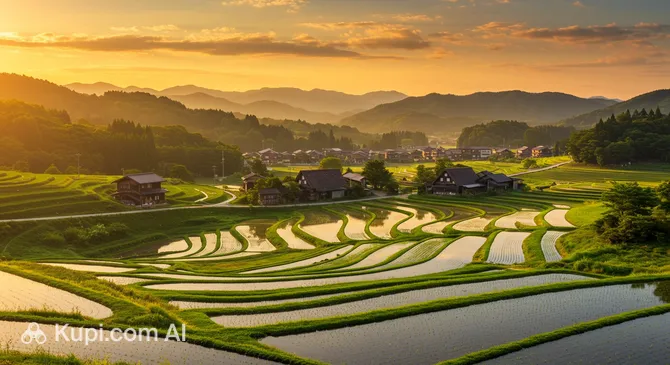
Yosano is a charming and cozy town nestled among the picturesque hills and endless rice fields of Kyoto Prefecture, Japan, on the island of Honshu. With a population of about 20,000 and an area of just over 108 square kilometers, Yosano maintains an atmosphere of tranquility and the authentic feel of the Japanese countryside, where every season brings its own unique colors.

This town attracts visitors with its authenticity and the opportunity to see a real, non-touristy side of Japan. Here, you won't find the hustle and bustle of major metropolises; instead, there is peace, local hospitality, and a wonderful harmony with nature. Yosano is famous for its well-kept streets, traditional Japanese houses, and fertile fields where the region's renowned rice is grown. It is an ideal destination for those seeking silence and a desire to immerse themselves in the steady rhythm of Japanese life.

Yosano. Illustration.
Source: Kupi.com AI

One of Yosano's key features is its careful preservation of traditions and cultural heritage. Travelers can discover ancient temples, stroll through picturesque surroundings, and stop by cozy family cafes to sample local cuisine. The town offers a unique experience of getting to know Japanese culture from the inside, far from the noisy tourist routes.

If you dream of taking a break from the city, enjoying the silence, breathing fresh air, and discovering the true beauty of the Japanese province, a trip to Yosano will be an unforgettable experience. This town will give you a sense of calm and allow you to see Japan as it is rarely shown on postcards — real, peaceful, and surprisingly beautiful.

You can find more interesting facts on the Yosano city history page.

Weather Overview

The weather in Yosano is characterized by noticeable seasonal changes. Summer (June-August) is warm here, with average temperatures ranging from 21°C to 27°C, and it is also a period with significant precipitation, especially in July (averaging 9 mm), and a high number of rainy days. Winters (December-February) are cool, with average temperatures ranging from 4.9°C to 7.1°C, also with frequent precipitation and the highest number of rainy days in January and December (up to 22 days). Spring and autumn are transitional seasons with moderate temperatures and rainfall. To learn more details, check out the information about the Yosano climate.

Average monthly temperature

Average monthly precipitation

Interesting Facts

Beyond its picturesque landscapes, the town of Yosano in Japan holds several curious details that make it truly special. Here are some things you might not have known:

  • Although the town of Yosano was officially formed as recently as 2006, its history dates back centuries. The area has long been famous as a center for rice cultivation and weaving, and to this day, you can see the ancient homes of artisans whose descendants take great pride in their heritage.

  • Surprisingly, the sunflower and the camellia were chosen as symbols of this Japanese town. In summer, the outskirts of Yosano turn into a literal golden sea thanks to countless sunflowers, while camellias decorate gardens and streets at other times of the year, creating bright color accents.

  • Yosano is actively developing eco-tourism and agritourism. Guests of the town can do more than just enjoy nature; they can truly immerse themselves in rural life by participating in harvests, learning the basics of traditional crafts, or even staying in an authentic Japanese home.

  • Local residents deeply revere nature, which is reflected in numerous seasonal festivals. The holidays here are dedicated not only to the harvest but also to tree blossoms and ancient crafts. Furthermore, legends of guardian spirits of the fields and forests are passed down through generations, giving this place a special, slightly mystical atmosphere.

How to Get There

When planning a trip to this picturesque corner of Kyoto Prefecture, it is worth considering your route in advance, as there are no direct flights to the town itself. Yosano is served by the transport hubs of neighboring major cities. You can explore all available options and build an optimal route by visiting the all ways to get to the city page.

For most international tourists, the main gateway will be Kansai International Airport (KIX). It is located in Osaka, approximately 126.5 km from Yosano. This is the region's largest hub with a huge passenger flow, receiving flights from all over the world. The journey from here by taxi or rental car takes roughly 3.5 hours. Express trains also depart from the airport, which, combined with local lines, allow you to reach your destination.

A convenient alternative, especially for domestic flights within Japan, is Itami Airport (ITM), also located in Osaka. It is closer — about 90 km from the center of Yosano. The drive takes about 2.5 hours. You can also consider Kobe Airport (UKB), which is 103 km away; the trip by car takes just under 3 hours.

For convenience, here is a summary of the main airports used to reach the region:

AirportPassenger trafficDistance
Tajima57 19434 km
Tottori Airport401 79690 km
Itami Airport14.8 mln90 km
Kobe Airport3.6 mln103 km
Kansai International Airport30.6 mln127 km

In addition to road transport, the primary way to reach Yosano from these airports is by rail. Travelers typically take JR trains to major transfer stations (such as Fukuchiyama or Miyazu) and then transfer to the scenic Kyoto Tango Railway, which serves the local area.

Main Attractions

The town of Yosano, located in the scenic Kyoto Prefecture, is famous not only for its heritage in the production of Tango Chirimen silk but also for several remarkable sites that attract tourists wishing to explore the culture and nature of the region. Although Yosano is a small town, it offers unique experiences.

One of the main attractions in Yosano is Chirimen Kaido (Chirimen Road). This historical district preserves the atmosphere of the Edo and Meiji eras, when the region flourished thanks to the production of high-quality "Tango Chirimen" silk. Walking down this street, you can see beautifully preserved old merchant and artisan houses, many of which are still connected to the textile industry. It is a great place to immerse yourself in the history of local craftsmanship and feel the authentic spirit of old Japan.

Near Chirimen Kaido is the Old Mikami Family Residence, recognized as an Important Cultural Property of Japan. This magnificently preserved house once belonged to an influential family involved in the production and trade of silk. A visit to the estate allows you to see traditional Japanese architecture, learn about the daily life of wealthy citizens from centuries past, and discover more about the history of the silk industry that shaped Yosano's identity.

For those who appreciate natural beauty and panoramic views, Ouchi Pass Ichijikan Park is worth a visit. From this hill located within Yosano, you can see one of the classic views of the famous Amanohashidate sandbar (even though the sandbar itself is in the neighboring city of Miyazu). This spot is popular among photographers and nature lovers alike, as it offers a peaceful atmosphere and the chance to see one of "Japan's Three Scenic Views" from a special perspective known as the "one-line view" (Ichijikan).

Local Cuisine

The cuisine of Yosano is a true immersion into the authentic flavors of the Japanese countryside, where every dish is prepared with love using the freshest local ingredients. The foundation of many traditional dishes is rice, grown in the fertile fields of the region. Be sure to try the appetizing onigiri rice balls with various fillings, tender rice cakes, and exquisite dishes featuring seasonal vegetables, which are particularly prized here.

A special point of pride for Yosano is the abundance of fresh fruits and vegetables found at colorful farmers' markets. Depending on the season, you might be offered dishes made from sweet potatoes, aromatic pumpkins, or succulent green edamame beans. Due to its proximity to the Sea of Japan, delicacies made from the freshest fish and seafood often appear on local tables and in restaurants. Don't miss the chance to enjoy excellent sushi and sashimi, as well as warming miso soups with seaweed.

The food culture in Yosano is closely tied to nature and the changing seasons. Locals and tourists alike love visiting farmers' markets not just for shopping, but to sample freshly prepared treats. The town is also famous for its gastronomic festivals, where you can taste seasonal delicacies, participate in traditional cooking workshops, and even learn how to make Japanese wagashi sweets. The street food here is simple but incredibly delicious — keep an eye out for fried vegetable dumplings or local desserts made from rice flour.

A meal in Yosano is perfectly complemented by traditional Japanese drinks. Of course, you should try various types of green tea, which is an integral part of Japanese culture. Locals may also offer you seasonal fruit drinks or regional sake.

The gastronomic scene in Yosano attracts with its sincerity and emphasis on quality and fresh ingredients. It is an ideal place for those who want to experience real, non-touristy Japanese cuisine and enjoy the peaceful atmosphere and hospitality of the locals.

Travel Tips

Welcome to Yosano! To make your trip to this charming corner of Japan as comfortable and pleasant as possible, we have prepared some practical tips. They will help you better navigate and enjoy every moment of your stay.

  1. Clothing and Essentials: The climate in Kyoto Prefecture, where Yosano is located, is characterized by four distinct seasons. Summers are hot and humid, while winters are cool, sometimes with snow. Spring and autumn offer the most comfortable weather. We recommend bringing layers of clothing. Be sure to bring comfortable walking shoes. Don't forget an adapter for your electronics (Japan uses 100V, with Type A and B plugs). When visiting temples and shrines, choose modest clothing that covers your shoulders and knees.
  2. Transport in Yosano: Since Yosano is a small town, your main ways of getting around might be local buses, if available, or taxis. For exploring the surroundings and having more flexibility, it may be useful to rent a car, especially if you plan to visit other places in Kyoto Prefecture. Check the availability and schedules of local transport upon arrival.
  3. Finances: The national currency is the Japanese Yen (JPY). While credit cards are increasingly accepted in major cities in Japan, in small towns like Yosano, cash remains the preferred method of payment, especially in small shops and restaurants. It's best to exchange currency at the airport or at banks in larger cities. ATMs that accept international cards can be found at post offices and some convenience stores (like 7-Eleven). Tipping is not practiced in Japan and can even be taken as an insult.
  4. Health and Safety: Japan is one of the safest countries in the world, and Yosano is no exception. Pharmacies (薬, kusuri) are available, but not all stay open 24/7, and staff may not speak English. It is recommended to carry a basic first-aid kit. Get medical insurance before your trip. Follow standard precautions: watch your belongings and avoid walking alone in unlit areas late at night, although the crime rate is very low.
  5. Communication: The official language is Japanese. The level of English proficiency among locals in small towns may not be high. Learn a few basic phrases in Japanese (e.g., "konnichiwa" for hello, "arigato" for thank you, "sumimasen" for excuse me/sorry). For convenience, you can buy a local SIM card or rent pocket Wi-Fi. Free Wi-Fi may be available in some public places or hotels.
  6. Local Etiquette: Japanese people are very polite. A slight bow is a common form of greeting. It is customary to remove your shoes when entering homes and some temples. In public places, especially on transport, try not to talk loudly on your phone. Respect for elders and maintaining silence in public spaces are highly valued.
  7. What to Avoid: Do not stick your chopsticks vertically into your rice — this is associated with funeral rituals. Also, try not to eat while walking on the street unless it's a place specifically for that (like a street festival). Loud talking and laughing in quiet public places may be frowned upon.
  8. Additional Tip: Yosano is located in the scenic Kyoto Prefecture. Try to enjoy not just the town itself, but also its surroundings. Look out for local agricultural products or crafts. The leisurely pace of life in small Japanese towns is a special charm that allows you to take a break from the hustle and bustle.

We hope these tips make your stay in Yosano even more memorable. We wish you an amazing journey and bright impressions as you discover this beautiful region of Japan!

Entertainment & Nightlife

Evening and nightlife in Yosano offer a quiet and authentic experience rather than the rowdy parties until dawn typical of large cities. Here, you won't find massive nightclubs or entire districts dedicated to entertainment, but you can immerse yourself in the local atmosphere and have a pleasant time.

The core of evening entertainment in Yosano consists of traditional Japanese pubs called izakaya, where you can enjoy local cuisine, sake, and other drinks in a relaxed setting. You can also find small, cozy bars and restaurants that stay open until late evening. The atmosphere in such establishments is usually very friendly and welcoming, with a predominantly local crowd. There is generally no formal dress code; neat casual style is appreciated.

If you are planning an evening out, it is best to aim for between early evening and 10:00 PM or 11:00 PM, as many establishments in small towns close relatively early. Regarding specific venues, keep an eye out for izakayas and small bars in the central part of town. Since the list of popular spots can change, the best way to find a suitable place is to walk along the main streets or ask for a recommendation from your hotel staff or local residents. They are the ones who can point out the most current and interesting spots to experience the local flavor.

Getting around Yosano at night is possible on foot if your accommodation and chosen venue are close to each other. In other cases, you can use a taxi. It is recommended to check the availability of taxis in advance or ask the staff at the venue where you are spending your evening to call one for you. The town of Yosano, like most places in Japan, is very safe, so night walks along lit central streets are usually comfortable. However, it is always wise to follow standard safety precautions.

During the day, Yosano and its surroundings offer other types of leisure. You can explore the picturesque nature of the Kyoto region, visit local temples and shrines, learn about traditional crafts, or simply enjoy the peaceful atmosphere of the Japanese countryside. While the town may not have large museums or amusement parks, its charm lies in its authenticity and the opportunity to rest from the urban rush.

Parks & Museums

The town of Yosano, located in Kyoto Prefecture, offers guests a harmonious blend of picturesque natural spots and interesting cultural sites that provide a deeper understanding of the history and traditions of this charming region of Japan.

For lovers of nature and beautiful views, Yosano and its surroundings offer several attractive locations. One of them is Ouchi Pass Ichijikan Park, famous for its panoramic views from which, in good weather, you can see the famous Amanohashidate sandbar – one of Japan's three classic scenic views. Although the park itself may require a short trip, the views that open up from there are definitely worth it. Additionally, the entire Tango Peninsula, where Yosano is located, is famous for its emerald hills, well-tended rice terraces, and pristine rivers, where walks will provide peace and enjoyment of Japanese nature.

The cultural heart of Yosano beats to the rhythm of the production of the famous "chirimen" silk. The main place to immerse yourself in the history of this craft is Chirimen Kaido Street. This is not just a street, but an entire historical district where old merchant houses and workshops are perfectly preserved. Many of these buildings on Chirimen Kaido are open to the public and function as small museums or exhibition spaces. Here, visitors can see authentic looms, samples of exquisite "chirimen" silk, historical documents, and household items that tell the story of the "golden age" of silk production and the lives of local merchants and artisans. Some of the most well-preserved merchant estates offer a particularly deep dive into the history of the regional craft, allowing you to feel the atmosphere of the traditional way of life as if stepping back in time.

In addition to the historical Chirimen Kaido Street, in Yosano and its immediate surroundings, you can find several small but very authentic Buddhist temples and Shinto shrines. These sanctuaries are an important part of the spiritual life of the local community and often feature beautiful traditional architecture and a peaceful atmosphere, offering a quiet place for reflection away from the tourist crowds.

For a truly authentic experience, try to find out about the possibility of visiting one of the active silk workshops — this is a unique chance to see the process of creating the famous chirimen fabric with your own eyes and perhaps purchase unique items. Also, don't miss the opportunity to stop by local small restaurants and cafes to try regional cuisine — it's always the best way to get to know the true taste of a place.

Getting Around

When planning your travel around Yosano, it's important to keep in mind that it is a small town, and the public transport system has its own specifics. The main ways to get around are local buses and regional trains that connect Yosano with other settlements in the prefecture.

Buses are the primary mode of public transport for trips within the town and to nearby areas. The route network generally covers key points, but the frequency of service can be low, especially in the evenings and on weekends. Fares are usually paid in cash to the driver upon exiting; sometimes when entering through the rear door, you need to take a numbered ticket (整理券 - seiriken) to determine the fare based on distance. Fares on local buses usually start from a few hundred yen. The ability to use universal transport cards like ICOCA or Suica on local bus lines is limited and should be verified – always have cash on hand.

For longer trips and connections with major cities in the region, rail transport plays a key role. The Kyoto Tango Railway (京都丹後鉄道), a private line, runs through the area where Yosano is located. Trains from this company can be a convenient way to reach places like Amanohashidate. Tickets are purchased at stations from ticket offices or machines. Some stations may accept IC cards. Ticket prices for the Kyoto Tango Railway also vary depending on the route and class of service; it is recommended to check current fares at the stations or on the official website.

The payment system for public transport in Yosano and its surroundings relies on both cash and, in some places, IC cards. For tourists planning frequent trips on the Kyoto Tango Railway, it may be beneficial to purchase special passes or day tickets if they are offered – it's best to check for information at the stations or on the railway company's official website. Small denomination cash will be very useful for paying bus fares.

Practical tips for tourists: bus fares are usually paid upon exit (or entry, depending on the system). For trains, tickets are purchased before boarding. Be sure to check schedules in advance, as transport, especially buses, may run infrequently. Public transport operating hours are usually limited, with last services potentially departing quite early in the evening.

Among alternative ways to get around Yosano and its scenic surroundings, consider taxis, which can be found at stations or ordered by phone, though this will be a more expensive option. For greater freedom and exploring the Tango region, renting a car is an excellent solution. Bicycle rentals may be available at some tourist spots and are suitable for leisurely rides around the town and nearby natural attractions.

Accommodation

When planning a trip to Yosano, you will find a variety of accommodation options to suit different preferences and budgets. In the town and its surrounding areas, you can stay in traditional Japanese inns as well as more modern establishments.

Accommodation choices in Yosano include charming ryokans (traditional Japanese inns), where you can immerse yourself in local culture, enjoy Japanese hospitality, and perhaps relax in onsens (hot springs). Minshuku (family-run guesthouses) are also common, offering a more homey and cozy atmosphere. For those looking for more standard options, small hotels or guesthouses with modern amenities may be available. Renting apartments or houses can also be an option, especially for longer stays or groups traveling together.

When choosing a place to stay, consider areas close to the attractions you're interested in or those offering convenient access to transport hubs. Some travelers prefer staying in more secluded locations to enjoy the nature and tranquility of the Kyoto Prefecture region. Others choose accommodation closer to the central parts of the small settlements within Yosano for easy access to local shops and restaurants.

It is highly recommended to book your accommodation in advance, especially if your trip coincides with peak tourist seasons (such as the spring cherry blossoms or autumn foliage) or local festivals. This will help you secure the best choices and more favorable prices. The main booking methods include popular online platforms, as well as contacting hotels or ryokans directly. The price range varies from budget-friendly options in minshukus to more expensive and authentic ryokans offering full board and exclusive services.

Nearby Cities

For those looking to explore the surrounding area, Yosano serves as an excellent starting point for day trips to several interesting nearby locations:

CityPopulationDistance
Miyazu16 5645 km
Kyotango50 85711 km
Maizuru78 73023 km
Toyooka77 00530 km
Fukuchiyama77 15030 km

These nearby destinations offer a glimpse into the diverse culture and landscapes of the Japan region. Each trip promises new discoveries, whether it's historical landmarks, natural beauty, or unique local traditions.

Shopping & Souvenirs

Yosano, nestled in Kyoto Prefecture, offers its guests a unique shopping experience far from the bustle of major metropolises. Here, you won't find massive shopping malls with global brands; instead, you'll discover a world of authentic Japanese crafts and local delicacies. The town is particularly famous for its exquisite Chirimen silk crepe — a fine, textured fabric that has been the pride of the region for centuries. Shopping in Yosano is an opportunity to purchase unique handmade items and connect with a rich cultural heritage.

The heart of Yosano's traditional trade beats on Chirimen Kaido (Chirimen Road, or the Silk Road). This historical street is lined with old merchant houses, some of which now house shops and workshops. Here you can find beautiful products made of Chirimen silk. A walk through this area is not just about shopping but also about immersing yourself in the town's past, when it was a thriving center for silk production. Other small shops selling local goods and daily necessities are generally scattered throughout the central parts of the town.

Being a small town, Yosano does not have the large modern shopping centers typical of big cities. Instead, the focus is on small independent stores and specialty shops. However, it is worth looking out for local "Michi-no-Eki" (roadside stations) if there are any in or around Yosano. They often serve as hubs where you can find regional products, crafts, and souvenirs all under one roof.

While Yosano may not have the large daily markets found in bigger cities, keep an eye out for information on local farmers' markets or community events. There, you can purchase fresh regional produce, homemade goods, and perhaps unique local crafts. The aforementioned "Michi-no-Eki" roadside stations also frequently function as markets, offering a variety of goods directly from the producers. These are excellent places to find seasonal delicacies and authentic local products.

The ultimate souvenir from Yosano is undoubtedly anything made from Chirimen silk. Look for purses, pouches, scarves, kimono accessories, and even small tapestries. The intricate patterns and vibrant colors make them beautiful and unique Japanese gifts. Other great options include:

  • Local Sake: The Tango region, where Yosano is located, produces some respectable sake varieties.
  • Regional Food Products: Consider buying local tea, pickled vegetables (tsukemono), or sweets.
  • Craft Items: Beyond silk, you may find other traditional crafts characteristic of the Tango Peninsula.

Most small shops in Yosano typically open around 10:00 or 11:00 AM and close by 6:00 or 7:00 PM. Some independent shops may have a set closing day during the week (often a weekday). It is always a good idea to check opening hours in advance if you plan to visit a specific place. While credit card acceptance is growing in Japan, cash is still king, especially in small towns and traditional establishments. It is highly recommended to carry enough Japanese yen for your purchases. Some larger shops or those catering to tourists may accept major credit cards.

A tax exemption system (Tax-Free) for foreign tourists is available in Japan for purchases over a certain amount (usually over 5,000 yen excluding tax in a single shop on a single day). Look for shops with the "Japan Tax-Free Shop" logo. You will need to present your passport at the time of purchase to process the tax refund. While this option exists, the number of participating shops in a small town like Yosano may be more limited compared to large cities. It is best to check in shops selling high-value items, such as Chirimen silk products.
Reached the end of the page?

That means the route is fully explored