Support

Maizuru

About

Maizuru is a cozy city nestled in the northern part of Kyoto Prefecture, on the picturesque coast of the Sea of Japan. Its poetic name, which translates as "dancing crane," is reflected in the city's crest and hints at the grace and harmony awaiting travelers here. The city possesses a special, tranquil atmosphere that invites leisurely exploration.
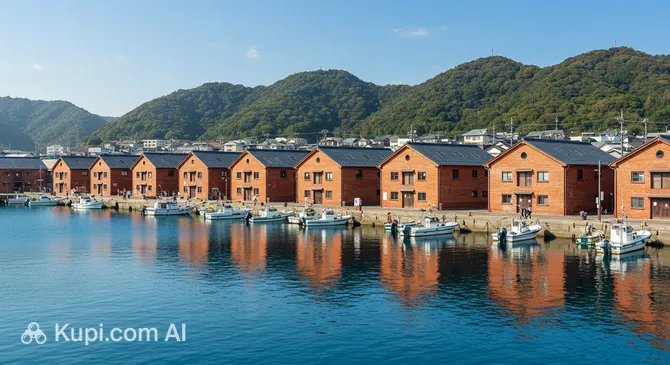
Maizuru. Illustration.
Source: Kupi.com AI

Geographically, Maizuru is advantageously located, hugging a beautiful bay, while its surrounding hills offer breathtaking panoramas recognized as some of the top hundred views in Japan. With a population of about 78,730, the city combines the serenity of a provincial center with the strategic importance of a major port. Throughout its history, Maizuru has served as the sea gateway to the region, and today it continues to play a significant role as a transport and economic hub for northern Kyoto Prefecture.

Tourists are drawn to Maizuru not only by its nature but also by its unique blend of history and modernity. Here, you can see old red-brick buildings, reminiscent of the port city's rich past, harmoniously adjacent to modern neighborhoods. The city is famous for its traditional festivals held against the backdrop of impressive seascapes and offers the chance to immerse yourself in authentic Japanese culture away from the hustle and bustle of megacities.

If you are looking for a place to experience the true spirit of the Land of the Rising Sun, enjoy natural beauty, and discover a rich cultural heritage, Maizuru is an excellent choice for your journey. This charming city promises unforgettable impressions and warm hospitality.

You can find more interesting facts on the history of the city of Maizuru page.
Weather Overview

The weather in Maizuru is characterized by warm and humid summers, with average maximum temperatures in July and August reaching 29.5-30.8°C, and cool winters, with average temperatures in January around 4.3°C. Expect a warm summer with frequent rain and cool winters. The highest amount of rainfall in millimeters usually falls during the summer months, especially in July (about 10 mm). In winter, despite a large number of rainy days (for example, up to 19 days in January), the total amount of precipitation during this period is generally low (about 3 mm per month).

For a more detailed forecast and information about weather by month, you can visit the Climate of Maizuru page.

Average monthly temperature

Average monthly precipitation

Interesting Facts

Beyond its scenic views and hospitable atmosphere, Maizuru hides many surprising stories and unique features. Are you ready to learn some of the less obvious facts about this Japanese city?

  • A Unique Brick Museum. Maizuru is famous for its red-brick buildings, which give the city a special atmosphere. But this isn't just an architectural quirk—it's home to the World Brick Museum. Its collection features exhibits from all over the world: from bricks from the Kremlin and the Berlin Wall to artifacts from the Great Wall of China and ancient Egypt. No such collection exists anywhere else in Japan, and every brick holds its own unique story.

  • The Legend of the White Crane. The city's symbol—the crane—was not chosen by chance. According to legend, a massive white crane once stopped here to rest, which was seen as a good omen by locals and is believed to have brought prosperity to the city. Today, this image is found everywhere—from souvenirs to city holidays and festivals.

  • Historical Heritage of Tanabe Castle. Maizuru has preserved old quarters and Tanabe Castle, built during the Edo period. This castle is an important testament to the region's rich history and serves as a reminder of the samurai era.

  • The "Bridge to Heaven" Next Door. One of the main natural gems near the city is the Amanohashidate sandbar—one of Japan's three most scenic views. The Japanese recommend looking at it by bending over and peeking between your legs: according to tradition, the sandbar then appears as a "bridge to heaven" connecting the earth and the sky. This tradition brings a smile to both tourists and locals alike.

How to Get There

You can reach Maizuru in various ways, though since it lacks its own airport, travelers most often use a combination of a flight to major cities in the Kansai region followed by a train or bus ride. If you want to plan your route in maximum detail, we recommend reading more about how to get to Maizuru, where all available options are collected.

The nearest significant air hub is Itami Airport (ITM), located in Osaka. It is about 77 km from Maizuru and primarily serves domestic flights, which is convenient if you are flying with a connection in Tokyo. The travel time by taxi or bus from this airport is approximately 2 hours and 15 minutes. For most international tourists, the main gateway to the region is Kansai International Airport (KIX), also in Osaka, about 117 km away. It is a major international hub receiving flights from all over the world. The journey from there to Maizuru by road takes a little over 3 hours.

It is also worth mentioning Kobe Airport (UKB), located in the city of the same name (administratively part of Osaka in this context) at a distance of about 94 km. This is another option for domestic flights, from where the Sea of Japan coast can be reached in about 2 hours and 40 minutes by car.

For clarity, here is a summary of the main airports:

AirportPassenger trafficDistance
Tajima57 19455 km
Itami Airport14.8 mln77 km
Kobe Airport3.6 mln94 km
Tottori Airport401 796111 km
Kansai International Airport30.6 mln117 km

Rail transport is one of the most popular ways to get to Maizuru. The city is served by the JR Maizuru Line, which connects it with major transport hubs like Kyoto. The main stations within the city are Nishi-Maizuru (West Maizuru) and Higashi-Maizuru (East Maizuru). Direct express trains run regularly from Kyoto, allowing for a comfortable journey of about an hour and a half while enjoying scenic views along the way.

Main Attractions

Maizuru, a city with a rich history and a scenic location on the coast of the Sea of Japan, offers tourists many interesting places to visit. From historical monuments related to the city's maritime past to observation decks with breathtaking views, everyone will find something here to make their trip to Japan unforgettable.

One of the main attractions in Maizuru is the Maizuru Brick Park. This complex of historical red-brick buildings, formerly naval warehouses, is beautifully preserved and has been transformed into a cultural space. It houses museums, including the World Brick Museum, galleries, shops, and cafes. Visitors can learn about the industrial architecture of the early 20th century and the city's history as an important port.

For those who want to enjoy panoramic views, a visit to the Goro Sky Tower is a must. From its height, a magnificent view opens up over Maizuru Bay, the intricately indented coastline, and the surrounding mountains. It is an ideal spot for photography and contemplating the beauty of the local nature, especially at sunset.

To dive deep into the city's maritime history, visit the Maizuru Navy Museum. The museum's exhibits tell the story of Maizuru's development as a key naval base for Japan. It features ship models, historical documents, and artifacts that will interest anyone fascinated by naval and maritime history.

History buffs should also visit the ruins of Tanabe Castle, also known as Maizuru Castle. Although little remains of the original castle, the reconstructed gate and corner tower give an idea of its former grandeur. A walk through the castle grounds allows you to touch the feudal past of the region and enjoy the calm atmosphere.

Local Cuisine

The gastronomy of Maizuru is a true delight for connoisseurs of Japanese cuisine, especially seafood lovers. As a port city, Maizuru is proud of its fresh bounty from the sea. Be sure to try the local hamachi (yellowtail), which is masterfully prepared here as sashimi, sushi, or grilled. Dishes made with crabs, scallops, and various fish caught in these waters are also popular.

Among other delicacies worth tasting in Maizuru is "kaisen-don"—an appetizing bowl of rice topped with an assortment of the freshest seafood. Don't miss the chance to try squid and octopus dishes caught right in the bay. The city's gastronomic calendar also offers seasonal delights: in spring, these might be seaweed delicacies, and in autumn, dishes made with fresh eel.

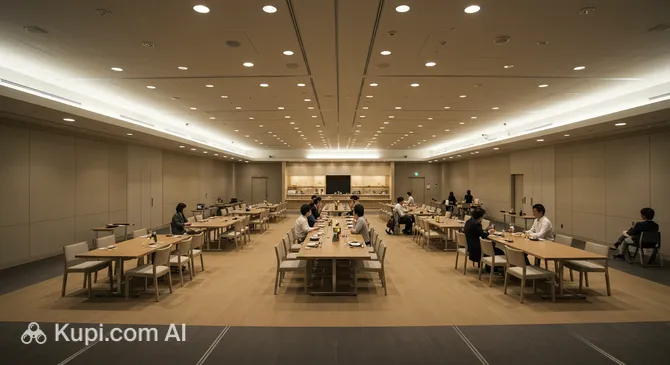
Totogen Higashi-Maizuru. Illustration.
Source: Kupi.com AI

Traveler photos:

The dining culture in Maizuru is diverse. Locals and tourists can enjoy fresh seafood in cozy restaurants as well as in more casual settings. Street markets and small eateries where you can grab a quick bite of fried fish or traditional Japanese sweets are popular. Culinary festivals are often held in the city, where you can watch the skill of chefs and try dishes right off the grill. One place to experience local cuisine is the Totogen Higashi-Maizuru restaurant.

To finish a meal or simply spend a pleasant time, try some local drinks and sweets. Maizuru is known for its traditional rice sake. Those with a sweet tooth will enjoy desserts based on azuki red beans. Many establishments offer tasting sets, allowing you to get acquainted with a wide spectrum of flavors from this amazing coastal city.

Travel Tips

Planning a trip to the charming port city of Maizuru? These practical tips will help you better prepare for your journey and get the most out of your stay in this picturesque corner of Japan, known for its naval history and beautiful bays.

  1. Clothing and Essentials: The climate in Maizuru is temperate with four distinct seasons. In summer (June-August), it is hot and humid—choose light, breathable clothing. Spring and autumn offer comfortable weather, ideal for layering. Winters can be chilly, so warm clothes, including a jacket and a hat, will come in handy. Always carry a raincoat or umbrella, as precipitation is possible year-round. Be sure to bring comfortable walking shoes. For electronics, you will need an adapter (Type A and B sockets are used in Japan, voltage is 100V). When visiting temples, a specific dress code is usually not required, but modest clothing is appropriate.
  2. City Transport: It is convenient to get around Maizuru using local buses and JR network trains (e.g., the Maizuru Line). Schedules are usually precise. Taxis are available but can be quite expensive. Taxi-hailing apps are less common than in major megacities. Car rental can be a good option if you plan to explore the surroundings and the "Kyoto by the Sea" coast, but remember that driving is on the left in Japan.
  3. Finance: The official currency is the Japanese Yen (JPY). It is best to exchange currency at the airport upon arrival or at major banks; within Maizuru itself, the number of exchange offices may be limited. Credit cards are accepted at most hotels, large stores, and restaurants, but cash remains king, especially in small establishments and for entry tickets. ATMs accepting international cards can be found at post offices (Japan Post Bank) and 7-Eleven convenience stores. Tipping is not customary in Japan and may be perceived as impolite.
  4. Health and Safety: Maizuru, like most of Japan, is a very safe city. Observe normal precautions. Pharmacies (薬, kusuri, or ドラッグストア, doraggusutoa) offer a wide choice of over-the-counter medicines. If medical assistance is needed, contact a clinic or hospital; it is highly recommended to have travel insurance with good coverage. Tap water is safe to drink.
  5. Communication: The main language is Japanese. English proficiency among the local population may not be high, especially outside tourist zones, but Japanese people are very helpful and will try to assist. Learn a few basic phrases: "konnichiwa" (hello), "arigato" (thank you), "sumimasen" (excuse me/sorry). For constant internet access, consider renting a pocket Wi-Fi router or buying a local SIM card. Free Wi-Fi is found in some hotels and public places. Useful apps: Google Maps, Google Translate, HyperDia (for train schedules).
  6. Local Etiquette: Greetings are usually accompanied by a bow. On public transport, try to speak quietly and avoid disturbing other passengers. Remove your shoes before entering Japanese homes, some temples, and traditional restaurants (ryokans). When eating with chopsticks, do not stick them vertically into rice. Slurping noodles loudly is normal and even considered a sign of enjoying the food.
  7. What to Avoid: Do not point at people or objects with one finger—use an open palm. Try not to eat or drink while walking on the street (except for food from street stalls). Do not leave trash anywhere—Japan takes waste sorting and disposal very seriously.
  8. Additional Tip: Be sure to visit the Maizuru Red Brick Park. These historical buildings, formerly naval warehouses, are now a symbol of the city and home to museums, cafes, and shops. It is a wonderful place to learn more about Maizuru's maritime history and enjoy the unique atmosphere. And, of course, being in a port city, don't miss the chance to try the freshest local seafood!

We hope these tips make your trip to Maizuru even more comfortable and memorable. Enjoy every moment in this unique Japanese city!

Entertainment & Nightlife

Maizuru, a port city in Kyoto Prefecture, offers its guests a cozy and authentic nightlife that differs from the bustling megacities of Japan. Here, you might not find massive night clubs operating until dawn, but you can immerse yourself in the atmosphere of local bars, traditional izakayas, and restaurants where you can spend a pleasant evening and feel the local flavor.

The main evening activity in Maizuru is usually concentrated in the areas around the two main railway stations – Nishi-Maizuru and Higashi-Maizuru. This is where you will find the largest concentration of small establishments popular with both locals and visitors. The atmosphere in such places is usually friendly and relaxed, conducive to chatting over a glass of something or a delicious dinner. Most bars and restaurants are open until late evening, and some until midnight. The dress code is generally casual and does not require special preparation.

Lovers of Japanese culture and drinks will appreciate the local izakayas – traditional pubs serving various snacks, sake, and other alcoholic beverages. Karaoke bars are also a popular spot for evening leisure in Maizuru, offering a fun time with friends. For dinner, you can choose one of the many restaurants specializing in fresh seafood, which this port city is famous for. For example, you can visit the Totogen Higashi-Maizuru restaurant to enjoy local cuisine, or stop by Himiko to explore other culinary offerings.

Totogen Higashi-Maizuru. Illustration.
Source: Kupi.com AI

Traveler photos:

If you are planning an evening out, the best time to visit nightlife spots is after 7:00-8:00 PM, when the city comes alive after the day's tasks. Prices in Maizuru's bars and restaurants are generally considered moderate, making an evening out accessible. Getting around the city at night is most convenient by taxi, which can be called by phone or found at designated ranks, especially near the stations. Japan is known for its high level of safety, and Maizuru is no exception. Walking along lit streets in the evening is usually safe, though standard precautions should always be observed.

During the day, Maizuru also offers many interesting activities. The city is rich in sites related to its maritime history, such as the Maizuru Memorial Hall. For nature lovers and those seeking beautiful views, we recommend visiting Goro Sky Tower Park, which offers a magnificent panorama of Maizuru Bay and the surrounding landscapes. Various museums and cultural centers will help you gain a deeper understanding of the history and traditions of this unique corner of Japan.

Parks & Museums

Maizuru is a city where picturesque natural landscapes and rich cultural heritage blend harmoniously. Travelers will find both tranquil green spots for relaxation and interesting museums that tell the story of the region's history and culture.

Nature lovers should look towards Gorogadake Park, located on Mount Goro. Its observation deck, especially the Goro Sky Tower, offers breathtaking panoramic views of Maizuru Bay, the city, and the surrounding mountains. It is a great place for walks and photography. Maizuru Bay itself, with its indented coastline and numerous islands, is also a beautiful natural area, ideal for boat trips or simply contemplating the coastal scenery.

One of the city's key cultural sites is the Maizuru Repatriation Memorial Museum. This museum is dedicated to an important and touching period in Japan's post-war history when the port of Maizuru served as the primary return point for Japanese repatriates. The museum's exhibition includes personal belongings, documents, and photographs that tell the stories of the people who returned to their homeland. A visit to the museum provides a deep understanding of this aspect of Japanese history.

Equally significant is the Maizuru Red Brick Park—a complex of historical brick warehouses of the former naval port. These beautifully preserved buildings from the early 20th century have been transformed today into a cultural space housing museums (such as the World Brick Museum), exhibition halls, cafes, and shops. A stroll through this area allows you to touch the city's industrial past and appreciate its unique architecture.

Among other interesting places is the ancient Kongoin Temple, known for its beautiful three-story pagoda and tranquil atmosphere. For more authentic experiences, we suggest exploring less-known local shrines or walking along the embankments to observe the daily life of the port city. This will allow you to feel the spirit of Maizuru more deeply.

Getting Around

Getting around Maizuru is quite convenient thanks to its developed public transport system, based on buses and local trains. This allows tourists to easily reach main attractions and various city districts.

The main form of public transport in Maizuru is buses. The route network covers most areas of the city, connecting residential quarters, tourist sites, and stations. Kyoto Kotsu buses are among the main carriers. Fares are usually paid upon exiting; when entering through the back door, you need to take a ticket with a zone number (if it's a zoned system), and upon exiting, pay the amount indicated on the screen next to your ticket number. Payment can be made in cash (preferably small change) or with nationwide IC cards such as ICOCA, Suica, or Pasmo.

To travel between more distant areas of the city, such as Nishi-Maizuru and Higashi-Maizuru, as well as for trips to the suburbs, it is convenient to use trains. The JR Maizuru Line and Kyoto Tango Railway run through the city. Train tickets can be purchased at station vending machines, or you can also use IC cards. Trains run on a schedule that can be checked at stations or online.

The fare payment system in Maizuru is fairly standard for Japan. IC cards (e.g., ICOCA, Suica, Pasmo) are the most convenient payment method, as they can be used on both buses and trains, as well as for small purchases in shops. These cards can be purchased and topped up at machines in major railway stations. Single-ride bus tickets are bought directly from the driver when exiting, while train tickets are bought at station counters or machines. Public transport usually operates from early morning until late evening, but it is worth checking the specific route schedules in advance, especially on weekends and holidays.

Besides public transport, alternative ways of moving around are available in Maizuru. Taxis can be found at ranks near stations and major tourist sites, or called by phone. This is a more expensive but comfortable option. For leisurely strolls and exploring the picturesque surroundings, especially the coastal zones, bicycle rental is a perfect choice. Bike rental points can be found near tourist information centers or some hotels.

Accommodation

In Maizuru, travelers can find a variety of accommodation options to suit different preferences and budgets. Choices include traditional Japanese inns (ryokans), as well as modern hotels, guest houses, and possibly apartments for short-term rent.

When choosing a place to stay, it is worth paying attention to areas located near main transport hubs, such as railway stations, or close to the attractions you are interested in. This will ensure convenience for moving around the city and its surroundings. Typically, a larger number of housing options are concentrated in the central parts of the city and near the stations.

Maizuru features hotels of various comfort levels, from budget-friendly to mid-range options. While specific examples of well-known hotels were not provided in the available data for this review, travelers can usually find suitable options by browsing offers on popular booking platforms.

To guarantee the best choice and prices, especially if your trip coincides with the peak tourist season, national holidays, or during major local events, it is recommended to book accommodation in advance. The price range can vary from economical deals to more expensive options in hotels with a wide range of services. Booking is conveniently done through well-known international and Japanese online platforms, and sometimes directly through hotel websites.

Nearby Cities

For those who wish to explore the surrounding area, Maizuru serves as an excellent starting point for day trips to several interesting nearby locations:

CityPopulationDistance
Takahama48 68515 km
Miyazu16 56419 km
Oi17 06221 km
Ayabe31 53723 km
Yosano19 72623 km

These nearby destinations provide a glimpse into the diverse culture and landscapes of the region.

Shopping & Souvenirs

Maizuru, being a port city, offers its own unique shopping opportunities, though it is not comparable to Japan's major megacities. Here, the emphasis shifts from massive shopping centers to local shops, fresh seafood markets, and souvenir stalls where you can find authentic goods. The city is famous for its gifts from the sea, so many people come here specifically for gastronomic souvenirs.

Maizuru doesn't have distinct massive shopping streets like Tokyo or Osaka. However, the main shopping points are concentrated in the areas around the railway stations, such as Higashi-Maizuru and Nishi-Maizuru. Here you can find small department stores, specialty shops, and stalls offering both everyday items and local delicacies and souvenirs. A walk through these areas allows you to experience the local flavor and find something interesting.

While there may not be large, modern, world-class shopping malls in Maizuru, the city does have shopping complexes and department stores where you can make necessary purchases. They usually offer an assortment of clothing, household goods, cosmetics, and food. You should look for them in the central parts of the city or near major transport hubs.

Special attention in Maizuru should be paid to local markets, especially fish markets. As a port city, Maizuru is famous for the freshest seafood. Visiting such a market is not only an opportunity to buy fresh fish, crabs, or other seafood but also to immerse yourself in an authentic atmosphere. Often you can find other local products, vegetables, fruits, and ready-made snacks at the markets.

From Maizuru, it's worth bringing back souvenirs that reflect its maritime character and connection to the Kinki region. Various seafood products are popular: dried fish, canned goods, and local delicacies. You can also look for items made by local artisans, ceramics, or textiles with traditional patterns. Don't forget Japanese sweets—each region has its own unique ones.

Most shops in Maizuru, and throughout Japan in general, are usually open from 10:00 or 11:00 AM until 7:00 or 8:00 PM. Small family-run shops may have their own individual schedules. Regarding payment, cash is still widely used, especially in small shops and markets. However, larger retail outlets and department stores accept credit cards. Contactless payments and payment with IC cards (e.g., Suica, ICOCA) are also becoming increasingly popular.

For foreign tourists in Japan, a tax-free system is in place. If you make purchases of a certain amount at participating stores (look for the "Tax-Free Shop" sign), you can arrange a consumer tax refund. For this, you will need your passport. Usually, the procedure takes place right in the store when paying for the goods.

Reached the end of the page?

That means the route is fully explored