Support

Kuwana

About

Kuwana is a charming city in Japan, located on Honshu Island in the picturesque Mie Prefecture, in the heart of the Kinki region. This city offers its guests a unique blend of ancient traditions and a modern Japanese way of life, creating an unmistakable atmosphere of tranquility and hospitality.

Kuwana. Illustration.
Source: Kupi.com AI

The city covers an area of about 137 square kilometers, with a population of approximately 140,000 people. This size allows Kuwana to maintain the cozy feel of a small town, free from the hustle and bustle of a metropolis, yet full of vibrant events. Kuwana is an important administrative center and is famous for its warmth, making it easy to feel right at home here.

Kuwana perfectly combines historical depth with modernity. The city attracts tourists with its ancient temples, where you can touch centuries of history, and picturesque gardens, ideal for leisurely strolls and meditation. The city's architecture reflects its rich past, while walks through old streets, visits to lively local markets, and cozy cafes offer unforgettable experiences.

Kuwana is a wonderful place for those seeking an authentic experience and wishing to discover the less-known but equally charming corners of the country. If you want to see the real Japan away from the noisy tourist routes, be sure to include Kuwana in your travel itinerary.

More interesting facts can be found on the history of Kuwana page.

Weather Overview

The weather in Kuwana is characterized by clearly defined seasons. Summer, especially in July and August, is hot and humid, with average temperatures reaching 26-28°C, while maximums can exceed 30°C. July is also the month with the highest rainfall and the most rainy days. Winters, from December to February, are quite cool, with average temperatures around 4-6°C and minimums dropping close to zero. Precipitation in the winter months is significantly lower. Spring and autumn offer more moderate temperatures and variable amounts of rainfall.

Overall, expect a warm, humid summer with frequent rain and cool, drier winters. For more detailed monthly weather information, you can explore the climate of Kuwana.

Average monthly temperature

Average monthly precipitation

Interesting Facts

In addition to its well-known attractions, the city of Kuwana holds many surprising stories and little-known details. Here are just a few that will help you see this corner of Japan in a new light:

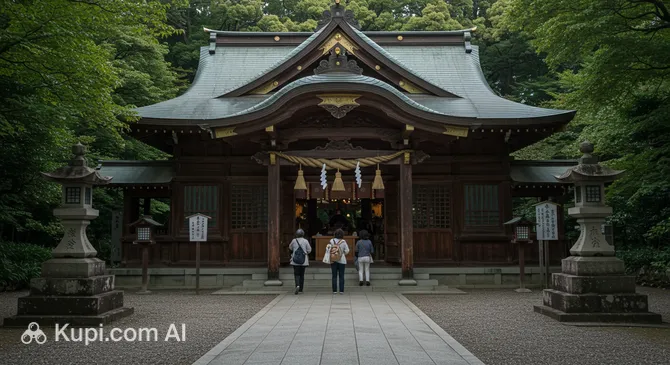
Kasuga Shrine (Kuwana Soja). Illustration.
Source: Kupi.com AI

Traveler photos:

  • Kuwana has long been an important trade and transportation hub. Thanks to its location at the intersection of waterways, the city gained fame as early as the Edo period as one of the main post stations on the ancient Tokaido road, which connected Kyoto and Edo (modern-day Tokyo).

  • The city carefully preserves elements of ancient architecture. In some areas, you can find traditional Japanese houses and entire historical districts where time seems to have stood still. A striking example of this heritage, allowing a glimpse into ancient history, is Kasuga Shrine (Kuwana Soja).

  • Kuwana is famous for its Ise Baika Matsuri festival—a colorful plum blossom celebration that draws thousands of visitors annually. During this time, the city is transformed, filled with the fragrance of blooming trees and an atmosphere of general festivity.

  • Many famous individuals were born in Kuwana. The city gave the world a renowned samurai and influential politician of the Meiji era, as well as talented modern artists and traditional craft masters whose works adorn museums and galleries not only in Japan but also abroad.

How to Get There

When planning a trip to Mie Prefecture, it is important to consider the logistics in advance. The city boasts good transport accessibility due to its proximity to major metropolises. You can find out more about how to get to Kuwana on our dedicated page, but here we will cover the main airports and rail routes leading to the region.

There is no airport in the city of Kuwana itself, but travelers can use several major air hubs nearby. The most convenient option is Chubu Centrair International Airport (IATA: NGO), located in Nagoya. It is only 25.2 km from the center of Kuwana, making it the top choice. A trip by taxi or bus from here takes approximately 60 minutes. This is a major hub serving many international and domestic flights.

Another important point of arrival, especially for long-haul flights, is Kansai International Airport (IATA: KIX). It is located in Osaka, 149.5 km from Kuwana. The drive from there takes about 4 hours. Also in the Osaka region is Itami Airport (IATA: ITM), situated 117.9 km from the destination city (about a 3.5-hour drive), which is convenient for those flying on domestic Japanese airlines.

For your convenience, here is a summary of the main airports:

AirportPassenger trafficDistance
Chubu Centrair International Airport12.3 mln25 km
Nagoya Airport735 00031 km
Itami Airport14.8 mln118 km
Shizuoka Airport691 274140 km
Kobe Airport3.6 mln141 km

Rail travel is one of the most popular ways to reach Kuwana. The main transport artery is Kuwana Station, where the lines of JR, Kintetsu, and Sangi Railway intersect. If you arrive in Nagoya via the Shinkansen (bullet train), transferring to local expresses to Kuwana takes only about 20–30 minutes. This often makes train travel faster and more predictable than going by car.

In addition to trains, the city can be reached by intercity buses that run from major centers in the Chubu and Kansai regions. The roads are also in excellent condition, and traveling by rental car allows you to enjoy the scenic views of Mie Prefecture on the way to your destination.

Main Attractions

Kuwana, a charming city in Mie Prefecture, offers its guests a variety of attractions, from stunning light shows to historical shrines and exquisite restaurants. When planning your trip, be sure to include these iconic sites in your itinerary.

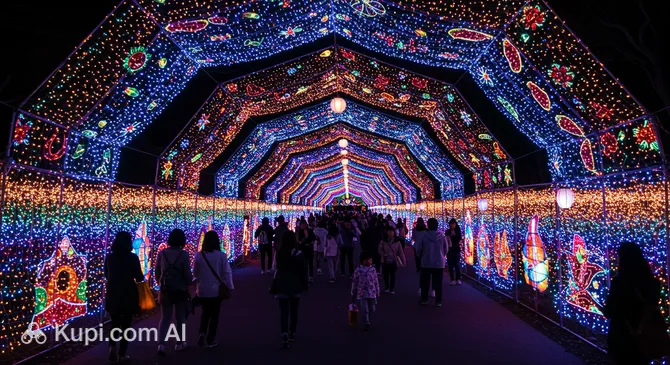
One of the most famous attractions is the Nabana no Sato Illumination. This botanical garden is renowned for its incredible winter light displays, which are considered among the best in Japan. Millions of LED lights create magical landscapes, including the famous "tunnel of light." Additionally, flower festivals are held here throughout the year, showcasing the splendor of tulips, roses, and other plants. This place is a must-visit, especially during the illumination season.

Nabana no Sato Illumination. Illustration.
Source: Kupi.com AI

Traveler photos:

For those interested in Japanese culture and history, Kasuga Shrine (Kuwana Soja) is an essential stop. This ancient Shinto shrine is of great significance to the city and is a beautiful example of traditional Japanese architecture. Visiting the shrine allows you to connect with the spiritual life of Japan and perhaps catch one of the local festivals.

Kasuga Shrine (Kuwana Soja). Illustration.
Source: Kupi.com AI

Traveler photos:

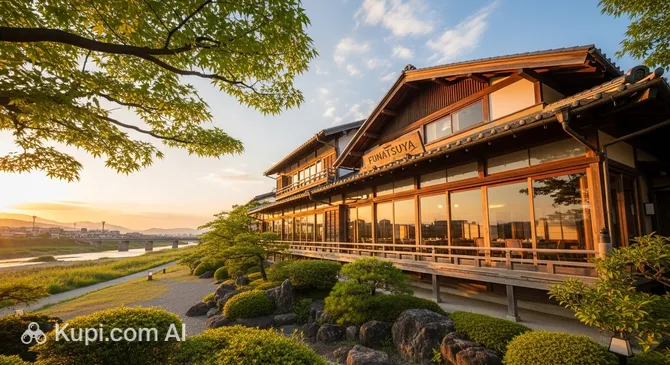
Kuwana is also famous for its cuisine, and you can begin your culinary journey at Funatsuya. This historic establishment is likely to offer authentic local dishes, perhaps with an emphasis on the famous local "hamaguri" clams. Dining at such a restaurant is not just a meal, but an immersion into the gastronomic traditions of the region.

Funatsuya. Illustration.
Source: Kupi.com AI

Traveler photos:

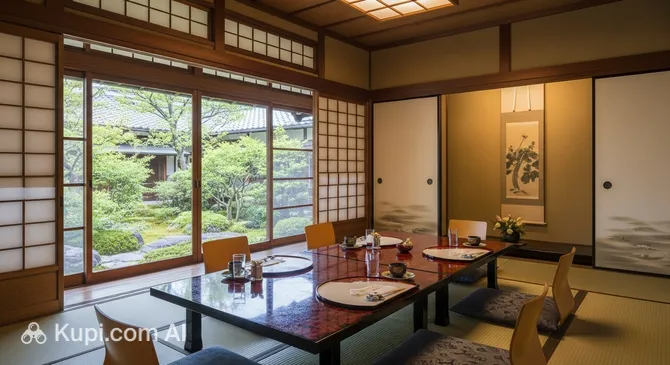
Another noteworthy spot for connoisseurs of Japanese cuisine is the Kakuyasu Ryotei Main Restaurant. A "ryotei" typically signifies a high-class traditional Japanese restaurant offering exquisite dishes in a refined setting. Here, you can enjoy not only superb food but also impeccable service and the atmosphere of old Japan.

Kakiyasu Ryotei Main Restaurant. Illustration.
Source: Kupi.com AI

Traveler photos:

Local Cuisine

The cuisine of Kuwana is a true gastronomic adventure for every traveler, especially for those who appreciate the gifts of the sea. The city is rightfully proud of its unique seafood, and the culinary star here is the hamaguri clam. They are harvested in local waters and prepared in many ways, but the signature grilled hamaguri is the dish that lets you experience the true taste of Kuwana and is highly valued throughout Japan.

Besides hamaguri, another iconic dish of the region is unagi—freshwater eel. It is traditionally served with a special sweet-savory sauce that perfectly highlights the fish's tender meat. Naturally, in Kuwana, you can also enjoy Japanese classics: the freshest sushi and sashimi, crispy tempura, and fragrant udon noodle soups. Local chefs masterfully use seasonal ingredients, so every dish will delight you with its freshness and rich flavor.

As for drinks, your meal can be perfectly complemented by traditional Japanese sake or shochu. Among non-alcoholic options, fragrant green tea remains popular, and in hot weather, cold mugicha (barley tea) is very refreshing. Don't miss the chance to try local lemonades or juices made from seasonal fruits, reflecting the bounty of local nature.

The food culture in Kuwana is quite diverse. Residents and tourists alike enjoy visiting cozy restaurants specializing in traditional cuisine as well as lively markets. For example, to taste excellent dishes made from the freshest seafood, you can visit Funatsuya. Another noteworthy establishment is the Kakuyasu Ryotei Main Restaurant, where you can discover the authentic flavors of the region. It is also worth visiting farmers' markets: they sell not only fresh vegetables and fruits but also local sweets, such as Japanese buns filled with sweet bean paste (anko) or unique seasonal desserts.

The gastronomic scene in Kuwana is a harmonious combination of centuries-old traditions and the highest quality local products. The city often hosts vibrant culinary festivals where you can not only enjoy exquisite dishes from top chefs but also learn the secrets of their preparation. Such a trip promises to be a true celebration of taste and hospitality for every gourmet.

Travel Tips

Welcome to Kuwana! To make your journey to this charming corner of Japan as comfortable and pleasant as possible, we have prepared some practical tips. They will help you better navigate the city and avoid common mistakes.

  1. Clothing and Seasonal Items:

    The climate in Kuwana is humid subtropical. In summer (June-August), it is hot and humid, so bring light, breathable clothing made of natural fabrics. In spring and autumn, the weather is mild, but evenings can be cool—layering is helpful. Winter can be cold, so warm items including a jacket, hat, and gloves are essential. Comfortable shoes are your best friend, as you will be doing a lot of walking. Don't forget an adapter for electrical appliances (Japan uses type A and B sockets, 100V voltage). When visiting temples and shrines, choose modest clothing that covers shoulders and knees.

  2. Getting Around the City:

    The main form of public transport in Kuwana is the train via Kintetsu and JR lines, which also connect the city to Nagoya and other towns in Mie Prefecture. There are also local bus routes. Taxis are available but can be quite expensive; you can use apps like JapanTaxi. Renting a car is not strictly necessary for getting around the city itself but can be convenient for exploring the surrounding areas of Mie Prefecture. Remember that an international driving permit is required for rentals, and city parking can be paid and limited.

  3. Financial Matters:

    The local currency is the Japanese Yen (JPY). You can exchange currency at airports, major banks, and some post offices. Credit and debit cards (Visa, Mastercard) are accepted in many hotels, restaurants, and shops, but it is always useful to carry cash for small establishments, markets, and temples. ATMs that accept international cards are easily found at Japan Post Bank branches (post offices) and in 7-Eleven stores (Seven Bank ATMs). Tipping in Japan is not practiced—excellent service is considered the norm.

  4. Health and Safety:

    Kuwana, like most cities in Japan, is a very safe city. Nevertheless, observe standard precautions, especially in crowded places. Pharmacies (marked as "薬" or "drugstore") are easy to find, but staff may not always speak English. Carry a basic first-aid kit. Medical assistance for tourists is available at hospitals and clinics; it is highly recommended to take out travel insurance before your trip. The emergency number (ambulance, fire) is 119.

  5. Language and Communication:

    The official language is Japanese. English proficiency among the local population may be limited, especially outside tourist areas. Learn a few basic phrases: "Konnichiwa" (Hello), "Arigato" (Thank you), "Sumimasen" (Excuse me/I'm sorry). For convenience, we recommend purchasing a local SIM card (available at airports and electronics stores) or renting a pocket Wi-Fi router. Free Wi-Fi is often available in hotels, cafes, and train stations. Apps like Google Maps and HyperDia/Jorudan (for train schedules) will be very useful.

  6. Local Etiquette:

    Japanese people are very polite and value respect for traditions. Greetings are usually accompanied by a slight bow. In public places, especially on transport, try to speak quietly and not disturb others. Avoid eating and drinking while walking (except in designated areas). It is customary to remove your shoes before entering a Japanese home, some temples, and traditional restaurants (ryokans). Be mindful of garbage sorting rules, as this is very important in Japan.

  7. What to Avoid:

    Never stick your chopsticks vertically into a bowl of rice—this is associated with funeral rituals and is considered poor manners. Also, try not to blow your nose loudly in public; it's better to step away to a restroom. Passing objects with one hand can be perceived as impolite; try to use both hands, especially when exchanging business cards or gifts.

  8. Local Highlight:

    Kuwana is famous for its "hamaguri" clams. Be sure to try local dishes featuring these delicacy clams—it is the true taste of the region! Also, if your trip coincides with the season, don't miss the famous Kuwana Suigo fireworks festival in summer or the winter illumination at Nabana no Sato park nearby.

We hope these tips help you plan an unforgettable journey to Kuwana and enjoy every moment of your stay in this interesting city!

Entertainment & Nightlife

In the evening, Kuwana offers a cozy and peaceful atmosphere, quite different from the bustling metropolises. Nightlife here is centered around restaurants, traditional Japanese pubs (izakaya), and a few bars where you can enjoy your time after a busy day. The main establishments for dining or drinks are usually located in the central part of the city and near the train station.

Undoubtedly, one of the most vibrant evening experiences in Kuwana is the Nabana no Sato Illumination. This famous light show draws visitors from across the country and is a breathtaking sight, especially during the winter months. Thousands of LED lights create magical landscapes, tunnels of light, and themed installations. It is a wonderful place for an evening stroll and for taking unforgettable photographs.

Nabana no Sato Illumination. Illustration.
Source: Kupi.com AI

Traveler photos:

For dinner, you can choose from various local restaurants. For instance, Funatsuya offers traditional dishes, while the Kakuyasu Ryotei Main Restaurant is known for its exquisite cuisine. Such establishments usually stay open until late evening, allowing guests to enjoy local delicacies in a quiet setting. The atmosphere in Kuwana's bars and restaurants is generally welcoming, with a mixed crowd of locals and tourists. There is usually no specific dress code, but smart-casual attire is appropriate.

Practical tips for evening leisure:

  • The best time to visit bars and restaurants is after 7:00 PM. Many establishments operate until 10:00 PM–11:00 PM; some bars may stay open longer, especially on weekends.
  • Average prices for drinks and food are moderate but can vary depending on the venue.
  • For night-time travel, taxis are the most convenient option. They can be called by phone or found at designated stands, particularly near the station. Public transport runs less frequently late at night.

Kuwana is considered a safe city, and evening walks along central streets are generally not a cause for concern. Nevertheless, it is always wise to observe standard precautions, especially when in an unfamiliar place late at night.

During the day, Kuwana also offers interesting leisure options. You can visit historical sites like Kasuga Shrine (Kuwana Soja), stroll through city parks, or explore local shops. While the city lacks large theaters or world-class amusement parks, its charm lies in its authentic atmosphere and the chance to experience Japanese culture away from the tourist crowds.

Parks & Museums

The city of Kuwana invites guests to enjoy a harmonious blend of well-kept green spaces for relaxation and significant cultural sites that offer a deeper understanding of local history and traditions. Everyone will find something here, from picturesque gardens to important historical monuments.

One of the main gems of Kuwana, attracting visitors year-round, is the famous flower park Nabana no Sato Illumination. This vast botanical garden is particularly famous for its themed flower displays and, of course, its breathtaking winter light shows, which are considered among the best in Japan. A walk through this park provides a wealth of impressions and beautiful photos in any season.

Nabana no Sato Illumination. Illustration.
Source: Kupi.com AI

Traveler photos:

For connoisseurs of history and landscape design, a must-visit is Rokkaen—a magnificent complex that includes the Meiji-era residence of Seiroku Moroto and a garden designed by British architect Josiah Conder. This site is unique for its blend of Japanese and Western architectural styles and is an important cultural asset. Another wonderful place for walks and outdoor relaxation is Kyuka Park, situated on the picturesque ruins of Kuwana Castle. In spring, the park is transformed by blooming cherry blossoms and azaleas, attracting many visitors, while in summer, you can enjoy the cool by the ponds.

To discover the rich cultural heritage of Kuwana, it's worth visiting the local museums. The Kuwana City Museum offers a deep dive into the region's history, from ancient times to the present day. Exhibits highlight important stages of the city's development, including its role as a prosperous post town on the Tokaido road during the Edo period, and display valuable artifacts. Another interesting site is the Ishidori Kaikan Museum, where you can learn all about the famous and boisterous Ishidori Festival, one of the most spectacular in Japan. On display are richly decorated festival floats and materials telling the story and traditions of this unique holiday.

An important spiritual and historical center of the city is Kasuga Shrine (Kuwana Soja). This ancient Shinto shrine, considered the main temple of Kuwana, attracts visitors with its peaceful atmosphere and beautiful traditional architecture. Visiting the shrine is an opportunity to touch the spiritual traditions of Japan and appreciate the craftsmanship of builders from past eras.

Kasuga Shrine (Kuwana Soja). Illustration.
Source: Kupi.com AI

Traveler photos:

Beyond the main attractions, Kuwana offers more intimate discoveries. Take a slow walk through the old streets where traditional houses still stand, peek into small craft shops where you can find unique souvenirs, or discover cozy local temples hidden from the tourist trails. It is these moments that allow you to feel the true spirit of this charming city.

Getting Around

Public transport in Kuwana is primarily represented by rail services and bus routes, making travel around the city and its surroundings quite convenient. The main rail operators are JR (Japan Railways) and Kintetsu Railway, whose lines connect Kuwana with the region's major cities. Buses serve both urban and suburban routes, taking passengers to areas not covered by the railway.

For fare payment, rechargeable smart cards (IC Cards) such as Suica, Pasmo, or Icoca are the most convenient, as they are accepted on most train and bus lines throughout Japan, including Kuwana. This eliminates the need to buy a paper ticket every time. Single-trip tickets can be purchased at station vending machines or directly from the bus driver (it is advisable to have small change). Fare depends on the distance; a short bus or train trip within the city usually costs a few hundred yen.

Train tickets are bought at stations from machines or ticket offices. When entering and exiting the platform, you must tap your IC card on the turnstile or insert your paper ticket. In buses, payment is made upon boarding or exiting (depending on the specific bus company's system) by tapping your card on the reader or dropping coins/tickets into a special machine next to the driver. Public transport in Kuwana, like in most Japanese cities, runs very punctually, usually from early morning until late evening. Exact schedules can always be found at stations and stops, as well as in online applications.

As an alternative to public transport, taxis are always available in Kuwana. They can be found at stands near train stations or called by phone. The cost of a taxi ride is significantly higher than public transport. For short trips around the city center or for exploring scenic spots, you might consider renting a bicycle if such a service is available. Car sharing is less common for short-term use by tourists.

A feature of Kuwana's transport system is its integration with popular tourist sites. For example, the famous Nagashima Spa Land amusement complex can be easily reached by direct buses from Kuwana Station. When planning trips, it's always useful to check the best routes and types of transport at tourist information desks or using online maps and route planners.

Accommodation

When planning a trip to Kuwana, you will find a variety of accommodation options to suit different preferences and budgets. The city offers traditional Japanese inns (ryokans), modern hotels, and more budget-friendly options such as guest houses.

For tourists, areas near major transport hubs, such as around Kuwana Station, can be particularly convenient, providing easy access to other parts of the city and its surroundings. It is also worth considering staying near the attractions you plan to visit if you intend to spend a lot of time there. While specific famous hotels are not listed in the available data, Kuwana features mid-range chain hotels, more luxurious establishments, and cozy family-run pensions.

Regarding price range, you can find budget, mid-range, and high-end accommodation in Kuwana. It is recommended to book your stay in advance, especially if your trip coincides with the peak tourist season or major local festivals. For searching and booking, it is convenient to use popular online platforms or contact the chosen hotels directly.

Nearby Cities

For those looking to explore the surrounding area, Kuwana serves as an excellent starting point for day trips to several interesting nearby locations:

CityPopulationDistance
Yatomi43 0387 km
Toin25 6589 km
Aisai60 91411 km
Yokkaichi310 26312 km
Kanie36 78212 km

These nearby destinations provide insight into the diverse culture and landscapes of the region.

Shopping & Souvenirs

Kuwana offers tourists pleasant shopping opportunities, combining traditional Japanese shops with more modern stores. While the city is not a major international center for fashion or electronics, you can find interesting local goods, souvenirs, and everyday items here. The main focus should be on finding unique handmade products and local delicacies that reflect the region's culture.

The main shopping spots in Kuwana, as in many Japanese cities, are often concentrated around the main Kuwana Station. Stroll through the surrounding streets, where you will find various shops ranging from small family-run businesses to chain retailers. Also, pay attention to the city's central streets, where interesting boutiques and specialty stores may be located, offering both everyday goods and unique finds.

In Kuwana, you may encounter small shopping complexes or department stores that offer a variety of goods under one roof, including clothing, cosmetics, and home goods. Often, these centers are located near transport hubs, making them convenient to visit. While Kuwana is not famous for giant mega-malls, the existing retail outlets will adequately meet the basic needs of shoppers looking for quality Japanese goods.

Although Kuwana is not known for large tourist markets that operate daily, you can sometimes come across small local or seasonal fairs where farmers sell fresh seasonal produce and local artisans offer their wares. Such places provide a great opportunity to get closer to the daily life of the city and purchase something authentic and made with heart. It is best to check for information on temporary or seasonal markets locally, for example, at a tourist information center.

From Kuwana and Mie Prefecture, it is worth bringing back traditional Japanese souvenirs. Look for local ceramics, textiles with characteristic patterns, and a variety of sweets, such as mochi or senbei with regional flavors. Kuwana is famous for its "hamaguri" clams, so you can look for products or souvenirs related to this seafood delicacy. Local tea or sake would also make good gifts. In souvenir shops at tourist sites, you can find charms and themed goods related to the history and culture of the city.

Most shops in Kuwana are typically open from 10:00 AM or 11:00 AM until 7:00 PM or 8:00 PM. Department stores and some shops in shopping centers may stay open a bit longer. Regarding payment, credit cards (Visa, Mastercard, JCB) are accepted in many places, especially in large stores and department stores. However, it is recommended to always carry some cash (Japanese yen), as small shops, markets, or some restaurants may only accept it. Also, electronic payment systems and IC cards (such as Suica, Pasmo) are common in Japan and can be used for payment at some retail outlets.

Tourists in Japan can take advantage of the Tax-Free Shopping system when making purchases over a certain amount (usually starting from 5,000 yen excluding tax in one store on one day). Look for shops with the "Japan Tax-free Shop" sign. To process a tax refund, you will need to present your passport. The procedure may vary slightly: in some shops, the tax is deducted immediately upon purchase; in others, the refund is processed at a special counter in the store or, in some cases, at the airport before departure.
Reached the end of the page?

That means the route is fully explored