Support

Ise

About

Ise is a city of immense spiritual significance for Japan, a place of pilgrimage and a guardian of ancient traditions. Located in Mie Prefecture on the Shima Peninsula by Ise Bay, this city attracts travelers with its peaceful atmosphere and sacred sites. The population of Ise is approximately 122,000, which creates a cozy and tranquil feel, far from the hustle and bustle of major metropolises.
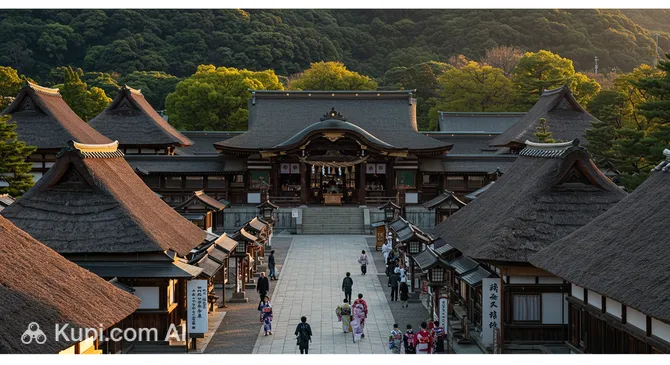
Ise. Illustration.
Source: Kupi.com AI

The crown jewel of Ise is undoubtedly the Grand Shrine of Ise (Ise Jingu). It is the most sacred Shinto shrine in the country, dedicated to the sun goddess Amaterasu. The complex consists of two main shrines: Naiku (the Inner Shrine) and Geku (the Outer Shrine), as well as many smaller auxiliary shrines. A unique feature of Ise Jingu is the tradition of rebuilding the main pavilions every 20 years, symbolizing renewal and eternity.

Adjacent to the shrine is the charming Oharai-machi street and the Okage Yokocho district, which recreates the atmosphere of an old town from the Edo and Meiji periods. Here, you can stroll among traditional buildings, taste local delicacies, purchase souvenirs, and feel the spirit of old Japan. Nearby, in the town of Futami, is another iconic attraction — Meoto Iwa, or the "Married Couple Rocks," two sea stacks tied together by a sacred shimenawa rope, symbolizing the union of male and female deities.

A visit to Ise is an opportunity to connect with Japan's deepest spiritual and cultural roots, enjoy natural beauty, and immerse yourself in an atmosphere of peace and harmony. This city will leave a lasting impression on anyone seeking an authentic Japanese experience.

You can find more interesting facts on the history of Ise page.
Weather Overview

The climate in Ise is characterized by warm, humid summers and cool, drier winters. In the summer months, especially in July and August, air temperatures typically range from +24°C to +31°C, while precipitation increases — June, July, August, and September are among the rainiest months, with the number of wet days reaching 16-20. In winter, particularly in January and December, daytime temperatures are usually between +3°C and +11°C, and precipitation occurs much less frequently, making this period drier (about 6-7 rainy days per month). For more detailed planning of your trip, we recommend checking the weather in Ise page.

Average monthly temperature

Average monthly precipitation

Interesting Facts

In addition to its world-famous shrines, the city of Ise holds many surprising stories and lesser-known details that make it even more attractive to curious travelers.

Sky Post at Asama Summit. Illustration.
Source: Kupi.com AI

Traveler photos:

  • Historically, the city of Ise consisted of two separate settlements: Uji, which grew around the Inner Shrine (Naiku), and Yamada, which formed near the Outer Shrine (Geku). These two towns were only merged into modern-day Ise in 1906, though their historic centers still maintain their unique atmospheres.

  • During the Edo period (1603-1868), Ise became the center of massive pilgrimages known as "Okage Mairi" (pilgrimage of gratitude). Millions of people from across Japan, sometimes spontaneously and despite prohibitions, flocked to the shrines, believing it would bring good luck and divine blessings. These grand pilgrimages occurred roughly every 60 years.

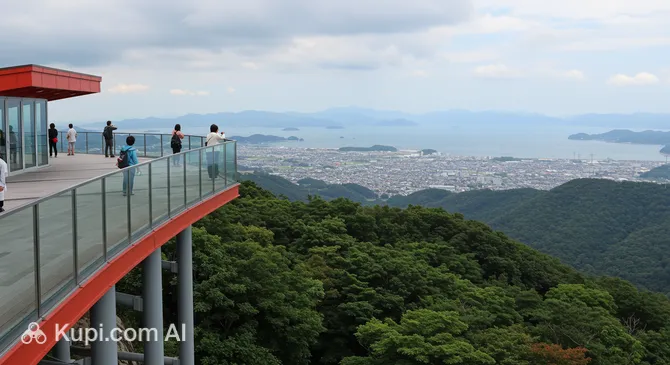
  • At the top of Mount Asama, offering breathtaking views of Ise Bay, sits an unusual attraction — the Sky Mailbox. Postcards dropped into this bright red box are actually delivered to recipients, making it a unique souvenir from your trip.

  • The famous local sweets "Akafuku Mochi" are more than just rice cakes with anko (sweet bean paste). Their shape symbolizes the flow of the Isuzu River, which runs through the Ise Jingu grounds: the three ridges on the bean paste represent the river's clear waters, while the white mochi underneath represents the pebbles on the riverbed. You can try them at the historic Akafuku Honten.

How to Get There

There are various ways to reach this sacred city, but most often tourists combine a flight with a train journey. You can learn more about how to get to Ise by exploring all available routes and modes of transport.

Ise does not have its own airport, so travelers usually fly into the gateways of nearby major cities. Geographically, Chubu Centrair International Airport (NGO) near Nagoya is the closest. The table indicates a distance of about 42 km, but there is an important detail: this is the distance in a straight line across Ise Bay. To cover this distance quickly, tourists often use high-speed boats that take passengers to the port of Tsu, from where they can transfer to a bus or train to Ise. Traveling by land by train or car goes around the bay and takes significantly longer than the direct line on a map.

For international flights, Kansai International Airport (KIX) in Osaka is also an excellent option. This is a major hub receiving flights from all over the world. The distance to Ise is about 135 km, and the road trip by car takes approximately 3 hours and 40 minutes. It is also convenient to get there from this airport by train with a transfer in Osaka or Kyoto.

For your convenience, here is a summary of the region's main airports:

AirportPassenger trafficDistance
Chubu Centrair International Airport12.3 mln42 km
Nagoya Airport735 00088 km
Itami Airport14.8 mln121 km
Kansai International Airport30.6 mln135 km
Kobe Airport3.6 mln137 km

Railway service is the most popular and efficient way to reach Ise from other parts of Japan. The city is served by two major railway companies: JR (Japan Railways) and the private Kintetsu line. Kintetsu Limited Express trains, including the famous Shimakaze sightseeing train, connect Ise with Nagoya, Osaka, and Kyoto, providing fast and comfortable travel. The main stations in the city are Iseshi and Ujiyamada, located close to the major shrines.

Main Attractions

Ise, as one of Japan's most important spiritual centers, offers travelers many unique attractions deeply rooted in history and Shinto traditions. Visiting these sites allows you to touch the heart of Japanese culture.

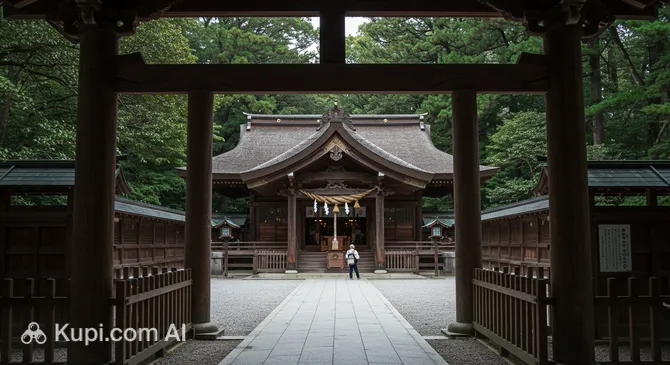
The main sanctuary of the city and the entire country is the Ise Jingu complex, consisting of two main shrines: the Inner Shrine (Naiku), dedicated to the sun goddess Amaterasu Omikami, and the Outer Shrine (Geku), dedicated to the deity Toyouke-no-Omikami, the patron of food, housing, and clothing. These shrines, known for their strict, minimalist architecture and the tradition of ritual rebuilding every 20 years (Shikinen Sengu), are a pilgrimage site for millions of Japanese people and attract tourists with their serene atmosphere and deep spiritual significance.

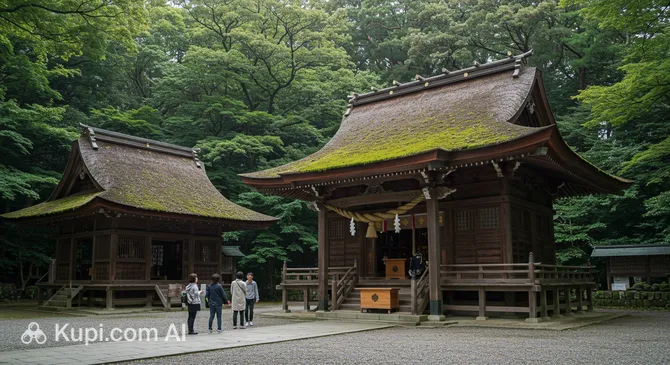
Ise Grand Shrine (Naikū). Illustration.
Source: Kupi.com AI

Traveler photos:

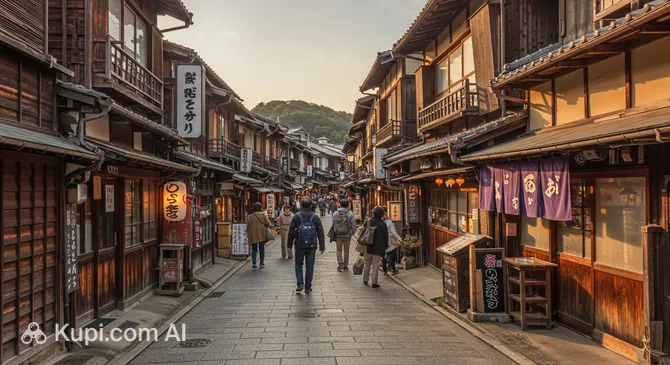
Located next to the Inner Shrine is the charming Okage Yokocho district. This street recreates the atmosphere of a Japanese town from the Edo and Meiji eras with its traditional wooden houses, which host numerous restaurants, tea houses, souvenir shops, and workshops. Here, you can try famous local sweets like "Akafuku Mochi," purchase handmade goods from local artisans, and simply enjoy a walk through streets that feel like they have been transported several centuries back in time.

Okage Yokocho. Illustration.
Source: Kupi.com AI

Traveler photos:

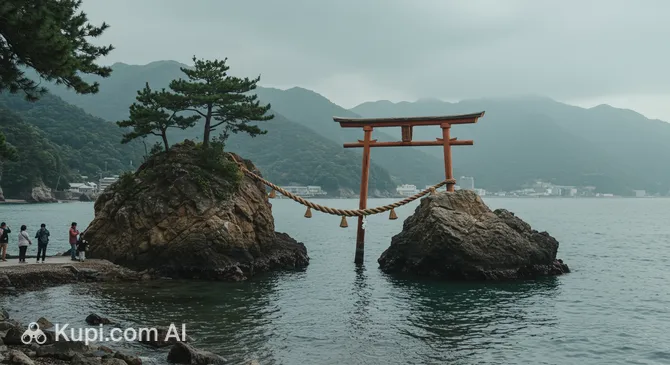
Not far from Ise, in the town of Futami, is the picturesque Futami Okitama Shrine, most famous for Meoto Iwa, or the "Married Couple Rocks." These two rocks, one large and one small, stand in the sea and are connected by a sacred rice-straw rope (shimenawa), symbolizing the sacred union of the creator deities Izanagi and Izanami, as well as harmony in marriage. This spot is particularly popular for watching the sunrise when the rays illuminate the rocks and the torii gate atop the larger one.

Futami Okitama Shrine. Illustration.
Source: Kupi.com AI

Traveler photos:

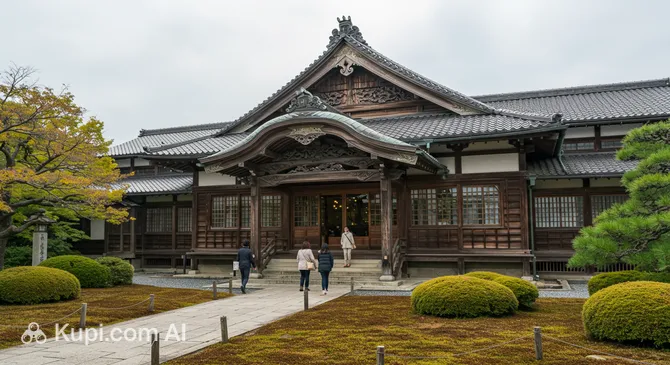
To gain a deeper understanding of the unique tradition of rebuilding the Grand Shrine of Ise, it is worth visiting the Sengukan Museum. Located near Geku, the museum provides detailed information about the history, rituals, and architectural features of the Shikinen Sengu process. The exhibits include large-scale models of the shrines, tools used during construction, and materials demonstrating the exceptional craftsmanship of Japanese carpenters and artisans.

Sengukan Museum. Illustration.
Source: Kupi.com AI

Traveler photos:

Another important site for pilgrims and tourists is the Sarutahiko Shrine. It is dedicated to the deity Sarutahiko Okami, who, according to mythology, met and guided Ninigi-no-Mikoto (Amaterasu's grandson) during his descent to earth. Sarutahiko is revered as a guiding deity, the patron of directions, martial arts, and the start of new endeavors. The shrine is located near Naiku and is often visited alongside the main Ise Jingu complex.

Sarutahiko Shrine. Illustration.
Source: Kupi.com AI

Traveler photos:

Local Cuisine

The gastronomy of Ise is closely intertwined with its spiritual heritage and its blessed seaside location. The local cuisine is famous for using the freshest gifts from Ise Bay and the surrounding lands, offering travelers authentic flavors that have been shaped over centuries. It is not just food, but a part of a cultural experience reflecting a respect for nature and the traditions of Japan.

Be sure to try Ise Udon — thick, incredibly soft wheat noodles served with a rich, dark, and slightly sweet soy sauce. This dish is unique to this region and differs significantly from other types of udon. Another iconic dish is Tekone-zushi. This is a type of sushi where slices of marinated tuna or other fish are placed on a bed of vinegared sushi rice. Simple, but very tasty and filling!

Among sweets, the undisputed favorite is Akafuku Mochi — delicate rice cakes (mochi) with a sweet anko bean paste topping, the shape of which symbolizes the Isuzu River. You can try them at the famous historical cafe Akafuku Honten, which is an attraction in its own right. On the streets of Ise, especially in the Okage Yokocho area, you can also find many other traditional Japanese desserts and snacks.

As for drinks, high-quality sake is produced in Ise, as in the rest of Mie Prefecture. Ask about local brands in restaurants or specialized shops. Beer enthusiasts should visit Ise Kadoya Beer, where they brew their own craft beer with a local flair. For non-alcoholic drinks, various types of green tea are offered everywhere, perfectly complementing any meal.

Ise Kadoya Beer. Illustration.
Source: Kupi.com AI

Traveler photos:

The food culture in Ise centers around traditional restaurants, cozy eateries, and bustling shopping streets. Many establishments specialize in local delicacies and offer dishes prepared according to ancient recipes. The historical Okage Yokocho district is a true gastronomic paradise where you can sample street food, sit in a tea house, or enjoy a full meal in a restaurant with an old Japan atmosphere. Markets can also offer fresh local products if you want to cook something yourself or simply enjoy the seasonal gifts of nature.

Travel Tips

Welcome to Ise, a city of deep spirituality and ancient Japanese traditions! To make your journey to the sacred Shinto shrines and charming streets as comfortable and memorable as possible, we have prepared some practical tips.

  1. Clothing and Footwear for Comfort and Respect: Ise's climate is humid, with warm summers and cool winters. In summer, choose light, breathable clothing; in winter, a layered outfit and a warm jacket. Comfortable shoes are an absolute necessity, as you will be doing a lot of walking, especially across the extensive shrine grounds. When visiting Ise Jingu and other religious sites, choose modest clothing that covers shoulders and knees. Don't forget an adapter for your electronics (Type A outlets are used in Japan) and an umbrella or raincoat, especially if traveling during the rainy season.

  2. Getting Around Ise: The main types of public transport in Ise and its surroundings are JR and Kintetsu trains, as well as buses. The CAN Bus route is particularly convenient for tourists, connecting major attractions. There are no subways or trams in the city. Taxis are available but can be quite expensive. Renting a car might be justified if you plan to travel extensively around Mie Prefecture, but it is not mandatory for exploring Ise itself, and parking can be challenging.

  3. Financial Matters: Yen and Cards: The national currency is the Japanese Yen (JPY). Despite Japan's technological advancement, cash is still very important, especially in small shops, traditional restaurants, for some bus fares, and when buying souvenirs on the streets. Credit and debit cards are accepted in hotels, large department stores, and some restaurants. You can usually withdraw cash from international cards at Japan Post Bank ATMs (in post offices) and Seven Bank ATMs (in 7-Eleven stores). It is better to exchange currency in advance at the airport or at major banks. Tipping in Japan is not practiced and may be seen as a misunderstanding or even an insult.

  4. Health and Safety: A Peaceful City: Pharmacies, known as "drugstores" (doraggusutoa), can be found in the city, but not all of them operate 24/7, and it's not always easy to find an English-speaking pharmacist. It is recommended to carry a basic first-aid kit. Be sure to get travel medical insurance. Ise, like Japan in general, is an extremely safe place for tourists. Follow standard precautions and keep an eye on your belongings, but there are virtually no serious dangers here.

  5. Language and Communication: Japanese Hospitality: The official language is Japanese. In tourist areas like Ise Jingu, information centers, and large hotels, staff may speak basic English. However, English proficiency among the general population is not high. Learn a few simple phrases: "Konnichiwa" (hello), "Arigato gozaimasu" (thank you very much), "Sumimasen" (excuse me/sorry) — these will be highly appreciated. For constant internet access, consider renting a Pocket Wi-Fi or buying a travel SIM card. Free Wi-Fi is available in many hotels and some public spaces.

  6. Etiquette: Respecting Traditions: Japanese people highly value politeness and respect for traditions. Greetings are usually accompanied by a slight bow (o-jigi). In public places, especially on transport and at shrine grounds, try to speak quietly. Remove your shoes before entering temples, traditional Japanese homes (ryokans, minshuku), and some restaurants (look for special shoe shelves). It is customary to use both hands when receiving or handing over important items like business cards or money.

  7. What to Avoid in Ise: Within the grounds of Ise Jingu, especially in the inner, most sacred zones, photography is strictly prohibited — pay attention to the signs. Avoid loud talking and laughter at the shrines, as these are places for prayer and tranquility. When dining, never stick your chopsticks vertically into your rice — this is associated with funeral rituals.

  8. Special Tip for Ise: To fully experience the spiritual atmosphere of Ise Jingu (Naiku and Geku), try to visit early in the morning. This is when there are the fewest tourists, and you can enjoy the peace and quiet. Also, be sure to set aside time for a walk through the charming historical streets of Oharai-machi and Okage Yokocho, where you can sample local delicacies and buy unique souvenirs.

We hope these tips help you better prepare for your trip to Ise and fully enjoy its unique atmosphere and hospitality. We wish you an unforgettable journey to the heart of Japanese spirituality!

Entertainment & Nightlife

The city of Ise, primarily known for its shrines and tranquil atmosphere, may not be the capital of vibrant nightlife in Japan. However, as evening falls, you can still find cozy spots to relax, enjoy a pleasant dinner, or have a glass of a local drink. Most evening activity is concentrated around the Iseshi and Ujiyamada railway stations, as well as in the historical Oharai-machi area, although the latter is most lively in the early evening hours, offering traditional restaurants and souvenir shops.

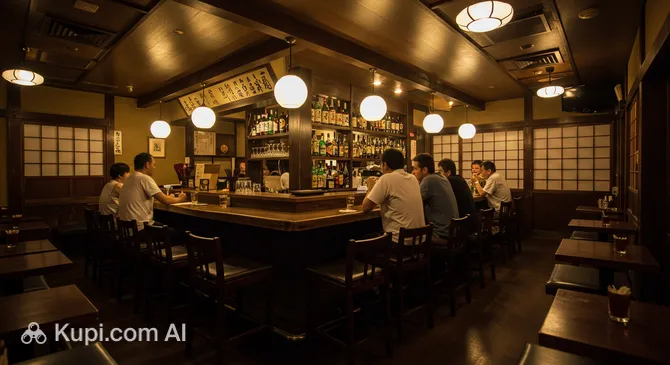
Instead of loud nightclubs, which are virtually non-existent in Ise, the city's nightlife offers a calmer and more authentic experience. You will find traditional Japanese drinking establishments — izakaya — where you can sample various local snacks and sake, as well as small bars and restaurants with a warm, welcoming atmosphere. One such place is Ise Kadoya Beer, a local brewery offering craft beers and matching dishes. It’s an excellent spot to unwind after a day of sightseeing. For those wanting to end the day with a traditional treat, the famous Akafuku Honten may be open in the early evening, serving its legendary mochi sweets.

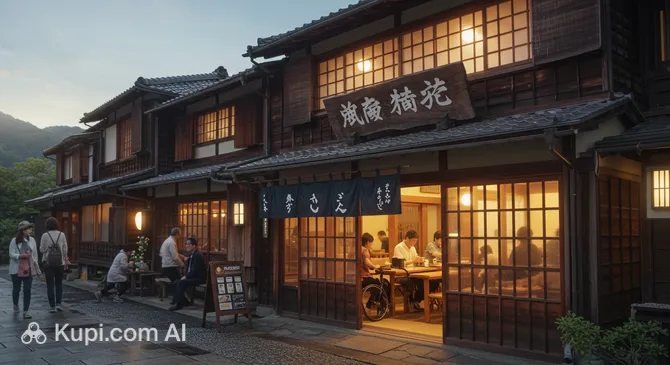
Akafuku Main Shop. Illustration.
Source: Kupi.com AI

Traveler photos:

The atmosphere in Ise's evening venues is generally very relaxed and friendly. The crowd is mostly local, but tourists are welcomed warmly. There is usually no specific dress code; casual, comfortable clothing is perfectly appropriate. Most establishments are open until late evening, but do not expect them to run until dawn like in major cities — many close around 10:00 PM or 11:00 PM. It’s best to arrive not too late, especially if you plan on having dinner. Prices in Ise's bars and restaurants are considered moderate by Japanese standards, especially compared to large cities.

In terms of safety, Ise is a very peaceful and safe city, even after dark. Walking along the well-lit central streets should not cause any concern. For getting around at night, taxis are the primary option and can be called by phone or found at station ranks. Public transport, such as buses and trains, runs on a schedule, with the last services usually departing before midnight, so plan your route in advance if you rely on them.

During the day, Ise offers many cultural and recreational opportunities. Besides the world-famous shrines, you can visit the Sengukan Museum to better understand Ise Jingu's traditions. For families, spots like the Toba Aquarium with its marine life or the ISE Sea Paradise theme park in the city's outskirts offer entertainment for all ages. Nature lovers can enjoy a walk through the scenic Watarai Park on the Miya River. Thus, Ise offers a balanced vacation, combining spiritual enrichment by day and quiet, pleasant evenings.

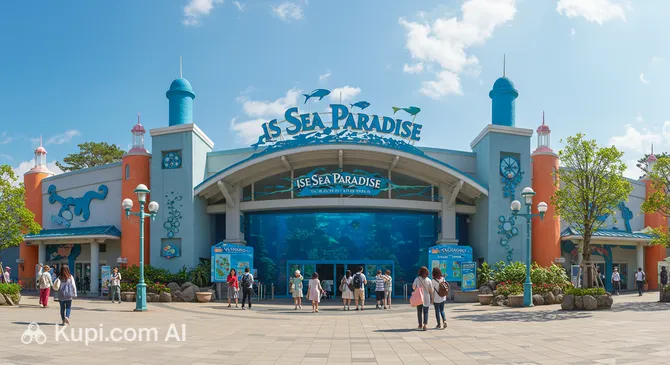
ISE Sea Paradise. Illustration.
Source: Kupi.com AI

Traveler photos:

Parks & Museums

The city of Ise, primarily known as the spiritual heart of Japan, offers its guests not only a deep dive into Shinto traditions but also the chance to enjoy the serenity of green spaces and get acquainted with a rich cultural heritage through its museums and historical sites. These corners of nature and culture harmoniously complement the pilgrimage experience, revealing different facets of this unique city.

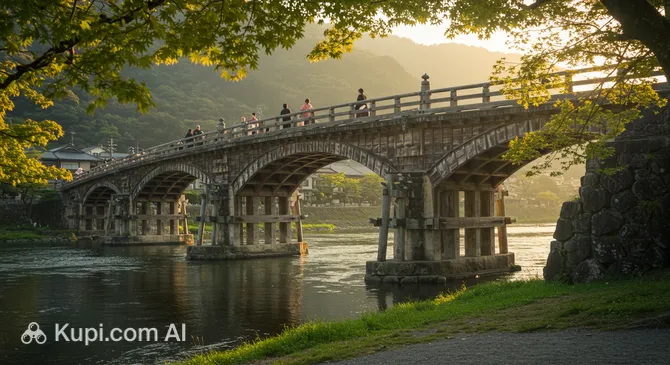
One of Ise's primary green gems is undoubtedly the vast forests surrounding the Ise Jingu Grand Shrine — both the Inner Shrine (Naiku) and the Outer Shrine (Geku). These ancient trees, well-maintained paths, and the quiet backwaters of the Isuzu River create an atmosphere of deep peace and unity with nature. A walk through these sacred forests is a meditative experience in itself. The famous Uji Bridge, leading to Naiku, serves as a symbolic entrance not only to the shrine but to this natural oasis.

Uji Bridge. Illustration.
Source: Kupi.com AI

Traveler photos:

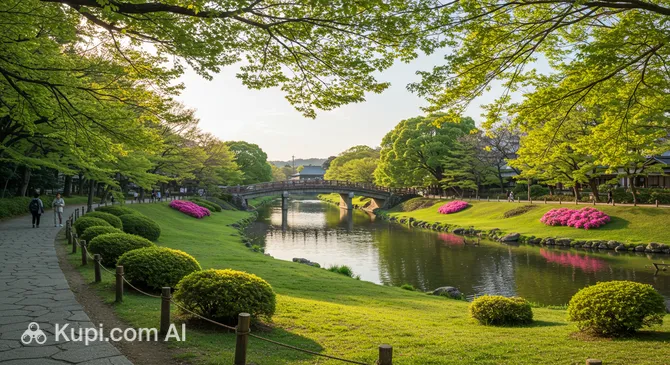
For a more traditional park experience, you can visit Watarai Park on the Miya River. This is a pleasant place for walks, picnics, and watching the river flow. The park offers beautiful scenery and a chance to take a break from the hustle and bustle while enjoying nature within the city limits. It is especially popular among locals for family recreation and outdoor sports.

Miya River Watarai Park. Illustration.
Source: Kupi.com AI

Traveler photos:

To better understand the unique tradition of Ise Jingu, a visit to the Sengukan Museum is a must. Located next to Geku, this museum details the Shikinen Sengu ritual — the complete rebuilding of the main shrines every 20 years. Exhibits include shrine models, tools, and materials that showcase the superior skill of Japanese craftsmen, allowing visitors to appreciate the depth of this ancient practice.

The historical districts of Oharai-machi and Okage Yokocho, leading to Naiku, can be described as living open-air museums. Recreated streets from the Edo and Meiji eras, with their traditional buildings, shops, restaurants, and workshops, allow you to step into the atmosphere of old Japan. This is a wonderful place to explore local culture, crafts, and, of course, the cuisine.

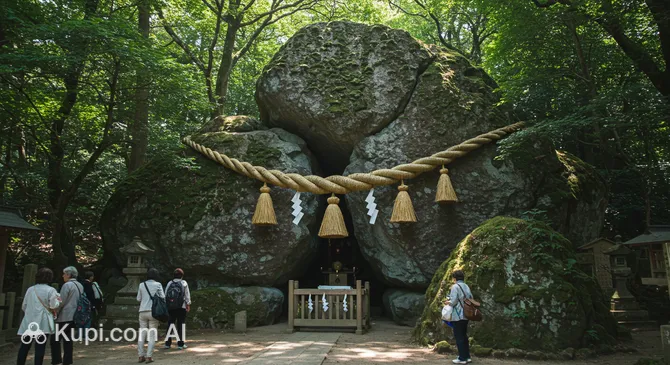
For those interested in mythology and more secluded sacred sites, the Amano Iwato Shrine is worth attention. This site is linked to the famous Shinto myth of the sun goddess Amaterasu hiding in a celestial cave. The shrine is located in a scenic area and offers a more intimate experience compared to the main Ise Jingu shrines, allowing you to connect with ancient legends.

Amano Iwato Shrine. Illustration.
Source: Kupi.com AI

Traveler photos:

For a truly authentic experience, explore the lesser-known auxiliary shrines (betsugu) of Ise Jingu scattered throughout the city and its surroundings. many of these are located in quiet, picturesque spots and offer an opportunity for quiet contemplation. Also, a walk along the Isuzu River, especially on the paths branching off from the main pilgrimage routes at Naiku, will provide moments of silence and beautiful views.

Getting Around

Getting around Ise and its surroundings is quite convenient thanks to a well-developed public transport system. Although the city is not very large, transport helps you quickly reach the main shrines, such as Naiku and Geku, as well as other interesting spots scattered around the city and its outskirts. The backbone of the transport network consists of buses and trains.

The primary modes of public transport in Ise are buses and trains. Local bus routes are operated by the Mie Kotsu company. For tourists, the special CAN Bus route is particularly useful, as it circulates between major attractions, including the Ise Jingu shrines (Naiku and Geku), the Oharai-machi district, the Futami area with its "Married Couple Rocks," and other popular spots. Railway service is provided by JR and Kintetsu, which connect Ise with other cities in the region and provide travel between major city stations like Iseshi Station and Ujiyamada Station. There are no subways or trams in Ise.

The fare payment system in Ise is standard for Japan. On buses, payment is usually made upon exiting (sometimes upon entering; check for signs). You can pay in cash — it is advisable to have small change, as change machines may not always handle large bills. A more convenient option is to use rechargeable IC-cards (such as Suica, Pasmo, ICOCA, and other nationwide cards), which are accepted on most bus routes and trains. Special passes can be advantageous for tourists, such as the Ise-Toba-Shima Super Passport "Michikusa", which offers unlimited travel on CAN Buses and certain other routes for one or two days. The cost of a single bus trip depends on the distance, usually starting from a few hundred yen.

Train tickets can be purchased at station vending machines or ticket offices. Vending machines usually have an English language option. When using an IC-card, simply tap it against the turnstile at the station entrance and exit. Buses and trains in Ise run frequently throughout the day, typically from early morning until late evening, though intervals may increase in the evenings and on weekends. Schedules are available at stops and stations, as well as online. On a bus, a ticket is validated either by dropping it into a special machine upon exiting or by showing it to the driver if it is a pass. When paying with an IC-card, you must tap it against the reader upon entering and/or exiting.

As an alternative to public transport in Ise, you can use taxis. They are available at stations and major hotels, or they can be called by phone. Taxis are a comfortable but more expensive way to get around. For active travelers, bicycle rentals may be available in some areas, especially near tourist attractions, which is a great way to explore the city at a leisurely pace. Renting a car is generally not a necessity for moving within Ise itself but can be useful if you plan to explore more remote corners of Mie Prefecture.

Accommodation

In Ise, travelers will find a variety of accommodation options to suit different preferences and budgets. Choices range from traditional Japanese inns (ryokans) and guesthouses (minshuku) offering an authentic experience to more familiar European-style hotels, ranging from budget to mid-range. Apartments and short-term rental houses are also available, which can be convenient for families or large groups.

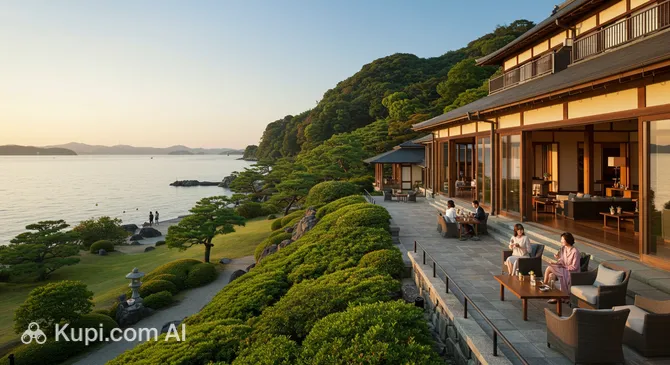
Many accommodation options are concentrated near major transport hubs, such as Iseshi and Ujiyamada stations, providing easy access to trains and buses for sightseeing. Places to stay near the main shrines — Naiku and Geku — or along the charming Okage Yokocho street are also popular, allowing you to immerse yourself in the atmosphere of the old town. For those seeking seclusion and beautiful views, options in the Toba area might be suitable, such as the Toba Grand Hotel, which offers a resort-style stay.

Toba Grand Hotel. Illustration.
Source: Kupi.com AI

Traveler photos:

The price range for housing in Ise can vary from budget options, such as hostels or simple minshuku, to mid-range business hotels and more comfortable ryokans, and finally to higher-end offers in upscale hotels and ryokans with full board and onsens (hot springs). It is recommended to book accommodation in advance, especially if your trip falls during peak tourist seasons (such as the spring cherry blossom season, autumn holidays, or the New Year period), as well as during major local festivals. The most common booking methods are popular international and Japanese online platforms, as well as direct booking through hotel websites.

Nearby Cities

For those who want to explore the surroundings of Ise, the city serves as an excellent starting point for day trips to several interesting nearby locations. For example, Matsuzaka (just 19 km from Ise) is famous for its premium beef and historical castle ruins. Tsu (32 km), the administrative center of Mie Prefecture, offers a look at Tsu Castle and other cultural sites. Speed enthusiasts will appreciate a trip to Suzuka (45 km), home to the world-famous racing circuit.

Below is information on some nearby cities that may be of interest to visit:

CityPopulationDistance
Tamaki15 1137 km
Meiwa22 52310 km
Toba17 42112 km
Minamiise10 92615 km
Taki14 16015 km

These nearby destinations offer a wonderful opportunity to delve deeper into the diverse culture, history, and picturesque landscapes of the region, complementing the experience of visiting Ise itself.

Shopping & Souvenirs

Shopping in Ise is, first and foremost, an opportunity to purchase unique souvenirs related to its rich spiritual history and the local traditions of Japan. The city is not famous for massive shopping malls or designer boutiques but offers a charming shopping experience in historic streets and small shops where you can find authentic goods and delicacies.

The primary shopping area in Ise is the district adjacent to the Inner Shrine of Ise Jingu (Naiku). This is where the famous Oharai-machi street and the adjoining Okage Yokocho district are located. These picturesque streets, recreating the atmosphere of an old town from the Edo and Meiji eras, are teeming with shops selling traditional crafts, local sweets, sake, tea, and a variety of souvenirs. Strolling through these streets is an engaging activity in itself, even if you don't plan on making major purchases.

Large modern shopping centers, typical of big cities, are few in Ise. Shopping here has a more intimate and traditional character. Instead of malls, you will find many small family-owned shops and specialized stores, particularly in the Oharai-machi area and near the Iseshi and Ujiyamada railway stations. Here, you can find both everyday items and unique local products.

While Ise does not have large food or flea markets that would be a major tourist attraction, the streets of Okage Yokocho and Oharai-machi feature many stalls selling fresh local products such as seafood, vegetables, and, of course, the famous sweets. It feels more like a lively shopping street with market elements where you can taste and buy local delicacies.

From Ise, it is worth bringing back traditional Japanese sweets, especially the famous Akafuku Mochi (rice cakes with sweet bean paste), which can be bought at the historic Akafuku Honten shop or other outlets. Pearls are also popular (although the main center for their production is the neighboring city of Toba), along with local sake, Ise-cha green tea, ceramics, and woodwork. Of course, religious souvenirs cannot be overlooked: omamori (charms for luck and protection) from the Ise Jingu shrines, calligraphy, and items related to Shinto culture.

Shops in Ise, especially in tourist areas, are usually open daily from approximately 9:00 AM-10:00 AM to 5:00 PM-6:00 PM. Some restaurants and souvenir shops in Okage Yokocho may stay open a little longer, especially during peak season. Cash (Japanese yen) is widely accepted as a method of payment, particularly in smaller shops and stalls. Credit cards are accepted in larger establishments and hotels, but it is always helpful to have enough cash on hand.

For foreign tourists in Japan, a Tax Free system is available. When purchasing goods for a certain amount (usually over 5,000 yen excluding consumption tax) in participating shops, you can apply for a tax refund. Look for "Tax-Free Shop" signs and remember to present your passport when making a purchase. This service is typically available in larger souvenir shops and department stores.

Reached the end of the page?

That means the route is fully explored