Support

Toyokawa

About

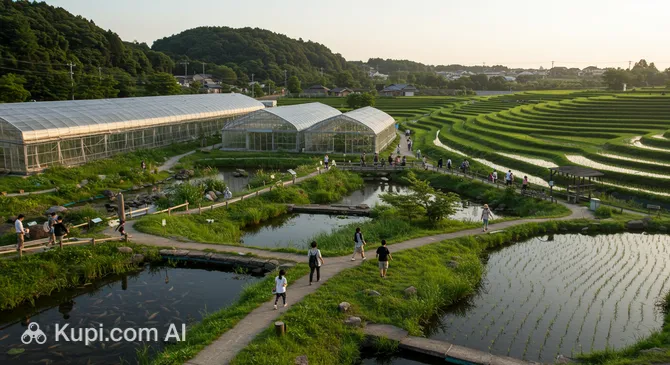
Toyokawa is a cozy and remarkably harmonious city located in the southeastern part of Aichi Prefecture, Japan. It is spread across the picturesque banks of the Toyo River, surrounded by hills and farmland, which gives it a special charm. The city is situated between the major centers of Nagoya and Toyohashi, making it a convenient base for exploring the Chubu region and experiencing the authentic Japanese countryside.
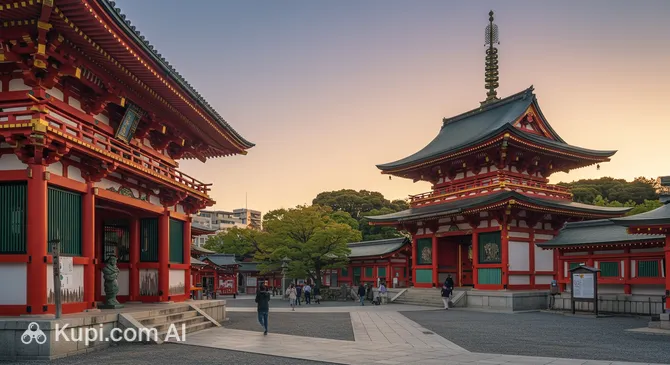
Toyokawa. Illustration.
Source: Kupi.com AI

With a population of about 184,000 people, Toyokawa combines an intimate atmosphere with a sense of liveliness. Despite its relatively small size, the city plays a notable role in the region's economy, particularly in mechanical engineering and the optical industry. The streets of Toyokawa reflect a unique blend of traditional Japanese lifestyle and modern rhythm, where the tranquility of the outskirts harmoniously coexists with the dynamics of the center.

For travelers, Toyokawa offers the chance to immerse themselves in an authentic atmosphere and culture. The city attracts visitors with its peaceful temples, where one can feel the spirit of old Japan, colorful local markets offering fresh produce and unique handicrafts, and picturesque parks perfect for leisurely walks and relaxation. It is a wonderful place for those who want to see a different side of Japan, less known to typical tourists.

Toyokawa is a city where it is easy to feel like a welcome guest and truly relax. If you are looking for authenticity, harmony with nature and culture, and unexpected pleasant discoveries away from the hustle and bustle of megacities, a trip to Toyokawa will provide you with an unforgettable experience.

You can find more interesting facts on the Toyokawa city history page.
Weather Overview

The weather in Toyokawa is characterized by distinct seasons, offering visitors varied climatic conditions throughout the year. Expect warm and humid summers with periodic rain and cool, relatively dry winters. The hottest month is typically August, with an average temperature of 27.6°C and maximums reaching 30.8°C. July is also very warm (averaging 26.3°C) and is the month with the highest rainfall (about 11 mm) and the highest number of rainy days (averaging 20 days).

Winter in Toyokawa is cool. January is the coldest month with an average temperature of 5.0°C, while minimum temperatures can drop to 1.3°C. Winter months like January and December are the driest, with rainfall of only about 2 mm and approximately 6 rainy days. Spring (March-May) and autumn (September-November) offer pleasant transitional temperatures, with rainfall gradually increasing in spring and decreasing in autumn. For more detailed information on weather conditions and to plan your trip, you can visit the Toyokawa Climate page.

Average monthly temperature

Average monthly precipitation

Interesting Facts

Beyond its well-known landmarks, Toyokawa holds many surprising stories and features that make this city truly unique and interesting for the curious traveler.

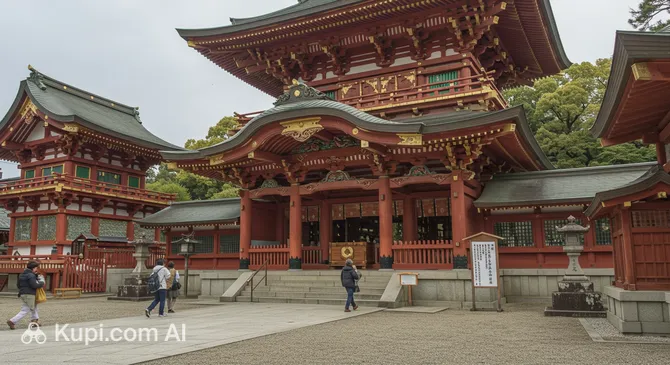
Daihonden (Main Hall) of Toyokawa Inari. Illustration.
Source: Kupi.com AI

Traveler photos:

  • Toyokawa is famous throughout Japan for the Toyokawa Inari Temple, which is interestingly a Buddhist temple, even though Inari is a Shinto deity. This is one of the rare places in the country where the two religions coexist so closely and harmoniously. The Main Hall of the temple (Daihonden) attracts many pilgrims who believe that wishes for prosperity are granted here.

  • Toyokawa's modern form was acquired relatively recently—the city was officially established in 1969 as a result of the merger of four separate settlements. It was this merger that gave the city its rich cultural heritage and diversity of local traditions, which are carefully preserved to this day.

  • One of the most spectacular and unique traditions of Toyokawa is the annual festivals, during which the city streets come alive with parades of giant paper foxes. These colorful processions are dedicated to the deity Inari, whose messenger and symbol is the fox, and they invariably attract many spectators.

  • Despite Toyokawa being known for its large industrial enterprises in optics and mechanical engineering, ancient crafts still flourish here. The city has preserved workshops where skilled artisans hand-craft traditional wooden items intended for temple decoration and authentic tea ceremonies.

How to Get There

When planning a trip to this cozy corner of Aichi Prefecture, it is important to think about your route in advance. You can find more details on how to get to Toyokawa by exploring all available transport options, but the primary choices for most tourists remain flights and trains.

There is no airport in the city of Toyokawa itself, so travelers usually fly into nearby major cities. The most convenient option is Chubu Centrair International Airport (IATA: NGO), located in Nagoya. It is approximately 52 km from Toyokawa. As a major international hub, it serves many flights. The journey from here by taxi or bus can take about 1 hour and 40 minutes; however, many prefer using Meitetsu express trains, which allow for a faster journey with a transfer.

An alternative option is Shizuoka Airport (IATA: FSZ), located in Shizuoka city, about 74 km from Toyokawa. This is a regional hub, and the journey from there by road will take approximately 2 hours and 10 minutes. You could also consider Itami Airport (IATA: ITM) in Osaka, but it is located significantly further away—177 km—so it's only worth choosing for specific domestic flight connections.

For convenience, here is a summary of the main airports:

AirportPassenger trafficDistance
Chubu Centrair International Airport12.3 mln52 km
Nagoya Airport735 00063 km
Shizuoka Airport691 27474 km
Matsumoto Airport112 618157 km
Itami Airport14.8 mln177 km

Regarding rail travel, Toyokawa has excellent accessibility, although Shinkansen high-speed trains do not stop directly within the city limits. The main transfer hub for tourists is Toyohashi Station in the neighboring city of the same name, where Tokaido Shinkansen trains arrive from Tokyo and Osaka. From Toyohashi Station, the center of Toyokawa can be reached in just 10–15 minutes by local JR Iida line trains or trains from the private Meitetsu railroad company. The main stations within the city are Toyokawa Station (JR) and Toyokawa-Inari Station (Meitetsu), which is located in the immediate vicinity of the main attraction—Toyokawa Inari Temple.

Main Attractions

Toyokawa, a city in Aichi Prefecture, offers its guests several interesting places worth visiting. Here you will find attractions for history and culture enthusiasts, as well as for those looking for entertainment or shopping opportunities.

One of the city's main shrines is the Daihonden (Main Hall) of Toyokawa Inari Temple. This temple, dedicated to the deity Inari, attracts many pilgrims and tourists with its impressive architecture and spiritual atmosphere. Toyokawa Inari is actually a Buddhist temple of the Soto school, but it is famous for its numerous fox (kitsune) statues, which are considered messengers of Inari. Visitors can stroll through the extensive temple grounds, admire traditional buildings, and feel the serenity of this sacred place.

Daihonden (Main Hall) of Toyokawa Inari. Illustration.
Source: Kupi.com AI

Traveler photos:

For family fun and entertainment, GyoGyo Land is an excellent choice. This is a popular spot where you can spend time outdoors enjoying various attractions and activities. While details may vary, such parks typically offer something for visitors of all ages, from playgrounds to more active recreation.

Gyogyo Land. Illustration.
Source: Kupi.com AI

Traveler photos:

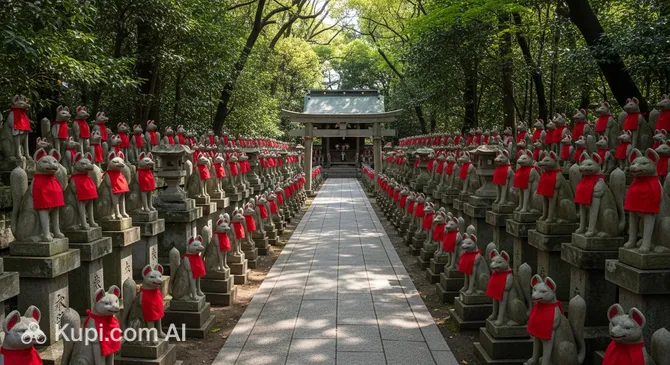
Another iconic site in Toyokawa is Reikozuka. Often such places are connected with historical events or serve as places of worship. Reikozuka is known as the "hill of fox spirits" and presents an impressive sight of thousands of stone fox statues offered by believers as a sign of gratitude or as a request. This place has a special mystical atmosphere and is a unique part of the Toyokawa Inari temple complex.

Reikozuka. Illustration.
Source: Kupi.com AI

Traveler photos:

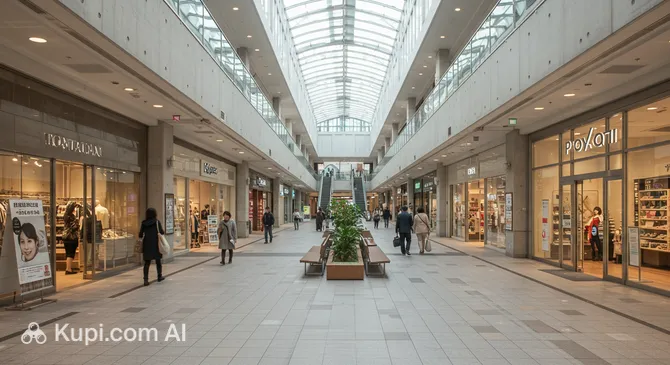
If you're in the mood for shopping, it's worth stopping by the Toyokawa Mall. Here you can find a variety of shops, ranging from clothing and accessories to electronics and souvenirs. Shopping centers also often offer food courts and entertainment zones, making them a convenient place to spend a few hours.

Local Cuisine

The gastronomy of Toyokawa is a fascinating blend of Aichi Prefecture's culinary traditions and unique local finds. Travelers here can expect to discover authentic flavors that reflect the rich culture and natural bounty of the region.

Be sure to try unagi-no-kabayaki—a grilled eel dish that is a true hallmark of Toyokawa. Local eel is caught in the rivers and then masterfully prepared over an open fire, generously seasoned with a special sweet sauce. This delicacy is served in many of the city's restaurants and is rightfully considered one of its main culinary symbols.

Another iconic dish is inarizushi. These are small pouches of sweetish fried tofu (aburaage) filled with rice. It is believed that this type of sushi gained particular popularity in Toyokawa, largely thanks to the famous Toyokawa Inari Temple, as foxes (messengers of the deity Inari) are believed to be very fond of tofu. This is a simple but incredibly tasty snack that can be found everywhere.

In addition to these specialties, Toyokawa's food scene will delight lovers of fresh produce and unusual treats. At local street markets, you can always find seasonal vegetables and fruits, as well as various traditional sweets made from rice flour and sweet adzuki bean paste. Depending on the time of year, don't miss the chance to try matcha green tea ice cream or chestnut desserts.

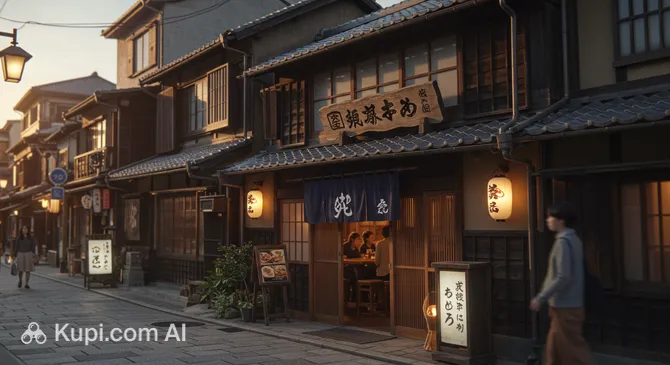
The food culture in Toyokawa is diverse. Locals and tourists often choose cozy restaurants to sample main dishes like the aforementioned eel. One place where you can get acquainted with local cuisine is Musasimaru Toyokawa Honten. Street food and markets also play an important role, offering quick snacks and the opportunity to buy fresh farm products.

Musashimaru Toyokawa Main Restaurant. Illustration.
Source: Kupi.com AI

Traveler photos:

As for drinks, in Toyokawa, as throughout Japan, you will find a wide selection. Traditionally, various types of green tea are served with meals. Popular alcoholic beverages include sake (rice wine) and shochu (a strong distilled beverage), which are produced in different regions of the country and may have their own local variations.

Toyokawa's culinary appeal is further enhanced by food festivals that periodically take place in the city. This is an excellent opportunity to try a variety of dishes from local chefs, learn the secrets of Japanese cuisine, and even take part in masterclasses. Overall, Toyokawa's cuisine is a harmonious combination of tradition, fresh ingredients, and sincere hospitality, capable of delivering vivid taste experiences.

Travel Tips

Welcome to Toyokawa! To make your trip to this interesting corner of Japan as comfortable and memorable as possible, we have prepared some practical tips.

  1. Clothing and Essentials: Given the climate of Japan, choose clothing according to the season: light and breathable fabrics are preferred in summer, while warm clothes are needed in winter, as Aichi Prefecture has cool periods. Be sure to bring comfortable walking shoes, as Toyokawa and its surroundings, including the famous Toyokawa Inari Temple, are best explored on foot. Don't forget an adapter for your electronics (Japan uses type A and B sockets, 100V voltage). When visiting temples and shrines, choose modest clothing that covers your shoulders and knees out of respect for local traditions.
  2. Getting Around Town: The main way to get around Toyokawa and for trips within Aichi Prefecture is by train—the Meitetsu and JR Tokaido lines connect the city with other towns. Local buses also run within the city itself. Taxis are available but can be relatively expensive; you can use apps like JapanTaxi or Go. Renting a car can be useful for exploring more remote corners of the region, but for moving within Toyokawa itself, it is not always necessary. Remember to drive on the left and that an international driving permit is required.
  3. Finances and Currency: The national currency is the Japanese Yen (JPY). You can exchange money at banks or large post offices, but it is better to do this in advance or at the airport upon arrival in Japan. Credit cards (Visa, Mastercard) are accepted in many hotels and large stores, but in small establishments, cafes, and at temples, cash is often preferred. Look for ATMs that accept international cards in 24-hour 7-Eleven stores (Seven Bank ATMs) or at the post office (Japan Post Bank). Tipping in Japan is not practiced, as quality service is considered the norm and is already included in the price.
  4. Health and Safety: Pharmacies (look for the character 薬 or the inscription \"kusuri\" on signs) are easy to find, but pharmacists do not always speak English. 24-hour pharmacies are rare outside of major megacities. Japan, and Toyokawa in particular, is considered a very safe place for tourists. Nevertheless, always follow basic precautions, especially in crowded places and on transport. Having travel medical insurance is highly recommended for your peace of mind.
  5. Language and Connectivity: The official language is Japanese. English is limited, mainly to major tourist centers and hotels; in Toyokawa, be prepared for the fact that not all locals speak it. Learn a few basic phrases: "konnichiwa" (hello), "arigato" (thank you), "sumimasen" (excuse me/sorry)—this will help a lot in communication. It is most convenient to purchase a SIM card for mobile internet or a pocket Wi-Fi router upon arrival at the airport or in large electronics stores. Free Wi-Fi is found in hotels, some cafes, and at railway stations. Apps like Google Maps (for navigation) and HyperDia (for train schedules) will be useful.
  6. Local Etiquette: Greetings are usually accompanied by a bow; the depth of the bow depends on the degree of formality. For tourists, a light nod of the head is often sufficient. In public places, especially on transport, try to speak quietly and avoid loud phone conversations. It is not common to eat or drink while walking on the street. Before entering a Japanese home, some temples, and traditional restaurants (ryokans), it is customary to remove your shoes—look for special shoe racks. There are certain rules for using chopsticks (for example, do not stick them vertically into rice and do not pass food from chopsticks to chopsticks).
  7. What to Avoid: Try not to point at people or objects with one finger—it is considered impolite; it's better to use an open palm. Avoid smoking in non-designated areas (Japan has strict rules on this). Pay special attention to waste sorting rules—this is a very important aspect of Japanese culture; dispose of waste only in the designated containers.
  8. Toyokawa Special Feature: Be sure to visit the city's main attraction—Toyokawa Inari Temple. It is one of the three largest Inari shrines in Japan, famous for its thousands of fox (kitsune) statues, considered messengers of the deity Inari. It is truly an impressive and iconic place. Also, while here, try the local dish "inari-zushi"—rice wrapped in pouches of sweetish fried tofu, which is traditionally associated with Inari temples.

We hope these tips help you better prepare for your trip. We wish you unforgettable impressions from visiting Toyokawa and experiencing the unique culture and hospitality of Japan!

Entertainment & Nightlife

When the sun sets, Toyokawa offers its guests cozy and authentic ways to spend the evening. While the city is not famous for the boisterous 24-hour parties found in megacities, you can find pleasant places to relax, socialize, and experience the local culture of hospitality.

Main evening life in Toyokawa centers around traditional Japanese pubs – izakaya, small bars, and karaoke venues. These places can often be found in the areas surrounding railway stations, where locals gather after the workday. The atmosphere in most establishments is relaxed and friendly, encouraging slow conversations over a glass of sake or local beer. The dress code is usually casual, and opening hours vary, though many places stay open until midnight or slightly later, especially on weekends.

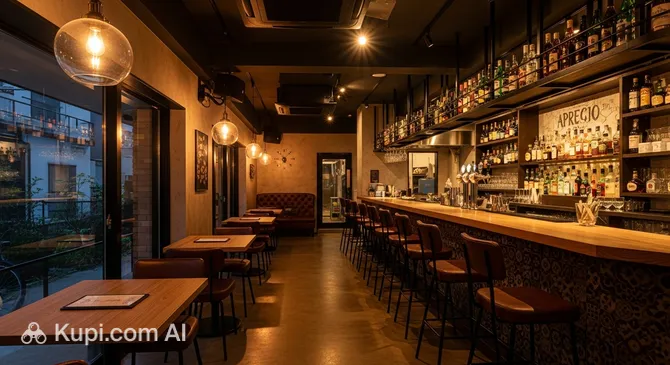
For those looking for a place to unwind in the evening, consider Apresio Toyokawa – a bar-category establishment where you can enjoy your time. Another option for dinner and evening gatherings is the Musasimaru Toyokawa Honten restaurant, which offers local cuisine in a cozy setting. You can also visit the Kamoya Toyokawa restaurant.

Aprecio Toyokawa. Illustration.
Source: Kupi.com AI

Traveler photos:

The best time to visit bars and restaurants is Friday and Saturday evenings when the atmosphere is most lively. Prices in Toyokawa establishments are generally moderate. Getting around the city at night is most convenient by taxi, as public transport may have limited schedules in the late hours. You can call a taxi through apps or ask your hotel or venue staff to help.

Toyokawa is generally considered a safe city, and nighttime walks in busy areas should not be a cause for concern. Nevertheless, it is always wise to follow standard precautions, especially if traveling alone. Keep your valuables with you and avoid poorly lit or deserted areas.

During the day, Toyokawa also offers interesting leisure options. You can visit local temples, such as the Daihonden (Main Hall) of Toyokawa Inari Temple or Reikozuka. For family fun or just a pleasant stroll, GyoGyo Land is a great fit, and for shopping, you can check out Toyokawa Mall. While the city lacks large theaters or world-renowned museums, exploring local landmarks allows for a better understanding of the region's culture and history.

Parks & Museums

The city of Toyokawa invites its guests not only to experience modern urban life but also to enjoy pockets of nature and immerse themselves in the region's rich cultural heritage. There are interesting places here for those who enjoy relaxing in the fresh air as well as for those who appreciate history and tradition.

Among the places where you can relax and spend time, GyoGyo Land stands out. This popular space offers visitors various entertainment and family leisure opportunities, including green areas for walking and outdoor recreation. Such places are great for taking a break from sightseeing. Although Toyokawa may not have extensive national parks directly within the city limits, here, as in many Japanese cities, you can find well-maintained local squares and walking zones perfect for a short rest.

Gyogyo Land. Illustration.
Source: Kupi.com AI

Traveler photos:

While Toyokawa may not have a large number of traditional museums in the classic sense, its cultural and historical heritage is vividly represented in other sites. The main such place is undoubtedly the famous Toyokawa Inari Temple, and its heart—the Daihonden (Main Hall). This is not just a religious building but an important cultural center attracting pilgrims and tourists with its majestic architecture, rich history, and special spiritual atmosphere. Visiting Daihonden allows for a deeper understanding of Japan's spiritual traditions and the chance to see impressive examples of temple architecture.

Daihonden (Main Hall) of Toyokawa Inari. Illustration.
Source: Kupi.com AI

Traveler photos:

A special place in the city's cultural heritage is occupied by Reikozuka—the impressive "hill of fox spirits." As an integral part of the famous Toyokawa Inari temple complex, this place captures the imagination with its countless statues of foxes, the messengers of the deity Inari. Visiting Reikozuka is a unique opportunity to encounter authentic Japanese beliefs and see one of the most photographed and mystical places in Toyokawa.

Reikozuka. Illustration.
Source: Kupi.com AI

Traveler photos:

For a more authentic experience and a quiet immersion into the local atmosphere, we suggest not limiting yourself to only the large and well-known attractions. Stroll through the quiet residential neighborhoods of Toyokawa, take note of small local shrines or traditional gardens at private homes—it is often in such inconspicuous details that the true spirit of the city and the daily life of its inhabitants lie.

Getting Around

Public transport in Toyokawa is mainly represented by buses and railway lines that connect various parts of the city and its surroundings. Although Toyokawa does not have a subway system, the existing network allows for fairly comfortable movement. The main railway operators serving the city are JR (Japan Railways) and Meitetsu, offering convenient routes both within the city and for trips to neighboring towns.

The fare payment system for public transport in Toyokawa, as in many cities in Japan, is quite convenient. For paying for train and bus trips, you can use both single tickets and rechargeable smart cards (IC cards), such as TOICA (from JR Central) or manaca (from Meitetsu and other regional operators). These cards significantly simplify the payment process: just tap the card against the reader at the entrance and exit. Single tickets can be purchased at machines at stations or directly from the bus driver. The fare usually depends on the distance.

Tourists are recommended to purchase an IC card upon arrival, as it is the most convenient way to pay. Cards can be bought and topped up at machines at railway stations. When boarding a train or bus, you must tap the card against the validator and repeat the procedure when exiting—the system will automatically deduct the correct amount. Buses usually start running early in the morning and end late in the evening, but schedules can vary depending on the route. Rail services also have a clear schedule that is easy to find at stations or online.

In addition to public transport, you can use taxi services in Toyokawa. Taxi stands are usually located near railway stations and large shopping centers, and you can also call a car by phone. This is a more expensive but comfortable way to get around, especially if traveling with luggage or in a group. In some areas of the city, bicycle rentals may be available, which is a great alternative for leisurely exploring the city and its surroundings in good weather.

Accommodation

When planning a trip to Toyokawa, you will find a variety of accommodation options to suit different preferences and budgets. The city offers hotels in several categories, from budget options to more comfortable rooms, as well as guesthouses and apartment rentals for those who prefer more independence.

When choosing a place to stay in Toyokawa, it is worth looking at areas with good transport accessibility, which will make it easier to move around the city and its surroundings. Staying near major attractions or business centers can also be convenient if your trip is for business. Although specific hotels are not listed in the provided data, in Toyokawa, as in most Japanese cities of this size, you can find both chain business hotels and small local inns.

To ensure you get the best accommodation option, especially if your trip falls during the peak tourist season or local festivals, it is recommended to book in advance. This will not only allow you to choose from a larger number of offers but also potentially save money.

The price range for accommodation in Toyokawa varies: you can find budget options, mid-range hotels, or more expensive offers with an expanded range of services. The most common booking methods are popular online platforms and travel aggregators, as well as direct booking through official hotel websites.

Nearby Cities

For those who want to explore the surrounding area, Toyokawa serves as an excellent starting point for day trips to several interesting nearby locations:

CityPopulationDistance
Toyohashi371 5077 km
Gamagori79 29214 km
Shinshiro43 62014 km
Kosai57 68219 km
Kota42 52320 km

These nearby destinations offer a glimpse into the diverse culture and landscapes of the region. For example, Hamamatsu is known for its musical traditions and majestic castle; Okazaki is proud to be the birthplace of Shogun Tokugawa Ieyasu and is also famous for its miso production; while Toyohashi, the closest city to Toyokawa, attracts visitors with its old castle and active tram system. A trip to any of these cities will enrich your journey through Japan and leave you with unforgettable impressions.

Shopping & Souvenirs

Toyokawa offers its guests pleasant shopping opportunities, combining modern retail outlets with the charm of local shops. While the city is not famous for any highly specialized goods, you can find everything you need here, from everyday items to unique Japanese souvenirs.

The main shopping areas in Toyokawa are traditionally the districts around major railway stations, where shops, cafes, and restaurants are concentrated. It is also worth strolling along the city's central streets, where you can discover small family-run shops offering local goods and handmade items.

For those who prefer one-stop shopping, the city has shopping malls. One such mall is Toyokawa Mall, which features a wide range of goods: from clothing and accessories to electronics and home goods. You can spend several hours here choosing purchases and relaxing in one of the cafes.

Toyokawa Mall. Illustration.
Source: Kupi.com AI

Traveler photos:

Although Toyokawa may not have large and widely known markets like those in megacities, there is always a chance to stumble upon small local markets, especially during temple festivals. At these markets, you can buy fresh farm produce, local delicacies, and handicrafts. Keep an eye out for posters and announcements during your visit.

As souvenirs from Toyokawa, you can bring back traditional Japanese goods: ceramics, textiles, and sweets (such as wagashi). Given the proximity to the famous Toyokawa Inari shrine, souvenirs depicting foxes (kitsune)—the messengers of the goddess Inari—are popular, as well as various amulets (omamori) for luck and well-being. Also, pay attention to local products from Aichi Prefecture.

Most shops in Toyokawa are typically open from 10:00 or 11:00 AM until 7:00 or 8:00 PM. Large shopping malls may stay open longer. Both cash (Japanese yen) and credit cards are accepted, especially in large stores and shopping centers. However, in small shops and at markets, cash may be preferred.

For foreign tourists in Japan, a tax-free system is in place. Look for stores with the "Japan Tax-free Shop" logo. Usually, to process a tax refund, you need to make a purchase for a certain amount (most often over 5,000 yen excluding tax) in one store on the same day and present your passport. Check the conditions directly in the store.

Reached the end of the page?

That means the route is fully explored