Support

Toyohashi

About

Toyohashi is a charming city nestled in the southeast of Aichi Prefecture, in the heart of a fertile plain along the picturesque Mikawa Bay. This city in Japan is famous for its unique atmosphere, where ancient traditions harmoniously intertwine with the dynamics of a modern port center. Here, the sea breeze meets a mild climate, creating ideal conditions for living and recreation.
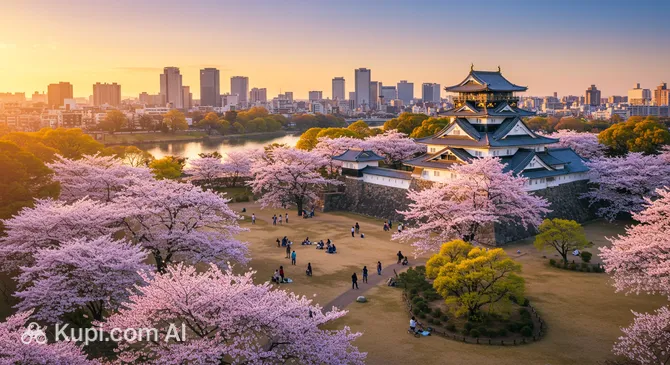
Toyohashi. Illustration.
Source: Kupi.com AI

With a population of approximately 371,507, Toyohashi is one of the significant cities in the Chubu region. It plays an important economic role, largely thanks to the Port of Mikawa—one of the country's leading international ports, known for its high volumes of automobile exports and imports. Convenient transport links, including the Shinkansen high-speed trains, make it easy to reach Toyohashi from Tokyo or Nagoya in about an hour and a half.

Toyohashi attracts travelers with its cultural heritage and natural beauty. Key attractions include the ruins of Yoshida Castle, a reminder of the samurai past, ancient temples, and picturesque streets that preserve the spirit of old Japan. In spring, the city is transformed by cherry blossoms, while summer comes alive with vibrant festivals and traditional hand-held fireworks known as "tezutsu hanabi."

If you are looking for an opportunity to experience authentic Japanese culture, enjoy natural charm, and avoid the hustle and bustle of major tourist centers, Toyohashi will be a pleasant discovery for you. This city offers a unique experience, combining tranquility and authenticity with the comforts of the modern world.

You can find more interesting facts on the history of Toyohashi page.

Weather Overview

The weather in Toyohashi is characterized by noticeable seasonal changes. Summer, especially in July and August, is warm and humid here, with average temperatures around +26-28°C (July: average 26.4°C, August: 27.7°C) and maximum values often exceeding +30°C (for example, up to 30.9°C in August). July stands out with the highest amount of precipitation (about 11 mm), and July and August have the highest number of rainy days (20 and 19 days respectively). Winters, by contrast, are quite cool and dry: the average temperature in January is about +5.2°C, and precipitation is minimal (about 2 mm).

Spring and autumn are transitional seasons with moderate temperatures and changeable weather. March and April bring gradual warming, while October and November are characterized by falling temperatures and fewer rainy days. Overall, expect a warm summer with occasional rain and cool, drier winters. You can find more detailed information about the weather by month on the Toyohashi Climate page.

Average monthly temperature

Average monthly precipitation

Interesting Facts

Beyond its well-known attractions, Toyohashi holds many surprising stories and unique traditions. Ready to learn a few little-known facts about this Japanese city?

Toyohashi City Museum of Art. Illustration.
Source: Kupi.com AI

Traveler photos:

  • The Birthplace of Tezutsu Fireworks: Toyohashi is considered the birthplace of unique tezutsu hand-held fireworks. This tradition, dating back about 450 years, involves participants holding bamboo tubes that spew impressive pillars of sparks, especially during summer festivals like the Honō-no-Saiten.

  • Ancient Name and the Tokaido Road: Before the Edo period, the city was known as Yoshida. It played a strategic role as a prosperous castle town and an important stop on the famous Tokaido road, which connected Kyoto and Edo. Because of this, Toyohashi (then Yoshida) was often depicted in classic Japanese ukiyo-e prints.

  • Rich Art Collection: Within the walls of the Toyohashi City Museum of Art and History, visitors can view a diverse collection of artworks, including pieces by both Japanese and international masters, testifying to the city's cultural significance.

  • Living Ancient Rituals: Despite its modern appearance, Toyohashi carefully preserves and performs ancient rituals. One of the most colorful involves sea monster expulsion rites, which are rooted in ancient times and reflect local beliefs.

How to Get There

When planning a trip to Toyohashi, it is important to note that the city does not have its own airport. However, thanks to Japan's advanced transport network, getting here is easy via neighboring major transport hubs. You can find out more about how to get to Toyohashi using high-speed trains or buses from the nearest airports.

The most convenient option for international travelers is Chubu Centrair International Airport (IATA: NGO). It is located not in Toyohashi, but in Nagoya (Tokoname), approximately 55 km from your destination. This is the region's main air hub, receiving flights from all over the world. The journey from the airport to Toyohashi by Meitetsu train takes about 50–70 minutes, while a taxi or rental car ride takes about 1 hour and 20 minutes.

Another option is Shizuoka Airport (IATA: FSZ), located in Shizuoka City, about 72 km from Toyohashi. This is a regional airport, convenient for some domestic and Asian flights. The journey from here requires a combination of bus and train, taking about 1.5–2 hours. For domestic flights, you could also consider Itami Airport (IATA: ITM) in Osaka. Although it is significantly further away (about 179 km), the excellent rail connection allows you to reach Toyohashi in about 2 hours via the Shinkansen high-speed train.

For convenience, here is a summary of the main airports:

AirportPassenger trafficDistance
Chubu Centrair International Airport12.3 mln55 km
Nagoya Airport735 00069 km
Shizuoka Airport691 27472 km
Matsumoto Airport112 618162 km
Itami Airport14.8 mln179 km

Regarding rail travel, Toyohashi has a huge advantage—the famous Tokaido Shinkansen high-speed line passes through the city. Toyohashi Station is an important transport hub where "Kodama" trains and some "Hikari" trains stop. This makes it possible to get here from Tokyo in just 80–90 minutes, and from Osaka in a little over an hour. Additionally, the city is connected to Nagoya by the Meitetsu line, making the trip from the prefecture's administrative center fast and inexpensive.

Main Attractions

Toyohashi, cozily located in Aichi Prefecture, offers its guests several interesting spots to better understand the culture and history of the region. Among them are both modern centers and traditional shrines.

One of the city's significant cultural sites is the Toyohashi City Museum of Art and History. Here, visitors can explore diverse collections of Japanese and international art, as well as exhibitions dedicated to the region's history and ethnography. The museum regularly hosts temporary exhibitions, making each visit unique and interesting for art enthusiasts.

Toyohashi City Museum of Art. Illustration.
Source: Kupi.com AI

Traveler photos:

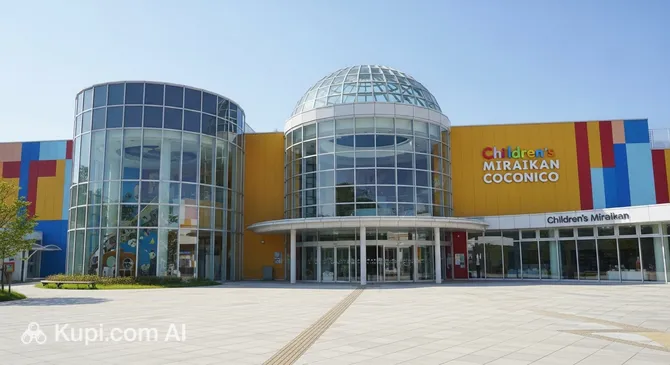
For those traveling with children, we highly recommend visiting Kokonico Children's Miraikan. This is not just a museum, but an entire interactive world designed for young explorers. Many engaging exhibits, play areas, and educational programs are aimed at developing creativity and curiosity in children. It is an excellent place for a family vacation where both children and adults can spend time in a fun and informative way.

Children's Miraikan Coconico. Illustration.
Source: Kupi.com AI

Traveler photos:

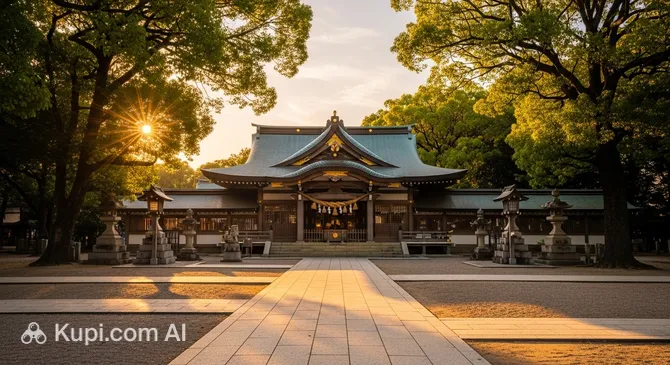
If you are interested in traditional Japanese culture and spirituality, be sure to visit Akumikambe Shrine. This is an ancient Shinto shrine with a rich history, shrouded in an atmosphere of peace and serenity. A walk through its grounds allows you to touch centuries-old traditions, admire the elegant architecture, and enjoy the silence away from the city bustle.

Akumikambe Shrine. Illustration.
Source: Kupi.com AI

Traveler photos:

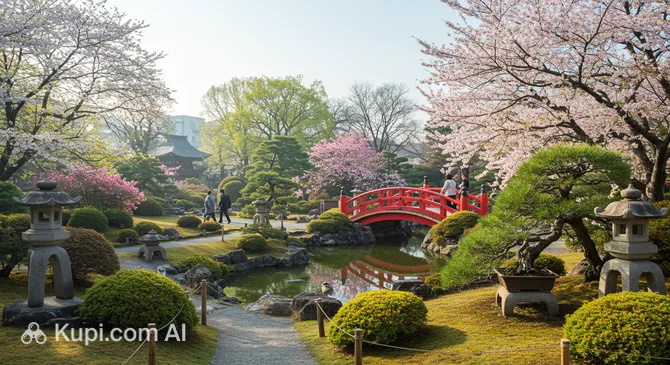
For nature lovers and those who enjoy leisurely strolls, Miyuki Park is an excellent choice. This picturesque city park offers well-maintained paths, beautiful landscape compositions, and places to rest. It is ideal for relaxing, reading a book in the fresh air, or having a small picnic. Depending on the time of year, the park delights visitors with the blooming of various plants, creating a charming atmosphere.

Miyuki Park. Illustration.
Source: Kupi.com AI

Traveler photos:

Local Cuisine

The culinary scene in Toyohashi will delight any gourmet with its variety and emphasis on fresh local products. Thanks to the fertile lands surrounding the city and its proximity to Mikawa Bay, Toyohashi's cuisine is rich in fresh vegetables, juicy fruits, and, of course, seafood. At local markets, you can always find fragrant tomatoes, sweet strawberries, and exotic Japanese melons, as well as fresh fish, oysters, and shrimp.

Be sure to try the city's gastronomic symbol—Toyohashi curry udon. This hearty and aromatic dish consists of thick wheat udon noodles in a thick, spicy curry sauce, often complemented by seasonal vegetables and tender meat. This dish can be found in many restaurants across the city and perfectly reflects the unique taste of the local cuisine.

In addition to curry udon, Toyohashi offers other interesting flavors. Seafood lovers will appreciate dishes made from the fresh catch, as well as seaweed delicacies. Don't miss traditional Japanese sweets like sweet buns with anko (red bean paste), mochi, and daifuku. Street food is also worth your attention: at farmers' markets and food courts, you can snack on fried octopus or mini-omelets with vegetables.

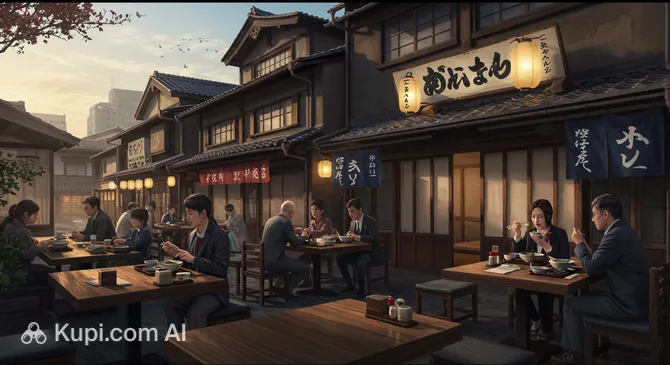
Daigo. Illustration.
Source: Kupi.com AI

Traveler photos:

Among the local drinks, light fruit wines and, of course, traditional sake made according to ancient recipes are worth mentioning. Locals and tourists enjoy food in a variety of establishments, from cozy family-run restaurants to lively food courts. For example, you can visit the Daigo restaurant to sample local specialties. If your trip coincides with one of the city's food festivals, such as a harvest fair or the summer fireworks festival, you can fully experience Toyohashi's hospitality and try many treats from street stalls.

Travel Tips

Welcome to Toyohashi! To ensure your trip to this interesting city in Aichi Prefecture goes smoothly and leaves only pleasant impressions, we have prepared some practical tips. We hope they help you navigate better and enjoy every moment of your stay.

  1. Clothing and Essentials: Toyohashi has a subtropical climate with hot, humid summers and mild winters. In summer, choose light, breathable clothing. In spring and autumn, layering is useful, and in winter, a warm jacket. Comfortable walking shoes are an absolute necessity. Don't forget an adapter for electrical appliances (in Japan, types A and B sockets are used). When visiting temples and shrines, choose modest clothing that covers shoulders and knees.
  2. Local Transport: It's easy to get around Toyohashi using public transport. Local train lines (JR and Meitetsu), buses, and the charming city tram (Toyotetsu Shinaisen), which is an attraction in itself, are at your service. Taxis are available but can be expensive; you can try using apps like JapanTaxi or DiDi if they are active in the region. Car rental can be useful for exploring the Aichi Prefecture outskirts, but it's not necessary for getting around Toyohashi itself.
  3. Finances: The official currency is the Japanese yen (JPY, ¥). You can exchange money at the airport, banks, or post offices. Credit and debit cards are increasingly accepted, especially in large stores, hotels, and tourist spots, but cash is still very important, especially in smaller establishments. ATMs that accept international cards are easy to find at 7-Eleven stores (Seven Bank) and the post office (Japan Post Bank). Tipping is not customary in Japan—good service is already included in the price.
  4. Health and Safety: Pharmacies (薬局 - yakkyoku or "drugstore") are easy to find, and some may have English-speaking staff. If medical assistance is needed, go to a clinic or hospital; having travel insurance will significantly simplify the process. Toyohashi, like most cities in Japan, is a very safe city. Follow standard precautions: keep an eye on your belongings and be aware of your surroundings.
  5. Communication: The main language of communication is Japanese. English is common in tourist areas, hotels, and at major stations, but in general, the level of English proficiency among the population may be low. Learn a few basic phrases: "Konnichiwa" (Hello), "Arigato" (Thank you), "Sumimasen" (Excuse me/Sorry). We strongly recommend renting a pocket Wi-Fi router or buying a tourist SIM card for easy navigation and communication. Useful apps: Google Maps, HyperDia (for train schedules), Google Translate.
  6. Local Etiquette: Greetings are often accompanied by a slight bow (ojigi); the depth of the bow depends on the situation. On public transport and in other public places, try to speak quietly. When entering a Japanese home, some traditional restaurants, temples, and ryokans (traditional inns), it is customary to remove your shoes. Pay attention to chopstick etiquette: do not stick them vertically into rice and do not pass food from chopsticks to another person's chopsticks.
  7. Things to Avoid: Try not to talk loudly on the phone or with each other on public transport or in quiet public places like temples. It is not polite to point at people or objects with one finger—use an open palm instead. As mentioned, do not leave a tip—this may cause confusion.
  8. Toyohashi Special Feature: If your trip falls during the summer months, try to catch the Tezutsu Hanabi fireworks festival—it's a unique spectacle featuring hand-held fireworks for which Toyohashi is famous. Also, don't miss the chance to ride the historic city tram; it adds local color to your visit.

We hope these tips make your trip to Toyohashi as comfortable and memorable as possible. We wish you amazing discoveries and a pleasant journey through this hospitable Japanese city!

Entertainment & Nightlife

When the sun sets over Toyohashi, the city transforms, offering guests various options for evening and night-time relaxation. While Toyohashi may not match the scale of megacities in terms of nightlife, there are definitely places to have a good time after a busy day.

The main concentration of evening entertainment is found in the central part of the city, especially around Toyohashi Station and on the adjacent busy streets. Here you will find many bars, cozy izakayas (traditional Japanese pubs), and restaurants open until late. The atmosphere in most establishments is quite relaxed. As for other types of nightlife, it is worth noting that specialized nightclubs or large concert venues are less common in Toyohashi than in larger cities, though some bars or cafes may offer live music. Traditional night markets are not a characteristic feature of the city, but individual street food vendors may operate in the evening.

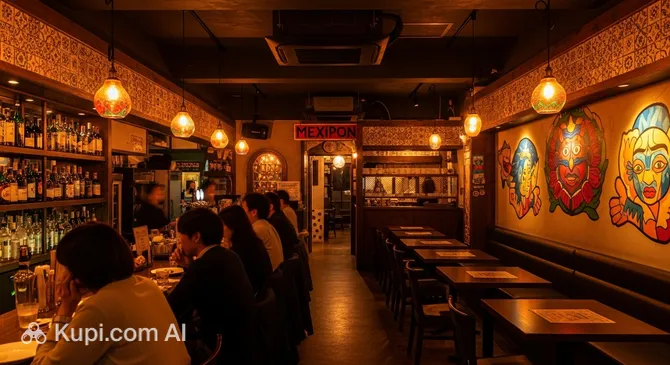
For those looking for a place for an evening cocktail or casual socializing, consider spots like the Mexipon bar. This is a great place to soak up the local atmosphere and try a variety of drinks.

Mexipon. Illustration.
Source: Kupi.com AI

Traveler photos:

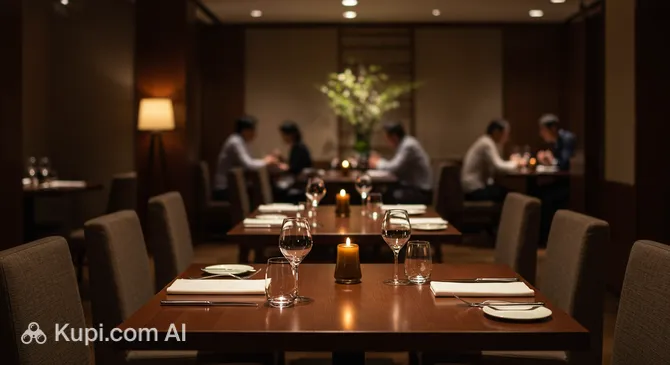
If you prefer a more refined dinner, restaurants like the Restaurant at Arc Riche Hotel or Daigo offer high-quality dishes and a pleasant setting to end your day. Many restaurants specialize in local cuisine, but international options can also be found.

Arc Riche Hotel Restaurant. Illustration.
Source: Kupi.com AI

Traveler photos:

Most bars and restaurants are open until late at night, especially on Fridays and Saturdays. The dress code is generally smart casual, but a more formal style may be appropriate in some higher-end restaurants. Prices vary depending on the establishment, but overall, you can find options for any budget. The best time to visit nightlife spots is after 8:00 PM when the city comes alive.

The most convenient way to get around the city at night is by taxi. They can be found at special stands near the station or called through an app. Central areas of Toyohashi are considered safe for night walks, but you should always take standard precautions, especially in unfamiliar places.

During the day, Toyohashi offers other types of entertainment. You can visit, for example, Kokonico Children's Miraikan, which is great for families, or take a walk through Miyuki Park to enjoy nature and tranquility. You can also round out your cultural program with a visit to the Toyohashi City Museum of Art and History.

Parks & Museums

The city of Toyohashi offers its guests a pleasant combination of well-kept green areas for outdoor relaxation and interesting cultural sites that introduce the history and art of the region. Here, everyone will find something for themselves, whether it's a quiet stroll through a park or an informative museum visit.

Among the city's green oases, Miyuki Park is particularly popular. This picturesque spot is perfect for leisurely walks, picnics, and admiring the seasonal changes in nature—from cherry blossoms in spring to vibrant autumn colors. It serves as an excellent escape from the city hustle. Also worth mentioning is Toyohashi Park (Toyohashi Kōen), an extensive green area housing the historical ruins of Yoshida Castle, making it an attractive place for history and nature buffs.

Miyuki Park. Illustration.
Source: Kupi.com AI

Traveler photos:

To get acquainted with the cultural heritage of Toyohashi, we recommend visiting the Toyohashi City Museum of Art and History. Its collections include works by local masters as well as examples of Japanese and international art, offering food for thought for connoisseurs of beauty.

Toyohashi City Museum of Art. Illustration.
Source: Kupi.com AI

Traveler photos:

Families with children will certainly enjoy Kokonico Children's Miraikan. This modern interactive center is designed to spark curiosity and creativity in children through engaging exhibits and workshops in a playful format.

Children's Miraikan Coconico. Illustration.
Source: Kupi.com AI

Traveler photos:

To deeply immerse yourself in the spirit of traditional Japan, head to Akumikambe Shrine. This ancient Shinto shrine is not only an important religious site but also a beautiful example of Japanese temple architecture. A walk through its peaceful grounds allows you to experience centuries-old traditions.

Akumikambe Shrine. Illustration.
Source: Kupi.com AI

Traveler photos:

If you have some free time, especially if traveling with children, consider visiting Non Hoi Park. This large complex combines a zoo, botanical garden, amusement park, and natural history museum, offering diverse entertainment for the whole day.

For a fuller immersion into the atmosphere of Toyohashi, stop by the local markets—it's a great opportunity to try fresh seasonal products and observe the daily life of the locals. Furthermore, don't pass by small temples and gardens that aren't always listed in guidebooks; it's in such places that you can often find the true charm of the Japanese countryside.

Getting Around

Getting around Toyohashi is quite convenient thanks to a well-developed public transport system. It is primarily based on trams and buses, which will help you reach most places of interest in the city.

The highlight of Toyohashi's transport system is the tram network (市内電車 - Shinaidensha), operated by Toyohashi Railroad (Toyotetsu). This is one of the few remaining tram systems in Japan, and a tram ride is not just a way to get around, but an opportunity to experience the city's history. Trams run along the main streets, connecting the station with various districts and attractions. The routes are quite clear, and the trams themselves have a distinct local charm.

In addition to trams, Toyohashi has an extensive network of buses, also mostly operated by Toyotetsu Bus. Buses cover areas that the tram doesn't reach and provide connections to the suburbs. For longer trips around the region and to other cities, you can use the JR and Meitetsu rail lines, with Toyohashi Station as the main hub.

The fare payment system in Toyohashi is fairly standard for Japan. The most convenient way is to use rechargeable IC cards, such as Toica (the regional JR Central card), Suica, Pasmo, or ICOCA. These cards are accepted on both trams and buses, as well as on JR and Meitetsu trains. The cost of a single tram or bus trip within the city is usually fixed at approximately 180-230 yen. You can also pay in cash directly when exiting the tram or bus (usually, you need to have the exact amount or be ready to get change from a special machine near the driver). For tourists planning to travel a lot by tram, a one-day pass (市内電車1日フリー乗車券 - Shinaidensha Ichinichi Furī Jōshaken) can be beneficial, allowing unlimited trips for one day. Its cost is usually around 500-600 yen. We recommend checking current rates on the official websites of the transport companies or upon arrival in the city, as prices may change.

To use public transport, IC cards can be purchased and topped up at machines at major stations or in some convenience stores. Single-trip tickets (if paying by cash) are usually not bought in advance for trams and buses—payment is made upon exit. When boarding a bus (often through the back door), you need to take a ticket with a zone number (if the fare system is not fixed), and when exiting (through the front door), pay the fare to the driver or tap your IC card on the reader. Trams usually have a similar system. Schedules can be found at stops and on the transport companies' websites. Transport runs regularly from early morning until late evening, but frequency may decrease during evening hours and on weekends.

If public transport doesn't suit you, you can always use taxi services in Toyohashi. Taxi stands are located at the station and in other busy areas of the city, or a car can be called by phone. This is a more expensive but comfortable way to get around. For leisurely strolls and exploring the surroundings, you might consider renting a bicycle—there are rental points in the city, and the relatively flat terrain makes cycling pleasant.

Accommodation

In Toyohashi, you will find a variety of accommodation options suitable for any budget and travel style. The city offers everything from budget hotels and guesthouses to comfortable mid-range hotels catering to business travelers and tourists. Apartment rentals are also available for longer stays or for those who prefer more independence.

The areas near Toyohashi Central Station are traditionally considered the most convenient for tourists. This is the city's main transport hub, providing easy access to major attractions like the Toyohashi City Museum of Art and History or Kokonico Children's Miraikan, as well as other cities in the region. Staying here ensures easy access to numerous shops, restaurants, and entertainment venues. Many hotels of various categories are concentrated in this part of the city, offering convenience and good service.

Miyuki Park. Illustration.
Source: Kupi.com AI

Traveler photos:

When planning a trip to Toyohashi, especially during the peak tourist season or during major local festivals and events, it is recommended to book accommodation in advance. This will help you not only secure the best choice of rooms but also potentially save on costs. The most popular booking methods are international online platforms like Booking.com, Agoda, or Expedia, as well as the hotels' own websites, where you can sometimes find special offers.

The price range for accommodation in Toyohashi is quite wide: from affordable options in hostels and small hotels for budget travelers to mid-level hotels offering comfortable rooms with a wide range of services. While the city does not specialize in luxury resorts, quality business hotels and city hotels offer excellent service and all the necessary amenities for a pleasant stay.

Nearby Cities

For those looking to explore the surrounding area, Toyohashi serves as an excellent starting point for day trips to several interesting nearby locations:

CityPopulationDistance
Toyokawa183 9657 km
Kosai57 68214 km
Tahara59 01516 km
Gamagori79 29217 km
Shinshiro43 62017 km

These nearby destinations offer a glimpse into the diverse culture and landscapes of the region.

Shopping & Souvenirs

Toyohashi offers tourists a variety of shopping opportunities, combining modern shopping complexes with traditional stores and local markets. While the city may not be famous for exclusive items, you will find a wide range of Japanese products here, from fashionable clothing and electronics to unique souvenirs and local delicacies.

Most shopping activity in Toyohashi is concentrated around the railway station. Here you will find large department stores and shopping centers where you can find almost everything: from clothes and cosmetics to household goods and groceries. Stroll through the adjacent streets, and you will discover many small shops, specialized boutiques, and cozy stalls offering local goods. It is also common to find covered shopping arcades (shotengai), where the atmosphere is more traditional and you can find interesting local products and crafts.

One notable shopping complex is "Kalmia," located directly at Toyohashi Station. This is a convenient place for shopping, featuring various brands, restaurants, and souvenir shops. Other smaller shopping centers offering a good selection of goods can also be found in the city.

While Toyohashi may not have huge tourist markets, it is worth paying attention to local food markets where you can buy fresh produce, seafood, and local delicacies. Sometimes fairs or flea markets are held in the city or its surroundings, where you can find unique items and antiques. It's best to check for such events locally.

As souvenirs from Toyohashi, you should bring back traditional Japanese items. Of particular note are "Toyohashi Fude" calligraphy brushes (豊橋筆), which are a famous local craft and highly valued throughout Japan. Another popular local product is chikuwa (ちくわ)—a fish cake roll that can be found in various versions. Also, look out for Aichi region ceramics, local sweets (for example, unagi pie—an eel pie characteristic of the Hamamatsu region but also found in Aichi), green tea, and other Japanese souvenirs.

Most shops in Toyohashi are open from around 10:00 or 11:00 AM until 7:00 or 8:00 PM. Large shopping centers and department stores may stay open longer. Credit cards (Visa, Mastercard, JCB, American Express) are accepted at most large stores. However, cash (Japanese yen) is still widely used, especially in small shops, markets, and some restaurants. Electronic payment systems and IC cards (such as Manaca or TOICA, common in the Chubu region) are also becoming increasingly popular.

For foreign tourists in Japan, a tax refund system (Tax Free) is in place. Look for shops with the "Japan Tax-free Shop" logo. Usually, to process a tax refund, you must make a purchase of a certain amount (most often over 5,000 yen excluding tax) in one store in one day and present your passport. The procedure may differ slightly in different stores, so check the details with the sellers.

Reached the end of the page?

That means the route is fully explored