Support

Kakegawa

About

Kakegawa is a cozy and atmospheric city nestled in the heart of Shizuoka Prefecture, on the picturesque hills between Tokyo and Nagoya. Thanks to its fortunate location on the ancient Tokaido road, which connects the east and west of Japan, Kakegawa has always been an important point on the country's map. Here, the scents of green tea mingle, bamboo groves rustle, and elegant castle towers rise above modern streets.

The city is home to about 114,000 people and retains the charm of a small Japanese town where traditions coexist with modernity. Kakegawa is the administrative center of its district, known for its historical heritage and the special atmosphere of an old post town. It is a pleasant place for walking, enjoying a slow pace of life and the hospitality of the local residents.

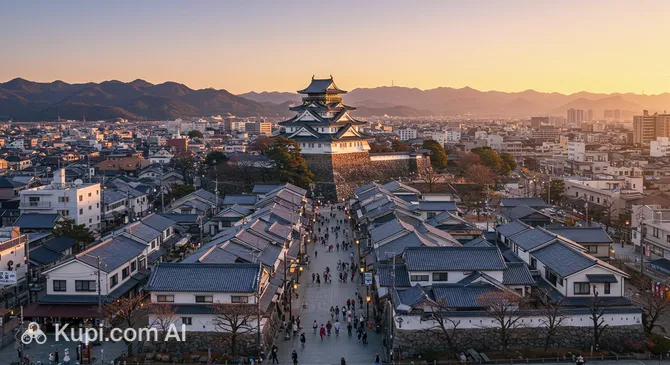
Kakegawa. Illustration.
Source: Kupi.com AI

The city is famous for its beautifully restored castle, cozy teahouses, and scenic gardens. Kakegawa exudes an atmosphere of peace and harmony, where you can take a break from the urban bustle, immerse yourself in the country's past, and feel its true spirit. It is an ideal destination for those seeking authentic experiences and wanting to get acquainted with real Japanese culture.

You can find more interesting facts on the history of Kakegawa page.

Weather Overview

The weather in Kakegawa is characterized by clearly defined seasons. Summer, especially from June to August, is warm and quite humid. The average temperature in August reaches 27.0°C, with maximum values around 30.0°C. Significant rainfall also occurs during the summer months: for example, up to 12 mm in June and July, with the number of rainy days reaching 18-22. Winters, from December to February, in Kakegawa are cool and relatively dry. The average January temperature is about 5.3°C, and the minimum can drop to 1.8°C. Precipitation in the winter period is minimal, around 2 mm per month.

Thus, Kakegawa typically experiences a warm summer with periodic rains and cool, drier winters. Spring and autumn are transitional seasons with moderate temperatures and rainfall. To get a more detailed idea of the weather conditions for each month, you can study the Kakegawa Climate page.

Average monthly temperature

Average monthly precipitation

Interesting Facts

Beyond its famous attractions, Kakegawa hides many amazing stories and little-known details that can reveal this charming city in Shizuoka Prefecture in a new light.

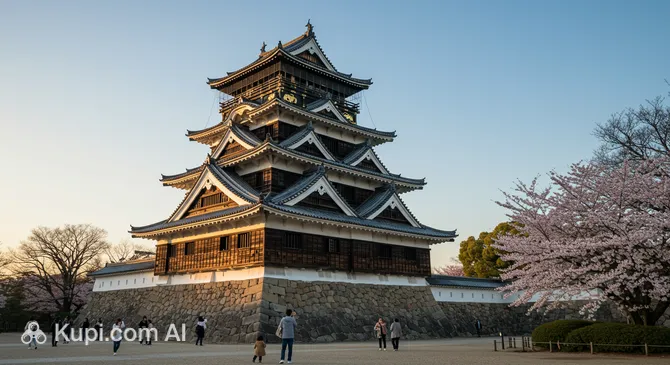
Kakegawa Castle. Illustration.
Source: Kupi.com AI

Traveler photos:

  • The famous Kakegawa Castle, often called the "jewel of the Tokai region," is unique because its main tower (tenshukaku) was completely restored in 1994 using exclusively wood rather than concrete, as seen in many other Japanese castles. It was rebuilt according to original 16th-century blueprints and techniques, making it one of the few castles in the country recreated with such historical authenticity.

  • In the past, Kakegawa played a key role as an important post town (shukuba) on the legendary Tokaido road, which connected Edo (modern-day Tokyo) and Kyoto. It hosted not only ordinary travelers and merchants but also powerful daimyo lords and their entourages. At various times, the castle was held by prominent historical figures such as Asahina Yasuhiro and Yamanouchi Kazutoyo, the latter of whom played a significant role in the unification of Japan.

  • In addition to the main castle, the ruins of two other significant medieval fortresses—Takatenjin Castle and Yokosuka Castle—can be found in the vicinity of Kakegawa. These sites, steeped in legends of samurai battles, attract history and archaeology enthusiasts by offering a glimpse into lesser-known chapters of the Japanese past.

  • Kakegawa takes pride in its rich cultural heritage, which extends beyond its castles. The city is known as the birthplace of outstanding tea ceremony masters and traditional crafts. Additionally, it houses the Ninomaru Art Museum, which hosts exhibitions of both classical and contemporary art, demonstrating a living connection between different eras.

How to Get There

Kakegawa boasts excellent transport accessibility, making travel here comfortable from any part of the country. The city is located on the "Golden Route" between Tokyo and Osaka, so you can reach it by air or by rail. You can discover all the ways to reach the city by studying our detailed guide, and below we cover the most popular options.

If you prefer flying, the nearest hub is Shizuoka Airport (FSZ). There is no airport in the city of Kakegawa itself, but this regional airport is located in Shizuoka City, just 17 km from the center of Kakegawa. This is the most convenient option for domestic flights. The journey by taxi or bus takes about 45 minutes. Although the passenger traffic here is relatively small, the airport offers comfortable conditions and fast service.

For international travelers, Chubu Centrair International Airport (NGO) is an excellent choice. It is located in Nagoya, approximately 110 km from Kakegawa. This is a major transport hub with high passenger traffic, receiving flights from all over the world. The journey by road takes about 3 hours, but many tourists prefer to travel from here via high-speed trains.

Many tourists also choose to fly into the capital's Haneda Airport (HND) in Tokyo. It is 184 km away from Kakegawa. This is one of the busiest airports in the world with a vast selection of flights. The drive takes about 5 hours, but thanks to the developed Shinkansen network, you can reach Kakegawa from Tokyo much faster by rail.

For clarity, here is summary information on the main airports:

AirportPassenger trafficDistance
Shizuoka Airport691 27417 km
Chubu Centrair International Airport12.3 mln110 km
Nagoya Airport735 000112 km
Matsumoto Airport112 618155 km
Haneda Airport85.7 mln184 km

The railway is perhaps the most popular and convenient way to get to Kakegawa. The city is served by Kakegawa Station, which is an important stop on the famous Tokaido Shinkansen line. "Kodama" bullet trains regularly arrive here from Tokyo, Nagoya, and Osaka, allowing you to reach the city quickly and comfortably. Additionally, the Tokaido Main Line for regular trains and the scenic local Tenryu Hamanako Line also pass through the station.

Main Attractions

Kakegawa, a cozy city in Shizuoka Prefecture, offers its guests several interesting places worth visiting. Among them are historical monuments, picturesque parks, and cultural sites that allow for a deeper understanding of Japan's rich heritage and modern life.

One of the city's main gems is Kakegawa Castle. This beautifully restored historical castle allows visitors to travel back to the samurai era. You can explore its interior, view exhibitions detailing the history of the castle and the region, and enjoy a magnificent panoramic view of the city from the main tower. Kakegawa Castle is not only an architectural monument but also a symbol of the city, attracting history buffs and lovers of Japanese culture.

Kakegawa Castle. Illustration.
Source: Kupi.com AI

Traveler photos:

Another must-visit location is Kakegawa Kachoen. This unique flower and bird park offers an unforgettable experience for the whole family. Here, you can not only admire vibrant floral arrangements and exotic plants but also interact with various bird species, including owls, toucans, and even penguins. Interactive shows and the opportunity to feed some of the feathered inhabitants make a visit to Kakegawa Kachoen particularly engaging.

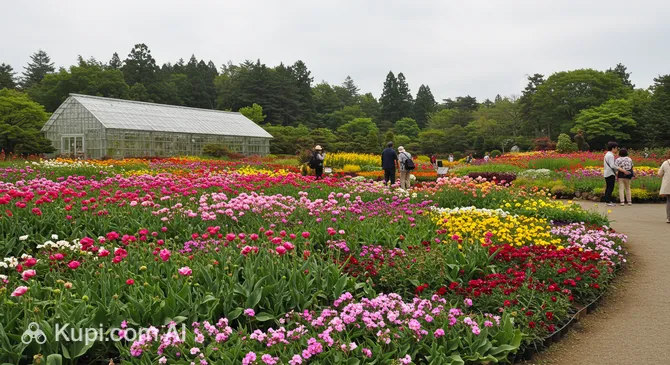
Kakegawa Kachoen. Illustration.
Source: Kupi.com AI

Traveler photos:

For those seeking tranquility and wanting to touch the spiritual side of Japan, Tatsuo Shrine is worth a visit. This quiet and peaceful Shinto shrine is an important cultural site. A walk through its grounds, surrounded by greenery, will allow you to enjoy beautiful traditional architecture and an atmosphere of harmony. Tatsuo Shrine is a wonderful place for reflection and learning about local religious traditions.

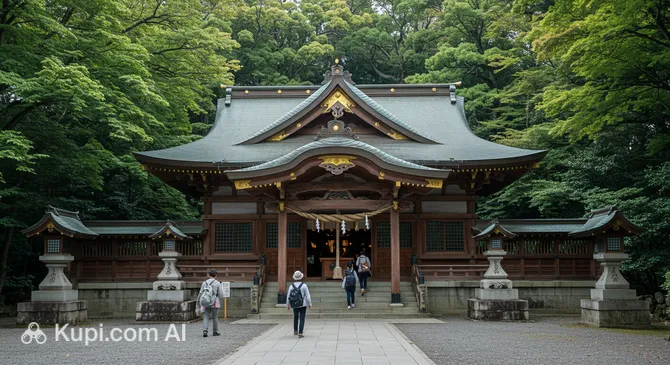
Tatsuo Shrine. Illustration.
Source: Kupi.com AI

Traveler photos:

Local Cuisine

The gastronomic scene in Kakegawa is inextricably linked to its location in the heart of Shizuoka Prefecture, famous for its tea plantations. Therefore, the first thing to try in Kakegawa is, of course, local green tea. Be sure to taste the rich matcha, as well as various desserts and sweets based on it: from ice cream and cakes to jellies and even noodles with tea powder. These unique treats reflect the region's deep respect for tea culture.

Among traditional dishes, "unagi" (freshwater eel) holds a special place, masterfully grilled and served over rice. This is a true delicacy that local restaurants offer in both classic versions and with signature touches. Also, pay attention to dishes prepared from the freshest seasonal vegetables and seafood, which are abundantly available thanks to the proximity to the coast and fertile lands. They are often steamed, preserving the natural taste and nutritional value of the ingredients.

Dining culture in Kakegawa is diverse. Locals and tourists can enjoy exquisite dishes in numerous restaurants, for example, by visiting one of the Sawayaka establishments, known for their steaks. For a more informal introduction to local cuisine, head to the farmers' markets. Here you can find not only seasonal vegetables and fresh seafood but also popular street food such as takoyaki (octopus balls) and yakisoba (fried noodles), as well as traditional Japanese "wagashi" sweets.

Kakegawa is a true paradise for foodies. The city regularly hosts gastronomic festivals where you can get acquainted with the region's best dishes and dive deeper into culinary traditions. Lovers of authentic Japanese cuisine will find many opportunities here for exciting gastronomic discoveries, from refined tea ceremonies to tasting the freshest gifts of the sea and land.

Travel Tips

Welcome to Kakegawa! To ensure your journey to this charming corner of Japan goes smoothly and leaves only pleasant impressions, we have prepared some practical tips for you.

  1. Seasonal Clothing and Essentials:

    The climate in Kakegawa, like all of Japan, has clearly defined seasons. In summer (June-August), it is hot and humid, so bring light, breathable clothing. In winter (December-February), it can be cool; don't forget a warm jacket, sweater, and hat. Spring and autumn are the most comfortable times; dress in layers. Comfortable shoes are your main companion, as you will be walking a lot. Don't forget a universal adapter (Japan uses Type A and B sockets) and a portable charger. When visiting temples and some traditional establishments, be prepared to remove your shoes; for temples, modest clothing covering shoulders and knees is also desirable out of respect for local traditions.

  2. Transportation Nuances:

    Kakegawa is a city where it is convenient to use public transport. The Tokaido Shinkansen high-speed line passes through Kakegawa Station, making the city easily accessible from other major centers in Japan. Use local trains and buses to move around the city and its surroundings. If you plan to travel extensively around the country, consider buying a Japan Rail Pass. Taxis are available but can be expensive, especially for long distances; apps like JapanTaxi or Go are available. Car rental is possible (an international driving permit is required), but take into account left-hand traffic and possible parking difficulties; public transport often turns out to be a more practical choice.

  3. Financial Matters:

    The official currency is the Japanese yen (JPY, ¥). We recommend exchanging some cash in advance or upon arrival at major airports. In Kakegawa, you can exchange currency at banks or post offices, but their working hours may be limited. Credit and debit cards are being accepted more widely, especially in hotels, department stores, and tourist areas, however, cash still plays an important role, especially in small shops, local restaurants, and for entry fees. International cards usually work at 7-Eleven and Japan Post Bank ATMs. Regarding the budget, aim for 7,000-15,000 yen per person per day for a comfortable stay, including food, transport, and entry tickets; this amount can vary depending on your preferences. Tipping in Japan is not expected and may be misunderstood; excellent service is already included in the price.

  4. Health and Safety:

    Japan, and Kakegawa in particular, is a very safe country with a low crime rate. Nevertheless, always follow standard precautions. Pharmacies (薬, kusuri) sell over-the-counter medicines, but the pharmacist may not always speak English. 24-hour pharmacies are rare outside of major cities. If medical assistance is needed, contact clinics or hospitals; for emergencies, call 119. It is highly recommended to take out travel insurance before your trip.

  5. Language and Connectivity:

    The official language is Japanese. In tourist areas of Kakegawa, such as the castle or major hotels, staff may speak English, but overall English proficiency can be limited. Learn a few basic phrases: "konnichiwa" (hello), "arigato" (thankly), "sumimasen" (excuse me). For connectivity, we recommend renting a pocket Wi-Fi router or purchasing a travel SIM card—this can be done at the airport or ordered online. Free Wi-Fi is available in some hotels, cafes, and at stations. Useful apps: Google Maps for navigation and transport schedules (including trains), and apps like Jorudan or Navitime for planning train routes. Don't forget Google Translate as well.

  6. Local Etiquette:

    Japanese people highly value politeness. A slight bow (ojigi) is a common greeting. In public places, especially on transport, try to speak quietly and avoid loud phone conversations. It is not common to eat or drink while walking unless in designated areas. Important point: remove your shoes before entering Japanese homes, some temples, and traditional restaurants (ryokans)—guest slippers will usually be provided for you.

  7. What to Avoid:

    Do not stick your chopsticks vertically into a bowl of rice—this is associated with funeral rituals. Also, try not to blow your nose loudly in public; if necessary, it's better to step away to a restroom. Pointing at people with a finger is considered impolite—use an open palm if you need to point at something.

  8. Feature of Kakegawa:

    Kakegawa is famous for its majestic castle and the production of high-quality green tea. Be sure to set aside time to visit Kakegawa Castle, which is the city's symbol. Also, if the opportunity arises, visit a tea plantation or one of the traditional tea houses to enjoy the taste of real local tea. Check in advance for possible festivals—Kakegawa often hosts interesting events related to the castle's history and local traditions, and your trip might coincide with one of them, adding unforgettable impressions.

We hope these tips help you better prepare for your trip and fully enjoy your stay in Kakegawa—a city where history harmoniously blends with the peaceful beauty of Japanese nature. Have a great trip!

Entertainment & Nightlife

Evening Kakegawa offers its guests a cozy and calm atmosphere, distinct from the noisy nightlife of megacities. You won't find massive night clubs operating until dawn here, but you can enjoy a pleasant time in traditional Japanese establishments, savoring delicious food and drinks in the company of friends or locals.

The main concentration of evening entertainment is found around Kakegawa Railway Station. Here, you can discover various izakayas (Japanese pubs), small bars, and restaurants offering both local and international cuisine. While Kakegawa is not famous for dedicated nightlife districts, a stroll along the central streets in the evening will reveal interesting places to relax.

The atmosphere in local establishments is usually very welcoming and relaxed. The crowd is mixed—ranging from locals unwinding after a workday to tourists exploring the city. Most bars and restaurants stay open until late evening, usually until 22:00-23:00, while some izakayas may remain open until midnight, especially on weekends. There is generally no specific dress code; neat casual style is appreciated.

Among the popular dinner spots that can serve as a great start to the evening are the "Sawayaka" chain restaurants. For instance, you can visit Sawayaka or Sawayaka Kakegawa, known for their meat dishes, particularly the 100% beef hamburgers prepared right in front of you. These establishments are very popular, so you might need to wait a bit for a table in the evening.

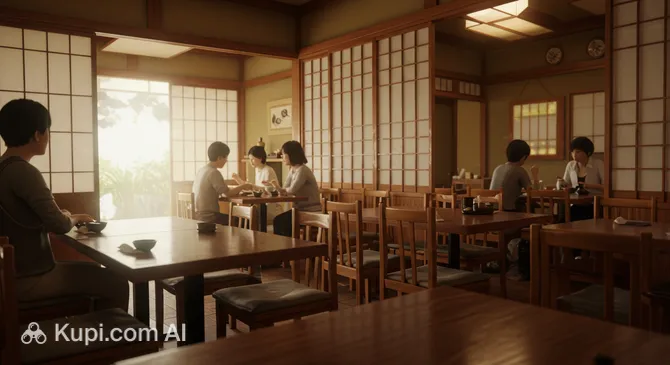
Sawayaka. Illustration.
Source: Kupi.com AI

Traveler photos:

The best time to visit evening establishments is after 19:00. Prices in Kakegawa's restaurants and bars are generally moderate, especially compared to Japan's major cities. Getting around the city at night is most convenient by taxi, which can be found at the station or called by phone. Kakegawa is considered a safe city, and night walks along the well-lit central streets usually do not cause concern; however, it is always wise to follow standard precautions.

During the day, Kakegawa also offers plenty of interest. History enthusiasts can visit the majestic Kakegawa Castle, one of the few wooden castles in Japan restored to its original form. For lovers of nature and beauty, the Kakegawa Kachoen flower and bird park is open, where you can see many species of owls and other birds, as well as enjoy blooming plants. The city also features small museums and temples, such as Tatsuo Shrine, which will complement your cultural itinerary.

Parks & Museums

Kakegawa invites its guests to immerse themselves in an atmosphere where peaceful green oases and rich cultural heritage are harmoniously combined. The city offers various opportunities for outdoor recreation and exploring the history and art of the Shizuoka region.

One of the most charming places for nature lovers in Kakegawa is Kakegawa Kachoen. This theme park dedicated to flowers and birds allows visitors not only to admire lush floral arrangements but also to come into direct contact with various bird species, including owls and parrots. It is a wonderful place for family vacations and creating vivid photos.

Another significant green oasis is Kakegawa Castle Park (Kakegawajō Kōen), picturesquely spread around the historical citadel. This is a lovely spot for leisurely strolls, admiring the castle from different angles, and relaxing in the shade of the trees. The park often becomes a venue for local festivals and events, adding bright colors to the city's cultural life. For those seeking more solitude with nature, Kakegawa and its surroundings also feature charming small gardens and peaceful walking trails along rivers.

The centerpiece of Kakegawa's historical heritage is the majestic Kakegawa Castle. This is one of the first post-war wooden castle reconstructions in Japan, completed using traditional methods. After climbing to its main tower, you can enjoy a panoramic view of the city. Inside the castle, there are often exhibitions about its history and samurai culture. Next to the castle is the Kakegawa Ninomaru Museum, where artworks related to the history of the city and the region are presented.

For those interested in Japan's spiritual culture, Tatsuo Shrine is worth a visit. This peaceful place with an ancient history is where you can feel tranquility and touch local traditions. The shrine is dedicated to a deity who, according to legends, protects the area and attracts pilgrims with its special atmosphere.

Another interesting cultural site is the Kakegawa Stained Glass Museum. It features a collection of beautiful stained glass windows that create a unique interplay of light and color, making it attractive for art lovers.

To dive deeper into the atmosphere of Kakegawa, try walking through the city's old streets, which have preserved the charm of past eras. Also, given Kakegawa's location in Shizuoka Prefecture, known for its tea plantations, do not miss the opportunity to visit one of the local tea farms or taste authentic Japanese tea—this will be an unforgettable authentic experience.

Getting Around

Getting around Kakegawa is quite convenient thanks to a developed public transport system, the core of which is buses and trains. The city is served by railway lines, including a station where high-speed Shinkansen trains stop, facilitating both movement within the city and trips to neighboring regions. Bus routes cover most of the city and its surroundings, linking residential areas with attractions and transport hubs.

To pay for public transport in Kakegawa, you can use either single tickets or rechargeable smart cards (IC cards), such as Suica or Pasmo, which are widely used in Japan and accepted on many lines. Single tickets are purchased from machines at stations or directly from the bus driver (it is advisable to have small change). The cost of a single bus or train trip within the city usually varies and starts at about 150-200 yen, increasing depending on the distance. You can top up an IC card at machines at railway stations or in some convenience stores (konbini). In addition to physical IC cards, there are mobile counterparts (e.g., Mobile Suica or Mobile PASMO) that can be added to a smartphone if it supports the technology. For route planning and checking schedules, it is convenient to use popular mobile apps such as Japan Travel by Navitime, Jorudan, or Google Maps, which also help with trip costs.

Tourists are recommended to purchase an IC card for convenience and to save time—this eliminates the need to buy a ticket for every trip. Cards are tapped against the validator at the entrance and exit of railway stations, and on buses at the entrance and/or exit, depending on the specific route's payment system. Public transport usually operates from early morning until late evening, but it's best to check the schedule in advance, especially for last runs. Information about routes and schedules can often be found at stations, online, or using the mentioned mobile apps.

As an alternative to public transport in Kakegawa, taxis are always available. They can be found at stands near railway stations or called by phone. For short trips around the city center or for exploring the surroundings, you might consider renting a bicycle—this is a popular and pleasant way to get around, especially in good weather. Bike rentals can be found near stations or tourist information centers.

Accommodation

When planning a trip to Kakegawa, you will find a variety of accommodation options to suit different preferences and budgets. The city offers traditional Japanese inns (ryokans), where you can immerse yourself in the local culture, as well as modern Western-style hotels. More budget-friendly options such as guesthouses are also available, and in some cases, apartments for short-term rent, though the selection may be more limited compared to large metropolises.

For tourists, the most convenient areas to stay are usually those located near Kakegawa Railway Station. This provides easy access to transport for traveling around the city and its surroundings, as well as to various cafes and shops. It is also worth considering options near major attractions, such as near the famous Kakegawa Castle, to be in the center of the city's cultural life.

The price range for accommodation in Kakegawa varies from affordable options to mid-range hotels and more comfortable offerings in ryokans. There are likely few world-class luxury resorts here; the main focus is on quality, cozy accommodation, often with an emphasis on local flavor. Booking accommodation is most convenient through popular international online platforms or directly on hotel websites. Some traditional ryokans may also be available for booking through specialized Japanese travel services.

Important tip: If your trip to Kakegawa falls during peak tourist seasons in Japan, such as cherry blossom time (spring) or the red maple season (autumn), as well as during national holidays, it is recommended to book your accommodation in advance. This will help you secure the best choice and more favorable prices, as popular options can sell out quickly.

Nearby Cities

For those looking to explore the surrounding area, Kakegawa serves as an excellent starting point for day trips to several interesting nearby locations:

CityPopulationDistance
Fukuroi86 8517 km
Kikugawa47 1948 km
Iwata165 68815 km
Shimada95 19818 km
Omaezaki30 56219 km

These nearby destinations allow for a more complete understanding of the region's diverse culture and landscapes. Each trip will provide new impressions and discoveries, complementing your journey through Japan.

Shopping & Souvenirs

Shopping in Kakegawa offers a pleasant mix of traditional Japanese goods and modern conveniences. The city, known for its tea and historical heritage, provides tourists with the opportunity to purchase unique souvenirs and local delicacies. While Kakegawa is not a major metropolis with massive shopping districts, you can find everything necessary and interesting for memorable purchases here.

The main shopping opportunities are concentrated around Kakegawa Station and near major attractions such as Kakegawa Castle. In these areas, you will find small shops, souvenir stalls, and specialty boutiques offering local products. Strolling through the city streets will allow you to discover cozy shops with handmade items and traditional sweets.

In Kakegawa, as in many Japanese cities of this size, there may be small shopping centers or department stores offering clothing, household goods, and food. They are usually located near transport hubs. Large mega-malls characteristic of big cities are unlikely to be found here, but local outlets will offer an authentic experience.

Although Kakegawa is not famous for large markets, you may come across small farmers' markets selling fresh local produce, including the famous tea from Shizuoka Prefecture. It is also worth paying attention to seasonal fairs or festivals, during which market rows with local goods and souvenirs are often organized.

The main souvenir from Kakegawa is undoubtedly green tea. Shizuoka Prefecture is one of the largest tea producers in Japan, and here you will find many varieties, including the deep-steamed "fukamushi-cha" tea for which Kakegawa is famous. Also popular are tea-based sweets, ceramics, and items related to the history of Kakegawa Castle. In souvenir shops at attractions such as Kakegawa Kachoen or Tatsuo Shrine, you can also find interesting themed souvenirs.

Most shops in Kakegawa operate from approximately 10:00-11:00 to 19:00-20:00. Small family-owned shops may have their own schedules. Both cash (Japanese yen) and credit cards are accepted, especially in larger stores and tourist spots. However, it is always useful to have some cash on hand for small purchases or at markets.

For foreign tourists in Japan, a Tax-Free system is available. Look for the corresponding signs in shops. When purchasing goods for a certain amount (usually over 5,000 yen excluding consumption tax) in one store within a single day, you can apply for a tax refund. You will need your passport for this. Check the conditions directly in the shops.
Reached the end of the page?

That means the route is fully explored