Support

Shimada

About

Shimada is a cozy city nestled on Honshu Island in Shizuoka Prefecture, in the heart of Japan. It is surrounded by picturesque hills and famous green tea plantations, with the Oi River flowing slowly through the city, giving the area a special atmosphere of peace and harmony with nature. Shimada covers an area of about 316 square kilometers, with a population of approximately 95,198, creating a sense of spaciousness for a quiet life that still retains urban dynamics.
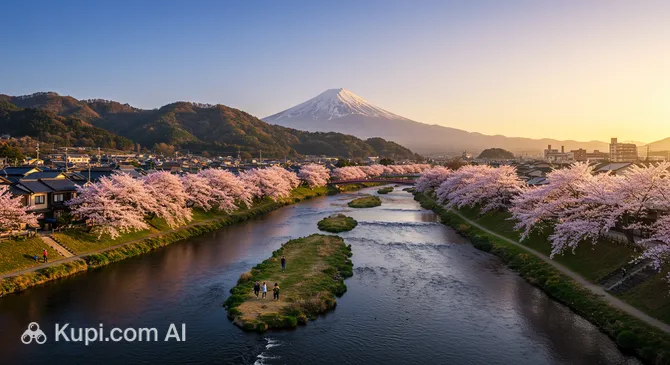
Shimada. Illustration.
Source: Kupi.com AI

The city has an important administrative status in the Chubu region and is famous for its hospitality, clean streets, and relaxed pace of life, where historical heritage is harmoniously intertwined with modernity. The atmosphere of Shimada is a unique blend of the coziness of provincial Japanese life and a rich past. Here you will find old quarters, visit authentic tea houses, and see impressive historic bridges, such as the famous wooden Horai Bridge, which transports you to another era.

Shimada is an excellent choice for those seeking a break from the bustle of megacities, a chance to dive deeper into Japanese traditions and enjoy natural beauty. This city will undoubtedly charm history lovers, tea connoisseurs, and everyone striving to feel the true spirit of the Land of the Rising Sun.

You can find more interesting facts on the history of Shimada page.

Weather Overview

The weather in Shimada is characterized by a distinct change of seasons. Summer here is warm and humid: the average temperature in July and August is about 25-26°C, with maximums reaching nearly 30°C. These months also see the highest number of rainy days—up to 22 per month. Winters in Shimada are cool and significantly drier, with an average January temperature of about 5.2°C and minimal precipitation (around 2 mm).

Spring and autumn offer pleasant transition periods with moderate temperatures and rainfall. In general, when planning a trip, expect a warm summer with occasional rain and cool, relatively dry winters. For more detailed information on weather conditions by month, please visit the Shimada's climate page.

Average monthly temperature

Average monthly precipitation

Interesting Facts

In addition to its picturesque landscapes and historical roots, Shimada hides many surprising details and stories that make this city truly special. Here are just a few interesting facts to help you look at it from a new perspective:

  • Shimada is home to the Horai Bridge, which is not only the longest wooden pedestrian bridge in the world (a total of 897 meters!), as listed in the Guinness World Records, but also, according to local belief, a place where wishes come true if you cross it entirely.

  • Every year, Shimada comes alive with the spirit of the past during a unique festival dedicated to crossing the Oi River. Residents in authentic Edo-period costumes recreate historical scenes, immersing spectators in the atmosphere of the old Tokaido road, of which the city was once an important station.

  • One of the most charming ways to see the surroundings of Shimada is a ride on a real steam train of the Oigawa Railway. The route passes through picturesque valleys and past emerald tea plantations, offering a journey not just through space, but through time.

  • While Shimada is known for its historical landmarks, the city is also the birthplace and creative home for many tea ceremony masters and artists. Their works can be seen at exhibitions in local cultural centers, revealing another facet of the city's rich heritage.

How to Get There

When planning a trip to this picturesque corner of Shizuoka Prefecture, it is worth considering various routes in advance. The city has good transport accessibility thanks to its proximity to several airports and a developed railway network. You can find out all the ways to get to the city by studying our detailed guide, and below we look at the main arrival options.

The closest and most convenient option is Shizuoka Airport (IATA: FSZ). It is located in the immediate vicinity—just 4.4 km from the center of Shimada. This is a small but modern regional hub that accepts both domestic and some international flights. A taxi or bus ride from the terminal to the city will take very little time, approximately 15–20 minutes, making it an ideal choice for saving time.

For those arriving from afar or on international flights, a great alternative is Chubu Centrair International Airport (IATA: NGO), located in Nagoya. It is approximately 125 km from Shimada. This is a major hub with high passenger traffic. The journey by car or bus from Nagoya takes about 3.5 hours; however, tourists often combine this route with the use of high-speed trains.

Another popular option, especially for those combining a trip with a visit to the capital, is Haneda Airport (IATA: HND) in Tokyo. The distance to Shimada is about 166 km. This is one of the world's largest airports with huge passenger flow. The journey by ground transport (taxi or bus) can take more than 4 hours, so many travelers prefer to transfer here to the Shinkansen bullet train heading towards Shizuoka.

For convenience, here is summary information on the main airports:

AirportPassenger trafficDistance
Shizuoka Airport691 2744 km
Nagoya Airport735 000123 km
Chubu Centrair International Airport12.3 mln125 km
Matsumoto Airport112 618149 km
Haneda Airport85.7 mln166 km

Regarding rail connections, Shimada is conveniently located on the JR Tokaido Main Line. Although there is no Shinkansen high-speed train station in the city itself, getting here is very easy. Tourists usually take the Shinkansen to the neighboring Shizuoka or Kakegawa stations and then transfer to a local train that will take them directly to Shimada Station in 15–30 minutes. The railway is perhaps the most punctual and scenic way to get to the city, enjoying views of tea plantations and the coast along the way.

Additionally, Shimada can be reached by car via the Tomei Expressway, which connects Tokyo and Nagoya. The city has its own exit from the highway (Shimada-Kanaya Interchange), making a trip by rental car or intercity bus very comfortable.

Main Attractions

Shimada, a city with a rich history in Shizuoka Prefecture, offers its guests several remarkable places that can make any trip unforgettable. Located on the banks of the Oi River, the city is famous not only for its landscapes but also for its cultural heritage.

One of the most famous attractions is Hōrai Bridge. This wooden pedestrian bridge crossing the Oi River is recognized as one of the longest in the world and is listed in the Guinness World Records. Built in 1879, it still serves local residents and attracts tourists with its authenticity and the views it offers. A walk across the bridge is an opportunity to feel the connection between eras and enjoy the tranquility of nature.

Fans of machinery and scenic routes should definitely pay attention to the Oigawa Railway. This is one of the few railways in Japan where steam locomotives are still regularly used. A journey on such a train along the Oi River, past tea plantations and through tunnels, will provide plenty of impressions for both adults and children. Themed trips, such as those featuring Thomas the Tank Engine, are particularly popular.

For those interested in the history and culture of the region, a visit to the Shimada City Museum is recommended. The museum's exhibits tell the story of the city's past, its connection to the Oi River—which played a key role in the Edo period's transportation system—as well as local traditions and crafts. Here you can see historical documents, everyday items, and works of art.

Another charming spot in Shimada is the Shimada City Bara no Oka Park (Rose Hill Park). More than 360 varieties of roses from all over the world grow on its grounds, turning the park into a fragrant oasis, especially during the blooming periods in spring and autumn. It is a wonderful place for leisurely walks, relaxation, and photo sessions amidst floral splendor.

Local Cuisine

Shimada is a true gastronomic paradise for connoisseurs of Japanese cuisine, where a special place is held by tea traditions and dishes made from the freshest local products. Immersion in the culinary world of the city promises vivid taste impressions and an introduction to a unique culture.

The main pride of Shimada is certainly its famous green tea. Local tea plantations are considered some of the best in Japan, and the drink itself is distinguished by its rich taste and delicate aroma. You can try freshly brewed tea everywhere, and numerous tea houses and specialized shops invite you to delve deeper into its history and cultivation traditions. There is even a Tea Museum in the city where you can learn all the intricacies of this art. Tea here is not just a drink, but an important part of cultural identity.

Another iconic dish that you should definitely try in Shimada is unagi, freshwater eel caught in the Oi River. It is prepared according to old recipes: the fish is skillfully grilled over charcoal, generously glazed with a special sweet sauce, and served with rice. The dish is especially popular in summer, as it is believed that unagi provides strength and energy. You can also find appetizing fresh seafood sandwiches at street markets and local shops.

For those with a sweet tooth, Shimada offers original desserts. Mochi (rice cakes) filled with sweet azuki bean paste are especially popular, often with the addition of matcha tea powder, which gives them a unique local flavor. You should also pay attention to various tea-based desserts, which are a signature of the region. Besides restaurants and cafes, many of these delicacies, as well as fresh seasonal vegetables and fruits, can be found at busy street markets.

Food culture in Shimada is closely linked to tradition and hospitality. Locals and tourists enjoy meals in cozy restaurants specializing in unagi or other Japanese dishes, as well as in small family-run establishments. The city regularly hosts gastronomic festivals where you can taste the full variety of local culinary delights and participate in masterclasses. Fresh tea tastings are a separate event that brings people together and allows them to touch the soul of Shimada.

Travel Tips

Welcome to the charming city of Shimada! To make your journey through this corner of Japan as comfortable and pleasant as possible, we have prepared some practical tips. They will help you navigate better and enjoy every moment of your stay.

  1. Clothing and essentials: The climate in Shimada is temperate, with four distinct seasons. In summer (June-August), choose light, breathable clothing, and don't forget sunscreen and a hat. In spring and autumn, layered clothing and a light jacket will come in handy. In winter (December-February), dress warmer: a coat, sweater, hat, and gloves. Comfortable shoes are your main companion, as you will be walking a lot. For electrical appliances, you will need an adapter (Type A and B sockets are used in Japan, voltage 100V). When visiting temples and shrines, be prepared to remove your shoes and choose modest clothing that covers shoulders and knees.
  2. Transportation in the city: It is convenient to get around Shimada by local buses. The JR Tokaido railway line passes through the city, so getting to Shimada and neighboring cities by train is easy. Taxis are available, especially near the station. Renting a car can be useful if you plan to explore the surroundings of Shizuoka Prefecture, but it's not always necessary for moving within the city itself. Remember that traffic in Japan is on the left.
  3. Finances: The local currency is the Japanese Yen (JPY, ¥). You can exchange money at banks or post offices. Credit cards (Visa, Mastercard) are accepted in many hotels, large shops, and restaurants, but it's always useful to have some cash on hand, especially for small establishments and markets. ATMs that accept international cards are usually found at post offices (Japan Post Bank) and 7-Eleven convenience stores. Tipping is not customary in Japan, as good service is already included in the price.
  4. Health and Safety: Japan is a very safe country, and Shimada is no exception. Pharmacies (薬局 - yakkyoku or ドラッグストア - doraggusutoa) are easy to find, but not all are open 24/7. In case of need for medical assistance, contact local clinics or hospitals; dial 119 for an ambulance. It is highly recommended to have travel insurance. Follow standard precautions: watch your belongings and stay informed about earthquake procedures.
  5. Communication: The primary language is Japanese. English proficiency may be limited, especially outside of major tourist centers. Learn a few basic phrases: "Konnichiwa" (Hello), "Arigato" (Thank you), "Sumimasen" (Excuse me/I'm sorry). For internet access, you can purchase a travel SIM card upon arrival at the airport or in large electronics stores, or rent a pocket Wi-Fi. Free Wi-Fi is found in some public places and cafes. Useful apps include Google Maps for navigation and train route planners.
  6. Local Etiquette: Japanese people are very polite. When greeting someone, a slight bow is appropriate. In public places, especially on transport, try not to talk loudly on the phone. Remove your shoes before entering Japanese homes, some temples, and traditional restaurants. Maintaining peace and order is highly valued.
  7. What to avoid: Do not stick your chopsticks vertically into your rice—this is associated with funeral rituals. Try not to blow your nose loudly in public; it's better to go to a restroom. It is also not customary to eat or drink while walking on the street, except for designated areas at festivals.
  8. Special tip for Shimada: Be sure to visit the famous wooden pedestrian bridge Horaibashi (蓬莱橋), one of the longest in the world, which is especially beautiful at sunrise or sunset. Shimada is in a region known for its tea, so don't miss the chance to try the local green tea. If your trip coincides, find out about festivals related to the Oi River, such as the grand Obi Matsuri (held every three years).

We hope these tips make your stay in Shimada even more memorable. Enjoy the beauty and hospitality of this wonderful Japanese city!

Entertainment & Nightlife

Evening in Shimada offers guests a chance to immerse themselves in the cozy and authentic atmosphere of Japanese provincial life. While the city is not famous for wild, 24-hour parties like big metropolises, you can find pleasant places to relax after a busy day.

The main evening life in Shimada is centered around traditional Japanese pubs—izakaya—small bars, and restaurants offering local cuisine and drinks. Many of these are located near the railway station or on the city's central streets. Here, you can try sake, shochu, and other local beverages in the company of residents. The atmosphere in such establishments is usually very friendly and welcoming, encouraging conversation. There is typically no dress code; a neat casual style is encouraged.

As for clubs or major concert venues, the selection in Shimada may be limited. Nightlife here is more focused on a relaxed pastime. The best time to visit bars and restaurants is Friday and Saturday evenings. Prices in Shimada's establishments are generally moderate, especially compared to the major tourist centers of Japan.

The most convenient way to get around the city at night is by taxi, especially if your accommodation is far from the center. The main areas of the city are considered safe for evening walks; however, you should always follow standard precautions. Since specific data on internationally famous nightclubs or bars is unavailable, the best way to find a suitable spot is to walk along the central streets or ask for advice from locals or at your hotel. Often, the most interesting places are hidden in small alleys.

During the day, Shimada offers other types of entertainment. Guests can visit local temples and shrines, stroll through picturesque parks, or explore the surroundings rich in natural beauty. In Shizuoka Prefecture, where the city is located, there are many tea plantations, and you might find tours related to tea culture. Museums and theaters, where available, are likely to reflect local history and culture.

Parks & Museums

The city of Shimada invites its guests to enjoy the harmony of nature in its picturesque parks and gardens, and to immerse themselves in rich history and culture through the exhibits of local museums and significant historical sites. Everyone will find something for themselves here, whether it's a peaceful holiday in the heart of nature or an exciting introduction to the region's heritage.

For nature lovers, Shimada offers several wonderful green areas. One popular spot is the Shimada City Bara no Oka Park (Rose Hill Park), where you can admire thousands of blooming roses of various varieties, especially during their flowering season. Walks along the banks of the scenic Oi River will also bring pleasure, offering beautiful views and opportunities for quiet relaxation. Near the famous Horai Bridge lie areas ideal for leisurely strolls and enjoying the fresh air. The surroundings of Shimada, known for their tea plantations, also offer routes for those who want to get closer to the nature of Shizuoka Prefecture.

For those interested in history and culture, Shimada has several notable museums. The Shimada City Museum tells in detail about the history of the city, its development, the important role of the Oi River, and the traditions of the post station on the ancient Tokaido road. The museum's exhibits cover various periods, allowing for a deeper understanding of the region's past. Another iconic site is the Fujinokuni Tea Museum, dedicated to the rich tea culture of Shizuoka Prefecture. Here, visitors can learn all about tea cultivation and production, its history and significance, and participate in tea ceremonies and tastings.

Among Shimada's historical and architectural landmarks, the Horai Bridge holds a special place. This impressive wooden pedestrian bridge, recognized as one of the longest in the world, is not only an engineering marvel but also a symbol of the city, offering unforgettable views of the Oi River and its surroundings. History buffs may also be interested in the Suwahara Castle Ruins, which serve as a reminder of the region's feudal past and the strategic importance of this area.

To get an authentic experience of Shimada, we suggest stepping off the beaten path and exploring the quiet streets of the old quarters, where you can still feel the atmosphere of past eras. Stop by one of the local temples or shrines—it's a great opportunity to touch the spiritual life of the city and perhaps witness a traditional holiday or festival.

Getting Around

Getting around the city of Shimada and its surroundings is quite convenient thanks to a developed public transport network. The main modes of travel here are trains and buses, which connect various areas of the city as well as neighboring towns.

Rail connections play a key role in Shimada's transport system. The JR Tokaido line passes through the city, providing links to the region's major cities. Additionally, Shimada is an important station on the Oigawa Railway, famous for its retro trains, including real steam locomotives. This is not only a means of transport but also a popular tourist attraction, offering scenic trips along the Oi River. JR train tickets can be purchased at station vending machines or ticket offices. For Oigawa Railway trains, especially the steam locomotives, it is recommended to book tickets in advance, particularly during peak season.

The bus network in Shimada complements the rail service, providing access to areas not reached by trains. Local buses run on various routes, connecting the city center with its outskirts and nearby attractions. Schedules and routes are usually available at bus stops and sometimes on the transport companies' websites.

As for the payment system, rechargeable smart cards like Suica, Pasmo, or ICOCA are widely used in Japan and are accepted on many JR lines and by some bus companies. This is a very convenient way to pay, eliminating the need to buy a ticket every time. The card can be purchased and topped up at machines at major stations. For one-off train journeys, you can buy a paper ticket at a machine by specifying your destination station. In buses, payment is most often made upon exit in cash (it's advisable to have small change) or also by smart card if the system supports it. Fares usually depend on the distance.

Practical tips for tourists: Buy JR train tickets at stations from machines or ticket offices. For buses, clarify the payment method upon entry; you often need to take a ticket when entering (if it's a zone-based fare system) and pay the driver when exiting. Transport operating hours are usually from early morning until late evening but can vary depending on the route and day of the week. It is recommended to check the current schedule, especially if you plan to travel early in the morning or late at night.

Among alternative ways to get around Shimada are taxis, which can be found at station stands or called by phone. This is a more expensive but comfortable option. For exploring the city and its picturesque surroundings, consider bicycle rental, especially in good weather. Some hotels may offer this service, or you can find rental points in the city.

One of the main features of Shimada's transport system, as already mentioned, is the Oigawa Railway with its famous steam locomotives. A ride on such a train is not just a commute, but a real journey back in time and an opportunity to enjoy stunning views of the Oi River valley. This is a unique experience that attracts tourists from all over the country and abroad.

Accommodation

In the city of Shimada, travelers will find various accommodation options to suit different preferences and budgets. The choice of housing ranges from budget-friendly options to more comfortable hotels.

Tourists can consider hotels located near Shimada Railway Station, which provides convenient access to transport and the city's main facilities. Accommodation options offering easy access to local attractions are also popular. Overall, in Shimada, you can find budget hotels and guesthouses as well as mid-range hotels offering a good balance of price and quality. For those seeking a more authentic experience, traditional Japanese inns—ryokans—may be available, although their availability and location should be checked in advance.

The price range varies: you can find both more affordable options and hotel rooms with an expanded range of services. It is recommended to book accommodation in advance, especially if your trip coincides with popular tourist seasons or local festivals. To find and book, it is convenient to use popular online platforms or contact the chosen hotels directly.

Nearby Cities

For those looking to explore the surrounding area, Shimada serves as an excellent starting point for day trips to several interesting nearby locations:

CityPopulationDistance
Yoshida28 81110 km
Kikugawa47 19412 km
Makinohara43 06112 km
Yaizu136 02814 km
Kakegawa113 95418 km

Hamamatsu, located just 43 km from Shimada, attracts visitors with its famous Hamamatsu Castle, which has historical ties to Tokugawa Ieyasu. The city is also known as the center of Japan's music industry, and nature lovers can enjoy the beauty of Lake Hamana.

Shizuoka, the prefectural capital, is 24 km away. This city is famous for its magnificent views of Mount Fuji, vast tea plantations where you can learn about the production process of famous Japanese tea, and the historical Kunozan Toshogu Shrine.

In Toyohashi, about 72 km away, it is worth visiting Toyohashi Park, which houses the ruins of Yoshida Castle. The Non-Hoi Park (zoo and botanical garden) is also of interest. The city is an important port center.

Numazu (69 km) is a port city on the shores of Suruga Bay. Guests can visit the Numazu Imperial Villa Memorial Park, enjoy fresh seafood, and admire scenic views of Mount Fuji.

The small city of Toyokawa, located 73 km away, is best known for its majestic Toyokawa Inari Shrine. This is one of the three largest Inari shrines in Japan, attracting many pilgrims and tourists.

These nearby destinations provide an insight into the region's diverse culture and landscapes. Each offers its own unique attractions, from historical castles and temples to modern entertainment centers and nature parks, making them an excellent choice for a short trip from Shimada.

Shopping & Souvenirs

Shimada, being a charming city in Shizuoka Prefecture, offers pleasant shopping opportunities, especially if you are looking for local goods and souvenirs. The city is not famous for giant shopping malls, but here you can find authentic Japanese products that reflect the region's culture. Special attention should be paid to goods related to tea production, as Shizuoka Prefecture is the main tea-growing region of Japan.

Main shopping spots in Shimada are likely to be concentrated around the railway station and on the city's main streets. Here you can find small shops, souvenir stalls, and specialized stores offering local delicacies and crafts. A walk through the central streets will allow you to soak up the city's atmosphere and discover interesting items.

Large world-class shopping centers may not be present in Shimada, which is typical for cities of this size in Japan. However, you may come across small shopping complexes or department stores featuring a range of daily necessities, clothing, and food products. For more extensive shopping, a trip to larger cities in the prefecture may be required.

Regarding markets, Shimada may periodically hold local fairs or have small markets where farmers sell fresh seasonal products. This is a great opportunity to try local vegetables, fruits, and other delicacies. There may be few specialized large tourist markets here, as the focus is on products for local residents.

From Shimada, it is worth bringing back, first and foremost, the famous green tea from Shizuoka—sencha, gyokuro, or matcha. Various tea-based sweets, such as mochi or cookies, are also popular. Look for local crafts, ceramics, or textiles if they are available in souvenir shops. Small traditional Japanese souvenirs will also be a good reminder of your trip.

Shops in Shimada usually operate from 10:00 or 11:00 AM to 7:00 or 8:00 PM. Small family-run shops may have their own individual schedules. Both cash (Japanese yen) and credit cards are accepted, especially in larger stores. However, at small markets or in tiny shops, it is preferable to have cash with you.

For foreign tourists in Japan, a Tax Free system is available. When purchasing goods for a certain amount in shops participating in this program (they usually have a corresponding sticker), you can claim a consumer tax refund. Do not forget to have your passport with you to process the necessary documents right in the store.

Reached the end of the page?

That means the route is fully explored