Support

Makinohara

About

Makinohara is a surprising corner of tranquility and endless green expanses, located on the picturesque coast of Shizuoka Prefecture, in the heart of Honshu Island, Japan. The city is perched at an altitude of 200–300 meters above sea level, which grants it fresh, invigorating air and opens up incredible panoramas of the famous tea plantations and the majestic Pacific Ocean. This place is ideal for those who dream of harmony with nature far from the city bustle.

With a population of about 43,000 people, Makinohara maintains the atmosphere of a cozy and hospitable city where every guest feels welcome. Despite its size, the city plays a key role in the region as one of the main centers for producing the famous Japanese green tea, which is its primary source of pride and attracts connoisseurs from all over the world.
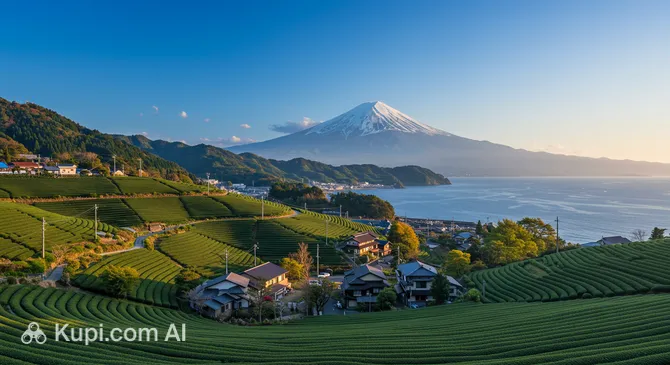
Makinohara. Illustration.
Source: Kupi.com AI

Makinohara seems made for leisurely strolls and discoveries. Here you can wander for hours through the emerald labyrinths of tea fields, inhaling their subtle aroma, enjoy the fresh sea breeze on the coast, or explore ancient local temples and colorful streets that preserve the spirit of traditional Japan.

A trip to Makinohara is a unique opportunity to feel like part of the real, non-touristy country, where there is no hustle and bustle of megacities, but there is heartfelt warmth, amazing nature, and deep traditions. This city will undoubtedly enchant you with its beauty and hospitality, leaving you with a desire to return again.

You can find more interesting facts on the history of the city of Makinohara page.

Weather Overview

The weather in Makinohara is characterized by warm and humid summers, peaking in August when the average temperature is around 27.6°C, and cool, drier winters — for example, in January, the average temperature stays around 6.9°C. Overall, expect a warm summer with periodic rain, especially in June and July when the most precipitation occurs, and cool, relatively dry winters. The highest number of rainy days occurs in the summer and early autumn months. For more detailed information on climatic conditions, please check the Makinohara Climate page.

Average monthly temperature

Average monthly precipitation

Interesting Facts

Beyond its picturesque landscapes and famous tea plantations, Makinohara hides many surprising stories and features that not everyone knows about. This city in Shizuoka Prefecture is ready to amaze even the seasoned traveler.

  • Did you know that Makinohara is not just a city, but one of the main centers of Japanese green tea production in Japan? It is from here, from the slopes of local hills, that famous varieties of green tea, such as sencha and gyokuro, are sent across the country and far beyond its borders. For locals, tea is not just a drink, but an integral part of culture, family traditions, and a point of special pride.

  • Surprisingly, the modern, thriving city of Makinohara grew on the site of former wetlands. During the Meiji era, these lands were drained and turned into fertile fields thanks to the dedicated labor of settlers and monks — a vivid example of Japanese perseverance and love for the land.

  • Colorful festivals dedicated to the tea harvest are regularly held in Makinohara. During these holidays, guests can not only enjoy the atmosphere but also see traditional costumes, participate in tea brewing workshops, and even try their hand at picking fragrant tea leaves.

  • The city has preserved ancient tea houses where you can experience the art of the Japanese tea ceremony in its authentic form. Some of these unique establishments were built as far back as the 19th century and still carefully preserve the atmosphere of the past, welcoming guests and sharing centuries-old traditions.

How to Get There

There are various ways to reach this picturesque corner of Shizuoka Prefecture by combining air and ground transport. For those who want to plan their route in maximum detail, we have prepared a separate page describing all ways to get to the city of Makinohara.

The most convenient arrival option is Shizuoka Airport (IATA: FSZ). It is actually located in the immediate vicinity of the city, although it formally belongs to Shizuoka City. The distance to the center of Makinohara is only about 7.4 km. This is a regional hub that accepts both domestic and some international flights. A taxi ride from the terminal to the city center takes only 15–20 minutes, making this airport an ideal choice for travelers.

If you are flying on an international flight, a convenient alternative might be Chubu Centrair International Airport (IATA: NGO), located in Nagoya. It is approximately 130 km from Makinohara. From the airport, you can get there by train or bus; the travel time is about 2–2.5 hours.

Many tourists also choose to arrive in the capital region via Haneda Airport (IATA: HND) in Tokyo. Even though it is 167.9 km from Makinohara, excellent transport accessibility (Shinkansens and express trains) allows you to reach the region comfortably in a few hours.

For clarity, here is summary information on the main airports through which you can build a route:

AirportPassenger trafficDistance
Shizuoka Airport691 2747 km
Chubu Centrair International Airport12.3 mln131 km
Nagoya Airport735 000132 km
Matsumoto Airport112 618161 km
Haneda Airport85.7 mln168 km

Regarding rail connections, it is important to note that the city of Makinohara itself does not have a large railway station serving high-speed Shinkansen trains. The nearest major transport hubs are stations in the neighboring cities of Shizuoka and Kakegawa, through which the Tokaido Shinkansen line passes. From Kakegawa Station, you can reach Makinohara by bus in about 25–40 minutes, and from Shizuoka Station, the bus journey takes about an hour. This is the most common way to get to the city for those traveling across Japan on JR trains.

Main Attractions

Makinohara, snugly nestled in Shizuoka Prefecture, is famous throughout Japan for its emerald tea plantations and picturesque coastline. This city offers travelers a harmonious combination of cultural immersion, historical exploration, and enjoyment of natural beauty.

One of the city's key attractions is Grinpia Makinohara (グリンピア牧之原). This unique theme park is entirely dedicated to the art of tea. Visitors can not only learn all the intricacies of growing and producing the famous Japanese tea but also personally participate in harvesting it (during the appropriate season). The park also features a tea museum to deepen your knowledge, restaurants serving dishes where tea is a key ingredient, and shops offering a wide range of teas and souvenirs. This is a wonderful opportunity to dive into the region's rich tea culture.

For connoisseurs of panoramic views and peaceful outdoor relaxation, a visit to Makinohara Park (牧之原公園) is highly recommended. From the park's observation decks, truly breathtaking landscapes unfold: endless tea fields stretching to the horizon, the sparkling waters of Suruga Bay, and on clear days, even the majestic cone of Mount Fuji. The park is especially beautiful in spring when the delicate cherry blossoms bloom, and in autumn when the foliage turns crimson and gold, creating a magical atmosphere.

If you dream of relaxing by the sea, Sagara Beach (相良サンビーチ) is an excellent choice. This popular beach attracts both locals and visitors with its clean golden sand and relatively calm waters. It is ideal for family vacations, swimming, and sunbathing, especially during the hot summer months. Here you can relax to the sound of the surf and enjoy the fresh sea breeze.

Fans of history and traditional Japanese architecture should definitely stop by the Ogane-ke House Museum (大鐘家 - Ōgane-ke). This ancient residence, which belonged to an influential samurai family, is recognized as an important cultural property of Japan. Visitors can stroll through the well-preserved buildings, feel the atmosphere of the past, learn about the daily life of samurai, and see valuable historical artifacts. This site allows for a deeper understanding of the rich history and cultural heritage of the Makinohara region.

Local Cuisine

Makinohara is a true paradise for foodies, where culinary traditions are closely intertwined with the region's main treasure — the famous green tea. The city's gastronomic scene offers a unique combination of flavors, from exquisite dishes made with the freshest seafood to amazing tea-based desserts and drinks, making it an attractive place for culinary discoveries.

The main star of the local cuisine is, without a doubt, green tea. It's not just drunk here, savoring every sip of the aromatic beverage, but also actively used in cooking. Be sure to try mochi (rice cakes), ice cream, and various pastries with added matcha powder. Don't be surprised to find noodles or rice with subtle notes of green tea — this is one of Makinohara's signatures.

Thanks to its location by the ocean, Makinohara boasts an abundance of fresh seafood. Local restaurants will offer you excellent sushi and sashimi prepared from fish caught literally the day before. Depending on the season, the menu might feature delicacies such as oysters, shrimp, or sea urchins, offering true delight for seafood lovers.

The dining culture in Makinohara is diverse. Exquisite seafood dishes are best sampled in specialized restaurants. However, to truly feel the local character, it is worth visiting street fairs and farmers' markets. Here you will find traditional Japanese pastries, fresh local vegetables, and, of course, countless sweets based on green tea. Such places are a wonderful opportunity not only to eat well but also to immerse yourself in the daily life of the locals.

In addition to green tea, which is the main non-alcoholic drink, in Makinohara you can also try traditional Japanese alcoholic beverages such as sake or shochu, which perfectly complement local dishes. The city is also known for its gastronomic festivals, where food becomes a true celebration that brings people together and opens up new flavor horizons. Often, such events include workshops on tea preparation and traditional Japanese sweets.

A gastronomic journey to Makinohara promises to be an unforgettable experience. The unique combination of deep tea traditions, the freshest gifts of the sea, and the hospitable atmosphere of local markets and festivals makes this city in Japan a particularly attractive destination for everyone who appreciates vibrant flavors and authentic cuisine.

Travel Tips

Planning a trip to the charming city of Makinohara? To ensure your journey through this part of Japan goes smoothly and leaves only pleasant impressions, we have prepared some practical tips. They will help you better navigate the area and enjoy every moment of your stay.

  1. Clothing and Essentials: The climate in Makinohara is temperate, with warm, humid summers and mild winters. In summer, bring light, breathable clothing. In spring and autumn, layered clothing is useful as the weather can be changeable. In winter, a warm jacket or coat is sufficient. Comfortable shoes are a must, as you will likely be walking a lot, especially if you plan to visit tea plantations. Don't forget an adapter for electrical appliances (Japan uses type A and B sockets, 100V voltage). If you plan to visit temples, choose clothing that covers your shoulders and knees.

  2. Getting Around the City: Makinohara is a relatively small city. The main form of public transport here will likely be buses. Schedules may not be as frequent as in major cities, so plan your routes in advance. Taxis are available but can be expensive. For exploring the surroundings and tea plantations, renting a car can be a good option; this will require an international driving permit, and remember that traffic in Japan is left-handed.

  3. Finances: The local currency is the Japanese yen (JPY). While credit and debit cards are accepted in many hotels and large stores, cash is still very important, especially in small establishments, local restaurants, and when buying souvenirs. You can exchange currency at the airport or in banks, but it's better to have some cash on arrival. ATMs that accept international cards can most often be found in post offices (Japan Post Bank) and 7-Eleven stores. Tipping is not customary in Japan.

  4. Health and Safety: Japan is one of the safest countries in the world, and Makinohara is no exception. Observe standard precautions. Pharmacies (look for the "薬" - kusuri sign) are available, but staff may not speak English. Bring necessary medications with you. Medical insurance for tourists is highly recommended. In case of serious issues, contact local hospitals.

  5. Communication: The official language is Japanese. The level of English proficiency among the local population may not be high, especially outside of tourist sites. Learn a few basic phrases in Japanese: "Konnichiwa" (Hello), "Arigato" (Thank you), "Sumimasen" (Excuse me/Sorry). For internet access, you can purchase a local SIM card or rent a pocket Wi-Fi router — this is very convenient for navigation and communication. Free Wi-Fi is available in some hotels and public places.

  6. Local Etiquette: Japanese people are very polite and value respect. When greeting, it is customary to bow slightly. Avoid loud conversations in public places, especially on transport. Remove your shoes when entering homes, some temples, and traditional restaurants (where the floor is covered with tatami). Keeping things clean is very important — do not litter.

  7. What to Avoid: Do not stick your chopsticks vertically into a bowl of rice — this is associated with funeral rituals. It is not common to eat while walking on the street (except in designated areas, such as at festivals). Try not to blow your nose loudly in public; it's better to step aside or use a restroom.

  8. A Special Feature of Makinohara: The city is famous for its vast tea plantations — some of the largest in Japan. Be sure to try the local tea, and if you have the chance, visit a tea farm or participate in a tea ceremony. This is a unique experience that will allow for a deeper acquaintance with the region's culture.

We hope these tips make your trip to Makinohara even more comfortable and memorable. Enjoy the beauty of the tea fields, the hospitality of the locals, and the unique atmosphere of this Japanese city!

Entertainment & Nightlife

Makinohara, being a charming city in Shizuoka Prefecture, offers its guests a quiet and authentic evening experience rather than the vibrant nightlife of big metropolises. Here you won't find large nightclubs or noisy districts open until dawn. Instead, evening entertainment is centered around cozy local establishments where you can immerse yourself in Japanese culture and have a pleasant time.

The foundation of evening life in Makinohara consists of traditional Japanese izakaya pubs, small bars, and restaurants offering local cuisine. The atmosphere in such places is usually very welcoming and relaxed, conducive to conversation. The crowd here is predominantly local, providing a great opportunity to observe the everyday life of the Japanese. Many establishments stay open until late evening, but not into the small hours of the night. There is usually no specific dress code; neat casual style is appreciated.

Evening venues are most often found near railway stations or along the city's central streets. Prices in Makinohara are generally moderate, especially compared to major tourist centers. For moving around in the evening, it is best to rely on taxis, as public transport may run less frequently. You can order a taxi through your hotel reception or find them at designated stands.

Makinohara, like most cities in Japan, is considered a very safe place. Evening walks along lit streets usually present no danger. Nevertheless, it's always worth observing basic precautions and keeping an eye on your belongings.

While Makinohara might not have world-famous nightclubs or concert venues, the city's charm lies precisely in its local character. The best way to find an interesting place for evening leisure is to stroll through the central areas and look into izakayas or small bars that catch your eye. Sometimes, such chance finds offer the most vivid impressions. If we had data on specific venues, we would certainly share it, but we recommend exploring the city on your own.

During the day, Makinohara offers other leisure opportunities. The city is famous for its tea plantations, so visiting one can be a fascinating experience. You can also explore local temples and shrines, enjoy nature in the surrounding parks, or get to know the local culture in small museums. For family vacations, it's worth checking for theme parks or entertainment centers in the city itself or its immediate vicinity.

Parks & Museums

Makinohara, a gem of Shizuoka Prefecture, offers its guests not only endless tea plantations but also opportunities for peaceful outdoor relaxation and exploration of the region's rich cultural heritage. The city harmoniously combines natural beauty with interesting exhibitions telling the story of its history and traditions.

For nature lovers, Makinohara is, first and foremost, the famous tea fields, which are an attraction in themselves. It is worth visiting one of the parks or observation decks offering breathtaking panoramic views of these emerald expanses. Some parks may offer walking trails among the tea bushes, allowing you to literally immerse yourself in the atmosphere of tea production. Additionally, the proximity to the Pacific coast provides the opportunity to relax on beaches like Sagara Beach, known for its sand and suitability for surfing, or to stroll along coastal areas enjoying the fresh sea breeze.

The cultural program in Makinohara is inextricably linked with its main asset — tea. A visit to the local museum dedicated to the history and culture of tea is a must. Here you can learn about traditional methods of growing and processing tea leaves, see ancient tools, and even participate in a tea ceremony. Besides this, the city may have small local history museums detailing the region's history, its residents, and its development. Such places often hold unique artifacts and photographs that allow for a deeper understanding of the local way of life.

For more authentic impressions, try visiting one of the numerous tea shops or small family farms (if they are open to tourists), where you can not only taste the freshest tea but also chat with its producers. Also, pay attention to local temples and shrines, which are often quiet and peaceful places reflecting the spiritual life of the city. A walk along the lesser-known streets can reveal charming corners and the everyday life of Makinohara.

Getting Around

When planning your movement around Makinohara, it's worth noting that this is a small city, and the public transport system reflects that. The main form of public transport connecting different areas of the city and its surroundings is buses. You are likely to encounter routes operated by larger companies as well as local municipal or community buses serving specific districts.

The bus fare system in Japan, and Makinohara is no exception, is fairly standardized. The most convenient method is using rechargeable IC transport cards, such as Suica, Pasmo, or ICOCA, which are accepted in many regions across the country. It is important to remember to tap your card against the reader twice: when entering the bus (often through the back or middle door) to record the boarding point, and when exiting (usually through the front door, next to the driver), when the exact fare is calculated and deducted. If you don't have an IC card, you can pay with cash. In some buses, you need to take a numbered ticket (整理券 - seiriken) when entering, and when exiting, pay the amount shown on the display board next to your ticket number. Changing large bills with the driver can be difficult, so try to have small change with you. The fare depends on the distance; short trips around the city usually cost between 150-300 yen, but for more accurate information, it's better to check the fare chart for the specific route.

Tourists are advised to check bus schedules in advance, as in small cities they may not run as frequently, especially in the evenings and on weekends. Information on routes and schedules can usually be found at bus stops (sometimes only in Japanese) or on the websites of local transport companies. Tickets as such are usually not bought in advance for city buses; payment is made upon exit or entry using an IC card or cash. Be attentive to stop announcements; if you are unsure, it's best to track your route on a map or ask the driver for help if possible.

As an alternative to public transport, taxi services are always available in Makinohara. They can be found at station stands or called by phone. This is a more expensive but comfortable way to travel, especially if you are traveling with luggage or a group. Given the size of the city and the picturesque surroundings, bicycle rental can be an excellent option for leisurely exploring the area if such a service is available. Car sharing is less common in smaller Japanese cities compared to large metropolises.

Accommodation

The choice of accommodation in Makinohara perfectly matches the quiet and measured pace of life in this city in Shizuoka Prefecture. Instead of large high-rise hotel chains, cozy and authentic lodging options prevail here, allowing guests to feel the local character. Travelers can choose between traditional Japanese inns (ryokans), small family-run pensions (minshuku), and standard business hotels offering basic comfort at a reasonable price.

In terms of location, the most attractive area for tourists is the coastline, especially near Sagara Beach. Here you can find accommodation options with ocean views, which is particularly relevant during the summer swimming season. Another popular option is to stay deeper in the city, closer to the famous tea plantations. This allows for enjoying the silence and green landscapes, and some local hotels offer their guests unique services related to tea culture, such as baths with added green tea or themed dinners.

The price range in Makinohara can be described as moderate and affordable. There are fewer luxury offerings than in major tourist centers of Japan, so the travel budget can be quite pleasant. The cost of a night varies from budget options in guesthouses to the mid-price segment in comfortable ryokans with meals included (dinner and breakfast).

When planning your trip, consider seasonality. In summer, when beach holidays are popular, and in spring, during the new tea harvest season, the demand for accommodation increases. Therefore, it is strongly recommended to book rooms in advance, especially if you are planning a visit on weekends or holidays. Most accommodations are available for booking through popular international online platforms; however, some small traditional inns may only accept bookings directly or through Japanese booking sites.

Nearby Cities

For those who want to explore the surrounding area, Makinohara serves as an excellent starting point for day trips to several interesting nearby locations. These outings will allow for a deeper acquaintance with the culture, history, and nature of Shizuoka Prefecture and beyond.

For example, the nearest major city, Shizuoka, the prefectural capital, is just 30 km away and is famous for its vast tea plantations offering magnificent views of Mount Fuji (on clear days), as well as the historical Kunozan Toshogu Shrine. Another attractive option is Hamamatsu, located about 46 km away. This city is known as the center of Japan's music industry, housing the headquarters of giants like Yamaha and Kawai. Additionally, in Hamamatsu, you can visit the castle of the same name and the picturesque Lake Hamana, a popular spot for relaxation and water sports.

Below is a table with some of the nearby cities that might be interesting to visit:

CityPopulationDistance
Yoshida28 8114 km
Shimada95 19812 km
Kikugawa47 19413 km
Omaezaki30 56214 km
Yaizu136 02817 km

These nearby destinations provide a more complete picture of the diverse culture, history, and natural landscapes of the region. By planning day trips, you can significantly enrich your travel experience in Japan.

Shopping & Souvenirs

Shopping in Makinohara is primarily an opportunity to immerse yourself in local culture and purchase authentic goods rather than a hunt for global brands. The city, located in Shizuoka Prefecture, is famous throughout Japan for its high-quality green tea. It is the tea and its related products that are the main highlight of local shopping, offering a unique experience for tourists.

In Makinohara, you won't find the huge shopping streets typical of megacities. The main stores will likely be concentrated along central streets or near key transport points. These could be small family-run shops, specialized tea stores, as well as shops offering everyday goods and local food products.

Large shopping and entertainment centers are not a typical feature of Makinohara. Instead, purchases can be made at local supermarkets, which present a good selection of products, including fresh vegetables, fruits, and, of course, tea. You may also encounter small shopping arcades or rows of stores serving the needs of the local population.

Special attention should be paid to the possibility of visiting local markets if any are held during your visit. These could be seasonal farmers' markets selling the region's freshest products, including various types of tea directly from producers, or small fairs where you can find products from local artisans. Such markets are a great way to feel the city's atmosphere and buy something truly unique.

The main souvenir from Makinohara is, undoubtedly, green tea. You will find many varieties here: from everyday sencha to more refined gyokuro or matcha. In addition to the tea itself, souvenirs related to tea culture are popular: beautiful tea ceremony utensils (cups, teapots), as well as green tea-based sweets (e.g., mochi, cookies, chocolate). You can also look for other local delicacies or small handmade items.

Shops in Makinohara usually operate on a standard schedule for Japan: from approximately 10:00 or 11:00 AM to 7:00 or 8:00 PM. Small private shops may have their own, more flexible schedules. The main currency is the Japanese yen (JPY). Although credit cards are becoming increasingly common, especially in tourist-oriented shops, it is always useful to carry enough cash, especially for purchases in small shops or at markets.

Foreign tourists can take advantage of the Tax-Free refund system in Japan. Look for shops with the "Japan Tax-Free Shop" logo. Generally, to process a tax refund, you must make a purchase for a certain minimum amount in one store within one day and present your passport at the checkout. Check the conditions directly in the stores, as they may vary.

Reached the end of the page?

That means the route is fully explored