Support

Toki

About

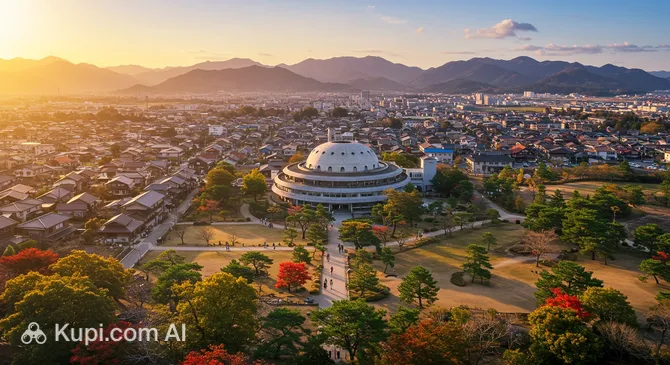
Toki is a charming and cozy town, looking as if it stepped out of the pages of old Japanese fairy tales. It is nestled among the picturesque hills of Gifu Prefecture, in the heart of Honshu Island, on the banks of the Kiso River. This city is an excellent starting point for exploring the Chubu region and getting to know the real Japan, where nature and centuries-old traditions are harmoniously woven together.

Toki. Illustration.
Source: Kupi.com AI

With a population of just over 55,000, Toki offers its guests a relaxed and peaceful atmosphere, far from the hustle and bustle of major metropolises. Here, you can truly feel the spirit of the Japanese countryside. The city has been famous since ancient times for its ceramic industry, particularly its renowned Mino ware, which has shaped its unique character and way of life over the centuries.

Strolling through the narrow streets of Toki, you can peek into traditional workshops where skilled craftsmen still create amazing ceramic pieces by hand, or relax in cozy tea houses enjoying freshly brewed matcha tea. The city is surrounded by emerald hills and forests, making it an ideal destination for hiking and enjoying the natural beauty of the central part of the country.

Toki is definitely worth a visit for those seeking authentic experiences and wishing to discover a less touristy, but no less fascinating side of Japan. It is a place where you can rest your soul, touch a rich history, try unique local dishes, and discover new facets of amazing Japanese culture.

You can find more interesting facts on the Toki city history page.

Weather Overview

The climate in Toki is characterized by notable seasonal changes. Summer, especially in July and August, is warm here, with average temperatures reaching 25-27°C and maximum values above 30°C. Winters, by contrast, are cool: in January, the average temperature is about 3.8°C, and night minimums can drop below zero. Expect a warm and fairly humid summer with frequent rain, especially in July, and cool, relatively drier winters. Spring and autumn offer moderate temperatures, making these seasons comfortable for visiting.

The highest amount of precipitation falls in the summer months, especially in July (averaging 11 mm and 22 rainy days), while winter months like January and December are the driest (about 2 mm of precipitation and 9-10 rainy days). For more detailed information about weather conditions by month, you can check the weather in Toki page.

Average monthly temperature

Average monthly precipitation

Interesting Facts

Beyond its picturesque landscapes, the city of Toki in Japan hides many amazing stories and traditions that make it truly special. Here are just a few interesting facts that will help you look at this city from a new perspective:

  • Toki is not just a city, but the recognized cradle of Japanese ceramics. It is here in the Mino region that the famous Mino ware has been created since the 16th century, with pieces highly valued not only in Japan but by collectors worldwide.

  • Every year, Toki becomes a center of attraction for artisans from all over the country thanks to a massive ceramics festival. During the holiday, the city streets turn into lively fairs where you can not only purchase unique items but also attend workshops and exhibitions.

  • Old quarters with traditional wooden architecture have been preserved in Toki. Walking through these streets allows you to plunge into the atmosphere of past centuries and even meet the descendants of famous ceramicists who continue the family business.

  • The city is closely linked with the names of renowned Mino ware masters whose works are recognized as national treasures of Japan. Local museums house masterpieces created in different eras, and some legends even tell of mysterious clay vessels from Toki that bring good luck to their owners.

How to Get There

When planning your trip, you can find more details on how to get to Toki and choose the most convenient route. The city is located in Gifu Prefecture, and although Toki itself does not have its own airport, Japan's advanced transport infrastructure allows for comfortable travel here via nearby major cities.

The main air gateway for travelers is Chubu Centrair International Airport (NGO), located in Nagoya. It is a major international hub receiving flights from all over the world. There is no airport in the city of Toki itself, but Chubu is quite close — about 65 km away. A taxi or car ride from there takes approximately 1–1.5 hours. This is the most popular option for those arriving from abroad.

An alternative option is Komatsu Airport (KMQ), located in the city of Komatsu. It is further away, about 135 km from Toki. Travel time by taxi or bus is about 2–2.5 hours via the expressway. This airport may be convenient if you are traveling along the west coast of Japan or flying on domestic routes.

For clarity, here is a summary of the main airports located in the region:

AirportPassenger trafficDistance
Nagoya Airport735 00026 km
Chubu Centrair International Airport12.3 mln65 km
Shizuoka Airport691 274110 km
Matsumoto Airport112 618112 km
Komatsu Airport1.8 mln135 km

In addition to air travel, rail transport plays a vital role. The city's main railway hub is Tokishi Station on the JR Chuo Main Line. The most convenient way to get here is from Nagoya: frequent rapid trains connect Nagoya Station and Tokishi Station, with a travel time of about 40–50 minutes. This makes the train the fastest and most reliable way to reach the city after arriving at Chubu Airport.

Main Attractions

The city of Toki, located in Gifu Prefecture, is famous for its centuries-old history of Mino-yaki ceramic production and offers guests a chance to immerse themselves in the world of traditional Japanese art while enjoying modern amenities. If you are planning a trip, here are some key attractions that will make your stay in Toki unforgettable.

The Mino Ware Museum (Mino Tōgeikan) is a must-visit destination. Here, you can dive deep into the history and diversity of the famous Mino ceramics, which have been produced in this region for over 1,300 years. The museum features both ancient samples and works by contemporary masters, allowing you to appreciate the evolution of this art form. For tourists, it is a unique opportunity not only to see rare exhibits but also to better understand the cultural significance of ceramics for Japan.

Toki Premium Outlets is a paradise for shopping enthusiasts. This large outlet center offers a wide range of goods from well-known Japanese and international brands at attractive prices. The complex is built in the style of an American town, creating a pleasant atmosphere for walking and shopping. In addition to stores, there are many cafes and restaurants where you can rest and grab a bite. This place attracts tourists with the opportunity to combine cultural leisure with great deals.

Oribe Hills (Oribe-no-Oka Ceramic Art Park) is a themed complex dedicated to Oribe ware, one of the Mino-yaki styles named after the tea master Furuta Oribe. It features galleries, workshops, and shops where you can not only purchase items but also watch potters at work or even participate in a masterclass. The park is interesting for tourists who want to get closer to the ceramic creation process and purchase authentic souvenirs.

The Seratopia Toki Cultural Center often serves as a venue for various exhibitions, fairs, and events related to ceramics and local culture. This modern building itself is an architectural landmark. For tourists, attending events at Seratopia Toki can be a great addition to their city tour, providing a chance to see the latest achievements in ceramic art or visit themed festivals.

Local Cuisine

The gastronomic world of Toki is inextricably linked with its famous heritage – traditional Mino-yaki ceramics. Here, every dish is not just food, but a true work of art, where the taste is harmoniously complemented by the aesthetics of presentation. It is believed that the unique properties of local ceramics influence the aroma and temperature of the food, revealing its flavor nuances in a completely new way. This makes lunch or dinner in Toki a special ritual.

Be sure to try the main gastronomic treasures of the Gifu region, which are widely represented on local restaurant menus. Among them, the legendary Hida beef stands out – incredibly juicy, marbled, with a delicate taste, often prepared on the grill. Also, pay attention to fresh river fish, especially ayu (sweetfish), and various dishes made from seasonal wild mushrooms and vegetables. Many of these delicacies are served as stews simmered in ceramic pots, giving them a special home-like comfort and richness.

Among drinks, traditional Japanese matcha tea holds a special place. It is served in exquisite ceramic bowls, turning tea drinking into a distinct aesthetic pleasure. At street markets and during festivals, you can enjoy local sweets such as kagami-mochi (rice cakes), as well as seasonal treats made from chestnuts, bamboo, and fresh local fruits. These delicacies will perfectly complement your introduction to Toki's culinary traditions.

Food culture in Toki offers diverse options. Locals and tourists can enjoy fine dining in restaurants where the emphasis is on seasonal products and mastery of presentation. Street food also plays an important role, especially at markets and during numerous gastronomic festivals. At such events, local chefs and artisans demonstrate their art, competing in the combination of taste and form. An integral part of the gastronomic culture is tea ceremonies, where you can not only enjoy the taste of tea but also appreciate the beauty of original tableware created by the hands of Toki masters.

Toki's gastronomy is a unique combination of taste, tradition, and art. Here, every dish tells the story of the region, and the famous Mino-yaki ceramics turn a meal into an unforgettable cultural event. If you are looking for a place where you can not only eat well but also touch authentic Japanese culture, Toki will be a true discovery for you.

Travel Tips

Welcome to Toki! To ensure your trip to this unique city in Japan is as comfortable and memorable as possible, we have prepared some practical tips. They will help you better orient yourself and enjoy every moment of your stay.

  1. Clothing and Essentials: The climate in Toki is temperate, with clearly defined seasons. In summer (June-August), it is hot and humid, so bring light, breathable clothing. In winter (December-February), it can be chilly, sometimes with snow – warm clothes, a hat, and gloves will come in handy. Spring and autumn are the most comfortable times with moderate temperatures, ideal for layered clothing. Be sure to bring comfortable shoes, as you will be doing a lot of walking. Don't forget an adapter for electrical appliances (Japan uses Type A, 100V) and an umbrella in case of rain. When visiting temples and shrines, choose modest clothing that covers shoulders and knees; also be prepared to remove your shoes.
  2. Getting Around the City: In Toki, being a relatively small town, the main form of public transport will likely be local buses. For trips to neighboring settlements in Gifu Prefecture and other cities in Japan, it is convenient to use JR trains. Taxis are available but can be quite expensive; you can use apps like JapanTaxi or Go. Renting a car might be justified if you plan to actively explore the surroundings, but remember the left-hand traffic, the need for an international driving permit, and possible difficulties with parking in the city.
  3. Money and Payments: The official currency is the Japanese Yen (JPY, ¥). It's best to exchange currency in advance or at the airport upon arrival, as the number of exchange points in small towns like Toki may be limited. Major hotels, shops, and restaurants accept credit cards (Visa, Mastercard), but cash is still very important, especially in small shops, temples, and markets. ATMs that accept international cards can be found in post offices (Japan Post Bank) and 7-Eleven stores. Tipping in Japan is not customary and may be seen as a misunderstanding – good service is already included in the bill. An approximate daily budget per person (excluding accommodation and expensive entertainment) can range from 7,000 to 15,000 JPY.
  4. Health and Safety: Japan is a very safe country, and Toki is no exception. Follow standard precautions: keep an eye on your belongings. Pharmacies (marked as "薬" or "drugstore") are available, but 24-hour ones are rare. Basic over-the-counter medicines are available. Be sure to take out travel medical insurance before your trip. In emergencies, dial 119 for an ambulance or the fire department.
  5. Language and Connectivity: The official language is Japanese. The level of English proficiency among the local population may not be high, especially outside major tourist centers. Learn a few basic phrases: "Konnichiwa" (Hello), "Arigato" (Thank you), "Sumimasen" (Excuse me/I'm sorry). For ease of communication and navigation, it is highly recommended to purchase a tourist SIM card or rent a pocket Wi-Fi router. Google Maps, HyperDia (for transport schedules), and Google Translate apps will be useful.
  6. Etiquette: Japanese people highly value politeness and respect. Greet people with a slight bow. In public places, especially on transport, try to speak quietly. It is not common to eat on the go (except in special festival areas). Carry your trash with you until you find a bin (there may not be many). Be prepared to remove your shoes when entering homes, some temples, and traditional restaurants. When giving or receiving items (such as money or business cards), use both hands.
  7. Taboos and Cautions: To avoid offending locals and awkward situations, try not to stick your chopsticks vertically into rice – this is associated with funeral rituals. Also, avoid loud nose-blowing in public; it's better to do it in a private place. Do not try to skip the line – Japanese people are very disciplined in this regard.
  8. Local Highlight: The city of Toki is famous for its Mino-yaki ceramics, one of the oldest and most well-known in Japan. Be sure to visit local pottery workshops or shops. This is not only an opportunity to purchase unique souvenirs but also a chance to touch centuries-old traditions. If you're lucky, you might even participate in a ceramic-making workshop or catch one of the fairs dedicated to this art.

We hope these tips make your stay in Toki pleasant and carefree. Enjoy every moment in this amazing corner of Japan, discovering its culture and hospitality!

Entertainment & Nightlife

When the sun sets over the city of Toki, renowned for its ceramic art, the nightlife here offers a more peaceful yet authentic experience compared to the megacities of Japan. Evening entertainment in Toki is an opportunity to immerse yourself in the local atmosphere and relax after a busy day.

The foundation of evening entertainment in Toki consists of traditional Japanese pubs called izakaya. Here, you can enjoy a variety of local dishes, sake, and other drinks in a relaxed setting. Look for signs with the characters 居酒屋 (izakaya) or traditional red lanterns (aka-chōtin), which often point to such places. You might come across a welcoming establishment like 'Cerami no Sato' (Ceramics Village) or a small, cozy bar like 'Tsuki no Akari' (Moonlight), where you can chat with locals and sample regional drinks. Karaoke boxes, a favorite pastime for Japanese people of all ages, are also popular. Restaurants serving dinner also operate in the evening, some until late at night.

Most of these establishments are usually concentrated near the city's main railway station, Tokishi Station, or on central shopping and dining streets. This is where the main activity concentrates in the evening, and you can find a place to your liking for dinner or drinks.

The atmosphere in Toki at night is generally relaxed and friendly. Instead of the loud and crowded nightclubs typical of large cities, establishments with a more intimate setting prevail here. The dress code in most places is casual, allowing you to feel comfortable. The crowd is mostly local, providing a wonderful opportunity to observe the daily life of Japanese people and perhaps even practice the language.

When planning your evening leisure, keep in mind that izakayas and bars usually open in the late afternoon and run until midnight or slightly later, especially on weekends. Prices in Toki establishments are generally moderate. If you plan to stay out late, the main way to get back to your hotel will be by taxi, as public transport services may be limited at night.

In terms of safety, Toki, like most cities in Japan, is considered a very safe place. Night walks along illuminated central streets usually do not cause any concern. However, it is always wise to follow standard precautions, especially if you are traveling alone or are in an unfamiliar area.

Toki may not have heavily advertised nightclubs or world-famous bars, which is typical for small towns in Japan. The charm of the local nightlife lies in its authenticity and the chance to join the everyday life of the townspeople. It is recommended to walk through the central streets in the evening, especially around the train station, and look into any izakaya or small bars that catch your eye. Often, it is these seemingly unremarkable places that provide the most vivid impressions. Your hotel staff can also provide valuable advice on choosing a place for evening relaxation.

During the day, Toki offers entirely different forms of entertainment. The city is world-famous for its Mino-yaki ceramics, so visiting local ceramic museums, pottery workshops, and specialized shops—where you can not only see unique items but also purchase them—should be a mandatory part of your program. Additionally, you can spend pleasant time strolling through city parks or exploring the picturesque surroundings of Gifu Prefecture.
Parks & Museums

Toki, nestled comfortably in Gifu Prefecture, offers its guests a harmonious blend of peaceful green spaces and a rich cultural heritage inextricably linked to the art of ceramics. This city is a true find for those who appreciate both natural beauty and deep-rooted craft traditions, especially the famous Mino-yaki ceramics.

Among the green oases of Toki, Oribe Hills (Oribe-no-Oka Ceramic Art Park) stands out. This is not just a park, but a unique space where nature and the art of ceramics merge. Visitors can enjoy walks through picturesque hills, admiring open-air sculptures and ceramic installations, and visit exhibition pavilions dedicated to this art. Another popular spot for relaxation and nature contemplation is Sogi Park. It is particularly famous for its magnificent autumn scenery, when maple leaves turn vibrant colors, creating a breathtaking spectacle. The park offers well-maintained paths for leisurely strolls and cozy picnic spots, allowing for a break from the city bustle. Additionally, within the city and its surroundings, you can find charming temple gardens reflecting traditional principles of Japanese landscape design and pleasant walking areas along the Toki River.

The main cultural attractions of Toki are undoubtedly its museums dedicated to the famous Mino ceramics. For a deep introduction to this craft, be sure to visit the Mino Ware Museum (Mino-yaki Kaikan). It features an extensive collection of Mino items, covering both historical samples and works by contemporary masters. The museum's exhibition provides a wonderful insight into the variety of styles (such as Oribe, Shino, Ki-Seto) and ceramic techniques of the region. Another important cultural center is the Mino Tōgeikan (Mino Ceramic Art Museum). It also offers visitors a deep dive into the history and art of local pottery, showcasing masterpieces by recognized masters and detailing the technology of ceramic production. In Toki, you can also discover small private galleries and showrooms presenting unique original works by local ceramicists.

Toki's historical heritage is bound to the centuries-old history of ceramic production. An attentive traveler will be able to discover ancient kilns, such as anagama (tunnel kiln) or noborigama (multi-chamber climbing kiln), which are silent witnesses to the development of pottery in this region over the centuries. Some of these kilns are carefully preserved as historical monuments or are part of museum complexes. The architecture of old pottery workshops and the houses of ceramic merchants also give the city a special character, allowing you to feel the atmosphere of past eras and the continuity of traditions.

For a truly authentic experience and a deeper immersion into the world of Mino ceramics, it is recommended to visit one of the many pottery studios in Toki. Many of them offer not only the chance to watch the fascinating work of the masters but also to try your hand at creating your own ceramic piece under their expert guidance – this can be an unforgettable experience and a unique souvenir. Don't miss the opportunity to visit local markets or specialized shops selling various Mino-yaki items – from everyday tableware to exquisite pieces of art. This is a great chance to bring home a piece of Toki's soul.

Getting Around

Public transport in Toki, like in many Japanese cities of a similar size, offers several convenient ways to get around. The backbone of the transport system here is likely buses, which connect various districts of the city and can take you to the nearest railway stations. Also, for travel between cities and prefectures, trains play a vital role, so it is worth paying attention to the schedules of the nearest stations.

The fare payment system for public transport in Toki can vary. On buses, you can most often pay in cash when exiting (sometimes when entering, by taking a special ticket with the stop number). Rechargeable IC transport cards (such as Suica, Pasmo, ICOCA, and others) are widely used in Japan, making payment very convenient. It is recommended to check upon arrival if such cards are accepted on local bus routes or if there are special local passes or day tickets that might be beneficial for tourists. Approximate prices for a single bus ride usually start from a few hundred yen, depending on the distance.

Tourists planning to use public transport in Toki should keep a few practical points in mind. Train tickets are usually purchased from machines at stations or at ticket counters. On buses, if payment occurs upon exit, the amount to be paid is often shown on an electronic board opposite the driver. Information about routes and schedules can be found at stops (often in Japanese, but key directions may be duplicated in English) or on the transport companies' websites. Public transport hours usually cover daytime and evening, but night routes in small towns are rare, so plan your late trips in advance.

In addition to public transport, there are alternative ways to get around in Toki. Taxis are available and can be found at special stands near stations or called by phone, though this is a more expensive option. For exploring the city itself and its surroundings over short distances, bicycle rental can be suitable – it's a great way to enjoy the local views at your own pace. Car rental is also possible, especially if you plan to travel extensively through Gifu Prefecture, but keep in mind the left-hand traffic and the requirement for an international driving permit.

There are likely no unique historical types of transport, such as an old subway or an extensive tram network, in Toki, given its size. However, the Japanese transport system as a whole is famous for its punctuality and efficiency, and moving around Toki and its surroundings usually does not cause difficulties for tourists ready to navigate the local specifics.

Accommodation

In the city of Toki, located in Gifu Prefecture, travelers will find various accommodation options to suit different preferences and budgets. When planning your trip, you can choose from traditional Japanese inns to more modern hotels, making your stay as comfortable as possible.

Among the available options, you will likely find cozy ryokans (traditional Japanese inns) where you can immerse yourself in local culture and enjoy unique hospitality, and minshuku (family guesthouses) offering a more home-like and authentic atmosphere. Standard hotels of various categories and more budget-friendly guesthouses or hostels may also be represented in the city and its surroundings. The choice depends on your preferences: whether you are looking for total immersion in Japanese life or familiar European comfort.

Specific accommodation options in Toki, whether hotels, ryokans, or guesthouses, can be easily found on popular international and Japanese online booking platforms. There, you can also read reviews, compare prices and conditions to find the most suitable option for your trip.

When choosing a place to stay in Toki, pay attention to its location. A convenient option might be accommodation located near the main transport hubs, which will facilitate moving around the city and trips to nearby attractions in Gifu Prefecture. Some tourists prefer to stay in quieter areas to enjoy the peace and beauty of nature, while others seek proximity to local restaurants, shops, and the ceramic centers for which Toki is famous.

The price range for accommodation in Toki is quite wide: from affordable options for budget travelers to mid-range offers and more exclusive ryokans with full board and onsens (hot springs). It is strongly recommended to book accommodation in advance, especially if your trip coincides with popular tourist seasons such as cherry blossom time or autumn leaves, as well as during major local festivals. Booking is conveniently done through well-known online services, directly on hotel websites, or by contacting tourist information centers for assistance.

Nearby Cities

For those who want to explore the surrounding area, Toki serves as an excellent starting point for day trips to several interesting nearby locations.

Among them, Tajimi stands out, famous for its magnificent Mino-yaki ceramics and the Museum of Modern Ceramic Art, as well as Seto, one of Japan's oldest pottery centers, where you can immerse yourself in the history of this craft. Not far away is Kani, which also offers an introduction to the region's ceramic traditions.

CityPopulationDistance
Tajimi106 7465 km
Mizunami36 7217 km
Mitake17 53610 km
Kani99 54514 km
Yaotsu10 07014 km

These nearby destinations provide insight into the diverse culture and landscapes of the region, complementing the experience of visiting Toki.

Shopping & Souvenirs

Toki, located in Gifu Prefecture, offers a unique shopping experience, especially for connoisseurs of Japanese ceramics. The city is famous throughout Japan and beyond for the production of Mino-yaki (Mino ware), a history that dates back over 1,300 years. Therefore, the main attention of tourists here is drawn to the works of local masters.

In Toki, there are no massive shopping districts like in megacities, but there are entire neighborhoods and streets where pottery workshops, ceramic shops, and galleries are concentrated. It is especially interesting to visit these places during ceramics festivals, when the selection of items is at its peak and prices can be very attractive. Pay attention to the areas around stations and along main roads, where shops offering both traditional and modern Mino ceramics are often located.

Large modern shopping centers in the conventional sense may not be as numerous in Toki as in bigger cities. However, you can find specialized shopping complexes dedicated to ceramics, such as outlets or showrooms, where the works of many masters are presented. For example, it is worth looking for places where you can not only buy but also learn more about the ceramic-making process, such as the Toki Mino Ware Traditional Industry Hall (Ceratopia Toki) or similar centers.

Traditional markets in Toki are also often related to ceramics. Instead of typical food or flea markets, fairs and sales from ceramic producers are more common here, especially during festivals. At such events, you can find unique handmade items, chat with artisans, and purchase tableware, vases, and decorative objects at favorable prices.

The main souvenir from Toki is undoubtedly Mino-yaki ceramics. This can be tableware (cups, plates, tea bowls), vases, decorative figurines, or even tiles. The variety of Mino-yaki styles (e.g., Oribe, Shino, Ki-Seto, Setoguro) allows you to choose something for every taste. Besides ceramics, you can look for local sweets and products from Gifu Prefecture.

Shops in Toki usually operate from 10:00 or 11:00 AM to 6:00 or 7:00 PM. Small private workshops may have their own schedules. Both cash (Japanese yen) and credit cards are accepted, especially in larger shops and tourist centers. However, it is better to have cash on hand in small shops or at fairs.

For foreign tourists in Japan, a Tax-Free system is in place. When purchasing goods for a certain amount in participating shops (look for the corresponding logo), you can apply for a consumption tax refund. Usually, this can be done directly in the store upon presentation of your passport. Check the conditions at the specific place of purchase.

Reached the end of the page?

That means the route is fully explored