Support

Echizen

About

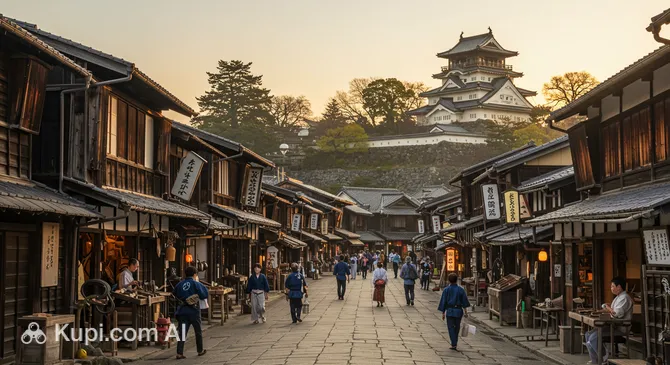
Echizen is a cozy city in Fukui Prefecture, situated on the picturesque coast of the Sea of Japan. It is surrounded by green valleys and hills, creating an atmosphere of seclusion and harmony. A journey here is an excellent opportunity to discover traditional Japan far from the noisy bustle of megalopolises. Thanks to its convenient location between popular tourist centers, Kyoto and Kanazawa, getting to the city by train or bus is easy.

Echizen. Illustration.
Source: Kupi.com AI

With a population of about 80,000 people, Echizen retains the charm of a small but important administrative center. Here, time seems to slow down, inviting guests to take leisurely strolls through the streets or explore the surroundings by bicycle. This place is ideal for those who want to feel the authentic atmosphere of the country and enjoy tranquility.

The city is famous as a recognized center for traditional crafts, attracting lovers of handmade work from all over the world. The rich history of Echizen is inextricably linked with the development of blacksmithing and the production of the famous washi paper. Tourists can not only observe the masterful work of artisans but also personally participate in fascinating workshops, delving into the secrets of ancient technologies.

A visit to Echizen is a chance to enjoy the harmony of nature and culture. Ancient shrines, keeping their legends, and the sincere hospitality of local residents will make the trip unforgettable. This is an ideal destination for those seeking inspiration and wanting to touch the living heritage of the region.

Weather Overview

When planning your trip, it is important to consider that the weather in Echizen features pronounced seasonality, offering travelers different conditions for relaxation throughout the year. The climate here is temperate, making the city accessible for visits at any time, although each season has its own unique character.

Winters in the region are cool but usually without extreme frosts. In January and February, the average temperature hovers around 4–4.5°C. However, this is the wettest time of year: in December and January, the number of days with precipitation can reach 25–26, so an umbrella and waterproof shoes will be essential items in your luggage. Spring arrives gradually: in March, the air warms up to 8°C, and by May, a comfortable temperature of around 16.3°C is established.

The summer season brings warmth and increased humidity. July and August are the warmest months, with average figures reaching 24–26°C, while maximums can exceed 28°C. In autumn, the heat subsides: September still pleases with warmth (around 23°C), but by November, the temperature drops to 12°C. Overall, expect a warm, sometimes humid summer and a cool winter with frequent precipitation.

Average monthly temperature

Average monthly precipitation

Interesting Facts

Echizen's outer tranquility hides a rich history of crafts and amazing cultural phenomena rarely found in other parts of the country. Here are a few facts that will help you see this city as a living treasury of craftsmanship:
  • Abode of Giant Blades. Echizen is famous for its knives throughout Japan, but few know that truly monumental works of blacksmithing art can be seen here. The exhibition hall at Takefu Knife Village houses blades up to four meters long. These giants serve as proof of the masterful command of ancient forging technologies that local craftsmen pass down from generation to generation.

  • The Only Paper Shrine. The city is home to the unique Okamoto-Otaki Shrine — the only sanctuary in the country dedicated to the deity of paper, Kawakami Gozen. This site is officially recognized as cultural heritage, and its architecture is striking: the temple roof has a complex wave-like shape, which has no parallel in all Japanese temple architecture.

  • The Heart of Crafts. Echizen is often called the "heart of crafts" of Fukui Prefecture, and this is not just a poetic turn of phrase. In addition to knives and washi paper, the city is famous for the production of traditional tansu chests. These pieces of furniture, handmade with a complex joint system, are considered a benchmark of Japanese practicality and comfort, and the city itself, together with neighboring Sabae, forms a unique region where the concentration of masters per square meter is perhaps the highest in the country.

  • Veneration of Mastery. Respect for labor here is elevated to an absolute cult. Echizen is one of the few places where special festivals are regularly held in honor of craftsmen and their tools. Tourists can witness the city honoring the keepers of ancient knowledge, turning production processes into solemn rituals surrounded by legends and mystery.

How to Get There

Echizen is located in Fukui Prefecture, and although the city itself does not have its own airport, getting here is easy thanks to Japan's developed transport network. Travelers can choose the most convenient route by combining flights with train or bus trips. You can find more details on how to get to Echizen to plan your journey as efficiently as possible.

The nearest hub to the city is Komatsu Airport (KMQ), which handles both domestic and some international flights. It is important to note that this airport is not in Echizen but in the neighboring city of Komatsu, about 58.5 km from your destination. The journey by taxi or bus will take about 1 hour 50 minutes. This is perhaps the fastest way to arrive in the region by air.

For those arriving from further away, a convenient option is Chubu Centrair International Airport (NGO). This is a major hub located in Nagoya, at a distance of 129.6 km from Echizen. The journey by road from here will take approximately 3 hours 35 minutes. It is also worth considering Itami Airport (ITM) in Osaka (about 140 km, travel time just under 4 hours), which serves a huge volume of domestic flights and is convenient for connections.

For clarity, here is a summary of the main airports:

AirportPassenger trafficDistance
Komatsu Airport1.8 mln59 km
Nagoya Airport735 00099 km
Toyama Airport736 740123 km
Chubu Centrair International Airport12.3 mln130 km
Tajima57 194132 km

Rail travel is another popular and comfortable way to get to Echizen. The city is served by the JR Hokuriku Main Line, with Takefu Station as the main gateway. Additionally, with the opening of new sections of the Hokuriku Shinkansen line, traveling from Tokyo, Kanazawa, or Osaka has become even faster thanks to Echizen-Takefu Station. Trains in Japan are famous for their punctuality, so a rail trip will be an excellent start to exploring the region.

Main Attractions

Echizen is a city where history comes alive in the hands of masters, and cultural heritage is harmoniously woven into modern life. The main attractions here are linked to centuries-old craft traditions and a rich literary past, offering tourists more than just sightseeing, but a chance to become part of the creative process.

One of the most famous locations is the Takefu Knife Village. This is a unique production complex that brings together the workshops of the region's best blacksmiths. The building, with its futuristic design, allows guests to observe the masters at work from a gallery, seeing how the sharpest blades are born from red-hot metal. This place is interesting not only for the opportunity to buy professional kitchen tools but also for the chance to stand at the anvil yourself: forging and knife-sharpening workshops for beginners are held regularly here.

You can immerse yourself in another ancient art at the Echizen Washi Village. The area is steeped in the spirit of history, as paper has been made here for over 1,500 years. At local museums and centers, such as the Papyrus Center, visitors learn about the intricacies of creating washi, which is even used for official documents of the Imperial Court. The main highlight of a visit is the opportunity to make a sheet of paper yourself using traditional methods, decorating it with dried flowers or leaves.

For those seeking peace and beauty, Murasaki Shikibu Park is a must-see. This picturesque garden is dedicated to the great Japanese writer, author of the world's first novel "The Tale of Genji," who lived in Echizen in her youth. The park recreates the atmosphere of the aristocratic Heian era: elegant ponds, red bridges, and well-kept alleys provide the perfect setting for walks. A golden statue of the writer stands in the center of the park, looking toward Mount Hino, making this place symbolic and inspiring.

Ceramics lovers should drop by the Echizen Pottery Village. Located in a forest setting, it is a vast area with a pottery museum and numerous outdoor sculptures. Here you can get acquainted with one of Japan's six ancient pottery styles. Tourists are attracted by the calm atmosphere of the sculpture park and the opportunity to visit a pottery workshop to try creating their own bowl or vase on a potter's wheel.

Local Cuisine

Echizen's gastronomic scene is inextricably linked to the generous gifts of the Sea of Japan, making the city an attractive destination for gourmets. Travelers have a unique chance to try high-quality seafood that reaches restaurant kitchens almost directly from the coast. The undisputed king of the local menu is "Echizen-gani" — the famous crab for which many come here during its fishing season. Its meat is distinguished by its special sweetness and tenderness, and the delicacy is served in various ways: from exquisite sashimi to rich soups and flavorful grilled dishes.

An equally important part of the culinary culture is soba noodles made from buckwheat flour. Locals are convinced that the secret of its rich taste lies in the combination of select local flour and the region's crystal-clear water. To truly appreciate this dish, it's worth stopping by small family restaurants. There, soba is prepared according to ancient recipes, often served with seasonal vegetables and signature sauces, creating a simple but memorable lunch in an authentic atmosphere.

The beverage culture in Echizen also deserves attention, especially the famous local sake. Breweries in the region have preserved traditional production technologies for centuries. Tourists can visit tastings and tours to learn about the intricacies of the fermentation process and try different varieties of this drink, each with its own unique character.

For a quick snack and to experience the everyday life of the townspeople, farmers' markets are ideal. The stalls here delight the eye with fresh fruits and vegetables, and the aromas of street food will leave no one indifferent. Be sure to try grilled rice balls or traditional Japanese sweets, such as buns filled with sweet red bean paste. Furthermore, Echizen is famous for its gastronomic festivals, where food becomes a reason for public celebration and an opportunity to meet the prefecture's best culinary masters.

Travel Tips

Echizen is a city of craftsmen and tranquility, but like any journey to Japan, a trip here has its nuances that are worth knowing in advance. To ensure your introduction to the world of ancient crafts goes smoothly and leaves only pleasant memories, we have prepared a list of useful recommendations.

  1. Clothing and Seasonality. The climate here has its peculiarities: winters from the Sea of Japan side are wet and snowy, so waterproof shoes and a warm windbreaker are mandatory from December to March. Summers are hot and humid — choose light, natural fabrics. Since visiting "craft villages" often involves walking between workshops, comfortable shoes without heels that are easy to take off and put on (this is often required when entering buildings) will be your best choice.
  2. Transport Logistics. Although Echizen's stations are easily reached by train, moving between attractions within the region (for example, from the Knife Village to the Paper Village) by public transport can be difficult due to infrequent bus services. The ideal option is renting a car. If you don't have a license, check bus schedules in advance or order a taxi through your hotel desk, as catching a car on the street is not common here.
  3. Finances and Cash. Unlike Tokyo, in small family workshops, souvenir shops, and local restaurants, cards are not accepted everywhere. Always have a sufficient supply of cash yen on you. You can withdraw money from international cards at 7-Eleven (7-Bank) ATMs or at post offices, but it's better to take care of this in advance. Tipping is not necessary — it is not practiced and may embarrass the staff.
  4. Health and Safety. Echizen is a very safe city where you can walk peacefully at any time of day. Tap water is drinkable without boiling. Note that 24-hour pharmacies are rare here, and regular ones close quite early (around 7:00 PM–8:00 PM). We recommend bringing a basic set of medicines. In summer, when visiting parks and forested areas (such as Murasaki Shikibu Park), use repellents.
  5. Language Barrier. The level of English among locals, especially the older generation of craftsmen, may be low. Be sure to install a translator app on your smartphone with a photo translation feature (like Google Translate) — it is an indispensable helper for reading menus and communicating. It is best to rent a SIM card or pocket Wi-Fi as soon as you land at a major airport, as finding tourist mobile offices in Echizen itself is more difficult.
  6. Local Etiquette. Traditions are sacred in Echizen. When entering traditional houses, many restaurants, and temple buildings, be sure to remove your shoes. In workshops, behave with restraint: never touch tools or unfinished products without the master's permission — this is not only dangerous (especially in smithies) but also considered a serious breach of etiquette. Greet locals with a slight bow.
  7. What to Avoid. Don't be late for booked workshops on knife forging or papermaking. In Japanese culture, punctuality is a form of respect, and being even 5-10 minutes late can lead to the cancellation of your participation. Also, avoid loud phone conversations on public transport and in restaurants — it disturbs the public peace.
  8. Buying Souvenirs (Life Hack). If you plan to purchase famous Echizen kitchen knives, remember the strict air travel regulations. They categorically cannot be taken in carry-on luggage — be sure to pack them in checked baggage. When buying expensive items at large centers (for example, at Takefu Knife Village), check for Tax Free availability — you will need your passport for this.

Echizen is a place where time flows a bit more slowly and traditions live in every home. By following these simple tips, you can avoid minor troubles and fully focus on the main thing — the amazing craftsmanship of the locals and the beauty of the province.

Entertainment & Nightlife

Nightlife in Echizen is fundamentally different from the neon madness of Tokyo or Osaka. Here you won't find noisy mega-clubs with world-class DJs, but you will discover the "nomiya" culture — traditional Japanese evenings filled with heartfelt conversations, delicious food, and local alcohol. Evening entertainment in the city is intimate, almost domestic in character, allowing tourists to feel like part of the local community.

The epicenter of evening activity is the area around JR Takefu Station. It is here, in a labyrinth of narrow streets, that most establishments are concentrated. As darkness falls, red paper lanterns (akachochin) light up, inviting you to peek into cozy izakayas — Japanese gastropubs. The atmosphere in such places is democratic and relaxed: office workers, craftsmen, and young people come here to unwind after a workday. There is practically no dress code; the style of clothing is casual.

The main entertainment of the evening is a gastronomic journey. In local bars, you should order yakitori (chicken skewers), the freshest sashimi from fish caught in the Sea of Japan, and, of course, the famous soba noodles. A special place is reserved for alcohol tasting: Fukui Prefecture is famous for its sake, and in Echizen, you can try rare varieties (jizake) that are not exported outside the region. Bartenders and owners often serve guests themselves, creating an atmosphere of sincere hospitality.

For those who want to continue the fun after dinner, karaoke bars and so-called "snack bars" are open. The latter are a unique Japanese phenomenon: small establishments with a fixed entry fee where the hostess (Mama-san) pours drinks and keeps the conversation going. This is a great way to immerse yourself in the language environment, although knowing Japanese or having an online translator will be a big plus. Nightclubs in the usual European sense are rare here, so dance lovers usually head to neighboring larger cities or make do with local bars with music.

Practical Tips and Safety:

  • Opening Hours: Most restaurants and izakayas close around 11:00 PM or midnight. Bars may stay open until 2:00–3:00 AM, especially on Fridays and Saturdays.
  • Transport: Public transport stops running quite early. If you stay out late, the only way to get to your hotel will be by taxi. They can be found at the rank by Takefu Station or you can ask the staff of the establishment to call one.
  • Safety: Echizen is an exceptionally safe city. Night walks here carry no threat, but you should observe general caution and carry cash, as small bars do not always accept cards.
  • Prices: The average check in an izakaya will be from 3,000 to 5,000 yen per person, including drinks. In snack bars, the payment system can be more complex, so it's better to clarify the terms at the entrance.

The daytime program in Echizen is no less packed and serves as a great contrast to the quiet evenings. The city is known for its craft traditions, so daylight hours are best spent visiting unique locations such as the Knife Village or Washi Village, where you can not only see masters at work but also try your hand at creating something. History and nature lovers should stroll through the picturesque Murasaki Shikibu Park or visit local temples that preserve the spirit of ancient Japan.

Parks & Museums

The cultural landscape of Echizen is a harmonious blend of natural beauty and deep respect for history. The city offers travelers not only famous craft centers but also peaceful green zones and museums where the region's heritage can be studied in detail. A stroll through local parks and galleries will reveal another, more contemplative side of this Japanese city.

Among the green zones, Murasaki Shikibu Park holds a special place. This landscape was created in honor of the famous writer who lived here over a thousand years ago. The park is designed in the "shinden-zukuri" style, characteristic of the aristocratic estates of the Heian period. It features an elegant pond with red arched bridges, wisterias, and hundreds of other plants mentioned in classical literature. It is an ideal spot for leisurely walks and photography, allowing you to transport yourself for a moment into the era of courtly elegance.

For those who want to enjoy seasonal colors, Takefu Central Park is an excellent choice. It is the city's "green lung" and a favorite relaxation spot for locals. In autumn, the park is transformed, becoming the main venue for the famous Chrysanthemum Festival, when thousands of flowers create incredible living sculptures. At other times of the year, it's pleasant to have a picnic on the spacious lawns or walk along the shady alleys, observing the steady rhythm of city life.

The city's museum map is inextricably linked to its craft fame. The Echizen Paper and Culture Museum is a must-visit. Unlike the workshops that show the production process, this museum focuses on the history and significance of washi paper. Its collection houses ancient scrolls and rare paper samples demonstrating the evolution of this material. The exhibition explains why local paper was chosen for the first Japanese banknotes and imperial decrees.

Another important cultural point is the Udatsu Paper & Craft Museum. It is located in the former home of a paper manufacturer, built in the mid-Edo period. The building itself is an architectural monument: traditional interior elements have been preserved here, including the earthen floor and massive wooden beams. Visitors can see the tools used by craftsmen centuries ago and feel the atmosphere of the daily life of a wealthy artisan family.

Architecture and history buffs should pay attention to the Kura-no-Tsuji district. This is a historic quarter in the city center, lined with snow-white "kura" warehouses with black tiled roofs. Once used for storing goods, these buildings have today been converted into cozy cafes, galleries, and shops. A walk here feels like a journey through time, and the contrast between white walls and dark wood creates a magnificent backdrop for getting to know the city's architecture.

As an insider tip: if you have time, head to Ajimano Park. This place is closely linked to the ancient poetry anthology "Manyoshu." There are stones here inscribed with poems written by lovers who were forced to live apart in these parts. The garden has a special romantic and slightly melancholic atmosphere that ordinary tourists rarely find.

Getting Around

The public transport system in Echizen is compact and easy to understand, though it has its own characteristics compared to major megalopolises. There is no subway, and locals move around mainly by bus, local train, or private car. The main transport hub is Takefu Station, which is now operated by Hapi-Line Fukui and serves as the starting point for many routes.

An interesting detail of the city infrastructure is the Fukui Railway Fukubu Line. This is a hybrid system: outside the center, it functions like a regular electric train, while within the city limits, it turns into a tram that runs directly on the streets. The terminal station of this line, Takefu-shin, is within walking distance of Takefu Station. This is a convenient and atmospheric way to get to the neighboring city of Fukui or to travel through the central districts.

Bus services consist of regular routes and municipal buses known as "Noroossa". For tourists, the latter are particularly useful: these are small public buses with a flat fare, which is usually just 100 yen. They run on the main routes, connecting the station with residential areas and some attractions. It is worth noting that intervals between buses can be long, and services end quite early, often around 6:00 PM–7:00 PM.

The fare payment system has its nuances. On railway lines, transport IC cards (ICOCA, Suica, Pasmo) popular throughout Japan are accepted. In buses, however, cash payment is most often required. When entering through the rear door, you must take a ticket (seiriken) with the boarding zone number, and when exiting through the front door, pay the amount shown on the driver's display by dropping coins and the ticket into a special machine. It is not customary to give large bills to the driver, so change your money in advance at the change machine inside the bus.

Given the spread-out nature of attractions like the Knife Village or Washi Village, many travelers prefer alternative modes of transport. The most efficient option is renting a car, which gives complete freedom of movement. If you don't have a license, you can use taxi services, with stands located at station exits. For trips around the flat city center in good weather, a bicycle is a great choice: a rental point is located in the tourist information center right at Takefu Station.

Accommodation

Where to stay:

Accommodation options in Echizen are characterized by restraint and practicality, perfectly matching the calm pace of this craft-oriented city. Here you won't find huge resort complexes or pretentious international chain giants. The hotel stock mainly consists of functional business hotels, cozy family guesthouses (minshuku), and traditional Japanese inns — ryokans. This selection allows travelers to choose an option that fits both their budget and their desire to immerse themselves in local culture.

The most convenient and popular area for tourists to stay is around JR Takefu Station. This is a strategically advantageous location: buses to the main "craft villages" depart from here, and the abundance of restaurants and izakayas within walking distance solves the dinner question. Staying here is ideal for those who value transport accessibility and plan on active travel around the region. If there are no vacancies in the city itself, the neighboring city of Fukui, just 20 minutes away by train, is a sensible alternative.

For those seeking not just a place to sleep but a unique experience, traditional ryokans, often located a bit further from the bustling center, are worth considering. In such places, guests are offered overnight stays in rooms with tatami and futons, as well as exquisite kaiseki-style dinners prepared from the freshest local seafood. This is an excellent opportunity to feel the atmosphere of old Japan and enjoy the famous Japanese hospitality, omotenashi.

When planning a trip, it is important to consider the events calendar. Although Echizen rarely faces such a massive influx of tourists as Kyoto, demand for housing rises sharply during peak periods. Particular attention should be paid to the Chrysanthemum Festival season (autumn) and the winter months, when gourmets flock here for the "Echizen-gani" crab. At these times, booking accommodation in advance, ideally 2–3 months before the visit, is strongly recommended.

The pricing policy in the city remains very democratic. The cost of living varies from budget to mid-range, which will pleasantly surprise tourists accustomed to the high prices of Tokyo or Osaka. Most business hotels are easily booked through popular international online aggregators. However, for reservations at small family guesthouses, direct contact via their websites or assistance from tourist information centers may sometimes be required, as not all of them are listed on global platforms.

Nearby Cities

For those who want to explore the surroundings, Echizen serves as an excellent starting point for day trips to several interesting nearby places. Convenient transport links make it easy to reach neighboring cities, each with its own unique character and attractions.

Very close by, literally in the neighboring municipality, is the city of Sabae. This is the true "optical capital" of Japan, where more than 90% of all eyeglass frames in the country are produced. Tourists come here to visit the unique Megane Museum (Eyeglasses Museum), learn the history of this accessory, and even try making a frame with their own hands. Additionally, the city is known for Nishiyama Park, which is especially beautiful during the azalea blooming season.

The administrative center of the prefecture, Fukui City, is just a 20-minute ride away. It is world-famous for its Dinosaur Museum, which ranks among the top three paleontological museums on the planet and is a must-visit for families with children. You can also walk through the ruins of Fukui Castle and visit Yokokan Garden with its picturesque pond, which was once a villa of the Matsudaira clan.

A little further away, on the shores of picturesque Lake Biwa, lies the city of Nagahama. It attracts travelers with its historic Kurokabe ("Black Wall") district, known for its glass workshops, cozy cafes, and retro atmosphere of old Japan. It is a wonderful place for leisurely strolls and buying exquisite glass souvenirs.

CityPopulationDistance
Sabae68 6666 km
Fukui261 47418 km
Eiheiji18 92124 km
Tsuruga63 72430 km
Awara27 10735 km

These nearby destinations provide an insight into the diverse culture and landscapes of the region, making your journey through Fukui Prefecture even more rewarding.

Shopping & Souvenirs

Shopping in Echizen is fundamentally different from the usual strolls through huge shopping malls in Tokyo or Osaka. Here you won't find districts with luxury boutiques or endless rows of mass-market brands. Instead, the city offers a unique experience of purchasing goods directly from the producers. Echizen is a treasury of traditional Japan crafts, so the main purchases here are not clothes or electronics, but works of art, high-quality kitchenware, and handmade items that will last for decades.

Main Shopping Districts and Streets

There is no single main shopping street in the European sense. The role of shopping centers here is played by specialized "craft villages" scattered around the outskirts. The main point of attraction for buyers is the Takefu Knife Village. This is not just a factory, but a huge showroom where products from dozens of local blacksmiths are presented. Here you can find professional chef knives costing hundreds of dollars, as well as more affordable but high-quality household tools.

Another important shopping area is the historic Kura-no-Tsuji quarter in the city center. The snow-white warehouses with black roofs, preserved from the Edo era, now serve as home to cozy little shops, cafes, and galleries. It is pleasant to stroll here, choosing textiles, ceramics, or local sweets in the atmospheric setting of old Japan.

Shopping Centers

If you need everyday goods, clothes, or groceries, you should head to the SIPY Shopping Center, located near Takefu Station. This is a classic local mall with a supermarket, pharmacy, clothing stores, and household goods. Another popular option is Al Plaza Takefu. While these centers may not be of great tourist interest architecturally, they are convenient for buying Japanese cosmetics, green teas, and snacks for the road at regular, non-tourist prices.

Markets

An essential part of shopping in Echizen are the "Michi-no-Eki" (roadside stations), which function as high-level farmers' markets in Japan. Be sure to visit Michi-no-Eki Echizen. This complex is focused on the gifts of the sea: here you can buy the freshest crabs (in season), fish, dried seafood, and local delicacies. This is the best place to find gastronomic souvenirs that will be packed to survive the journey.

Souvenirs: What to Bring Back

The shopping list in Echizen is certainly topped by forged knives. They are known worldwide for their sharpness and durability. The second item is washi paper: from exquisite postcards and notebooks to fans and interior panels. Also, pay attention to local Echizen-yaki ceramics — somewhat rustic but very stylish tableware in natural shades that will fit perfectly into a modern interior. Popular edible souvenirs include mizu-yokan (a sweet bean dessert), which in this region is traditionally eaten in winter, and dried soba noodles.

Opening Hours and Payment

Shops in Echizen usually open at 10:00 AM and work until 7:00 PM or 8:00 PM. Small private shops and workshops may close earlier — around 5:00–6:00 PM — and may also have days off in the middle of the week. Regarding payment, major centers (SIPY, Knife Village) accept credit cards without issues. However, in small souvenir shops, at markets, and in some cafes, cash is preferred. We recommend always having a supply of banknotes and coins with you.

Tax Free

The tax refund system (Tax Free) is available at major tourist sites, such as the shops at the Knife Village or large supermarkets, provided you purchase more than 5,000 or 5,500 yen (excluding tax). To process this, you will definitely need your original passport with an entry stamp. In small craft shops, this service is rare, so check for a "Tax Free Shop" sticker at the entrance or checkout.
Reached the end of the page?

That means the route is fully explored