Support

Inokashira Park

About

Inokashira Park (井の頭恩賜公園, Inokashira Onshi Kōen) is a picturesque park located on the border of the cities of Musashino and Mitaka in western Tokyo, Japan. This vast green oasis is a favorite destination for both locals and tourists, offering a peaceful atmosphere and beautiful natural scenery.
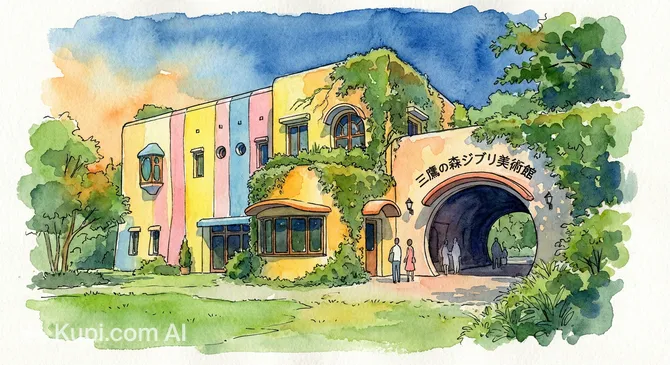
Inokashira Park. Illustration.
Source: Kupi.com AI

Traveler photos:

The central feature of the park is Inokashira Pond, which serves as the source of the Kanda River. The park's territory is quite significant, covering approximately 38.5 hectares (about 95 acres), allowing visitors to enjoy long walks and a variety of outdoor recreational activities.

Inokashira Park is famous for its rich natural landscape, including shaded forest areas, picturesque bodies of water, and lush greenery. Here, you can rent a boat for a trip on the pond, visit a small zoo, or simply relax on one of the many benches while enjoying the peace and beauty of nature. This makes the park an excellent place for family vacations and romantic walks.

Contacts

To get the most up-to-date information about Inokashira Park, including visiting hours, special events, and potential schedule changes, we recommend checking the park's official website or other verified sources. Below you will find contact information that may be useful:

How to contactContact
Address1-chōme-18-31 Gotenyama, Musashino, Tokyo 180-0005, Japan
Phone number+81 422-47-6900
Websitewww.kensetsu.metro.tokyo.lg.jp

What to Do

Inokashira Park in Sagamihara offers visitors many options for rest and entertainment. One of the most popular activities here is boating on the scenic Inokashira Pond. This activity is especially popular in the spring, during the cherry blossom season, when the park is blanketed in soft pink petals. Boat rental prices range from 300 to 700 yen, depending on the boat type and rental duration, making it an affordable pleasure for many.

The park's extensive grounds also house a zoo and aquarium. The zoo is located in the main part of the park, offering a look at various animal species, while the aquarium, located in the secondary section, allows you to dive into the underwater world. Additionally, for fans of Japanese animation, the museum of the world-famous Studio Ghibli is a real magnet; however, keep in mind that a prior reservation is required to visit.

Inokashira Park is not just a green zone but a true cultural space. It has long been a favorite spot for artists, street performers, and musicians whose performances create a unique atmosphere. It becomes especially crowded and lively during the traditional Japanese cherry blossom viewing (hanami) and in autumn when the maples turn bright crimson and gold. The park is also known for hosting an art flea market, where you can find unique souvenirs and works of art.

Getting There

Getting to Inokashira Park is quite simple, primarily due to its location near Kichijōji Station. This station is the closest to the park, making public transport the most convenient way to get here. From the station, you can walk to the park itself while enjoying the atmosphere of the lively neighborhood.

Kichijōji Station is a major transport hub served by several railway lines connecting it to various parts of Tokyo and surrounding areas. This means you can easily plan your route from anywhere in the metropolis. Additionally, the well-developed infrastructure around the station, including numerous shops, restaurants, and even a market, makes the area attractive even before you enter the park's green grounds.

Nearest city: Tokyo

History & Facts

Inokashira Park, whose full name "Inokashira Onshi Kōen" (井の頭恩賜公園) means "Inokashira Imperial Grant Park," carries a deep history. This name emphasizes its noble origin: the park's lands were presented as a gift to the city of Tokyo in 1913 by the Imperial Family. Although the famous Inokashira Pond and the source of the Kanda River existed here as far back as the Edo period, the park officially opened to the public on May 1, 1917 (or 1918 according to some sources).

A picturesque legend is associated with the name "Inokashira." It is said that the third shogun of the Tokugawa dynasty, Iemitsu, was so enchanted by the beauty of these places that he often visited them for falconry. It was his admiration that gave the name to this area, where the park later spread out, becoming a favorite vacation spot for many generations.

Today, Inokashira Park is not only a guardian of historical legends but also an important cultural and natural site. In 2017, the park celebrated its centenary on a grand scale, marked by extensive festivities. Its cherry blossoms have brought the park special fame: it is rightfully included in the list of the top 100 spots in Japan for hanami — the traditional custom of enjoying the blooming cherry blossoms — attracting many beauty lovers every spring with its unique atmosphere.

Time Needed

To fully enjoy all the charms of Inokashira Park in Tokyo, visitors should set aside at least half a day. This will allow for a leisurely stroll through the picturesque alleys, a chance to admire Inokashira Pond, and perhaps even a ride in a swan boat, which is one of the park's signature experiences.

If your plans include visiting the small zoo on the park grounds, where you can see Japanese squirrels, ducks, and other animals, or a visit to the Ghibli Museum (which is technically next to the park but often visited during the same trip), your stay will be significantly longer. You should budget at least 2-3 hours for the Ghibli Museum alone, not including travel time or potential waiting. The park also houses the Benzaiten Shrine, dedicated to the goddess of luck, and a small aquarium, both of which will take additional time to explore.

Thus, for a quick look at the main areas and a short walk by the pond, 2-3 hours might suffice. However, to truly soak in the atmosphere, visit several attractions, have a picnic, or simply relax in nature, it's better to plan for 4 to 6 hours or even more, especially if you are traveling with children or wish to visit the Ghibli Museum.

Working Hours

It is important to note that the most famous Inokashira Park, which is very popular with tourists and locals alike, is located in Tokyo. If you are interested in information about a park with the same name in the city of Sagamihara, specific details regarding its opening hours may vary or be unique to that location. In this case, it is highly recommended to check the current schedule on-site, on a possible official website of such a park in Sagamihara, or by contacting local tourist information centers.

Generally, many public parks in Japan are open to visitors year-round, but the operating hours of specific zones, pavilions, attractions, or other facilities on their grounds may change depending on the season, day of the week, or special events. Typically, no advance reservation is required for simple entry to a public park. However, if the park in Sagamihara that you are interested in hosts special exhibitions, museums, or planned events, they may require a separate ticket or prior booking. It is always helpful to check this information in advance to ensure your visit is as comfortable and fulfilling as possible.

Open 24 hours

Nearby

Visiting an iconic landmark like Inokashira Park is a highlight in itself. However, to make your trip to Sagamihara even more enriching and memorable, it's worth paying attention to the interesting places located nearby. Exploring the surroundings will allow you to dive deeper into the city's atmosphere, discover hidden gems, and gain a more complete understanding of its culture and diversity.

There are several notable sites near Inokashira Park that can complement your walk or become the destination of a separate visit. Below is a list of some of them, including their distance from the park, to help you better plan your route.

NameDistance
Ghibli Museum0.5 km
Studio Tour Tokyo – The Making of Harry Potter8.2 km
Shibuya Coffee Bar12 km
Reserve Roastery Tokyo12.1 km
Shibuya Stream Bar12.6 km
Blue Note Tokyo13.5 km
Suga Shrine13.6 km

Have you reached the end of the page?

So the route has been studied inside and out