Support

Shizuoka Sengen Shrine

About

The Shizuoka Sengen Shrine is one of the significant Shinto shrines in Japan, located in the city of Shizuoka. These shrines are traditionally dedicated to the deity of Mount Fuji, playing an important role in the spiritual life of the region and attracting both pilgrims and tourists wishing to experience Japanese culture.
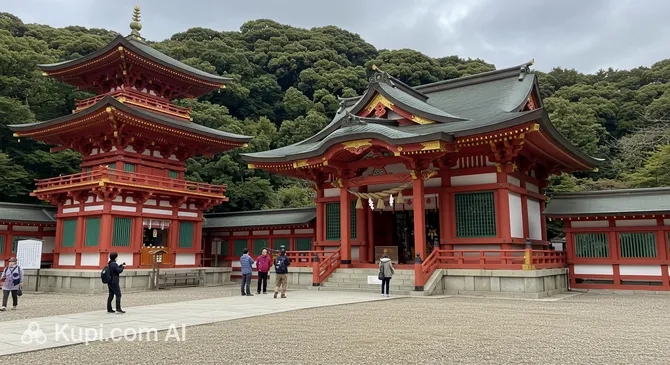
Shizuoka Sengen Shrine. Illustration.
Source: Kupi.com AI

Traveler photos:

One of the distinctive features of Sengen shrines, and the Shizuoka Sengen Shrine in particular, is their vibrant architecture. The complex often includes buildings of a deep red or cinnabar color, which create a solemn yet joyful atmosphere. The entrance to the sacred territory is usually marked by majestic torii gates, symbolizing the transition from the mundane world into the sacred space.

For many Japanese people and travelers, a visit to the Sengen Shrine holds special meaning, especially for those planning to climb Mount Fuji. It is believed that praying at such a shrine before the ascent brings good luck and blessings. These sites serve not only as objects of worship but also as important cultural centers, preserving centuries-old traditions and rituals associated with the veneration of the sacred mountain.

Contacts

To obtain current information about the opening hours of the Shizuoka Sengen Shrine, possible tours, or special events, it is recommended to visit the shrine's official website, if available, or contact the tourist information centers in the city of Shizuoka. Typically, such significant sites are easily accessible, and details on how to get to the shrine can be found on tourist maps or specialized resources dedicated to the attractions of Japan.

How to contactContact
Address102-1 Miyagasakichō, Aoi Ward, Shizuoka, 420-0868, Japan
Phone number+81 54-245-1820
Websitewww.shizuokasengen.net

What to Do

Visitors to the Shizuoka Sengen Shrine can fully immerse themselves in the atmosphere of traditional Japanese spirituality. Here, you can admire the unique architecture of the complex, where the main hall draws special attention. Often, these halls, painted in bright red and richly decorated, are beautiful examples of traditional Japanese architecture. Inside the temple buildings, you will have the opportunity to see various religious artifacts, ancient lanterns, and works of art, each carrying a piece of Japan's history and culture.

In addition to contemplating beauty and history, at the Shizuoka Sengen Shrine, you can participate in traditional rituals characteristic of Japanese shrines. For example, you can offer prayers for well-being and success, try your luck by getting an omikuji (paper strips with fortunes), or purchase omamori — special amulets that bring luck in various matters or protect against misfortune. Many visitors also leave their wishes and requests on wooden ema plaques, which they then hang on a special stand on the shrine grounds, believing that the deities will hear them.

A special place in Shinto shrines, and the Shizuoka Sengen Shrine is no exception, is occupied by their deep connection with nature. On its grounds, you can see ancient, mighty trees that may be several centuries old. Sometimes these trees are adorned with special decorative ropes (shimenawa), which emphasizes their sacred status. It is believed that these trees not only protect the shrine but also symbolize the inseparable connection of Shintoism with the surrounding world and natural forces, creating an atmosphere of peace and harmony for all visitors.

Getting There

Getting to the Shizuoka Sengen Shrine is usually quite easy, as it is located within the city of Shizuoka. The most common way to travel around Japanese cities, including Shizuoka, is by public transport. Most likely, the shrine can be reached by one of the city buses. It is recommended to check the current routes and schedules at the main Shizuoka station or at a tourist information center upon arrival.

An alternative and more comfortable option is a taxi ride. Taxis in Japan are known for their high level of service, though they are a more expensive way to travel. You can find taxis at designated ranks, at major hotels, or at the Shizuoka railway station. This method is especially convenient if you are traveling with children, a lot of luggage, or simply prefer a direct route to your destination.

If you are arriving in Shizuoka by train, it is generally easy to reach the main tourist sites from the city's central railway station. Buses heading towards the Shizuoka Sengen Shrine likely depart from there. For those who enjoy walking, if the shrine is within reasonable distance of your accommodation or the city center, a stroll can be a pleasant way to get to know the area. However, be sure to check the distance beforehand and carry a map.

Nearest city: Shizuoka

History & Facts

The history of the Shizuoka Sengen Shrine is rooted in ancient times, bearing witness to centuries-old traditions of venerating the sacred Mount Fuji. According to ancient chronicles, the first shrine at this iconic site was established as early as 699 AD. However, its original appearance has not been preserved, as it was destroyed by a powerful eruption of Mount Fuji in 800 — an event that undoubtedly left a deep mark on the region's history.

Despite the natural disaster, the shrine was restored in 806 and has since been known as the residence of the deity previously worshipped at the Yamamiya Sengen Shrine. Over the centuries, the Shizuoka Sengen Shrine has played a key role in the spiritual life of local residents, especially regarding the worship of Mount Fuji. It is part of the Sengen shrine tradition, known for its distinctive architecture. For example, another famous shrine in this network, Fujiyoshida Sengen, prides itself on its main hall, which is richly decorated and dates back to 1615, illustrating the splendor inherent in such sacred places.

A special chapter in the shrine's history is its connection with Minamoto no Yoritomo, the legendary founder of the first shogunate in Japan. In 1193, he held a ritual hunt at the foot of Mount Fuji, and this significant event is still celebrated annually at the shrine with a colorful Yabusame festival — horse archery. This living tradition not only attracts many spectators but also highlights the deep historical and cultural significance of the Shizuoka Sengen Shrine for Japanese society, preserving the heritage of the past for future generations.

Time Needed

For most visitors, exploring the Shizuoka Sengen Shrine will take approximately 1-2 hours. This time is usually enough to walk through the main grounds, admire the architecture of the main buildings, including the characteristic torii gates and the main hall, and experience the peaceful atmosphere of this sacred site.

If you plan a deeper immersion, the duration of your visit may increase. For instance, if you wish to examine the details of the temple buildings, study the artifacts on display, participate in traditional rituals such as purchasing omamori amulets or writing wishes on ema plaques, and take a leisurely stroll through the surrounding area enjoying the nature and ancient trees, you should set aside a bit more time. For those interested in photography or simply wishing to spend time in quiet meditation, a visit can last up to 3 hours.

Working Hours

The exact opening hours of the Shizuoka Sengen Shrine may vary, and unfortunately, specific information is currently unavailable. Generally, Shinto shrines in Japan are open to the public during daylight hours, often from early morning until late evening, especially the main grounds. However, the access hours for the inner rooms, the shrine office (where you can buy amulets or request rituals), or museums on the grounds may be more limited.

We recommend that you check the current opening hours on the official website of the Shizuoka Sengen Shrine, if available, or contact the tourist information centers in the city of Shizuoka before your visit. Usually, a simple visit to the shrine grounds does not require advance booking, but it may be necessary for participating in special ceremonies or tours. Most major shrines are open to the public year-round, but it is always helpful to confirm this before your trip, especially if you are planning a visit during national holidays or special events.

Open 24 hours

Nearby

A visit to the Shizuoka Sengen Shrine will undoubtedly be a highlight of your journey to Japan. However, to make your experience even more complete and multifaceted, it is worth paying attention to other interesting places located nearby. Exploring the surroundings will allow you to dive deeper into the atmosphere of Shizuoka, discovering new facets of its culture, history, and daily life.

Near the Shizuoka Sengen Shrine, there are several notable sites that can complement your cultural program. Below is information about some of them, so you can plan your time and perhaps expand your itinerary through this charming Japanese city.

NameDistance
Sumpu Castle Park0.8 km
Sumpu Castle East Gate1 km
Oriental Lounge Shizuoka1.4 km
12 - twelve1.5 km
Shizuoka City Serizawa Keisuke Art Museum4.3 km
Nihondaira Zoo5.8 km
Shizuoka Prefectural Museum of Art6.4 km

Have you reached the end of the page?

So the route has been studied inside and out