Support

Kunozan Toshogu Shrine

About

Kunozan Toshogu Shrine is an iconic Shinto shrine located on scenic Mount Kuno in the Suruga coastal district of Shizuoka City, Shizuoka Prefecture, Japan. This site holds special historical significance as the oldest Toshogu shrine in the country and the original burial site of Shogun Tokugawa Ieyasu, the legendary founder of the Tokugawa shogunate. A visit to this shrine allows you to touch an important chapter of Japanese history.
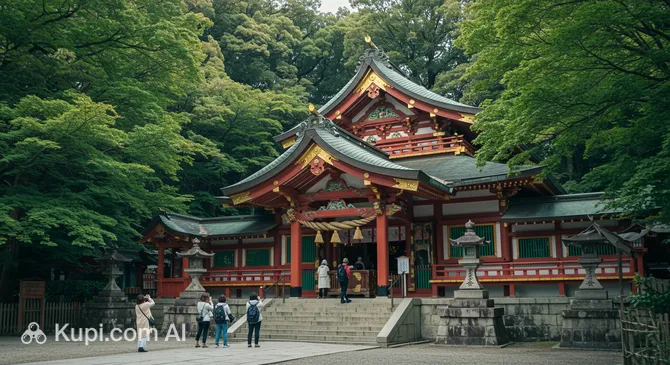
Kunozan Toshogu Shrine. Illustration.
Source: Kupi.com AI

Traveler photos:

The Kunozan Toshogu temple complex is an impressive collection of architectural masterpieces. It consists of 13 structures, each recognized as an Important Cultural Property of Japan. The shrine also houses priceless artifacts, with 12 Japanese swords designated as National Treasures of Japan holding a special place. These relics bear witness to the region's rich cultural and military heritage.

The shrine can be reached via the Nihondaira Ropeway, which connects it to the Nihondaira Plateau in the heart of Shizuoka. This trip is an adventure in itself, as it offers breathtaking views of Suruga Bay and majestic Mount Fuji from above. Kunozan Toshogu Shrine is not just a historical monument, but a place where natural beauty blends harmoniously with spiritual heritage, offering visitors a unique experience.

Contacts

To obtain up-to-date information about opening hours, admission fees, or to ask other questions regarding Kunozan Toshogu Shrine, it is recommended to visit the attraction's official website. You can also find useful information at tourist information centers in the city of Shizuoka, where staff can help you with details for planning your visit.

How to contactContact
Address390 Negoya, Suruga Ward, Shizuoka, 422-8011, Japan
Phone number+81 54-237-2438
Websitewww.toshogu.or.jp

What to Do

A visit to Kunozan Toshogu Shrine offers guests a unique opportunity to immerse themselves in the history and culture of Japan. The main activity here is exploring the temple complex itself, which consists of 13 historical structures, each crafted in an exquisite traditional Japanese style. Of particular interest is the magnificent, lacquered gongen-zukuri style annex, a prime example of Azuchi-Momoyama period architecture. Inside the shrine, visitors can see priceless artifacts, most notably 12 Japanese swords with the prestigious status of National Treasures of Japan—this is a unique opportunity to connect with the country's samurai past.

Beyond the architectural and historical treasures, the shrine offers other experiences. If your trip coincides with the dates of shrine festivals, you can witness vibrant and authentic Japanese traditions. The main festival takes place annually on April 17, while a larger spring festival is celebrated on February 17-18. An essential part of the visit is a ride on the Nihondaira Ropeway, which not only takes you to the shrine but also provides unforgettable panoramic views of scenic Suruga Bay and majestic Mount Fuji. Once on the Nihondaira Plateau, you can also take time to visit the stadium and observatory located there, expanding your sightseeing program.

Getting There

Kunozan Toshogu Shrine is located at the top of Mount Kuno in Shizuoka. The main route to this secluded shrine is via the Nihondaira Plateau, where a ropeway carries visitors directly to the temple complex.

To reach the Nihondaira Plateau, where the ropeway departs, you can use public transport from central Shizuoka, such as a bus, or opt for a taxi. The Nihondaira Plateau itself is a popular destination, so transport links are generally well-developed. It is recommended to check the current bus schedule in advance if you plan to travel by public transport.

A ride on the Nihondaira Ropeway is the final stage of the journey to Kunozan Toshogu Shrine. This mode of transport is not only convenient but also allows you to appreciate the beauty of the surrounding area during the ascent to the mountaintop shrine.

Nearest city: Shizuoka

History & Facts

The history of Kunozan Toshogu Shrine is rooted in deep antiquity. The first structures on the summit of Mount Kuno, rising 216 meters above Suruga Bay, appeared as early as the Nara period (710-794). However, the site gained its key historical role much later, becoming the original resting place of Tokugawa Ieyasu (1543-1616), the legendary founder of the Tokugawa shogunate who unified Japan. It was after his death in 1616 that his body was buried here, making Kunozan Toshogu the oldest of all Toshogu shrines in the country.

Just a year later, in 1617, Ieyasu's remains were solemnly moved to Nikko, where he was deified as Tosho Daigongen, the protector deity of the eight provinces of the Kanto region. Despite this move, beliefs remain strong in Shizuoka and its surroundings that part of the great shogun's spirit—and perhaps even his remains—still rests at Kunozan Toshogu Shrine. This legend gives the site a special aura and attracts those interested in the mystical side of Japanese history.

Interestingly, Kunozan Toshogu Shrine is revered not only for its connection to Tokugawa Ieyasu. It is believed that the spirits of two other prominent unifiers of Japan—Oda Nobunaga and Toyotomi Hideyoshi—also dwell here. Thus, the shrine serves as a kind of pantheon for three key figures who played a decisive role in shaping the unified Japanese state, making it a unique site in terms of historical and spiritual heritage.

Time Needed

A typical visitor should set aside approximately 2-3 hours to explore Kunozan Toshogu Shrine. This is usually enough time to stroll leisurely through the grounds, see the main 13 historical structures that make up the complex, and appreciate their architectural splendor. You will also have time to examine the details and perhaps see some of the treasures kept here, such as the famous Japanese swords that are part of Japan's heritage.

The duration of your visit may vary slightly. If you have a deep interest in Japanese history and architecture, want to study each building in detail, or spend more time enjoying the panoramic views from Mount Kuno and during the Nihondaira Ropeway ride, it's worth allocating a bit more time. In general, for a comfortable and unhurried introduction to Kunozan Toshogu Shrine and its atmosphere, it's best to plan for half a day, especially if you want to combine it with a walk on the Nihondaira Plateau—which offers views of Suruga Bay and Mount Fuji—and enjoy your stay in Shizuoka.

Working Hours

Kunozan Toshogu Shrine is generally open to visitors throughout the year, though exact opening hours may vary depending on the season. Typically, temple complexes in Japan operate during daylight hours, for example, from 9:00 AM to 5:00 PM, but these details are subject to change.

As specific information regarding opening hours and the need for advance ticket booking is not provided, it is highly recommended to check the official website of Kunozan Toshogu Shrine or contact the tourist information centers in the city of Shizuoka before your visit. This will help you get the most up-to-date information and plan your visit effectively, avoiding any potential inconvenience.

9:00 – 17:00

Nearby

A visit to Kunozan Toshogu Shrine is undoubtedly a highlight, but your exploration of Shizuoka shouldn't be limited to this iconic landmark alone. Exploring the surrounding areas will allow you to dive deeper into the region's atmosphere, discover new facets of its culture and history, and enjoy a variety of local attractions.

Each additional stop on your itinerary can enrich your travel experience, adding new colors and memories. Near the shrine, there are other interesting sites worth visiting that can be a wonderful addition to your journey through Japan. Below is a list of some of these attractions, including their distance from Kunozan Toshogu Shrine.

NameDistance
Nihondaira1 km
Nihondaira Yume Terrace1.1 km
Nihondaira Zoo3.1 km
Shizuoka Prefectural Museum of Art3.6 km
Shizuoka City Serizawa Keisuke Art Museum5.5 km
Chibi Maruko-chan Land5.6 km
Miho no Matsubara6 km

Have you reached the end of the page?

So the route has been studied inside and out