Support

Shimogamo Shrine

About

Shimogamo-jinja, also known as Shimogamo Shrine, is one of the oldest and most revered Shinto shrines, located in the northern part of Kyoto, Japan. This unique temple is situated in a picturesque spot at the confluence of the Kamo and Takano rivers, which gives it a special atmosphere of peace and connection with nature.
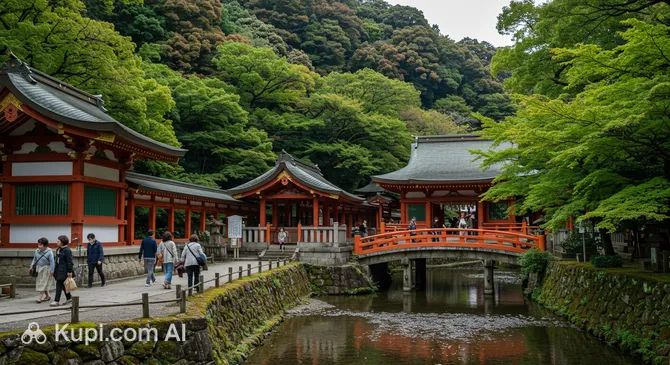
Shimogamo Shrine. Illustration.
Source: Kupi.com AI

Traveler photos:

The shrine is surrounded by the Tadasu-no-mori, a sacred primeval forest that is an important part of the temple complex and is revered as much as the man-made buildings. Shimogamo-jinja plays a significant role in the spiritual and cultural life of Kyoto, serving as the venue for many traditional rituals and festivals that attract both locals and travelers from all over the world.

As part of the larger Kamo shrine complex, which also includes the Kamigamo-jinja shrine, Shimogamo-jinja is recognized as a National Historic Site of Japan. Its exceptional historical and cultural value was confirmed by its inclusion in the UNESCO World Heritage list as part of the "Historic Monuments of Ancient Kyoto" site.

Contacts

For the most up-to-date information on Shimogamo-jinja shrine's opening hours, upcoming events, or any other inquiries, it is recommended to contact them directly or visit their official website. The shrine's address is: 59 Shimogamo Izumigawa-chō, Sakyō-ku, Kyoto, 606-0807, Japan.

How to contactContact
AddressJapan, 〒606-0807 京都府京都市左京区下鴨泉川町59
Phone number+81 75-781-0010
Websitewww.shimogamo-jinja.or.jp

What to Do

Visiting Shimogamo-jinja offers a wealth of experiences for the traveler. First and foremost, it's an opportunity to encounter traditional Japanese architecture while strolling through the shrine's well-maintained grounds. Be sure to take time for a walk through the picturesque Tadasu-no-mori forest that surrounds the temple. This place is considered a source of power and tranquility, where you can enjoy the silence and beauty of ancient trees, some of which are hundreds of years old.

At the shrine, visitors can observe various Shinto rituals and ceremonies regularly performed by the priests. Of particular interest are the numerous sub-shrines, each dedicated to a specific kami (deity). Here, you can not only see locals making offerings and prayers but also participate in some rituals yourself, such as asking for luck, health, or protection from misfortune, following local traditions.

Shimogamo-jinja is also famous for its colorful seasonal festivals. The most renowned is the Aoi Matsuri (Hollyhock Festival), held in May, which attracts huge crowds with its magnificent processions in historical costumes. Additionally, you can often witness traditional Japanese wedding ceremonies on the shrine grounds, as well as rituals related to childbirth and family well-being, providing a deeper immersion into the culture of Japan.

Getting There

Shimogamo-jinja is conveniently located relative to the center of Kyoto, making it easily accessible for visitors. Public transport is the primary way to get here. You can take city buses No. 4, No. 205, or No. 206 and get off at the Shimogamo-jinja-mae stop, which is right by the entrance. Another convenient option is to take the subway or train to Demachiyanagi station (served by the Keihan and Eizan lines). From there, a pleasant 10-15 minute walk will take you to the shrine.

For those who prefer traveling by taxi, a ride from central Kyoto to Shimogamo-jinja is quick and comfortable, though slightly more expensive than public transport. If you are up for a longer walk to enjoy the city views, the shrine is reachable on foot from the Kyoto Imperial Palace. This route takes about 20-30 minutes and passes through scenic parks and along riverbanks, allowing you to better soak in the city's atmosphere.

Nearest city: Kyoto

History & Facts

Shimogamo-jinja, located in Kyoto, is considered one of the oldest shrines in Japan. Its history is rooted in deep antiquity; legends say it was founded even before the common era. Archaeological finds confirm this antiquity: remains of ritual structures dating back to the Jomon period were discovered on the shrine's grounds. This suggests that this site has been revered as sacred and served as a center for important rituals since ancient times.

The first permanent structures at Shimogamo-jinja were built in the 7th century during the reign of Emperor Tenmu. By the 10th and 11th centuries, the shrine had already gained status as one of the region's most important religious centers. Its significance grew particularly after the nearby founding of Heian-kyo, the new capital of Japan now known as Kyoto. Emperors and the court nobility often turned to the deities of Shimogamo-jinja with prayers for the protection and prosperity of the capital.

The shrine's history is closely intertwined with the influential clans of ancient Japan, specifically the Kamo and Hata clans, who played a significant role in its support and development. The main deities worshipped at Shimogamo-jinja are Kamotaketsunomi-no-mikoto and his daughter Tamayorihime-no-mikoto. According to beliefs, these kami are considered powerful clan patrons, protectors of children, and those who ward off misfortune, making the shrine especially significant for many believers to this day.

Time Needed

When planning a visit to Shimogamo-jinja, you should allow 1.5 to 3 hours for a full experience of the shrine. This amount of time (1.5-3 hours) is usually enough to not only see the temple buildings but also enjoy a walk through the adjacent sacred forest, Tadasu-no-mori.

During this period, you can carefully examine the architectural features of Shimogamo-jinja's ancient structures, soak in the atmosphere of one of Kyoto's oldest Shinto shrines, and feel the tranquility while walking under the canopy of the centuries-old trees in the Tadasu-no-mori forest. If you plan to leisurely explore every corner, including the many small shrines on the grounds, or simply want to enjoy the serenity of this place for longer, it's better to aim for the upper end of this timeframe, around 3 hours.

Working Hours

Shimogamo-jinja shrine is generally open to visitors daily. According to available information, standard opening hours are usually from 6:30 AM to 5:00 PM. It is important to note that these times may vary depending on the season, as well as during various festivals and special events held on the temple grounds. Therefore, despite its general accessibility, it is recommended to check the current schedule before your visit.

Usually, no advance booking or registration is required to visit the main grounds of Shimogamo-jinja, and entry to the shrine is generally free. However, if you plan to attend a specific event or special exhibition that may be held on the grounds, entry conditions may differ. For the most accurate and up-to-date information on opening hours and whether booking is required for special events, we strongly advise checking the shrine's official website or contacting local tourist information centers in Kyoto.

6:00 – 17:00

Nearby

A visit to Shimogamo-jinja will undoubtedly be a highlight of your trip to Kyoto. However, to make your experience even more complete and diverse, it is worth paying attention to nearby attractions. Exploring the surrounding area will allow you to dive deeper into the atmosphere of this amazing city and discover new facets of its history and culture.

Near Shimogamo-jinja, there are other interesting spots, each unique in its own way. These can range from historical monuments and quiet gardens to vibrant urban spaces. When planning your itinerary, set aside time to visit them – it will enrich your trip with new discoveries.

NameDistance
Kyoto Imperial Palace1.9 km
Kyoto Gyoen National Garden2 km
The Pink Kyoto3.4 km
Kitsune Kyoto3.5 km
Shinpuhkan3.5 km
Kyoto Samurai and Ninja Museum3.6 km
Nijō Castle3.6 km

Have you reached the end of the page?

So the route has been studied inside and out