Support

Fujisan Hongu Sengen Taisha

About

Fujisan Hongu Sengen Taisha is an iconic Shinto shrine located in the city of Fujinomiya, Shizuoka Prefecture, on the southwestern slopes of the majestic Mount Fuji in Japan. This temple holds immense significance as the head shrine dedicated to Mount Fuji and is traditionally considered the sacred gateway for those intending to climb this legendary peak.
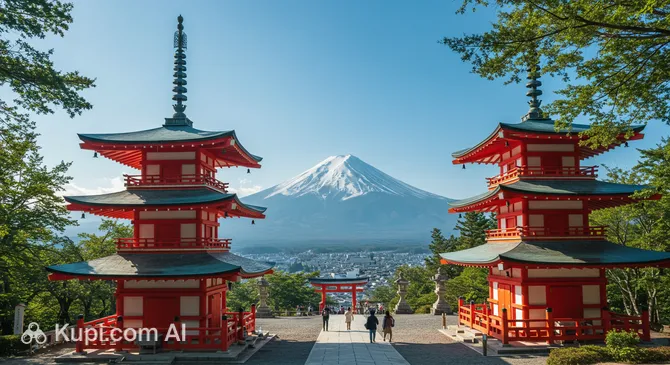
Fujisan Hongu Sengen Taisha. Illustration.
Source: Kupi.com AI

Traveler photos:

The shrine's architectural ensemble draws attention with its bright red buildings, which give the place a particularly festive and spiritual appearance. The atmosphere here is filled with tranquility and harmony, inviting reflection and contemplation.

One of the key features of the shrine grounds is Wakutama Pond. According to belief, this is where pilgrims and climbers have performed ritual purifications since ancient times, cleansing themselves before setting off on their journey to the summit of Fuji.

Beyond its spiritual and cultural value, Fujisan Hongu Sengen Taisha offers visitors breathtaking views of Mount Fuji, which are especially beautiful on clear days. This is a place where you can not only touch ancient traditions but also enjoy one of Japan's most famous landscapes.

Contacts

For the most up-to-date information on opening hours, potential tours, or special events at the Fujisan Hongu Sengen Taisha shrine, it is recommended to visit its official website or contact local tourist information centers. Typically, such information can be found at tourist offices in the city of Fujinomiya or Shizuoka Prefecture, where they can also provide contact details and help you plan your visit.

How to contactContact
Address1-1 Miyachō, Fujinomiya, Shizuoka 418-0067, Japan
Phone number+81 544-27-2002
Websitefuji-hongu.or.jp

What to Do

A visit to Fujisan Hongu Sengen Taisha offers tourists a unique opportunity to experience Japanese culture and traditions. One of the main highlights is participating in or observing various seasonal events. For example, in April, the shrine grounds are transformed by the blooming of about 500 cherry trees. This spectacle is particularly impressive in the evening when special lighting is turned on, creating a magical atmosphere.

History buffs and fans of spectacular events will be interested in the annual Horseback Archery Festival (Yabusame), held from May 4th to 6th. This colorful festival commemorates Minamoto no Yoritomo's ritual hunt at the foot of Fuji in 1193. Watching the skill of archers dressed in traditional costumes is an unforgettable experience.

Additionally, the shrine plays a central role in the opening and closing ceremonies of the Mount Fuji climbing season. Even if you don't plan to conquer the peak, attending these rituals will allow for a deeper understanding of the mountain's significance to the Japanese people. Also, on the way to the shrine's main gate, visitors can see a monument to Minamoto no Yoritomo, the founder of Japan's first shogunate, which adds a historical touch to the visit.

In addition to these events, guests can simply stroll through the well-maintained shrine grounds, enjoying the peace and beauty of traditional Japanese architecture, explore the main and auxiliary structures of the shrine, and purchase traditional amulets and souvenirs.

Getting There

Reaching Fujisan Hongu Sengen Taisha shrine can seem like a bit of a challenge, especially if you are traveling in transit, for example, from Tokyo to the Kansai region. The shrine is located in the city of Fujinomiya, at the southwestern foothills of Mount Fuji, making it a key stop for many travelers heading to the sacred peak or those simply wishing to experience its spiritual aura.

If you arrive at Shin-Fuji Station, which serves the Shinkansen high-speed trains, you will need to transfer. From Shin-Fuji Station, you typically need to walk or take a bus to Fuji Station, and from there continue on the JR Minobu Line to Fujinomiya Station. The train ride from Fuji Station to Fujinomiya takes about 20 minutes. From Fujinomiya Station, the shrine is a 10–15 minute walk following the signs, or you can take a taxi, which is faster and more convenient, especially with luggage.

For those planning to climb Mount Fuji via the popular Fujinomiya trail, a visit to Fujisan Hongu Sengen Taisha is often an integral part of the itinerary. Many pilgrims and climbers begin their journey here, paying respects to the mountain's deities before starting the ascent. Given its location, the shrine is easily accessible from downtown Fujinomiya, and a visit can be combined with exploring other city attractions.

Nearest city: Shizuoka

History & Facts

Fujisan Hongu Sengen Taisha shrine has deep historical roots, dating back centuries to the veneration of the majestic Mount Fuji. According to legend, it was founded with the primary goal of appeasing the powerful mountain deity, whose power and beauty inspired both admiration and awe in the locals. For centuries, the shrine served as an important stop for travelers, especially those journeying from the ancient capital of Kyoto to the sacred mountain, becoming an integral part of Japan's spiritual landscape.

One of the most prominent chapters in the history of Fujisan Hongu Sengen Taisha was the Kamakura period. Minamoto no Yoritomo, the founder of Japan's first shogunate, became a figure of great significance for the shrine. In 1193, he held a famous ritual hunt at the foot of Mount Fuji, an event that left a profound mark on the shrine's history. This event is commemorated by the colorful annual Yabusame (horseback archery) festival, which is still held on the shrine grounds today, recalling a glorious past and ancient traditions.

Historically, Fujisan Hongu Sengen Taisha was also the starting point for one of the main climbing routes up Fuji — the Fujinomiya trail. Although this route is used less frequently today compared to others, its significance as an ancient path for pilgrims and climbers remains. Thus, the shrine is not just a religious site, but a place where beliefs, centuries of history, and rich culture associated with the veneration of Japan's most famous and sacred mountain are closely intertwined.

Time Needed

To explore Fujisan Hongu Sengen Taisha, a typical visitor should allocate approximately 1.5–2 hours. This is generally enough time to see the shrine's main structures, including the main hall and other significant buildings, stroll through the picturesque grounds, and visit the famous Wakutama Pond, where pilgrims traditionally perform ritual purification.

If you plan a deeper immersion into the atmosphere of this place, want to leisurely enjoy the views of Mount Fuji (on a clear day), take photos, purchase amulets, or simply spend time in a peaceful setting, your visit may take up to 3 hours or even slightly longer. Participating in any ceremonies or visiting during festivals, such as the cherry blossom season or Yabusame, will naturally require significantly more time and prior planning of your day.

Working Hours

Fujisan Hongu Sengen Taisha shrine, like most Shinto shrines in Japan, is typically open to the public daily, usually during daylight hours. Admission to the main grounds is often free. However, the exact opening hours of specific buildings, such as the main prayer hall, administrative offices, the museum (if available), or souvenir shops, may vary and change depending on the season or special events. For the most current information on opening hours, it is recommended to visit the shrine's official website or contact tourist information centers in Shizuoka or Fujinomiya.

Generally, for a regular visit and tour of the grounds of Fujisan Hongu Sengen Taisha, advance ticket booking is not required. The shrine is accessible for visits year-round, offering different experiences depending on the season. However, if you plan to visit during major festivals, such as the Yabusame horseback archery festival in May, or wish to participate in any special ceremonies, you should check official resources in advance for the potential need for registration or ticket purchase to avoid any inconvenience.

8:30 – 16:30

Nearby

A visit to Fujisan Hongu Sengen Taisha is undoubtedly a highlight, but exploring the surrounding area can further enrich your travel experience in Shizuoka. The area around the shrine, including the city of Fujinomiya where it is located, offers travelers other interesting sites that allow for a deeper dive into the local culture and nature of this part of Japan.

Near the majestic shrine, you will find a variety of sites: from modern shopping centers to picturesque parks and cozy restaurants. Exploring these nearby attractions will give you a more complete and multifaceted view of the region and make your trip even more fulfilling.

NameDistance
Fujinomiya Shopping Mall0.8 km
Sawayaka Fuji Takaoka5 km
Iwamoto Mountain Park5.7 km
Fujikawa Rakuza Roadside Station7.4 km
Sawayaka Fujinishiki10.1 km
Satta Pass18.4 km
Chibi Maruko-chan Land26.3 km

Have you reached the end of the page?

So the route has been studied inside and out