Support

Edo-Tokyo Museum

About

The Edo-Tokyo Museum is an outstanding historical museum located in Tokyo, Japan. It is dedicated to the rich history of the city of Edo, which was renamed Tokyo during the Meiji era. The museum is striking for its unique architecture: the building is shaped like a traditional storehouse and stands at a height of 62.2 meters, symbolically matching the height of the ancient Edo Castle. This venue offers a captivating journey through time, introducing visitors to the past of the Japanese capital.
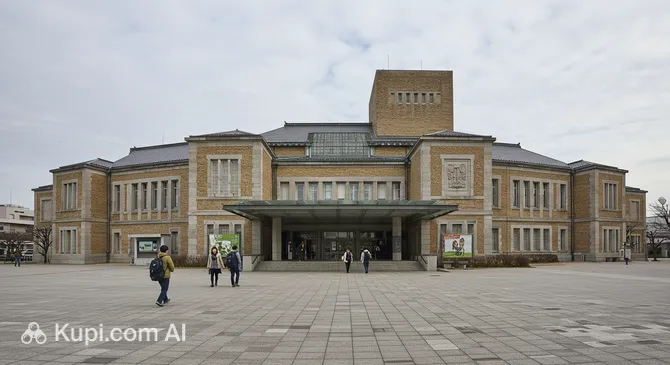
Edo-Tokyo Museum. Illustration.
Source: Kupi.com AI

Traveler photos:

The museum's exhibits occupy an impressive area of over 9,000 square meters and cover the city's history from the Edo period, starting in the 1600s, to modern-day Tokyo. The permanent exhibition is located on the fifth and sixth floors, where you can see detailed reconstructions, scale models, and authentic everyday items. The first floor houses halls intended for temporary themed exhibitions, making every visit to the museum unique in its own way.

The Edo-Tokyo Museum is an important cultural and educational center. It allows you not just to see the exhibits, but to truly immerse yourself in the atmosphere of different eras of Tokyo's history. Thanks to a variety of exhibits and interactive programs, visitors have the opportunity to deeply study the city's development, its culture, and traditions. This makes the museum interesting both for those discovering Japan's history for the first time and for seasoned connoisseurs.

Contacts

For the most up-to-date information regarding the operation of the Edo-Tokyo Museum, such as visiting hours, ticket prices, and current exhibitions, it is recommended to consult official resources. The most comprehensive and reliable source is the museum's official website, which is available in Japanese, English, and Korean.

How to contactContact
Address1-chōme-4-1 Yokoami, Sumida City, Tokyo 130-0015, Japan
Phone number+81 3-3626-9974
Websitewww.edo-tokyo-museum.or.jp

What to Do

When planning your cultural itinerary during your stay in Urayasu, consider visiting the famous Edo-Tokyo Museum, located in the capital of Japan. This trip will allow you to delve deeper into the history of Tokyo, formerly known as Edo, and will be an educational addition to your journey.

At the Edo-Tokyo Museum (in Tokyo), a fascinating journey through time awaits you. One of the main highlights is the full-scale reconstructions of historical structures: you can walk across a replica of the 17th-century wooden Nihonbashi Bridge, see a portion of Edo Castle, and peer into recreated residences from various eras and even a kabuki theater. The exhibition also includes numerous household items, tools, traditional kimonos, and examples of old transport, vividly illustrating the city's life.

The museum's displays cover Tokyo's history from the founding of ancient Edo through periods of significant change, including the Great Kanto Earthquake and post-war reconstruction, to modern achievements. In addition to touring the permanent exhibitions, the Edo-Tokyo Museum often offers interactive programs and hosts cultural events, making your visit even more memorable. It is also worth mentioning its branch—the Edo-Tokyo Open Air Architectural Museum in Koganei Park, which features a collection of historic buildings.

Getting There

The Edo-Tokyo Museum is located in the vibrant Ryogoku district of Tokyo's Sumida Ward. It is easily recognizable not only by its impressive architecture but also by its proximity to the famous Ryogoku Kokugikan National Sumo Stadium. The most convenient way to reach the museum is by public transport, which is exceptionally well-developed in Tokyo and serves as the most efficient way to navigate the metropolis.

Several metro and railway stations are located in the immediate vicinity of the Edo-Tokyo Museum, making it easily accessible from almost anywhere in the Japanese capital. A walk from the nearest stations, such as JR Ryogoku Station (Sobu Line) or Ryogoku Subway Station (Oedo Line), will take only a few minutes. We recommend planning your route in advance using one of the many online maps or Tokyo public transport navigation apps to choose the most convenient option for you.

It is important to note that the main Edo-Tokyo Museum is located in Tokyo, not in the city of Urayasu, which may have appeared in your initial search. If you are planning a trip to the museum from Urayasu, you will first need to reach central Tokyo using the rail network (for example, the JR Keiyo Line to Tokyo Station, then transferring to the Sobu Line) or the subway. A taxi ride from Urayasu to the museum is also possible, but it will be significantly more expensive and may take longer due to the distance and heavy city traffic.

Nearest city: Urayasu

History & Facts

The Edo-Tokyo Museum, dedicated to the rich history of the Japanese capital, was officially opened on March 28, 1993. It is located in Tokyo's Ryogoku district, right next to the famous sumo arena, the Ryogoku Kokugikan National Stadium. The museum building itself is an architectural masterpiece, designed in the style of a traditional Japanese "kura" (storehouse). Its impressive height of 62.2 meters is no coincidence: it is symbolically equal to the height of the main keep of the historic Edo Castle, emphasizing the deep connection between the exhibits and the city's past.

The history of Edo itself, to which the museum dedicates its extensive exhibits, is rooted in the distant past. Long before becoming a thriving center, back in the 12th century, a small fishing village stood on this site. The name "Edo" itself is quite telling, translating to "bay entrance" or "estuary," reflecting its geographical location and original character on the shores of Tokyo Bay.

A landmark event that marked the beginning of Edo's transformation into a major city was the construction of the castle in 1457 by order of the samurai Ota Dokan. This date is often considered the official moment of the city's founding. Interestingly, the site of this historic castle is now occupied by the picturesque East Gardens of the Imperial Palace. A powerful new impetus for Edo's development was provided by Tokugawa Ieyasu, who made the castle his military headquarters in 1590. He gathered warriors and craftsmen around him, fortified the castle, and began active city construction. Subsequently, during the Meiji era, Edo was renamed Tokyo, and the Edo-Tokyo Museum meticulously traces this centuries-long transformation, allowing visitors to immerse themselves in the amazing story of a humble settlement becoming one of the world's greatest capitals.

Time Needed

To fully appreciate the main exhibition of the Edo-Tokyo Museum, it is recommended to set aside approximately 2-3 hours. This amount of time will allow you to walk through the main halls without rushing, examine the detailed reconstructions, and study the most interesting exhibits telling the story of Tokyo.

Given that the museum's exhibition areas are quite extensive, covering more than 9,000 square meters, and the displays span a significant historical period from the founding of Edo to the present day, the suggested time should be sufficient for a general overview and a look at key objects. Of course, if you wish to study specific periods or exhibits in more depth, your stay may be longer.

It is also worth remembering that the museum has a branch—the Edo-Tokyo Open Air Architectural Museum, located in Koganei Park. If you plan to visit that as well, additional time will be required, which should be taken into account when planning your day.

Working Hours

Although the Edo-Tokyo Museum is actually located in Tokyo rather than Urayasu (as might have been suggested in your search), it is very important to check its current operating hours in advance when planning your visit from Urayasu or any other city in Japan. The schedule may change depending on the season, holidays, or special events. It is always best to check the museum's official website or official travel guides for the most accurate and up-to-date information.

We also recommend finding out if advance ticket booking is required, especially if you plan to visit during the height of the tourist season or want to attend a popular temporary exhibition. On the official resources of the Edo-Tokyo Museum, you can also find out if it is open year-round or if there are any seasonal adjustments to its schedule. Checking in advance will help you better plan your visit, especially if you are traveling from Urayasu, and help you avoid any potential inconvenience.

Nearby

A visit to the Edo-Tokyo Museum in Tokyo is undoubtedly a fascinating experience. However, if your journey through Japan also includes a stay in Urayasu, exploring its own attractions can significantly enrich your impressions. By discovering interesting places in Urayasu, you can dive deeper into the local atmosphere and make your trip even more fulfilling.

While the following attractions are located in Urayasu and are therefore not in the immediate vicinity of the Edo-Tokyo Museum (located in Tokyo), they may be of significant interest if you are staying in or planning to visit Urayasu. Here are some notable spots in Urayasu itself that may also interest you and complement your experience of the city:

NameDistance
Beer Club Popeye0.3 km
Suitengu Shrine1.7 km
Kiyosumi Gardens1.7 km
Unlimited Coffee Bar1.8 km
Fukagawa Edo Museum1.8 km
Daikoku-yu Oshiyama Onsen1.9 km
Tenku Lounge Top of Tree2.1 km

Have you reached the end of the page?

So the route has been studied inside and out