Support

Kiba Park

About

Kiba Park is a majestic multifunctional oasis nestled within the dense urban landscape of eastern Tokyo. Covering about 24 hectares, this green space in Japan serves as a vital recreational area and the "lungs" of the surrounding neighborhoods. The park offers a unique blend of spacious landscapes, modern sports facilities, and cultural landmarks.
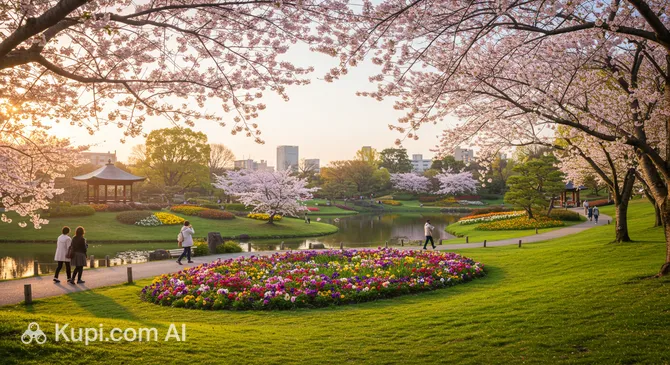
Kiba Park. Illustration.
Source: Kupi.com AI

Traveler photos:

One of its most recognizable features is the giant suspended pedestrian bridge, which dramatically connects the northern and southern sections. This bridge offers stunning panoramic views of the lush parkland and the city skyline, including the iconic Tokyo Skytree. In the southern part of the park, you'll find the Museum of Contemporary Art Tokyo, making Kiba Park a destination for both picnickers and culture enthusiasts.

For visitors from Chiba and neighboring prefectures, this is the perfect place to recharge. It has everything from jogging tracks and tennis courts to shady alleys for meditative walks. The special atmosphere of the park, where the industrial past of the Fukagawa district has been transformed into a modern public space, makes it a must-visit for those wanting to see Tokyo's calmer, more spacious side.

Contacts

Before heading out for a stroll in Kiba Park, we recommend checking official resources for the latest information on special zones and service availability. Up-to-date details will help you plan your time better, especially if you intend to visit the administration center or specific exhibitions.

How to contactContact
Address4-chōme-6-1 Hirano, Koto City, Tokyo 135-0023, Japan
Phone number+81 3-5245-1770
Websitewww.tokyo-park.or.jp

What to Do

At Kiba Park, visitors will find many ways to spend their time actively and enjoyably. Sports fans will appreciate the excellent facilities, including high-quality jogging paths, tennis courts, and dedicated areas for general physical activity. The sprawling open lawns are the perfect spot for family picnics, yoga, or simply relaxing on the grass under the shade of trees to the sound of birdsong.

A walk across the high pedestrian bridge is a must. It’s more than just a functional crossing; it’s a fantastic observation deck for taking impressive photos of the urban landscape. During the summer months, from July to August, the children's water area comes alive with splash pads where little ones can cool off on hot days. It's also worth visiting the Museum of Contemporary Art Tokyo to see current exhibitions and installations without even leaving the park grounds.

Getting There

The official address of Kiba Park is 4-6-1 Hirano, Koto City, Tokyo 135-0023, Japan. The most convenient way to reach the site is by subway. The nearest station is Kiba Station on the Tokyo Metro Tozai Line. Using Exit 3, it is only about a 5–8 minute walk to the nearest park entrance, making the location easily accessible even for first-time visitors to the city.

An alternative option is traveling to Kiyosumi-shirakawa Station (Toei Oedo Line). From Exit 1, the walk to the grounds takes about 15 minutes. This route allows you to see more of the quiet residential neighborhoods of Koto City. You can also reach the park by Toei Bus No. 10 (Gyō 10), which runs between Shimbashi, Ginza, and the famous Tokyo Skytree, stopping right by the park area.

For those traveling by car, keep in mind that parking spaces in the vicinity are limited and fill up quickly, especially on weekends and holidays. Therefore, using Tokyo's extensive public transportation system remains the most reliable and hassle-free way to reach your destination without the worry of finding parking.

Nearest city: Chiba

History & Facts

The history of Kiba Park is closely tied to the development of the Japanese capital. The name "Kiba" itself translates to "wood place" or "lumber yard." From the Edo period until the mid-20th century, this area served as Tokyo's primary timber industry hub: it was here that vast warehouses and lumber yards were located, with wood delivered via waterways for the construction of the city's buildings.

Over time, the area's industrial role began to fade, and authorities decided to transform the former warehouse sites into a large-scale recreational zone. This project became a prime example of successful industrial landscape revitalization in Japan. Creating the park provided residents of the metropolis's eastern side with a necessary "green corridor" and a venue for major community events.

The park took on its modern appearance at the end of the last century. One of its key architectural features was the construction of the grand pedestrian bridge connecting the two sections of the grounds. This bridge symbolizes the link between the district's past and future, turning a former industrial zone into a modern cultural space where nature and high art coexist harmoniously today.

Time Needed

To take a leisurely stroll through Kiba Park, admire the view from the suspension bridge, and relax on one of the green lawns, visitors usually need 1.5 to 3 hours. This is plenty of time to explore both sections of the park and take a short break surrounded by nature. If you are planning a visit with children, consider adding an extra hour for the playgrounds or water areas during the summer season.

If you decide to combine your walk with a visit to the Museum of Contemporary Art Tokyo, located right in the park, plan to spend about half a day here. The museum's exhibitions require a careful look, which typically takes 2 to 3 hours. Thus, a visit to this location can be either a quick rest stop or a full-scale cultural adventure lasting several hours.

Working Hours

The main grounds of Kiba Park are open to the public 24 hours a day, allowing you to enjoy a walk in both the daylight and the glow of evening city lights. Entry to the park remains free year-round, making it one of the most accessible leisure spots in the region.

Please note that certain facilities within the park, such as the Museum of Contemporary Art Tokyo or the summer water zones for children, operate on their own schedules and may be closed on certain days of the week (most often Mondays). If you plan to visit the service center or a specific exhibition, we recommend checking the operating hours of these departments in advance.

Open 24 hours

Nearby

Exploring the surroundings of Kiba Park can significantly enrich your experience in this part of the city. Koto City is famous for its unique blend of tradition and modernity. Just a ten-minute walk away, you can learn about the lifestyle of old Tokyo at the Fukagawa Edo Museum or experience spiritual culture at the majestic Tomioka Hachiman Shrine, known for its long history and festival traditions.

If you wish to continue your walk amidst classical Japanese landscapes, it’s worth stopping by the nearby Kiyosumi Gardens, where the skill of landscape designers from the past is revealed in all its glory. This variety of interesting sites nearby allows you to create a full-day itinerary, alternating relaxation on the park’s open lawns with visits to historical and cultural landmarks.

NameDistance
Shiomi Skippers2 km
Tokyo Metro Museum6.1 km
Kasai Rinkai Park6.1 km
Shunkaen Bonsai Museum7.8 km
World Bazaar8 km
Ikspiari8.5 km
Urayasu City Folk Museum8.8 km

Have you reached the end of the page?

So the route has been studied inside and out