Support

National Museum of Japanese History

About

The National Museum of Japanese History, officially known as the National Museum of Japanese History and Ethnography, is a landmark institution located in Sakura City, within Chiba Prefecture, Japan. The museum is entirely dedicated to the rich history, archaeology, art, and crafts of the country, serving as one of the key places for understanding Japanese civilization.
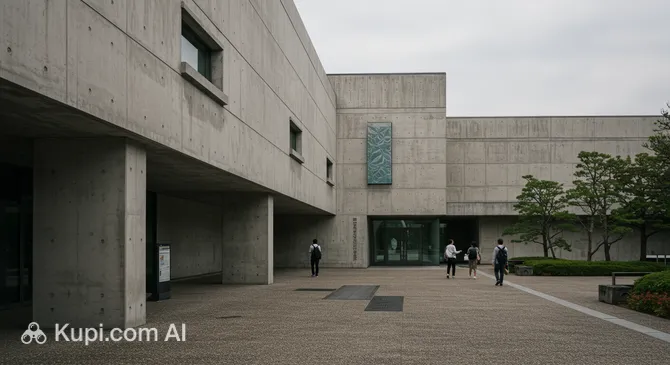
National Museum of Japanese History. Illustration.
Source: Kupi.com AI

Traveler photos:

This is not just a repository of antiquities, but one of the largest and most authoritative centers for the study and popularization of Japanese history, culture, and folk traditions. A visit to the museum offers a unique opportunity to trace the development of Japan from ancient times to the present day and see how its unique features and customs were formed.

The museum's exposition covers an incredibly wide time range: from the oldest archaeological finds telling the story of the first settlers of the Japanese islands to exhibits illustrating modern cultural phenomena. Each era is presented with great attention to detail, allowing visitors to form a complete understanding of the country's centuries-old heritage.

In the museum's halls, you will find unique artifacts, priceless historical documents, magnificent works of art, and everyday objects that were once part of daily life for the Japanese people. Of particular interest are the meticulously crafted models of historical buildings and settlements, as well as interactive displays that make the learning process engaging for visitors of all ages.

Contacts

For the most up-to-date information on exhibitions, opening hours, and ticket purchases for the National Museum of Japanese History, it is recommended to visit the official website or contact the museum representatives directly. The museum is located at: 117 Jonai-cho, Sakura-shi, Chiba-ken, Japan.

How to contactContact
Address117 Jōnaichō, Sakura, Chiba 285-0017, Japan
Phone number+81 43-486-0123
Websitewww.rekihaku.ac.jp

What to Do

At the National Museum of Japanese History, visitors can expect a fascinating journey through the centuries thanks to its extensive permanent exhibition. You can examine in detail authentic archaeological finds that reveal the secrets of the ancient civilizations of the Japanese islands. The exposition is thought out to the smallest detail and divided into thematic halls featuring traditional costumes, various household items that provide a vivid idea of Japanese daily life in different eras, as well as skillfully crafted models of ancient settlements. Special attention is paid to the development of Japanese writing, religious beliefs, unique crafts, and sophisticated art, allowing guests to trace the evolution of Japan's rich culture.

In addition to the impressive permanent exhibitions, the museum regularly updates its program by organizing temporary exhibitions. These are often dedicated to specific historical periods, prominent figures, or significant events in the history of Japan, offering an in-depth look at individual aspects of the past. For young explorers and families with children, interactive educational programs and engaging workshops are provided. Participating in these not only helps to gain a deeper understanding of the country's rich cultural heritage but also provides an opportunity to gain new knowledge and impressions in an entertaining way.

After an intensive exploration of the museum halls, guests can spend a pleasant time and share their impressions in a cozy cafe located on the museum grounds. A souvenir shop also operates here, where you can choose commemorative gifts, themed books, or interesting replicas of exhibits. And for those who wish to enjoy tranquility and fresh air, a picturesque park stretches around the museum, perfect for leisurely walks and nature contemplation.

Getting There

The National Museum of Japanese History is conveniently located in Sakura City, which is in Chiba Prefecture, approximately 50 kilometers from Tokyo. If you are traveling from the capital of Japan, the most common way to reach the museum is by train. You will need to take a train on the JR Sobu or Keisei line and get off at Sakura Station. From there, you can walk to the museum, which takes some time, or take a local bus for a faster transfer.

For travelers starting their journey from central Chiba City, the trip to the National Museum of Japanese History is also quite straightforward. Using rail transport is the most convenient option. The train ride from Chiba to Sakura Station usually takes about 30–40 minutes, making the museum easily accessible for a day trip.

If you prefer traveling by private car, parking for visitors is provided on the grounds of the National Museum of Japanese History. This is particularly convenient for those planning to explore the surrounding area or traveling with family. A picturesque park stretches out near the museum, serving as a wonderful place to relax before or after diving into the history of Japan, especially in good weather.

Nearest city: Chiba

History & Facts

The National Museum of Japanese History, also known as the National Museum of Japanese History and Ethnography, was founded with an important mission—to preserve and deeply study the invaluable cultural heritage of Japan. Its creation was a landmark event, as it brought together extensive archaeological, historical, and ethnographic collections under one roof. Previously, these valuable artifacts were scattered across various museums and research institutes throughout the country, and their consolidation allowed for the creation of a powerful center for the comprehensive study of Japanese civilization.

Since its opening, the museum has continuously engaged in active scientific research. Large-scale studies are conducted here, and the results are regularly published in academic journals, introducing a wide audience to new discoveries in the field of Japanese history and culture. The museum's collections are a living organism that is constantly growing and being enriched. New exhibits arrive through targeted archaeological excavations, generous gifts from private collectors and organizations, as well as exchange programs with other leading museums around the world.

Thanks to its tireless research and educational work, the National Museum of Japanese History has earned wide recognition and high prestige. Its contribution to the study and popularization of Japanese heritage is valued not only within Japan but also far beyond its borders. The museum has become an important point of attraction for researchers, students, and anyone interested in the rich history and unique culture of the Land of the Rising Sun, offering a deep dive into the past and present of the Japanese people.

Time Needed

When planning a visit to the National Museum of Japanese History, you should allow several hours to get a sufficiently full picture of its rich exposition. For a general overview of the main halls and the most significant exhibits, it is usually enough to set aside about 2–3 hours. This time will be sufficient to walk through the key exhibitions and form a general impression of the centuries-old history and culture of Japan.

However, if you are a big fan of history, ethnography, or Japanese art, or if you plan to visit the temporary exhibitions frequently held at the museum, it is recommended to allocate more time. For a deeper immersion, careful study of details, and possible participation in workshops or educational programs, you may need from 4 to 5 hours. This approach will allow you to enjoy all aspects of this unique cultural center in Chiba without rushing.

Ultimately, the duration of your visit to the National Museum of Japanese History will depend on your personal interests and how thoroughly you wish to study the collections presented. But in any case, it is a place that deserves a thoughtful visit.

Working Hours

The National Museum of Japanese History is usually happy to welcome visitors from 9:30 AM to 5:00 PM. It is important to note that entry to the museum stops 30 minutes before the official closing time. The standard day off is Monday. However, if Monday coincides with a national holiday, the museum will be closed the following day, Tuesday.

The museum is generally open to the public year-round, except for the specified holidays and possible special days. To ensure your trip goes perfectly, it is highly recommended to check the current schedule and any possible changes on the official website of the National Museum of Japanese History before your visit. There you can also clarify whether pre-booking tickets is required, especially during peak periods, holidays, or for participation in special events, as opening hours and visiting conditions may change.

DayOpening hours
MondayClosed
Tuesday9:30 – 16:30
Wednesday9:30 – 16:30
Thursday9:30 – 16:30
Friday9:30 – 16:30
Saturday9:30 – 16:30
Sunday9:30 – 16:30

Nearby

A visit to the National Museum of Japanese History is, without a doubt, a deep immersion into the country's culture and past. However, to make your trip to Chiba even more fulfilling and memorable, it is worth paying attention to its surroundings. Often, it is the nearby attractions and interesting spots that help form a more complete picture of the region and provide vivid impressions.

Exploring what lies near the museum can reveal unexpected corners, introduce you to other aspects of local life, or simply offer a pleasant addition to your main cultural program. Around the National Museum of Japanese History, there are several noteworthy places that might interest you.

NameDistance
Sakura Castle Ruins Park0.1 km
Former Hotta Residence1.9 km
Yoshitaka's Great Cherry Tree6.8 km
T's Texas BBQ9.3 km
Naritasan Shinshoji Temple11.3 km
Narita Mall12 km
Kasori Shell Mounds12.2 km

Have you reached the end of the page?

So the route has been studied inside and out