Support

Fukagawa Edo Museum

Nearby interesting places

About

The Fukagawa Edo Museum is a unique space in Japan that transports visitors two centuries back in time. Unlike traditional museums where exhibits are hidden behind glass, a life-sized residential quarter of the Fukagawa district from the Edo period has been recreated here. Located near the city of Urayasu, this "indoor city" allows you to literally touch the history and daily life of ordinary Japanese people in the mid-19th century.
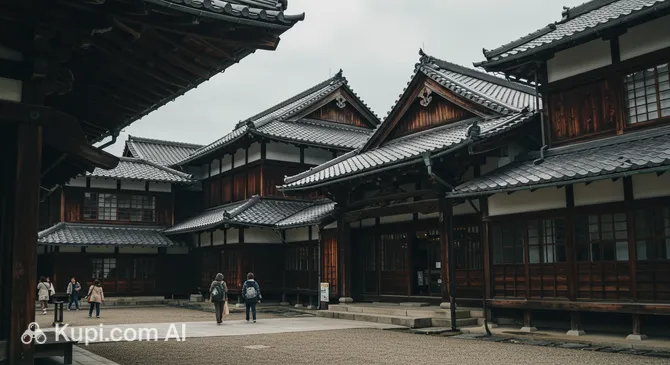
Fukagawa Edo Museum. Illustration.
Source: Kupi.com AI

Traveler photos:

The main feature of the Fukagawa Edo Museum lies in its immersiveness. While strolling through narrow streets, guests can step inside the homes of craftsmen, peek into rice merchants' shops, and even step onto the porches of traditional dwellings. The atmosphere is enhanced by the sounds of birds flying overhead, the patter of rain, and special lighting effects that simulate the changing times of day — from a soft morning dawn to deep twilight.

This place is a true discovery for those who want to see the real, unpolished Japan. Attention is paid to the smallest details here: from kitchen utensils and workshop tools to the fire watchtower and wells. The museum is incredibly popular with families and history buffs thanks to the opportunity for free interaction with the exhibits and a deep immersion into the spirit of old Edo.

Contacts

When planning your visit to the Fukagawa Edo Museum, we recommend checking the current opening hours and ticket prices on the institution's official website in advance. Since seasonal changes or technical maintenance may occur in the schedule, verifying information beforehand will help make your trip to Urayasu and the surrounding areas of Tokyo as comfortable as possible.

How to contactContact
Address1-chōme-3-28 Shirakawa, Koto City, Tokyo 135-0021, Japan
Phone number+81 3-3630-8625
Websitewww.kcf.or.jp

What to Do

In the Fukagawa Edo Museum, the main attraction is interactive exploration. Visitors are allowed not just to look at the houses, but to step inside many of the buildings to see firsthand the conditions in which carpenters, boatmen, and merchants lived. You can study the design of traditional hearths, examine old storage systems, and even sit on tatami mats, imagining yourself as a resident of old Tokyo.

Special attention should be paid to the sound and light show, which regularly "cycles" through the day. In just a few minutes, you will see the sun rise over the Fukagawa quarter, hear the cries of street vendors, and then watch as twilight falls to the sound of cicadas. This creates a stunning sense of presence. Also, don't forget to visit the small exhibition halls with models and maps explaining how this district developed over the centuries.

In addition to the main exhibition, the museum often hosts temporary exhibitions dedicated to Japanese crafts, folk festivals, and art. Even if you don't speak Japanese, the visual nature of the exhibits and the availability of English explanations make the walk educational. The affordable ticket price makes this place one of the best options for cultural leisure in the vicinity of Urayasu.

Getting There

Fukagawa Edo Museum is located at: 1-chōme-3-28 Shirakawa, Koto City. Although it is administratively part of Tokyo, travelers from Urayasu will find it easy to reach. The most convenient way is to use the subway. The nearest station, Kiyosumi-shirakawa (Hanzomon and Oedo lines), is just a 5–10 minute walk from the museum entrance. The path leads through cozy residential neighborhoods, allowing you to settle into a contemplative mood even before the tour begins.

If you prefer traveling from the central districts of the Japanese capital or are coming from the direction of Chiba Prefecture, look for transfer hubs leading to the Toei Oedo Line. From Exit A3 of Kiyosumi-shirakawa Station, there are signs that will help you quickly find your way. The route to the museum is intuitive and well-mapped in all popular navigation apps.

For those who value comfort, taxis are always available. Simply show the driver the address or the museum's name in Japanese. A trip from major train stations or neighboring Urayasu takes relatively little time, as Koto City has excellent transport accessibility. It is also worth noting that the museum is within walking distance of other iconic sites, allowing you to include it in a larger walking route through the eastern part of the metropolis.

Nearest city: Urayasu

History & Facts

The history of the Fukagawa Edo Museum is inextricably linked with the district of the same name, which during the Edo period (1603–1867) was a bustling coastal area. It was a home for ordinary townspeople: merchants, builders, fishermen, and boatmen. Unlike the prestigious samurai quarters, Fukagawa thrived on its canals, warehouses, and small crafts, forming the unique culture of the "lower town" — shitamachi.

The museum was opened by the Koto Ward administration with a noble goal: to preserve and meticulously recreate the daily life of an average Japanese person in the mid-19th century. The project was based on extensive archival research, the study of ancient maps, and surviving blueprints. Thanks to this, incredible accuracy was achieved — down to the choice of building materials for the houses and the items stocked in the shops of that era.

The indoor exhibition is not just models, but a full-scale reconstruction of the urban landscape. Here you can see how the complex system of wells functioned, how fire towers were set up, and what typical "nagaya" — long wooden houses with tiny apartments — looked like. The museum has become a living memory of the time when Tokyo was still called Edo, and its residents' lives followed the rhythm of the tides and seasons.

Time Needed

For a complete experience of the Fukagawa Edo Museum, most travelers need about 1–2 hours. This is plenty of time to leisurely stroll through the recreated streets, peek into workshops and residential houses, and take atmospheric photos. If you plan to study every household item in detail or wait for the full cycle of the "day-night" lighting change, it is better to set aside a bit more time for your visit.

Many tourists prefer to combine a visit to the museum with a walk in nearby parks or temples. Given the compactness and well-thought-out nature of the exhibition, exploring the museum is not tiring and fits perfectly into a busy daily schedule for touring the eastern part of Tokyo. If you are traveling with children, they will likely want to spend more time here exploring the hidden corners of the old dwellings.

Working Hours

The Fukagawa Edo Museum is hospitably open to visitors daily from 9:30 AM to 5:00 PM. It is important to remember that ticket sales and entry to the exhibition stop 30 minutes before closing, so it is best to arrive no later than 4:30 PM. Generally, the museum is open seven days a week; however, the administration may set maintenance days or close for the New Year holidays.

Occasionally, there may be changes to the schedule due to exhibition updates or special events. We recommend checking the information on the official website or confirming details by phone before your trip from Urayasu, so your visit goes as planned and leaves only pleasant impressions.

9:30 – 17:00

Nearby

A visit to the Fukagawa Edo Museum can be turned into a full journey into Japan's history and culture if you take the time to explore the surroundings. Just a few hundred meters away is the magnificent Kiyosumi Gardens — a classic example of Japanese landscape art with ponds and picturesque stones, where you can relax from the city bustle after a walk through the "old town."

For lovers of spiritual heritage and art, it is worth visiting the Tomioka Hachiman Shrine or heading a bit further to visit the Sumida Hokusai Museum. Combining an immersion into the daily life of the Edo period with a visit to traditional gardens or modern galleries will allow you to see the multifaceted face of the region and better understand the spirit of this amazing country.

NameDistance
Kiyosumi Gardens0.3 km
Tomioka Hachiman Shrine1 km
Suitengu Shrine1.4 km
Beer Club Popeye1.7 km
Edo-Tokyo Museum1.8 km
Tsukishima Monja Street2.5 km
Tsukishima Monja Moheji Main Store2.8 km

Have you reached the end of the page?

So the route has been studied inside and out