Support

Sumiyoshi Shrine

About

Sumiyoshi Shrine, located in the picturesque city of Otaru on the island of Hokkaido in Japan, is an important Shinto shrine with a rich history. This place of worship is dedicated to the Sumiyoshi kami – sea deities traditionally considered patrons of sailors, fishermen, and everyone connected to the sea. A visit to the shrine allows you to touch upon the ancient beliefs and maritime traditions of the region.
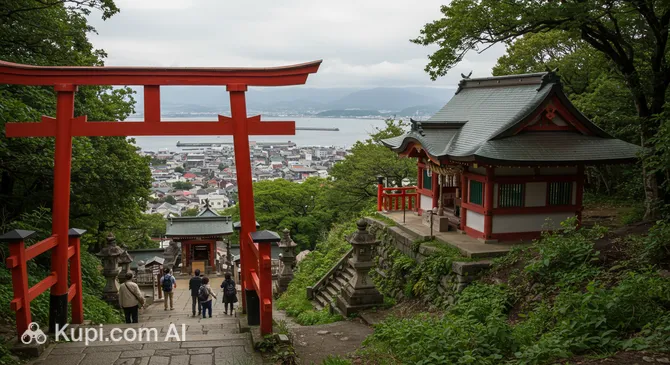
Sumiyoshi Shrine. Illustration.
Source: Kupi.com AI

Traveler photos:

The architecture of Sumiyoshi Shrine reflects the traditional Japanese style known as sumiyoshi-zukuri, one of the oldest in the country. This style is characterized by straight roofs with decorative elements and the use of natural materials. The shrine buildings, often painted in a bright vermilion-red color, contrast effectively with the surrounding greenery, creating a peaceful and memorable atmosphere. The main buildings are dedicated to various aspects of the Sumiyoshi deities.

Sumiyoshi Shrine in Otaru attracts not only pilgrims but also tourists wishing to experience Japanese culture and spirituality. Here you can feel peace and harmony, walk through the well-kept grounds, and admire the unique temple architecture. This place is an important part of Otaru's cultural heritage and offers visitors a deep immersion into the history and traditions of Japan.

Contacts

To find out the current information regarding the opening hours of Sumiyoshi Shrine and any possible events, it is recommended to contact the Otaru tourist information centers or check the information directly on-site. As a rule, such shrines are easily accessible by public transport or taxi from the city center.

How to contactContact
Address2 Chome-5 Suminoe, Otaru, Hokkaido 047-0014, Japan
Phone number+81 134-23-0785
Websitewww.otarusumiyoshijinja.or.jp

What to Do

When visiting Sumiyoshi Shrine in Otaru, you will immerse yourself in the atmosphere of ancient Japan, exploring the unique architecture of this significant site. The main focus is the shrine's main building, recognized as a national treasure of Japan and the oldest example of the sumiyoshi-zukuri architectural style. Visitors can examine the characteristic features of this style in detail: elegant gabled roofs covered with hinoki cypress bark, the "okitigi" decorative element crowning the roof of the main building, and five horizontal "katsuogi" logs with a square cross-section located on the roof ridge. These details not only showcase the craftsmanship of ancient architects but also carry deep symbolic meaning.

One of the highlights of the temple complex is the graceful arched bridge, Sori-hashi. According to legend, it was gifted to the shrine by Yodogimi, the lover of the famous general Toyotomi Hideyoshi. Walking across this bridge is an opportunity to connect with history and enjoy a picturesque view. No less interesting are the stone torii gates of the shrine, known as kakutorii. They stand out for their unusual construction: the middle crossbar does not project beyond the vertical pillars, and all elements have a square cross-section, which distinguishes them from most similar structures in Japan.

In addition to the main buildings and the bridge, visitors can pay attention to the details that create the shrine's overall harmony. Observe the tamagaki fence immediately surrounding the sacred territory, as well as the araimi outer fence. These elements are an integral part of a traditional Shinto shrine and complement the overall impression of this peaceful and historically significant place. Observing rituals, if they are held during your visit, or simply taking a quiet walk through the grounds will allow you to dive deeper into the spirit of Sumiyoshi Shrine.

Getting There

There are several ways to reach Sumiyoshi Shrine in Otaru, depending on your preferences and starting point. Japanese cities generally have a well-developed public transport system, making sightseeing convenient for tourists.

One of the most common ways is to use local buses. In Otaru, there are likely bus routes that pass near the shrine or have a stop within walking distance. If Sumiyoshi Shrine is located near the Otaru railway station, you can continue on foot or take a short bus or taxi ride after arriving in the city by train.

For those who prefer more comfort or are traveling in a group, a taxi can be a convenient option. A taxi ride from central Otaru or your hotel to the shrine will be quick but usually more expensive than public transport. It is recommended to check the approximate travel time and cost with the driver or via a ride-hailing app in advance.

Before your trip, we suggest checking the latest routes and public transport schedules using online maps or visiting a local tourist information center in Otaru. They can provide the most accurate information on how best to reach Sumiyoshi Shrine, including bus numbers and the nearest stops.

Nearest city: Otaru

History & Facts

Sumiyoshi Shrine in Otaru attracts attention not only for its peaceful atmosphere but also for the deep historical ties it shares with the oldest Shinto traditions in Japan. The history of the Sumiyoshi shrines, to which it belongs, dates back to ancient times and is described in such important Japanese texts as the "Kojiki" and "Nihon Shoki". According to these sources, the first shrine of this revered name was founded by the legendary Empress Jingu in 211 AD, following her return from an expedition to Korea.

Initially, Empress Jingu founded the Sumiyoshi shrine to offer prayers to the sea gods, asking for the safe and successful voyage of her fleet. The primary deities worshiped at the shrine were the Sumiyoshi Sanjin — three powerful kami, protectors of sailors and travelers. Later, they were joined by the spirit of Empress Jingu herself, revered as a deity. The significance of Sumiyoshi shrines is reflected not only in historical chronicles but also in classical Japanese literature: they are mentioned in the famous novel "The Tale of Genji", as well as in the works of Nobel Prize winner Yasunari Kawabata, for example, in his short story "Sorihashi".

One of the most notable features of Sumiyoshi shrines is their unique architectural style. Since they were founded before Buddhism extensively reached the Japanese islands, their buildings showcase a pure, indigenous Japanese Shinto style known as sumiyoshi-zukuri. This style is free from later continental and Buddhist architectural influences, making it particularly valuable for understanding ancient Japanese culture. Additionally, historically, Sumiyoshi shrines were considered guardians of the lineage of the powerful Minamoto clan, highlighting their important role not only in the religious but also in the social and political life of ancient Japan.

Time Needed

Most visitors will need about 1-2 hours to see Sumiyoshi Shrine in Otaru. This time is usually enough to take a leisurely stroll through the shrine grounds, admire its architecture, take photos, and soak in the peaceful atmosphere of the place.

If you plan a deeper immersion, for example, if you want to explore every corner in detail, sit in silence, observe rituals (if any are taking place during your visit), or simply enjoy the tranquility, your stay might be longer. For a quick look at the main buildings and the overall atmosphere, an hour might suffice.

Overall, Sumiyoshi Shrine is not a massive complex, so exploring it won't take all day. However, it is an important cultural and spiritual site, and rushing would be unnecessary. Plan your time so you can enjoy your visit peacefully.

Working Hours

When planning a visit to Sumiyoshi Shrine in Otaru, keep in mind that exact opening hours may vary. Generally, Shinto shrines in Japan are open to visitors during daylight hours, often from early morning until sunset, and are accessible year-round. However, the operating hours of administrative offices or souvenir shops at the shrine may be limited.

To get the most up-to-date information on opening hours, as well as whether advance booking is required for any ceremonies (which is usually not required for a simple visit), it is recommended to check the official website of Sumiyoshi Shrine, if one exists, or contact local tourist information centers upon arrival in Otaru. This will help you plan your visit in the best possible way.

6:00 – 16:30

Nearby

Visiting Sumiyoshi Shrine is undoubtedly a significant part of getting to know Otaru, but you shouldn't stop there. Exploring the surrounding areas will allow you to dive deeper into the atmosphere of this charming city and discover even more interesting places that complement your experience of the main attraction.

A walk through the nearby streets and neighborhoods can lead to unexpected discoveries – from other cultural sites to cozy local establishments. This is a great way to form a more complete impression of Otaru and its unique character.

NameDistance
LeTAO Main Store1 km
Otaru Steam Clock1 km
Bank of Japan Otaru Museum1.5 km
Otaru Canal Area1.5 km
Kamaei Kamaboko Factory Outlet1.5 km
Yabuhan Soba1.6 km
Otaru Denuki Koji1.6 km

Have you reached the end of the page?

So the route has been studied inside and out