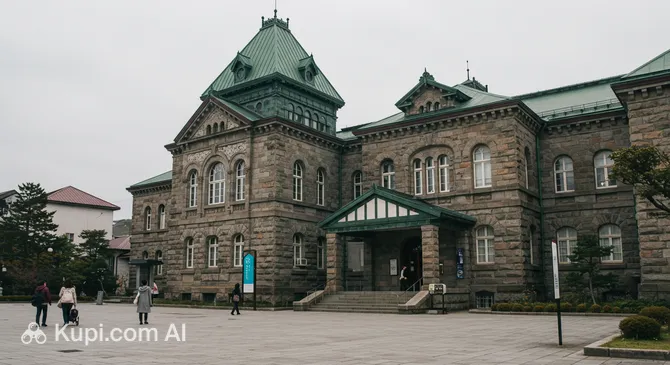
Otaru is a charming port city on the island of Hokkaido in Japan, known for its romantic atmosphere and beautifully preserved architecture from the late 19th and early 20th centuries. Located on the shores of Ishikari Bay, this city with a population of about 112,000 people attracts travelers with its coziness and rich history rooted in fishing and trade.
Otaru. Illustration.
Source: Kupi.com AI
One of the main gems of Otaru is its picturesque canal, lined with old stone warehouses that have been converted into restaurants, shops, and museums. The city is also famous for its glass workshops, where you can not only purchase exquisite items but also try your hand at glassblowing. A visit to Sakaimachi Street is a must, as it is home to numerous souvenir shops, confectioneries, and the famous Music Box Museum. The climate here is temperate, with warm summers and snowy winters, making Otaru an attractive destination year-round, especially during the "Snow Light Path" festival in February.
Otaru is a place where history comes to life at every turn, where you can enjoy magnificent seascapes, taste the freshest seafood, and take home unique handmade souvenirs. A trip to this city will give you unforgettable impressions and allow you to immerse yourself in the unique atmosphere of old Japan.
The weather in Otaru is characterized by a pronounced change of seasons, which is important to consider when planning your trip. Summer (June-August) here is warm, with average temperatures ranging from +15.5°C to +21.4°C (maximums in August can reach +24°C) and occasional, but generally moderate rainfall. Winter (December-February) in Otaru is cold and snowy, creating a truly magical atmosphere; average temperatures during this period range from -5.3°C to -3.5°C, and the number of days with precipitation (mainly snow) can reach 28 per month, especially in December. Spring and autumn are comfortable transitional seasons, offering pleasant conditions for walking and exploring the city. For more detailed information, please visit the Otaru Climate page.
Average monthly temperature
Average monthly precipitation
Interesting Facts
Besides its famous canals and glass workshops, Otaru hides many amazing stories and little-known details. Here are just a few facts that will help you look at this charming port city from a new perspective:
Otaru is home to one of the few working steam clocks in the world, which was a gift from its sister city, Vancouver, Canada. This unique Steam Clock not only keeps time but also releases steam every 15 minutes to the melodic sound of steam whistles, creating a unique atmosphere.
The famous Temiya Line, formerly part of the first railway line in Hokkaido, has today been transformed into a picturesque walking area. It looks especially magical in winter during the Otaru Snow Light Path Festival, when it is decorated with thousands of candles and ice sculptures.
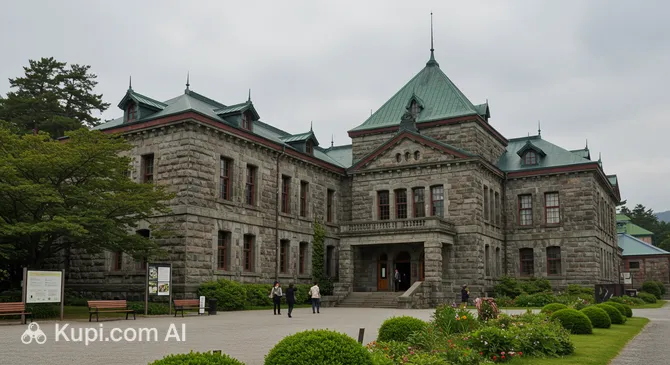
The majestic building of the former Otaru branch of the Bank of Japan, built in the Neo-Renaissance style, is now home to the Bank of Japan Museum. Visitors can not only study the island's financial history but also step inside the former bank vault to feel the spirit of a bygone era.
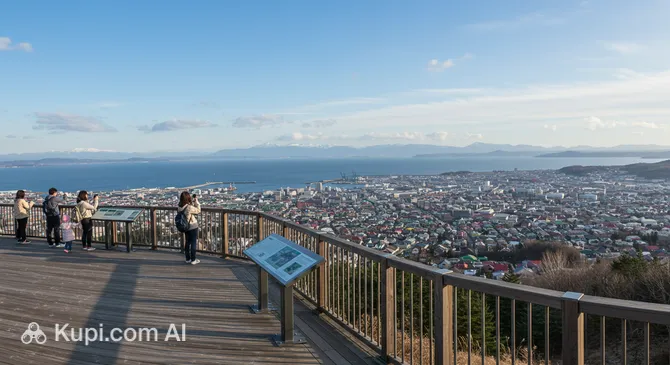
From Mount Tengu, named after the mythical long-nosed creatures from Japanese folklore, opens not only a stunning panoramic view of the city and the bay. According to legend, these creatures still live here, and touching the nose of the Tengu statue at the observation deck brings good luck.
Mount Tengu (Otaru Tenguyama). Illustration.
Source: Kupi.com AI
Traveler photos:
How to Get There
A journey to this picturesque port city usually begins with a flight to the island of Hokkaido, followed by a trip by train or car. You can find out more about how to get to Otaru by reading the full overview of transport routes.
Otaru itself does not have its own airport, so the main hub for tourists is New Chitose Airport (CTS). It actually serves Sapporo and is located in the city of Chitose, about 73 km from Otaru. This is the region's largest international airport with a very high passenger flow. The trip from the airport to Otaru by car or taxi takes approximately 1 hour and 15 minutes (about 75 minutes), which is comparable in time to a direct express train.
Another possible arrival option is Asahikawa Airport (AKJ), located in the city of Asahikawa. It is much further away—about 129 km from Otaru. This is a regional airport, and the journey from it by road will take about 2 hours using toll expressways. This route may be convenient if you plan to travel through central Hokkaido before visiting the coast.
For convenience, here is a summary of the main airports:
Railway communication is perhaps the most popular and scenic way to reach the city. The main Otaru station is located in the city center and serves the JR Hakodate Main Line. The most convenient route connects Otaru with Sapporo: rapid trains run frequently, and the journey time is only about 30–40 minutes. There is also a direct connection to New Chitose Airport via the "Rapid Airport" train, which will take you to your destination in about 75 minutes without transfers.
Main Attractions
The main symbol and heart of Otaru is undoubtedly the Otaru Canal. Built in the first half of the 20th century to facilitate the unloading of ships, today it is a picturesque place for strolls. Restored stone warehouses line the canal, now housing cozy restaurants, shops, and museums. The canal looks particularly romantic in the evening when old gas lamps are lit, reflecting in the calm water. Here, you can take a boat trip to fully enjoy the atmosphere of this historical site.
Otaru Canal. Illustration.
Source: Kupi.com AI
Traveler photos:
To explore the marine world of Hokkaido, head to the Otaru Aquarium. This large aquarium, one of the oldest in Japan, offers visitors the chance to see over 250 species of marine life, including penguins, seals, and dolphins. The exciting marine animal shows, held several times a day, are particularly popular. The aquarium is located on a scenic coastline, which adds charm to the visit.
Otaru Aquarium. Illustration.
Source: Kupi.com AI
Traveler photos:
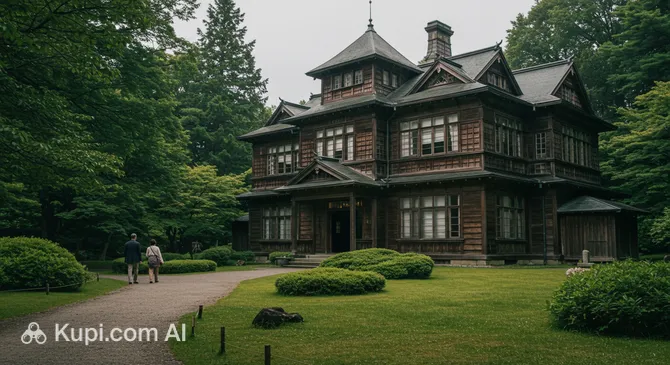
You can immerse yourself in the history of the "herring rush" that once swept through Otaru by visiting the Old Aoyama Villa, also known as the Herring Mansion. This magnificent residence was built in the early 20th century for one of the wealthiest families involved in herring fishing. The luxurious interiors, exquisite architecture, and beautiful garden clearly demonstrate the wealth and prosperity of the city during that era. This site allows you to touch the past and learn more about an important period in Otaru's history.
Former Aoyama Villa (Herring Mansion). Illustration.
Source: Kupi.com AI
Traveler photos:
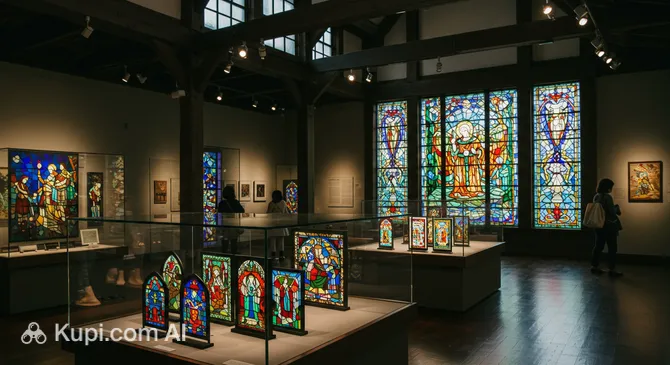
An unusual and memorable place in Otaru is the Stained Glass Museum. Housed in a historical building, it holds an impressive collection of antique stained glass, mainly from England from the late 19th to early 20th centuries. Light passing through the colored glass creates a magical atmosphere, and the elegance and craftsmanship of each exhibit will not leave art lovers indifferent. This quiet and beautiful place is perfect for peaceful contemplation.
Stained Glass Museum. Illustration.
Source: Kupi.com AI
Traveler photos:
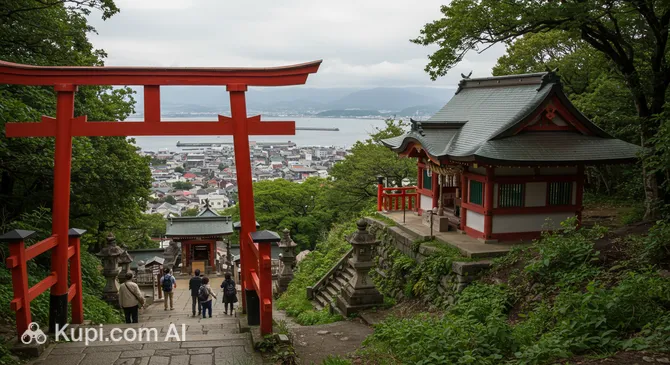
For those seeking peace and wanting to get acquainted with the spiritual side of Japan, it is worth visiting the Sumiyoshi Shrine. This is one of the significant Shinto shrines in Otaru, dedicated to the patron deities of sailors and maritime trade, which is very symbolic for a port city. Located on a hill, it offers not only an opportunity to connect with traditions but also to enjoy silence and beautiful views. The shrine is an important place for locals and hosts various festivals throughout the year.
Sumiyoshi Shrine. Illustration.
Source: Kupi.com AI
Traveler photos:
Local Cuisine
The culinary scene in Otaru is a true reflection of its status as a port city and its rich history. The freshest seafood reigns supreme here, and local culinary traditions will delight even the most discerning gourmet. From cozy restaurants in old warehouses to famous confectioneries, Otaru offers a unique gastronomic experience infused with the aromas of the sea and Hokkaido hospitality.
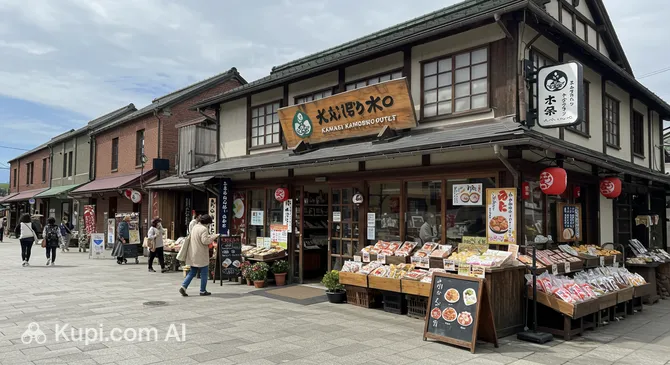
The main pride of Otaru is certainly its freshest sushi and sashimi, prepared from the catch just delivered to the port. Be sure to try kaisendon – a bowl of rice generously topped with a variety of seafood, from sea urchin (uni) and scallops to salmon and crab. Another local specialty is kamaboko, traditional Japanese fish cakes or rolls. Stop by the Kamaei Kamaboko Factory Shop to try different types of this delicacy and perhaps purchase an edible souvenir.
Kamaei Kamaboko Factory Outlet. Illustration.
Source: Kupi.com AI
Traveler photos:
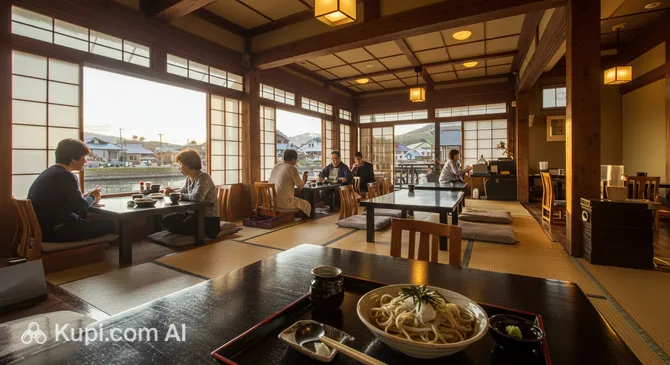
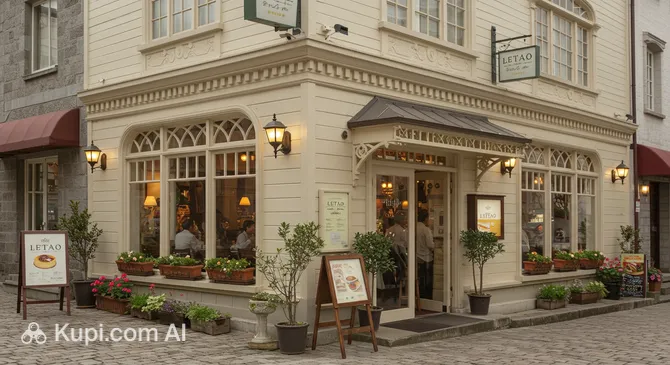
Besides the treasures of the sea, Otaru is famous for other culinary delights. Noodle lovers should try soba – buckwheat noodles, served here both hot and cold. One well-known place to enjoy this dish is the Yabuhan Soba restaurant. But the city's true sweet signature has become the delicate cheesecake from LeTAO. Its double layer – baked and soft mousse – has won the hearts of dessert lovers worldwide. Be sure to visit the LeTAO Main Store to taste this famous dessert and other confectionery items.
Yabuhan Soba. Illustration.
Source: Kupi.com AI
Traveler photos:
LeTAO Main Store. Illustration.
Source: Kupi.com AI
Traveler photos:
As for drinks, Otaru, like all of Hokkaido, produces high-quality sake and local beer. Try products from local breweries or sake distilleries to complement your meal with an authentic taste. Popular non-alcoholic drinks include various types of Japanese tea, as well as lemonades and juices made from local berries and fruits.
The dining culture in Otaru offers diverse options. Many restaurants are located along the famous Otaru Canal area, where you can dine in former warehouse premises with a special atmosphere. Sakaimachi Street is full not only of souvenir shops but also cafes, confectioneries, and small eateries. It’s also worth checking out Otaru Denuki Koji – a small alley with restaurants recreating the atmosphere of old Japan, where you can try street food and local specialties. Locals often frequent small family establishments offering traditional dishes at reasonable prices, as well as fish markets where you can buy the freshest seafood and sometimes even try it on the spot.
Travel Tips
Welcome to charming Otaru! To make your journey through this picturesque port city on Hokkaido as comfortable as possible and leave you with only pleasant memories, we have prepared some practical tips.
Clothing and gear for the season: The climate in Otaru, as in all of Hokkaido, has distinct seasons. In summer (June-August), you will need light clothing, sunscreen, and a hat. In winter (December-February), you cannot do without very warm clothing: a down jacket, hat, gloves, thermal underwear, and waterproof shoes, as there is a lot of snow. In spring and autumn, dress in layers. The key element of your wardrobe is comfortable shoes, as you will be walking a lot along the canal, Sakaimachi Street, and other interesting places. Don't forget a universal adapter for charging gadgets. There is no specific dress code for visiting temples, but modest clothing is appropriate.
Getting around town: The central part of Otaru, where the main attractions are concentrated, is quite compact and ideal for walking. For longer trips, you can use local buses. Taxis are also available but can be expensive. If you plan to explore the surrounding area or other cities in Hokkaido, a convenient option is the train (a JR Pass can be beneficial) or renting a car, although it is not necessary for Otaru itself.
Financial matters: The official currency of Japan is the Japanese yen (JPY). Credit cards (Visa, Mastercard) are accepted in most hotels, large shops, and restaurants in tourist zones. However, always have some cash with you for payments in small souvenir shops, at markets, or in some local cafes. You can exchange currency at the airport, banks, or exchange offices. ATMs that accept international cards can most often be found in post offices (Japan Post Bank) and 7-Eleven stores. Tipping is not practiced in Japan; good service is already included in the bill or is the norm.
Health and safety:Otaru is a very safe city, as is Japan in general. Tap water is safe to drink. Drugstores are easy to find and offer a wide range of over-the-counter medicines. If serious medical assistance is needed, ask your hotel for a clinic recommendation; travel insurance is highly recommended. There are no specific "dangerous" areas in Otaru, but standard precautions, as anywhere, won't hurt.
Language and communication: The national language is Japanese. In tourist areas (hotels, information centers, popular restaurants, and shops), staff may speak English, but not everywhere. Learn a few basic Japanese phrases, such as "konnichiwa" (hello), "arigato" (thank you), "sumimasen" (excuse me/sorry). For convenience in navigation and communication, it is recommended to purchase a local SIM card or rent a pocket Wi-Fi router. Free Wi-Fi is available in some hotels, cafes, and tourist spots.
Local etiquette: Japanese people are very polite and value respect for their culture. It is customary to remove your shoes when entering a Japanese home, some temples, and traditional restaurants (where you sit on tatami). Speak quietly in public places, especially on transport. A slight bow is a common form of greeting and expressing gratitude. It is not customary to eat and drink on the go in the street (except during festivals or in designated areas).
What to avoid: Do not stick your chopsticks vertically into a bowl of rice – this is associated with funeral rituals and is considered bad manners. Also, avoid loud conversations on mobile phones in public transport. Do not point at people with your finger.
Otaru's specialty – romance and crafts:Otaru is famous for its glassware and music boxes. Be sure to check out the numerous workshops and shops on Sakaimachi Street – it's a great opportunity to buy a unique souvenir or even participate in a workshop on creating glass items. An evening walk along the Otaru Canal, illuminated by gas lanterns, will provide unforgettable romantic memories.
We hope these tips help you plan the perfect trip to Otaru and fully enjoy its unique atmosphere, delicious food, and hospitality. Have a great trip!
Entertainment & Nightlife
Evening Otaru is shrouded in a special magic, offering travelers not so much a boisterous nightlife with loud clubs, but rather cozy and atmospheric options for relaxation. The city is famous for its romantic setting, which is especially felt at dusk when old lanterns are lit along the canals and streets.
Main evening activity is concentrated around the famous Otaru Canal area, where many restaurants in former warehouses offer dinner with a view of the water. Sakaimachi Street, a bustling commercial artery by day, becomes quieter in the evening, though some cafes and restaurants remain open. Special attention should be paid to Otaru Denuki Koji – a charming alley styled after old Japan, where you can find small restaurants and bars with an authentic atmosphere. It’s an excellent place to try local snacks and drinks in an intimate setting.
Otaru Denuki Koji. Illustration.
Source: Kupi.com AI
Traveler photos:
In Otaru, you will find many restaurants specializing in the freshest seafood and local Hokkaido cuisine. Many of them are open in the evening, offering both full dinners and light snacks. For example, after dinner, you can stop by the LeTAO Main Store to enjoy their famous cheesecake and a cup of coffee, or have dinner at a traditional Japanese restaurant like Yabuhan Soba. Besides restaurants, the city has traditional Japanese pubs – izakayas – serving a variety of dishes and drinks, including local beer and sake. The atmosphere in most Otaru establishments is calm and welcoming, with a mixed crowd of tourists and locals. There is usually no specific dress code; casual style is welcomed.
When planning your evening leisure, keep in mind that many restaurants take last orders around 21:00-22:00, although some bars may stay open later. Prices vary depending on the establishment but generally remain moderate. Public transport runs less frequently in the evening, so for moving around the city late at night, it is most convenient to use a taxi. You can call a car by asking hotel or restaurant staff, or find a taxi stand at the station.
Otaru is a very safe city, and evening walks, especially along the picturesque canal, will be a pleasure. As with anywhere, basic precautions should be followed. As for daytime entertainment, the city offers a rich cultural program: you can visit the Bank of Japan Otaru Museum, admire exquisite exhibits at the Stained Glass Museum, explore the underwater world at the Otaru Aquarium, or walk along the historical Temiya Line. In Otaru, everyone will find something to their liking, both day and night.
Parks & Museums
Otaru is not just about picturesque canals and glass workshops; it is also a city that offers its guests pleasant green spots for relaxation and interesting museums that preserve its rich cultural and historical heritage. Here, everyone will find something for their soul, whether it's a walk in the fresh air or a dive into the past.
For those who appreciate nature and beautiful views, Otaru offers several wonderful places. Be sure to walk along the Temiya Line – this is the former railway branch, the first in Hokkaido, which today has been turned into a charming promenade. It is especially pleasant to walk here in spring when the trees are in bloom, or in autumn, enjoying the bright colors of the foliage. For breathtaking panoramic views of the city and the Sea of Japan, it is worth ascending Mount Tengu, from where magnificent landscapes open up at any time of year. And for lovers of the open sea, the Shukutsu Panorama Observation Deck is an excellent choice, offering unforgettable views of the coast and rocky cliffs.
Temiya Line (Former Japanese National Railways). Illustration.
Source: Kupi.com AI
Traveler photos:
Shukutsu Panorama Observation Deck. Illustration.
Source: Kupi.com AI
Traveler photos:
The cultural life of Otaru is concentrated in its museums, each unique in its own way. One of the most impressive is the Bank of Japan Otaru Museum. It is housed in a majestic historical building and tells the story of the region's financial history and the role of Otaru as an important economic center of the past. You can even peek into the former bank vault! To get to know the history of the city itself more deeply, its development and everyday life, visit the Otaru City Museum. Its exhibitions cover various aspects of the port city's life, including its famous canal and the "herring rush" period. You shouldn't miss the Stained Glass Museum, which houses a delightful collection of antique stained glass, mainly from England, creating a magical play of light and color.
Bank of Japan Otaru Museum. Illustration.
Source: Kupi.com AI
Traveler photos:
Otaru City Museum. Illustration.
Source: Kupi.com AI
Traveler photos:
Besides museums, many historical buildings and monuments have been preserved in Otaru, telling the story of its past. For example, the Old Aoyama Villa (Herring Mansion) is a luxury residence built during the fishing industry's prosperity, clearly demonstrating the wealth and refined taste of its owners. And while walking through the Marchen Crossroads area, you will definitely notice the famous Steam Clock – a gift from the Canadian sister city of Vancouver. Every 15 minutes, it releases steam and plays a melody, adding a special charm to this corner of Otaru.
Otaru Steam Clock. Illustration.
Source: Kupi.com AI
Traveler photos:
Insider tip: To feel the authentic atmosphere of Otaru, turn off the busy tourist streets into the quiet back alleys. There you can find small family shops, traditional houses, and feel the slow pace of life of this amazing city.
Getting Around
Getting around Otaru is quite simple, especially considering its compact size. Many central attractions, such as the famous Otaru Canal and Sakaimachi shopping street, are within walking distance of each other. However, for more distant areas or to save time and energy, local public transport is excellent.
The main form of public transport in Otaru is buses. The city bus network is well-developed and covers most places of interest to tourists, including the Otaru Aquarium and the base of Mount Tengu. There are both regular city routes and special tourist buses, such as the "Otaru Stroller's Bus," whose routes pass by the main sights. There are no subways, trams, or trolleybuses in Otaru.
The fare payment system in Otaru buses is standard for Japan. You can pay the fare in cash when exiting the bus (it is advisable to have small change, as the driver cannot always provide change for large bills). A more convenient option is to use rechargeable transport IC cards, such as Kitaca (local Hokkaido card), Suica, Pasmo, and other national cards. For tourists planning to travel a lot by bus during the day, a one-day pass, which is often offered for tourist routes, can be beneficial.
To use the bus, find the stop with the route number you need. Schedules are usually posted at the stops. Entrance to the bus is typically through the back or middle door, and the exit is through the front door, where payment is made. If paying in cash, drop the exact amount into the fare box next to the driver. If using an IC card, tap it on the reader when entering (and sometimes when exiting, if the fare depends on distance). Buses usually run on schedule, but intervals may increase in the evening.
One feature of the Otaru transport system worth mentioning is the Mount Tengu Ropeway. This is not just transport, but a real mini-journey that allows you to enjoy magnificent panoramic views of the city and the bay. The ascent to the summit takes only a few minutes.
As an alternative to public transport, taxis are always available in Otaru. They can be found at stands near Otaru railway station, major hotels, or called by phone. Keep in mind that taxis are a more expensive way to get around. Bicycle rental is less common in Otaru than in some other Japanese cities, but for leisurely strolls through the city center, walking is perfectly sufficient to enjoy the atmosphere of this charming port city.
Accommodation
In Otaru, travelers will find a variety of accommodation options to suit different preferences and budgets. The city offers a choice ranging from affordable hostels and guesthouses to comfortable mid-range hotels and traditional Japanese inns (ryokans), as well as more luxurious resort hotels. For those who prefer more independence, apartments and rental options are available. The most popular and convenient areas for tourists to stay are near the Otaru Canal, the Otaru railway station for easy transport access, and along the busy Sakaimachi Street with its many shops and attractions.
Hotel Neuschloss Otaru. Illustration.
Source: Kupi.com AI
Traveler photos:
Among the accommodation options, you can find both well-known hotel chains and unique local inns. For example, Hotel Neuschloss Otaru offers guests high-class service and picturesque views. In general, the price range for housing in Otaru varies from budget to luxury offers. To ensure the best choice and more favorable prices, it is recommended to book accommodation in advance, especially if your trip coincides with the peak tourist season, such as during the "Snow Light Path" festival in winter or the summer months. Bookings can be made through popular international online platforms, official hotel websites, or, in the case of some small ryokans and guesthouses, directly.
Nearby Cities
For those who want to explore the surroundings, Otaru serves as an excellent starting point for day trips to several interesting nearby locations:
These nearby destinations provide insight into the diverse culture and landscapes of the Hokkaido region. Sapporo, the capital of Hokkaido, offers vibrant city life, the famous Snow Festival, and breweries. Tomakomai is known for its nature and industry, and is also an important port. Ebetsu and Chitose attract visitors with their parks and opportunities for active recreation, with Chitose also known for its proximity to New Chitose Airport. Iwamizawa may interest those looking for a relaxing holiday and a chance to experience the Hokkaido countryside.
Shopping & Souvenirs
Otaru is a true paradise for lovers of unique shopping and authentic souvenirs. The city is famous for its glassware, charming music boxes, and delicious local delicacies. Shopping here is not just a trip to the stores, but an exciting journey through picturesque streets where each shop holds its own story and offers something special.
The main artery for shopping in Otaru is the famous Sakaimachi Street. This bustling street, stretching for several blocks, is literally dotted with shops where you can find everything from exquisite glass products in workshops like Kitaichi Glass to magical melodies at the Otaru Music Box Museum (Otaru Orgel Doh). This is also where numerous confectioneries are located, such as the famous LeTAO Main Store, Rokkatei, and Kitakaro, offering the freshest Hokkaido desserts.
LeTAO Main Store. Illustration.
Source: Kupi.com AI
Traveler photos:
Another attractive place for shopping is the Otaru Canal District. Along the picturesque canal are former stone warehouses, many of which are now converted into souvenir shops, art galleries, and stalls with local handicrafts. A walk here allows you to combine pleasure with business – enjoy the views and purchase memorable gifts.
Otaru Canal Area. Illustration.
Source: Kupi.com AI
Traveler photos:
Otaru is a city where charm lies in small boutiques and specialty shops rather than in huge shopping centers. You won't find the giant malls characteristic of metropolises here. Instead, the city offers a unique shopping experience on historical streets and in cozy shops, each with its own unique character. Small shopping galleries or arcades may be found, but the main emphasis is on authentic stores.
For those who want to immerse themselves in the atmosphere of local trade and buy the freshest products, a visit to Sankaku Market is a must. It is conveniently located right by the Otaru railway station. This colorful market is famous for its abundance of fresh seafood – crabs, scallops, sea urchins, as well as local fruits and vegetables. Here you can not only buy the gifts of the sea but also try them on the spot in one of the small restaurants at the market.
It's impossible to leave Otaru empty-handed! The city offers many unique souvenirs. Of course, there are glass products – vases, tableware, jewelry created by local masters. Equally popular are music boxes of all shapes and sizes, playing both classical and modern melodies. Gastronomic souvenirs are another strength of Otaru. Be sure to bring back the famous LeTAO cheesecake (packaged for transport), cookies, and other sweets from Rokkatei and Kitakaro. Seafood lovers will appreciate kamaboko (fish cakes), which can be purchased, for example, at the Kamaei Kamaboko Factory Shop, as well as various dried and smoked delicacies. Don't forget the local sake and Hokkaido beer.
Kamaei Kamaboko Factory Outlet. Illustration.
Source: Kupi.com AI
Traveler photos:
Most shops in Otaru, especially on Sakaimachi Street, operate approximately from 9:00-10:00 to 18:00-19:00. Some small shops may close earlier, while restaurants and shops in the canal area may stay open longer, especially during the tourist season. Regarding payment, most tourist shops, confectioneries, and restaurants accept credit cards (Visa, Mastercard, JCB). However, it is always useful to have some cash in Japanese yen, especially for purchases at markets or in small souvenir stalls.
For foreign tourists in Otaru, a Tax-Free system is available. Many shops, especially those oriented towards tourists, offer this service when purchasing goods over a certain amount (usually over 5000 yen). Look for "Tax-Free Shop" signs. To process a tax refund, you will need to present your passport. The procedure is usually completed right in the store at the time of purchase.