Support

Ebetsu

About

Ebetsu is a charming and cozy city located on the island of Hokkaido, in Japan, just a few kilometers northeast of the larger city of Sapporo. The city stretches across the vast Ishikari Plain, surrounded by quiet forests and intersected by the mighty Ishikari River. Thanks to this location, there is a special sense of space and fresh air, while year-round winds bring a pleasant coolness in summer and a snowy fairytale in winter.

With a population of about 120,000 people, Ebetsu is one of the significant cities in Hokkaido Prefecture. Having received city status in 1954, it harmoniously combines the tranquility of a suburb with the lively energy of a cultural center, where traditions are carefully preserved, nature is honored, and history is a point of pride.
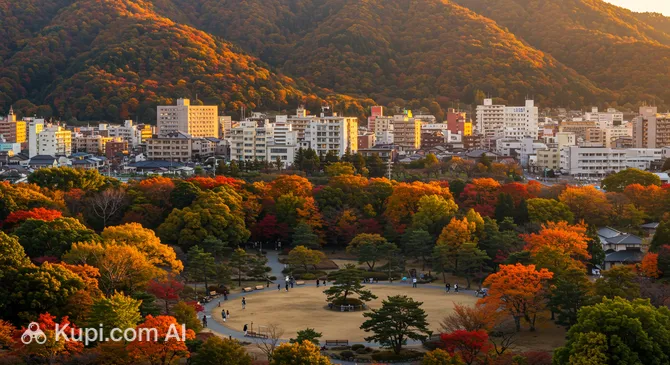
Ebetsu. Illustration.
Source: Kupi.com AI

The crown jewel of Ebetsu that attracts tourists is Nopporo Forest Park. This is the world's largest flatland park with virtually untouched forests, where you can spot rare birds, admire centuries-old trees, and enjoy crystal-clear air. In addition to this natural wonder, Ebetsu offers guests the chance to explore interesting local museums and, of course, sample unique regional cuisine.

Ebetsu is an ideal place for those seeking to experience authentic Japanese culture away from the hustle and bustle of megacities. This city invites you to take leisurely walks along picturesque streets, promising new discoveries and warm hospitality that will make you want to return again.

You can find more interesting facts on the history of Ebetsu page.
Weather Overview

The weather in Ebetsu is characterized by distinct seasonal changes. Winters are cold here; average temperatures in January and February stay around -5°C to -6°C, with frequent precipitation, mainly in the form of snow, although the total amount of precipitation is small. Spring arrives gradually: it is still cool in March, but by May the average temperature rises to 12.4°C.

Summer in Ebetsu is warm and moderately humid. The hottest month is August, with an average temperature of about 21.8°C and maximum values reaching 24.7°C. The summer months also see the highest amount of precipitation, especially in August. Autumn brings a gradual cooling, and by November the average temperature drops to 4.9°C, while the number of days with precipitation increases again. Overall, expect a warm summer with occasional rain and cold, snowy winters.

For a more detailed look at weather conditions by month, including the number of sunny days and humidity, you can visit the weather in Ebetsu page.

Average monthly temperature

Average monthly precipitation

Interesting Facts

Ebetsu, nestled in Hokkaido, is not just another city on the map of Japan. It hides many amazing stories and little-known facts that make it truly special.

  • Ebetsu carefully preserves the memory of its roots: the Ebetsu City Tonden Museum is located here, dedicated to Hokkaido's first settlers – the tondenhei. These brave people played a key role in developing Japan's northern lands, and at the museum, you can see authentic household items, traditional houses, and learn fascinating stories about their lives.

  • One of the city's most unusual attractions is the Earth Dream Kakuyama farm. This is a wonderful opportunity to experience the region's rural life, feed friendly animals, and even participate in various farm workshops, which travelers with children will particularly enjoy.

  • Ebetsu is known as a city of masters. Traditional crafts are actively developed here, including woodworking, ceramics, and the creation of unique textile products. At the Ebri cultural center, you can not only purchase handmade items as souvenirs but also watch the creation process and sometimes even try your hand as a craftsman.

  • Ebetsu hosts vibrant seasonal festivals dedicated to the changing seasons and rich harvests. During these days, the city is transformed: the streets are filled with music, dancing, colorful processions, and both locals and guests can enjoy tastings of dishes prepared from the freshest local ingredients.

How to Get There

Thanks to its proximity to the prefectural capital, getting to Ebetsu is quite simple. The city is integrated into Hokkaido's transport network, allowing travelers to choose between train, bus, or car. To plan the perfect route, we recommend checking all ways to get to the city of Ebetsu, where detailed information is collected.

Ebetsu does not have its own airport, so the main air gateway for tourists is New Chitose Airport (IATA: CTS), located in the neighboring city of Sapporo (Chitose). This is the region's largest transport hub, handling millions of passengers annually. The distance from there to the center of Ebetsu is only about 38.7 km. A journey by JR train or rental car from the airport takes approximately 40–50 minutes, making it the most convenient arrival option.

An alternative option is Asahikawa Airport (IATA: AKJ), located in the city of Asahikawa. It is significantly further away — about 97.1 km from Ebetsu. This option might be interesting for those planning to travel through central Hokkaido before visiting Ebetsu. The drive from there takes about 1.5–2 hours.

For convenience, here is summary information on the main airports used to reach the region:

AirportPassenger trafficDistance
Okadama Airport575 20613 km
New Chitose Airport23.3 mln39 km
Asahikawa Airport1.1 mln97 km
Tokachi-Obihiro Airport650 000143 km
Hakodate Airport1.8 mln159 km

Rail travel is perhaps the most popular way to reach Ebetsu. The city is served by the JR Hakodate Main Line. Since Ebetsu is essentially a suburb of Sapporo, trains run very frequently. The trip from Sapporo Central Station to Ebetsu Station takes only about 20–25 minutes. This makes the city easily accessible even for day trips without an overnight stay.

Additionally, Ebetsu can be reached by Hokkaido Chuo Bus company buses, which run from Sapporo and other nearby cities. For those who prefer freedom of movement, car rental is an excellent option: national routes and the Do-O Expressway (Ebetsu-Nishi or Ebetsu-Higashi exits) pass through the city.

Main Attractions

Ebetsu, nestled on the island of Hokkaido, offers its guests both a touch of nature and an introduction to local culture and history. Here are several key places that will make your stay in the city memorable.

One of the main natural gems is Nopporo Forest Park (Nopporo Shinrin Kōen). This expansive park is a true oasis of tranquility, an ideal place for hiking and cycling, birdwatching, and discovering the diverse flora and fauna of the region. In winter, the park turns into a popular spot for cross-country skiing, offering the chance to enjoy the beauty of the snow-covered forest. You can spend an entire day here enjoying the fresh air and scenic landscapes.

For those interested in the city's past, the Ebetsu City Historical Museum is a must-visit. The museum's exhibits tell the story of the development of these lands, starting from the culture of the indigenous Ainu people and ending with the development of modern Ebetsu. The museum helps visitors understand the role the Ishikari River played in the city's life and how its unique character was formed.

Ebetsu is also known for its traditions in ceramics and brick production. You can get acquainted with this aspect of local culture at the Ebetsu City Ceramic Art Center. It features impressive collections of ceramic products, hosts exhibitions, and occasionally offers workshops. This is a wonderful opportunity to see the work of local masters and learn more about the craft that made the city famous.

After a full day of exploration, it is a pleasure to stop by Toriton Ebetsu. This popular restaurant is famous for its fresh seafood and excellent sushi. It is a great place to experience local cuisine and enjoy high-quality dishes in a pleasant atmosphere, making it attractive for both locals and tourists.

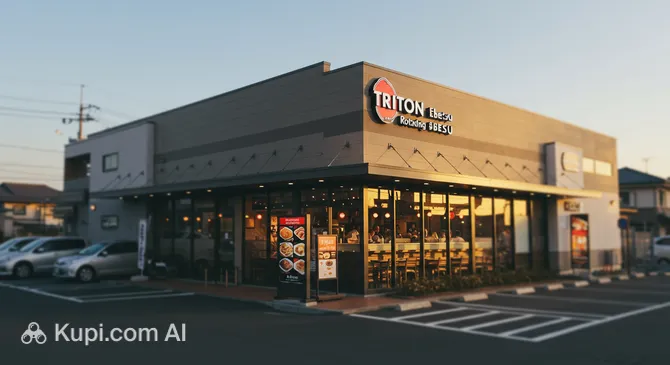
Toriton Ebetsu. Illustration.
Source: Kupi.com AI

Traveler photos:

Local Cuisine

The gastronomy of Ebetsu is a true immersion into the flavors of Hokkaido, as the city is famous for using the freshest local ingredients. The culinary scene here is built on the gifts of the fertile land: juicy meat, select vegetables, and high-quality dairy products are the foundation of many dishes. Be sure to try the tender Hokuto-gyu beef, famous for its taste, as well as various dishes made from potatoes and corn – the hallmarks of the region's agriculture.

Among the iconic treats of Ebetsu, the traditional Japanese miso soup stands out, prepared here with unique local ingredients that give it a special character. No less worthy of attention are the fresh dairy products and cheeses produced on surrounding farms. These delicacies reflect the richness and purity of Hokkaido's nature. Seasonal treats made from pumpkin and potatoes grown in local fields, which appear on menus at certain times of the year, are also popular.

Food culture in Ebetsu offers options for every taste. In the city center and at markets, you will find many street food stalls where you can have a quick and delicious snack. Try the fragrant roasted corn on the cob, sweet buns filled with bean paste, or traditional yakitori skewers. For a more thorough introduction to local cuisine, head to the restaurants. For example, you can visit Toriton Ebetsu to appreciate the local gastronomy.

As for drinks, in Ebetsu, as in all of Japan, green tea is popular in all its variety. Regarding alcoholic beverages, pay attention to sake, which may be represented by local varieties. Given the emphasis on dairy products, don't miss the chance to try fresh milk or yogurts from local producers, which will be a great addition to your gastronomic experience.

Culinary festivals and fairs bring a special atmosphere to the gastronomic life of Ebetsu. During such events, the city turns into a true celebration of taste, where you can try dishes from the best local chefs, learn the secrets of Japanese cuisine in workshops, and simply enjoy authentic treats. This is a great opportunity to get acquainted with seasonal delicacies and feel the hospitality of the local people.

Travel Tips

Planning a trip to the charming city of Ebetsu? To ensure your journey through this corner of Hokkaido goes smoothly and leaves only pleasant impressions, we have prepared some practical tips. They will help you navigate better and enjoy every moment of your stay.

  1. Clothing and Essentials: The climate in Ebetsu, as in all of Hokkaido, is characterized by distinct seasonality. In summer (June-August), the weather is usually warm and pleasant; light clothing is suitable, but it can be cool in the evening, so bring a sweater or light jacket. Winters (December-February) are snowy and frosty, so warm layered clothing, a hat, gloves, a scarf, and waterproof winter shoes are necessary. In spring and autumn, the weather is changeable, so the principle of layering is also relevant. Be sure to bring comfortable shoes, as you will likely want to walk a lot. Don't forget a universal adapter for electronics (voltage in Japan is 100 V, socket types A and B). When visiting temples or other religious sites, there is usually no specific dress code, but modest clothing is appropriate.
  2. Transport: It is convenient to get around Ebetsu using public transport, mainly buses and local JR trains. The city is not very large, so many interesting places are within walking distance, especially if you stay in the center. For trips to neighboring Sapporo or other cities in Hokkaido, trains are ideal. Taxis are available but can be expensive. Car rental can be an option if you plan to explore the outskirts of Hokkaido, but it is not a necessity for moving within Ebetsu itself.
  3. Finances: The local currency is the Japanese yen (JPY). While credit cards are accepted in many hotels, large shops, and restaurants, cash is still very important, especially in small establishments, at markets, or when paying fares on some buses. You can exchange currency at the airport or banks, but the rate may be less favorable. It is recommended to withdraw yen from 7-Eleven ATMs or post offices (Japan Post Bank), which usually accept international cards. An approximate daily budget (excluding accommodation) can be 5,000-10,000 yen, depending on your plans. Tipping in Japan is not practiced and may even cause confusion.
  4. Health and Safety: Pharmacies (look for signs "薬" or "kusuri") are easy to find and sell over-the-counter medications. For serious medical assistance, tourists are recommended to have travel insurance. Ebetsu is a very safe city, as is Japan in general. However, standard precautions, such as watching your belongings in crowded places, are still wise. There are no specifically "unsafe" areas in Ebetsu.
  5. Communication: The primary language is Japanese. English is not as widely spoken as in major tourist centers, but staff in hotels and at tourist sites often speak it at a basic level. Learn a few simple phrases in Japanese: "konnichiwa" (hello), "arigato" (thank you), "sumimasen" (excuse me/sorry). For communication convenience, we recommend purchasing a local SIM card or renting a pocket Wi-Fi router – this can be done at the airport or online in advance. Free Wi-Fi is available in some public places, cafes, and hotels.
  6. Local Etiquette: Japanese people are very polite. A light bow is a common form of greeting and expressing gratitude. In public places, especially in transport, try to speak quietly and not disturb others. When entering a Japanese home, some temples, and traditional restaurants (where you sit on tatami), it is customary to remove outdoor shoes.
  7. What to Avoid: Try not to eat while walking on the street, as it is considered impolite (except for festivals or specifically designated areas). Also, avoid loud phone conversations on public transport. Never stick your chopsticks vertically into your rice – this is associated with funeral rituals.
  8. Additional Tip: Ebetsu is known for its ceramics and brick production. Try to visit local workshops or shops where you can find unique souvenirs. Also, the city is surrounded by beautiful nature – take the opportunity to walk in the parks or along the river to feel the tranquility and beauty of Hokkaido.

We hope these tips will make your introduction to Ebetsu even more comfortable and memorable. Enjoy the hospitality of Japan and the unique atmosphere of this city!

Entertainment & Nightlife

Ebetsu, a cozy city in Hokkaido, offers its guests various opportunities for evening and night relaxation, albeit at a calmer pace than Japan's metropolises. Nightlife here is centered around cozy bars, traditional Japanese drinking establishments – izakayas, and restaurants where you can enjoy local cuisine in a pleasant atmosphere.

When the sun sets, the main activity shifts to the central areas of the city, especially near the Ebetsu railway station. Here you can find many small bars where both locals and tourists gather. The atmosphere in such establishments is usually friendly and relaxed. Many bars offer a good selection of local beer, sake, and other drinks. The dress code is generally casual unless it is a specific themed venue. Most bars and izakayas operate until midnight or slightly later, especially on weekends.

For dinner or a late snack, an excellent choice would be the Toriton Ebetsu restaurant, known for its fresh sushi and sashimi. This is a popular spot for both locals and visitors, offering quality dishes in a pleasant setting. It is recommended to arrive early or book a table, especially during peak hours.

Besides Toriton Ebetsu, there are other late-night restaurants in the city where you can try Japanese and international cuisine. As for nightclubs in the classic sense, the selection in Ebetsu may be limited. However, some bars may offer music nights or DJ performances. For a more active club scene, you might need to head to the larger neighboring city, such as Sapporo.

Practical tips for nightlife in Ebetsu:

Timing: The best time to visit bars is after 19:00-20:00. Restaurants usually take their last guests around 21:00-22:00.

Transport: Public transport runs less frequently at night. Taxis are a reliable way to get around; they can be called by phone or found at special ranks. Make sure you have your hotel address written in Japanese, just in case.

Safety: Ebetsu, like most cities in Japan, is considered safe. However, it is always worth taking basic precautions, especially if you are walking alone late at night. Stick to well-lit streets and avoid deserted areas.

Prices: The average check in a bar or izakaya can vary, but overall prices in Hokkaido are considered moderate. Dinner in a mid-range restaurant will cost a reasonable amount.

During the day, Ebetsu also offers interesting activities for its guests. You can visit local parks for walks, explore exhibits in small museums dedicated to the region's history and culture, or simply enjoy the quiet atmosphere of this Japanese city. While there are no major amusement parks here, the charm of Ebetsu lies in its authenticity and the opportunity to experience everyday life in Hokkaido.

Parks & Museums

Ebetsu, a city in the vast expanses of Hokkaido, attracts travelers not only with its picturesque landscapes but also with the opportunity for deep immersion into local culture through unique parks and educational museums. Here, everyone will find something for themselves: from peaceful walks in nature to exploring the region's rich heritage.

One of the main green gems of Ebetsu is Nopporo Forest Park (Nopporo Shinrin Kōen). This is a vast natural area extending over many hectares, offering visitors a developed network of trails for hiking and cycling. Here you can observe wild birds, study the diverse flora of Hokkaido, and even encounter some representatives of the local fauna, such as Hokkaido squirrels. The park is especially beautiful in spring, during the blooming of wild plants, and in autumn, when the foliage turns bright crimson and gold. For tourists, this is a wonderful opportunity to relax from the city bustle, enjoy the fresh air and the beauty of pristine nature.

For those seeking to learn more about the history and culture of Ebetsu, the city offers several noteworthy museums. The Ebetsu City Historical Museum introduces the stages of the region's development, starting from ancient settlements, and provides detailed information about the life of its inhabitants, including the culture and daily life of the indigenous Ainu people. The museum's exhibits will help you better understand the unique path this land has taken. Equally interesting is the Tondenhei Museum, dedicated to the history of the military settler-farmers who played a key role in the development of Hokkaido during the Meiji era. Here you can see household items, tools, and documents from that era, making it particularly valuable for those interested in social history and Japan's pioneering spirit.

Ebetsu's cultural mosaic is vibrantly complemented by the Ebetsu Ceramic Art Center. The city and its surroundings are known for their rich pottery traditions, and this center is a wonderful place to get acquainted with local ceramics, often called "Ebetsu-yaki." Visitors can not only admire impressive collections of works by both historical and modern masters but, in some cases, even participate in pottery-making workshops. This is a great opportunity not only to touch a living craft but perhaps also to create or purchase a unique souvenir to remember your trip to Ebetsu.

Beyond these key sites, the city of Ebetsu itself can surprise the observant traveler. Pay attention to the architecture, which sometimes combines preserved historical buildings with modern structures reflecting the city's development. For a more authentic experience, try venturing off the main tourist routes, look into small neighborhood squares, or inquire about the program of local cultural events – this will allow you to feel the atmosphere and everyday life of Ebetsu more deeply.

Getting Around

Getting around Ebetsu and its surroundings is quite comfortable using the local public transport system. The transport network is based on buses and trains, providing links both within the city and to neighboring settlements, including the major city of Sapporo.

The main rail operator is JR Hokkaido, whose trains stop at stations in Ebetsu, offering a convenient way to reach other parts of Hokkaido. Inner-city and suburban routes are served by buses. The payment system in Japanese public transport is fairly standardized. Rechargeable IC cards are widely used, such as Kitaca (popular in Hokkaido), as well as national ones like Suica or Pasmo. These cards can be used to pay on trains and most buses. Of course, it is always possible to pay the fare in cash. The cost of a short trip by bus or local train usually starts from 200-300 yen, increasing depending on the distance. Train tickets are purchased at machines at stations or at ticket offices. In buses, cash payment is usually made upon exit, often requiring the exact amount. While physical IC cards are the primary way to top up and pay, some national transport apps or rail company apps may offer route planning and card balance check functions. However, direct purchase of tickets for local buses and trains or topping up IC cards via mobile apps in Ebetsu is generally less common than using station machines for these purposes.

Tourists will find several practical points useful. IC cards can be purchased and topped up at machines in major railway stations. When entering a bus, if you are not using an IC card, you often need to take a ticket with a stop number (if the fare depends on distance) or simply tap your IC card on the reader at the entrance. Upon exit, you pay the fare to the driver (according to the number on the ticket) or tap your IC card again on the reader at the exit. Trains and buses in Japan are famous for their punctuality. The main transport runs from early morning until late evening, but the frequency of trips may decrease in the evening hours and on weekends. It is recommended to check the schedule in advance, especially if you plan late-evening trips.

Besides public transport, other ways to get around are available in Ebetsu. Taxis can be found at stations or called by phone, though this is a more expensive option. For short distances and exploring the city, walking is an excellent choice. During the warmer months, a bicycle can be a pleasant alternative; it is worth checking for bike rental points if you are interested in this mode of travel. For planning public transport routes, it is convenient to use online maps and specialized Japanese transport apps, which will help you find the optimal path and show current schedules.

Accommodation

In the city of Ebetsu, travelers will find various accommodation options to suit different preferences and budgets. You can choose from budget guesthouses and hostels, suitable for backpackers and young tourists, to comfortable mid-range hotels offering a good level of service. Apartment rentals are also popular, which is especially convenient for families with children or those planning a longer stay who prefer home comforts.

When choosing a place to stay in Ebetsu, it is worth paying attention to areas located near major transport hubs or the central part of the city. This will ensure easy access to local attractions, shops, and restaurants. Staying in such areas will save time on travel and make your stay more comfortable.

While specific well-known hotels were not provided in the initial data, in Ebetsu, as in most Japanese cities, you can find information about various hotels on popular international and local booking platforms. It is recommended to read reviews from other travelers to choose the most suitable option.

When planning a trip, especially during peak tourist seasons or during major festivals in the Hokkaido region, it is recommended to book accommodation in advance. This not only guarantees availability but often allows you to take advantage of better deals. The price range varies: you can find both budget options and higher-category hotels. Most hotels and apartments are easy to book through well-known online services or directly on the hotel websites.

Nearby Cities

For those who want to explore the surroundings, Ebetsu serves as an excellent starting point for day trips to several interesting nearby locations:

CityPopulationDistance
Tobetsu15 61813 km
Kitahiroshima58 12513 km
Sapporo1 961 69016 km
Naganuma10 51517 km
Ishikari58 28419 km

These nearby destinations provide insight into the diverse culture and landscapes of the Hokkaido region. Each of these cities offers its own unique attractions, from the vibrant city life of Sapporo to the charming canals of Otaru and the natural beauty surrounding Chitose and Tomakomai.

Shopping & Souvenirs

Shopping in Ebetsu offers tourists the chance to discover local goods and crafts, although the city is not a major center of international trade. The main focus here should be on the unique products of the Hokkaido region and, in particular, Ebetsu itself. The city is famous for its ceramics, so fans of authentic souvenirs will find it interesting here.

The main shopping spots in Ebetsu are generally concentrated near the railway station and on the city's main streets. Here you can find small shops offering everyday goods, clothing, as well as local delicacies. Do not expect an abundance of major international brands here; shopping in Ebetsu is more about immersing yourself in the local atmosphere.

While Ebetsu is not famous for giant shopping malls like some of Japan's metropolises, there may be small department stores or shopping centers where various shops are gathered under one roof. They offer a range of goods from clothing and accessories to electronics and home goods.

As for markets, you can find small markets in Ebetsu where local farmers sell fresh products characteristic of Hokkaido. This is a great opportunity to try seasonal vegetables, fruits, and other delicacies. Specialized flea markets or large souvenir markets may be less common or operate on a special schedule, so it's worth checking information locally.

The main souvenir worth bringing from Ebetsu is local ceramics, known as Ebetsu-yaki. These products stand out for their unique style and quality. Additionally, pay attention to gastronomic souvenirs from Hokkaido: sweets, dairy products, and canned seafood (if transportation allows). You can also find traditional Japanese souvenirs.

Most shops in Ebetsu typically open from 10:00 or 11:00 AM until 7:00 or 8:00 PM. Small private shops may have their own schedules. Regarding payment, cash is still widely used, especially in small shops and at markets. However, credit cards (Visa, Mastercard) are accepted in many department stores and larger retail outlets. Japanese transport IC cards may also be accepted.

For foreign tourists in Japan, a Tax-Free system is available. When making purchases over a certain amount (usually over 5,000 yen) in participating shops (look for the "Tax-Free Shop" sign), you can arrange a consumer tax refund. For this, you must present your passport. The procedure usually takes place right in the shop at a special counter.

Reached the end of the page?

That means the route is fully explored