Support

Tomakomai

About

Tomakomai is more than just a city; it is a true gateway to the wonderful world of Hokkaido's wild and beautiful nature. Located on the southern coast of this famous Japanese island, washed by the waters of the Pacific Ocean, Tomakomai is considered one of the region's most important port and industrial centers. The city is nestled at the foot of the majestic Mount Tarumae, surrounded by dense forests, picturesque lakes, and national parks.
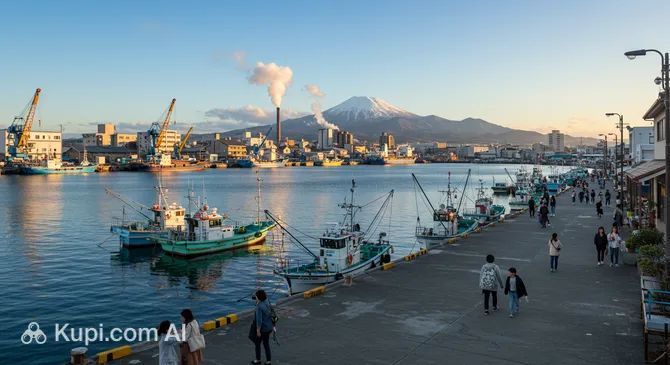
Tomakomai. Illustration.
Source: Kupi.com AI

With a population of about 170,000, Tomakomai is a dynamic city that harmoniously combines industrial rhythm with the charm of northern nature. Despite its industrial significance, it has preserved a special atmosphere of coziness and hospitality, making it attractive for travelers seeking peace and authentic experiences. The city is part of the Hokkaido Prefecture and serves as an important transport hub connecting the island with the rest of the country.

The main highlight of Tomakomai is its close connection with nature. One of the key attractions is the Lake Utonai Sanctuary, recognized as a Ramsar site, where you can observe rare bird species. Outdoor enthusiasts will appreciate the opportunity to climb Mount Tarumae, which offers breathtaking views. Additionally, the city offers many green parks for walks and picnics by crystal-clear waters and is famous for its seascapes and fresh air.

Tomakomai is an ideal choice for those looking for a balance between modern comfort and outdoor adventure. Here you can feel the true spirit of northern Japan, taste Hokkaido's famous delicacies, get acquainted with local traditions, and enjoy a peaceful atmosphere that is hard to find in bustling metropolises. Come to Tomakomai to discover a different side of the Land of the Rising Sun!

You can find more interesting facts on the history of Tomakomai page.
Weather Overview

The weather in Tomakomai is characterized by noticeable seasonal changes. Winters here are cold, with average temperatures in January and February around -4.5°C and -4.1°C, respectively, and minimal precipitation (about 2 mm). Spring brings gradual warming, and by May, the average temperature reaches +11.0°C. Summer is moderately warm; the warmest month is August, with an average temperature of +21.1°C and maximums reaching +23.2°C. The summer months also see the most precipitation, reaching up to 6 mm in August, while the number of rainy days can go up to 17. In autumn, temperatures gradually decrease but remain comfortable until October (averaging +11.9°C), after which cooler weather sets in. In general, expect a cool summer with occasional rain and cold winters with little precipitation. You can find out more about the Tomakomai climate on a dedicated page.

Average monthly temperature

Average monthly precipitation

Interesting Facts

In addition to its industrial achievements and transport importance, Tomakomai holds many surprising stories and features that make it a truly unique place on the map of Japan. This Hokkaido city is ready to surprise even the most seasoned traveler.

Midorigaoka Park. Illustration.
Source: Kupi.com AI

Traveler photos:

  • Tomakomai is known as one of Hokkaido's largest ports. Numerous ferries depart from here, including the famous MOL Ferry Sunflower, which has become a legend among sea travel enthusiasts and those who love the romance of the sea lanes.

  • In the city's outskirts rises the active Mount Tarumae, one of the most accessible volcanoes to visit in Japan. Its crater and impressive lava fields attract not only tourists but also scientists from all over the world. According to local legend, the volcano's spirit protects Tomakomai and grants fertility to its lands.

  • The city is the home of the Oji Eagles hockey team, one of the strongest in Japan. The local ice arena, Hakucho Arena, has become a true center of sporting life in Tomakomai and regularly hosts major tournaments.

  • A particular pride of Tomakomai is the Lake Utonai nature reserve. It is a true paradise for birdwatchers, as you can find over 250 species of birds here, including rare Japanese cranes and whooper swans. Locals even hold annual birdwatching festivals that attract guests from all over the country and abroad.

How to Get There

When planning a trip to Hokkaido, it is important to choose the optimal route. You can find all possible options and more details on how to get to Tomakomai in our dedicated section.

While there is no civilian airport within the city of Tomakomai itself, its geographical location makes it extremely accessible for air travelers. The main air gateway to the region is New Chitose Airport (IATA: CTS), which serves the city of Sapporo. It is located just 17.6 km from the center of Tomakomai, making it the most convenient arrival option. This is Hokkaido's largest international hub, handling millions of passengers annually. The journey from the airport to the city by taxi or bus takes only about 30–40 minutes.

If you are planning a complex route around the island, you might consider flying into Hakodate Airport (HKD), located in the city of Hakodate. It is much further away, approximately 115 km from Tomakomai. This is a regional hub, and the transfer from there will take about 2–3 hours by car or train. Asahikawa Airport (AKJ) also operates on the island, but it is more than 130 km away from the city, so it is only worth choosing if you have specific travel plans.

For clarity, here is a summary of the main airports:

AirportPassenger trafficDistance
New Chitose Airport23.3 mln18 km
Okadama Airport575 20657 km
Hakodate Airport1.8 mln115 km
Tokachi-Obihiro Airport650 000133 km
Asahikawa Airport1.1 mln134 km

Rail travel is another popular way to reach the city. Tomakomai Station is an important transport hub on the JR Hokkaido lines. Trains arrive regularly and quickly from Sapporo (travel time by express is less than an hour) and New Chitose Airport. The trains are comfortable and allow you to enjoy views of the northern nature.

Furthermore, Tomakomai is a major seaport, receiving passenger ferries from Honshu Island (from the ports of Oarai, Sendai, and Nagoya). This is an excellent choice for those traveling with their own car or those who prefer the romance of sea travel.

Main Attractions

Tomakomai, an important port city in southern Hokkaido, offers its guests not only a developed industry but also several interesting places to get acquainted with the culture, nature, and gastronomy of the region. Among them, several key attractions are worth highlighting.

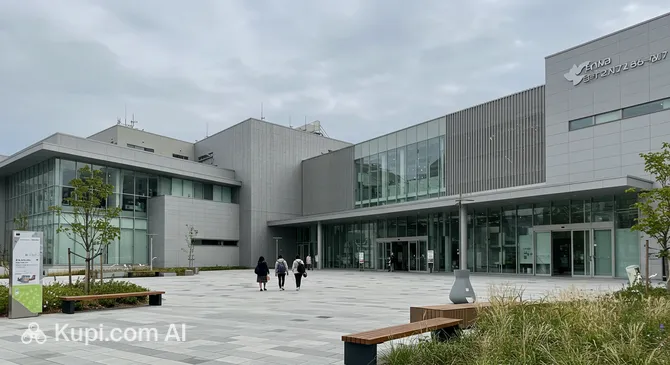
One of the educational places to visit is the Tomakomai City Science Center. Here, visitors—especially those interested in science and technology—can explore various exhibits, many of which are interactive. It is a wonderful opportunity for family leisure and broadening one's horizons.

Tomakomai City Technology Center. Illustration.
Source: Kupi.com AI

Traveler photos:

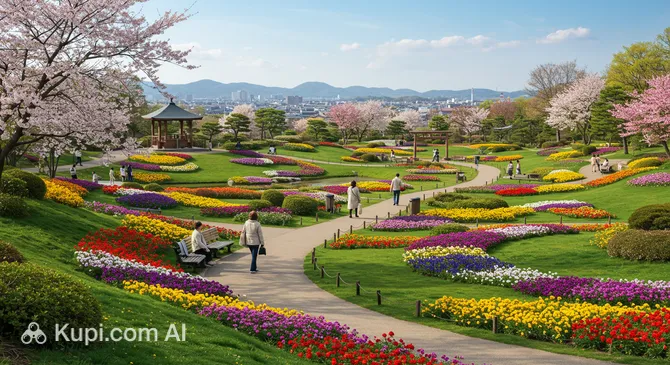
For lovers of nature and quiet relaxation, Midorigaoka Park is an excellent choice. This vast green oasis offers picturesque landscapes, well-maintained walking paths, and the chance to enjoy the beauty of Japanese nature throughout the seasons. The park is a popular spot for both locals and tourists seeking tranquility.

Midorigaoka Park. Illustration.
Source: Kupi.com AI

Traveler photos:

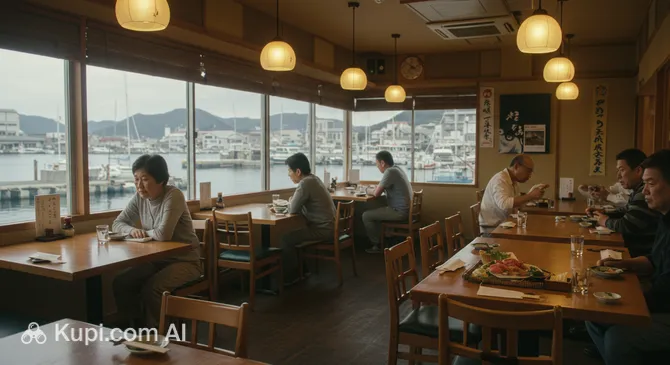
As a port city on Hokkaido, which is famous for its seafood, Tomakomai offers gourmets the chance to enjoy the freshest treasures of the sea. Minato Seafood Restaurant is one such place where you can taste a variety of dishes made from local catches, prepared in a traditional Japanese style. This is a great chance to appreciate the gastronomic richness of the region.

Minato Seafood Restaurant. Illustration.
Source: Kupi.com AI

Traveler photos:

Local Cuisine

The cuisine of Tomakomai is a true paradise for seafood lovers. Thanks to its oceanfront location and large fishing port, the city is famous for its fresh seafood. Here you can enjoy the taste of premium oysters, tender scallops, succulent crabs, and excellent salmon, which form the basis of many local dishes.

Among the dishes you must try in Tomakomai, the "kaisen-don" stands out—an appetizing bowl of rice generously topped with slices of fresh raw fish, roe, and other marine delicacies. Another gastronomic pride of the city is "Tomakomai Hokkaido Ramen." This hearty soup with a rich broth, vegetables, and, of course, seafood will warm you up and provide an unforgettable taste experience. Don't miss the chance to try grilled sea eel, cooked over an open fire, which gives it a special aroma and flavor.

Street food in Tomakomai offers an exciting gastronomic journey. At busy markets and during numerous festivals, you can find grilled squid on skewers, candied sweet beans, fresh local berries, and the famous Japanese ice cream made from Hokkaido milk. Locals and tourists often gather at these events where farmers and fishermen present their best products and treats. If you want to dive deeper into the world of local flavors and taste the freshest treasures of the sea, stop by Minato Seafood Restaurant.

As for drinks, in Tomakomai, you should pay attention to local sake, which perfectly complements a seafood meal. Freshly squeezed juices from northern berries are also popular, rich in vitamins and refreshing in any weather. Locals prefer to dine in cozy family restaurants where recipes are often passed down through generations, as well as in cafes and bars, some of which host tastings, allowing guests to explore Hokkaido's diverse flavors and discover new gastronomic horizons.

Travel Tips

Welcome to Tomakomai! To make your trip to this interesting Hokkaido port city as comfortable as possible and leave you with only pleasant impressions, we have prepared some practical tips for you.

  1. Seasonal Clothing and Useful Items: The climate of Hokkaido, where Tomakomai is located, is characterized by distinct seasonality. In summer (June-August), you will need light clothing, but it can be cool in the evenings. In winter (December-February), you cannot do without warm layered clothing, a hat, gloves, and waterproof shoes, as there is often a lot of snow. Spring and autumn require mid-season gear. Be sure to bring comfortable walking shoes, as well as an adapter for electrical appliances (Japan uses Type A and B sockets, with a voltage of 100V).
  2. Getting Around the City: The main form of public transport in Tomakomai is the bus. For longer trips around Hokkaido, you can use JR trains. Taxis are available but can be quite expensive. Renting a car can be a good option for exploring the surroundings, especially if you plan to visit natural attractions, but keep in mind that driving on snowy roads in winter requires experience.
  3. Financial Matters: The national currency is the Japanese Yen (JPY). Credit cards (Visa, Mastercard) are accepted in many hotels, restaurants, and large stores. However, it is always useful to have some cash on hand, especially for payments in small establishments, at markets, or on transport. ATMs that accept international cards can be found in post offices (Japan Post Bank) and convenience stores like 7-Eleven. Tipping in Japan is not practiced and may even be perceived as impolite.
  4. Health and Safety: Tomakomai, and Japan in general, is considered a very safe place. Pharmacies (薬, kusuri) are easy to find, but staff do not always speak English. For serious cases, there are hospitals; having travel medical insurance is recommended. Tap water in Japan is safe to drink. There are no specifically "unsafe" areas in the city, but always observe standard precautions.
  5. Communication: The official language is Japanese. English proficiency levels can vary; in tourist areas, staff are more likely to speak English, but knowing a few basic Japanese phrases (e.g., "Konnichiwa" – hello, "Arigato" – thank you, "Sumimasen" – excuse me) will be very helpful and appreciated by locals. For internet access, you can purchase a local SIM card or rent a pocket Wi-Fi router. Free Wi-Fi is available in some public places and hotels.
  6. Local Etiquette: Japanese people value politeness and respect highly. Greetings are often accompanied by bows. In public places, especially on transport, try to keep quiet and avoid talking loudly on the phone. When entering a Japanese home, some temples, and traditional restaurants, it is customary to remove your shoes.
  7. Things to Avoid: Do not stick your chopsticks vertically into a bowl of rice—this is associated with funeral rituals. Also, try not to eat or drink while walking on the street, especially in crowded areas. Avoid pointing at people with your finger; use an open palm instead.
  8. Tomakomai Specialty: The city is an important industrial and port center, as well as a gateway to Hokkaido's natural beauty. Not far from Tomakomai is Lake Utonai—a Ramsar Convention-recognized wetland where you can observe many bird species, especially during migration. Be sure to try the fresh seafood for which the city is famous thanks to its coastal location.

We hope these tips help you better prepare for your trip and get the most out of your stay in Tomakomai. We wish you an unforgettable journey through Japan!

Entertainment & Nightlife

In the evening, Tomakomai offers its guests various ways to enjoy their time, although its nightlife does not compare to that of bustling metropolises. After dark, the city transforms, and the doors of numerous cozy establishments open, where you can relax after a busy day.

The main concentration of evening entertainment is usually found in the areas adjacent to the central station, as well as on the main shopping streets. Here you will find traditional Japanese drinking establishments—izakaya—where you can not only drink sake or beer but also order a variety of appetizers. The atmosphere in such places is generally very friendly and conducive to conversation. Many bars and restaurants stay open until late evening or midnight. The dress code in most Tomakomai establishments is quite casual; comfortable everyday clothing will be perfectly appropriate. It is worth noting that you likely won't find large nightclubs or regular night markets in Tomakomai. However, some local bars may offer live music on weekends, and karaoke bars are an essential and very popular part of Japanese night culture and are widespread in the city.

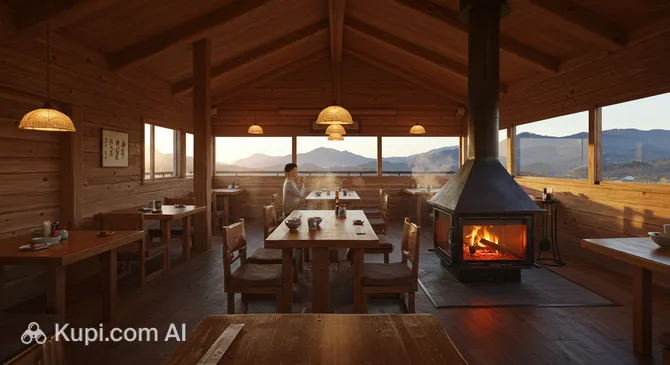
For dinner and a pleasant evening, you might consider establishments like Minato Seafood Restaurant, known for its fresh seafood. Also popular is Kongoen Honten, where you can enjoy high-quality dishes in a pleasant setting. Prices in Tomakomai establishments can generally be described as moderate, especially in traditional izakayas, though they certainly vary depending on the type and level of the establishment.

Kongoen Main Restaurant. Illustration.
Source: Kupi.com AI

Traveler photos:

When planning your evening leisure, keep in mind that public transport usually stops running relatively early. Therefore, the best option for traveling late at night is a taxi. You can call a car via an app, ask the staff at your hotel or restaurant, or find one at designated taxi stands. In general, Tomakomai is considered a safe city, but as with anywhere, you should take standard precautions at night, especially if walking alone.

During the day, there is also plenty to do in Tomakomai. Visitors can head to the Tomakomai City Science Center to learn more about the region's industry or take a stroll through the picturesque Midorigaoka Park. A cultural program might include visiting local museums or galleries offering insights into the history and art of Hokkaido.

Parks & Museums

Tomakomai, a well-known industrial and port city in Hokkaido, offers its guests not only economic opportunities but also pleasant corners for outdoor relaxation, as well as interesting places to get acquainted with local culture and achievements.

One of the city's main green oases is Midorigaoka Park. This is a popular spot among residents for walks, picnics, and sports. Here you can enjoy the change of seasons: from cherry blossoms in the spring to vibrant autumn colors. The park often hosts various city events and festivals, making it a hub of community life.

Not far from Tomakomai is Lake Utonai (Utonai-ko), recognized as a Ramsar site and an important sanctuary for migratory birds. Near the lake is the Lake Utonai Wildlife Center, where you can learn more about the local ecosystem and observe rare bird species in their natural habitat. This place is particularly attractive for birdwatchers and nature enthusiasts.

For those looking for a combination of nature and active recreation, Northern Horse Park, located in the vicinity of Tomakomai, is an interesting option. This is a vast horse-themed park where visitors can enjoy horseback riding, beautiful gardens, restaurants, and various horse shows. The park offers entertainment for the whole family and is a popular vacation spot.

Among the cultural institutions, the Tomakomai City Science Center stands out. It introduces visitors to the region's industrial development, modern technologies, and scientific achievements that play an important role in the life of the city and Hokkaido Prefecture. The exhibits can be interesting for both adults and children, offering interactive elements for better learning.

Another important site for exploring culture and history is the Tomakomai City Museum. Here, visitors can delve into the region's past, from ancient times to the modern stage of the city's development. Exhibits often include archaeological finds, ethnographic materials about the lives of indigenous peoples and early settlers, and works by local artists, providing a comprehensive view of Tomakomai's cultural heritage.

Tomakomai is a relatively young city; its active development took place in the 20th century and is closely linked to industrialization. Therefore, modern buildings dominate the architectural landscape. However, as in any Japanese city, you can find small Shinto shrines and Buddhist temples that carefully preserve a piece of local history and spiritual traditions, offering quiet corners for reflection.

For a more authentic experience and immersion in the city's daily life, check out the local markets. Here you can not only observe the bustling trade but also taste the freshest seafood for which Hokkaido is so famous. Additionally, a walk along the coast on a clear day will offer beautiful seascapes and the chance to breathe fresh air, allowing you to better feel the atmosphere of this port city.

Getting Around

Getting around Tomakomai is quite convenient thanks to its public transport system. The backbone of the transport network is the buses, which connect various districts of the city. Additionally, local railway lines complement the bus service for trips to the suburbs and neighboring towns.

The bus network in Tomakomai is quite extensive and covers most key points, including the railway station, port, shopping centers, and residential areas. Routes are served by several operators, so it's worth paying attention to the information and schedules posted at stops. Buses generally follow a strict schedule, which can be checked at the stops or on the transport companies' websites.

To pay for fares on public transport in Tomakomai, you can use cash or transport IC cards. The Kitaca card is common in the Hokkaido region, but other major IC cards you might have from traveling to other regions are often accepted as well. When paying with cash on the bus, it's recommended to have coins with you, as change might not be given or the change machine might not accept all bills. Sometimes daily or tourist passes are available, which can be advantageous if you plan many trips during the day.

Using public transport in Tomakomai is straightforward. In most buses, you enter through the rear or middle door. If you are paying in cash and the bus uses a zone-based fare system, take a ticket upon entry. If you have an IC card, tap it on the reader when entering and exiting. Cash payment or ticket validation occurs upon exiting through the front door, next to the driver. Stops are usually announced, but it's also helpful to track your route using a map or a navigation app on your phone. Public transport typically runs from early morning until late evening, though the frequency of service may decrease in the evening hours and on weekends.

Besides public transport, there are other ways to get around in Tomakomai. Taxis are easy to find at designated stands by the station, major hotels, or by calling one. For those planning to explore the surroundings or the picturesque island of Hokkaido more actively, renting a car is a convenient option. During the warmer months, you might consider renting a bicycle for leisurely rides around the city and its parks.

Accommodation

When planning a trip to Tomakomai, you will find a variety of accommodation options to suit different preferences and budgets. The city offers a wide range of housing, from budget-friendly guesthouses and hostels for travelers on a budget to comfortable mid-range hotels and more prestigious options for those seeking a higher level of service.

For tourists, areas located near major transport hubs, such as Tomakomai Railway Station, or close to city attractions can be particularly convenient. Staying in the city center provides easy access to shops, restaurants, and cultural sites. Some travelers also prefer staying in quieter neighborhoods that offer a peaceful atmosphere after a busy day.

While there are no specific hotels listed here, Tomakomai, like most Japanese cities of its size, typically features both local inns and chain hotels offering a standard set of services. Your choice depends on your personal preferences and budget—from basic rooms to more spacious and well-equipped apartments that may be convenient for families or long stays.

Regarding prices, Tomakomai has options for every wallet: from budget deals to rooms in mid-range and high-end price segments. It is recommended to book accommodation in advance, especially if your trip coincides with the peak tourist season or major local events. The most popular booking methods are international online platforms and travel aggregators, although some hotels also offer direct booking through their own websites.

Nearby Cities

For those who want to explore the surrounding area, Tomakomai serves as an excellent starting point for day trips to several interesting nearby locations:

CityPopulationDistance
Chitose97 94521 km
Shiraoi16 63822 km
Eniwa70 10228 km
Kitahiroshima58 12540 km
Hidaka54 72842 km

Several cities stand out among these. Chitose, located just 21 km away, is attractive for its proximity to New Chitose International Airport and picturesque Lake Shikotsu, offering easy access to natural beauty. Sapporo, the dynamic capital of Hokkaido, is famous for its annual Snow Festival, excellent cuisine, breweries, and vibrant city life. Equally interesting is Otaru, a charming port city with a romantic canal atmosphere, historical buildings, and famous glass workshops.

These and other nearby destinations allow for a deeper understanding of Hokkaido's diverse culture, history, and natural landscapes, making your journey from Tomakomai even more rewarding.

Shopping & Souvenirs

As a port city on the island of Hokkaido, Tomakomai offers its guests shopping opportunities that reflect the local flavor and specialization of the region. While it is not the largest commercial center in Japan, you can find high-quality local products here, especially seafood, as well as everyday goods and souvenirs to remember your trip.

Main shopping zones in Tomakomai are likely concentrated in the city center, especially around the railway station and on adjacent streets. Here you can find small private shops offering unique locally made goods, as well as stores from well-known Japanese chains. A stroll through these areas will give you an idea of the city's commercial life.

The city likely has shopping centers or department stores where many shops are gathered under one roof. These are convenient places to find clothing, electronics, cosmetics, and household goods, as well as to visit restaurants or food courts. Such centers usually offer a wide selection of goods and comfortable shopping conditions.

Special attention should be paid to local markets in Tomakomai, if available. Given its location on Hokkaido and its status as a port city, there is a high probability of finding markets specializing in fresh seafood. This is a wonderful opportunity not only to buy the freshest treasures of the sea but also to observe the daily life of locals and perhaps try local delicacies right on the spot.

As souvenirs from Tomakomai and Hokkaido as a whole, consider gastronomic delights. These could be various seafood products (fresh, smoked, canned) and Hokkaido's famous dairy products (cheeses, butter, and dairy-based desserts). Traditional Japanese souvenirs are also popular: green tea, sake, ceramics, textiles, and various handcrafted items, if available in local shops.

Shops in Tomakomai are typically open from 10:00 or 11:00 AM and work until 7:00 or 8:00 PM. Large shopping centers may have longer hours. Keep in mind that small private shops might be closed on a certain day of the week. Cash (Japanese Yen) is widely accepted for payments, especially in markets and small shops. In most large stores, hotels, and restaurants, you can pay with credit cards from international payment systems. Electronic payments using IC cards are also common in Japan.

Foreign tourists in Japan can take advantage of the Tax-Free system. Look for stores with the "Japan Tax-free Shop" sign. Generally, to qualify for a tax refund, you must make a purchase of a certain amount (usually over 5,000 yen excluding tax) in one store in a single day and present your passport. Goods purchased under the Tax-Free system are often packed in special bags, which are recommended not to be opened until you leave the country.

Reached the end of the page?

That means the route is fully explored