Support

Kutchan

About

Kutchan is a charming town nestled on the island of Hokkaido, right in the heart of a region known for its snow-capped peaks and picturesque valleys. It is famous for its welcoming atmosphere and serves as an excellent base for exploring the natural beauty of northern Japan. With a population of about 15,000 people, Kutchan retains the cozy feel of a small settlement where tradition harmoniously blends with modern comfort.
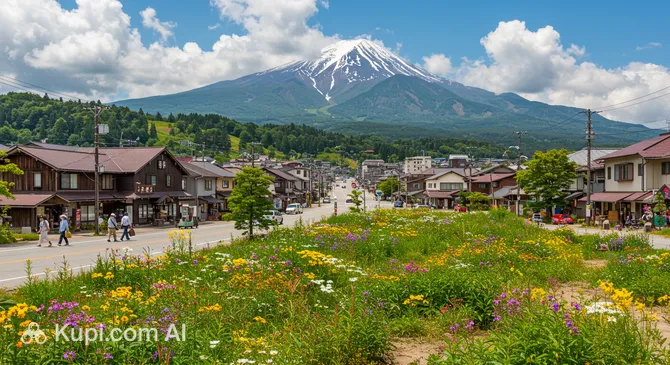
Kutchan. Illustration.
Source: Kupi.com AI

Geographically, Kutchan is located in Hokkaido Prefecture, just a few kilometers from the world-famous Niseko ski resort. This makes it a key hub for winter sports enthusiasts. Thanks to its location, the town offers breathtaking scenery: majestic mountains, crystal-clear rivers, and dense forests, creating ideal conditions for both active recreation and peaceful nature contemplation.

The main draw of Kutchan is undoubtedly its proximity to the slopes of Niseko, which offer some of the world's best conditions for skiing and snowboarding thanks to the abundant, fluffy powder snow. However, the town is attractive beyond just the winter months. In summer, Kutchan's surroundings transform into a paradise for hiking enthusiasts, scenic cycling tours, and relaxing stays at the hot springs (onsens) for which Japan is so famous.

Kutchan is a place where everyone can find something to their liking, whether it's seeking adrenaline on snowy slopes or finding peace amidst summer landscapes. This hospitable town warmly welcomes travelers, offering them unforgettable experiences and vivid emotions at any time of year.

You can find more interesting facts on the history of Kutchan page.
Weather Overview

The weather in Kutchan is characterized by noticeable seasonal contrasts. Winters here are cold, with the average January temperature holding around -6.5°C, and frequent snow – for example, there are up to 27 days with precipitation in December and 23 in January. Summer, especially in July and August, is quite warm: average temperatures reach 20.2°C – 20.8°C, while maximum values can rise to 23-24°C. Precipitation in the summer months is moderate. Spring and autumn are transitional seasons with gradual changes in temperature readings. Overall, Kutchan is characterized by comfortably warm summers with occasional rain and frosty, snowy winters. Precipitation is distributed throughout the year, with a slight peak in August (6 mm), although the number of days with precipitation remains significant throughout the year.

For more detailed weather information, including monthly forecasts, we recommend checking the Kutchan Climate page.

Average monthly temperature

Average monthly precipitation

Interesting Facts

Beyond its fame as the gateway to renowned ski slopes, Kutchan holds many curious details and cultural highlights that not all travelers are aware of. This charming town in Hokkaido can surprise even seasoned tourists.

  • Kutchan owes its worldwide fame to its proximity to the Niseko ski resort. The snow here is so light and fluffy that it is called "Japanese silk," and the region itself is often compared to the best Alpine runs due to the incredible quality of the snow cover.

  • Unique hot springs—onsens—are located in and around the town. Soaking in their mineral water after an active day on the slopes is considered not only a pleasant relaxation but also a way to restore strength thanks to the water's healing properties.

  • Kutchan regularly hosts vibrant winter festivals. These include spectacular giant snow sculpture competitions, night ski runs, and impressive torchlight parades that attract guests from all over Hokkaido.

  • A trip to Kutchan provides an opportunity to get acquainted with the culture of the Ainu, the indigenous people of Hokkaido. In local museums and during themed excursions, you can learn about the ancient traditions, unique crafts, and mythology of these people, which adds a special cultural flair to the trip.

How to Get There

When planning a trip to this picturesque corner of Hokkaido, it is important to think through your route in advance. Since Kutchan is the gateway to popular ski resorts, the transport infrastructure here is well-developed, especially during the winter season. You can find out more details on how to get to Kutchan, including schedules and seasonal features, on the dedicated page, and below we will look at the main ways to arrive.

Kutchan does not have its own airport, so most travelers fly into the major air hubs of neighboring cities. The most convenient and popular option is New Chitose Airport (IATA: CTS), located in the city of Sapporo. This is the island's main aerial gateway, receiving many international and domestic flights. The airport is about 78 km from Kutchan. The journey by bus or taxi takes about 2 hours and 20 minutes. In winter, direct Ski Buses run from here, taking tourists directly to hotels and slopes.

An alternative option is Hakodate Airport (IATA: HKD), located in the city of Hakodate. It is further away, at a distance of about 126 km from Kutchan. Travel time by road is approximately 3 hours and 30 minutes. This option is convenient if you are planning a trip through the southern part of Hokkaido before visiting the ski resorts.

For clarity, here is a summary of the main airports used to reach the region:

AirportPassenger trafficDistance
Okadama Airport575 20656 km
New Chitose Airport23.3 mln78 km
Hakodate Airport1.8 mln126 km
Okushiri Airport24 334143 km
Asahikawa Airport1.1 mln162 km

Rail service is also an excellent way to get to the town. The main station is Kutchan Station, located on the JR Hakodate Line. Trains from Sapporo or New Chitose Airport usually go via Otaru, where a transfer is often required. The train journey allows you to enjoy scenic views of Hokkaido's snow-covered plains or summer landscapes and takes about 2-3 hours depending on the train type and connection times.

In addition to trains and planes, Kutchan can be reached by car or intercity bus. Roads in Hokkaido are wide and convenient but require snow driving skills in winter. Buses run regularly from Sapporo and Otaru, providing an economical and comfortable way to reach the town center or the resort area directly.

Main Attractions

Kutchan, cozily situated on the island of Hokkaido, offers its guests a variety of experiences: from gastronomic discoveries to active outdoor recreation and exploring scenic landscapes. Everyone will find something to their liking when planning a route through this charming corner of Japan.

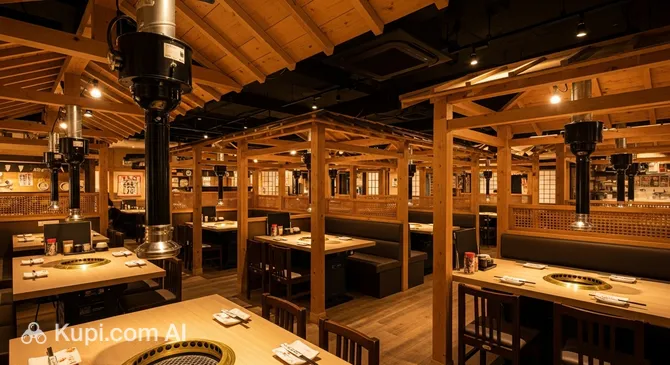
For connoisseurs of local cuisine, one of the mandatory stops should be the Genghis Khan Eijin Kutchan restaurant. This establishment is famous for Hokkaido's traditional "Jingisukan" dish – flavorful grilled lamb with vegetables, often cooked right at the table in front of the guests. Visiting this restaurant is not just a dinner, but an opportunity to immerse yourself in local culture and try one of the region's most famous dishes in an authentic setting.

Genghis Khan Eijin Kutchan. Illustration.
Source: Kupi.com AI

Traveler photos:

Another popular spot that food lovers will appreciate is J's Corner Grill. This restaurant attracts visitors with its grilled dishes. Here you can enjoy juicy steaks or other meat delicacies, making it an excellent choice for a hearty lunch or dinner after a busy day of exploring the surroundings.

J's Corner Grill. Illustration.
Source: Kupi.com AI

Traveler photos:

For fans of winter sports and active recreation, Kutchan serves as the gateway to the world-renowned Niseko United ski resorts. This region is famous for its legendary powder snow and offers runs for skiers and snowboarders of all levels. In summer, the mountain slopes transform into beautiful routes for hiking and mountain biking, allowing you to enjoy Hokkaido's nature in all its glory.

An integral part of Kutchan's landscape is the majestic Mount Yotei, often called "Ezo Fuji" for its striking resemblance to the famous Mount Fuji. Its almost perfect conical shape dominates the horizon and serves as a beautiful backdrop for photos at any time of year. In summer, brave travelers can undertake a climb to the summit, which offers breathtaking panoramas, while scenic trails for walking and nature watching are located at the base of the volcano.

Thus, Kutchan is not only about delicious food but also about amazing nature and wide opportunities for active pastimes. Getting to know these attractions will undoubtedly enrich your journey through Japan and leave many vivid impressions.

Local Cuisine

The gastronomy of Kutchan is a true reflection of Hokkaido's natural bounty. The town and the surrounding Niseko region are famous for the freshest products: from seafood to vegetables grown on fertile lands, and, of course, high-quality local beef. When planning a gastronomic journey, be prepared for bold flavors and hearty portions.

Be sure to try the famous dishes that will warm you up, especially in winter. These include "sukiyaki" and "shabu-shabu" – appetizing hot pots with thinly sliced meat and fresh vegetables cooked right at your table. Another Hokkaido culinary hit is Hokkaido-style ramen: a rich soup with springy noodles, often with added seafood or meat in a thick, aromatic broth. One cannot overlook "Jingisukan" (or "Genghis Khan") – a popular dish of grilled lamb and vegetables that is a signature of the region. To enjoy authentic Jingisukan, you can visit, for example, the Genghis Khan Eijin Kutchan restaurant.

In addition to these "star" dishes, Kutchan's cuisine will delight you with an abundance of fresh seafood, seasonal mushrooms, and wild herbs. At local farmers' markets, you can always find fresh berries, apples, corn, and the famous Hokkaido potatoes. In summer, ice cream made from the freshest milk is popular here, while in winter, desserts made from pumpkin and sweet potato are favorites.

As for drinks, as in all of Japan, green tea is popular here and will perfectly complement any meal. Among alcoholic beverages, pay attention to the local sake and beer, which pair well with Hokkaido cuisine. Non-alcoholic drinks are represented by a wide selection of juices, lemonades, and, of course, tea.

The dining culture in Kutchan is diverse. Locals and tourists can choose between cozy restaurants offering both traditional Japanese dishes and European cuisine, lively farmers' markets where you can buy the freshest products, and street food stalls—from grilled octopus to aromatic buns filled with sweet bean paste. The town also periodically hosts gastronomic festivals where you can get to know local culinary traditions more deeply.

Travel Tips

Welcome to Kutchan! To make your trip to this charming corner of Hokkaido as comfortable as possible and full of pleasant impressions, we have prepared some practical tips. We hope they help you navigate better and enjoy every moment of your stay.

  1. Seasonal clothing and useful items:

    The climate in Kutchan, like all of Hokkaido, has distinct seasonality. In winter (December-March), it is a realm of snow and frost, so warm layered clothing, waterproof outerwear and footwear, a hat, gloves, and a scarf are vital. Don't forget sunglasses and sunscreen – the sun reflecting off the snow can be very bright. In spring (April-May) and autumn (October-November), the weather is cool and rain is possible – bring a light jacket and sweater. In summer (June-September), it is warm but not stiflingly hot – light clothing is suitable, but a sweater or windbreaker may be useful in the evening. At any time of year, you will need comfortable shoes for walking. Don't forget an adapter for electronics (Japan uses type A, 100V voltage). When visiting temples or shrines, choose modest clothing that covers shoulders and knees.

  2. Getting around Kutchan and the surroundings:

    In Kutchan itself, the main form of public transport is the bus, which connects different parts of the town and can take you to nearby resorts like Niseko. However, schedules may not be very frequent, especially outside the peak season. Taxis are available but can be an expensive pleasure. For exploring the scenic surroundings of Hokkaido, especially in the summer, car rental is highly recommended. This will give you freedom of movement and allow you to see much more. Note that an international driving permit is required for rental, and winter driving can be challenging due to snow and ice (winter tires and experience are necessary).

  3. Financial matters in Japan:

    The local currency is the Japanese yen (JPY, ¥). It is better to exchange some money in advance or upon arrival at major airports, as the number of exchange points in Kutchan itself may be limited, and banks may have specific operating hours. Credit and debit cards are increasingly accepted in hotels, large shops, and restaurants at the resorts, but always have enough cash on hand for small cafes, local markets, some types of transport, and emergencies. ATMs that accept international cards can usually be found at post offices (Japan Post Bank) and 7-Eleven convenience stores (Seven Bank ATM). Japan is not the cheapest country; a rough daily budget per person (excluding accommodation and activities like ski passes) can range from 7,000 to 15,000 JPY. Tipping is not practiced in Japan and may be perceived as a misunderstanding or even impoliteness.

  4. Health and safety:

    Pharmacies in Japan are called "kusuri" (薬) or "drugstore." Some may be closed in the evening or on weekends, so it is better to have a basic first-aid kit with you. Be sure to take out travel medical insurance with good coverage before your trip. If you need medical assistance, your hotel staff can help call a doctor or direct you to a local clinic or hospital (e.g., Kutchan Kosei General Hospital). Kutchan, like Japan in general, is considered a very safe place. Follow standard precautions: watch your belongings and be attentive to your surroundings, especially in crowded places.

  5. Language and connectivity:

    The official language is Japanese. In tourist areas, especially at ski resorts associated with Niseko, staff often speak English. However, in Kutchan town itself, the level of English among the local population may be lower. Learn a few basic Japanese phrases such as "Konnichiwa" (Hello/Good day), "Arigato" (Thank you), and "Sumimasen" (Excuse me/I'm sorry) – this is always appreciated. For connectivity, it is recommended to purchase a tourist SIM card or rent a pocket Wi-Fi router at the airport upon arrival. Free Wi-Fi is usually available in hotels, some cafes, and tourist information centers. Apps like Google Maps for navigation and Google Translate for translation will be useful.

  6. Local etiquette and communication:

    The Japanese are very polite and value respect for traditions. A slight bow is a traditional form of greeting. In public places, especially on transport, try not to make noise or speak loudly on the phone. It is not customary to eat or drink on the go in the street (except in designated areas or at festivals). Always remove your shoes before entering Japanese homes, many temples, traditional restaurants (ryokans), and some other establishments – look for special shoe shelves at the entrance. Also, Japanese people are very conscientious about cleanliness, so only throw trash in designated bins (sometimes they can be hard to find, so be prepared to carry small trash with you to the nearest bin).

  7. What to avoid:

    To avoid offending locals and awkward situations, remember a few things. Do not stick your chopsticks vertically into a bowl of rice – this is associated with funeral rituals. It is also considered impolite to blow your nose loudly in public; if you need to do so, it is better to go to a restroom. Do not point your finger at people.

  8. Kutchan's specialty: Potatoes and "Powder":

    Kutchan is famous for its high-quality potatoes, known as "Kutchan Jaga." Be sure to try local dishes that use them! In winter, Kutchan becomes the gateway to the world-famous Niseko ski slopes, renowned for their incredibly fluffy snow – "powder." If you are here during the snowy season, skiing or snowboarding will provide unforgettable experiences. In summer, the region offers wonderful opportunities for hiking, rafting, and enjoying Hokkaido's magnificent nature.

We hope these tips make your stay in Kutchan even more pleasant and fulfilling. We wish you an unforgettable journey and bright discoveries in this amazing corner of Japan!

Entertainment & Nightlife

Kutchan, known as the gateway to the famous Niseko ski resorts, offers its guests not only breathtaking slopes but also various options for evening and night-time relaxation. Although it is a small town, its atmosphere comes alive after dark, especially during the winter season when outdoor enthusiasts from all over the world gather here.

The main concentration of evening entertainment is found not so much in the town of Kutchan itself, but in the adjacent resort villages such as Hirafu. Here you will find many bars, pubs, and restaurants creating a lively international atmosphere. The streets fill with vacationers looking to unwind after a day on the slopes. Cozy izakayas (Japanese pubs) are popular, where you can try local snacks and sake, as well as bars with live music or DJ sets.

Among the establishments where you can enjoy a pleasant evening, restaurants offering delicious dinners in an inviting atmosphere are worth noting. For example, you can stop by Genghis Khan Eijin Kutchan to enjoy the popular "Jingisukan" dish (grilled lamb) or visit J's Corner Grill for more international cuisine. Many restaurants stay open until late evening, allowing for a smooth transition from dinner to further entertainment. While there are few large nightclubs in Kutchan, the atmosphere in bars is often very lively, especially during peak season. The dress code in most places is casual, fitting the resort setting.

Genghis Khan Eijin Kutchan. Illustration.
Source: Kupi.com AI

Traveler photos:

Practical Tips: The best time to visit bars is after 6:00 PM, when après-ski begins and continues until late at night. Prices can vary but generally correspond to the level of a popular ski resort. For traveling between different areas or to your hotel at night, it is most convenient to use a taxi. You can order a taxi through your hotel reception or find one at designated stands. Overall, Kutchan and the surrounding resort areas are considered safe, but it is always worth following standard precautions, especially if you are walking alone late at night.

J's Corner Grill. Illustration.
Source: Kupi.com AI

Traveler photos:

During the day, Kutchan and its surroundings also offer various leisure options. Besides the obvious winter sports, you can visit local onsens (hot springs) for relaxation. Although the choice of museums or theaters in Kutchan itself may be limited due to its size, the natural beauty of Hokkaido and the opportunities for outdoor activities more than compensate for this. In summer, the region attracts fans of hiking, rafting, and golf.

Parks & Museums

Kutchan, cozily situated among the picturesque landscapes of Hokkaido, offers its guests not only world-famous ski slopes but also the opportunity to enjoy the tranquility of nature and get acquainted with local culture. The town and its surroundings are rich in green zones and feature interesting places for cultural leisure.

For nature lovers, Kutchan and its surroundings will be a true discovery. One of the notable spots is Asahigaoka Park. In spring, it delights with cherry blossoms, and in summer, it becomes a wonderful place for picnics and leisurely walks with views of Mount Yotei. Nearby flows the Shiribetsu River, along whose banks you can take pleasant walks or even try your hand at fishing during the summer season. Although there may not be large national parks within the town itself, the entire surrounding territory is a vast natural area, ideal for hiking, cycling, and admiring the majestic landscapes of Hokkaido.

The cultural life of Kutchan also deserves attention. To gain a deeper understanding of the region's history and art, it is worth visiting the Shu Ogawara Museum of Art. Works by this famous Japanese artist, whose creativity is closely linked to Hokkaido, are presented here. The museum's exposition allows art lovers to enjoy the master's unique style and his vision of northern nature. Another place to touch the past is the Kutchan Town Museum (倶知安町郷土館). Its halls house exhibits telling the story of the land's development, the growth of agriculture—in particular, the famous Kutchan potatoes—and the daily life of local residents. It is a great opportunity to learn more about the formation of the region and its cultural features.

Although Kutchan may not boast an abundance of ancient architectural monuments, walking through its streets, you can encounter charming old buildings and small local shrines reflecting the history and spirit of this northern town. These modest but authentic corners add a special flavor to a stay here.

To get a more authentic experience, turn off the main streets and peek into small local shops or cafes—it is there that you can feel the real rhythm of life in Kutchan. It is also worth paying attention to local seasonal festivals if your trip coincides with one of them; this is a wonderful chance to get acquainted with the traditions and hospitality of Hokkaido's residents.

Getting Around

Getting around Kutchan and its surroundings can be done in several ways, although the public transport system here is more compact than in large metropolises and is oriented toward the needs of local residents and tourists coming to enjoy nature and active recreation.

The main form of public transport in Kutchan is the bus. Local bus routes connect different parts of the town and provide links to nearby settlements and popular tourist zones, including the ski resorts. Fare payment on buses is most often made in cash when boarding or exiting; check with the driver. In some cases, local transport cards or universal Japanese IC cards (such as Suica or Pasmo) may be accepted, but it's better to have cash with you. Information on schedules and routes can be found at bus stops, tourist information centers, or on the websites of local transport companies.

Taxis are also available in Kutchan. This is a convenient, though more expensive, way to travel, especially if you are in a group or have a lot of luggage. Taxi stands are usually located at the train station and other key points in town. You can also call a taxi by phone.

Tourists planning trips around Kutchan should keep a few points in mind. Buses may run at long intervals, especially in the off-season or in the evenings, so it is recommended to check the schedule in advance. Carry small change for bus fares. In winter, schedules may change depending on weather conditions and resort occupancy.

Besides public transport, other travel options exist. Renting a car is a popular choice for those who want to explore the Hokkaido region at their own pace, as it offers greater freedom of movement. There are car rental points in Kutchan and the surrounding areas. During the warmer months, a bicycle can be an excellent way for leisurely rides around the town and nearby scenic spots. Also, especially in the winter season, shuttle buses actively operate, running between Kutchan and the ski resorts, which is very convenient for skiers and snowboarders.

A feature of Kutchan's transport system is its focus on serving tourist flows headed to natural attractions and active recreation zones. Although there is no metro or tram system, the existing network of buses and shuttles effectively handles the task of getting travelers to the main points of interest.

Accommodation

When planning a trip to Kutchan, you will find a wide range of accommodation options to suit various preferences and budgets. The town, which is especially popular in the winter season due to its proximity to the famous Niseko ski resorts, offers everything from cozy guesthouses and budget hostels to comfortable mid-range hotels, as well as luxury apartments and full-service chalets.

When choosing accommodation in Kutchan, pay attention to its location. Many tourists prefer to stay in close proximity to the ski slopes to maximize their time on the mountain. Options in the town center are also popular, where restaurants and shops are concentrated, and from where it is convenient to reach various infrastructure facilities and transport hubs. The choice of area depends on your priorities: whether it's quick access to the lifts or immersion in city life.

Various types of hotels are represented in Kutchan: from establishments offering a traditional Japanese experience, such as ryokans (often with their own onsens – hot springs), to modern hotels with the usual set of amenities. Apartments and holiday homes are also widely available, which are ideal for families or large groups looking for more space and independence.

Given Kutchan's high popularity, especially during the peak ski season (usually from December to March), it is highly recommended to book your accommodation in advance. This not only guarantees availability but often allows you to secure better rates. In the off-season, the selection may be wider and prices lower.

The price range for accommodation in Kutchan is quite broad: from relatively budget options to luxury offerings. You can book a hotel, apartment, or guesthouse through popular international online booking platforms, as well as directly on hotel websites or by contacting local travel companies. Early planning will help you find the best option that meets your expectations and budget.

Nearby Cities

For those who want to explore the surrounding area, Kutchan serves as an excellent starting point for day trips to several interesting nearby locations:

Particularly noteworthy among them are Otaru, a charming port city with picturesque canals located just 37 km away, and Sapporo, the dynamic capital of Hokkaido, famous for its spacious parks and the renowned Snow Festival. Below is a more detailed list of options for day trips:

CityPopulationDistance
Iwanai11 98222 km
Yoichi18 25233 km
Otaru112 45237 km
Date58 23249 km
Sapporo1 961 69052 km

These nearby destinations allow for a more complete understanding of the diverse culture, history, and natural landscapes of the Hokkaido region.

Shopping & Souvenirs

Kutchan, known primarily as a popular ski resort, offers tourists shopping opportunities focused on outdoor activities and local specialties. Although the town is not a major commercial center, you can find everything necessary for a comfortable stay here, as well as unique souvenirs to remember your trip to Japan.

The main retail outlets in Kutchan are concentrated along the town's central streets and in areas adjacent to ski resorts, such as Hirafu. Here you will find sports equipment stores offering both rental and sales of skis, snowboards, and appropriate clothing from famous world and Japanese brands. Additionally, there are small boutiques and souvenir shops.

There are few large shopping centers in the traditional sense in Kutchan. Shopping is rather represented by individual stores and small commercial zones. However, in the vicinity of the resort areas, you can find complexes where shops, restaurants, and services for tourists are gathered under one roof.

While large traditional markets are not a characteristic feature of Kutchan, small local fairs can be found during the season where farmers offer fresh Hokkaido products and artisans present their crafts. Keep an eye out for announcements about such events during your stay.

As souvenirs from Kutchan, it is worth bringing back local Hokkaido delicacies: sweets, dairy products, and canned seafood. Handmade items, ceramics, and goods with ski resort branding are also popular. Don't forget about classic Japanese souvenirs, which can also be found in local shops.

Most shops in Kutchan are open from approximately 10:00-11:00 AM until 7:00-8:00 PM. During the peak tourist season, some stores, especially in resort areas, may extend their hours. Both cash (Japanese yen) and bank cards are accepted, particularly in tourist-oriented shops. Nevertheless, it is always useful to have some cash on hand for small purchases or in case cards are not accepted at a specific location.

For foreign tourists in Japan, a Tax-Free system is in place. When making purchases of a certain amount in stores participating in this program (look for the corresponding logo), you can arrange a consumer tax refund. This can usually be done right in the store upon presentation of your passport or at special tax refund points.

Reached the end of the page?

That means the route is fully explored