Support

Eniwa

About

Eniwa is a charming and welcoming city located on the island of Hokkaido in Japan. It is nestled comfortably between two major hubs—Sapporo and Chitose—making it an excellent base for exploring the northern part of the country, away from the hustle and bustle of the big cities. The city is surrounded by picturesque plains, and the nearby Ishikari River creates magnificent landscapes perfect for walking and enjoying nature.
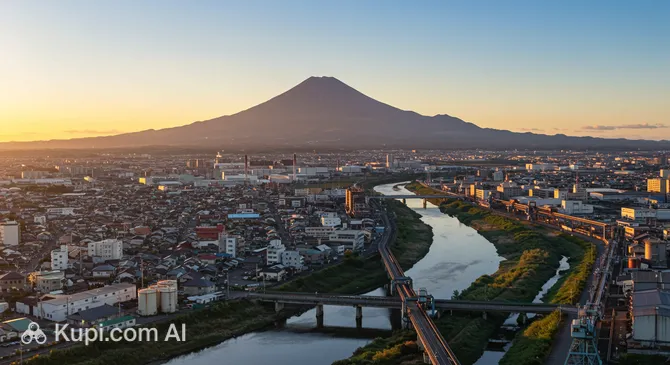
Eniwa. Illustration.
Source: Kupi.com AI

With a population of about 70,000 people, Eniwa maintains the atmosphere of a small but dynamically developing town where everyone can feel at home. You won't find the usual tourist crowds here; instead, there is genuine hospitality and a sense of coziness. Eniwa is part of the Hokkaido Prefecture and plays an important role in the region thanks to its industrial and agricultural potential.

Eniwa is famous for its peaceful atmosphere, clean air, and abundance of green spaces. It is an ideal destination for those seeking solitude and a break from urban stress. The city is especially beautiful in spring when the gardens bloom, and in autumn when the foliage turns vibrant colors. For fans of active recreation, there are hiking and cycling routes, as well as scenic parks such as Ecorin Village with its themed gardens and farm, or Eniwa Keikoku (Eniwa Valley) with its beautiful ravines and waterfalls. The Hana no Bokujo flower farm is also worth a visit, where you can enjoy the views and scents of seasonal flowers.

If you want to discover the authentic Japanese countryside, enjoy nature and tranquility, Eniwa will be a true discovery for you and provide unforgettable memories.

You can find more interesting facts on the history of the city of Eniwa page.
Weather Overview

The weather in Eniwa is characterized by distinct seasonal changes. Summers here are warm, while winters are cold. Average monthly temperatures range from -5.3°C in January to 21.6°C in August. August is the warmest month, with an average high of about 24.3°C, while January is the coldest, with an average low of about -8.5°C.

Expect a warm summer with occasional precipitation, especially in August, when about 6 mm of rain falls. Winters in Eniwa are cold, with a small amount of precipitation, averaging 2 mm per month. The number of rainy days ranges from 11 in March to 17 in December. You can find out more about the Eniwa climate on our dedicated page.

Average monthly temperature

Average monthly precipitation

Interesting Facts

Beyond its picturesque landscapes, the city of Eniwa on Hokkaido hides many curious details and traditions that not all travelers know about. Here are some interesting facts to help you see Eniwa from a new perspective:

  • Eniwa is known for its unique Eniwa Park, which turns into a true kingdom of blooming sakura in spring. Locals and tourists gather here for hanami—the traditional Japanese picnic under the cherry blossoms—to admire this fleeting miracle of nature.

  • The city is proud of its clean rivers and lakes, where you can find rare birds and even, according to rumors, see flying fish. Legend has it that one of Eniwa's rivers is home to a mysterious water spirit, believed to bring good luck to those who wash with its water at dawn.

  • Among the vibrant local traditions, the harvest festival holds a special place. During this time, the residents of Eniwa hold colorful processions, treat each other to fresh vegetables, and enjoy theatrical performances celebrating the hard work of farmers.

  • Eniwa is the birthplace of several famous athletes who have brought the city national fame, especially in winter sports. The proximity to Hokkaido's snow-covered slopes makes the city an excellent starting point for skiing and snowboarding enthusiasts.

How to Get There

Eniwa occupies a strategically advantageous position on Hokkaido, lying directly on the path between the region's main air hub and its administrative center. Thanks to this, the journey to the city is usually fast and comfortable. You can learn more about how to get to Eniwa by exploring our dedicated page, and below we provide basic information on the transport hubs.

Eniwa itself does not have its own airport, but this is not an issue for travelers. The closest and most popular arrival option is New Chitose Airport (CTS). Formally, it belongs to the Sapporo transport hub, but it is actually located just 15 km from the center of Eniwa. It is the largest international airport on Hokkaido with a massive passenger flow. The journey from the terminal to the city by taxi or car takes about 45 minutes, but many tourists prefer the express train, which gets there much faster.

If you are planning a grand tour of the island, you might consider flying into Asahikawa Airport (AKJ), located in the city of Asahikawa. It is approximately 112 km from Eniwa. This is a convenient entry point for those who want to start their journey in central Hokkaido. The drive from here takes about 3 hours.

Another option for those combining a trip with a visit to the south of the island is Hakodate Airport (HKD) in Hakodate. it is located 138 km from Eniwa. This is a regional hub handling both domestic and some international flights. A transfer from here will require more time but allows you to enjoy scenic views along the way.

For clarity, here is a summary of the main airports used to reach the region:

AirportPassenger trafficDistance
New Chitose Airport23.3 mln15 km
Okadama Airport575 20631 km
Asahikawa Airport1.1 mln112 km
Tokachi-Obihiro Airport650 000135 km
Hakodate Airport1.8 mln138 km

Railway connection is perhaps the most convenient way to reach Eniwa. The city is located on the JR Chitose Line, which connects New Chitose Airport and Sapporo. "Rapid Airport" trains stop at Eniwa Station, making the trip quick and easy: it takes about 15 minutes from the airport and 25 minutes from Sapporo Station. This is an ideal option for tourists not planning to rent a car immediately upon arrival.

Main Attractions

Eniwa, nestled in the vast expanses of Hokkaido, Japan, offers travelers a charming blend of natural beauty, well-kept parks, and opportunities to connect with local culture. While it is not a massive metropolis, there are several noteworthy places that will make your stay here interesting and memorable.

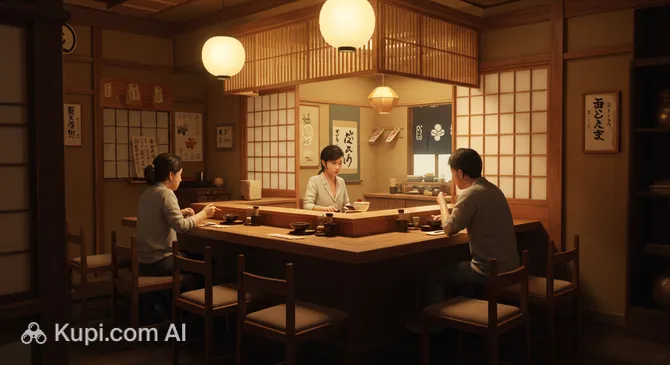
For connoisseurs of Japanese cuisine, the restaurant Ichie is a highlight. Such establishments are often famous for dishes made from the freshest local products and offer guests a chance to immerse themselves in the atmosphere of traditional Japanese hospitality. You can expect both classic Japanese dishes and creative interpretations from the chef, making it a great spot for culinary discoveries.

Ichie. Illustration.
Source: Kupi.com AI

Traveler photos:

One of the most famous places in Eniwa is Ecorin Village (えこりん村). This large eco-themed park allows visitors to enjoy magnificent gardens, including the famous "English Rose Garden" and the "Ginga Teien" (Galaxy Garden), designed by a renowned landscape architect. The park also features an animal farm, restaurants, and shops offering organic products. Ecorin Village is a wonderful place for family vacations and for those interested in nature and gardening.

Lovers of active outdoor recreation and scenic landscapes should certainly visit Eniwa Valley (恵庭渓谷, Eniwa Keikoku). This valley is famous for its three beautiful waterfalls: Hakusen-no-taki (白扇の滝 – "White Fan Waterfall"), Rarumunai-no-taki (ラルマナイの滝), and Sandan-no-taki (三段の滝 – "Three-Stage Waterfall"). The valley is particularly stunning in autumn when the tree leaves are painted in bright colors, creating breathtaking views. Walking trails allow you to explore this natural gem.

Another popular spot is Hana no Furu (花の拠点 はなふる), a modern complex dedicated to flowers and gardening. It includes several themed zones: the "Garden Island," where you can buy seedlings and gardening supplies; the children's play area "Fuwari"; and the "Kanto" rest area, which often hosts events. It is a great place for walking, relaxing, and discovering a wide variety of flowers, especially during the warmer months.

Local Cuisine

Eniwa's cuisine is a harmonious blend of Hokkaido's culinary traditions and the creative touches of local chefs. Traveling through Japan, you will find dishes here made from the freshest fish and seafood coming from nearby ports. Salmon and scallop sashimi are particularly famous, their flavors enhanced by homemade soy sauce and wasabi.

Another gastronomic hallmark of the city is "Genghis Khan"—a hearty mutton roast cooked on a special convex grill. This dish is a favorite for family dinners, especially in cool weather. It's also worth trying the seasonal ramen with corn and butter—a northern classic known for its rich and mellow taste.

Ichie. Illustration.
Source: Kupi.com AI

Traveler photos:

Among beverages, dairy products hold a special place. Thanks to developed farming in the surroundings, local milk and drinking yogurts are considered some of the best in the region. Among alcoholic drinks, tourists often choose local sake or beer, which perfectly complements grilled meat dishes.

The food culture in Eniwa is diverse: from cozy establishments to lively street stalls. On the go, you can snack on onigiri rice balls or sweet taiyaki—waffles shaped like fish with red bean paste. On weekends, farmers' markets open with fresh vegetables and pies. To experience traditional cuisine in a comfortable setting, you can visit the restaurant Ichie, which is popular with both locals and visitors to the city.

Travel Tips

Preparing for a trip to Eniwa is the key to a peaceful and rewarding vacation in the heart of Hokkaido. To help you feel confident and comfortable, we have gathered the most important recommendations to avoid awkward situations and fully enjoy Japanese hospitality.

  1. Clothing and Seasonality. The climate here differs from the main part of Japan: winters are snowy and cold, while summers are mild and not too hot. For a winter trip, be sure to bring a warm jacket, thermal underwear, and shoes with non-slip soles, as sidewalks are often covered with ice. In summer, a light windbreaker will be useful for evening walks. Don't forget a Type A power adapter (two flat pins).
  2. Transport. Eniwa is conveniently located on the JR rail line between the airport and Sapporo, making trains the most reliable way to travel between cities. Within the city, buses operate, but for visiting remote flower gardens or nature parks, renting a car will be the best solution. Taxis can be found at stations or called via apps, though in smaller towns their service may be limited at night.
  3. Finance. The official currency is the yen (JPY). While cards are accepted in supermarkets and hotels, small cafes and souvenir shops often require cash only. Always carry small change. You can withdraw money from ATMs in convenience stores (7-Eleven, Lawson); the menu there is usually available in English. Tipping is not customary—good service is considered the standard here.
  4. Health and Safety. Eniwa is a very safe city, but basic precautions should be followed. Tap water is safe to drink. Pharmacies (drugstores) offer a wide range of medicines, but it's better to have a translator handy to read the ingredients. The main hazard in winter is ice and snow falling from roofs; be careful when walking.
  5. Communication. English is not spoken everywhere, so download an offline translator and maps in advance. Free Wi-Fi is available at stations and in shops, but for stable connectivity, we recommend buying a SIM card or renting a pocket Wi-Fi at the airport upon arrival.
  6. Local Etiquette. Keep quiet on public transport: talking on the phone is considered rude. When entering private homes, some traditional restaurants, and temples, you must remove your shoes. It is customary to place money for purchases on a small tray at the checkout rather than handing it directly to the cashier.
  7. Things to Avoid. Never stick your chopsticks vertically into a bowl of rice—this is associated with funeral rites. Also, try not to eat while walking; if you buy a snack from a street stall, it's better to stop nearby and eat it there.
  8. City of Flowers. Eniwa is famous for its gardening. Be sure to visit the local Michi-no-Eki "Hana-Road Eniwa." This is not just a roadside service but a popular rest spot with beautiful gardens where you can buy fresh local products and unique pumpkin pastries.

Eniwa charms with its coziness and harmony with nature, and following these simple rules will make your journey easy and pleasant. Enjoy the fresh air, picturesque landscapes, and the unique atmosphere of northern Japan!

Entertainment & Nightlife

The nightlife in Eniwa differs from that of bustling metropolises: you won't find massive night clubs with neon signs like in neighboring Sapporo. Instead, the city offers a cozy and authentic atmosphere, perfect for a relaxed evening after a busy day. The main form of recreation here is "nomikai"—traditional social gatherings with colleagues or family held in numerous izakaya bars and small restaurants.

The heart of evening activity is located around Eniwa Station and the Sakaemachi district. As dusk falls, red lanterns light up here, inviting you in for dinner and a glass of beer. The crowd in such places is friendly and calm, and there is no dress code—locals come here simply to unwind. This is an excellent opportunity to immerse yourself in real Japanese culture, where barriers between people disappear at a shared table.

To explore the local gastronomic scene in the evening, it's worth visiting the restaurant Ichie. This establishment is respected by both tourists and residents alike for its high-quality dishes and cozy setting. Another iconic spot is the restaurant at the Sapporo Beer Hokkaido Brewery, where you can taste the freshest beer straight from the source and the famous "Genghis Khan" dish (grilled mutton). Such dinners often last several hours and flow into lively conversation.

If you are looking for entertainment during the day, Eniwa—known as the "City of Flowers"—offers walks through picturesque gardens like Ecorin Village. Here you can enjoy nature and visit themed farms before the city sinks into evening twilight. The daytime program in Eniwa is usually quiet and contemplative, providing a pleasant contrast to the warm and hearty evenings.

In terms of safety, Eniwa is one of the quietest cities in Japan, and you can walk here at night with total peace of mind. However, tourists should keep transport in mind: buses finish their service quite early. If you stay late at a bar, it's better to call a taxi via an app or ask the staff to help you order a car. Keep in mind that many small bars and izakayas only accept cash, so be sure to withdraw the necessary amount from an ATM in advance.

Parks & Museums

The city of Eniwa, proudly bearing the title of "City of Flowers," offers travelers a wonderful combination of manicured landscapes and a rich cultural heritage. Unlike bustling metropolises, the emphasis here is on the harmony between humans and nature, reflected in numerous gardens and informative exhibits telling the story of Hokkaido's development.

The main natural attraction of the region is undoubtedly Ecorin Village ("Ecorin-mura"). This is a large-scale ecological park, famous for its "Galaxy Garden," designed by renowned British landscape designers. For tourists, this place is interesting not only for the thousands of plant species blooming from spring to autumn but also for the opportunity to see the famous "sheepdog show" or walk alongside friendly alpacas. It is an ideal location for family vacations and photoshoots against pastoral landscapes.

For those seeking more traditional Japanese tranquility, Eniwa Park is a great fit. Located along the Izari River, it is a favorite spot for locals to observe the cherry blossoms in spring and admire the crimson momiji maples in autumn. The park is equipped with convenient walking paths and sports grounds, and its quiet atmosphere allows you to relax from the bustle of travel and enjoy the fresh air.

You can immerse yourself in the region's past at the Eniwa City Historical Museum. The museum's exhibition covers a huge span of time: from ancient archaeological finds of the Jomon period discovered in the vicinity (including artifacts from the Karinba site) to documents and household items of the first settlers who developed these lands in the 19th century. For tourists, this is an excellent chance to understand how the unique culture of northern Japan was formed and the challenges faced by Hokkaido's pioneers.

Another important cultural and industrial point is the tour area at the Sapporo Beer Hokkaido Brewery. Although it is a working production facility, its tourist section functions as a brewing museum. Visitors can learn about the technology behind the famous Japanese beverage, the brand's history, and the industry's influence on the city's development. The tour is interesting for its combination of historical facts and demonstrations of modern technology.

If you want to see something truly unique, look out for the private gardens of local residents. In Eniwa, there is a culture of "Open Gardens," where private homeowners open their skillfully designed yards to the public. These are not official museums, but this is where you can feel the true spirit of the city and see landscape design created with love and incredible attention to detail.

Getting Around

The transportation system in Eniwa is characterized by punctuality and convenience, typical of the entire island of Hokkaido. The city's main transport artery is the JR Chitose Line. Trains run frequently, linking the city with two key points in the region: the major metropolis of Sapporo and New Chitose Airport. Within the city limits, there are Eniwa, Megumino, and Shimamatsu stations. For tourists, the central Eniwa Station is most convenient, as the Rapid Airport express trains stop there, allowing you to reach your destination in minutes.

Within the city, route buses operate, including the "Eco Bus" municipal lines and Chuo Bus company routes. The bus network covers major residential areas and tourist locations that are difficult to reach on foot from the station. It is important to remember the boarding procedure: in most cases, you enter through the back door and exit through the front, next to the driver. Timetables at stops are usually followed with minute-perfect accuracy.

The fare payment system is flexible and technological. The easiest way for a tourist is to use transport IC cards (such as Kitaca, Suica, or PASMO). These can be used to pay for travel on JR trains and most buses by simply tapping the card against the validator when entering and exiting. If you don't have a card, buses use a cash payment system: when entering, you must take a numbered ticket (seiriken), and when exiting, check your number against the screen above the driver and drop the exact fare along with the ticket into the machine. Drivers do not give change, but the machine has a function to change 1,000 yen notes and coins.

Given that many of Eniwa's attractions, such as flower gardens and farms, are scattered around the outskirts, renting a car remains a popular travel option. Rental points can be found around the airport or in neighboring Chitose, and in the city itself, traffic is calm and there are usually no problems with parking. Taxis are also available: cars typically wait for passengers at special stands by the railway stations. To call a taxi from a hotel or restaurant, it's better to ask the staff for help, as international apps may work intermittently.

During the warm season (from late spring to early autumn), cycling becomes an excellent alternative. Eniwa positions itself as a "garden city," so it is pleasant to get around on two wheels while exploring the picturesque streets and parks. Bicycle rental points often operate at tourist information centers, for example, at Eniwa Station or in the Michi-no-Eki rest area. This is not only a budget-friendly but also the most atmospheric way to experience the city's cozy rhythm of life.

Accommodation

Choosing accommodation in Eniwa is generally a matter of practicality and convenient logistics. The city is strategically located between New Chitose Airport and the regional capital, Sapporo, so functional business hotels and affordable options for transit travelers prevail here. Unlike the major resort areas of Japan, it is difficult to find luxury five-star complexes, but the prices for accommodation will pleasantly surprise you with their affordability and lack of tourist markups.

The most convenient area to stay is around JR Eniwa Station. By staying here, you get direct access to trains that will quickly take you to your flight or to the attractions of Sapporo. This is an ideal strategy for those who want to save on overnight stays while remaining mobile. Within walking distance of the station, the main urban infrastructure is concentrated: supermarkets, restaurants, and 24-hour konbini convenience stores.

The main housing stock is represented by mid-range hotels and so-called "business hotels." This is a classic Japanese format: rooms may be compact, but they are always impeccably clean and equipped with everything you need, including pajamas, slippers, and toiletries. For those seeking a more authentic experience, small guesthouses or pensions offering a homey atmosphere can be found on the outskirts of the city, closer to natural parks and golf courses.

The price range in Eniwa varies from budget to mid-range. Booking is best done through major international online platforms, as the websites of small local hotels may lack an English interface. Payment for accommodation is usually made by card at the time of booking or on-site, but small family-run hotels may ask for cash.

Booking tip: Although Eniwa is not a major tourist hub, the demand for accommodation here rises sharply during major events in neighboring Sapporo, such as the famous Snow Festival in February. During such periods, as well as the peak summer blooming season, Eniwa's hotels become a lifesaver for tourists who didn't manage to book accommodation in the Hokkaido capital. Therefore, it is recommended to plan your trip and book a room in advance, at least 2–3 months before.

Nearby Cities

For those looking to explore the surrounding area, Eniwa serves as an excellent starting point for day trips to several interesting nearby locations:

Just 20-30 minutes away by train is Sapporo—the administrative center of Hokkaido and a dynamic metropolis. People come here to stroll through the famous Odori Park, visit the historical Clock Tower, and enjoy the nightlife of the Susukino district. It is an ideal place for shopping and getting to know the urban culture of northern Japan.

The neighboring Chitose, located very close by, attracts nature lovers. The main gem here is the picturesque Lake Shikotsu, which is part of a national park and famous for its crystal-clear water that doesn't freeze even in winter. The city also has an interesting aquarium dedicated to salmon.

A bit further away is the port city of Otaru, known for its romantic atmosphere. Tourists love to walk along the old canal surrounded by brick warehouses, visit glass-blowing workshops, and music box museums. This is a wonderful choice for a quiet and aesthetic day trip.

CityPopulationDistance
Chitose97 9459 km
Kitahiroshima58 12512 km
Naganuma10 51517 km
Ebetsu119 81925 km
Kuriyama11 47426 km

These nearby destinations allow you to get a sense of the diverse culture and landscapes of the region.

Shopping & Souvenirs

Shopping in Eniwa is a world away from the consumer frenzy of major cities. You won't find massive districts with luxury boutiques or multi-story fashion department stores here. Instead, the city offers cozy shops with local products, gardening supplies (since Eniwa is the City of Flowers), and high-quality everyday items. It is an ideal place for those who want to purchase authentic gastronomic souvenirs and support local producers.

Main shopping activity is concentrated along the city's primary transport artery—National Route 36, which runs through Eniwa. Large supermarkets, chain clothing and electronics stores, and bookstores are located along this road. Another point of interest is the area around Eniwa Station, where you can find convenience stores and small commercial centers handy for quick purchases.

Among the shopping centers, Eniwa Frespo (formerly known as Fresco) stands out. This is an open-style shopping district featuring supermarkets, "100-yen stores" (such as Daiso), pharmacies, and clothing stores. Here, tourists can buy everything they need: from Japanese cosmetics and household sundries to fresh fruit and ready-made bento lunches. It's a convenient place to restock in a calm environment.

The crown jewel of local shopping is the roadside station Michi-no-Eki "Hana-Road Eniwa". This is not just a rest stop for drivers, but a real marketplace for local goods. It features a farmers' section selling the freshest vegetables grown in Hokkaido's fields and a souvenir shop. This is the place to go for unique products that are hard to find in regular supermarkets.

As for souvenirs from Eniwa, be sure to bring home products made from pumpkin. The city is famous for its "Ebisu" pumpkin variety, so you can find pumpkin pies, cookies, jams, and even pumpkin noodles on the shelves. Floral-themed goods are also popular: seeds of local plants, aromatic sachets, and herb-based cosmetics. Those with a sweet tooth will enjoy confectionery from local bakeries, which often use milk from nearby farms.

Most shops in Eniwa open around 10:00 AM and operate until 8:00 or 9:00 PM. Convenience stores (konbini) are open 24/7. Regarding payment, major supermarkets and the Frespo shopping center accept credit cards (Visa, Mastercard) without issues. However, at farmers' markets, in small souvenir shops, or at roadside station stalls, you may need cash, so we recommend always having banknotes and coins with you.

The Tax Free system (consumption tax refund) is available at large chain drugstores, such as Tsuruha Drug or Sapporo Drug Store, which can be found in the city. To use this service, look for the "Tax Free" sticker at the entrance, have your passport with you, and make a purchase exceeding 5,000 yen (excluding tax) in a single receipt. In small private shops, tax refunds are generally not offered.

Reached the end of the page?

That means the route is fully explored